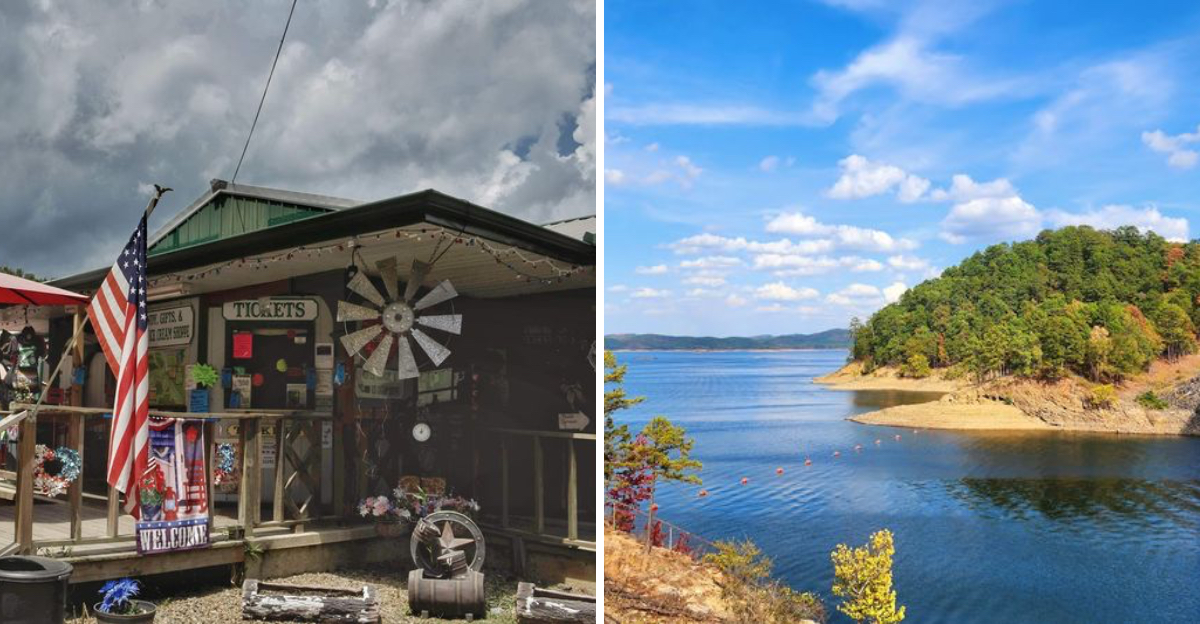
Summer in Oklahoma’s lake towns is loud, warm, and wonderfully chaotic. Boats cut across the water, restaurants fill up fast, and every cabin seems to have a light on.
Then the season shifts, temperatures drop, and something almost theatrical happens to these places. The crowds vanish almost overnight, leaving behind quiet docks, empty parking lots, and a stillness that makes you feel like you wandered onto a movie set after everyone went home.
It is a completely different world out there once the off-season settles in, and honestly, it is worth seeing. There is something raw and honest about a lake town when it is not performing for visitors.
The locals move a little slower. The roads feel wider than they actually are.
The water looks bigger somehow, reflecting a sky that nobody seems to be watching. These ten Oklahoma lake towns go through that exact transformation every single year, and the contrast between their summer energy and their off-season quiet is genuinely striking.
If you have only ever seen these places in July, you have missed half the story.
1. Disney on Grand Lake O’ the Cherokees
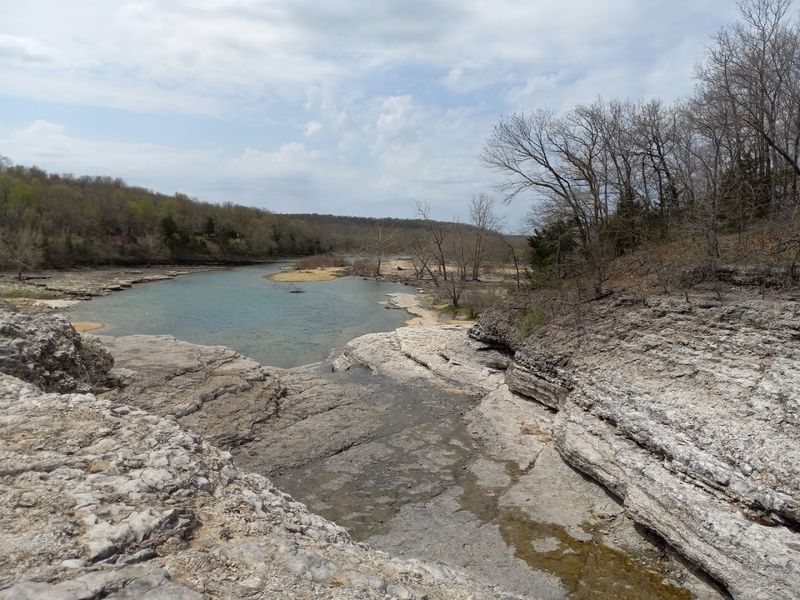
Nobody warns you how strange it feels to walk through Disney, Oklahoma, on a cold January morning when the whole town seems to be holding its breath. In summer, this small northeastern Oklahoma community buzzes with energy that feels almost disproportionate to its size.
Boaters launch from the ramps, off-road enthusiasts head into the surrounding terrain, and the general mood is one of controlled chaos that somehow works.
Then winter arrives, and Disney does something unexpected. It gets quiet in a way that almost has a sound of its own.
The boat ramps sit empty. The small shops that cater to lake visitors pull down their hours or close entirely.
Roads that felt crowded just months ago now stretch ahead with almost nothing moving on them.
Standing near the shoreline on a cold, overcast day, you get a real sense of how much this town depends on the lake. Without the water activity, it retreats into itself.
Locals still move through their routines, stopping at whatever remains open, nodding to each other with the easy familiarity of people who have shared a small town for years.
The lake itself does not disappear, of course. Grand Lake O’ the Cherokees still sits there, wide and grey and impressive, reflecting clouds instead of speedboat wakes.
There is a stillness to it that summer visitors never get to experience. Disney, Oklahoma, sits along State Highway 28 in Mayes County, northeastern Oklahoma, USA.
2. Langley and the Slow Edge of Grand Lake
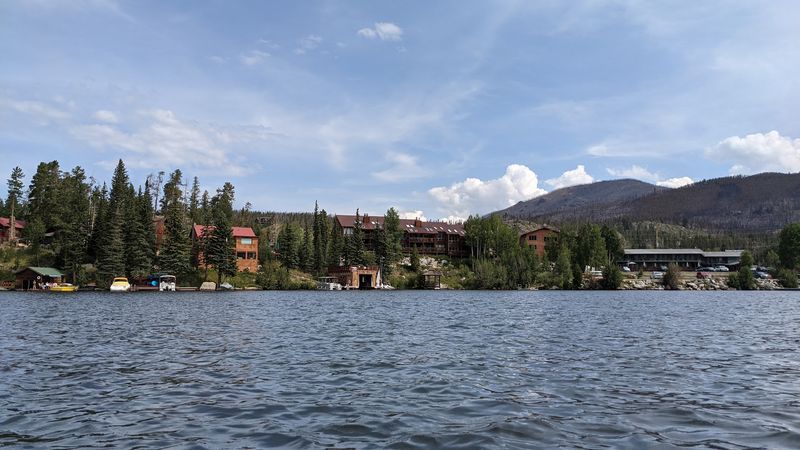
Langley has one of those locations that makes you understand immediately why people built a town there. It sits right on the edge of Grand Lake O’ the Cherokees in Mayes County, and the view from the waterfront on a calm day is the kind of thing that stops you mid-step.
In peak season, that same view is framed by boat traffic, crowded docks, and the general noise of a lake community operating at full capacity.
Off-season Langley is a different conversation entirely. Many of the lakefront restaurants that draw visitors during warmer months close up or cut their hours dramatically.
The marina, which hums with activity from spring through early fall, grows so quiet you can hear the water lapping against the dock boards. That sound becomes almost meditative when nothing else is competing with it.
What stays open in Langley during the colder months tends to serve the people who actually live there year-round, and that shift in clientele changes the atmosphere of whatever spaces remain active.
The conversations feel more local, more grounded, less about vacation plans and more about everyday life beside a big lake that most of the world has temporarily forgotten about.
There is something almost philosophical about a marina with no boats in it. All that infrastructure, all those docks and fuel pumps and tie-off cleats, just waiting.
Langley is located along Oklahoma State Highway 28 in Mayes County, northeastern Oklahoma, USA.
3. Eufaula When the Lake Finally Breathes
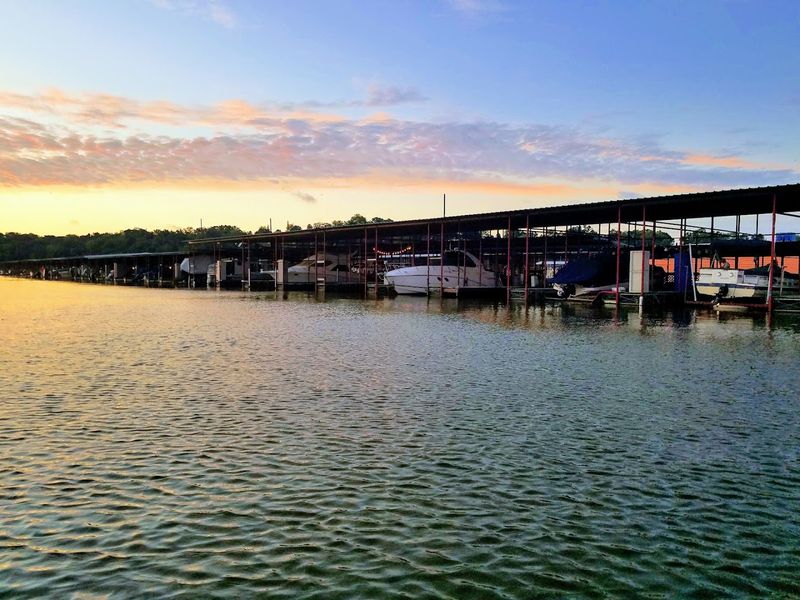
Lake Eufaula is the largest reservoir in Oklahoma, and that fact carries real weight when you are standing on its shore in the middle of February with no one else around. During summer, the sheer size of this lake works in its favor, absorbing crowds that would overwhelm a smaller body of water.
Fishing boats, pontoons, and ski boats spread across its surface like confetti, and the town of Eufaula hums with the kind of commercial energy that seasonal tourism produces.
Come winter, that energy evaporates fast. The boat docks sit empty.
Campgrounds along the shoreline go quiet. Businesses that depend on visitor traffic either close temporarily or operate on schedules so reduced they feel almost symbolic.
Walking through Eufaula in the off-season, you notice the bones of the town more clearly, the older buildings, the wide streets, the sense of a community that existed long before anyone thought to put a marina here.
The lake itself becomes almost otherworldly in colder months. The surface turns glassy and flat, reflecting whatever sky happens to be overhead with an accuracy that feels almost too perfect.
Egrets and herons move along the edges without any competition from jet skis. It is peaceful in the way that only very large, very quiet places can be peaceful.
Eufaula has a personality that summer visitors rarely slow down enough to notice. McIntosh County holds this town along US Highway 69 in southeastern Oklahoma, USA.
4. Grove When the Grand Lake Hub Goes Still
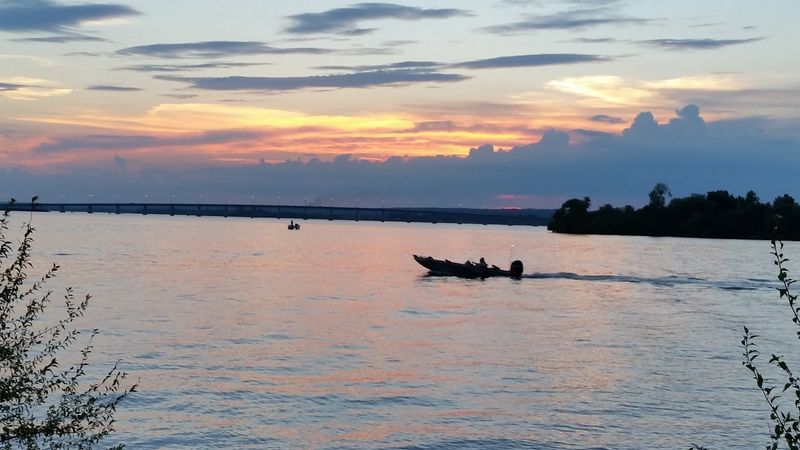
Grove carries more infrastructure than most towns along Grand Lake, which makes its off-season quiet all the more striking. As one of the primary service hubs for the entire Grand Lake region, Grove spends its summers moving fast.
Marinas process a steady stream of boats. Waterfront areas fill with visitors who treat the town as a base camp for everything the lake has to offer.
The pace is relentless from Memorial Day through Labor Day.
Then fall rolls in, and Grove shifts gears in a way that feels almost mechanical. The waterfront areas grow noticeably calm.
Parking lots that were full in August sit mostly empty. The lake is still there, enormous and beautiful, but the human layer of activity that defined the summer months has been peeled back to reveal something quieter underneath.
What Grove retains in the off-season is its sense of being a real town with real residents who do not disappear when the tourists do. Local diners and shops that serve year-round customers stay open, and those spaces have a warmth and familiarity that summer crowds can actually dilute.
You get better conversations in November than you do in July, and the people behind the counters have more time to have them.
The view of Grand Lake from the Grove waterfront in winter has a dramatic quality that no summer photo quite captures. Grove sits in Delaware County along US Highway 59 in northeastern Oklahoma, USA.
5. Kingston Where Lake Texoma Goes Silent
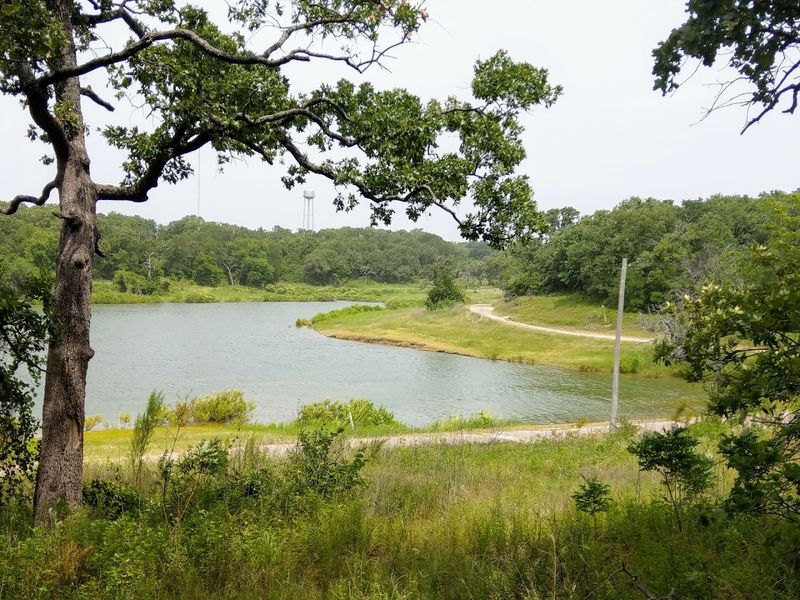
Lake Texoma is one of the largest reservoirs in the entire country, straddling the Oklahoma-Texas border with a confidence that matches its size. Kingston, sitting on the Oklahoma side in Marshall County, becomes one of the busiest small towns in the region during summer.
Campgrounds fill to capacity. The lake surface gets crowded with boats pulling skiers and tubers.
The energy is the kind that makes you feel like you stumbled into a party you were not expecting.
Off-season Kingston is almost unrecognizable by comparison. The campgrounds empty out.
Boat launches that handled a constant flow of traffic in July sit idle. The roads leading toward the water, which once required patience to navigate during peak hours, feel so open in winter that you almost wonder if you took a wrong turn somewhere.
Cold air sitting over a lake as large as Texoma creates its own kind of atmosphere. The water looks darker and more serious in winter, less like a playground and more like a geographic force that simply exists on its own terms.
Shore birds work the edges without any human interference, and the silence has a physical quality to it that is hard to describe but easy to feel.
There is a humility to Kingston in the off-season. The town does not pretend to be more than it is when the crowds are gone.
Kingston is located along US Highway 70 in Marshall County, southern Oklahoma, USA.
6. Broken Bow When the Forest Gets Its Lake Back
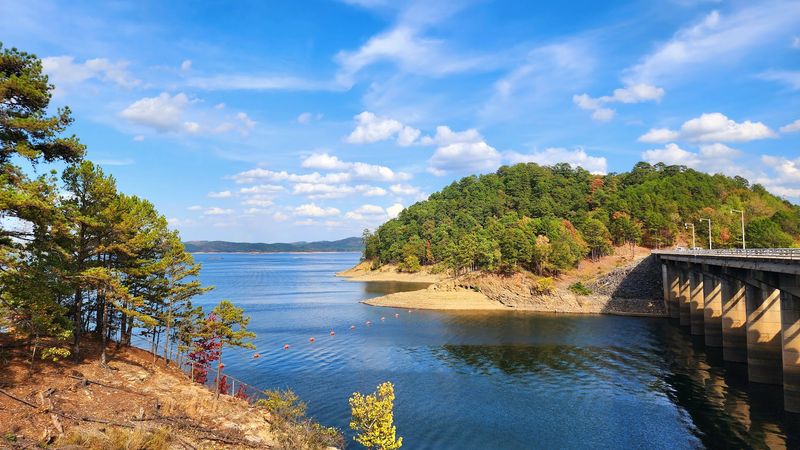
Broken Bow is the outlier on this list, and it knows it. Unlike most Oklahoma lake towns that essentially hibernate through the colder months, Broken Bow and the surrounding Hochatown area maintain a year-round visitor presence that other lake communities can only envy.
Cabins stay booked. The pine forests of the Ouachita Mountains do not lose their drama just because the calendar flips to December.
But winter still changes the mood here in ways that matter. The outdoor attractions that define a summer visit slow down.
Kayak rentals and guided tours operate on reduced schedules or stop entirely. The trails through Beavers Bend State Park grow noticeably quieter, and the footprints in the mud after a cold rain are fewer and further between than they would be in June.
What winter gives Broken Bow is texture. The lake surface, which spends summer churning under motorboat traffic, becomes glassy and still in ways that make it look almost painted.
The surrounding pine canopy holds its color while the hardwoods go bare, creating a contrast that feels specifically designed for moody morning photographs that nobody is there to take.
The forest itself seems to exhale. That might sound dramatic, but spend a quiet Tuesday morning near the water in January and see if you disagree.
Broken Bow sits in McCurtain County along US Highway 259 in far southeastern Oklahoma, USA.
7. Sulphur Near Arbuckle Lake in the Quiet Season
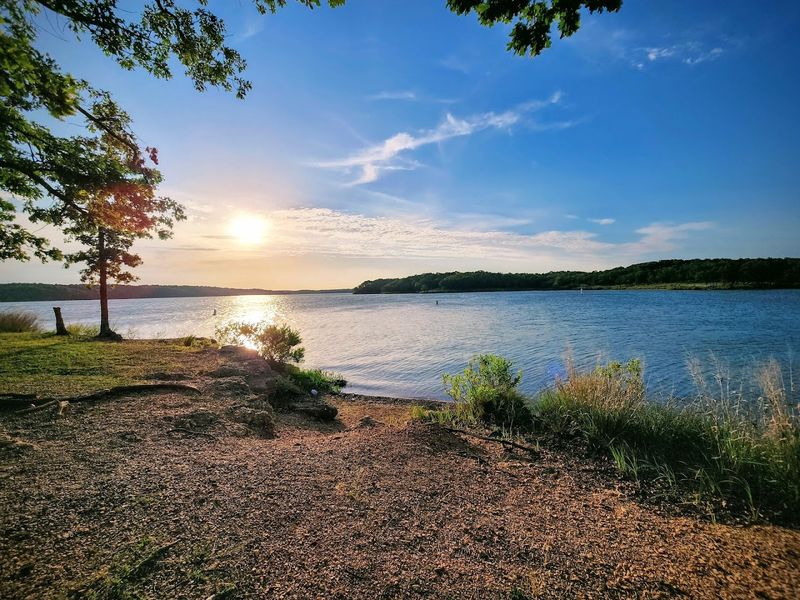
Sulphur occupies a unique spot on this list because it sits near not just one body of water but an entire recreation area built around natural springs, creeks, and small lakes.
Chickasaw National Recreation Area runs right through the heart of this town in Murray County, and during the warm months, that proximity means Sulphur sees a steady flow of visitors who come for the mineral springs, swimming areas, and trails that wind through the landscape.
Winter strips all of that back to the essentials. The swimming areas close.
The picnic grounds go empty. Trails that were dotted with hikers in September become solitary paths where the only sounds are wind through bare branches and the occasional creak of a tree that has been standing longer than the park has existed.
The creeks still run, still clear and cold, but nobody is sitting beside them on a blanket anymore.
Sulphur itself, the town surrounding all this natural infrastructure, settles into a pace that feels almost rural in the best possible way. Shops that cater to park visitors reduce their hours.
The streets carry less traffic. Local restaurants that stay open become gathering points for residents who have the town more or less to themselves for a few months.
There is real charm in that arrangement if you show up willing to meet it on its own terms. Sulphur is located along US Highway 177 in Murray County, south-central Oklahoma, USA.
8. Wagoner and the Quiet Side of Fort Gibson Lake
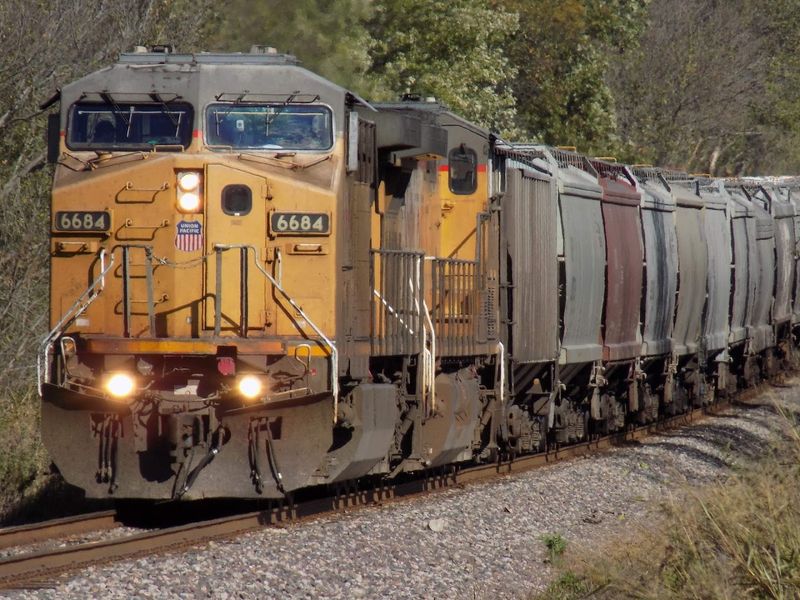
Fort Gibson Lake does not get the same national attention as Lake Texoma or Grand Lake, but in eastern Oklahoma it holds a loyal following of anglers, campers, and boaters who return every summer with the kind of devotion that suggests the lake has done something right.
Wagoner, sitting close to the lake’s western shoreline in Wagoner County, benefits from that loyalty in the form of summer traffic that moves through town on its way to the water.
When vacation season fades, the roads leading toward Fort Gibson Lake take on a different character.
The campgrounds along the shore empty out steadily through September and October until, by November, the whole area has shifted into a mode that feels less like a recreation destination and more like a landscape that is simply existing without an audience.
Marinas that processed a constant flow of boat launches and retrievals during peak months go quiet in a way that emphasizes how much of their purpose is seasonal. The parking areas beside the boat ramps sit mostly empty.
The lake itself, which can feel almost crowded on a summer weekend, opens up into something that feels genuinely vast and solitary.
Wagoner as a town has its own identity beyond the lake, and the off-season is when that identity is most visible. The community does not fold up and wait for summer.
It just moves at a different speed. Wagoner is located along US Highway 69 in Wagoner County, eastern Oklahoma, USA.
9. Ketchum and the Ghost-Town Feeling of Lake Texoma’s Edge
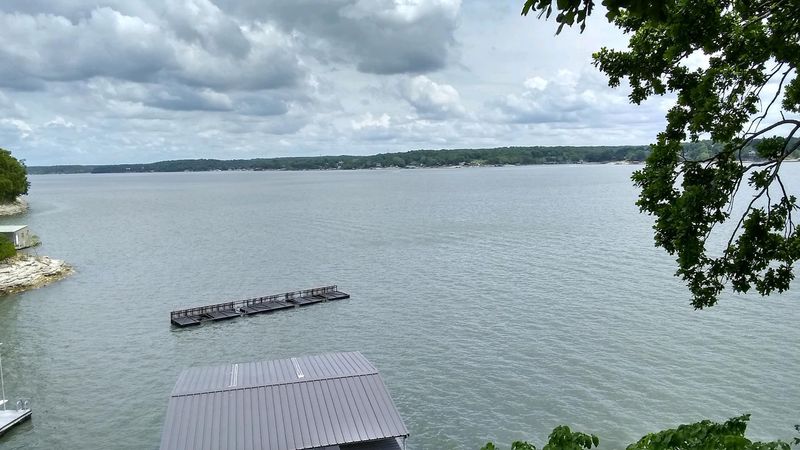
Ketchum sits near Grand Lake O’ the Cherokees in Craig County in northeastern Oklahoma, in a way that makes it feel like the lake’s best-kept secret, at least in the off-season.
During warmer months, vacation homes along the waterfront fill up with part-time residents and weekend visitors who come for the fishing, the boating, and the general pleasure of being near one of the largest reservoirs in the country.
The town operates in two distinct modes, and summer is definitely the louder one.
Once temperatures drop, many of those vacation properties go dark. Driveways that held multiple vehicles in July sit empty for weeks at a time.
The contrast between the expensive lakefront homes and the modest year-round residences becomes more visible when the seasonal population disappears, leaving the permanent community to go about its life without the summer overlay.
Walking through Ketchum in winter feels like flipping through a photo album from a party that ended hours ago. The infrastructure for recreation is all still there: docks, boat ramps, waterfront access points.
But the people who use that infrastructure have largely gone home, leaving behind a quiet that is not unpleasant so much as it is unexpectedly complete.
The lake does not care about any of this, of course. It just keeps going, grey and wide and indifferent to whether anyone is watching.
That indifference is part of what makes it worth visiting in the cold months. Ketchum is located near Lake Texoma in Marshall County, southern Oklahoma, USA.
10. Hochatown When the Hideaway Slows Down
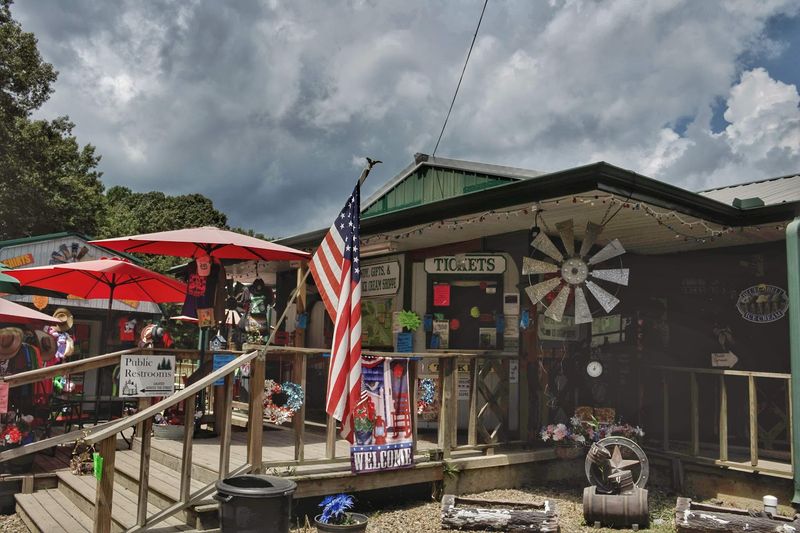
Hochatown earned its reputation as a getaway destination fast, maybe faster than any small community in Oklahoma expected. What was once a genuinely quiet stretch of road near Broken Bow Lake transformed over the past decade into a cabin rental corridor that draws visitors from across the region.
In peak season, the traffic through Hochatown can surprise first-timers who expected something more remote and low-key.
Winter dials that back considerably. Many of the cabin properties that stay booked solid from spring through fall see their reservation calendars thin out.
The small businesses and entertainment spots that line the main road operate on reduced schedules, and some close for stretches of the coldest months. The roads through the pine forest that felt congested in October feel genuinely open in January.
What Hochatown offers in the off-season is something its peak-season version cannot always deliver: actual solitude near an actual forest. The Ouachita Mountain landscape surrounding this community does not lose its appeal when the tourist numbers drop.
If anything, the bare hardwoods mixed with the evergreen pines create a visual interest that summer’s thick canopy actually conceals.
Broken Bow Lake, just down the road, sits perfectly still on cold mornings in a way that makes the summer version feel almost restless by comparison. The quiet is not emptiness.
It is the place being itself without an audience. Hochatown is located along US Highway 259 in McCurtain County, far southeastern Oklahoma, USA.
Dear Reader: This page may contain affiliate links which may earn a commission if you click through and make a purchase. Our independent journalism is not influenced by any advertiser or commercial initiative unless it is clearly marked as sponsored content. As travel products change, please be sure to reconfirm all details and stay up to date with current events to ensure a safe and successful trip.
