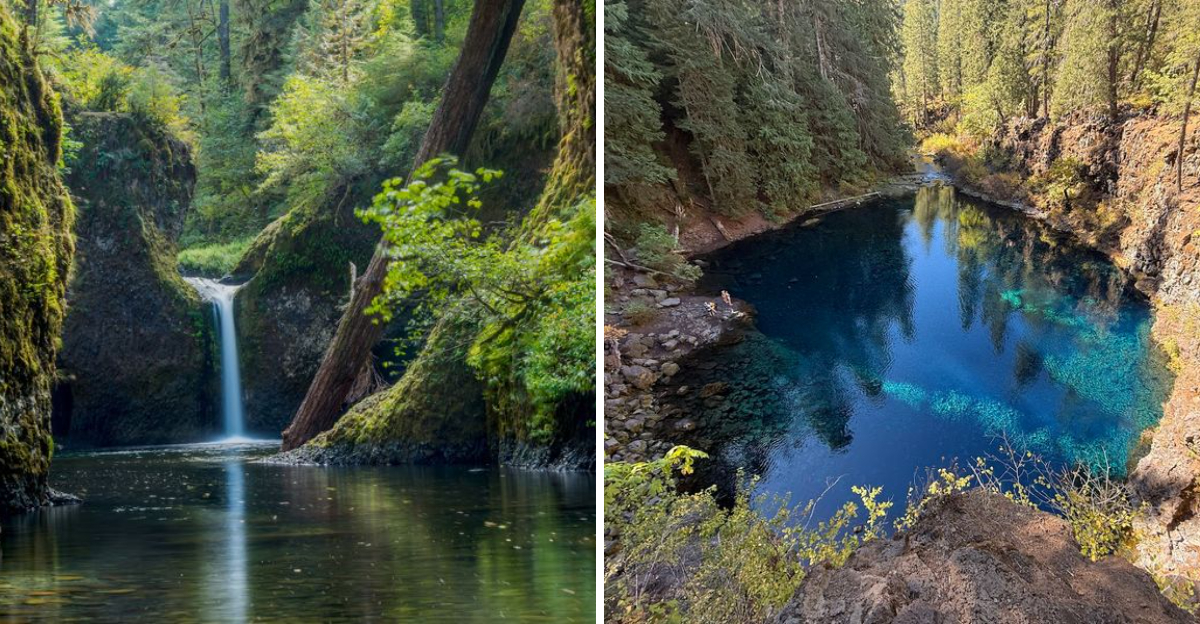
Summer in Oregon means one thing. Finding water cold enough to shock you awake but clear enough to see every rock on the bottom.
These secret swimming holes are not on any official map and the locals like it that way. You have to know someone who knows someone to find the best ones.
A short walk through the trees usually leads to a hidden pool where the river slows down just enough for floating. The water comes straight from mountain snowmelt so expect to gasp when you first jump in.
That gasp turns into a laugh pretty quickly though. Sun warmed rocks line the edges for drying off between dips.
Some spots have small waterfalls you can sit under like a natural shower. Others are deep enough for a proper cannonball without worrying about your tailbone.
Oregon has famous lakes and crowded beaches, but these tucked away swimming holes feel like a private reward for people willing to explore a little harder. Pack a towel, some snacks, and a good attitude.
Leave the phone in the car because you will not find service anyway.
1. Proxy Falls Swimming Hole, Three Sisters Wilderness, Oregon
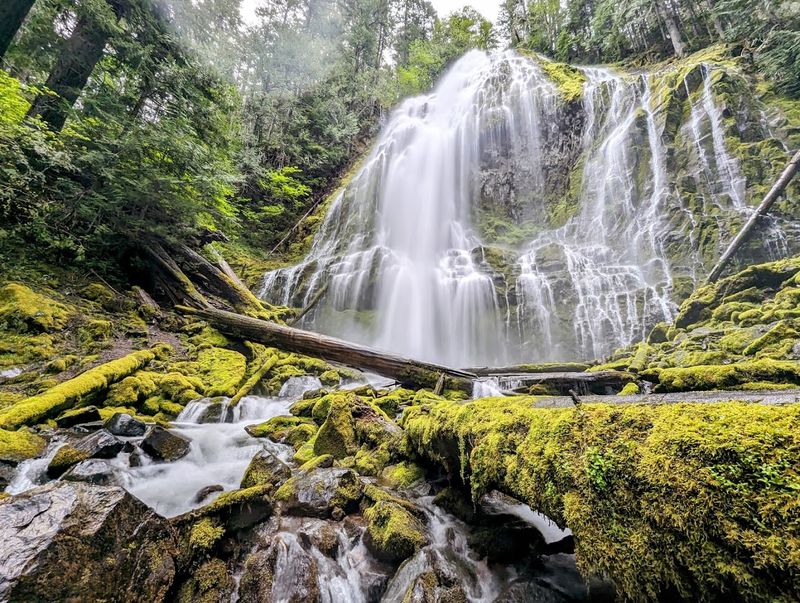
Not everyone knows that the trail to Proxy Falls passes a quiet, shallow pool perfect for cooling off after a warm hike. The Three Sisters Wilderness in central Oregon is one of the most stunning landscapes in the entire Pacific Northwest.
Towering Douglas firs and thick carpets of moss set the scene.
The loop trail to Proxy Falls is only about 1.5 miles long, making it accessible for most fitness levels. Along the way, you pass two distinct waterfalls that drop dramatically over ancient lava walls.
The pool near the lower falls is calm and clear, with a sandy bottom that feels almost tropical.
Water temperatures here are cool but not punishing, hovering around the mid-50s Fahrenheit in summer. Kids especially love splashing near the shallow edges while adults relax on flat basalt rocks in the sun.
The forest canopy provides natural shade that keeps the whole area feeling fresh.
Wildlife sightings are common here, including elk, deer, and a wide variety of birds. Bring binoculars if you enjoy nature watching alongside your swim.
The combination of waterfall views and forest sounds makes this one of the most peaceful spots on this entire list.
The trailhead is located off Highway 242, also known as the McKenzie Pass-Santiam Pass Scenic Byway.
2. Bagby Hot Springs, Mount Hood National Forest, Oregon
A warm soak after a long summer hike sounds pretty perfect, right? Bagby Hot Springs delivers exactly that, tucked deep inside Mount Hood National Forest in northwest Oregon.
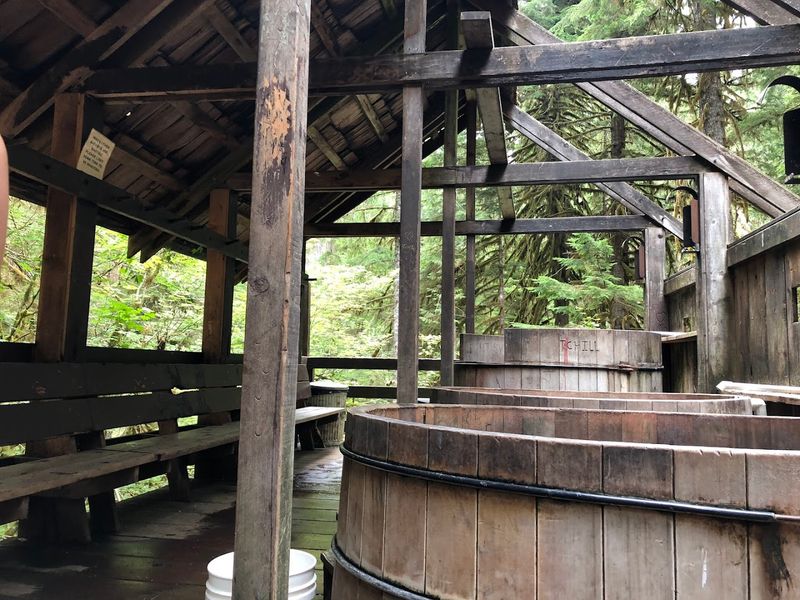
The springs feed a collection of hand-carved cedar log tubs that have been used for generations.
The trail to reach Bagby is about 1.5 miles each way, winding through stunning old-growth forest with massive Douglas fir and western red cedar trees. The path follows the Collawash River, which offers its own cool swimming opportunities along the way.
It is a beautiful walk in every season.
Once you arrive, the hot spring water flows continuously through a wooden flume system into the soaking tubs. Temperatures vary depending on how much cold water you mix in, giving you full control over your comfort level.
The rustic tub house has an open-air feel that connects you directly to the surrounding forest.
Volunteers maintain the site through the Friends of Bagby organization, and a small day-use fee is required. Arriving early is strongly recommended because the tubs fill up quickly on summer weekends.
Weekday visits tend to be far more relaxed and peaceful.
The trailhead is located off Forest Road 70, south of Estacada, Oregon.
3. Susan Creek Swimming Hole, North Umpqua River, Oregon
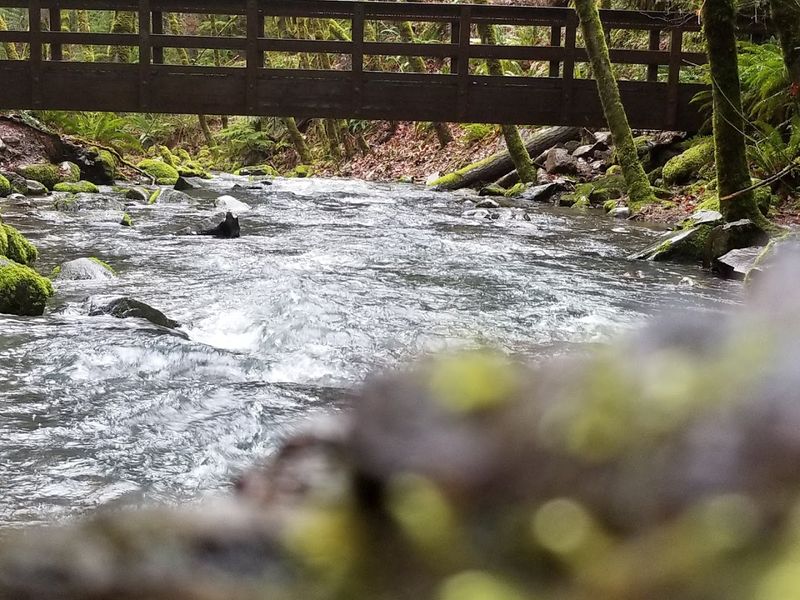
The North Umpqua River corridor is one of southern Oregon’s best-kept secrets, and Susan Creek is one of its finest access points. The river runs cold and clear through a dramatic canyon lined with basalt cliffs and old-growth conifers.
It is the kind of place that makes you want to slow down and stay awhile.
Susan Creek Day Use Area sits along Highway 138, about 30 miles east of Roseburg, Oregon. A short, easy trail leads down to a wide, calm stretch of river with smooth gravel bars and gentle current.
The water is refreshingly cold in summer, typically running in the low 60s Fahrenheit.
Families love this spot because the swimming area is wide and relatively shallow near the banks. Older kids and adults can wade out to deeper sections for a more adventurous swim.
The surrounding canyon walls add a dramatic backdrop that makes every photo look incredible.
Nearby, a short side trail leads to Indian Mounds, ancient earthworks that add a historical layer to your visit. Learning a bit about the Indigenous history of the Umpqua Valley makes the experience feel more meaningful and grounded.
It is a great opportunity to connect nature exploration with cultural learning.
Parking and basic facilities are available at the day-use area. The site is managed by the Bureau of Land Management and is open year-round.
4. Opal Creek Wilderness Swimming Holes, Willamette National Forest, Oregon
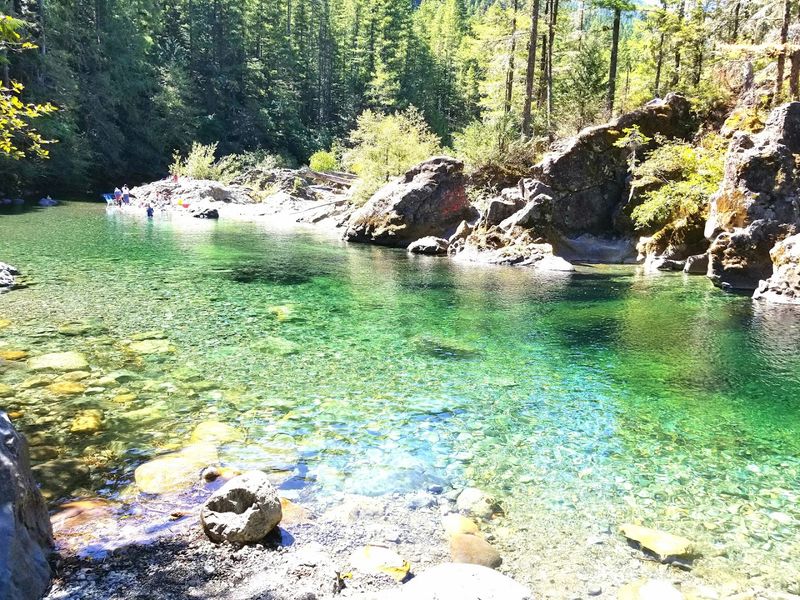
Few places in Oregon stop you in your tracks quite like Opal Creek. The water here is an almost impossible shade of blue-green, caused by fine glacial sediment and the purity of the stream itself.
It flows through one of the last remaining old-growth forests in the Pacific Northwest.
Opal Creek Wilderness is located in the Willamette National Forest, northeast of Salem, Oregon. The hike to the main swimming holes is about six miles round trip on a scenic trail that passes historic mining cabins from the early 1900s.
The history adds a fascinating layer to an already spectacular journey.
Multiple swimming holes appear along the creek at various points, each one unique in depth, color, and character. Some are wide and shallow, perfect for wading and sunbathing on warm flat rocks.
Others are deep enough for jumping from low ledges into cool, clear water.
The forest surrounding the creek is genuinely ancient, with trees over 500 years old creating a cathedral-like canopy overhead. The air smells like moss and pine, and the silence is broken only by birdsong and rushing water.
It is the kind of environment that feels healing just to stand in.
Access requires a Northwest Forest Pass for parking at the Opal Creek Trailhead off Forest Road 2209.
5. Tamolitch Blue Pool, McKenzie River, Oregon
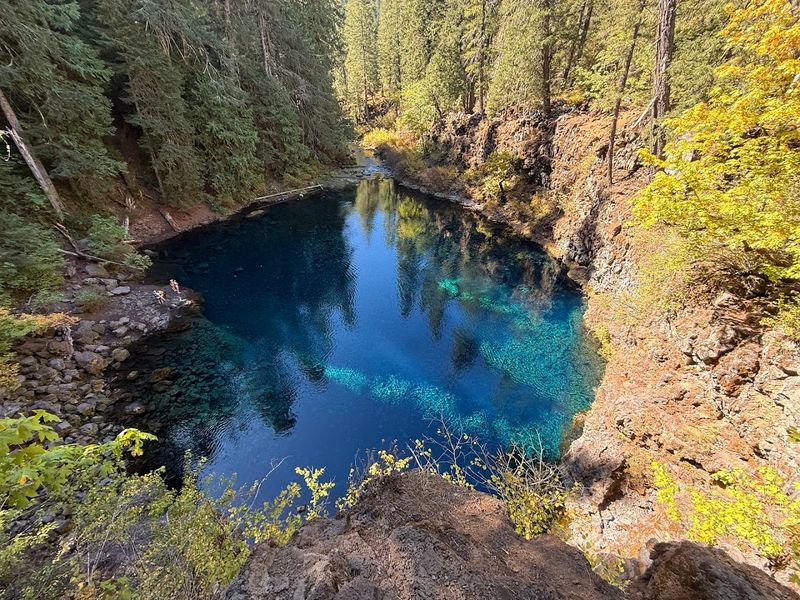
Cold, vivid, and almost unreal in color, Tamolitch Blue Pool looks like something out of a fantasy movie. It sits along the McKenzie River in the Willamette National Forest of central Oregon.
The water is fed by underground springs that push up through ancient volcanic lava rock.
The hike to reach this pool is about four miles round trip on a well-maintained trail. You will walk through dense old-growth forest before the river suddenly disappears underground.
Then, around a bend, the glowing blue pool appears like a surprise reward.
The water temperature stays around 34 to 38 degrees Fahrenheit year-round, so be prepared for a serious cold shock. Most visitors wade in carefully from the rocky shore.
The surrounding lava walls create a natural amphitheater that makes the whole scene feel dramatic and private.
Spring is the best time to visit if you want to see a waterfall feeding the pool from above. By summer, the falls slow to a trickle, but the pool itself is at its most vivid and accessible.
Bring water shoes because the lava rock can be tough on bare feet.
Parking is available at the Carmen Reservoir Trailhead off Highway 126.
6. McCredie Hot Springs, Willamette National Forest, Oregon
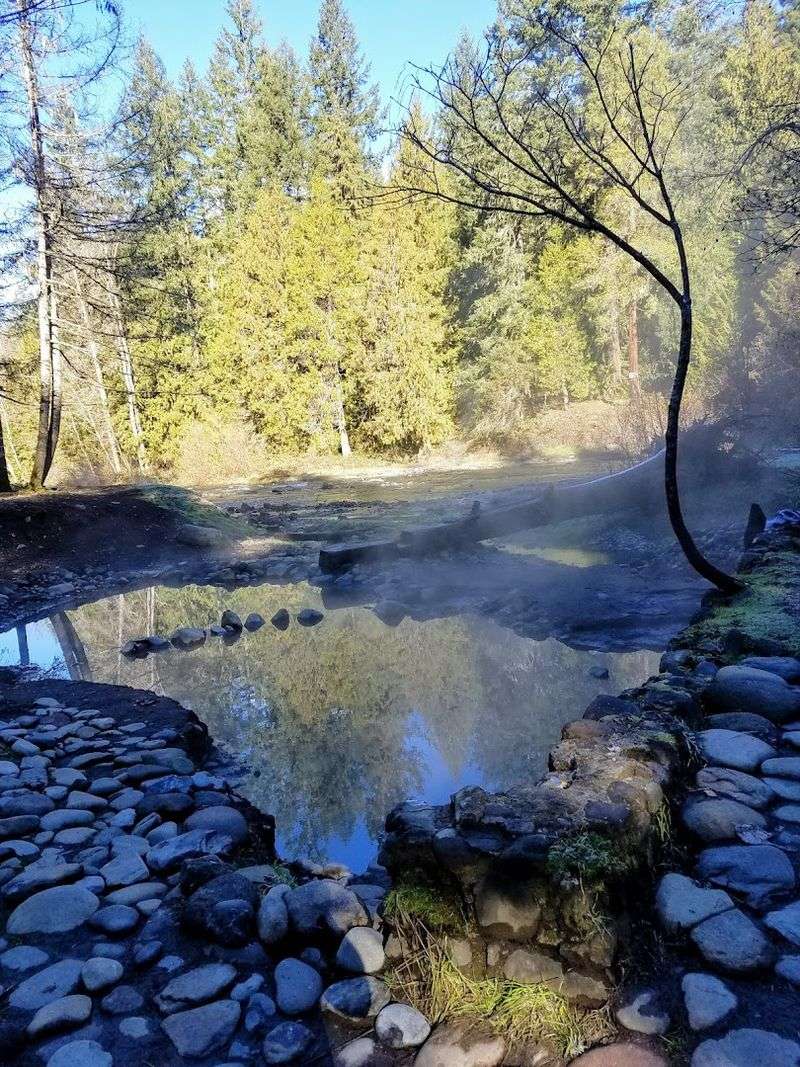
Right on the edge of Salt Creek, McCredie Hot Springs offers something genuinely rare: a hot spring you can reach without a long hike. Located about 10 miles southeast of Oakridge, Oregon, in the Willamette National Forest, this spot is both accessible and surprisingly beautiful.
The springs bubble up directly along the creek bank.
The hot water seeps out of the ground at around 120 degrees Fahrenheit and cools as it mixes with the cold creek water nearby. Visitors create makeshift pools using river rocks to blend hot and cold water to their preferred temperature.
It is a hands-on, interactive experience that feels wonderfully low-tech.
The setting is forested and peaceful, with tall conifers lining both banks of Salt Creek. You can hear the rushing water of the creek while soaking, which adds a natural soundtrack to the whole experience.
Sunrise and early morning visits are particularly magical when mist rises off the warm water.
McCredie is a clothing-optional site, which is worth knowing before you visit with kids or groups who may prefer a more traditional swimming environment. Weekday mornings tend to attract a quieter, more respectful crowd.
Always practice leave-no-trace principles here to help preserve the site.
Parking is available along Highway 58 at a small pullout near the springs.
7. Toketee Falls Swimming Area, North Umpqua River, Oregon
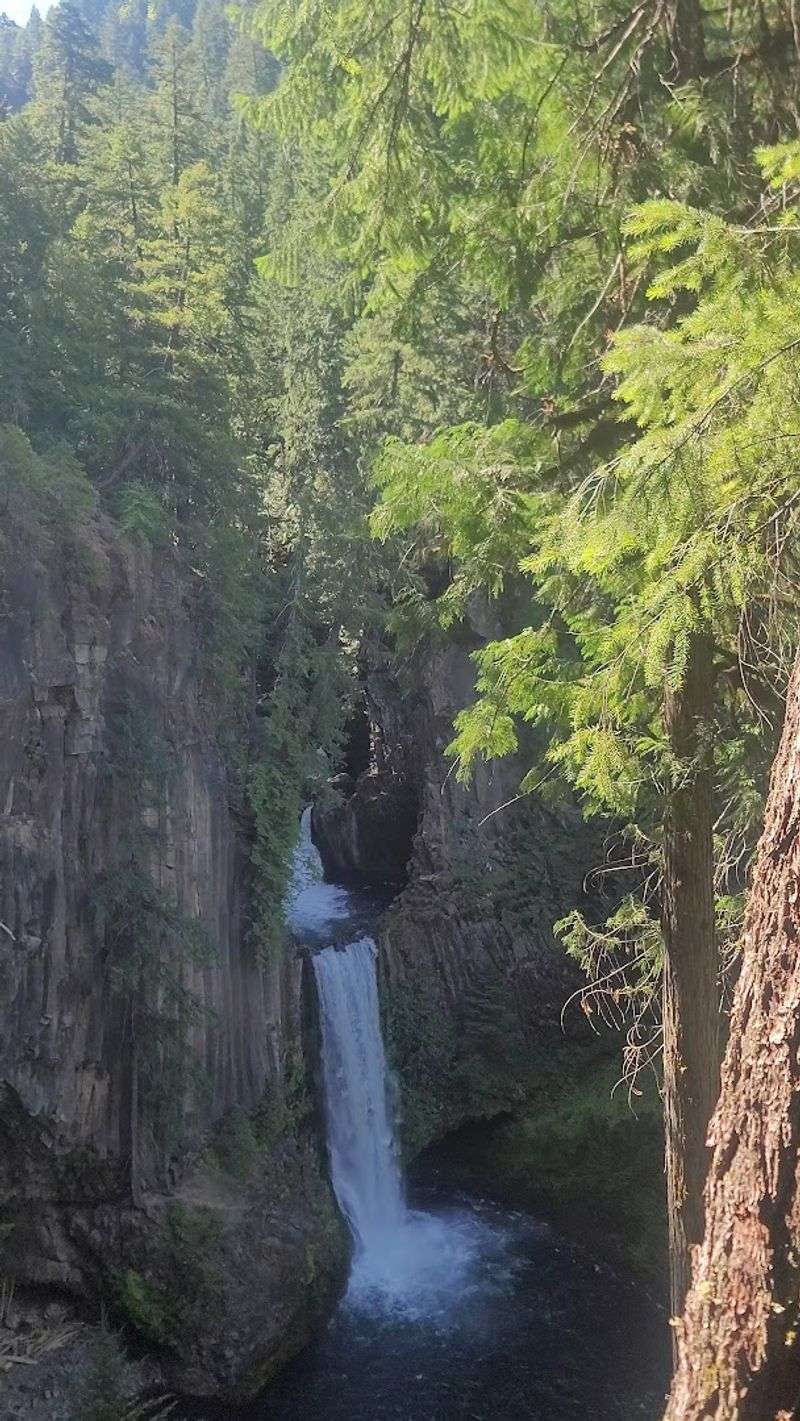
Toketee Falls is one of those places that genuinely makes your jaw drop the first time you see it. The name comes from a Chinook word meaning “graceful,” and the falls absolutely live up to that description.
Two tiers of water pour over dramatic hexagonal basalt columns into a deep pool below.
Located along the North Umpqua River corridor in the Umpqua National Forest, northeast of Roseburg, Oregon, Toketee Falls is accessible via a short half-mile trail. The trail ends at a wooden viewing platform, but adventurous visitors often find ways down to the pool at the base for a swim.
The water is cold, clear, and brilliantly colored.
The basalt columns surrounding the falls are the real geological showstopper here. Formed by ancient lava flows that cooled into perfect geometric shapes, they create a natural cathedral around the swimming area.
The visual contrast between the white water and dark rock is absolutely striking.
Swimming here requires some scrambling over rocks to reach the pool, so water shoes and careful footing are essential. The pool itself is deep and calm despite the powerful falls nearby.
The mist keeps the air cool even on the hottest summer days.
The trailhead is located off Forest Road 34, near the Toketee Ranger Station on Highway 138.
8. Punchbowl Falls Swimming Hole, Eagle Creek, Columbia River Gorge, Oregon
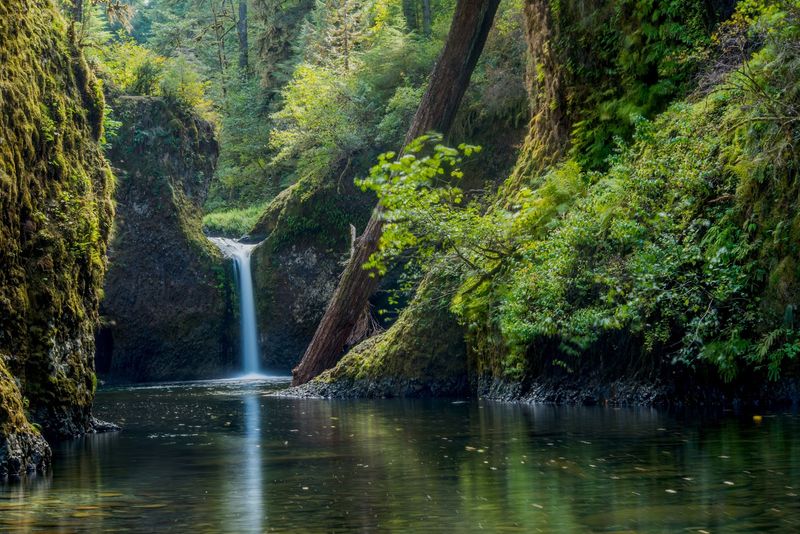
There is a reason Eagle Creek Trail is one of the most photographed hikes in the entire Columbia River Gorge. Punchbowl Falls sits about two miles in from the trailhead and drops in a perfect curtain of white water into a deep, circular pool below.
The shape of the pool gives it that iconic punchbowl look.
Eagle Creek Trail is located near Cascade Locks, Oregon, on the south side of the Columbia River Gorge National Scenic Area. The trail itself is thrilling, with sections carved directly into cliff faces and a famous wire handhold for balance on narrow ledges.
It is safe for most hikers but demands attention and sure footing.
The pool at the base of Punchbowl Falls is deep, cold, and surrounded by mossy canyon walls that create a stunning natural frame. Swimming here feels adventurous and remote, even though the trail is well-known.
The mist from the falls keeps the air around the pool cool and refreshing.
Water temperatures in the pool hover around the mid-50s Fahrenheit, so a quick dip rather than a long swim tends to be the norm. The surrounding rocks offer flat, sunny spots to dry off and soak in the scenery.
Arriving before 9 a.m. on weekends is the best strategy for avoiding crowds.
The Eagle Creek Trailhead has a parking area off I-84 at Exit 41.
9. Sawmill Falls, Quartzville Creek, Oregon
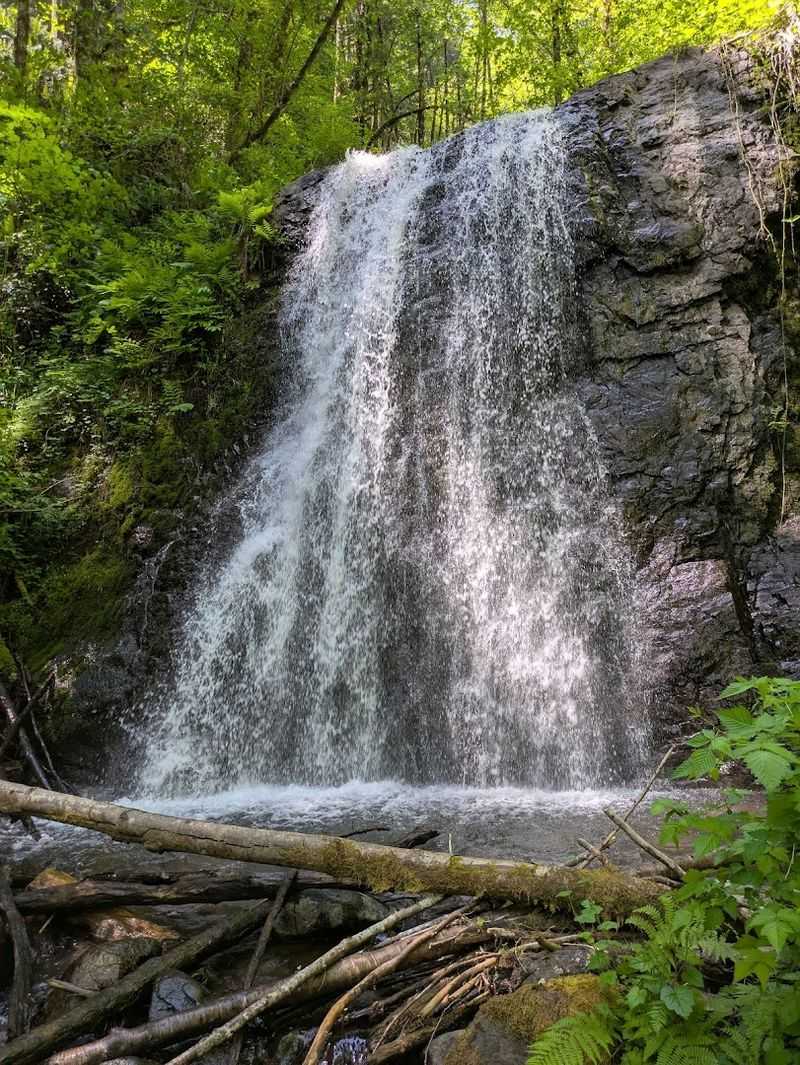
Quartzville Creek is one of those wild, remote waterways that feels like it belongs in a different century. Sawmill Falls sits along this stunning creek in the Quartzville Creek Wild and Scenic River corridor, east of Sweet Home in Linn County, Oregon.
The drive out here is an adventure all on its own.
The falls drop into a wide, shallow pool with a gravel and sand bottom that is perfect for wading and splashing. The water is crystal clear, cold, and fast-moving in spring but calms to a more manageable level by midsummer.
Kids and adults alike love exploring the many small side channels and rock formations along the creek.
The surrounding forest is lush and green, with big-leaf maples and alders hanging over the water to create natural shade. The creek corridor has a wild, untamed feel that you simply do not find at more developed recreation sites.
Birdwatching here is excellent, with dippers and kingfishers often spotted darting above the water.
Gold panning is actually a popular activity along Quartzville Creek, and you might spot other visitors trying their luck in the gravel bars. It is a fun piece of local history that connects this swimming hole to Oregon’s mining past.
The area was heavily prospected during the late 1800s gold rush era.
10. Elk Creek Falls Swimming Hole, Rogue River-Siskiyou National Forest, Oregon
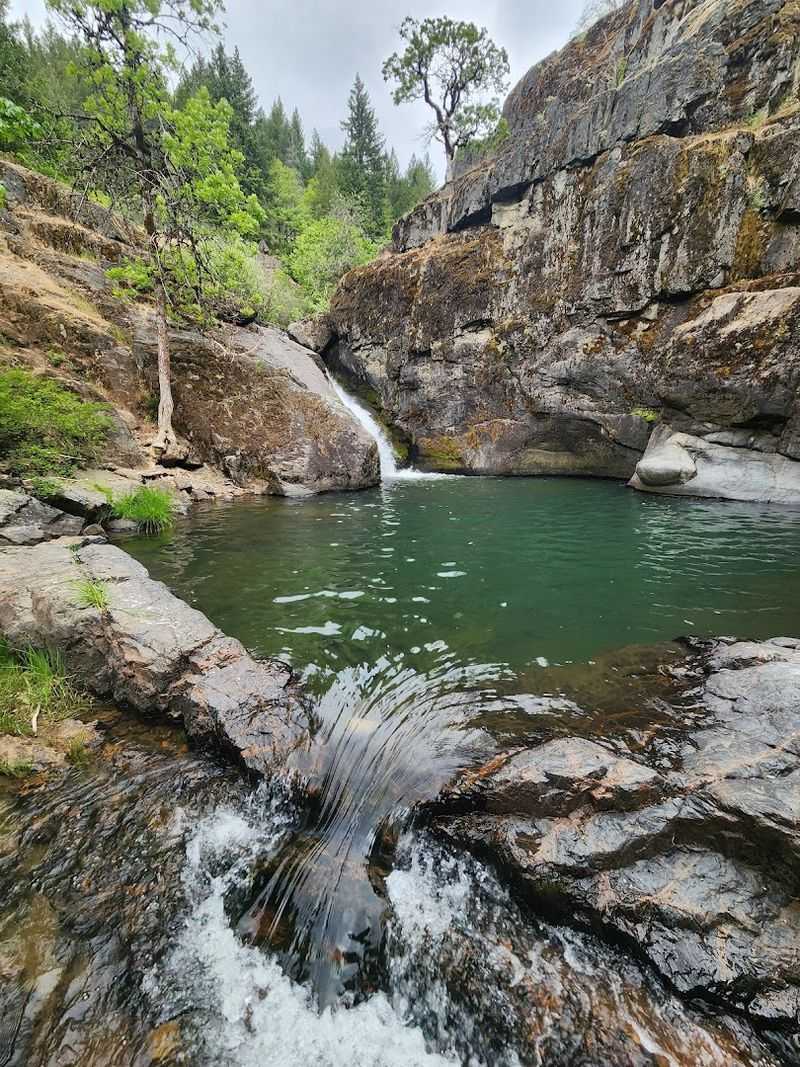
Southern Oregon has a completely different personality from the lush green north, and Elk Creek Falls captures that dry, warm, canyon-country vibe perfectly. Located in the Rogue River-Siskiyou National Forest near the town of Tiller in Douglas County, this spot rewards those willing to venture off the main roads.
The creek carves through reddish rock walls that glow warmly in afternoon light.
The falls themselves are modest in height but drop into a surprisingly deep and clear pool that is ideal for swimming on a hot summer day. Water temperatures here are warmer than many northern Oregon spots, typically reaching the mid-60s Fahrenheit by July.
That extra warmth makes longer swims far more comfortable.
The hike to Elk Creek Falls is short and relatively flat, making it a great option for families with younger children. The trail passes through a mixed forest of pine and oak that feels distinctly southern Oregon in character.
Wildflowers line the path in early summer, adding splashes of color to the green landscape.
Fishing is popular along Elk Creek, with native cutthroat trout often visible in the clear water. Even if you do not fish, watching the trout dart through the current adds to the magic of the place.
The whole area has a peaceful, almost forgotten quality that makes it feel truly secret.
