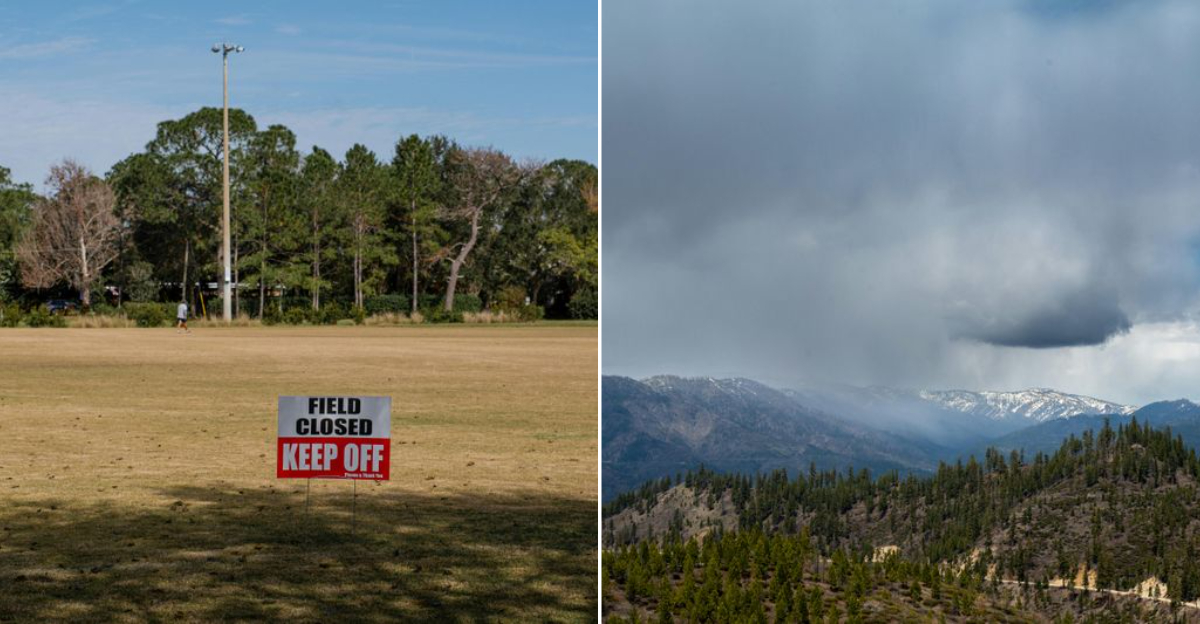
Have you noticed how much Idaho’s wilderness has been changing lately? It’s still full of mountains, rivers, and wide-open spaces, but if you look closer, you’ll see signs that things aren’t quite the same as they used to be.
Some changes are easy to spot, new trails, more visitors, and towns nearby growing faster than ever. Others are more subtle, like shifts in wildlife, landscapes that look different from a decade ago, or places that feel less untouched than they once did.
For anyone who’s spent time exploring Idaho’s outdoors, it’s hard not to notice that the wilderness is evolving.
What I find interesting is how these changes tell a bigger story. They’re reminders that nature isn’t static, it adapts, sometimes because of us, sometimes in spite of us.
Whether you see it as progress, concern, or just reality, Idaho’s wilderness today isn’t the same as the one many remember.
Curious about what’s different? Here are 12 signs that show Idaho’s wilderness has changed in ways worth paying attention to.
1. Growing Trail Traffic In Once-Quiet Areas
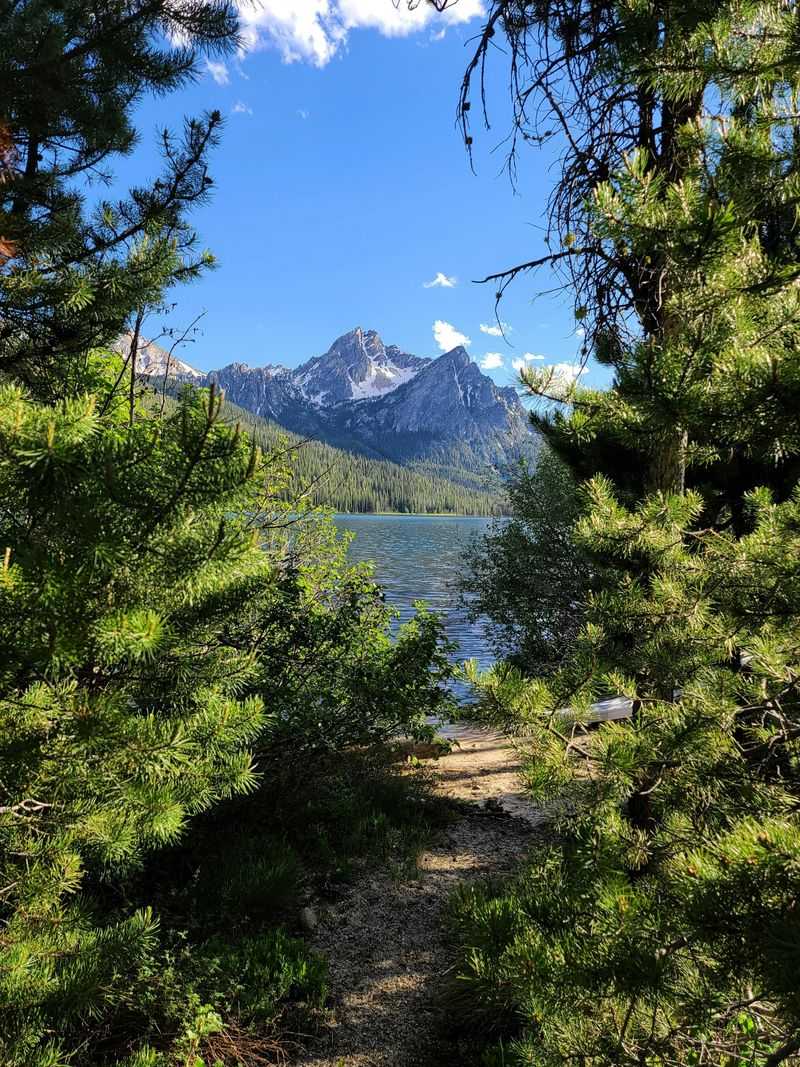
You feel it first thing in the morning when the lot is already packed. Popular trailheads in Idaho now see far more visitors than they did a decade ago, and the Sawtooths make that obvious.
Near Stanley, parking fills early during peak season, which nudges you to start at dawn or rethink the plan.
This change reflects Idaho’s rising profile as an outdoor destination, not a loss of wilderness, but it does alter the experience.
Conversations drift across camps, headlamps sweep switchbacks, and solitude moves a few miles farther down the trail. You still get quiet, just not always right out of the gate.
I like to treat it as a timing game. Hit weekday windows, choose offbeat trailheads, or aim for shoulder conditions that keep it mellow.
You will still stand alone by a lake if you outsmart the rush.
If crowds stress you out, there is another angle. Use the early buzz to your advantage by grabbing fresh trail reports and recent conditions.
With more eyes out there, you hear about blowdowns, snow patches, and water crossings faster.
And when you do land a crowded lot, it is not a failure. It is a sign that Idaho inspires people.
Take a breath, slide down the road to a lesser known start, and enjoy the same skyline with a quieter path.
2. Increased Wildfire Frequency And Longer Fire Seasons
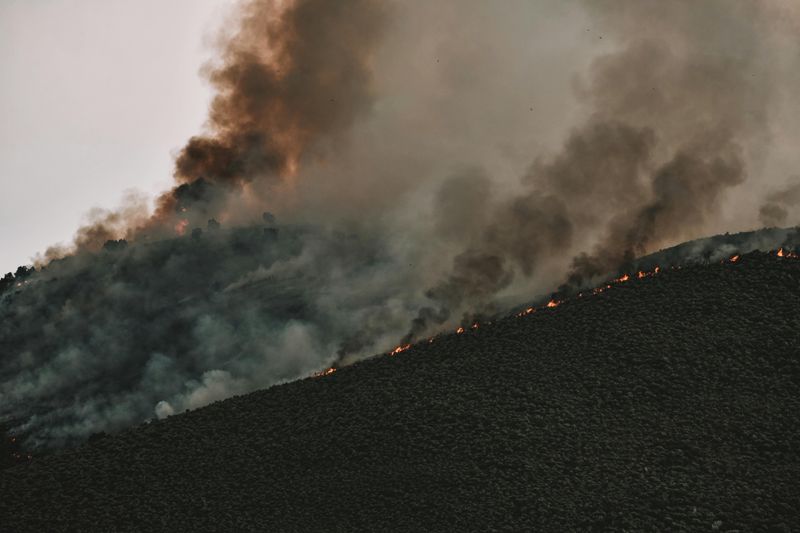
Smoke used to be a rare trip twist. Now, Idaho has experienced larger and more frequent wildfires in recent years, and that reality shows up in the sky.
Hotter, drier summers and earlier snowmelt contribute to longer fire seasons that shape when and where you go.
You plan with a bit more flexibility these days. I check forecasts, satellite maps, and local updates before committing.
Smoke and temporary closures have become a more common part of wilderness travel planning, so the backup plan is part of the fun.
The land still heals, but it cycles differently. Burn scars open views, wildflowers race back, and trails get rerouted.
You learn to read the terrain for fresh hazards like ash pits and weakened trees after windy days.
It is not all bad. Fire adapted ecosystems do their thing, and some seasons bring crisp, clear stretches that feel magical.
You stay ready, adjust mileage, and celebrate the clean air windows when they arrive.
If you are new to Idaho, this can feel intimidating. It gets easier once you build a rhythm of checking conditions and staying nimble.
The state remains stunning, but it asks for smarter timing and a little patience.
3. Wildlife Shifting Behavior Near Human Activity
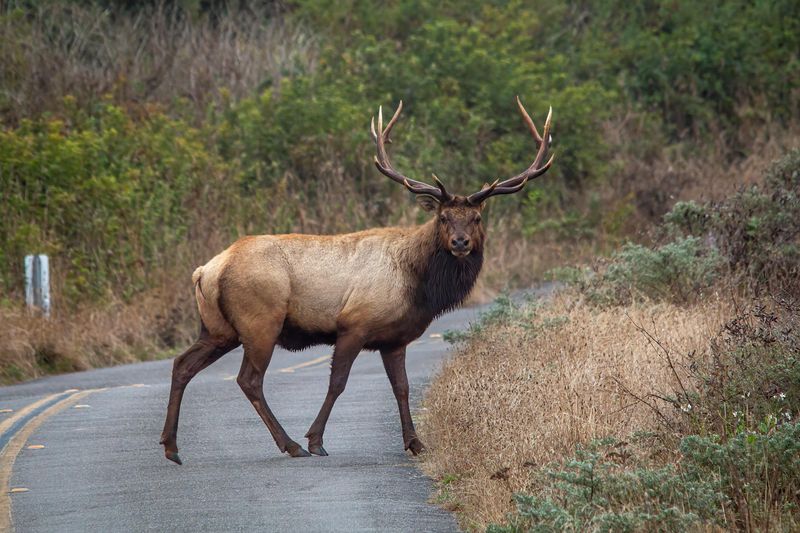
You can still spot elk, but timing matters more now. Animals such as elk, deer, and predators are adjusting their movement patterns around roads and recreation zones.
Studies across the West show wildlife avoiding heavily trafficked areas during daylight hours, which nudges sightings into dawn and dusk.
I try to keep routes calmer when I want a chance encounter. Pulling back from busy corridors helps, and so does staying quiet around bends.
The shift is subtle, but it marks how increased human presence changes natural rhythms.
Photography friends notice it too. Long lenses wait longer, and blinds matter.
You trade quick sightings for the slower reward of patience.
The state still gives those heart stopping moments when a herd steps out across a creek. You just work for them differently.
Space, time, and respectful distance bring the best luck without pushing animals around.
If you travel with a group, talk about noise and pacing. Short pauses at junctions can lower your profile while you figure out the plan.
That tiny tweak makes the day feel calmer and keeps wildlife stress down.
4. Backcountry Roads Seeing More Use
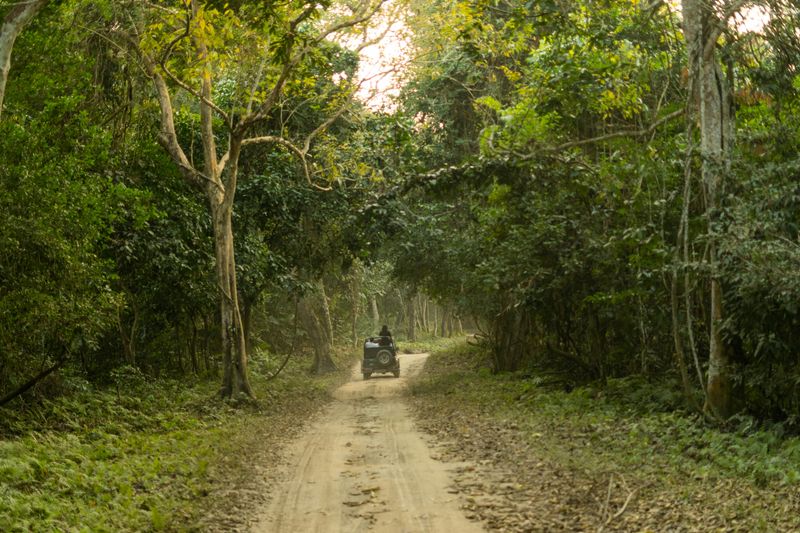
Remember when a random spur road felt like your secret? Remote forest and BLM roads that once saw little traffic now attract campers and overlanders.
Social media and improved mapping tools have made access easier, and that visibility changes how isolated some areas truly feel.
I still chase those quiet nooks, but it is a moving target. Midweek windows help, and so does driving beyond the first easy pullouts.
Leaving pristine camps better than you found them keeps the place welcoming.
With more rigs, comes more etiquette. Keep headlights low near camps, mind dust on tight corners, and give passing space on narrow grades.
A short radio check can save a row of backing up vehicles.
The upside is shared knowledge. Current road conditions, washouts, and downed trees get reported faster, which helps with safety.
You roll with it and treat the road network like a living thing.
5. Hot Springs Losing Their Seclusion
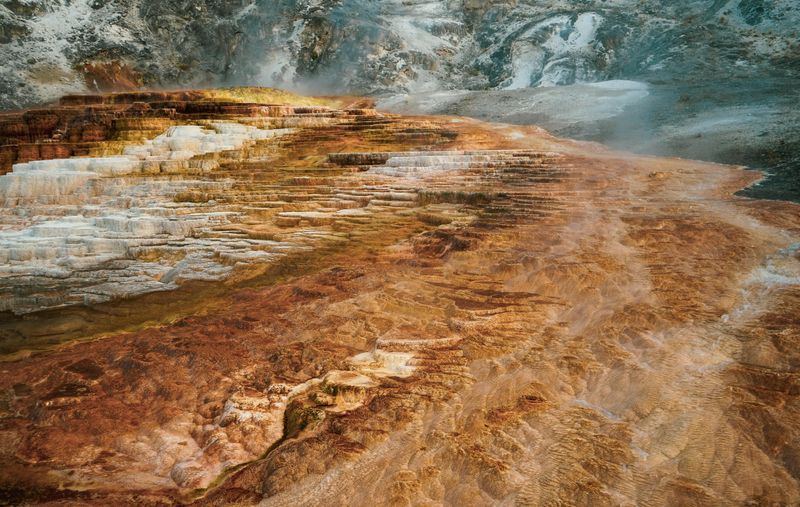
You used to hear about hot springs from a friend of a friend. Idaho’s hot springs were once mostly local knowledge, but many are now well documented online, drawing larger crowds.
The springs still exist, but the sense of discovery has shifted.
I do not mind sharing, but I plan for the rush. Early mornings, shoulder seasons, and patience keep the mood relaxed.
If a pool is full, I wander, breathe the steam, and wait for the shuffle.
Etiquette matters more here than almost anywhere. Keep voices low, pack out everything, and leave rocks how you found them.
It keeps the place feeling like a gift instead of a scene.
Some days you score total calm. Other times, you trade a perfect temperature for a quieter side pool.
The river soundtrack helps either way.
Idaho stays generous with water. You just approach with respect and flexible expectations.
That way the springs keep their magic, even with more company.
6. Climate Shifts Affecting Snowpack And Rivers
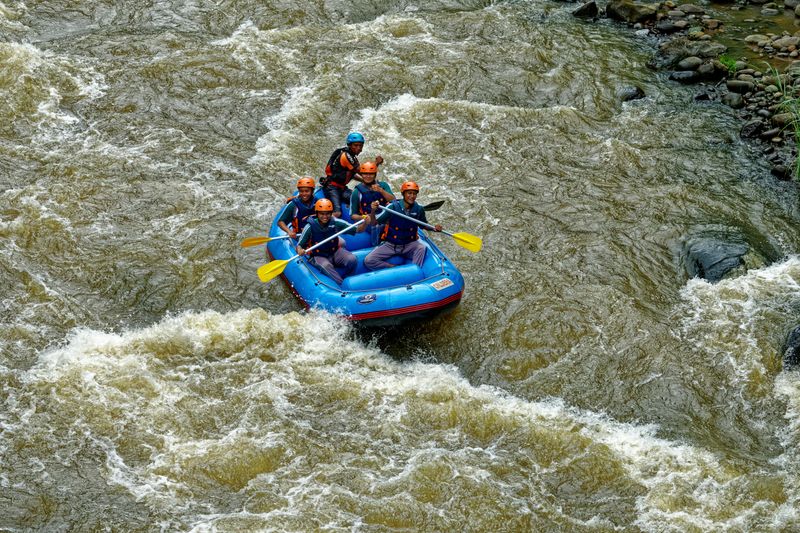
Your calendar might be lying to you. Snowpack levels have become less predictable across Idaho’s mountain regions.
This affects river flow timing, rafting seasons, and fish habitats, which means you plan by conditions, not dates.
I watch the gauge instead of the month. A warm snap can bump flows, and a cold spell can lock them back.
The wilderness remains vast, but its seasonal patterns are changing, and flexibility keeps trips smooth.
On trail, timing spillovers happen. Creek crossings shift from knee deep to quick hops within days.
You choose boots and layers that can pivot without drama.
Rivers teach the same lesson. When levels swing, the feel of a canyon changes.
The state adapts, but so do we. Keep checking reports, throw a light puffy in summer, and plan conservative mileage.
That small buffer turns uncertainty into plain old adventure.
7. Expansion Near Gateway Towns
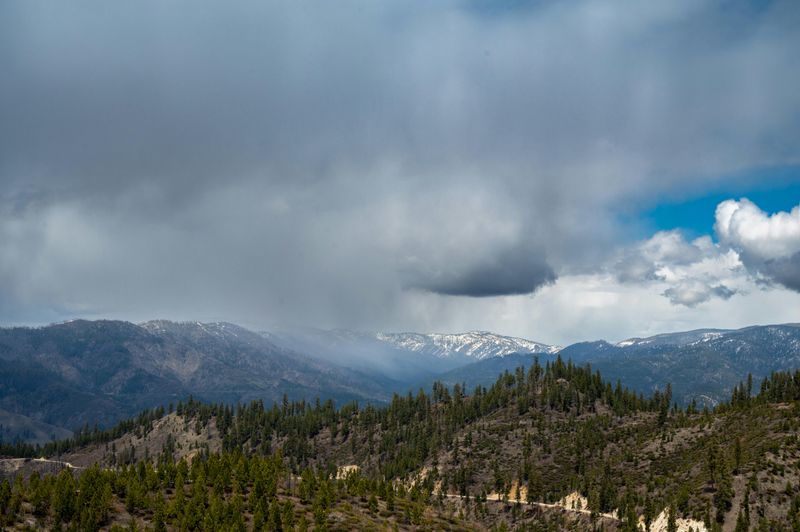
You roll into a familiar town and do a double take. Towns near wilderness areas have grown to meet demand from visitors and new residents.
More housing, services, and traffic now surround places that once felt remote, and the edge of the wild has shifted.
It is not all bad news. Gear shops, shuttles, and quick repairs can save a trip.
This development changes the edge of the wilderness, even if the core stays protected.
I treat the town line as part of the route. Plan for a few extra minutes leaving in the morning and slide back in with patience at dusk.
That mindset keeps the day from feeling rushed.
You still get the same skyline after a few miles. The trail quiet returns, and the river sound takes over.
You just pass through a busier threshold to get there.
Idaho evolves while holding onto the goods. Respect the locals, use the crosswalks, and park cleanly, it sets the tone for everything that follows.
8. Trail Maintenance Struggling To Keep Up
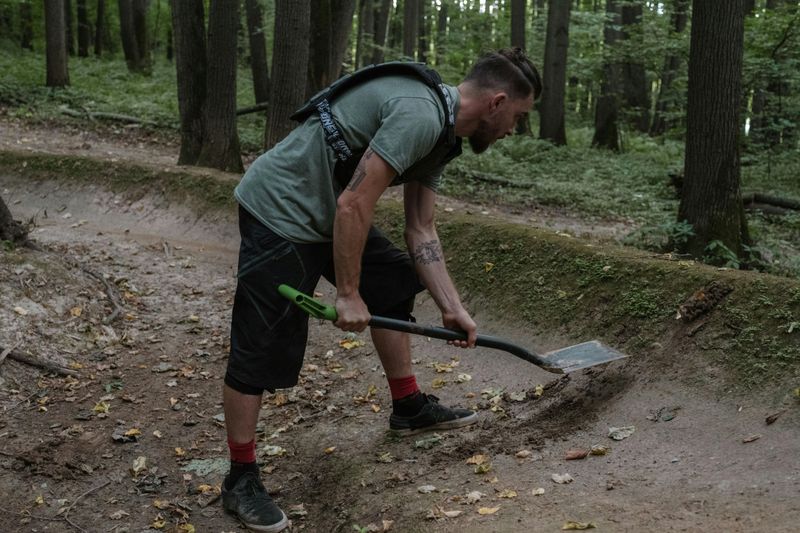
You notice it underfoot. More visitors mean more wear on trails, bridges, and campsites, and the tread tells the story.
Agencies often face funding and staffing limits, so fixes take time.
Some areas show erosion or rerouted trails as a result, and the detours can feel clunky. I bring a small saw and a bit of patience when I am out solo.
Packing light gloves makes quick work of a branch across the path.
Volunteer days are honestly fun. You meet people, swing a tool, and watch a muddy corner drain right in front of you.
It is a simple way to give back to a place that keeps giving.
Until things catch up, step lightly. Stay on the main line even when there is a tempting shortcut.
I think those little choices protect plants and keep water where it should go.
9. Heavier Pressure On Popular Campgrounds
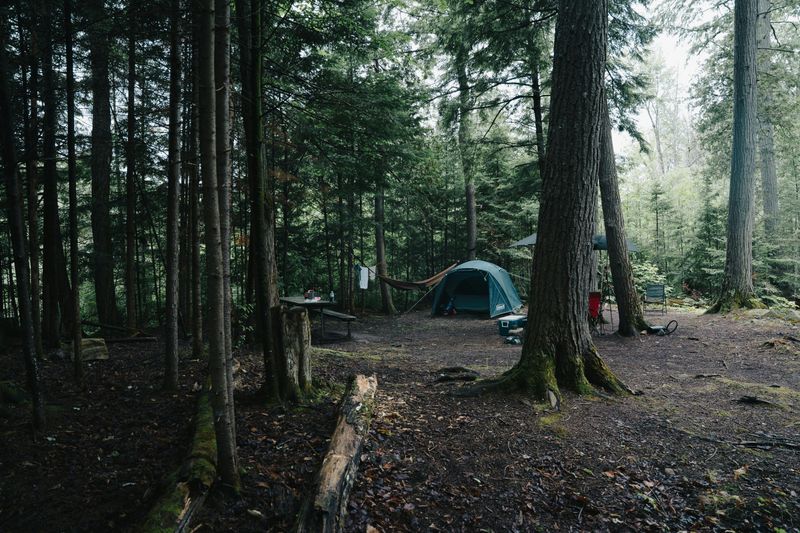
Showing up late used to work. Established campgrounds fill faster and stay full longer, and the spillover is real.
Dispersed camping has increased as a spillover effect, which spreads impact across wider areas than before.
To keep the vibe mellow, you can book early when you can or aim off peak. If that fails, you can scout with a tight plan and solid “leave no trace” habits.
A clean camp sets the tone for everyone else rolling in.
Noise carries in the trees. Keep voices down, headlights pointed low, and generators quiet when possible.
It makes neighbors feel like neighbors, not a crowd.
When dispersed, pick durable surfaces and use existing clearings. Fire safety rules matter more than ever with hotter summers.
Carry a small shovel and double check the cold ash before bed.
Idaho gives you options if you play it smart. Think early arrivals, short walks from the road, or a backup basin.
You will still catch stars through the pines without the stress.
10. More Rules And Seasonal Closures
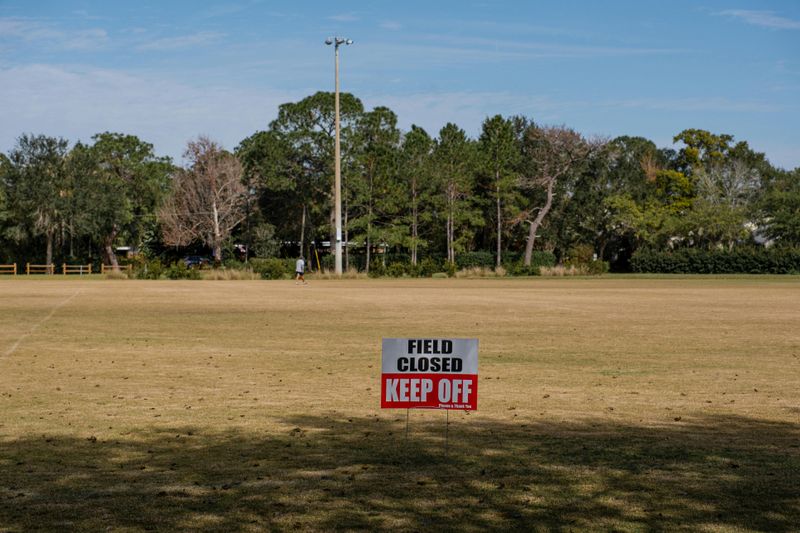
There are more signs at the kiosk now. Fire restrictions, permit systems, and seasonal closures are more common, and they usually come with good reasons.
These measures are based on safety and conservation needs, especially during dry spells.
It can feel like red tape until it saves your day. A closure might protect trail crews or give wildlife a quiet break.
They reflect increased use rather than decreased value of the land, which is easy to forget when you just want to hike.
I keep a small checklist for this. Permits, camp rules, group size, and stove guidance ride in the glove box.
It turns the trailhead briefing into a quick nod instead of a scramble.
When in doubt, ask. Local shops and ranger stations tend to have the freshest info.
That two minute chat can pivot you to a place that is open and beautiful.
You follow the rules, breathe easier, and get back to why you came. The mountains feel friendlier when everyone plays along.
11. Technology Changing The Sense Of Isolation
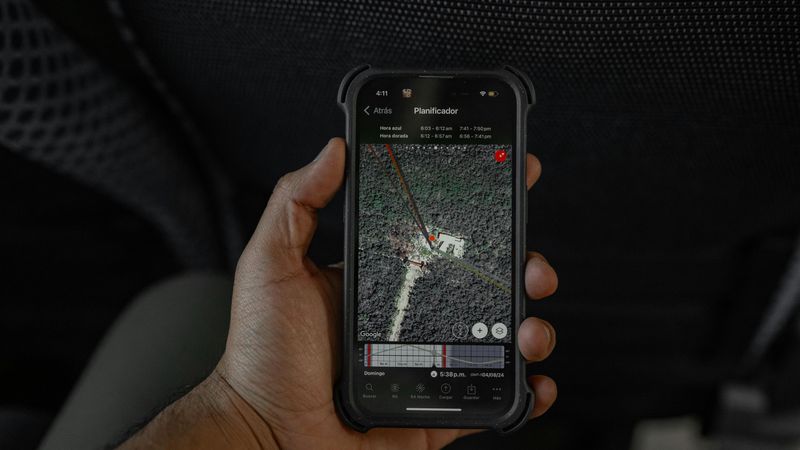
Here is a funny twist: GPS, satellite communicators, and detailed apps reduce the feeling of being truly cut off.
Safety has improved, but the psychological experience of wilderness has shifted, and that changes your headspace.
I like the tools, and I also like to put them away sometimes. Wayfinding skills still feel good to use.
The old dance of map, compass, and features brings a quiet confidence.
Messaging helps families relax, and it also tempts constant check-ins, which can buzz the mood. I set a schedule and then let the silence do its work.
The trick is balance. Keep the emergency lifeline while letting the day unfold without screens.
The mountains speak louder when you listen.
Idaho still feels big and wild. Tech just moves the edge of isolation a bit farther out, you choose where that line sits for your trip.
12. The Lesson Beneath It All
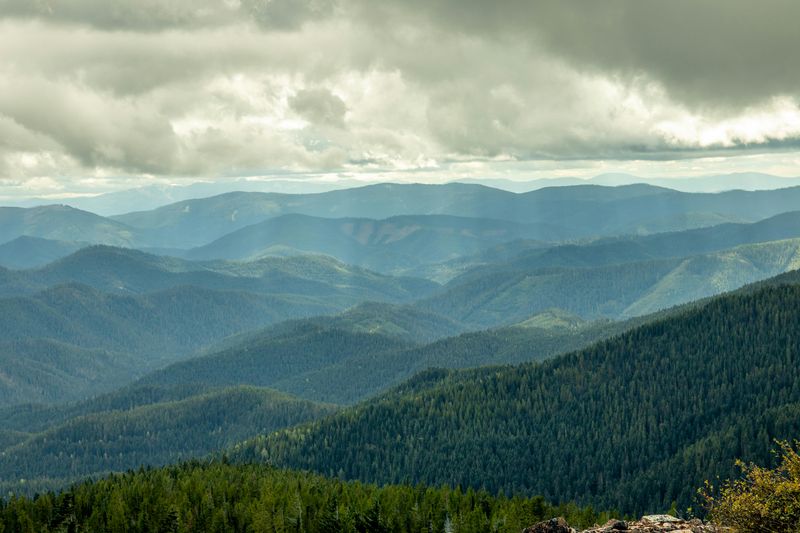
Here is what it all adds up to. Idaho’s wilderness is still wild, but it is no longer invisible.
More people care about it, use it, and talk about it, and that attention brings protection and pressure at the same time.
So you travel a little smarter. Pick your moments, respect closures, and leave places better than you found them.
None of that ruins spontaneity, it just tunes it to the landscape we have now.
The big takeaway is simple: change is not the enemy, and nostalgia is not a map. The mountains keep teaching, and you keep listening.
If you are planning a road trip, bring patience and curiosity. You can chase clear mornings, dodge smoke when needed, and share trail smiles.
The heart of Idaho still meets you halfway when you show up with care.
That is the new rhythm, and honestly, it feels real. The wild is still there, just more noticed.
