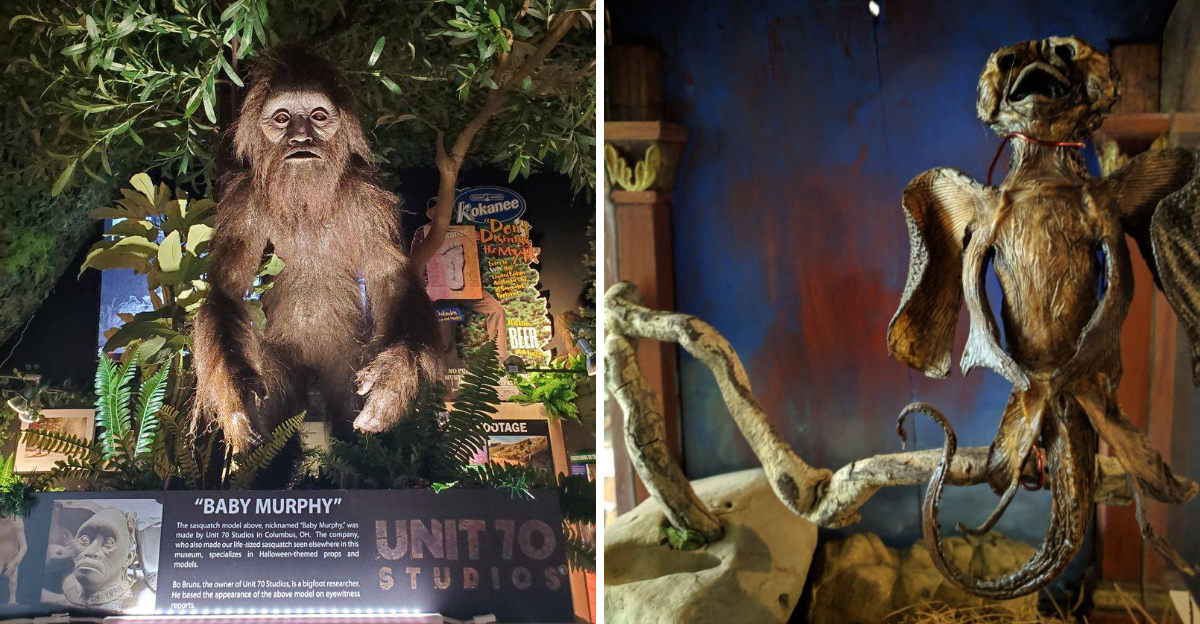
Oregon hides some of the most fascinating and unusual museums you’ve probably never heard of, tucked away in small towns and unexpected corners of the state.
While the big-name institutions draw crowds, locals know that the real treasures are often the quirky, specialized collections that tell stories you won’t find anywhere else.
From bizarre artifacts that blur the line between art and oddity to historic sites that preserve forgotten chapters of the past, these small museums offer authentic experiences without the tourist traps.
They’re the kinds of places where passionate curators and volunteers share their knowledge freely, where you can actually see and appreciate every exhibit without fighting through crowds, and where admission prices won’t drain your wallet.
Whether you’re interested in cryptids and conspiracy theories, the golden age of cinema, or the rugged history of firefighting in the wilderness, Oregon has a small museum that speaks to your curiosity.
These aren’t just dusty collections gathering cobwebs in forgotten buildings.
They’re living spaces where communities preserve what matters to them, where history feels personal and immediate, and where every visit feels like discovering a secret that’s been hiding in plain sight all along.
1. The Zymoglyphic Museum
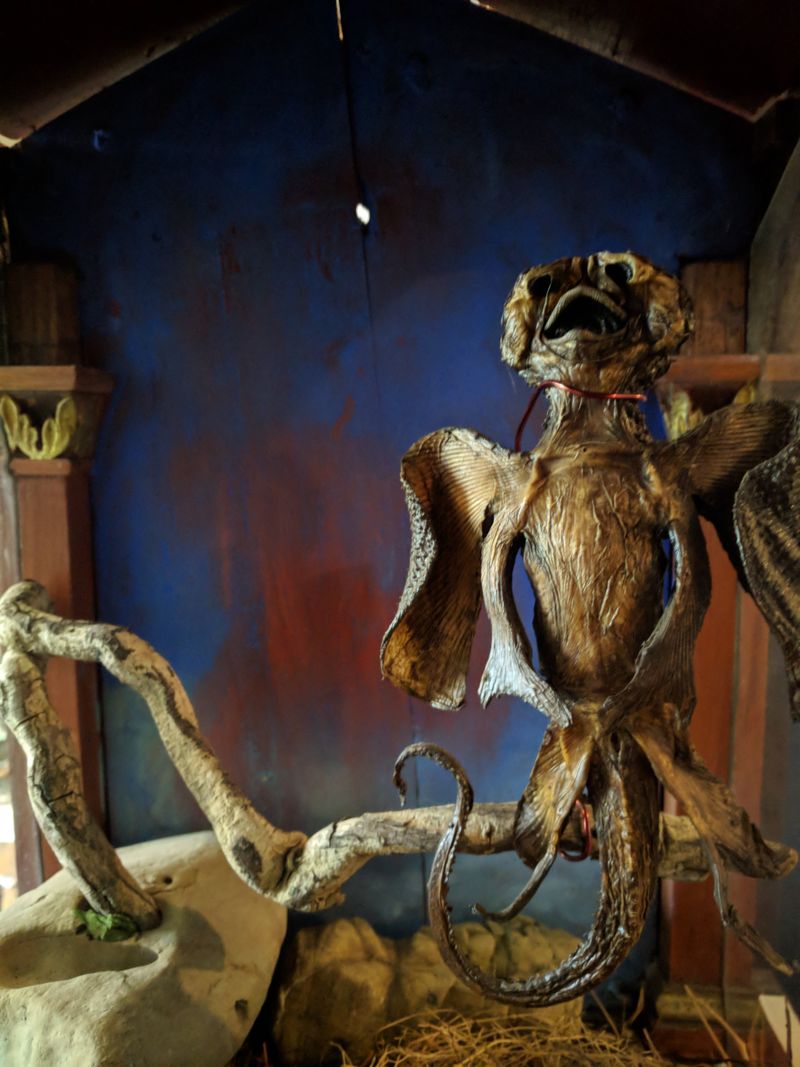
Artist Jim Stewart transformed his creative vision into something completely unexpected when he established this Portland marvel that exists somewhere between natural history collection and fever dream.
Walking through the exhibits feels like stepping into an alternate reality where familiar objects take on new meaning and the boundaries between science and art dissolve completely.
Stewart crafts his displays using dried plants, preserved animals, and found objects, arranging them into elaborate dioramas that tell stories of imaginary ecosystems and fictional civilizations.
The museum occupies a modest space, but every square inch bursts with intricate details that reward close examination.
Visitors often spend far longer than they planned, drawn into the narrative threads that connect seemingly unrelated artifacts into a cohesive mythology.
The attention to detail extends to handwritten labels that describe specimens and phenomena from this invented world with deadpan scientific authority.
Portland’s reputation for embracing the unconventional finds perfect expression in this one-of-a-kind institution.
Locals appreciate how Stewart maintains the delicate balance between whimsy and craftsmanship, creating something that’s genuinely artistic without becoming pretentious or inaccessible.
The museum operates by appointment, adding to its hidden gem status and ensuring that each visit feels personal and unhurried.
Stewart himself often guides tours, sharing insights into his creative process and the philosophy behind his fantastical natural history.
His passion for the project shines through in every conversation, making the experience educational in unexpected ways.
The Zymoglyphic Museum proves that museums don’t need massive budgets or famous collections to create memorable experiences.
You’ll find it at 6225 SE Alder Street in Portland, Oregon, where imagination runs wild and curiosity gets rewarded with wonders you never knew you needed to see.
2. The Freakybuttrue Peculiarium
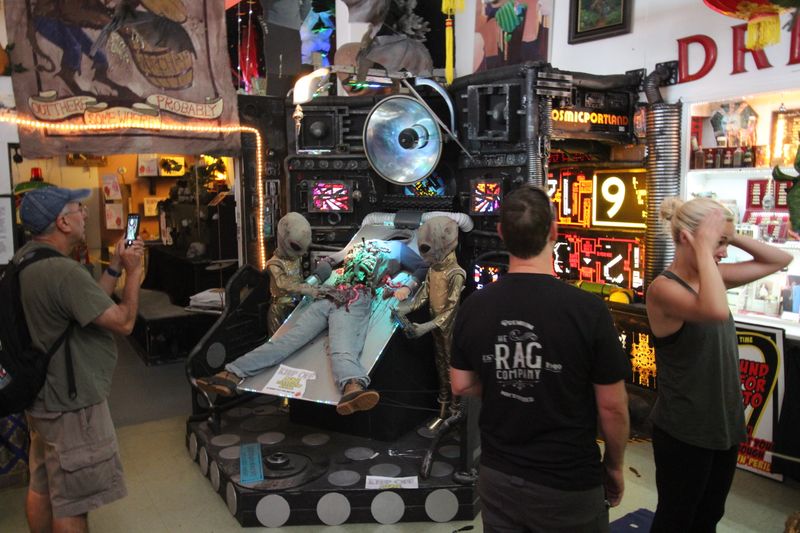
Step into a world where Bigfoot shares space with alien artifacts and vintage horror movie props create an atmosphere of delightful absurdity.
This Portland attraction celebrates everything weird, wonderful, and wonderfully weird about pop culture’s fringes.
The owners clearly understand that not every museum needs to take itself seriously, and that sometimes the best education comes wrapped in entertainment and a healthy dose of humor.
Exhibits range from cryptozoology displays that examine legendary creatures with tongue-in-cheek earnestness to collections of bizarre oddities that defy easy categorization.
The museum doesn’t pretend to offer definitive answers about whether Bigfoot exists or aliens visit Earth.
Instead, it invites visitors to enjoy the folklore, the mysteries, and the sheer fun of wondering about the unexplained.
The gift shop deserves special mention as a destination in its own right, packed with unusual items you won’t find in typical museum stores.
Locals love browsing the selection of quirky souvenirs, strange collectibles, and offbeat gifts that capture the museum’s playful spirit.
The staff matches the venue’s energy, approaching their work with enthusiasm and a willingness to engage with visitors about even the most outlandish theories.
Located at 2234 Northwest Thurman Street in Portland, Oregon, the Peculiarium fits perfectly into the city’s embrace of the unconventional.
Families with older kids particularly enjoy the experience, as it offers something different from standard educational outings.
The museum proves that learning about cultural phenomena, folklore, and human fascination with the unknown can be genuinely entertaining.
Whether you’re a true believer in the paranormal or a skeptic who appreciates the humor, this collection offers something memorable that stays with you long after you leave.
3. North American Bigfoot Center
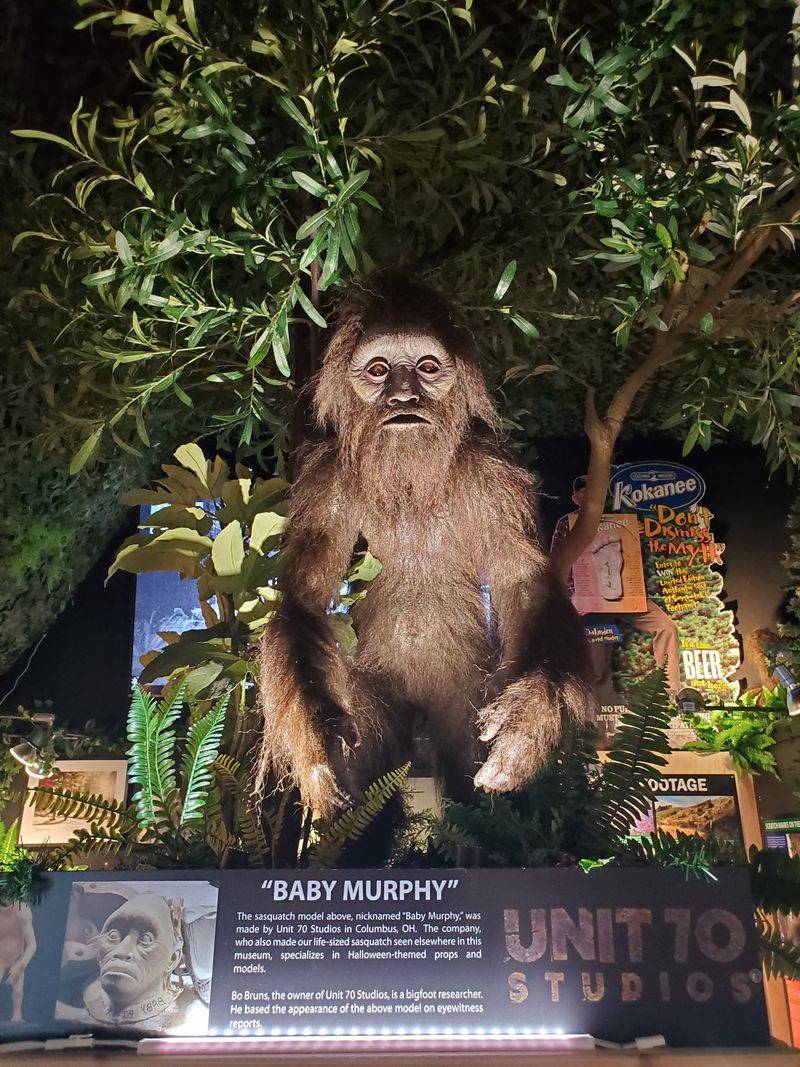
Boring, Oregon might have an unfortunate name, but there’s nothing dull about this thoroughly researched exploration of one of North America’s most persistent legends.
The museum takes cryptozoology seriously without losing sight of the fun and fascination that draws people to the Bigfoot phenomenon.
Modern displays present sighting reports, footprint casts, and historical accounts with careful attention to detail and context.
What sets this center apart from other cryptid-focused attractions is the depth of research and the thoughtful presentation of information.
Rather than simply displaying oddities, the exhibits examine patterns in sightings, cultural traditions surrounding wildman legends, and the ongoing debate between believers and skeptics.
The approach feels balanced, allowing visitors to draw their own conclusions while providing substantial information to consider.
Staff members demonstrate genuine knowledge and enthusiasm for the subject matter, answering questions with patience and sharing additional context that enriches the exhibits.
Many of them have spent years studying Bigfoot reports and related phenomena, bringing expertise that elevates the experience beyond simple entertainment.
Their friendly demeanor makes even skeptical visitors feel welcome and engaged.
The museum’s location at 29263 Southeast Highway 212 in Boring, Oregon adds a layer of humor that locals appreciate.
Visitors often combine their trip with exploration of the surrounding area, which offers its own scenic beauty and outdoor recreation opportunities.
The center proves that specialized museums focusing on specific topics can succeed when they combine passion with professionalism.
Whether you believe in Bigfoot or consider it pure folklore, the thoughtful exhibits and knowledgeable presentation make for a surprisingly educational and engaging visit that challenges assumptions and sparks curiosity about unexplained mysteries.
4. Oregon State Hospital Museum of Mental Health
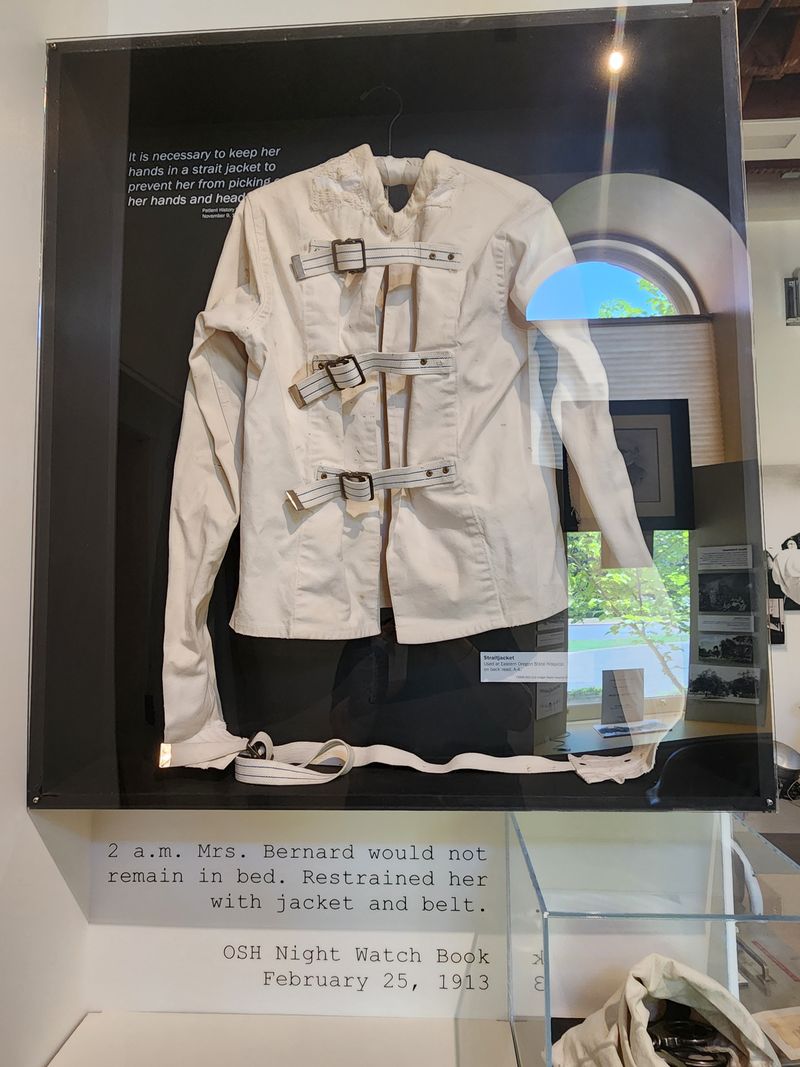
Few museums tackle difficult subject matter with as much sensitivity and educational value as this Salem institution located within the historic Oregon State Hospital grounds.
The exhibits don’t shy away from the sometimes troubling history of mental health treatment, but they present it with respect for the patients who lived these experiences.
Historical medical instruments, patient artwork, and detailed narratives combine to create a powerful and thought-provoking visit.
The museum occupies space within a facility that has witnessed over a century of psychiatric care, including periods when treatment approaches would be considered unacceptable by modern standards.
Rather than sanitizing this history, the exhibits acknowledge past mistakes while highlighting progress in understanding and treating mental illness.
This honest approach gives the museum educational weight that resonates with visitors long after they leave.
Personal stories form the heart of many displays, putting human faces on statistics and historical trends.
Patient artwork offers particularly moving insights into individual experiences and creative expression that flourished even in institutional settings.
These pieces remind visitors that the hospital housed real people with hopes, fears, and talents that extended far beyond their diagnoses.
Located at 2600 Center Street Northeast in Salem, Oregon, the museum serves as both historical record and educational resource.
Mental health professionals often visit to understand how treatment has evolved, while general visitors gain perspective on an aspect of healthcare that society has often preferred to ignore.
The experience feels important rather than merely interesting, offering lessons about compassion, progress, and the ongoing work of improving mental health care.
Locals recommend allowing plenty of time for your visit, as the exhibits deserve careful attention and thoughtful reflection on the complex history they present with such care and dignity.
5. Oregon Film Museum
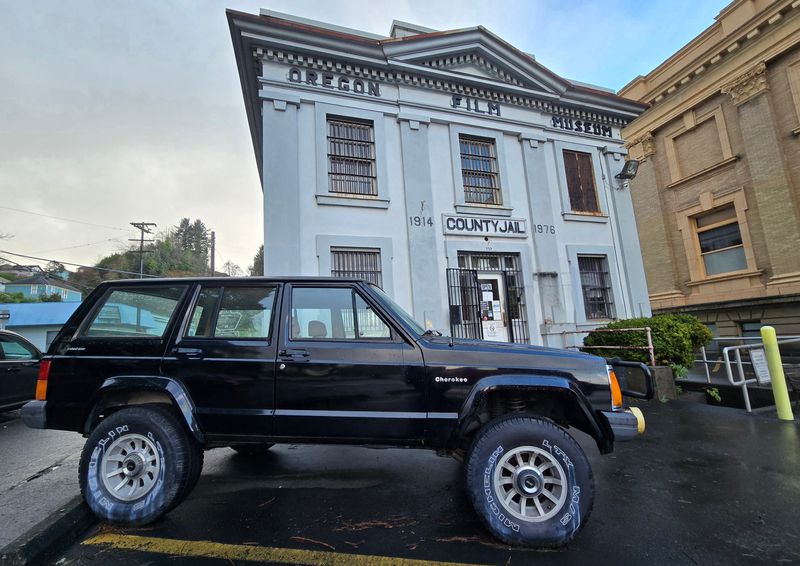
Movie magic and Oregon history intersect at this Astoria treasure housed in the former Clatsop County Jail, a building that achieved pop culture immortality as a filming location for The Goonies.
Film enthusiasts immediately recognize the distinctive architecture from the beloved adventure movie, but the museum offers much more than nostalgia for a single film.
Exhibits explore the state’s rich cinematic history, showcasing the diverse productions that have chosen Oregon’s dramatic landscapes and distinctive locations as backdrops.
The building itself tells multiple stories, having served as an actual working jail before its Hollywood moment and subsequent transformation into a museum.
Original jail cells remain intact, allowing visitors to step inside and imagine both the building’s law enforcement past and its brief film career.
This layering of history creates unique photo opportunities and conversation starters that you won’t find in purpose-built museum spaces.
Displays highlight major productions filmed throughout Oregon, from classic films to recent releases that have taken advantage of the state’s varied geography.
Behind-the-scenes information reveals how filmmakers use Oregon locations to stand in for everywhere from small-town America to alien planets.
The museum helps visitors see familiar landscapes with fresh eyes, recognizing the cinematic potential in everyday Oregon scenery.
Located at 732 Duane Street in Astoria, Oregon, the museum draws both serious film buffs and casual visitors who simply enjoy movies.
The coastal location makes it easy to combine with other Astoria attractions and scenic drives along the Pacific.
Staff members often share stories about local film productions and the impact that major movies have had on small Oregon communities.
The experience celebrates Oregon’s ongoing relationship with the film industry while preserving a piece of local history that happened to become famous worldwide.
6. Tillamook County Pioneer Museum
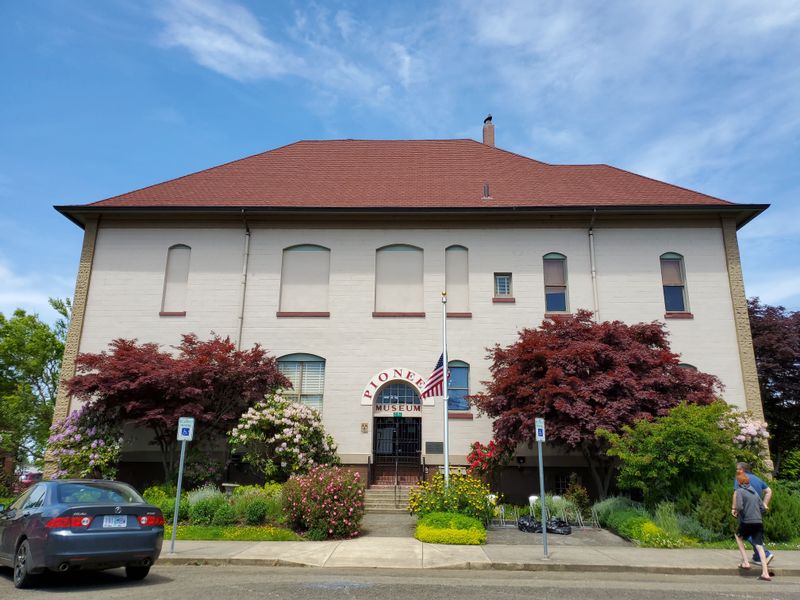
Passion for local history radiates from every corner of this Tillamook institution, where dedicated volunteers have assembled a comprehensive portrait of the region’s development.
The museum doesn’t just collect artifacts randomly.
Instead, it weaves together stories of settlement, industry, natural history, and cultural change into narratives that help visitors understand how this coastal community evolved.
The level of detail in the displays reflects years of careful curation and genuine love for the subject matter.
Collections span from Native American artifacts and pioneer-era tools to more recent history documenting the area’s famous dairy industry and coastal development.
Each section receives thoughtful presentation with clear labeling and contextual information that makes the exhibits accessible to visitors unfamiliar with local history.
The museum strikes an excellent balance between showcasing impressive collections and telling coherent stories that connect individual objects to larger historical patterns.
Volunteers who staff the museum bring personal knowledge and family connections to the history they present, offering insights and anecdotes that you won’t find on exhibit labels.
Their enthusiasm proves contagious, transforming what could be a passive viewing experience into engaging conversations about how communities preserve their heritage.
Many visitors report spending far longer than planned, drawn in by both the exhibits and the knowledgeable people who maintain them.
You’ll find this gem at 2106 Second Street in Tillamook, Oregon, where it serves as a repository of regional memory and pride.
The building itself has historical significance, adding another layer to the experience.
Locals appreciate how the museum documents their community’s story with accuracy and respect, while visitors from elsewhere gain understanding of the forces that shaped this particular corner of Oregon.
The museum proves that small institutions run by dedicated volunteers can match or exceed the quality of much larger facilities when passion and expertise guide their efforts.
7. The Albany Historic Carousel & Museum
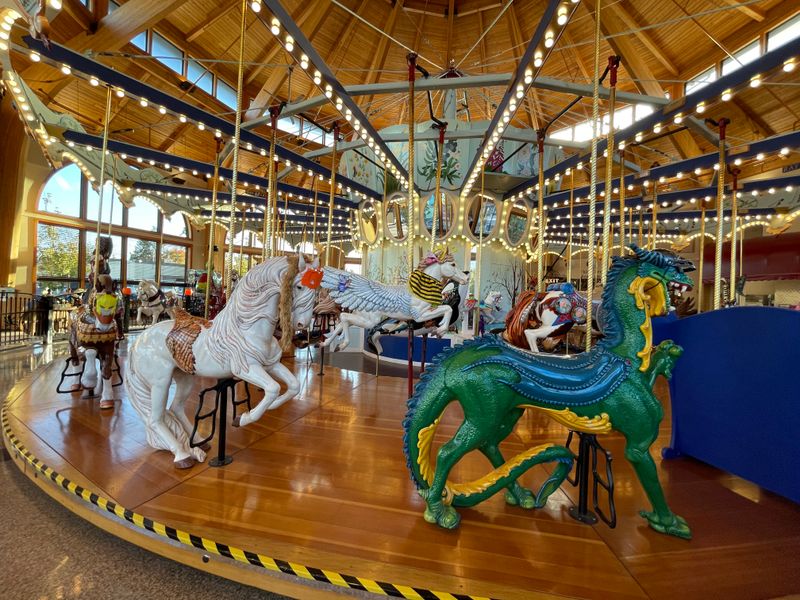
Carousel music and the scent of wood shavings greet visitors to this Albany treasure where traditional craftsmanship meets community dedication.
The fully operational carousel serves as the centerpiece, featuring hand-carved and painted figures that represent years of volunteer effort.
But calling it simply a carousel undersells the experience, as the museum component reveals the artistry and skill required to create these elaborate wooden sculptures.
Workshop tours offer fascinating glimpses into the carousel-making process, from initial wood carving through the intricate painting that brings each figure to life.
Volunteers demonstrate techniques passed down through generations of carousel builders, explaining the symbolism in traditional designs and the challenges of maintaining historical accuracy.
Watching skilled carvers transform blocks of wood into graceful horses or whimsical creatures provides a newfound appreciation for carnival art.
The project represents a community effort that spans years, with locals donating time, skills, and resources to create something that will serve future generations.
This collective investment shows in the quality of the finished pieces and the pride that volunteers take in sharing their work.
The carousel itself operates regularly, giving visitors of all ages the chance to ride while appreciating the artistry up close.
Located at 503 West First Avenue in Albany, Oregon, the museum and carousel serve as both attraction and community gathering place.
Families particularly enjoy visits that combine education about traditional crafts with the simple pleasure of a carousel ride.
The gift shop sells items related to carousel history and local crafts, providing opportunities to support the ongoing project.
The experience reminds us that museums can be living workshops where traditional skills continue and communities create lasting legacies through collaborative effort and dedication to preserving artistic traditions that might otherwise disappear.
8. Kam Wah Chung State Heritage Site
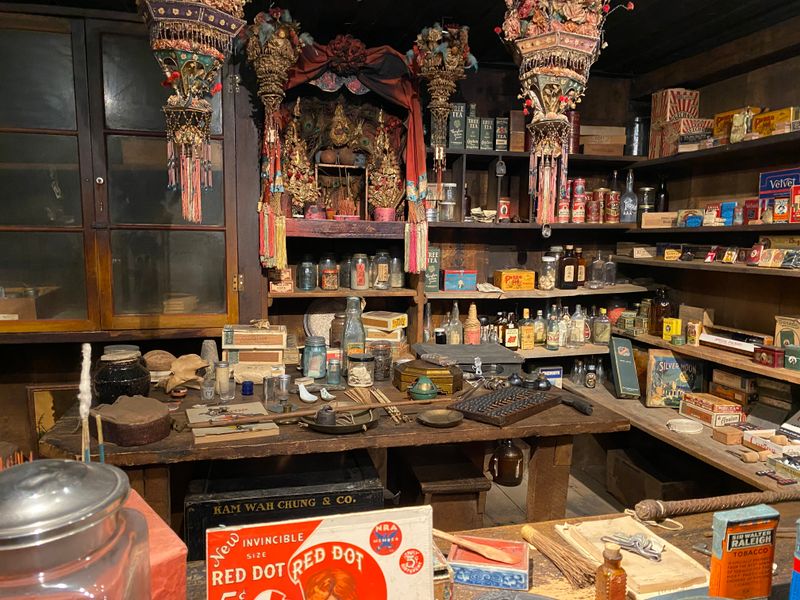
Time seems to have stopped inside this remarkably preserved building in John Day, where artifacts from the gold rush era tell stories often omitted from standard Western history narratives.
The site preserves the home and business of Chinese immigrants who played crucial roles in the region’s development but whose contributions have been historically overlooked.
Walking through the rooms feels like stepping back over a century, with original furnishings, merchandise, and personal items remaining exactly where their owners left them.
The building served multiple functions for the local Chinese community, operating as a general store, medical clinic, and social center.
This multifaceted role becomes clear through the diverse collections on display, from traditional Chinese medicines and herbs to everyday goods and personal correspondence.
The preservation is so complete that visitors can read labels on medicine bottles, examine account books, and see the actual tools used in daily life and business.
What makes the site particularly powerful is its authenticity.
These aren’t recreations or carefully curated exhibits designed for modern audiences.
They’re the actual possessions and surroundings of real people who built lives in a challenging environment far from their homeland.
The personal nature of the artifacts creates emotional connections that abstract historical information cannot match.
Located at 125 Northwest Canton Street in John Day, Oregon, the heritage site offers perspectives on Western expansion that complicate simple frontier narratives.
Guided tours provide essential context about Chinese immigration, the challenges faced by Asian communities in the American West, and the specific individuals who occupied this building.
Locals treasure the site as a window into often-ignored aspects of Oregon’s diverse history.
The experience educates visitors about cultural contributions while honoring the memory of people who shaped their communities despite facing discrimination and hardship.
9. Crater Rock Museum
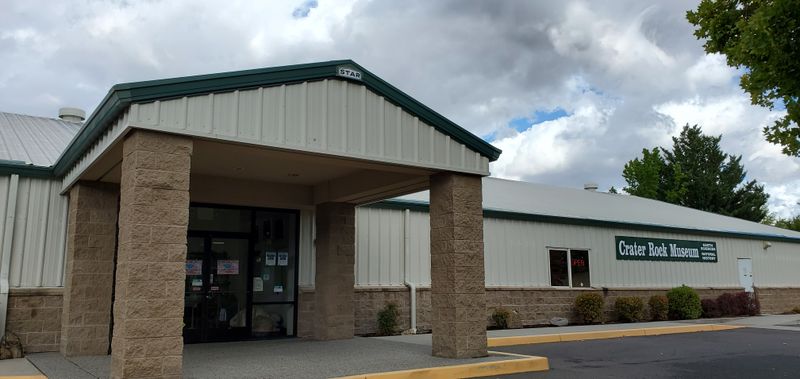
Expectations get shattered the moment you enter this Central Point institution that far exceeds what the modest description of a rock-collecting club museum might suggest.
The vast collections rival those of much larger natural history museums, with specimens that would make professional geologists envious.
Display after display showcases stunning minerals, fossils spanning millions of years, and Native American artifacts that demonstrate both natural beauty and human craftsmanship.
The museum’s strength lies not just in quantity but in the quality of curation and presentation.
Each specimen receives proper identification and contextual information, helping visitors understand geological processes, fossil formation, and the cultural significance of stone tools and artifacts.
The organization makes it easy to navigate the extensive collections, with clear sections devoted to different types of specimens and regional focuses.
What began as a rock-collecting club’s hobby has evolved into a significant educational resource that serves schools, researchers, and curious visitors.
The passion of the club members shows in every aspect of the museum, from the careful labeling to the willingness to share knowledge about specific specimens.
Many of the volunteers possess deep expertise in geology, paleontology, or archaeology, making conversations with staff unexpectedly educational.
You’ll find this unexpected treasure at 2002 Scenic Avenue in Central Point, Oregon, where it serves as a testament to what dedicated enthusiasts can accomplish.
The museum proves that specialized collections focused on specific subjects can offer experiences that rival major institutions when knowledge and care guide their development.
Locals recommend the museum to visitors looking for authentic Oregon experiences beyond typical tourist stops.
The collections inspire wonder at Earth’s geological history and human ingenuity, making complex scientific concepts accessible through beautiful and fascinating specimens that tell stories spanning from ancient seas to indigenous cultures.
Dear Reader: This page may contain affiliate links which may earn a commission if you click through and make a purchase. Our independent journalism is not influenced by any advertiser or commercial initiative unless it is clearly marked as sponsored content. As travel products change, please be sure to reconfirm all details and stay up to date with current events to ensure a safe and successful trip.
