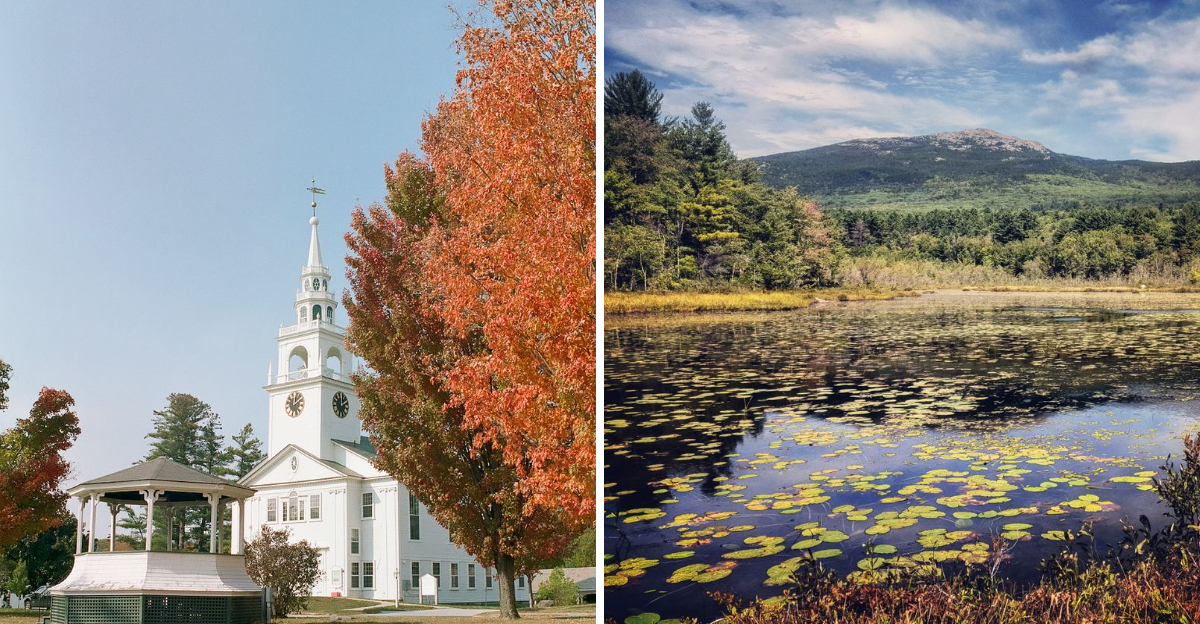
New Hampshire holds secrets in its hills and valleys that most travelers miss entirely.
While tourists flock to the well-known destinations, locals guard their favorite small towns with quiet pride, hoping these special places remain unchanged by crowds and commercialization.
From historic mill villages to mountain hamlets surrounded by wildflower fields, these hidden gems offer authentic New England charm without the tourist buses and gift shop clutter.
Each town carries its own story, woven through centuries of tradition, natural beauty, and communities that still gather for contra dances and pancake breakfasts like they have for generations.
1. Hancock
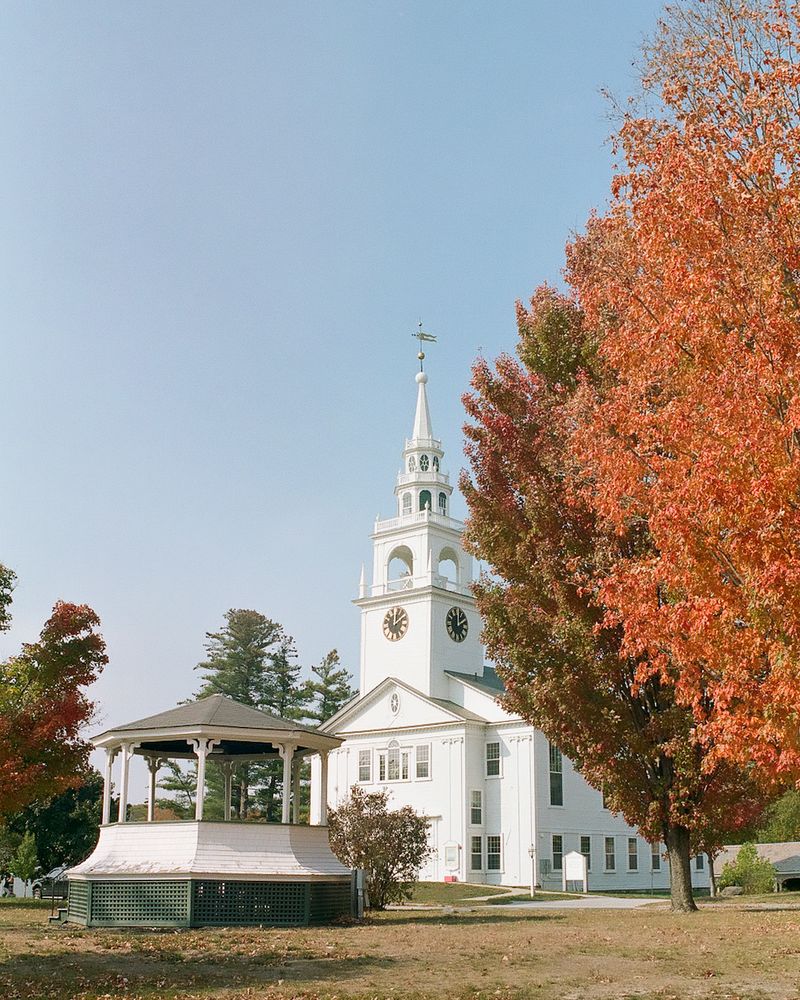
Picture a single main street where time seems to move at half speed, where the only sounds are birdsong and the occasional creak of a front porch swing.
Hancock embodies everything locals love about authentic New Hampshire living, with its postcard-perfect white-steepled church standing guard over a village that refuses to change with the times.
Norway Pond anchors the community, its glassy surface reflecting the surrounding hills and providing a peaceful destination for those who know the value of a quiet morning walk.
Early risers gather at Fiddleheads Café, where conversations flow as freely as the coffee and everyone knows your name by your second visit.
The town operates on an unspoken agreement among residents to preserve its character, which means no chain stores, no flashy developments, and certainly no efforts to attract tourist attention.
Historic homes line the streets, their clapboard siding painted in traditional New England colors, gardens bursting with perennials that have been divided and shared among neighbors for decades.
Walking paths circle the pond, offering views that change with the seasons but never lose their ability to slow your heartbeat and clear your mind.
Local artists find inspiration in the unchanging landscape, setting up easels by the water or sketching the church steeple from different angles throughout the year.
Community events happen on their own schedule, announced by word of mouth rather than social media campaigns.
Hancock proves that sometimes the most remarkable places are those that refuse to announce their presence to the world.
2. Nelson
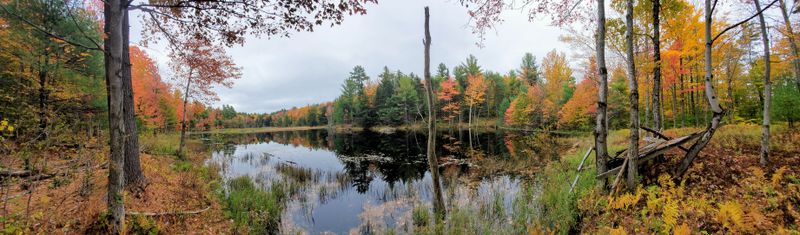
Every Monday night for more than a century, fiddles and feet have kept time together in a tradition that defines this mountain community.
Nelson’s historic town hall hosts one of the longest-running contra dances in the entire country, where locals and the occasional lucky visitor swing to live music and follow calls that echo back through generations.
The building itself stands as a testament to community values, maintained by volunteer labor and heated by a woodstove that someone always remembers to stoke between dance sets.
Newcomers quickly learn that this weekly gathering serves as the town’s social glue, where news gets shared, friendships deepen, and children learn the same dance steps their grandparents once mastered.
Beyond the town hall, Nelson spreads across hillsides with views that stretch for miles, rewarding those who venture onto backroads with vistas unmarred by development.
Stone walls crisscross the landscape, marking property lines established centuries ago and providing habitat for chipmunks and wildflowers that locals can identify by name.
The town operates without commercial districts or tourist infrastructure, which suits residents perfectly fine.
Hiking trails connect to larger networks, but most visitors pass through Nelson without realizing what they’re missing.
Seasonal changes transform the town dramatically, from mud season’s raw honesty to autumn’s explosive color, winter’s crystalline silence, and spring’s gradual awakening.
Residents treasure their relative isolation, understanding that places like Nelson survive precisely because they don’t advertise their charms to the wider world.
3. Harrisville
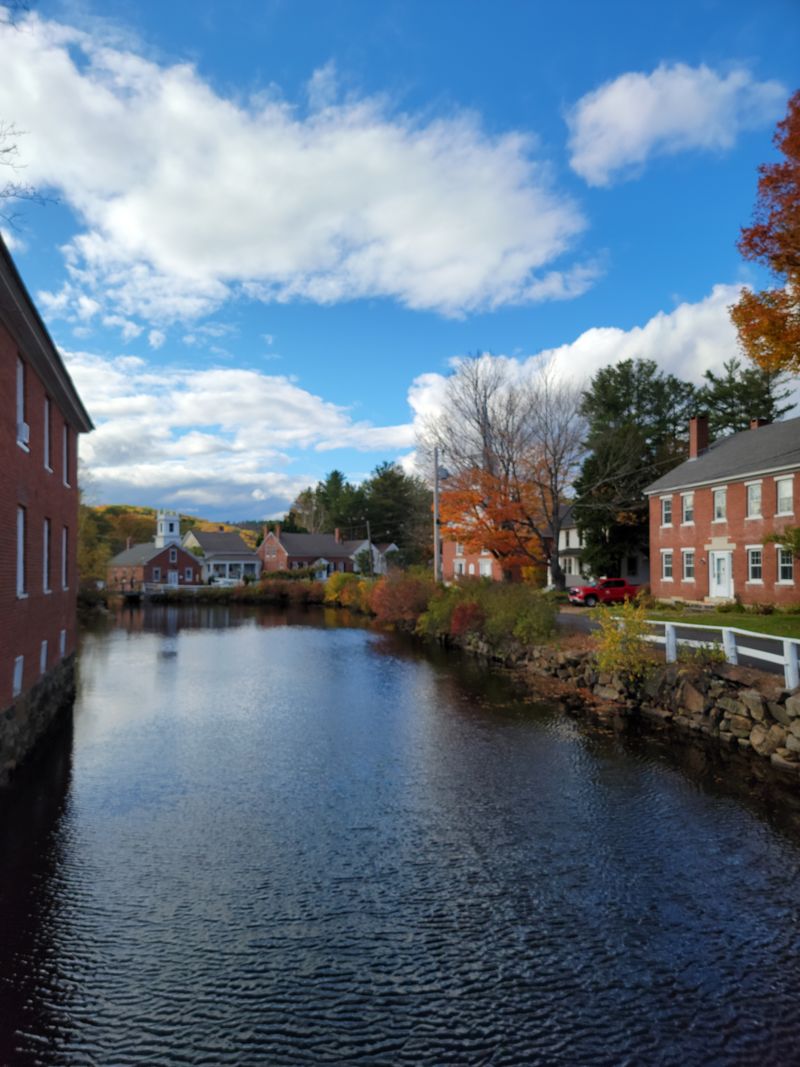
Step into Harrisville and you’ll find yourself transported to an era when waterwheels powered looms and entire communities revolved around textile production.
This remarkably preserved 19th-century mill town looks much as it did generations ago, with brick mill buildings standing sentinel around a central pond that once provided the power for industrial innovation.
The town’s layout reflects careful planning from another age, when factory owners built not just workplaces but entire communities, complete with worker housing, churches, and civic spaces.
Today those mill buildings serve new purposes while maintaining their historic character, their weathered brick and tall windows telling stories of long workdays and tight-knit immigrant communities.
The pond remains the heart of everything, its calm waters reflecting red brick and green hills in compositions that photographers dream about but locals simply accept as everyday beauty.
Walking paths circle the water, passing under old trees and offering glimpses into Harrisville’s layered history.
Residents take pride in their town’s National Historic Landmark status, but they’re equally committed to keeping Harrisville a living community rather than a museum piece.
Children still play in the same spaces where mill workers once took their lunch breaks, and families gather by the pond for summer picnics just as they have for generations.
The absence of commercial tourism means Harrisville retains an authenticity that vanished from many historic sites decades ago.
Locals appreciate visitors who come to genuinely understand the town’s significance, but they’re quietly grateful that most tourists never make it off the main highways to discover this hidden treasure.
4. Sugar Hill
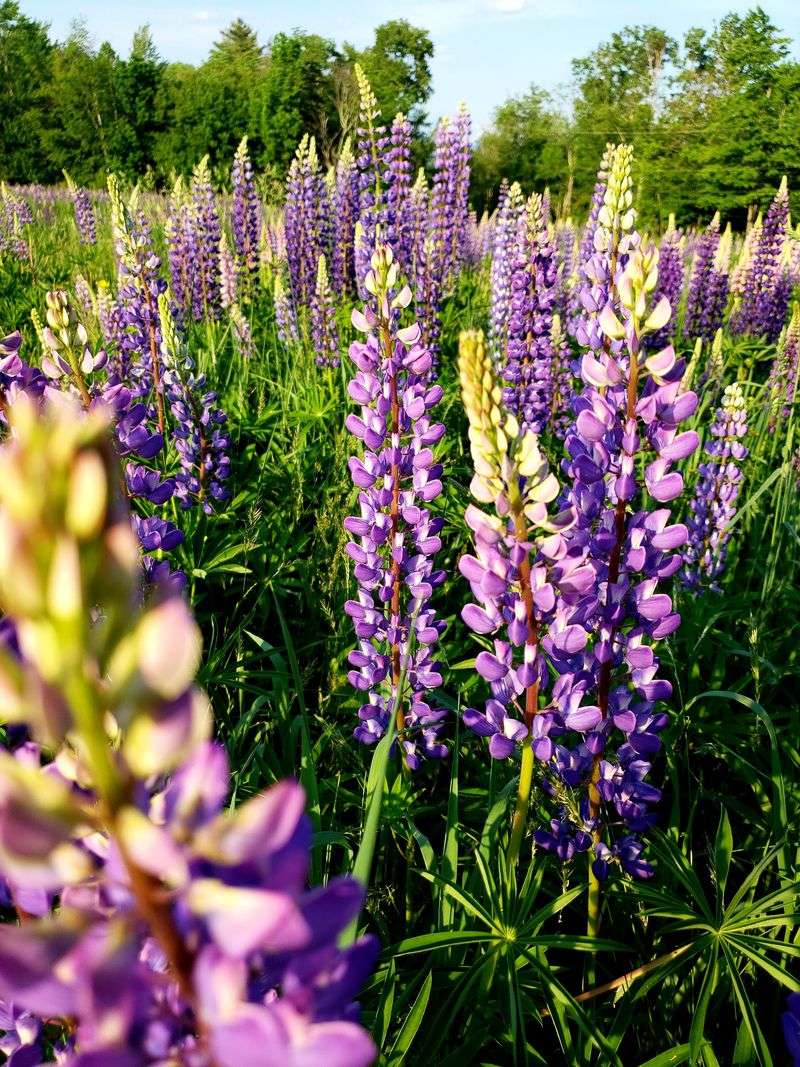
When June arrives in Sugar Hill, entire fields explode in purple waves as lupines bloom in displays that leave even longtime residents momentarily speechless.
The annual lupine festival draws those in the know, but somehow this town has managed to keep its celebration small and genuine, focused on appreciating natural beauty rather than commercializing it.
Polly’s Pancake Parlor has served breakfast to locals and lucky visitors since 1938, its reputation built on genuine hospitality and pancakes made from grains ground right on the property.
The restaurant occupies a converted carriage house with views across fields to the mountains beyond, making every breakfast feel like a special occasion even when you’re just having Monday morning flapjacks.
Beyond the lupines and pancakes, Sugar Hill offers the kind of mountain scenery that inspired 19th-century painters and still captivates anyone willing to slow down and really look.
Backroads wind through countryside where farms still operate much as they have for generations, with dairy cows grazing hillsides and sugar maples tapped each spring for syrup production.
The town’s elevation provides cooler summer temperatures and spectacular autumn color, making it a refuge for those seeking seasonal beauty without seasonal crowds.
Historic homes and barns dot the landscape, many maintained by families who have called Sugar Hill home for multiple generations.
Community life revolves around quiet gatherings rather than organized events, with neighbors helping neighbors in ways that feel increasingly rare in modern America.
Residents hope Sugar Hill can maintain its character even as word slowly spreads about its lupine fields and mountain magic.
5. Tamworth
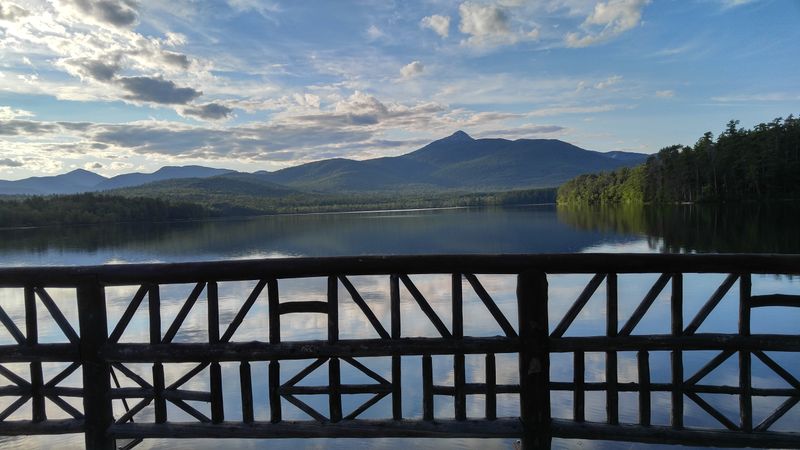
Nestled in the shadow of the White Mountains, Tamworth combines natural grandeur with cultural depth in ways that surprise first-time visitors who expect just another pretty mountain town.
The Barnstormers Theatre has staged summer productions since 1931, making it one of America’s oldest professional theatres and a cultural anchor for the entire region.
Actors and audience members mingle after performances in conversations that blur the lines between professional entertainment and community gathering.
Beyond the theatre, Tamworth’s trail system provides access to waterfalls, mountain viewpoints, and forest paths that range from easy strolls to challenging climbs.
The Chocorua Lake area offers some of New Hampshire’s most photographed mountain reflections, though locals know dozens of other spots equally beautiful and far less crowded.
Historic buildings throughout town tell stories of settlement patterns, agricultural traditions, and the gradual evolution from farming community to year-round residential haven.
The town maintains its character through careful planning and community commitment to preserving what makes Tamworth special rather than chasing tourism dollars.
Seasonal changes bring dramatic transformations, from spring’s rushing streams fed by snowmelt to summer’s lush green valleys, autumn’s legendary foliage, and winter’s crystalline beauty.
Local businesses operate on principles of sustainability and community service rather than maximum profit, creating an economy that supports residents rather than exploiting visitors.
Tamworth residents treasure their proximity to wilderness combined with access to cultural offerings, understanding they’ve found a rare balance that deserves protection from overdevelopment and excessive tourism promotion.
6. Fitzwilliam
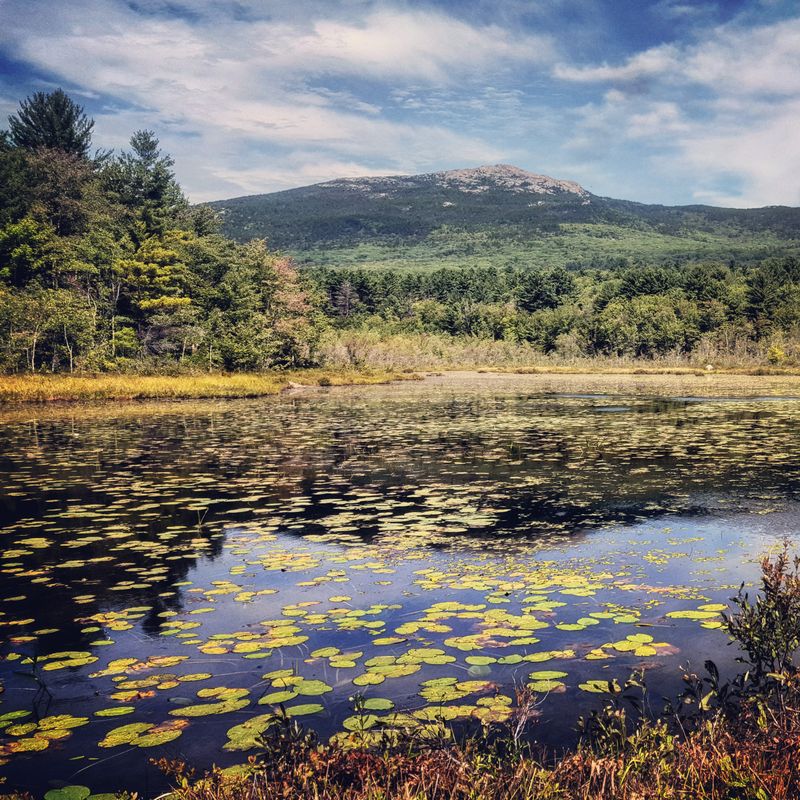
Around Fitzwilliam’s classic town common, buildings arranged with geometric precision tell stories of colonial planning and community values that prioritized shared public space.
The village green serves as it always has, hosting everything from summer concerts to winter sledding, its open expanse reminding everyone that some spaces belong to the whole community rather than private interests.
White churches anchor opposite corners of the common, their steeples visible for miles and serving as navigational landmarks for those learning the backroads.
Historic homes surround the green, many continuously occupied by the same families for generations, their careful maintenance reflecting pride in heritage and commitment to preservation.
Fitzwilliam sits near the Massachusetts border, giving it a slightly different character than more northern New Hampshire towns, with architectural influences and settlement patterns reflecting its position as a crossroads community.
The surrounding countryside offers exceptional hiking, including trails that connect to larger networks while maintaining a local, uncrowded feel.
Rhododendron State Park lies just outside town, where native rhododendrons bloom in mid-July, creating pink and white tunnels along woodland paths.
Local gatherings happen with regularity but without fanfare, from town meetings conducted with New England directness to seasonal celebrations that everyone simply knows about without formal invitations.
Small businesses operate on Main Street, serving local needs rather than tourist demands, which keeps the town’s commercial district authentic and functional.
Residents appreciate their town’s beauty and history while remaining pragmatic about the work required to maintain both, understanding that places like Fitzwilliam survive through active stewardship rather than passive appreciation.
7. Plainfield
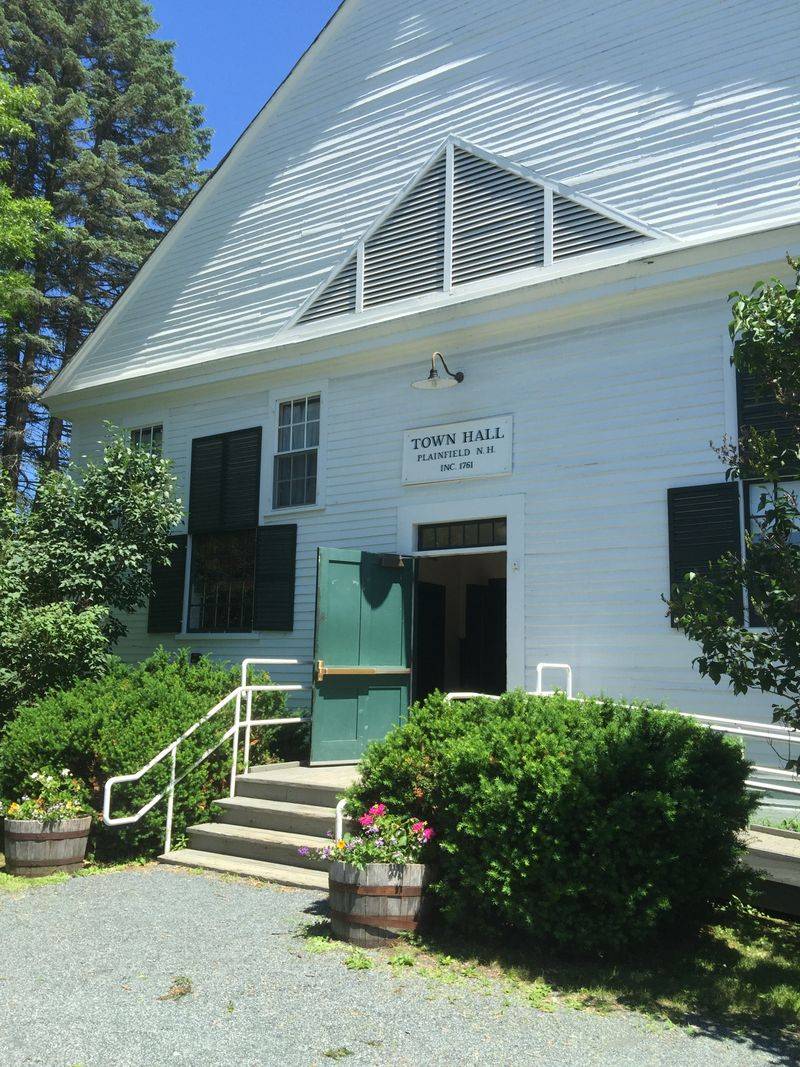
Where the Connecticut River valley spreads wide and fertile, Plainfield occupies land that farmers recognized centuries ago as particularly blessed for agriculture.
Today that agricultural heritage continues, with working farms producing everything from vegetables to maple syrup, maintaining connections to the land that urban dwellers can barely imagine.
The town center clusters around essential services and gathering places, its modest scale reflecting values that prioritize community over commerce.
Plainfield’s location between more prominent destinations means most through-traffic passes by without stopping, which suits residents who prefer their town remain a place to live rather than a place to visit.
The Blow-Me-Down covered bridge spans a tributary stream, its weathered timbers and traditional construction methods attracting bridge enthusiasts while serving local traffic with continued practicality.
Trails and backroads provide access to varied terrain, from riverside paths to hillside climbs offering valley views that change with seasons and weather.
Community life revolves around schools, churches, and volunteer organizations that bring people together for purposes beyond entertainment.
Plainfield residents take pride in their town’s unpretentious character, viewing the absence of tourist attractions as a feature rather than a deficit.
Historic homes and barns dot the landscape, many still serving their original purposes or adapted thoughtfully to modern needs while maintaining traditional appearances.
Seasonal rhythms govern life here more than calendars or clocks, with planting, harvesting, sugaring, and wood-cutting marking time in ways that connect residents to centuries of local tradition.
The town’s relative anonymity protects it from development pressures, allowing Plainfield to evolve gradually according to community needs rather than external demands.
8. Acworth
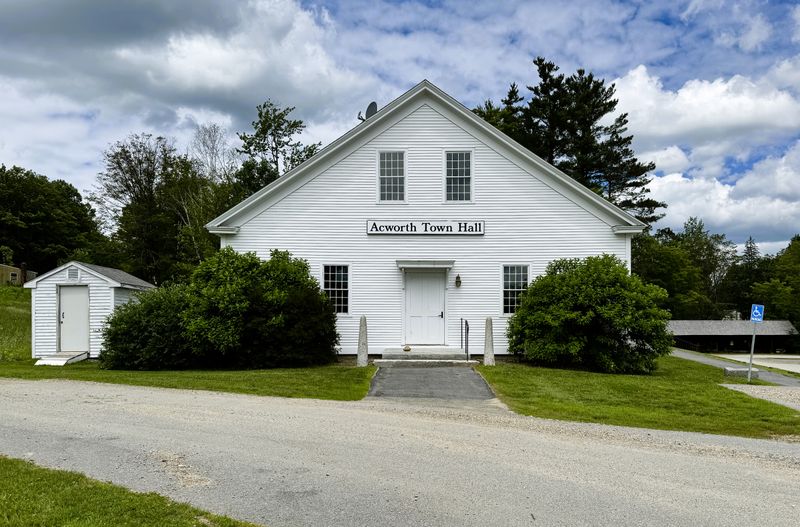
Acworth might be one of New Hampshire’s smallest towns by population, but what it lacks in size it compensates for with character and natural beauty.
The village center gathers around a compact common, its scale so intimate that you can take in the entire downtown area with a single glance.
This diminutive size creates a sense of cohesion rare even among small towns, where everyone genuinely knows everyone and newcomers become part of the fabric through participation rather than mere residence.
Cold Pond and Crescent Lake provide water recreation opportunities without the development that plagues more accessible lakes, their shores remaining largely forested and undeveloped.
Local roads wind through countryside that feels genuinely remote, passing stone walls, old cellar holes, and forest that has reclaimed once-cleared farmland.
The town’s isolation works in its favor, keeping traffic minimal and preserving a quietness that residents value above almost everything else.
Community events happen on a scale appropriate to the population, with potlucks, volunteer workdays, and informal gatherings replacing the organized festivals found in larger towns.
Acworth’s lack of commercial development means no restaurants, no shops, no services beyond the absolute essentials, which requires residents to be self-reliant and creative.
This absence of amenities filters out those seeking convenience, leaving a population committed to rural living and all its challenges.
The surrounding landscape offers hiking, fishing, and hunting opportunities that locals cherish, knowing exactly which trails lead to the best viewpoints and which streams hold the most trout.
Acworth represents New Hampshire at its most authentic and unadorned, a place that asks more from residents than it offers to visitors.
9. Chatham
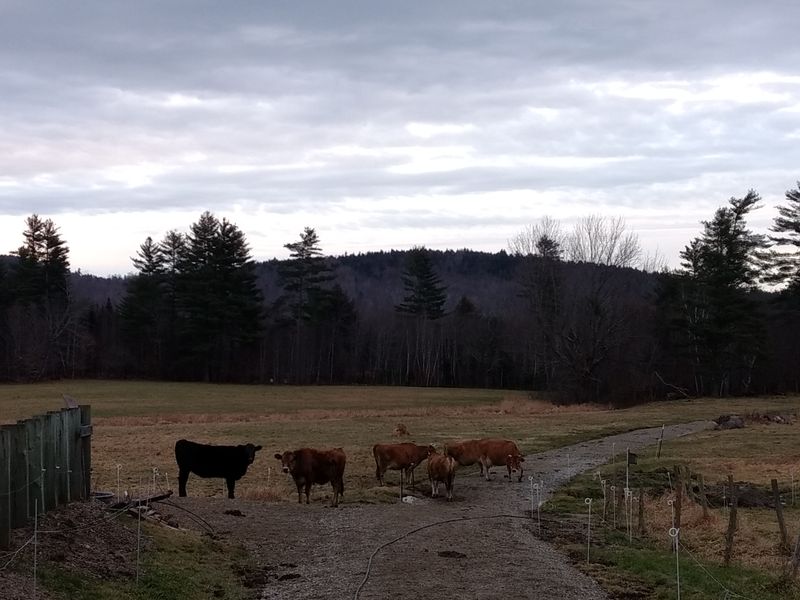
High in the White Mountains, Chatham exists as one of New Hampshire’s most remote communities, accessible only by roads that demand attention and respect.
The town’s isolation isn’t accidental but rather a defining characteristic that shapes everything from who chooses to live here to how community functions.
Surrounded by national forest land, Chatham offers immediate access to wilderness that most people only experience after long drives and crowded trailheads.
Residents step out their doors into landscape that remains genuinely wild, where moose outnumber people and weather patterns create their own rules.
Winter here means serious business, with snowfall measured in feet rather than inches and temperatures that keep thermometers buried in negative numbers for weeks at a time.
Those who choose Chatham do so understanding they’re trading convenience for solitude, accepting that simple errands require planning and that self-sufficiency isn’t optional.
The town’s scattered settlement pattern reflects both topography and individual preference, with homes situated to maximize views, privacy, or access to particular features.
Community bonds run deep precisely because residents depend on each other in ways that suburban neighborhoods can’t imagine, from sharing equipment to checking on neighbors during storms.
Chatham’s trails connect to larger hiking networks, but locals know routes that rarely appear in guidebooks, secret places where waterfalls tumble and viewpoints reveal mountain panoramas without human crowds.
The town asks much from those who call it home but rewards them with experiences and connections increasingly rare in modern America, where true wilderness and genuine community both feel like endangered species.
10. Dorchester
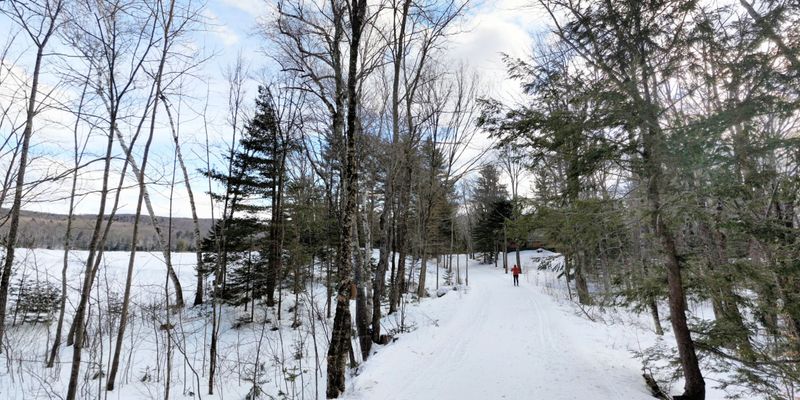
With a population you could fit in a small wedding venue, Dorchester claims the distinction of being among New Hampshire’s least populous towns, a status residents wear with quiet pride.
The village barely qualifies as such, with just a handful of buildings clustered where roads intersect, the rest of town spreading across rural landscape where homes sit far apart.
This extreme isolation creates a lifestyle that most modern Americans would find incomprehensible, where neighbors might live a mile away and the nearest grocery store requires a significant drive.
Yet those who choose Dorchester find freedom in that isolation, space to live according to their own rhythms without the pressures and expectations that come with denser settlement.
The surrounding countryside rolls through hills and valleys, with working farms maintaining traditions of land stewardship that stretch back through generations.
Dorchester’s diminutive size means town meeting actually functions as direct democracy, with every voice heard and every vote counting in ways that larger communities can only theoretically claim.
Services are minimal to nonexistent, requiring residents to be resourceful and connected to neighboring towns for everything from schools to shopping.
This lack of infrastructure keeps development pressures minimal, protecting the town’s character simply through the practical challenges of living here.
Wildlife thrives in the extensive undeveloped areas, with deer, bear, and countless bird species finding habitat that human activity barely disturbs.
Dorchester represents the extreme end of New Hampshire’s small town spectrum, a place where solitude and self-reliance aren’t romantic notions but daily realities, and where those who stay do so because they genuinely cannot imagine living any other way.
Dear Reader: This page may contain affiliate links which may earn a commission if you click through and make a purchase. Our independent journalism is not influenced by any advertiser or commercial initiative unless it is clearly marked as sponsored content. As travel products change, please be sure to reconfirm all details and stay up to date with current events to ensure a safe and successful trip.
