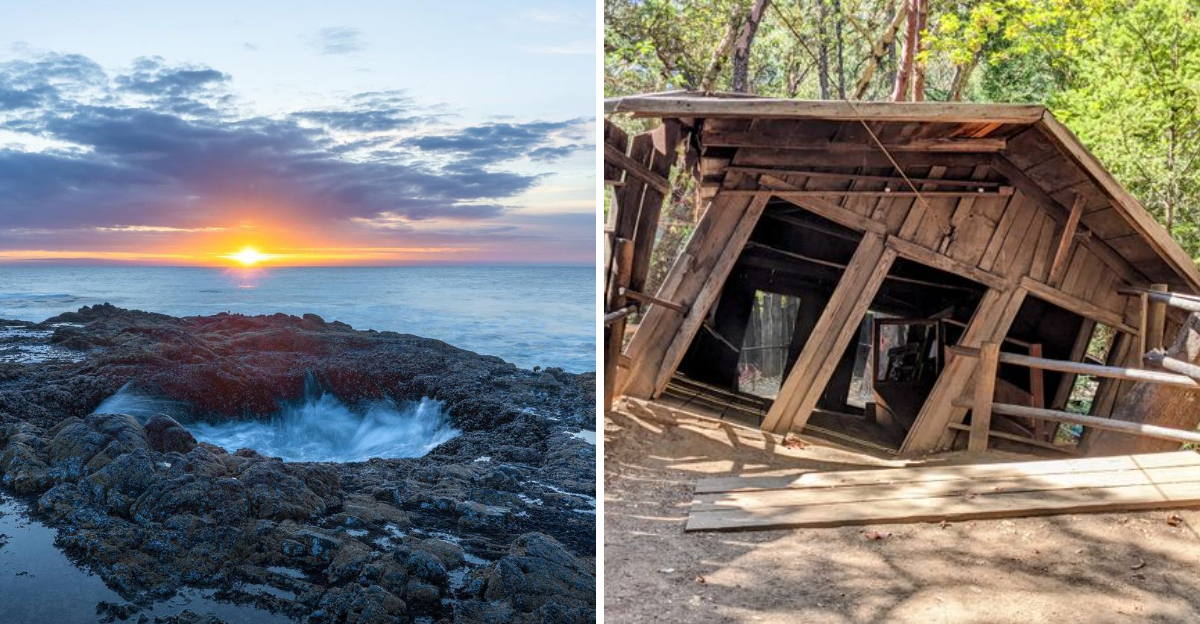
Oregon rewards curiosity, and the strangest corners of the state are where the stories stick to your shoes like damp forest moss.
You will find gravity bending on a hillside, seawater collapsing into a roaring sink, and ruins that whisper rumors as crows hop along their crumbling edges.
Colors paint ancient hills in stripes so vivid they seem unreal, while a coastal monolith stands like a cathedral built by fire and salt.
A cartoon hometown winks from real streets, and a holiday remembers an infamous boom that sprayed a beach with a tale no one forgets.
Everyday comfort food traces roots to a scrappy idea that turned leftovers into a classic, reminding you how Oregon makes oddity practical.
Waterfalls cloak basalt in silver threads that glimmer through mist, and a statewide list of wonders proves weird can be beautiful.
Come ready for detours, because the surprises start immediately.
1. The Oregon Vortex, House of Mystery, Gold Hill
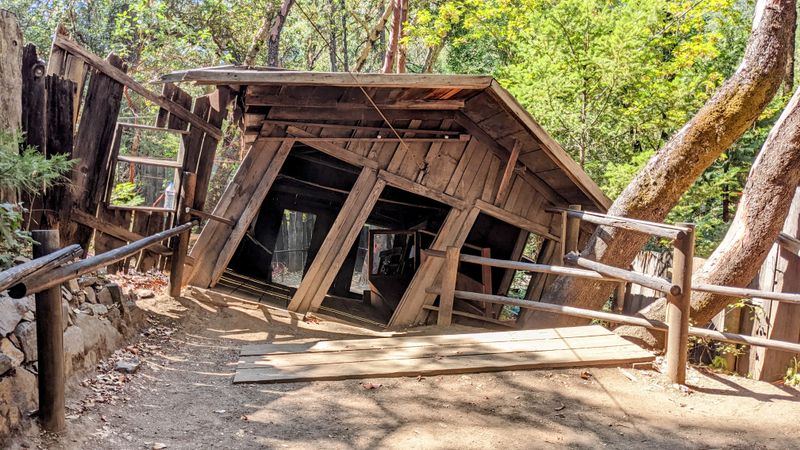
Tucked in the trees outside Gold Hill, the Oregon Vortex tilts your sense of balance until simple steps feel like a riddle you cannot solve.
Within the crooked House of Mystery, broom handles stand at odd angles, and people trade apparent height based on where they stand.
Guides explain site lines and perspective tricks, but the hillside’s warped geometry keeps your eyes arguing with your feet.
Even skeptics grin after rolling a ball uphill, then notice the nearby forest leaning in like an amused audience.
The attraction maintains a seasonal schedule and suggests comfortable shoes because the pathways can be uneven and damp.
Photography is welcome, though capturing the illusion often requires patience and careful angles to show the shift.
In Oregon, curiosity is a habit, and this place rewards it with puzzles that feel playful rather than showy.
You leave recalibrated, aware that perception is flexible and that oddity can be gentle, funny, and strangely reassuring.
Address, 4303 Sardine Creek L Fork Road, Gold Hill, Oregon 97525.
Arrive early, linger after the tour, and watch how the same space messes differently with each visitor’s expectations.
2. Witch’s Castle, Forest Park, Portland
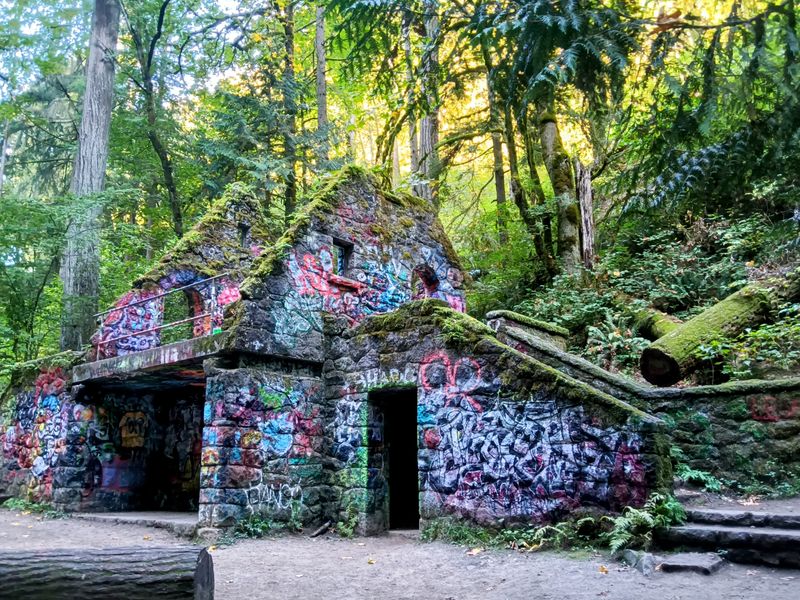
Deep in Forest Park, moss drapes the stone shell known as Witch’s Castle, a ruin that turns every footstep into a hush.
Stories swirl about crimes and hauntings, yet daylight reveals a small structure reclaimed by ferns, lichens, and dripping branches.
The trail in can be muddy, so sturdy shoes help, and the forest air stays cool all year.
Bring a friend, not for fear, but to share the quiet and the rasp of crows circling the canopy.
Graffiti comes and goes, highlighting the contrast between wild green and human marks fading in the weather.
Portland keeps this place accessible, and it rewards slow pacing, letting water sounds stitch the ruin back together.
In Oregon, ruins become living rooms for hikers, and this one hosts conversation, reflection, and careful photography.
Morning light softens the stones, while late afternoon turns everything to shadow play across mossy ledges.
Address, Lower Macleay Trail to Stone House, near 2960 NW Upshur Street, Portland, Oregon 97210.
Leave no trace, respect the space, and let the legend stay a tale told quietly beneath the trees.
3. Thor’s Well, Cape Perpetua, Yachats
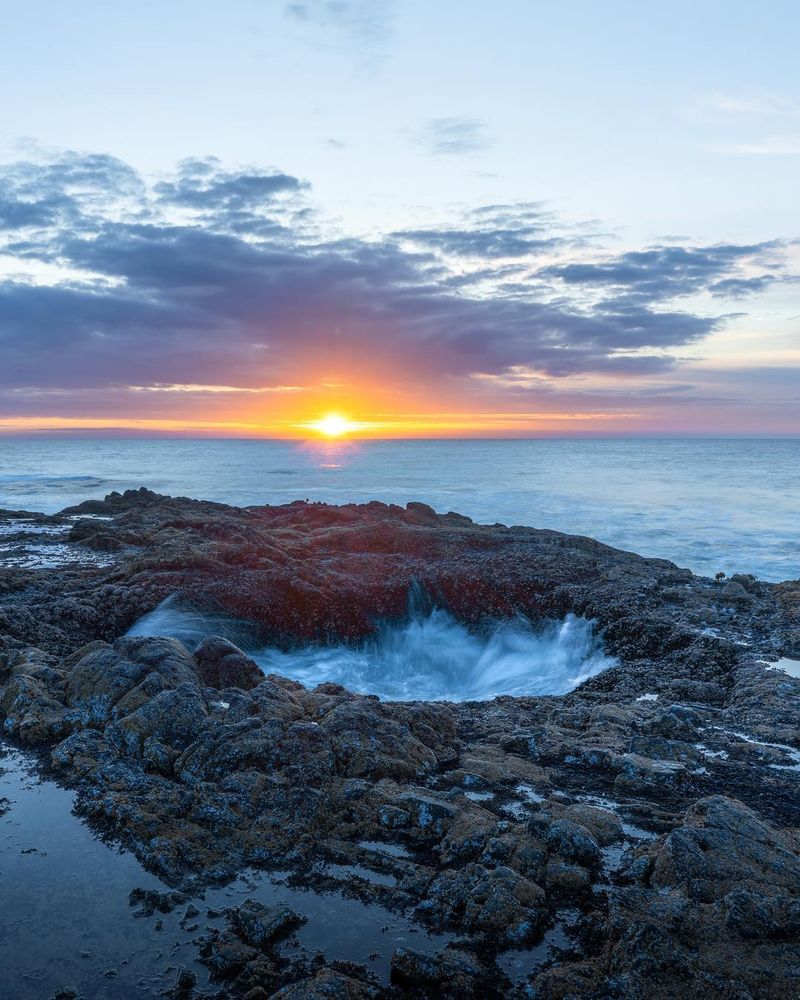
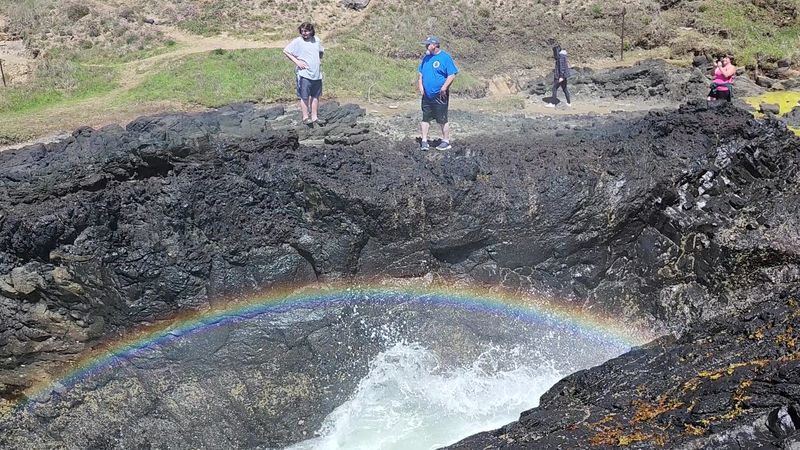
At Cape Perpetua near Yachats, Thor’s Well appears to swallow the Pacific, a dark throat ringed by black rock and white spray.
Oncoming waves rush across the shelf, then plunge into the opening, sending up a fountain that feels both precise and chaotic.
Timing matters, and staying well back from the edge matters even more because sneaker waves punish distraction without warning.
The viewing area sits among tidepool textures, where barnacles clutch stone and gulls measure the wind with casual confidence.
Photographers chase long exposures while salt mist etches tiny crystals onto camera filters and glasses alike.
This is Oregon drama distilled, the coast building rhythm from surge, drain, and hiss until your heartbeat syncs with the well.
Nearby trails climb into Sitka spruce, offering views that frame the roiling hole as one note in a wild orchestra.
Plan around daylight, tidal charts, and weather, letting patience earn the scene that matches your mind’s image.
Address, Thor’s Well pullout, near 97498 U.S.
Highway 101, Yachats, Oregon 97498, within Cape Perpetua Scenic Area.
Watch your footing on wet rock, keep gear secure, and let the ocean do the talking while you listen.
4. Painted Hills, John Day Fossil Beds, Mitchell
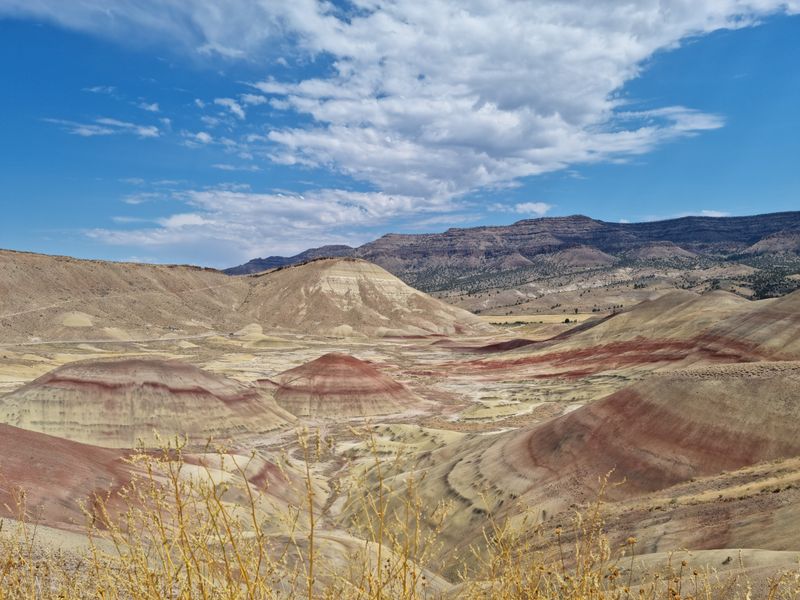
The Painted Hills near Mitchell stack color across rolling mounds, each stripe a memory of ancient climates pressed into earth.
Trails like Painted Cove and Carroll Rim guide you past claystone that shifts hue with sun, rain, and distance.
Footprints stay on boardwalks because the soils are delicate, and leaving them intact keeps the palette crisp for everyone.
Clouds turn the scene into moving shade, tilting reds toward rust and gold toward quiet wheat.
Silence dominates, broken by grasshoppers and wind pulling gently at sage, a careful soundtrack for unhurried walking.
This corner of Oregon feels like a gallery, but the walls breathe and the floor exhales dust with each step.
Photography works best near sunrise and sunset, when contours pop and shadow lines tuck into every ripple.
Visitor centers across the monument offer context, linking these colors to fossils, floodplains, and long vanished ecosystems.
Address, Painted Hills Unit, 32651 OR 19, Mitchell, Oregon 97750.
Carry water, respect closures, and let the hills keep their quiet while you borrow a little of their patience.
Even brief visits impress, as each turn of the trail reveals new combinations of ochre, crimson, and pale tan.
Winter light softens contrasts, turning the hills into a muted watercolor that feels almost meditative.
Leave only footprints and linger quietly, because the Painted Hills reward attention, not noise.
5. Springfield, Inspiration for The Simpsons

Springfield leans into the wink, a real town with murals and references that nod to a cartoon family without turning into a theme park.
Downtown blocks hold public art, including a bright mural of the show’s characters that doubles as a photo magnet.
Side streets reveal cafes and small shops, where locals chat under awnings while bikes click past crosswalks.
What matters here is the balance between pop culture and everyday rhythm, ordinary life colored by a famous shadow.
Interpretive displays highlight creator ties while honoring the broader city story beyond the punchlines.
This is Oregon embracing a cultural echo, playful but grounded, confident enough to smile without losing itself.
Expect walkable streets, a relaxed pace, and a willingness from residents to point you toward the next mural.
The feel is friendly, and the setting near the river gives breezes a clean edge on warm afternoons.
Address, 101 South A Street, Springfield, Oregon 97477, near the Springfield Museum and public art corridor.
Snap a picture, explore the blocks, and remember that inspiration often starts on regular streets with big imaginations.
Even short strolls reveal hidden references, from painted benches to subtle signage tucked on lamp posts.
Seasonal events bring extra life to the streets, though the murals remain the steady heartbeat year-round.
Kids, tourists, and locals all mix easily, showing that a cartoon homage can coexist with ordinary Oregon rhythms.
6. Haystack Rock, Cannon Beach
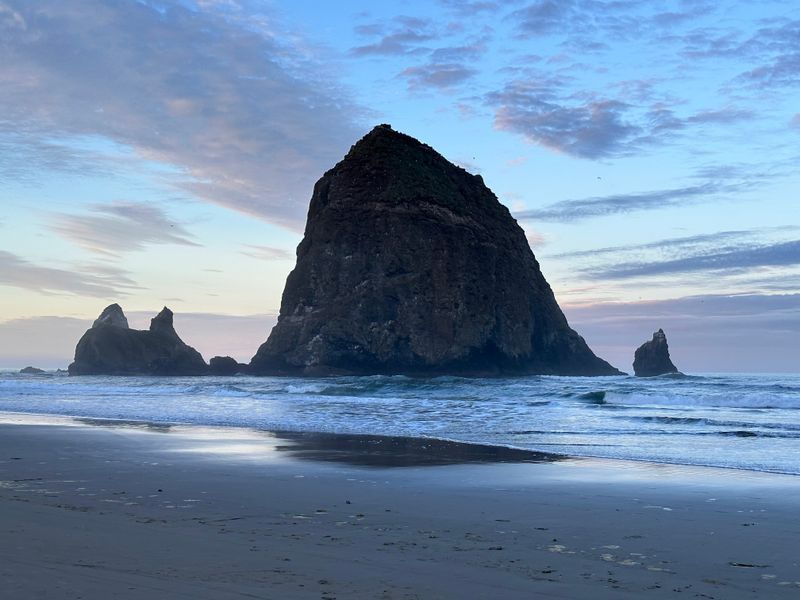
Haystack Rock rises from Cannon Beach like a basalt cathedral, tide pools circling its base and seabirds writing arcs in the air.
At low tide, the intertidal zone reveals stars, anemones, and sand ripples that hold tiny mirrors of sky.
Volcanic origins shaped the stack into columns and ledges that host nesting puffins during parts of the year.
The soundscape blends waves with soft voices, since most people naturally hush near so much patient stone.
Beach access paths cross dune grass, then spill onto flat sand that stretches into a luminous, walkable horizon.
This slice of Oregon pairs drama with calm, the monolith anchoring weather that arrives like theater curtains.
Volunteers sometimes staff interpretive stations, inviting questions about habitat, geology, and respectful distance from wildlife.
Bring layers, since marine air cools quickly when clouds move in and the wind turns brisk.
Address, 1400 South Hemlock Street, Cannon Beach, Oregon 97110, public beach access near the rock viewpoint.
Stay aware of tides, keep to dry sand near nests, and let the rock remind you how patience shapes coastlines.
At sunrise, the stack glows gold and pink, turning a familiar form into something almost magical.
Footprints in wet sand fade quickly, reminding visitors that the beach is always reshaping itself.
Even brief pauses here feel meditative, as the rock, tide, and birds set a rhythm you can step into but never control.
7. Tater Tot Origin, Statewide Legacy
The humble tater tot began as a clever way to use potato scraps, an invention that rolled thrift into a crunchy idea.
Oregon claims the story with pride, since the concept was refined in regional plants that turned small bits into something bigger.
You will find nods to the origin in local lore, museum plaques, and casual conversations that treat ingenuity like a neighbor.
The tale survives because it is practical, tasty, and slightly funny, a reminder that waste can become comfort.
Factories and warehouses tell their own quiet story, corridors of machinery where peeling and cutting once fed new processes.
This state celebrates tinkering, and the tot fits the pattern, proof that utility and delight can share a plate.
Seek out historical displays and community archives to trace names, patents, and the machinery that shaped small cylinders.
The real takeaway is cultural, a small food shaping identity without needing a pedestal or spotlight.
Address, Oregon Historical Society, 1200 SW Park Avenue, Portland, Oregon 97205, for context on regional food innovation.
Walk through exhibits, follow the breadcrumbs of invention, and see how modest ideas sometimes ripple for generations.
Try imagining the factory floors alive with the rhythm of cutting, frying, and packaging, a choreography of scraps turned gold.
Local festivals and diners still honor the tot, a nod to creativity that feels both historic and entirely edible.
Even today, the story reminds visitors that small ideas – if treated with care and curiosity – can leave a lasting mark on culture.
8. Exploding Whale Day, Florence
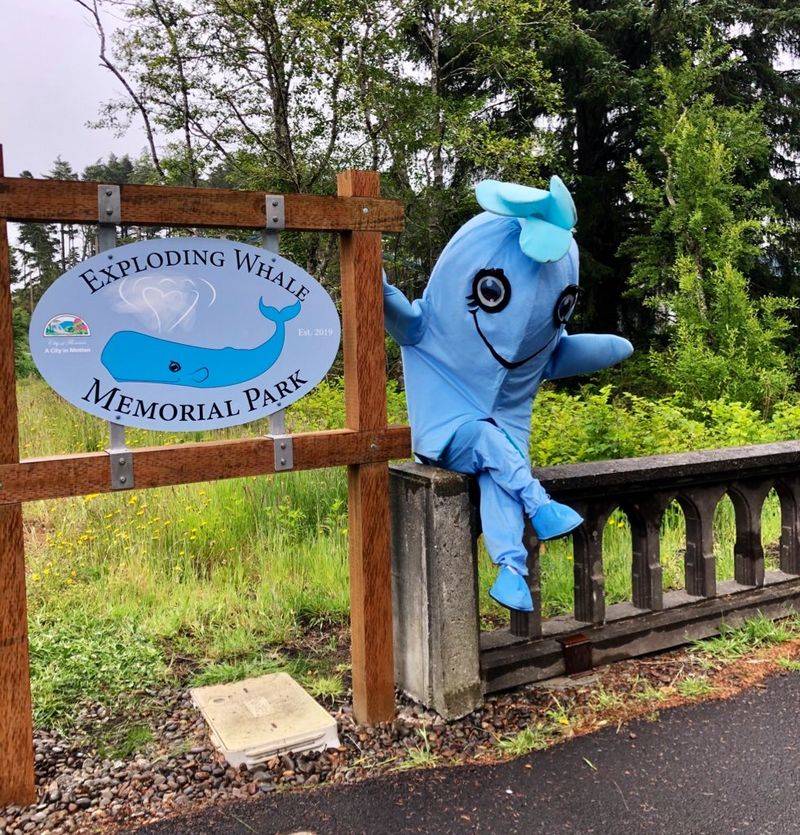
Florence remembers an infamous beach incident with a wry holiday that turns a chaotic moment into a shared coastal legend.
The original event involved an unfortunate cleanup choice, and the story now lives in exhibits, souvenirs, and gentle humor.
Modern gatherings lean toward education and safety, emphasizing better practices while keeping the tale light enough to retell.
The beach itself remains beautiful, with long sands, gentle dunes, and salty wind that scrubs your thoughts clean.
Visitors wander the promenade, trade versions of the anecdote, and look out at waves as if expecting a punchline.
This is Oregon turning a misstep into civic folklore, embracing perspective without celebrating the mess.
Local displays sometimes feature archival footage, which plays like a cautionary parable with an unforgettable outcome.
Plan for breezes, bring layers, and keep your focus on the horizon that holds both comedy and wisdom.
Address, Siuslaw Pioneer Museum, 278 Maple Street, Florence, Oregon 97439, for context and historical materials.
Laugh kindly, learn the lesson, and let the shoreline carry the story forward with better choices in tow.
9. Multnomah Falls, Columbia River Gorge
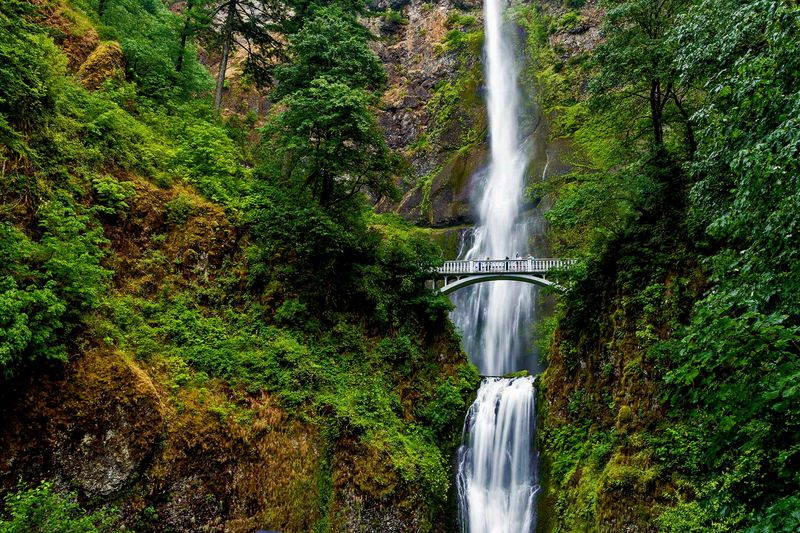
Multnomah Falls drops in two clean tiers, a silver sheet that never quite finishes its sentence as mist drifts across basalt.
From the lodge plaza, you look up into a green amphitheater where the bridge hangs like a careful underline.
Crowds gather but the sound of water softens voices, turning the overlook into a kind of open air chapel.
Trails climb through switchbacks that smell of wet stone and cedar, rewarding patience with angles that change every few steps.
On cooler days, spray catches sunlight and builds a small weather system that feels both close and unreachable.
This is Oregon’s postcard, yet it still feels personal when you find a quiet minute along the railing.
Parking fills quickly, and shuttle options help, keeping traffic manageable while preserving the canyon’s breathing room.
Bring layers and shoes with grip, since the pavement near the base can be slick and shaded.
Address, 53000 East Historic Columbia River Highway, Bridal Veil, Oregon 97010.
Stand still, listen fully, and let the roar reset your sense of scale before you drift back down the path.
Morning or late afternoon light softens the basalt walls, turning green moss and wet rock into a quiet spectacle.
Step onto the bridge slowly and feel the spray brush your face, a reminder of the waterfall’s constant motion.
Even a brief pause along the upper viewpoints leaves a lasting impression of height, sound, and liquid energy.
10. The Seven Wonders of Oregon, A Strange Beauty Tour
The phrase collects landmarks like Mount Hood, Smith Rock, and Crater Lake, shaping a loose itinerary that feels both epic and personal.
Each site exhibits uncommon geology, from caldera blue to welded tuff cliffs that glow as the sun slides west.
Travelers stitch together segments, choosing a few wonders rather than chasing everything, which keeps the journey humane.
The mood changes daily, with clouds wrapping peaks while high desert sits bright and spare under wide sky.
Roadside pullouts deliver big views without long hikes, and trail networks invite deeper time if energy allows.
This is Oregon as cabinet of curiosities, where volcanic scars and river cuts tell patient, complicated stories.
Expect temperature swings, shifting light, and the pleasant fatigue that follows scenery turning over like pages.
Visitor centers anchor the route, offering maps, wildfire updates, and practical notes for respectful travel.
Address, Travel Oregon Welcome Center, 1500 Valley River Drive, Eugene, Oregon 97401, for route planning and resources.
Pick a starting point, move at a humane pace, and let strange beauty set the rhythm rather than the clock.
Take moments to pause at roadside vistas, letting wind and light sketch details that maps cannot convey.
Notice how each landscape contrasts with the last, teaching the eye to read Oregon’s diversity without hurry.
The journey feels layered, a sequence of surprises that rewards patience more than speed.
Dear Reader: This page may contain affiliate links which may earn a commission if you click through and make a purchase. Our independent journalism is not influenced by any advertiser or commercial initiative unless it is clearly marked as sponsored content. As travel products change, please be sure to reconfirm all details and stay up to date with current events to ensure a safe and successful trip.
