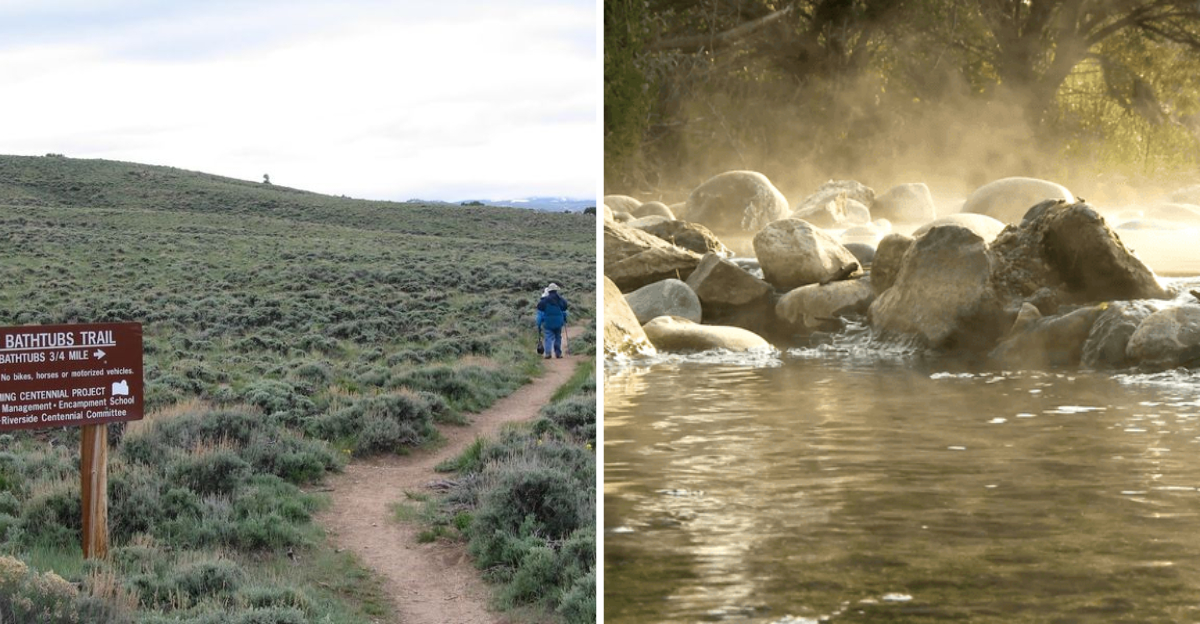
Water does not usually carve rock into swimming pools. But in Wyoming, it did.
Over thousands of years, a river worked its way through solid granite, smoothing edges and hollowing out deep basins that look too perfect to be natural. The pools stack like a staircase, each one spilling into the next. Clear, cold water that stays inviting even when the air is warm.
I took off my boots and waded into one, feeling the smooth rock under my feet. No sharp edges.
No rough patches. Just years of water doing its slow, patient work. You can find plunge pools in a lot of states.
But these granite formations are something else entirely. Wyoming keeps some of its best sights hidden.
What Exactly Are the Indian Bathtubs?
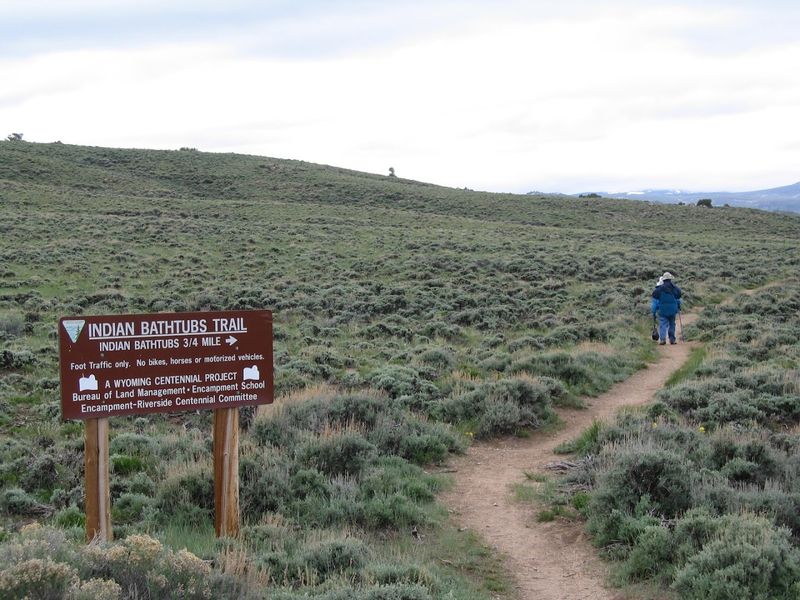
The name alone is enough to make you curious. The Indian Bathtubs are a series of naturally occurring potholes and bowl-shaped depressions carved into exposed granite bedrock in Carbon County, Wyoming.
They look almost intentional, like someone took a giant ice cream scoop to solid rock and left perfectly smooth, rounded basins behind.
These formations are found along the Medicine Bow Mountains area and have become one of the region’s most fascinating geological features. Some pools are small enough to fit a basketball, while others are wide and deep enough that you could genuinely soak your feet in them after a long hike.
The name references the Native American communities who lived in and traveled through this region for thousands of years. These pools were likely used as natural water sources and resting spots along ancient routes.
Today, they serve as a reminder that the land holds stories far older than any written record. Seeing them in person feels like reading a page from the Earth’s own journal, one written slowly and without any rush at all.
The trail to reach them is not difficult, but it is easy to miss if you are not paying attention. No signs announce the spot.
No parking lot marks the way. You have to know roughly where to go and then keep your eyes open.
That sense of discovery makes the pools feel even more special. I sat on the edge of the largest basin, let my feet dangle in the cold water, and thought about how many people had rested in that exact same spot over hundreds of years.
Wyoming does not advertise this place. Maybe that is for the best.
How Nature Carved These Pools Over Time
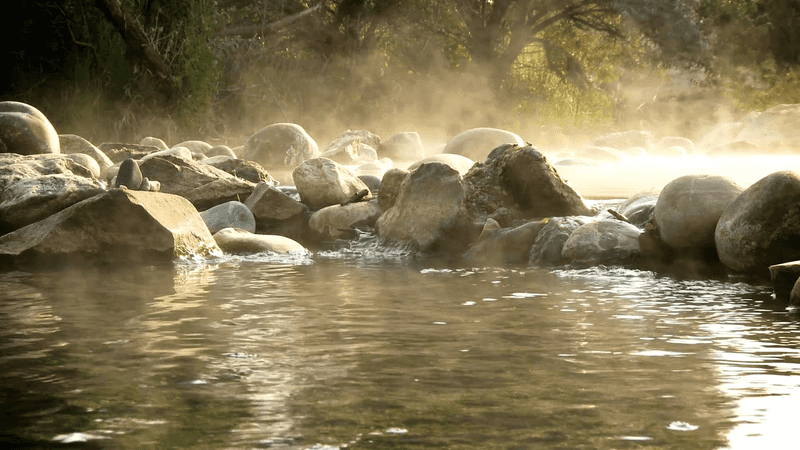
It is hard to believe that something as soft as water could carve something as hard as granite, but that is exactly what happened here. The process is called pothole formation, and it starts when water collects in a small crack or depression on a rock surface.
Over time, sediment, pebbles, and grit get caught in that depression and begin spinning around with the current.
That spinning motion acts like a natural drill. The abrasive material grinds against the granite walls in a circular pattern, slowly deepening and smoothing the basin over hundreds and thousands of years.
The result is a nearly perfect bowl shape with walls so smooth they almost feel polished.
Freeze-thaw cycles also play a role. Water seeps into tiny fractures, freezes in winter, expands, and chips away at the rock from the inside out.
Year after year, season after season, the pools grow a little wider and a little deeper. It is a slow, quiet kind of power that most people never think about when they look at a rock.
The Indian Bathtubs are the visible proof that patience, given enough time, can reshape the world.
Standing next to these pools, you start to understand deep time in a way that no museum exhibit can teach. The same water that sculpted these basins still flows through them today.
Snowmelt from the mountains above trickles down each spring, carrying new sediment to continue the work. In a human lifetime, the changes are invisible.
But over centuries, the grind never stops.
Wyoming’s landscape holds countless examples of water’s persistence. The Indian Bathtubs might be the most elegant one.
No machinery. No human hands.
Just geology doing what geology does best. Slow, steady, and unstoppable.
Getting to Carbon County and Finding the Site
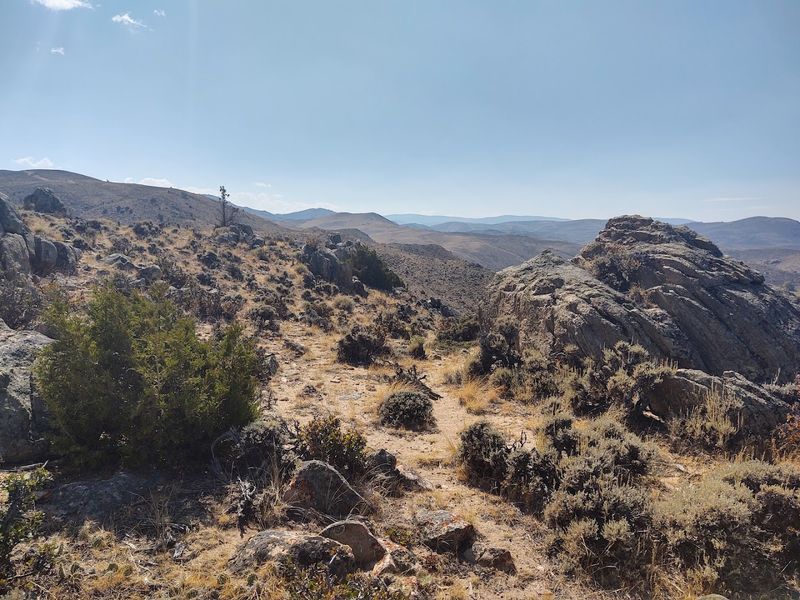
Carbon County sits in south-central Wyoming and covers a massive stretch of high desert, mountains, and wide open sky. The county seat is Rawlins, which makes a solid base if you are road-tripping through the area.
The drive out toward the Indian Bathtubs takes you through landscapes that feel genuinely remote, the kind where you might not see another car for twenty minutes straight.
The access routes involve a mix of paved highway and unpaved forest roads, so a vehicle with decent clearance is a smart choice. Conditions can vary significantly depending on the season, and Wyoming weather has a habit of changing fast.
Checking road conditions before you head out is always worth the five minutes it takes.
The surrounding area also includes the Medicine Bow National Forest, which offers trails, wildlife viewing, and camping for those who want to extend the trip. There are no major tourist crowds here, which is honestly part of the appeal.
You are more likely to share the trail with a mule deer than another tourist. That kind of quiet is rare, and once you have had a taste of it, the busy national parks start to feel a little overwhelming by comparison.
The Geological Story Behind Wyoming’s Granite
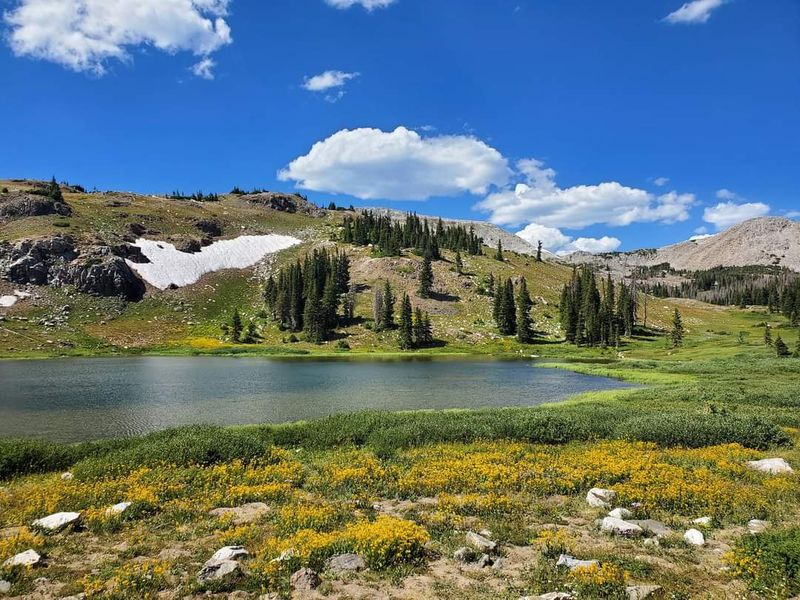
Wyoming sits on some of the oldest exposed rock on the North American continent. The granite found in the Medicine Bow Mountains and surrounding regions formed deep underground billions of years ago, pushed upward over millions of years by massive tectonic forces.
What you are walking on when you visit the Indian Bathtubs is genuinely ancient ground.
The Laramide orogeny, a mountain-building event that began roughly 70 million years ago, played a huge role in shaping Wyoming’s dramatic terrain. As the land buckled and rose, softer rock eroded away over time, leaving behind harder granite formations exposed at the surface.
That exposure set the stage for everything that followed.
Once granite sits at the surface, it becomes subject to weathering from all directions. Rain, snow, ice, and wind each take their turn.
Joints and fractures in the rock create natural pathways for water to move and collect. Over geological time, those pathways become the starting points for features like the Indian Bathtubs.
Understanding even a little bit of this backstory completely changes how you look at the landscape. The rocks are not just scenery.
They are a timeline you can actually touch.
Native American History Connected to These Pools
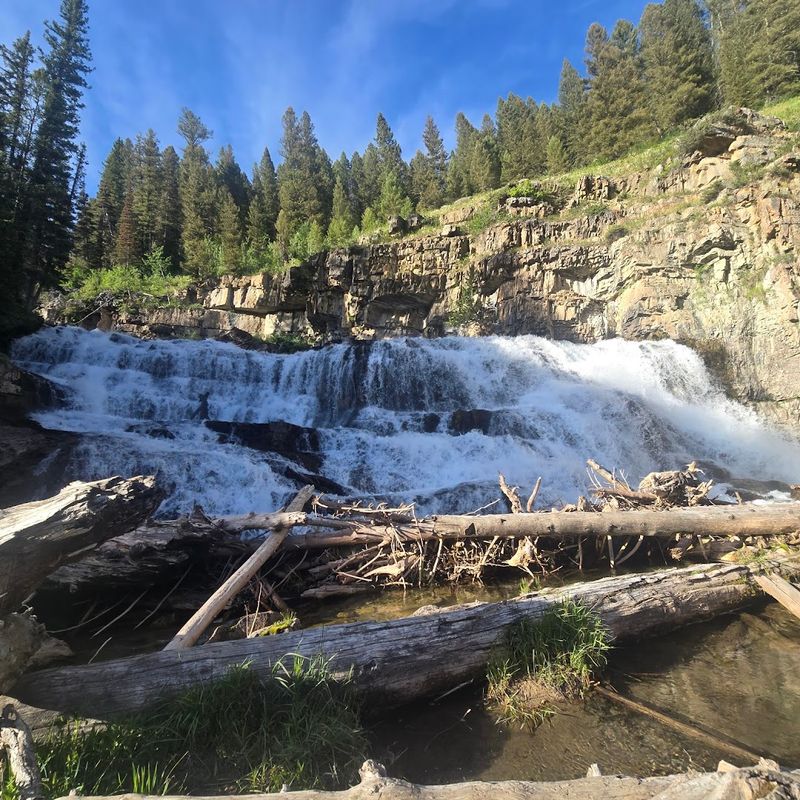
Long before any settler or geologist set foot in this part of Wyoming, Indigenous peoples knew this land intimately. The name Indian Bathtubs itself reflects that deep and lasting connection.
These pools were natural landmarks in a landscape that Native communities traveled, hunted, and called home for thousands of years.
Natural water sources like these granite pools would have been valuable stopping points along travel and hunting routes. In a region where water can be scarce, a reliable pool carved into solid rock offered something genuinely useful.
It is easy to imagine groups pausing here to rest, drink, and observe the land around them.
The broader Medicine Bow region contains other traces of Indigenous presence, including rock art and tool sites that archaeologists have studied over the years. These findings speak to a long, layered history that predates European contact by millennia.
Visiting places like the Indian Bathtubs with that awareness in mind adds a layer of meaning that pure geology cannot capture on its own. The land remembers people even when the written record does not.
That thought alone makes the hike feel like more than just a walk through pretty scenery.
What to Expect on the Hike and at the Site
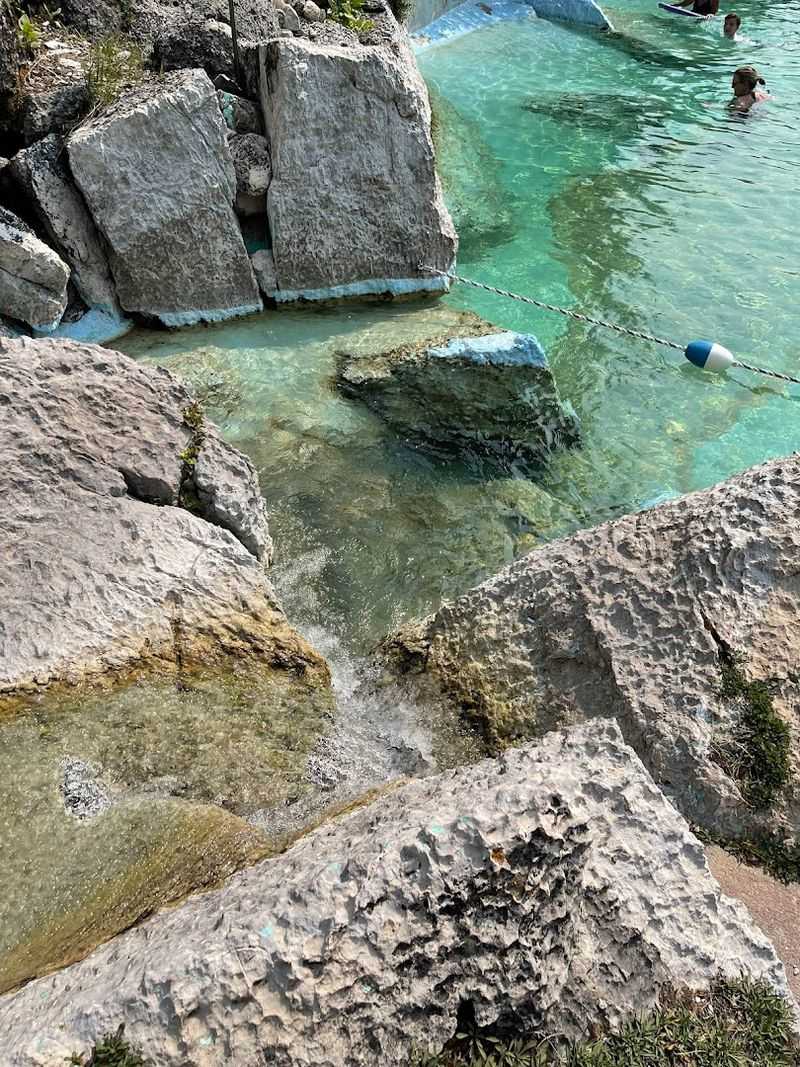
The trail out to the Indian Bathtubs is not a grueling backcountry expedition, but it does require some basic preparation. Wear sturdy footwear because the terrain involves uneven rock surfaces and loose gravel in places.
Bring more water than you think you need, especially in summer when Wyoming’s sun can be relentless and the air stays dry.
Once you reach the site, the pools themselves are the main event. Depending on recent rainfall, some basins will hold water while others may be dry.
After a good rain, the larger pools can be surprisingly full and clear, reflecting the sky in a way that feels almost theatrical. The granite surrounding them is rough and textured, which makes the smooth interiors of the pools stand out even more dramatically.
There is no formal interpretive signage at the site, so bringing a bit of background knowledge enhances the experience significantly. Give yourself time to just sit with the place.
Scramble around the rock a little, look at the different pool sizes, and notice how the shapes vary from one basin to the next. Each one has its own character.
No two are exactly alike, which is exactly what you would expect from thousands of years of completely unguided natural work.
