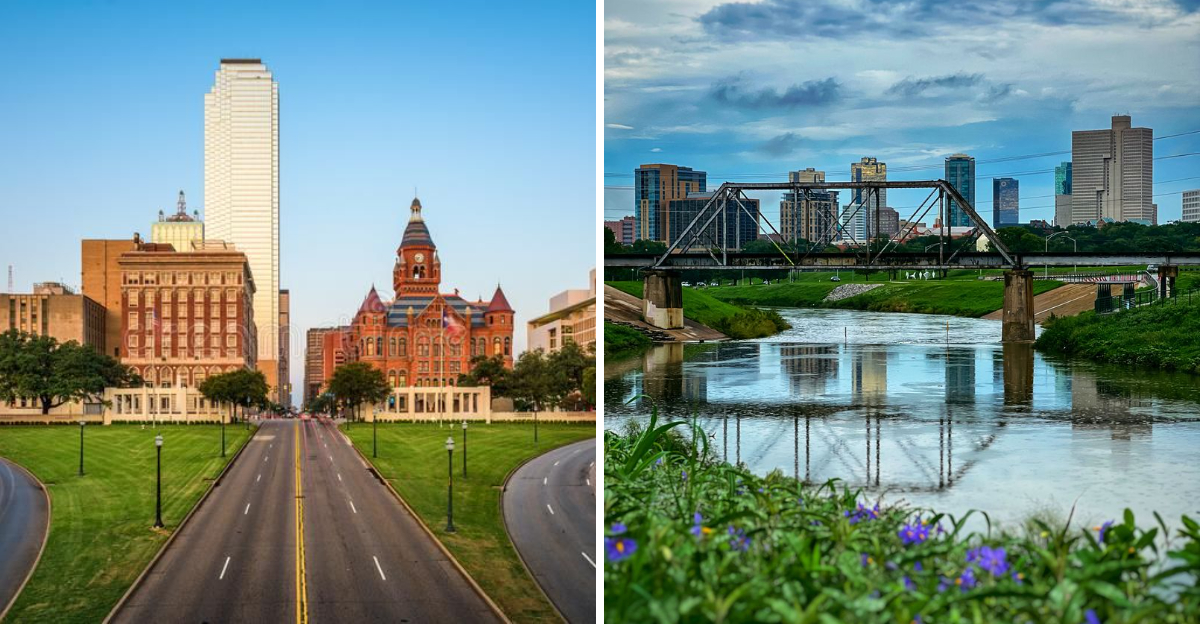
Texas stretches across deserts, prairies, and hill country, offering landscapes as varied as its cities. Some destinations have transformed so quickly that the old rhythms of local life have shifted beneath the weight of tourism, art scenes, and rapid growth.
Newcomers often find themselves navigating spaces that feel more like attractions than neighborhoods, where the sense of belonging takes longer to cultivate.
If you crave immediate connection and the comfort of fitting in right away, these ten Texas cities might test your patience.
1. Marfa
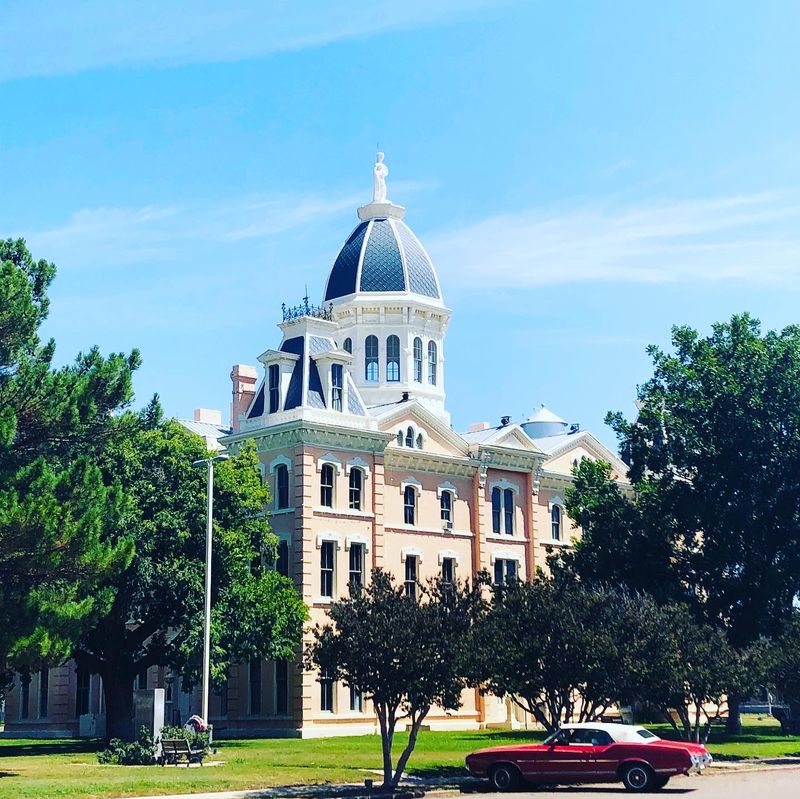
Marfa sits in the high desert of West Texas, a place where the sky seems endless and the horizon stretches into mystery. What was once a quiet ranching town has become an international art destination, drawing visitors from around the globe who come to see the minimalist installations and the famous Marfa lights.
The transformation has been swift and dramatic, leaving longtime residents struggling to keep up with rising costs and a shifting identity. Newcomers might feel like outsiders among the gallery crowds and art enthusiasts who dominate the downtown scene.
Housing affordability has become a serious issue, with rental prices climbing as short-term vacation properties multiply. The local culture, rooted in ranching and frontier resilience, now shares space with a cosmopolitan art world that can feel exclusive and insular.
If you arrive hoping to blend in quickly, you may find yourself caught between two worlds that do not always mix easily. The locals who remain are fiercely protective of their heritage, and earning their trust takes time and genuine effort.
Marfa’s small size means everyone notices a new face, and the tight-knit community takes a while to warm up to strangers. The art scene, while celebrated, can feel like a bubble that isolates rather than welcomes.
You will need patience, curiosity, and a willingness to listen if you want to move beyond the surface. Until then, Marfa might feel more like a gallery than a home.
2. Fredericksburg
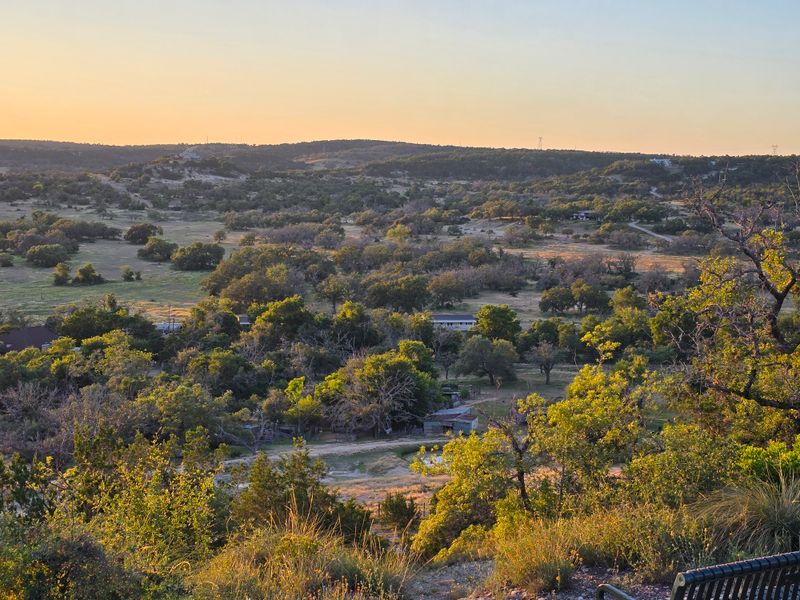
Fredericksburg rests in the heart of the Texas Hill Country, where rolling hills meet wildflower meadows and peach orchards. Once a German immigrant settlement with a strong agricultural tradition, the town has shifted its focus toward tourism and wineries, transforming Main Street into a parade of tasting rooms and boutique shops.
The daily rhythm that once centered on farming and community gatherings now revolves around weekend visitors and seasonal festivals. Locals often speak of a time when they knew every face on the street, a feeling that has faded as the town grows busier and more commercial.
The influx of tourists has brought economic benefits, but it has also changed the character of the place. Residents find themselves competing for parking, navigating crowded sidewalks, and watching as family-owned businesses give way to chains and upscale boutiques.
If you move here expecting to feel like a local right away, you may struggle to find your footing in a town that caters more to visitors than to its year-round population.
The sense of community still exists, but it lives in the quieter neighborhoods away from Main Street, where newcomers must earn their place through time and involvement.
Fredericksburg’s charm is undeniable, but it comes with a price. The locals have learned to protect their traditions and their spaces, and they can be wary of outsiders who treat the town like a weekend escape.
Building connections here requires more than just showing up.
3. Lubbock
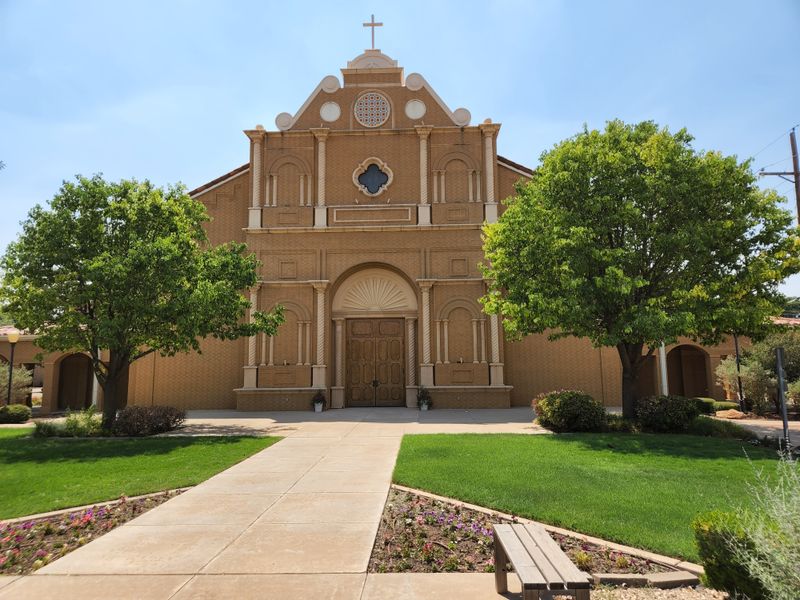
Lubbock sprawls across the flat plains of West Texas, earning its nickname as the Hub City for its central location and growing influence. Texas Tech University anchors the town, bringing a steady stream of students, faculty, and energy that shapes much of the local culture.
The university’s presence creates a transient feel, with people constantly arriving and leaving, making it harder for newcomers to establish lasting connections. The city has grown rapidly, with new developments spreading outward, but the sense of permanence can feel elusive.
The local population is proud of its roots in agriculture and country music, with a deep respect for tradition and hard work. However, the constant churn of university life means that many residents are only temporary, and the community can feel fragmented.
If you are looking to settle in quickly and feel like you belong, Lubbock’s transient nature might leave you feeling adrift. The social circles often revolve around the university, church groups, or long-established families, all of which take time to penetrate.
Lubbock’s weather is another challenge, with fierce winds and dust storms that can test your resolve. The landscape lacks the dramatic beauty of other parts of Texas, offering instead a stark simplicity that some find isolating.
The people are friendly, but friendliness is not the same as belonging. You will need to invest time in local organizations, attend community events, and show up consistently if you want to move beyond the surface.
Until then, Lubbock might feel like a stopover rather than a destination.
4. San Antonio
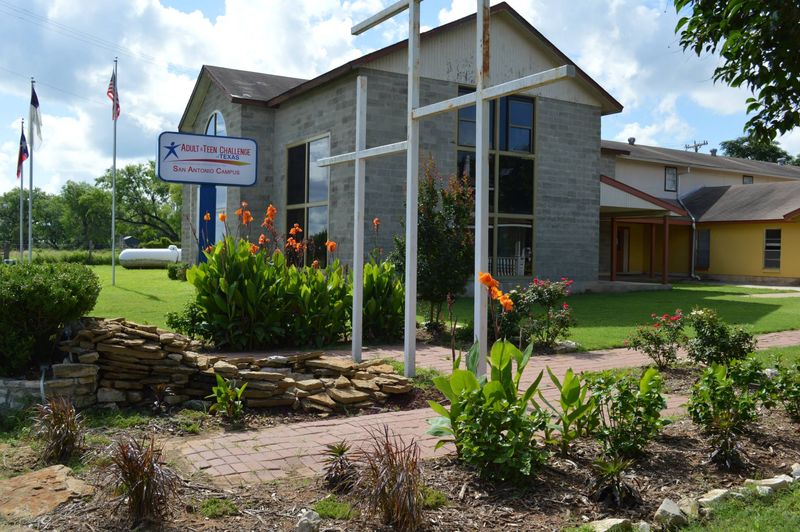
San Antonio pulses with history, culture, and the energy of a city that has grown into the second-most populous in Texas. The River Walk winds through downtown, lined with restaurants and shops that cater to the millions of tourists who visit each year.
The Alamo stands as a symbol of Texas independence, drawing crowds daily, while the Missions trace the city’s Spanish colonial past. All of this history and beauty comes with a trade-off, as the city’s rapid growth and popularity have made it harder for newcomers to feel like anything other than visitors themselves.
The neighborhoods beyond the tourist zones hold the real character of San Antonio, where families have lived for generations and traditions run deep. The Mexican American culture is woven into every aspect of life, from food to festivals to language, and understanding this heritage is essential to feeling like you belong.
Newcomers who arrive without an appreciation for this cultural depth may find themselves on the outside looking in. The city is vast, with sprawling suburbs and distinct districts that each have their own identity, making it difficult to know where to start.
San Antonio’s size can be overwhelming, and the pace of growth means that even longtime residents sometimes feel disconnected. Traffic congestion, rising costs, and the constant presence of tourists add to the sense of dislocation.
If you want to feel like a local immediately, you will be disappointed. San Antonio rewards patience, curiosity, and respect for its complex history and vibrant culture.
5. Dallas
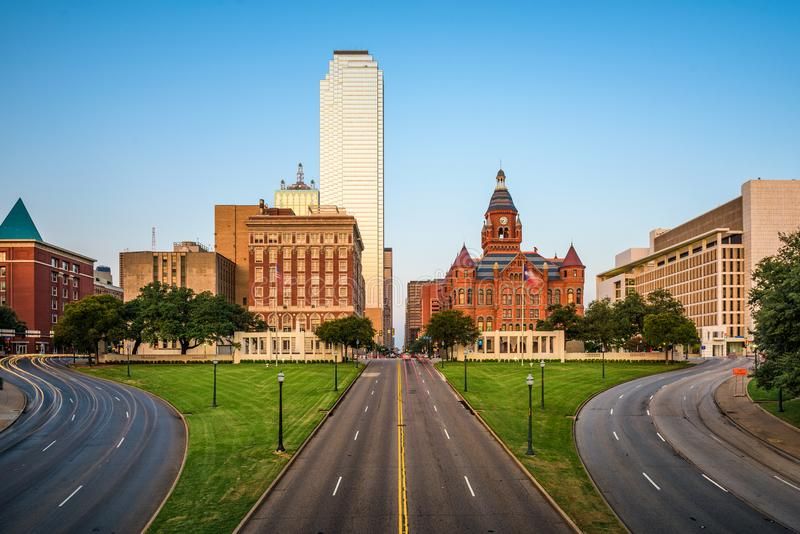
Dallas rises from the plains with a skyline that speaks of ambition, commerce, and constant motion. As one of the largest metropolitan areas in the country, the city offers opportunities and diversity, but it also presents challenges for anyone hoping to feel like a local right away.
The sheer size of Dallas means that neighborhoods feel like separate cities, each with its own character, and navigating this sprawling landscape takes time and effort. The population is transient, with people moving in and out for work, making it harder to build lasting connections.
The culture of Dallas leans heavily toward business and growth, with a focus on success and upward mobility. This can create an environment that feels competitive and fast-paced, leaving little room for the slower process of building community.
Newcomers often find themselves in a sea of strangers, struggling to break through the surface-level interactions that dominate daily life. The city’s diversity is a strength, but it also means that cultural groups often cluster together, and finding your place requires intentional effort.
Traffic is a constant frustration, with long commutes and congested highways that make even short trips feel exhausting. The weather swings from scorching summers to unpredictable storms, adding another layer of challenge.
Dallas rewards those who are willing to put in the work, but it does not make it easy. You will need to join clubs, attend events, and actively seek out connections if you want to move beyond feeling like an outsider.
Until then, Dallas might feel more like a collection of strangers than a community.
6. Austin
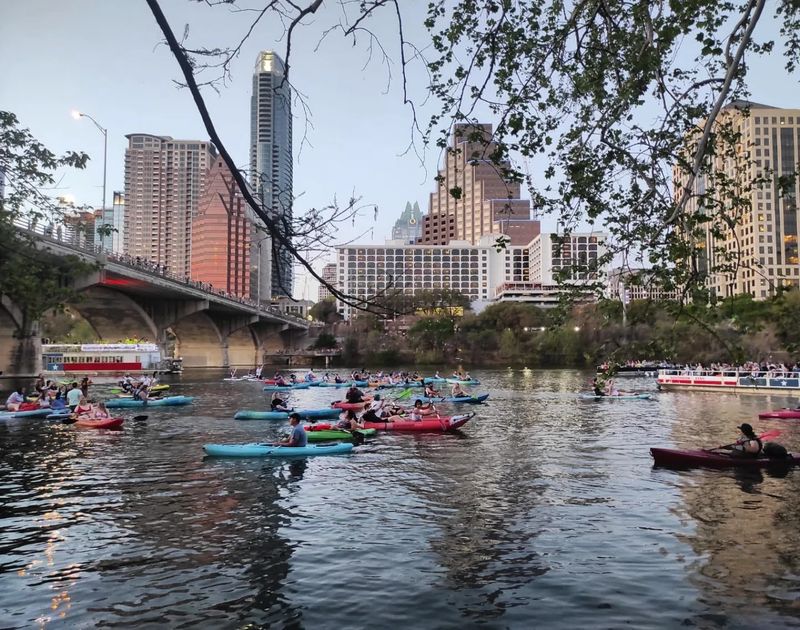
Austin vibrates with music, creativity, and a reputation as the live music capital of the world. The city has grown explosively in recent years, attracting tech companies, artists, and people from all over the country seeking a slice of its quirky, independent spirit.
However, this rapid growth has strained the city’s infrastructure and changed its character, leaving longtime residents lamenting the loss of the old Austin. Newcomers often find themselves in a city that is constantly evolving, where the sense of community that once defined it has become harder to find.
The cost of living has skyrocketed, with housing prices and rents climbing faster than many can afford. The influx of transplants has created a divide between those who remember the old Austin and those who are just arriving, and this tension can make it difficult to feel like you belong.
The city’s neighborhoods are distinct, from the historic charm of Hyde Park to the bustling energy of South Congress, and each has its own culture that takes time to understand. If you arrive expecting to immediately fit into the laid-back, creative vibe that Austin is famous for, you may be disappointed.
Traffic congestion is a daily reality, with roads that were never designed for this many people. The music scene, while vibrant, can feel oversaturated and commercialized, losing some of its original authenticity.
Austin still has its magic, but finding it requires patience and a willingness to look beyond the surface. You will need to explore the quieter corners, support local businesses, and invest time in building genuine connections.
7. Fort Worth
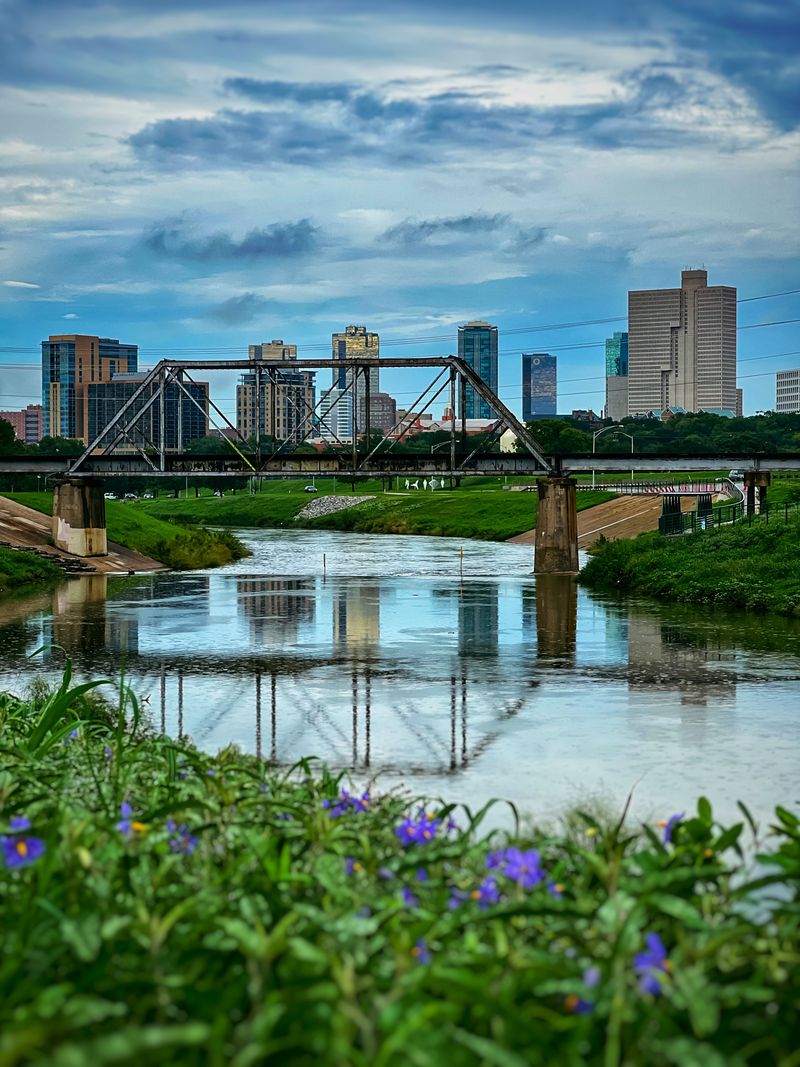
Fort Worth holds onto its cowboy heritage with pride, celebrating its roots in the cattle industry and the Wild West.
Stockyards National Historic District draws visitors who want to see longhorn cattle drives and experience a taste of frontier life, but this focus on tourism has created a divide between the historic attractions and the everyday life of residents.
The city has grown rapidly, with new developments spreading across the landscape, yet it still clings to its identity as Cowtown. Newcomers often find themselves navigating a city that is caught between its past and its future.
The local culture values tradition, family, and a certain ruggedness that can feel intimidating to outsiders. Fort Worth is less flashy than its neighbor Dallas, but it carries its own sense of pride and independence.
The social circles are often built around long-standing families, churches, and community organizations, and breaking into these networks takes time. If you move here expecting to feel like a local immediately, you may find yourself on the outside of a community that is slow to embrace newcomers.
The city’s sprawl means that neighborhoods are spread out, and the lack of a strong public transportation system makes it difficult to explore without a car. The weather is unforgiving, with scorching summers and unpredictable storms that can make daily life challenging.
Fort Worth rewards those who are willing to respect its traditions and invest in building relationships, but it does not make it easy. You will need patience, humility, and a genuine interest in the community if you want to belong.
8. Galveston
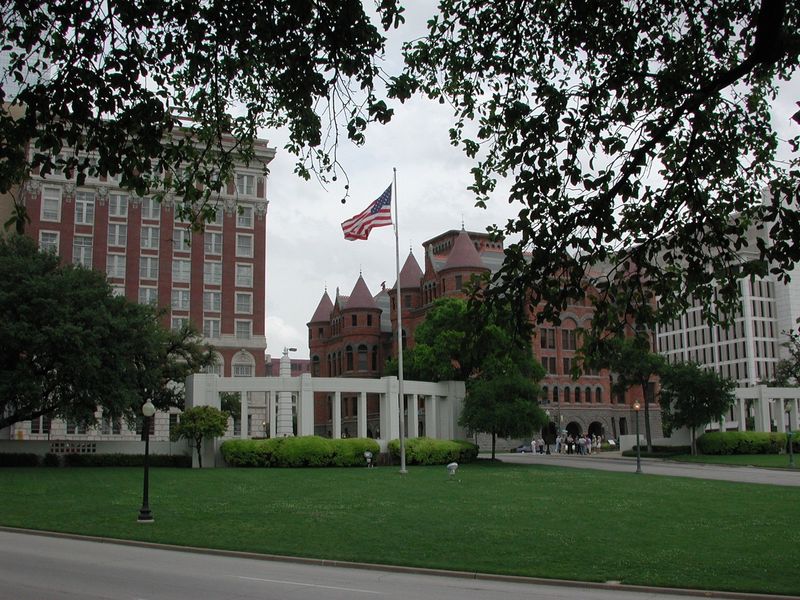
Galveston stretches along the Gulf Coast, a barrier island with a history shaped by hurricanes, trade, and resilience. The historic downtown features Victorian architecture and museums that tell the story of the island’s past, while the beaches draw crowds of tourists seeking sun and surf.
The city’s economy relies heavily on tourism and cruise ship traffic, which means that much of the infrastructure and culture caters to visitors rather than residents. Locals often feel overshadowed by the constant influx of tourists, and newcomers can struggle to find their place in a community that feels transient.
The island’s geography creates a sense of isolation, with limited connections to the mainland and a vulnerability to storms that shapes daily life. The threat of hurricanes is ever-present, and residents must be prepared for evacuations and the possibility of rebuilding.
This constant awareness of danger creates a bond among those who choose to stay, but it also makes the community wary of outsiders who may not understand the risks. If you move here expecting to feel like a local immediately, you will need to prove your commitment by weathering the storms, both literal and figurative.
Galveston’s charm lies in its historic character and coastal beauty, but the tourist-driven economy means that many businesses and attractions cater to short-term visitors. The local culture is tight-knit, with families who have lived on the island for generations, and earning their trust takes time.
You will need to show up during the off-season, support local businesses, and demonstrate that you are here for the long haul.
9. Corpus Christi
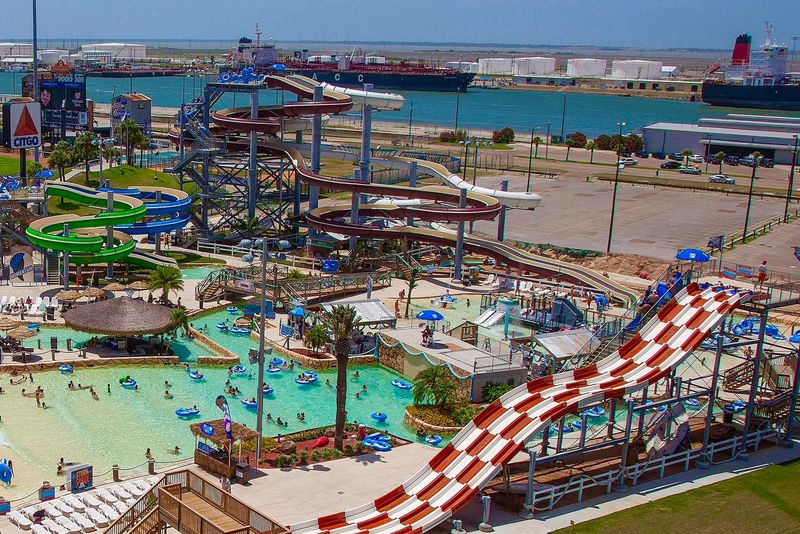
Corpus Christi spreads along the Gulf Coast, a city built around its bay and its connection to the water. The beaches and waterfront parks attract visitors year-round, while the USS Lexington and the Texas State Aquarium draw families and history enthusiasts.
The city has grown steadily, with a mix of industries including oil refining, shipping, and tourism shaping its economy. However, this growth has not always been accompanied by the infrastructure needed to support it, and the city can feel disjointed and sprawling.
The local culture is laid-back, with a strong emphasis on outdoor activities and coastal living. Residents take pride in their connection to the water, whether through fishing, boating, or simply enjoying the beaches.
However, the tourist industry dominates much of the waterfront, and locals often retreat to quieter neighborhoods away from the crowds. If you move here expecting to immediately feel like part of the community, you may find yourself navigating a city that is divided between its tourist attractions and its residential areas.
Corpus Christi’s weather is a challenge, with intense heat and humidity for much of the year, and the threat of hurricanes looming during storm season. The city’s economy can feel unstable, with fluctuations in the oil industry affecting jobs and growth.
The sense of community is strong in certain neighborhoods, but it takes time to build connections and earn trust. You will need to show genuine interest in the local culture, participate in community events, and demonstrate your commitment if you want to move beyond feeling like a tourist.
10. El Paso
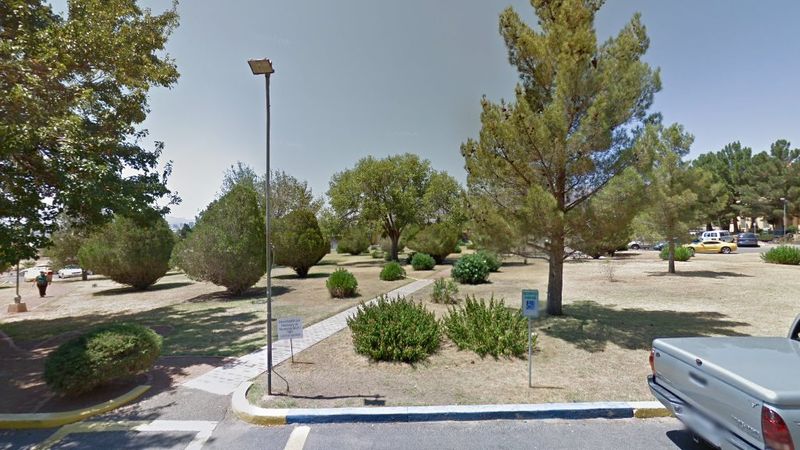
El Paso sits at the far western edge of Texas, where the Rio Grande carves the border between the United States and Mexico. The city is shaped by its proximity to Juarez and its deep connection to Mexican culture, with Spanish spoken as commonly as English and traditions that cross the border freely.
The Franklin Mountains rise dramatically from the desert floor, creating a stunning backdrop for a city that feels distinct from the rest of Texas. Newcomers often find themselves in a place that operates by its own rules, with a culture that is neither fully Texan nor fully Mexican, but something uniquely its own.
The local population is fiercely proud of its border identity, and understanding this cultural complexity is essential to feeling like you belong. The city’s economy is tied to trade, military installations, and cross-border commerce, creating a dynamic that can feel foreign to those unfamiliar with border life.
If you arrive expecting to feel like a local immediately, you will be challenged by the language barriers, the cultural nuances, and the sense that you are always an outsider unless you have deep roots in the region.
El Paso’s isolation from the rest of Texas adds to the sense of being in a world apart. The nearest major city is hours away, and the desert landscape can feel stark and unforgiving.
The community is tight-knit, with connections built over generations, and breaking into these networks requires time, respect, and a willingness to learn. You will need to embrace the bilingual culture, understand the border dynamics, and show genuine commitment if you want to belong.
Dear Reader: This page may contain affiliate links which may earn a commission if you click through and make a purchase. Our independent journalism is not influenced by any advertiser or commercial initiative unless it is clearly marked as sponsored content. As travel products change, please be sure to reconfirm all details and stay up to date with current events to ensure a safe and successful trip.
