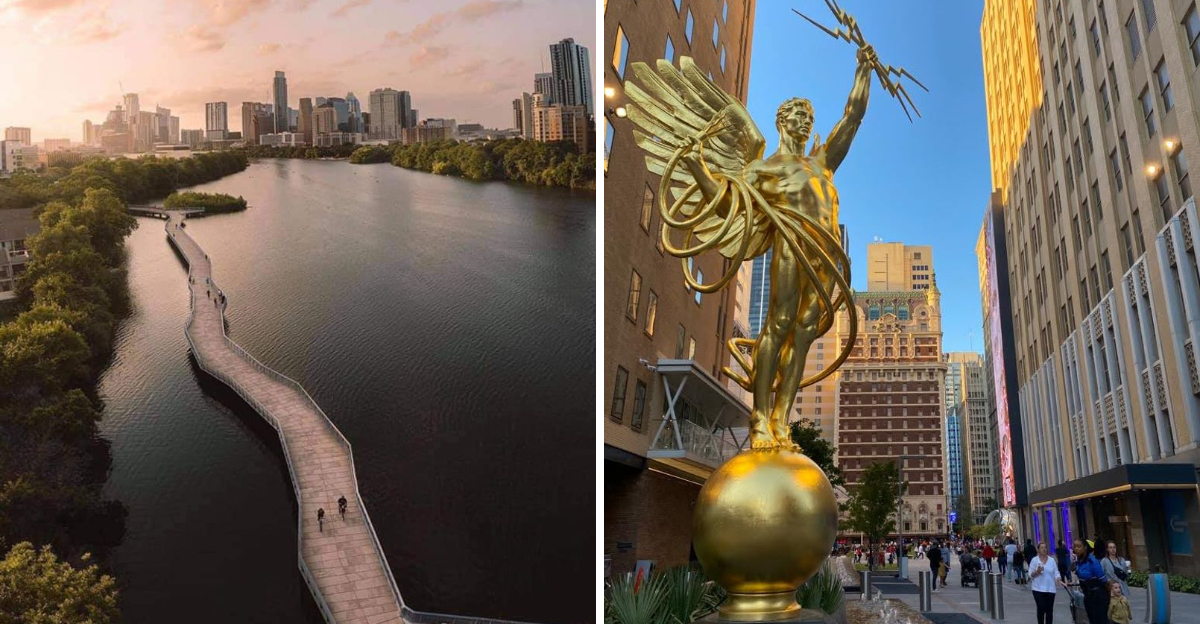
Texas is a land of endless horizons, where sprawling deserts meet vibrant cities and historic sites blend seamlessly with cutting-edge attractions.
Whether you’re traveling with curious toddlers, adventurous teens, or simply exploring as adults, the Lone Star State offers destinations that make every journey feel effortless and exciting.
From interactive museums and sprawling parks to historic landmarks and natural wonders, these cities strike the perfect balance between education and entertainment, ensuring that every member of your group finds something to love.
Get ready to discover ten Texas cities that turn exploration into an unforgettable adventure for families and solo travelers alike.
1. Houston
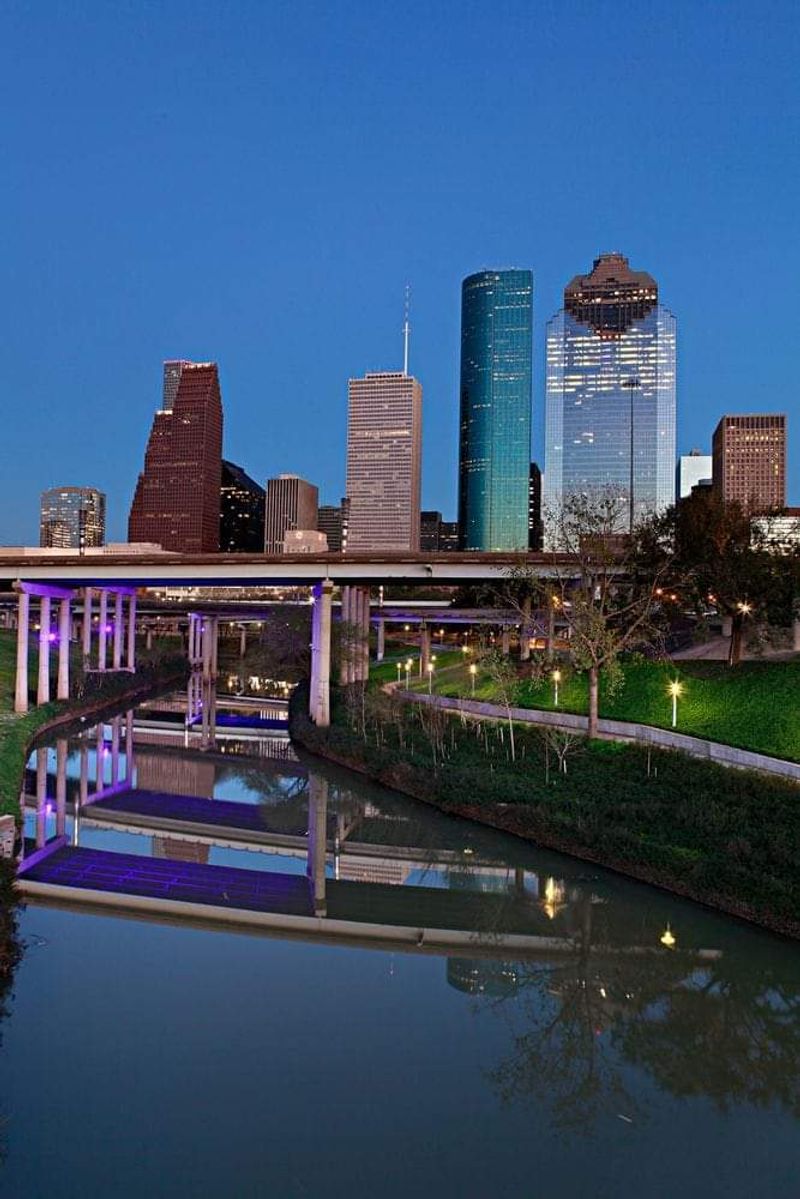
Space shuttles, dinosaur fossils, and butterfly gardens await in this sprawling metropolis that never runs out of ways to spark curiosity. Houston ranks as one of the safest cities for family vacations in Texas, offering an impressive array of museums, parks, and interactive experiences that captivate visitors of all ages.
The city’s commitment to education and entertainment creates an environment where learning feels like play, and every corner holds a new discovery waiting to happen.
Space Center Houston stands as the crown jewel of the city’s attractions, inviting guests to walk among real rockets and touch actual moon rocks. The tram tour through NASA’s Johnson Space Center provides a behind-the-scenes look at where astronauts train and mission control operates.
Kids press their noses against glass walls watching engineers work on spacecraft, while adults marvel at the sheer scale of human achievement on display.
The Houston Museum of Natural Science transforms education into adventure with its planetarium shows that transport viewers across galaxies and its butterfly center where colorful wings flutter inches from your face. Holographic dinosaurs roam the halls, bringing prehistoric creatures back to life in stunning detail.
The hands-on exhibits encourage touching, exploring, and questioning, making science accessible to even the youngest visitors.
Beyond the museums, Houston’s diverse neighborhoods offer culinary adventures and cultural experiences that reflect the city’s international character. Hermann Park provides green space for picnics and paddleboat rides, while the Houston Zoo houses animals from every continent.
The city’s public transportation and walkable museum district make getting around simple, even with strollers or tired little legs in tow.
2. San Antonio
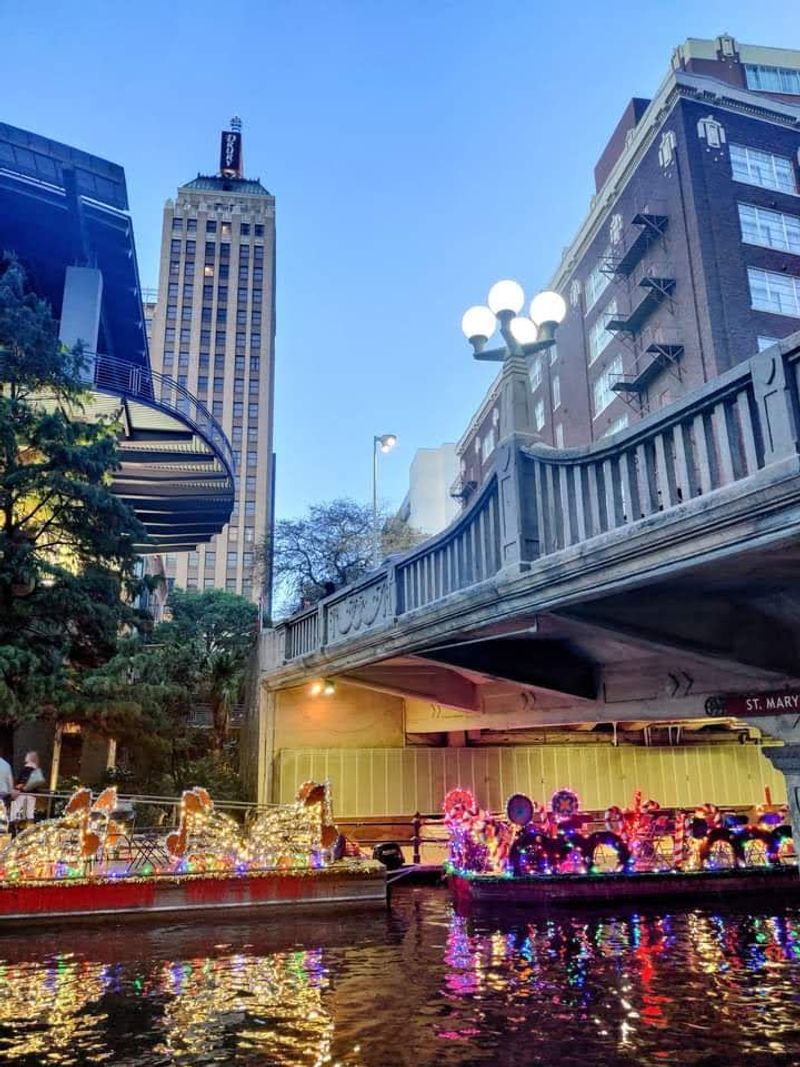
River walks lined with cypress trees and historic missions tell stories that stretch back centuries in this city where Texas pride runs deepest. San Antonio weaves together Spanish colonial heritage, Wild West legends, and modern entertainment into a tapestry that fascinates history buffs and thrill-seekers equally.
The River Walk alone could occupy days of exploration, with its shaded pathways following the San Antonio River through the heart of downtown, connecting restaurants, shops, and cultural sites in a pedestrian-friendly loop.
The Alamo stands as Texas’s most sacred shrine, where 189 defenders held out against thousands of Mexican soldiers in 1836. Walking through the mission’s thick limestone walls, you can almost hear the echoes of that fateful battle that changed the course of history.
Guided tours bring the Texas Revolution to life with vivid storytelling, while exhibits display weapons, documents, and personal items from the defenders.
San Antonio Zoo and Aquarium spreads across 56 acres, housing over 3,500 animals representing 600 species from around the globe. The zoo’s special area designed for children aged five and younger features scaled-down exhibits and gentle animal encounters that don’t overwhelm small visitors.
Older kids gravitate toward the big cats, primates, and aquarium tunnels where sharks glide overhead.
Beyond these marquee attractions, San Antonio offers the colorful Market Square for authentic Mexican crafts and cuisine, and the San Antonio Missions National Historical Park where four additional Spanish missions showcase 18th-century architecture.
The city’s compact layout and abundance of family-friendly restaurants make it easy to explore without elaborate planning, letting spontaneity guide your adventure.
3. Dallas
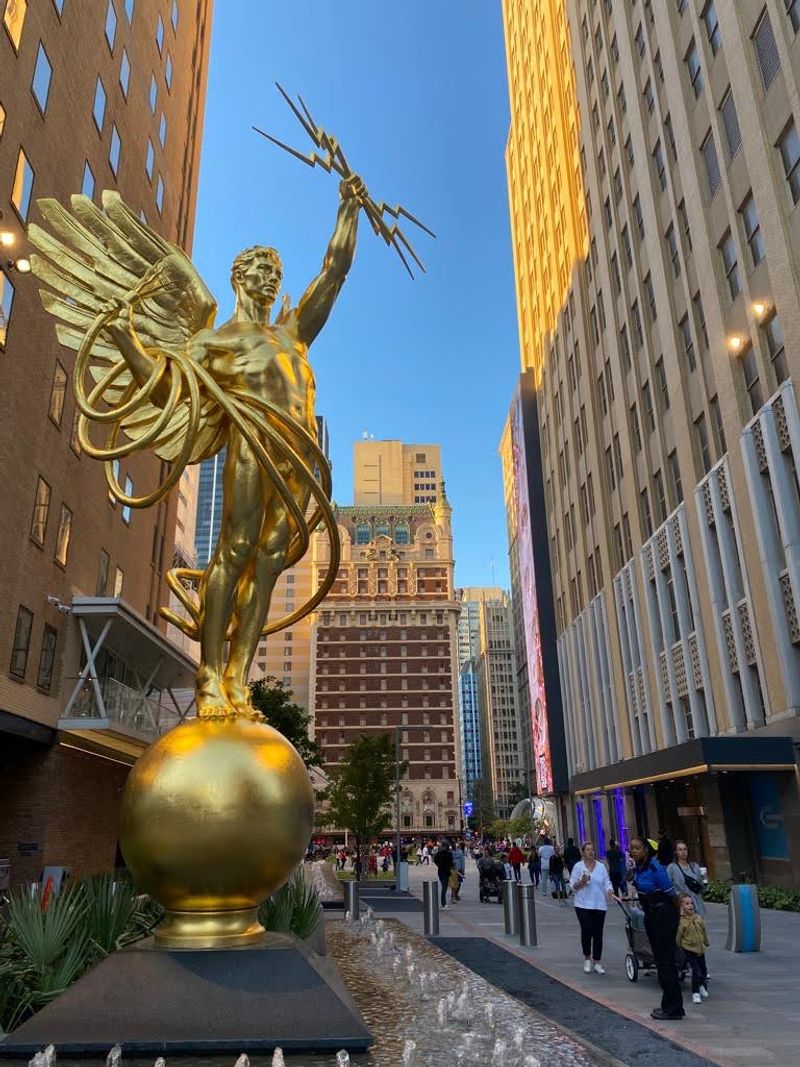
Gleaming skyscrapers rise above sprawling parks and world-class museums in this cosmopolitan hub where sophistication meets Southern hospitality. Dallas combines big-city amenities with a welcoming atmosphere that makes navigation simple, even for first-time visitors.
The city’s impressive hotel infrastructure and concentration of attractions within distinct neighborhoods mean you can base yourself in one area and explore on foot or via the efficient DART rail system.
The Perot Museum of Nature and Science stands as an architectural marvel, its cube-shaped structure housing five floors of interactive exhibits that make complex scientific concepts accessible to all ages. The paleontology hall displays massive dinosaur skeletons, while the engineering floor lets visitors design and test their own creations.
Earthquake simulators, gem and mineral collections, and space exploration exhibits ensure that every family member finds something that sparks their particular interest.
Dallas Arboretum and Botanical Garden transforms 66 acres along White Rock Lake into a living canvas of seasonal blooms and themed gardens. The Rory Meyers Children’s Adventure Garden deserves special mention, with its 8-acre wonderland of interactive science and nature exhibits disguised as pure fun.
Kids navigate through treetop canopy walks, splash in water features demonstrating physics principles, and explore underground tunnels revealing root systems and soil layers.
The city’s Arts District, the largest contiguous urban arts district in the nation, offers free admission to several museums on select days, making culture accessible to budget-conscious travelers.
Klyde Warren Park, built over a freeway, provides a green oasis in downtown where food trucks, performance spaces, and open lawns create a gathering place for locals and visitors alike.
4. Austin
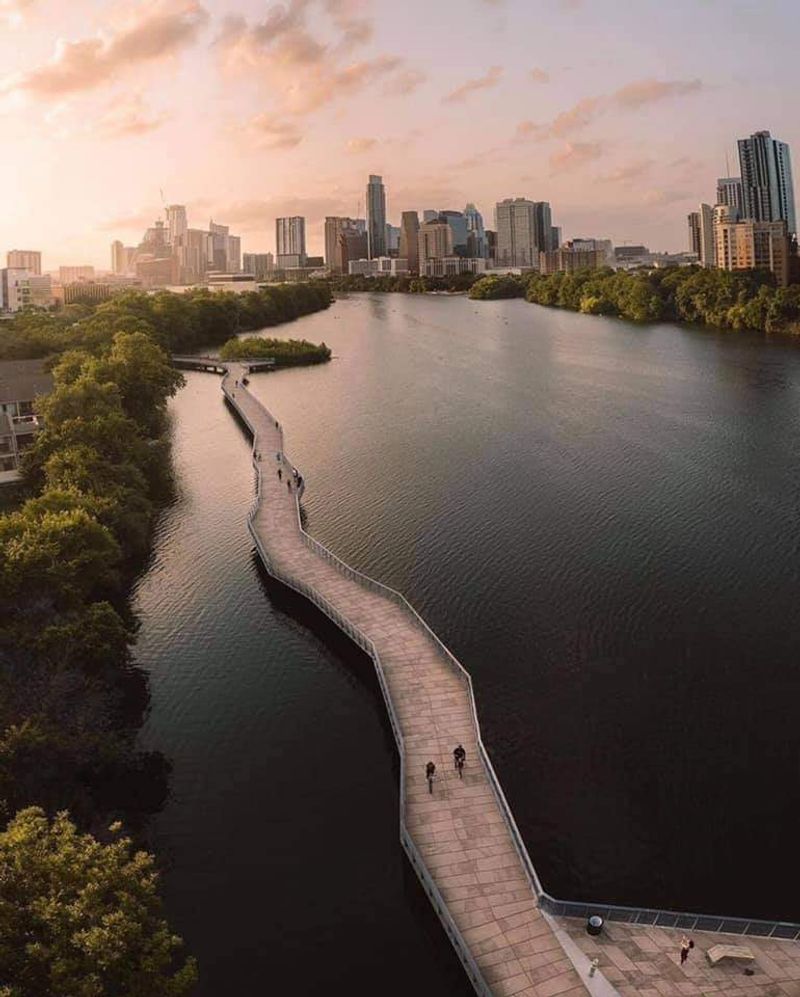
Live music drifts from every corner in this capital city where creativity thrives alongside natural beauty and outdoor adventure. Austin’s unofficial motto, Keep Austin Weird, reflects a spirit of individuality that makes exploring feel less like checking boxes on a tourist list and more like discovering a friend’s favorite secret spots.
The city’s compact downtown, extensive trail system, and abundance of parks make it exceptionally easy to navigate whether you’re pushing a stroller or hiking with teenagers.
Zilker Park serves as Austin’s recreational heart, its 350 acres offering something for every energy level and interest. The Zilker Botanical Garden showcases native Texas plants alongside Japanese and rose gardens, while the Austin Nature and Science Center provides hands-on exhibits about local wildlife and geology.
The Zilker Zephyr miniature train delights younger children with its scenic loop through the park, and the massive lawn area invites kite flying, frisbee games, and lazy afternoon picnics.
Lady Bird Lake Hike-and-Bike Trail stretches for ten miles along the water’s edge, offering stunning views of the downtown skyline reflected in the calm surface. The trail’s mostly flat, paved surface accommodates joggers, cyclists, and families walking at a leisurely pace.
Rental stations along the route provide kayaks and paddleboards for those wanting to experience the lake from water level, where you might spot turtles sunning on logs or herons hunting in the shallows.
Congress Avenue Bridge becomes an evening spectacle from March through October when 1.5 million Mexican free-tailed bats emerge at dusk in a swirling cloud visible from viewing areas below.
The South Congress neighborhood offers vintage shops, food trailers, and street art that capture Austin’s eclectic personality without the intensity of downtown crowds.
5. Grapevine
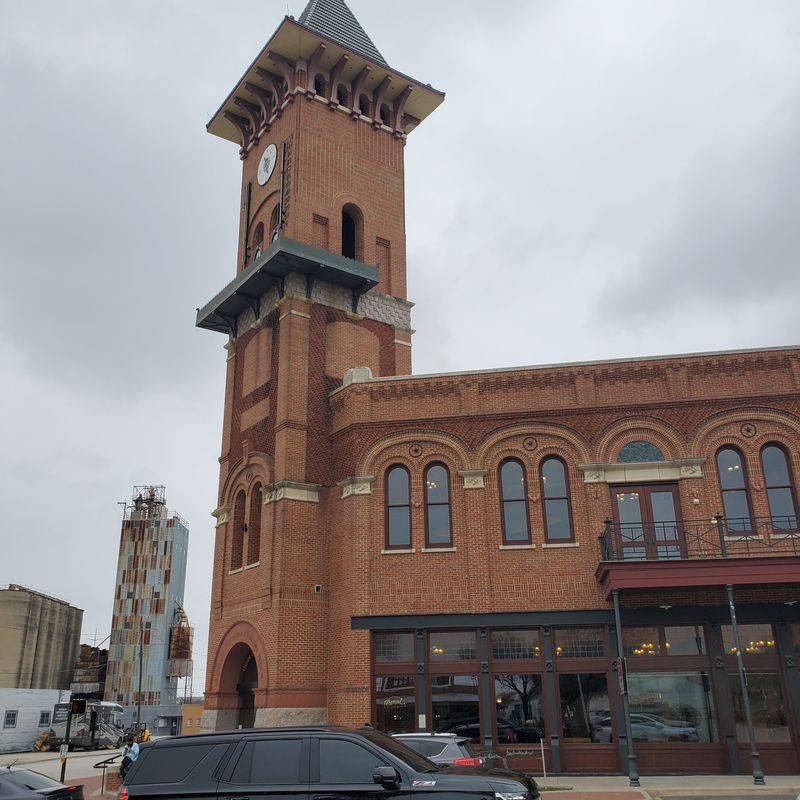
Vintage train whistles echo through historic downtown streets where Old West charm meets modern family entertainment. Grapevine positions itself as the perfect base for exploring the Dallas-Fort Worth metroplex while maintaining its own distinct small-town character.
The walkable historic downtown district, with its brick-lined streets and restored 19th-century buildings, creates an atmosphere that feels worlds away from the surrounding urban sprawl, yet major attractions remain just minutes away.
The Grapevine Vintage Railroad offers rides in authentic 1920s-style Victorian coaches pulled by historic steam or diesel locomotives. The journey between Grapevine and the Fort Worth Stockyards takes passengers through scenery that has changed little since the railroad’s heyday, crossing bridges and rolling past landscapes that evoke a simpler era.
Special themed rides throughout the year, from North Pole Express during holidays to murder mystery dinners, add variety to the classic rail experience.
Grapevine Mills shopping mall spans 1.6 million square feet, but its appeal extends far beyond retail therapy. The complex houses entertainment options including an aquarium, a LEGOLAND Discovery Center, and numerous dining choices that cater to picky eaters and adventurous palates alike.
The outlet pricing makes it practical for families needing to restock travel essentials or pick up souvenirs without breaking vacation budgets.
Downtown Grapevine’s Main Street comes alive with festivals nearly every weekend, celebrating everything from wine to Christmas to chocolate. The historic Palace Theatre presents family-friendly performances, while the Grapevine Vintage Railroad Museum educates visitors about the golden age of rail travel.
Multiple parks scattered throughout the small city provide playgrounds and green spaces where kids can burn energy between attractions, making Grapevine an unexpectedly complete destination despite its modest size.
6. Fort Worth
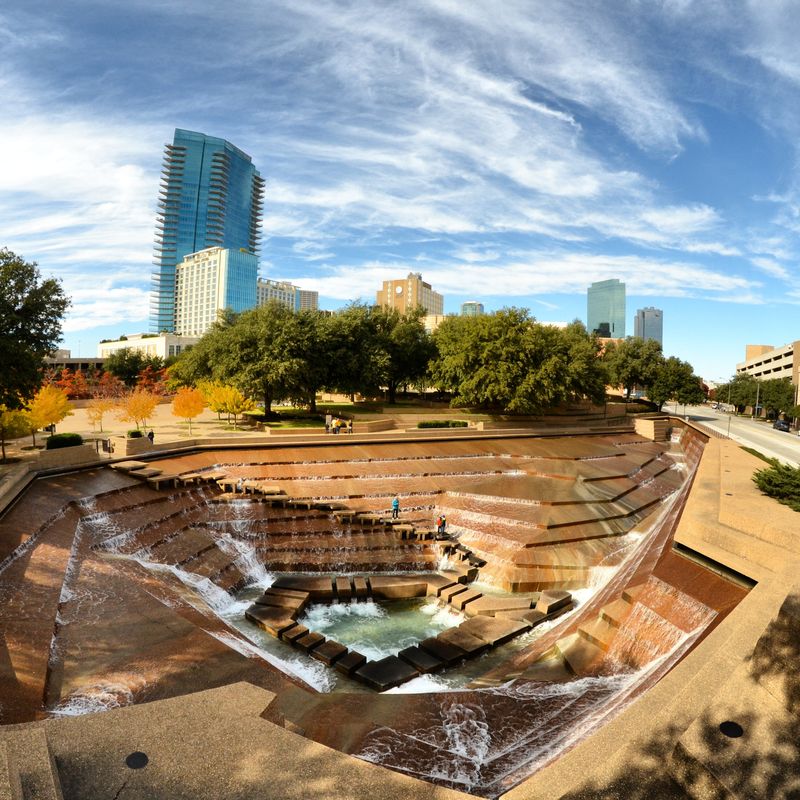
Cowboys and culture collide in this Western heritage capital where authentic Texas traditions thrive alongside world-class museums and gardens.
Fort Worth proudly embraces its cowboy identity while simultaneously nurturing a sophisticated arts scene, creating a unique blend that appeals to both boot-wearing ranch enthusiasts and museum-going culture seekers.
The city’s manageable size and distinct districts make orientation simple, with the Cultural District, downtown, and Stockyards each offering completely different experiences within a short drive of each other.
The Fort Worth Stockyards National Historic District transports visitors to the Old West with twice-daily cattle drives down Exchange Avenue, where real Texas Longhorns thunder past wooden sidewalks. The district’s shops sell Western wear, leather goods, and cowboy memorabilia, while restaurants serve up authentic Texas barbecue and steaks.
Live rodeos at Cowtown Coliseum showcase bull riding, barrel racing, and other events that have defined Western culture for generations.
The Fort Worth Zoo consistently ranks among the nation’s top zoological parks, with naturalistic habitats that allow animals to display behaviors rarely seen in older, more confined facilities.
The African Savanna exhibit places giraffes, zebras, and ostriches together in a landscape that mimics their native habitat, while the Museum of Living Art houses one of the country’s most comprehensive reptile and amphibian collections.
The zoo’s size means a full day of exploration without feeling rushed or overwhelmed.
The Cultural District clusters five major museums within walking distance, including the Kimbell Art Museum, the Modern Art Museum, and the Fort Worth Museum of Science and History.
The Fort Worth Botanic Garden provides 110 acres of themed gardens, including the oldest Japanese Garden in Texas, where koi ponds and carefully pruned plants create tranquil spaces for contemplation and photography.
7. Corpus Christi
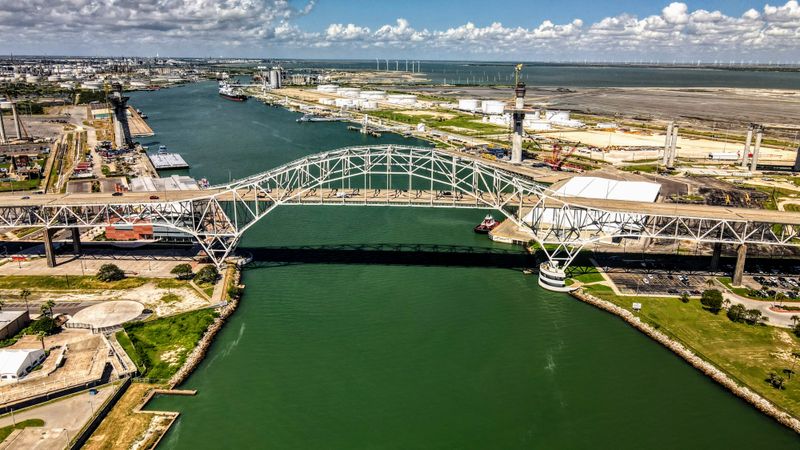
Waves lap against sandy shores where the Gulf of Mexico meets a city built around maritime heritage and coastal exploration. Corpus Christi offers the rare combination of urban attractions and beach access, letting families alternate between museum visits and sandcastle building without long drives between activities.
The bayfront location means water views appear around every corner, and the constant Gulf breeze keeps temperatures comfortable even during summer months when inland Texas cities swelter.
The Texas State Aquarium showcases marine life native to the Gulf of Mexico and Caribbean Sea, with touch pools allowing hands-on encounters with stingrays and small sharks.
The Islands of Steel exhibit recreates the artificial reef environment created by offshore oil platforms, while the Dolphin Bay presents shows that emphasize conservation and marine mammal behavior rather than tricks.
The aquarium’s location on Corpus Christi Beach means you can transition directly from indoor exhibits to outdoor beach time.
The USS Lexington, a World War II aircraft carrier turned museum, towers above the harbor as one of the most impressive naval museums in the country. Self-guided tours take visitors through the massive ship, from the flight deck where vintage aircraft sit ready for launch to the cramped crew quarters below deck.
Interactive exhibits let kids try flight simulators and learn about naval aviation history through hands-on displays that make the past tangible.
Padre Island National Seashore protects 70 miles of undeveloped barrier island, offering pristine beaches where the only footprints might be your own. The park’s Malaquite Beach provides facilities and lifeguards, while more adventurous visitors can drive onto the beach itself for primitive camping and solitude.
Sea turtle releases during summer months offer unforgettable wildlife encounters, as rescued hatchlings make their first journey to the Gulf.
8. Fredericksburg
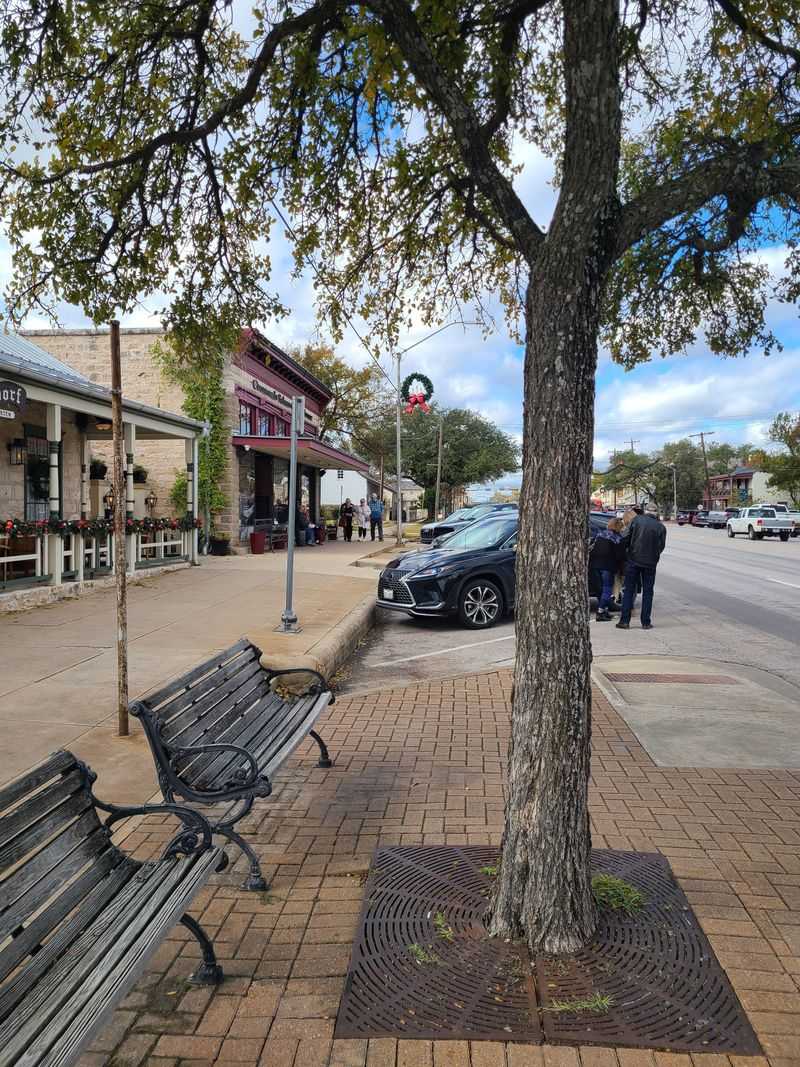
German heritage infuses this Hill Country town where limestone buildings house boutiques, museums, and eateries serving schnitzel alongside Texas barbecue.
Fredericksburg’s Main Street stretches for blocks, lined with shops that range from antique stores to contemporary art galleries, creating an afternoon of browsing that never feels repetitive.
The surrounding Hill Country landscape of rolling hills, wildflower meadows, and rocky outcrops provides scenic backdrops for drives and hikes between the town’s cultural attractions.
The National Museum of the Pacific War honors Fleet Admiral Chester W. Nimitz, who was born in Fredericksburg, with exhibits spanning three acres and multiple buildings.
The George H.W. Bush Gallery displays artifacts from every major Pacific battle of World War II, while outdoor exhibits include restored PT boats and Japanese mini-submarines.
The museum’s scale and detail satisfy serious history enthusiasts while remaining accessible to younger visitors through interactive displays and personal stories that humanize the massive conflict.
Enchanted Rock State Natural Area rises 425 feet above the surrounding landscape, its massive pink granite dome visible for miles. The trail to the summit challenges hikers with a steep but short climb rewarded by panoramic views across the Hill Country.
Vernal pools on the rock’s surface create miniature ecosystems, while caves and crevices around the base invite exploration for those not ready to tackle the main ascent.
Downtown Fredericksburg’s pedestrian-friendly layout makes window shopping and restaurant hopping easy, with numerous ice cream shops and bakeries providing energy boosts for young explorers.
The town’s German heritage manifests in architecture, festivals, and cuisine, offering cultural experiences that feel authentically European without requiring a passport.
Nearby farms and ranches offer pick-your-own fruit experiences and petting zoo encounters that connect visitors to the agricultural traditions still thriving in the Hill Country.
9. Galveston
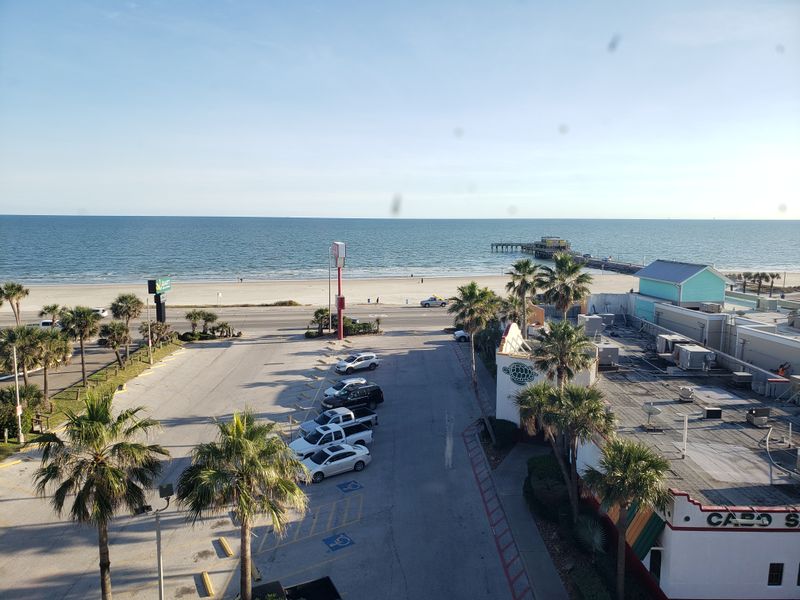
Victorian mansions stand blocks from sandy beaches on this barrier island where Gulf Coast history and seaside recreation create the perfect blend.
Galveston’s compact size means you can park once and walk to multiple attractions, with the historic Strand District, beachfront, and Pleasure Pier all within easy reach of each other.
The island’s maritime climate moderates temperatures year-round, and the constant sea breeze carries the scent of salt water and the cries of seagulls across the city.
The Galveston Island Historic Pleasure Pier extends over the Gulf waters, its amusement rides and games evoking classic seaside boardwalk nostalgia. The pier combines modern thrill rides with timeless attractions like a carousel and arcade games, ensuring entertainment for every age and courage level.
Walking to the pier’s end provides fishing opportunities and unobstructed ocean views where dolphins often surface and pelicans dive for fish.
Moody Gardens complex houses three pyramid-shaped attractions under one roof: an aquarium featuring penguins and tropical fish, a rainforest habitat with free-flying butterflies and tropical birds, and a discovery museum with interactive science exhibits. The Aquarium Pyramid’s underwater tunnel lets visitors walk through a Caribbean reef environment with sharks swimming overhead.
The rainforest’s humidity and exotic plants transport visitors to equatorial jungles without leaving Texas.
The Strand Historic District preserves 19th-century commercial buildings now housing shops, restaurants, and museums that tell Galveston’s story as Texas’s most important port city before the devastating 1900 hurricane.
The Texas Seaport Museum and tall ship Elissa provide maritime history, while Galveston’s beaches offer 32 miles of sand for swimming, sandcastle building, and beachcombing.
The combination of history, nature, and beach recreation packed onto one small island makes trip planning remarkably simple.
10. Amarillo
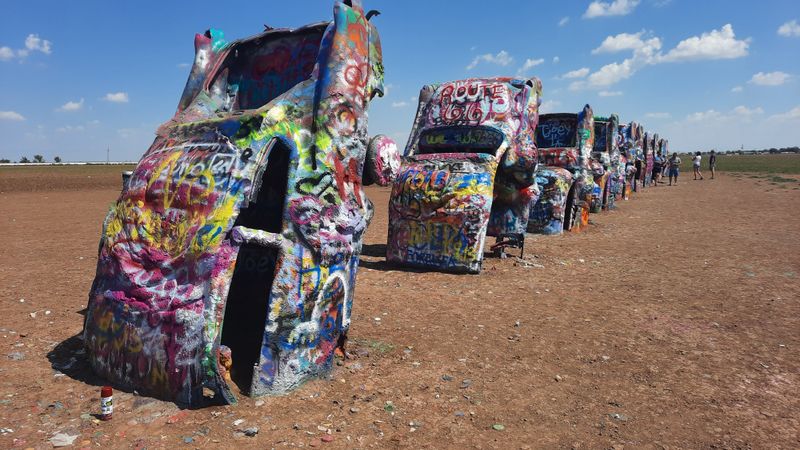
High plains stretch to the horizon in this Panhandle city where Western heritage meets quirky roadside attractions and natural wonders.
Amarillo serves as the gateway to Palo Duro Canyon and the wider Texas Panhandle, but the city itself offers enough attractions to fill a day or two before venturing into the surrounding landscape.
The flat terrain and grid street layout make navigation almost foolproof, and the lack of traffic compared to larger Texas cities reduces travel stress considerably.
Palo Duro Canyon State Park, just 30 minutes from downtown Amarillo, carves a 120-mile gash through the plains, revealing layers of red, orange, and white rock deposited over millions of years. The canyon’s floor sits 800 feet below the rim, accessible via a winding road that descends through geological history.
Hiking trails range from easy walks along the canyon floor to challenging climbs up side canyons, while the outdoor musical drama TEXAS performs in a natural amphitheater carved into the canyon walls during summer evenings.
Cadillac Ranch, the iconic art installation featuring ten spray-painted Cadillacs buried nose-down in a wheat field, invites visitor participation in ways few public artworks allow. Bringing spray paint cans and adding your own artistic contribution to the ever-changing vehicles has become a Route 66 tradition.
The installation’s location in an open field means kids can run freely while adults photograph the colorful cars against big Texas skies.
The American Quarter Horse Hall of Fame and Museum celebrates the most popular horse breed in America, with exhibits on the animals’ role in ranching, rodeo, and racing. Interactive displays let visitors test their roping skills and learn about horse care.
The Big Texan Steak Ranch, while famous for its 72-ounce steak challenge, welcomes families with more modest appetites and a Western-themed atmosphere complete with live music and a gift shop selling cowboy gear.
Dear Reader: This page may contain affiliate links which may earn a commission if you click through and make a purchase. Our independent journalism is not influenced by any advertiser or commercial initiative unless it is clearly marked as sponsored content. As travel products change, please be sure to reconfirm all details and stay up to date with current events to ensure a safe and successful trip.
