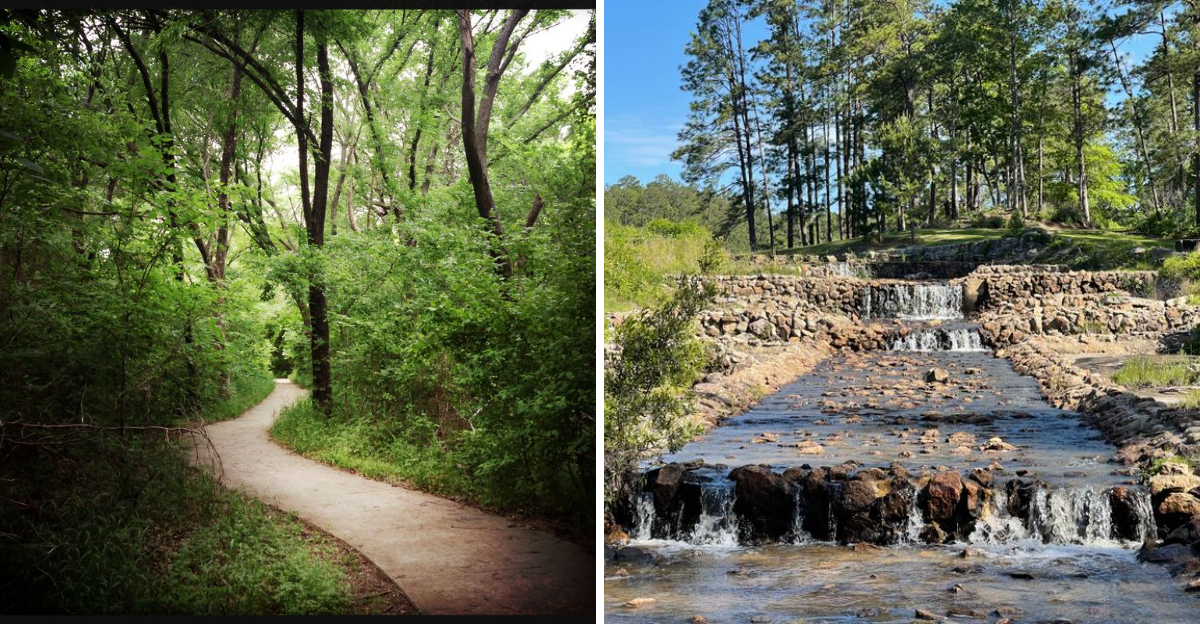
I remember the first time I stepped into a Texas forest in February, expecting dusty plains and wide-open skies, only to find myself surrounded by towering pines and trails that seemed to disappear into green shadows.
The air was cool but not cold, perfect for wandering without breaking a sweat, and the quiet felt like something I could actually hear.
February in Texas is one of those underrated windows when the heat hasn’t kicked in yet, the crowds are still thin, and nature feels like it’s waking up just for you. From ancient pine groves to lakeside hideaways, these forest escapes offer a side of Texas most people never see.
Whether you’re looking to hike, camp, or just breathe in something other than city air, this is the month to go. Trust me, you’ll leave wondering why you ever thought Texas was all desert.
1. Bastrop State Park
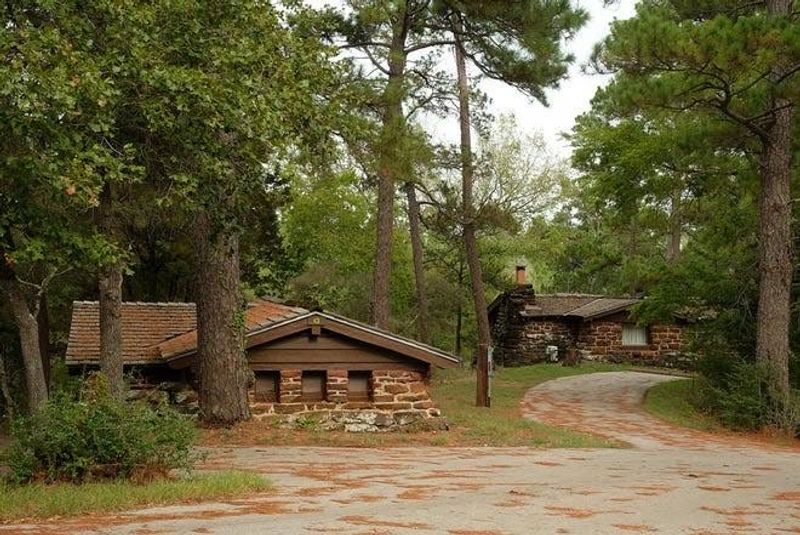
Bastrop State Park sits about 30 miles east of Austin, tucked into a landscape that feels completely unexpected for Central Texas.
Instead of scrubby brush and limestone, you get towering loblolly pines mixed with post oaks and junipers, creating a canopy that filters the light into soft, shifting patterns on the ground.
The park has a kind of quiet dignity to it, especially in February when the trails are mostly yours and the air smells like pine needles and damp earth.
What makes this place extra special in February is the presence of the endangered Houston toad. This is the largest mating group of these rare amphibians, and if you visit at dusk, you might hear their trilling calls echoing through the woods.
It’s a reminder that these forests are more than just pretty backdrops. They’re living ecosystems with stories that go back thousands of years.
The park offers hiking trails that range from easy strolls to more challenging treks, plus historic cabins if you want to stay overnight. Fishing is available in the park’s small lake, and the whole place has this timeless, slightly mysterious vibe that makes you want to linger.
February’s mild weather means you can explore without overheating, and the lack of summer crowds gives the experience a more intimate feel.
Address: 100 Park Road 1A, Bastrop, TX 78602
2. Davy Crockett National Forest
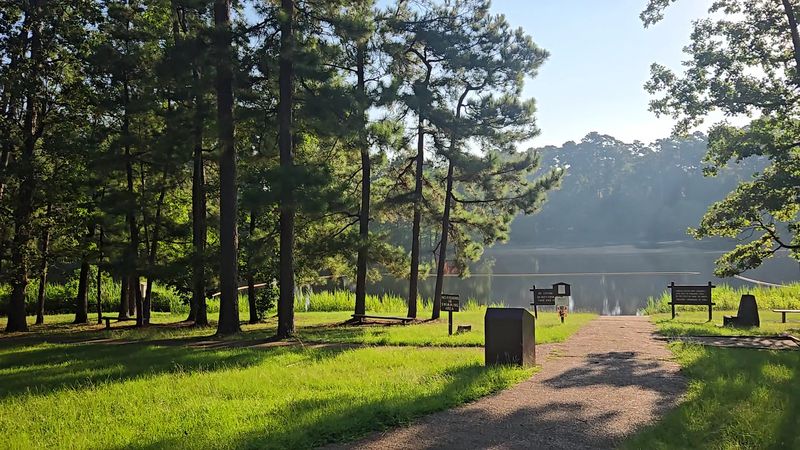
Stretched across 160,647 acres between Lufkin and Crockett, Davy Crockett National Forest is part of the Piney Woods ecoregion, a landscape that feels more like Louisiana than the Texas most people imagine.
The forest is anchored by Ratcliff Lake, a peaceful spot where you can fish, paddle, or just sit on the shore and watch the water catch the light.
February here is all about solitude and the kind of quiet that makes you notice small things, like the way pine cones crunch underfoot or how the wind sounds different when it moves through evergreens.
The trails here wind through diverse ecosystems, from dense pine stands to hardwood bottoms, and each turn feels like a new chapter in the same story. You might spot white-tailed deer moving through the underbrush or hear the sharp call of a pileated woodpecker hammering away at a dead tree.
The forest has a raw, unpolished beauty that doesn’t try to impress you. It just exists, steady and unbothered.
Camping is available if you want to stay longer, and the cooler February temperatures make sleeping under the stars actually comfortable.
The lack of summer humidity means the trails are more inviting, and the whole experience feels less like a destination and more like a retreat into something older and quieter than everyday life.
Address: 18551 Texas 7, Kennard, TX 75847
3. Spring Creek Forest Preserve
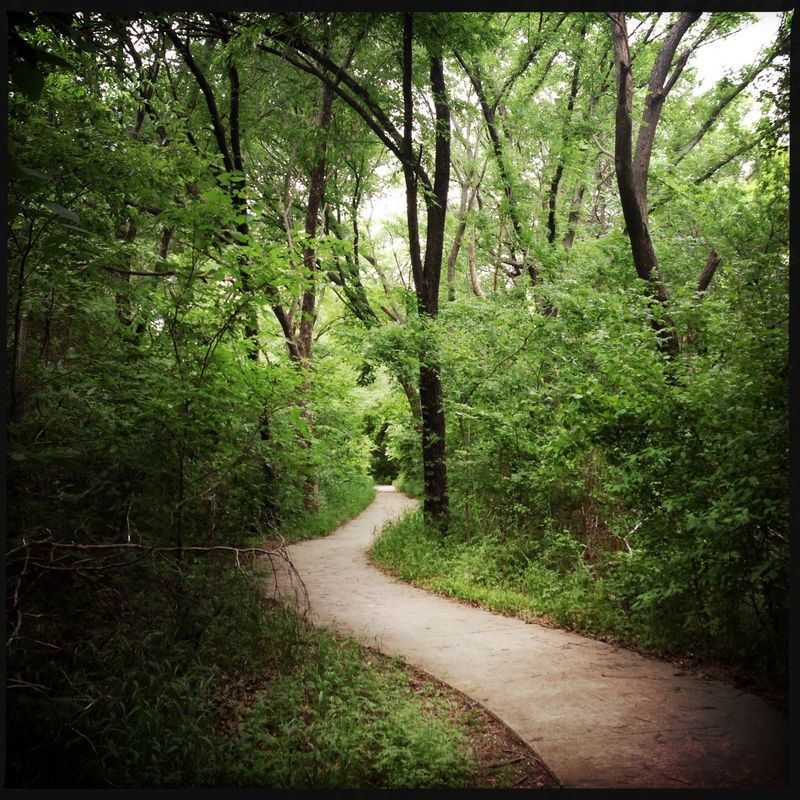
Finding a virgin forest inside a Dallas suburb sounds like something out of a fairy tale, but Spring Creek Forest Preserve in Garland is exactly that.
This 69-acre pocket of old-growth woodland has somehow survived urban sprawl, offering a glimpse of what North Texas looked like before pavement and parking lots took over.
Walking the nature trails here feels like stepping through a portal, especially in February when the trout lilies start blooming and carpet the forest floor in delicate white and yellow.
The preserve is small compared to the massive national forests, but that’s part of its charm. You can explore the whole thing in an hour or two, yet every visit reveals something new.
The trees here are old, their trunks thick and gnarled, their roots twisting across the trail like veins. Birds flit through the canopy, and if you’re lucky, you might spot a fox or a raccoon going about their business, completely unbothered by your presence.
February is the best time to see the trout lilies, a rare treat that draws nature enthusiasts from across the region. The cooler weather makes walking the trails pleasant, and the preserve’s proximity to the city means you can escape into nature without needing a whole day or a tank of gas.
It’s proof that wild spaces can exist anywhere if we choose to protect them.
Address: 1770 Holford Rd, Garland, TX 75044
4. Sam Houston National Forest
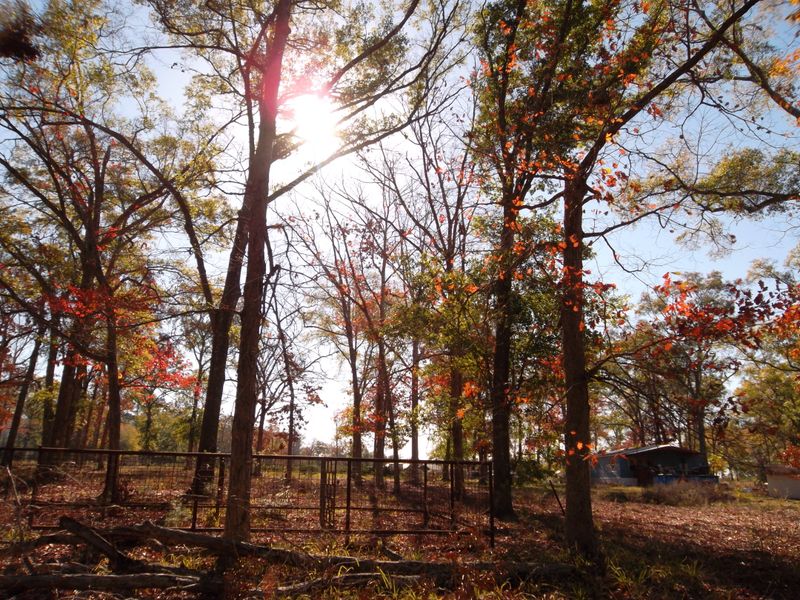
Sam Houston National Forest sprawls across more than 160,000 acres north of Houston, offering a sprawling wilderness that feels impossibly vast once you’re inside it. The Big Creek Scenic Area is one of the highlights, with its picturesque views and trails that meander alongside clear, shallow creeks.
February is prime time for bird watching here, as migratory species pass through and resident birds become more active in the cooler weather.
The forest is part of the Prairies and Pineywoods Wildlife Trail, which means wildlife sightings are practically guaranteed if you’re patient and quiet. I’ve seen everything from armadillos shuffling through the underbrush to red-tailed hawks circling overhead, their calls echoing through the trees.
The trails vary in difficulty, so whether you’re looking for a gentle walk or a more strenuous hike, there’s something here that fits.
Camping is a big draw, with sites scattered throughout the forest that let you wake up to the sound of birdsong and the smell of pine. The cooler February temperatures make campfires actually enjoyable, and the lack of mosquitoes is a bonus you’ll appreciate if you’ve ever camped here in summer.
The forest has a way of making you feel small in the best possible way, reminding you that there’s a whole world out here that doesn’t revolve around screens and schedules.
Address: 394 FM 1375 West, New Waverly, TX 77358
5. John Henry Kirby State Forest
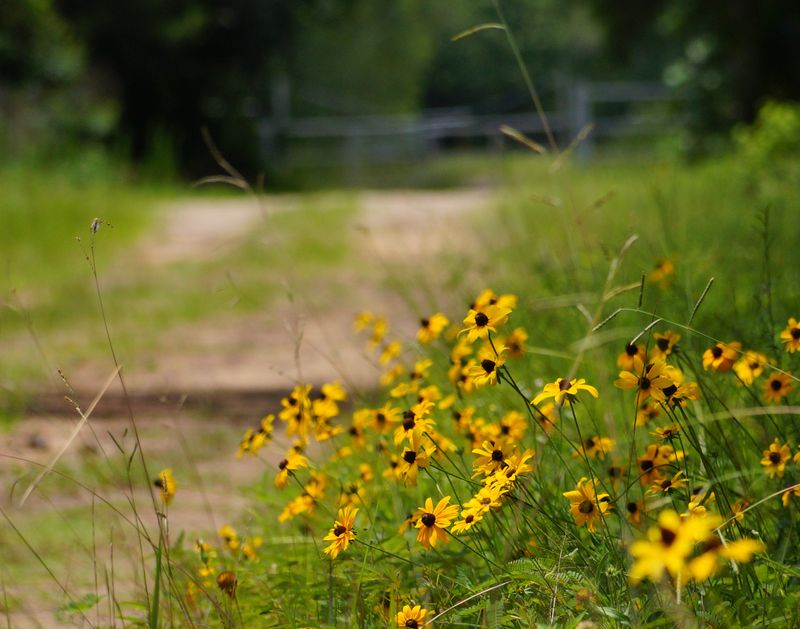
John Henry Kirby State Forest in Tyler County is a hidden gem that doesn’t get nearly the attention it deserves. This 626-acre reserve is open to the public for picnics and touring, with the 6.6-mile Longleaf Nature Trail serving as the main attraction.
The trail loops through stands of longleaf pines, a species that once dominated the Southeast but has become increasingly rare due to logging and development.
Walking this trail in February feels like a meditation. The pines tower overhead, their trunks straight and smooth, their needles whispering in the breeze.
The air smells clean and resinous, and the light filters through the canopy in golden shafts that make the whole forest glow. It’s the kind of place where you can let your mind wander and your feet follow, not worrying about where you’re going or how fast you’re getting there.
The forest is relatively small, which makes it perfect for a half-day visit. You can hike the trail, have a picnic, and still be home before dark.
But there’s something about the simplicity of this place that makes it stick with you. It’s not trying to be grand or impressive.
It’s just a quiet stretch of forest doing what forests do, growing and breathing and existing, and inviting you to be part of that for a little while.
Address: 2405 Co Rd 1550, Warren, TX 77664
6. Big Thicket National Preserve
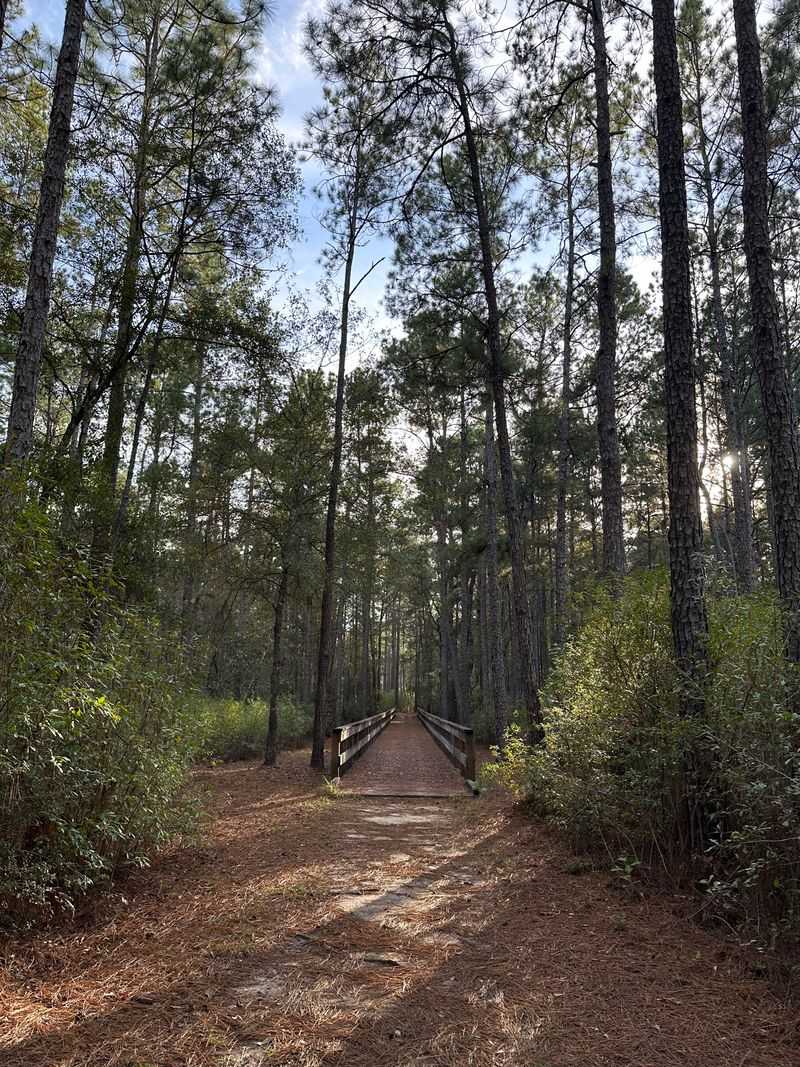
Big Thicket National Preserve is where ecosystems collide in the most fascinating way. You’ve got cypress swamps, pine forests, hardwood bottoms, and even desert-like sandhills all crammed into one sprawling preserve.
It’s like nature couldn’t decide what it wanted to be, so it chose everything. February is an ideal time to explore because the humidity is low, the bugs are minimal, and the trails are in great condition.
The preserve has multiple units scattered across Southeast Texas, each with its own character and trail system. Some trails take you through dense hardwood forests where the canopy blocks out the sky, while others wind through open pine savannas where wildflowers are just starting to peek through.
The diversity here is staggering. You can see alligators, pitcher plants, and orchids all in the same day if you know where to look.
What I love most about Big Thicket is how it refuses to be easily categorized. It’s not just a pine forest or a swamp or a desert.
It’s all of those things at once, a biological crossroads where species from different regions meet and mingle. Hiking here in February, when the weather is perfect and the landscape is waking up, feels like discovering a secret that’s been hiding in plain sight.
The preserve is proof that Texas has more ecological diversity than most people realize, and it’s worth exploring slowly and thoroughly.
Address: FM 420, Kountze, TX 77625
7. Angelina National Forest
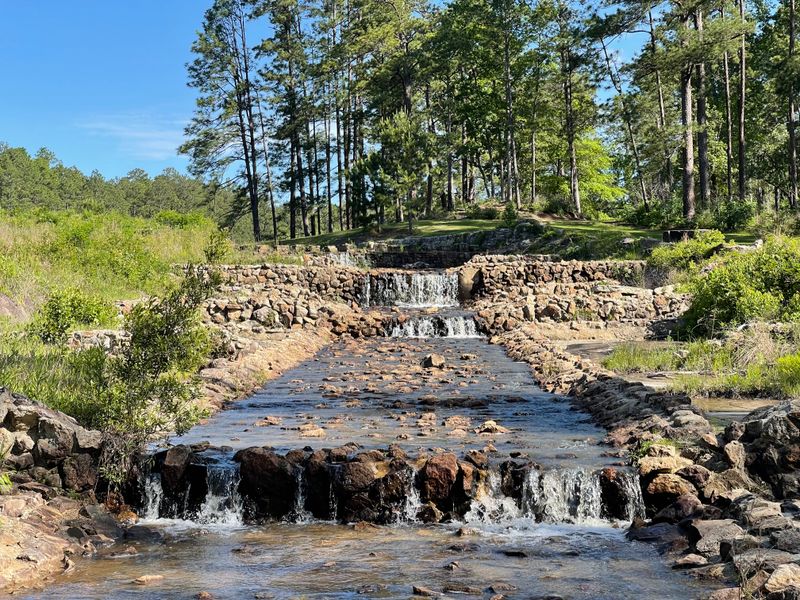
Angelina National Forest covers over 153,000 acres in East Texas, offering a mix of pine and hardwood forests that feel wild and untamed. The Sawmill Hiking Trail is one of the longest in Texas, stretching over 5 miles through dense woods and along the shores of Sam Rayburn Reservoir.
February is a perfect time to tackle this trail, as the cooler temperatures make long hikes comfortable and the forest is alive with birds and other wildlife.
The forest has a rugged, backcountry feel that appeals to people looking for a more adventurous experience. The trails aren’t always perfectly maintained, which means you might have to navigate around fallen logs or muddy patches, but that’s part of the appeal.
It feels real and unpolished, like you’re genuinely exploring rather than just following a tourist path.
Fishing and boating are popular on Sam Rayburn Reservoir, and the lake’s size means you can find quiet coves and inlets even on busy weekends. The forest itself is home to white-tailed deer, wild turkeys, and occasionally black bears, though sightings are rare.
Camping is available in several areas, and waking up to the sound of the forest coming to life is an experience that stays with you. February’s mild weather and lack of crowds make Angelina National Forest feel like your own private wilderness, a place where you can disconnect and reset.
8. Sabine National Forest
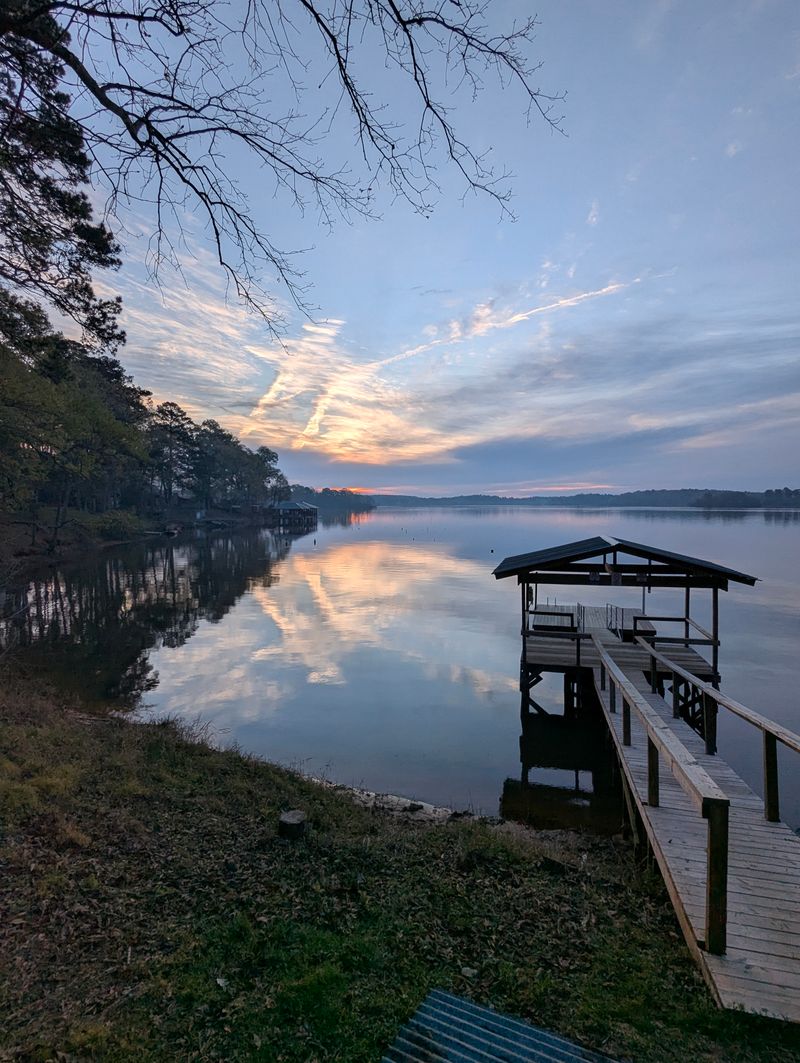
Sabine National Forest, the easternmost of Texas’s national forests, shares a border with Louisiana and has a distinctly Southern feel. The forest covers over 160,000 acres and is crisscrossed by trails, including the historic Trail of Tears, which commemorates the forced relocation of Native American tribes in the 1830s.
Hiking this trail in February is a somber but powerful experience, a reminder of the history that’s woven into these woods.
The forest is dominated by longleaf and loblolly pines, with hardwood bottoms along creeks and rivers. The terrain is relatively flat, making the trails accessible to hikers of all skill levels.
February’s cooler weather means you can cover more ground without exhausting yourself, and the forest’s quiet beauty is easier to appreciate when you’re not fighting heat and humidity.
Toledo Bend Reservoir forms the eastern boundary of the forest, offering opportunities for fishing, boating, and waterside camping. The reservoir is massive, one of the largest in the South, and its shoreline is dotted with coves and inlets that feel remote and peaceful.
The forest itself has a timeless quality, as if it’s been here forever and will remain long after we’re gone. Exploring Sabine in February feels like stepping into a living history book, where the past and present exist side by side in the quiet shade of the pines.
Address: 5050 TX-21, Hemphill, TX 75948
9. Lost Maples State Natural Area
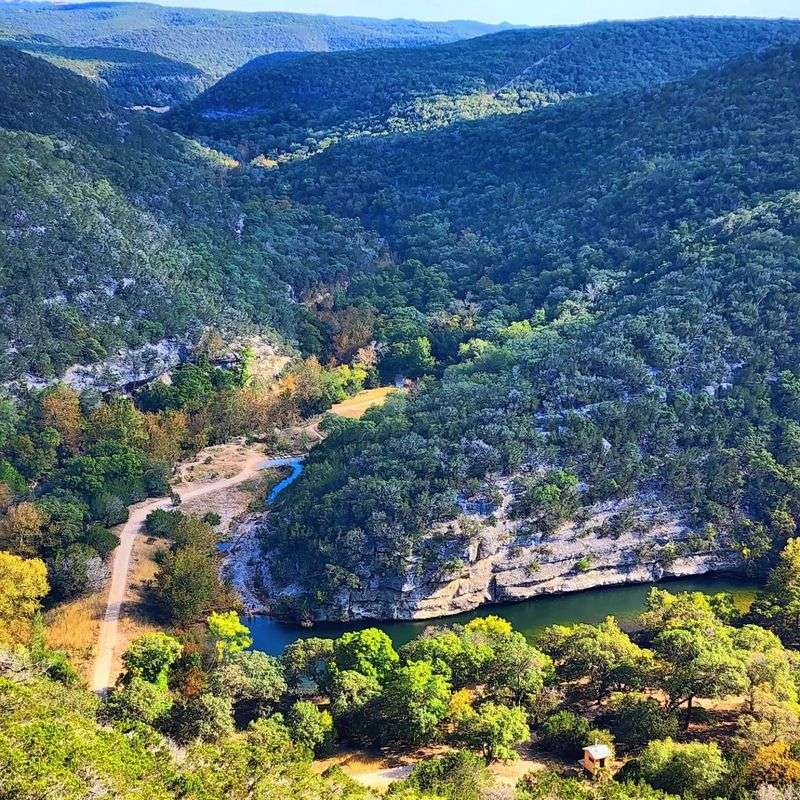
Lost Maples State Natural Area is famous for its fall foliage, but February offers a different kind of beauty. The bigtooth maples are bare, their twisted branches creating intricate patterns against the sky, and the limestone cliffs and canyons stand out in sharp relief.
The trails wind through rocky terrain, past clear streams and hidden groves, and the whole area has a rugged, almost mystical quality that feels different from the dense pine forests elsewhere on this list.
February is a quieter time here, with far fewer visitors than the autumn rush. That means you can hike the trails without dodging crowds, and you’re more likely to spot wildlife like white-tailed deer, armadillos, and the occasional golden-cheeked warbler.
The cooler temperatures make the more challenging trails, like the East Trail, much more manageable, and the views from the ridges are stunning.
The natural area is located in the Hill Country, about 70 miles northwest of San Antonio, and it feels like a different world from the flatlands and pine forests of East Texas. The landscape is rocky and dramatic, with steep canyons and hidden springs that make every hike feel like an adventure.
Camping is available, and spending a night under the stars here, with the canyon walls rising around you and the sky impossibly clear, is an experience that redefines what Texas wilderness can be.
Address: 37221 RM 187, Vanderpool, TX 78885
10. Caddo Lake State Park
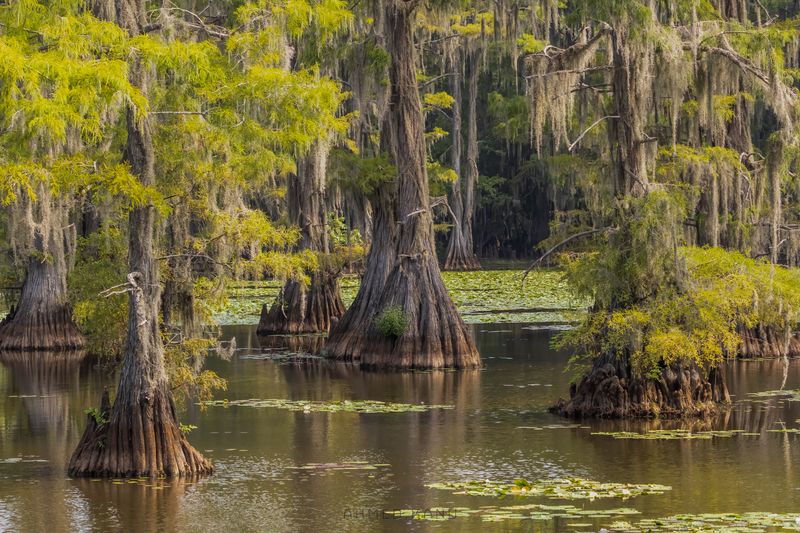
Caddo Lake State Park feels like it belongs in Louisiana more than Texas, with its maze of bayous, cypress trees draped in Spanish moss, and dark, mysterious waters. The lake itself is the only natural lake in Texas, formed by a massive logjam on the Red River centuries ago.
February is an excellent time to explore by kayak or canoe, as the water is calm, the air is cool, and the whole place has an eerie, enchanting beauty that’s hard to describe.
Paddling through the narrow channels, surrounded by towering cypress trees and the calls of unseen birds, feels like entering another world. The water is dark and reflective, mirroring the trees and sky in perfect detail, and the silence is broken only by the dip of your paddle and the occasional splash of a fish.
It’s easy to lose track of time here, drifting through the bayous and letting the landscape work its magic.
The park also has hiking trails and camping areas, though the real attraction is being on the water. Wildlife is abundant, with alligators, turtles, herons, and egrets all making appearances if you’re patient and observant.
February’s cooler weather means the alligators are less active, which makes paddling a bit less nerve-wracking if you’re not used to sharing the water with them. Caddo Lake is proof that Texas has hidden corners that defy expectations, places that feel wild and timeless and utterly unforgettable.
Address: 245 Park Rd 2, Karnack, TX 75661
Dear Reader: This page may contain affiliate links which may earn a commission if you click through and make a purchase. Our independent journalism is not influenced by any advertiser or commercial initiative unless it is clearly marked as sponsored content. As travel products change, please be sure to reconfirm all details and stay up to date with current events to ensure a safe and successful trip.
