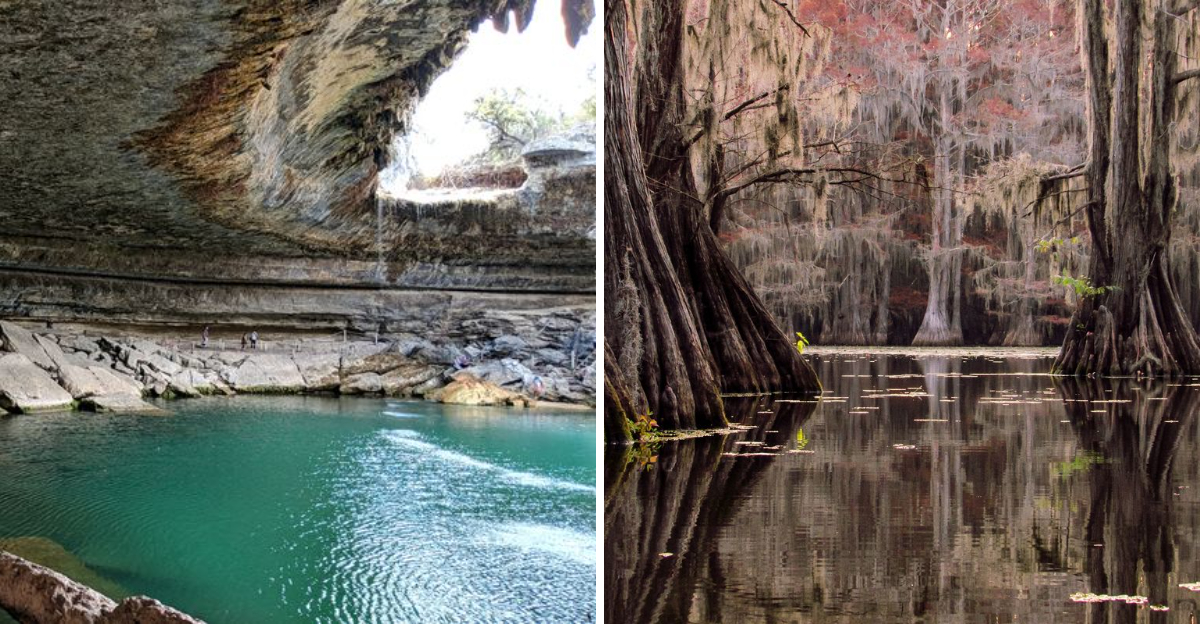
Texas stretches across prairies, deserts, hill country, and coastline, offering a stunning variety of landscapes that have captivated travelers for generations.
From quirky ghost towns to swimming holes hidden among limestone cliffs, these destinations hold a special place in the hearts of locals who have cherished them long before the internet age.
But now, a single viral photo can transform a quiet retreat into a crowded hotspot overnight, and many Texans are watching their favorite places change before their eyes.
1. Wimberley
Nestled in the rolling Texas Hill Country, Wimberley once felt like a secret shared among artists, writers, and families seeking a peaceful escape from city life.
This charming community grew around natural springs and cypress-lined creeks, creating a haven where creativity flourished alongside nature.
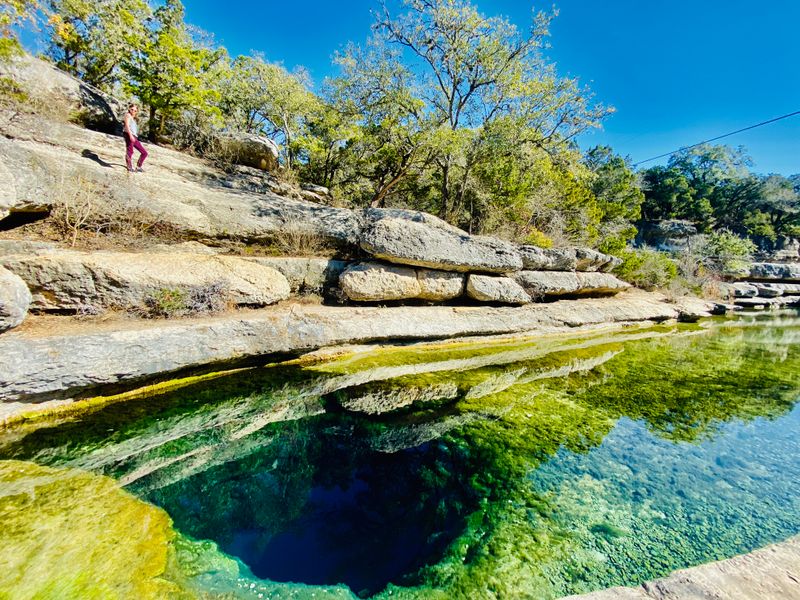
For decades, locals enjoyed quiet weekends at swimming holes like Blue Hole and Jacob’s Well, where clear water invited contemplation and the only sounds were birdsong and rustling leaves.
Then came Instagram.
Aerial drone shots of Jacob’s Well’s impossibly blue depths went viral, and suddenly thousands of visitors descended on this small town each weekend.
The narrow roads leading to these natural treasures became clogged with traffic, and the swimming areas that once accommodated a handful of families now struggle under the weight of hundreds of visitors daily.
Reservation systems had to be implemented, and what was once a spontaneous afternoon adventure now requires advance planning and fees.
Environmental concerns have mounted as the increased foot traffic erodes banks and introduces pollutants into delicate ecosystems.
The aquifer-fed springs that make these swimming holes so special are vulnerable to damage from overuse.
Local residents who once walked to their favorite spots now find themselves competing for access to places they’ve cherished for generations.
The town’s infrastructure, built for a population of a few thousand, strains under tourist pressure.
Beyond the swimming holes, Wimberley’s character has shifted.
Art galleries and local shops that gave the town its bohemian charm are being replaced by tourist-oriented businesses.
2. Marfa
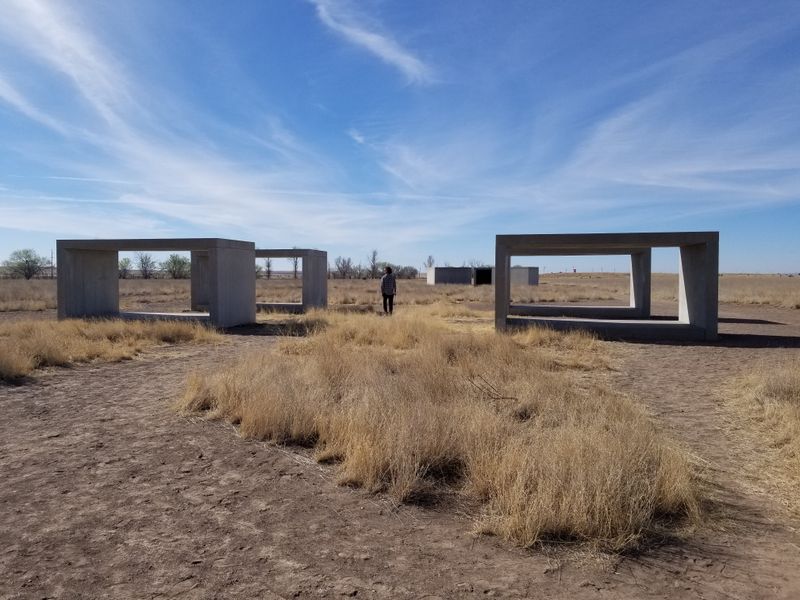
Way out in the high desert of West Texas, where the land stretches flat and endless under impossibly big skies, Marfa existed for years as a quiet ranching town that time seemed to have forgotten.
Then artist Donald Judd arrived in the 1970s, transforming abandoned military buildings into stunning minimalist art installations.
The town became a magnet for creative souls seeking inspiration in the stark beauty of the Chihuahuan Desert, but it remained relatively unknown to the wider world.
Social media changed everything.
Photos of Prada Marfa, the permanent art installation resembling a luxury boutique in the middle of nowhere, became internet gold.
Images of the mysterious Marfa Lights and the town’s quirky aesthetic flooded feeds, and suddenly this remote outpost became a must-visit destination for influencers and celebrity seekers.
What followed was a transformation that left many longtime residents feeling like strangers in their own town.
Housing costs skyrocketed as wealthy art collectors and tech entrepreneurs bought properties, often leaving them vacant for most of the year.
Local families who had ranched this land for generations found themselves priced out of the market.
The trailer parks where many working-class residents lived were redeveloped into boutique hotels and upscale shops.
The cultural fabric that made Marfa interesting in the first place began to unravel as the people who created that culture could no longer afford to stay.
The town’s restaurants and galleries now cater primarily to tourists rather than locals, with prices reflecting this new reality.
Weekend crowds pack the streets, posing for photos at iconic locations while barely engaging with the actual art or history that makes Marfa significant.
3. Gruene
Cotton once ruled this bend in the Guadalupe River, where German immigrants built a thriving community in the 1800s.
When the cotton economy collapsed, Gruene became a ghost town, its historic buildings slowly weathering under the Texas sun.
In the 1970s, preservationists recognized the value of these structures and carefully restored them, creating a living history district that felt genuinely connected to the past.
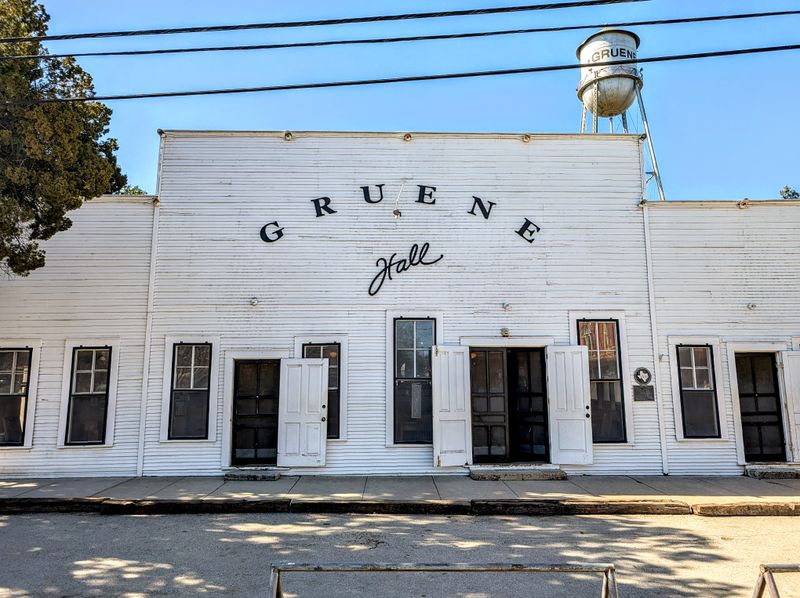
Gruene Hall, built in 1878, continued hosting dance halls just as it had for over a century, and locals treasured this authentic slice of Texas heritage.
The music scene at Gruene Hall attracted attention gradually, but social media accelerated its fame exponentially.
Videos of performances went viral, and suddenly this intimate venue that once welcomed a few hundred locals now draws thousands of visitors weekly.
The dance floor where generations learned the two-step has become a crowded photo opportunity, with many visitors more focused on capturing content than experiencing the music.
The organic community atmosphere that made Gruene Hall special has been diluted by tourist traffic.
The surrounding historic district faced similar pressures.
Charming shops selling handmade crafts gave way to souvenir stores peddling mass-produced merchandise.
The quiet streets where you could stroll and imagine life in another era now overflow with tour buses and bachelorette parties.
Weekend crowds make it nearly impossible for locals to enjoy the restaurants and shops that were once their regular haunts.
The authentic charm that preservation efforts worked so hard to maintain feels increasingly manufactured.
Perhaps most troubling is how commercialization has overtaken authenticity.
Everything from the architecture to the events feels designed for maximum Instagram appeal rather than historical accuracy or community benefit.
4. Terlingua
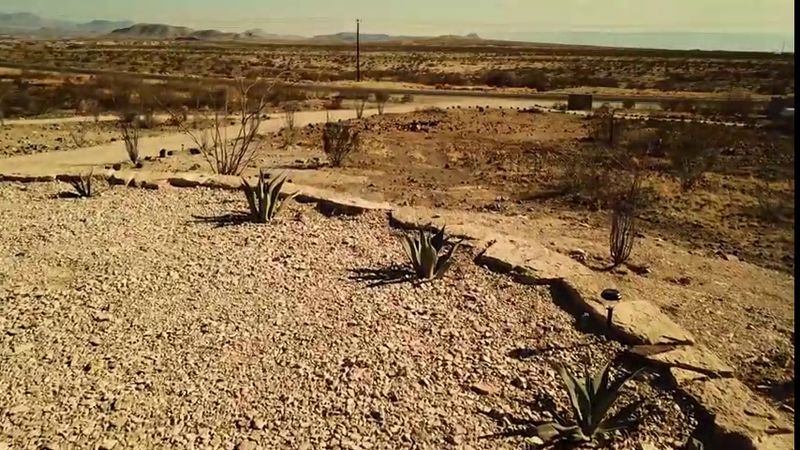
Mercury mining brought people to this remote corner of the Chihuahuan Desert in the early 1900s, and when the mines closed, they left behind a collection of adobe ruins and a handful of hardy souls who preferred isolation to civilization.
For decades, Terlingua existed as a genuine ghost town, visited mainly by adventurers heading to Big Bend National Park and the eccentric individuals drawn to its end-of-the-world atmosphere.
The annual chili cook-off brought a burst of activity each November, but otherwise, the town slumbered peacefully under the desert sun.
Instagram discovered Terlingua’s photogenic ruins and spectacular starry skies, and the transformation began.
The crumbling buildings and abandoned mine structures that once symbolized authentic decay became carefully curated backdrops for travel influencers.
Infrastructure designed for a few dozen permanent residents and occasional park visitors now struggles with crowds, especially during peak tourist seasons.
The roads leading to Terlingua were never meant for heavy traffic, and the lack of services like gas stations and grocery stores creates challenges.
Water is scarce in the desert, and increased demand strains already limited resources.
The environmental impact of so many visitors in such a fragile ecosystem concerns those who understand how delicate desert life truly is.
More subtly, the spirit of Terlingua has changed.
The people who chose this remote location specifically because it was remote now find themselves surrounded by tourists seeking an authentic experience while simultaneously destroying it through their presence.
The quirky, independent character of the town feels increasingly performative, designed to meet visitor expectations rather than reflecting genuine community culture.
The solitude and starkness that made Terlingua compelling are disappearing beneath the weight of popularity.
5. Port Aransas
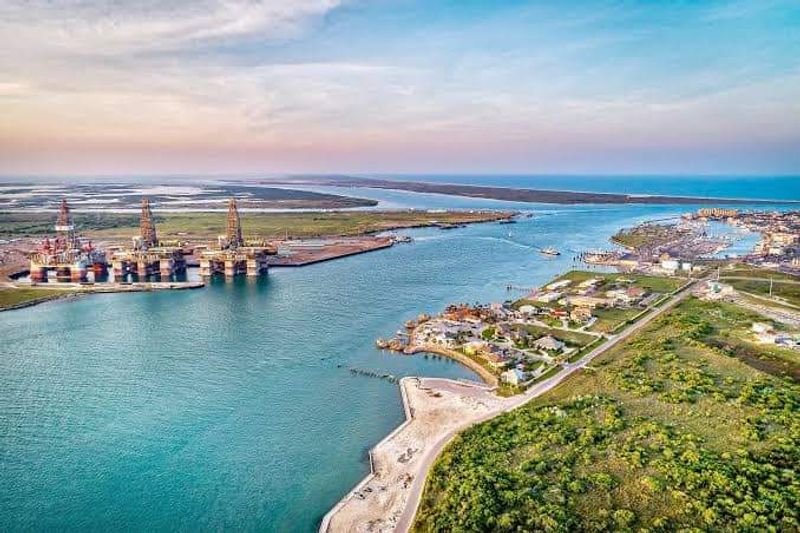
Fishing boats bobbed in the harbor, and families spent lazy days on uncrowded beaches where the biggest decision was whether to hunt for shells or build sandcastles.
Port Aransas, affectionately called Port A by locals, embodied the laid-back coastal lifestyle that makes Texas beach towns so appealing.
Commercial fishing sustained the economy, and tourism existed but didn’t dominate.
You could rent a simple beach cottage for reasonable rates, and the local restaurants served fresh seafood to regulars who knew the owners by name.
Social media’s love affair with beach destinations didn’t spare this Gulf Coast gem.
Sunset photos from the beach went viral, and posts about the free ferry ride attracted attention from travelers seeking picturesque coastal experiences.
Spring break crowds that once headed to South Padre Island discovered Port Aransas as an alternative, and the quiet fishing village atmosphere began to erode.
High-rise condos replaced modest beach houses, and chain restaurants muscled out family-owned establishments that had served the community for generations.
The beaches themselves, once spacious enough to find solitude even on summer weekends, now feel crowded and commercialized.
During peak seasons, finding parking becomes a frustrating challenge, and the sand fills with visitors more interested in getting the perfect beach selfie than respecting the coastal environment.
Litter has become a serious problem, and sea turtle nesting areas face increased disturbance.
Hurricane Harvey devastated Port Aransas in 2017, and the rebuilding process accelerated changes already underway.
Instead of restoring the town’s character, much of the reconstruction catered to tourist demands and investor interests.
Longtime residents found themselves priced out of the rebuilt community, unable to afford the new luxury developments replacing their former homes.
6. Bandera
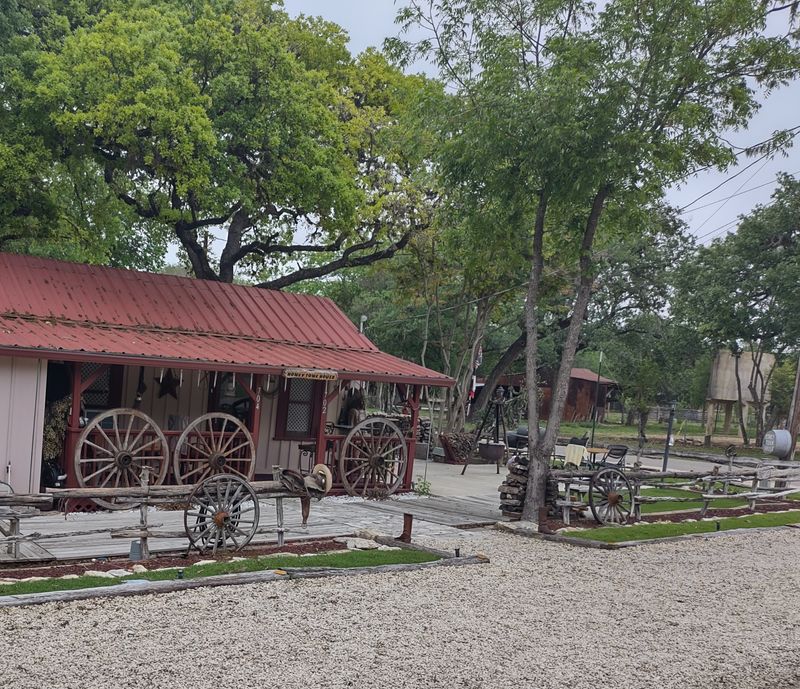
Cowboys still work cattle ranches in the hills surrounding Bandera, maintaining traditions that stretch back to when Texas was truly wild.
This town earned its nickname as the Cowboy Capital of the World honestly, through generations of ranching families who made their living from the land.
Guest ranches offered visitors a genuine taste of cowboy life, with horseback riding, campfire meals, and the kind of unplugged experience that builds real connections.
Rodeos weren’t performances for tourists but actual competitions where working cowboys tested their skills.
Guest ranches that once focused on teaching horsemanship and ranching skills now emphasize photo opportunities and curated cowboy aesthetics.
The rodeos still happen, but they’re increasingly geared toward spectators seeking entertainment rather than being community events where neighbors compete and socialize.
Everything feels just a bit too polished, a bit too aware of the cameras.
Commercialization has crept into every aspect of Bandera’s identity.
Shops selling genuine Western wear and tack have been joined by boutiques peddling mass-produced cowboy kitsch.
Restaurants that served simple, hearty ranch food now offer themed menus designed to appeal to tourists’ expectations of what cowboy cuisine should be.
Even the town’s famous honky-tonks, where locals once danced without self-consciousness, have become stages where visitors come to observe and photograph rather than participate in the culture.
Perhaps most concerning to longtime residents is how the influx of tourism dollars has created pressure to preserve Bandera not as a living, working community but as a museum of cowboy culture.
Real ranching is hard, often unglamorous work that doesn’t always photograph well.
The authentic cowboy lifestyle includes challenges and realities that don’t fit the romanticized image social media demands.
7. Hamilton Pool Preserve
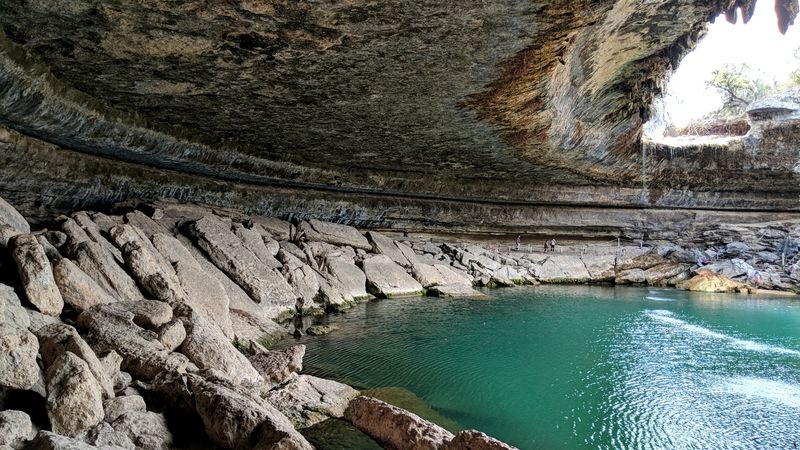
Water cascades fifty feet from the limestone overhang into a jade-green pool below, creating a scene so beautiful it seems almost mythical.
Hamilton Pool, formed when an underground river’s dome collapsed thousands of years ago, remained relatively unknown outside the local area for most of its existence.
Families from nearby communities would pack picnic lunches and spend summer days swimming in the cool, clear water beneath the natural grotto.
One viral photo changed everything.
Images of the waterfall and emerald pool spread across social media platforms, and Hamilton Pool became one of the most photographed natural sites in Texas.
The Travis County park system found itself overwhelmed by visitors, with thousands arriving daily during peak season.
The fragile ecosystem around the pool, including rare ferns and moss that thrive in the grotto’s unique microclimate, began showing signs of severe stress from trampling and pollution.
Strict reservation systems had to be implemented, limiting daily visitors and requiring advance booking.
What was once a spontaneous weekend outing now demands planning weeks in advance, and even then, securing a reservation can be difficult.
During your limited time slot, you’re surrounded by crowds, making it nearly impossible to experience the peaceful connection with nature that once defined a visit to Hamilton Pool.
The most heartbreaking aspect for locals is watching the preserve’s health decline despite management efforts.
Increased visitation has introduced invasive species, damaged vegetation, and altered water quality.
The very beauty that attracted attention is being loved to death.
Longtime visitors remember when you could spend hours at the pool, swimming and relaxing without feeling rushed or crowded.
Now, even with reservations and time limits, the experience feels more like visiting a popular tourist attraction than discovering a natural wonder.
8. Caddo Lake
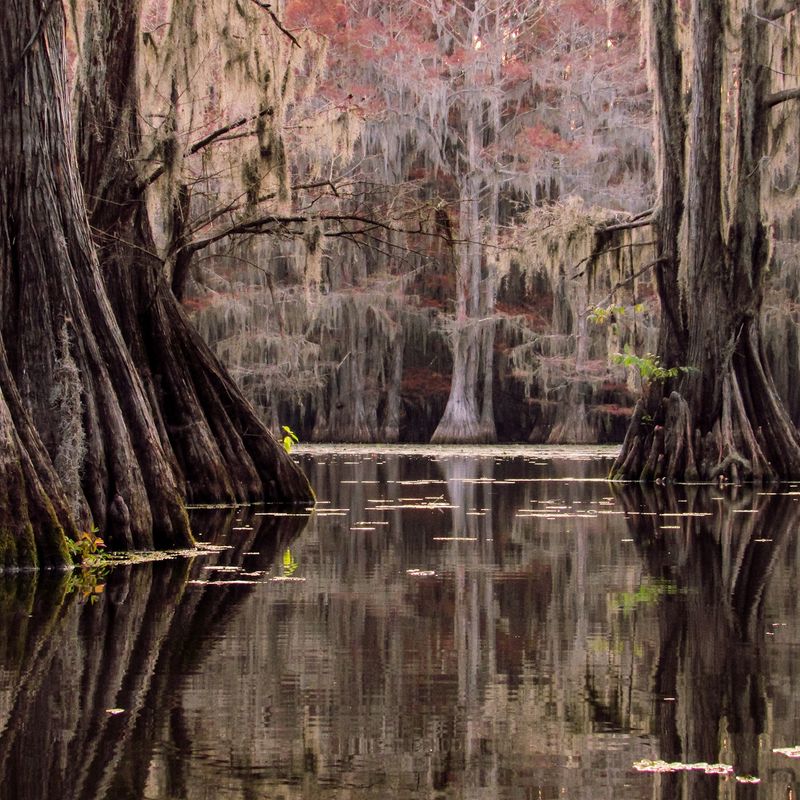
Spanish moss drapes from bald cypress trees rising from dark, tannin-stained water, creating a landscape that feels more like Louisiana bayou than Texas.
Caddo Lake, straddling the Texas-Louisiana border, is the only naturally occurring large lake in Texas, formed by a massive logjam on the Red River centuries ago.
Drone footage and photos of the cypress forest reflected in still water captured social media’s imagination, and Caddo Lake began appearing on travel bucket lists.
Kayak rental companies multiplied, and weekend crowds descended on this once-peaceful refuge.
The narrow waterways that once offered solitude now see traffic jams of paddlers, many inexperienced and unprepared for navigating the lake’s complex system.
Noise from motorboats and jet skis disturbs wildlife, and the increased activity has impacted nesting birds and other sensitive species.
Local communities that depended on Caddo Lake’s health for generations watch with concern as environmental pressures mount.
Invasive species like giant salvinia, an aggressive aquatic fern, threaten to choke the lake, and increased boat traffic helps spread these invaders.
Water quality issues arise from more people using the lake, and the delicate balance of this unique ecosystem faces unprecedented challenges.
The lake’s mysterious beauty, with fog rising at dawn and light filtering through the cypress canopy, is what attracted attention, but that same beauty is vulnerable to the impacts of overuse.
Cultural changes accompany the environmental ones.
The fishing camps and simple cabins where families gathered for decades are being replaced by vacation rentals marketed to tourists.
The knowledge of how to navigate Caddo Lake’s maze, traditionally passed down through families, is being lost as fewer locals can afford to maintain their connection to the lake.
Guide services cater to visitors seeking Instagram-worthy experiences rather than teaching genuine appreciation for the ecosystem’s complexity and fragility.
9. Enchanted Rock
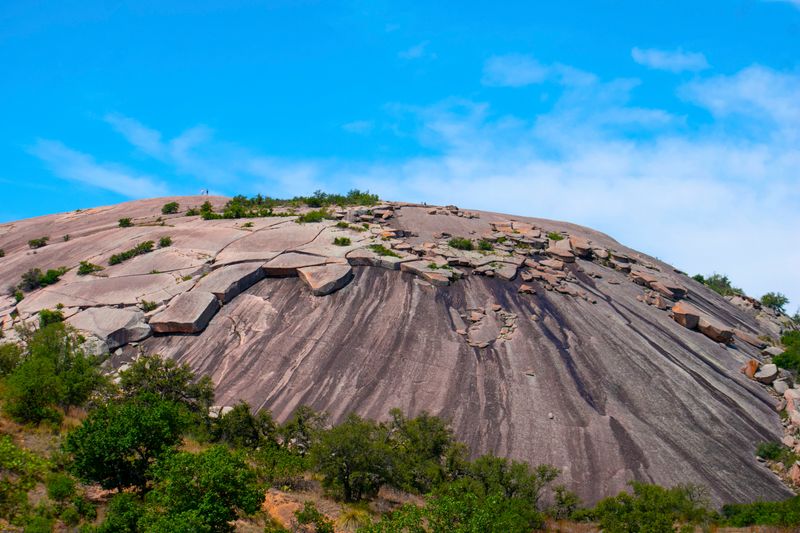
Rising 425 feet above the surrounding Hill Country, this massive pink granite dome has drawn people for thousands of years.
Native Americans considered it sacred, telling stories of spirits within the rock that caused it to glow at night and make creaking sounds as it cooled after sunset.
For modern visitors, climbing Enchanted Rock offered a challenging but rewarding hike with spectacular views from the summit.
Weekdays and early mornings provided opportunities for peaceful contemplation atop this ancient formation, and the surrounding park offered miles of trails through beautiful Texas landscape.
Social media’s discovery of Enchanted Rock brought predictable consequences.
Sunset photos from the summit went viral, and the park began reaching capacity regularly, especially on weekends and holidays.
The reservation system now required for entry means spontaneous visits are impossible during popular times, and even with reservations, the trails feel crowded.
The Summit Trail, once a place where you might encounter only a handful of other hikers, now sees streams of visitors, many wearing inappropriate footwear and unprepared for the physical demands of the climb.
Environmental impact has become severe.
Thousands of feet trampling the granite surface and surrounding vegetation have created erosion problems and damaged fragile plant communities.
Rare species that thrive in the unique vernal pools atop the dome face threats from increased disturbance.
Litter, despite the park’s best efforts, has become an ongoing problem.
The respectful relationship with nature that once characterized visits to Enchanted Rock has been replaced by a consumer mentality, with many visitors treating the park as a backdrop for photos rather than a natural treasure deserving care and protection.
For locals who have climbed Enchanted Rock since childhood, the changes feel profound.
The park still offers beauty and the rock remains magnificent, but the experience of connecting with this ancient formation in a meaningful way has become increasingly rare and difficult to find.
10. Boquillas Canyon
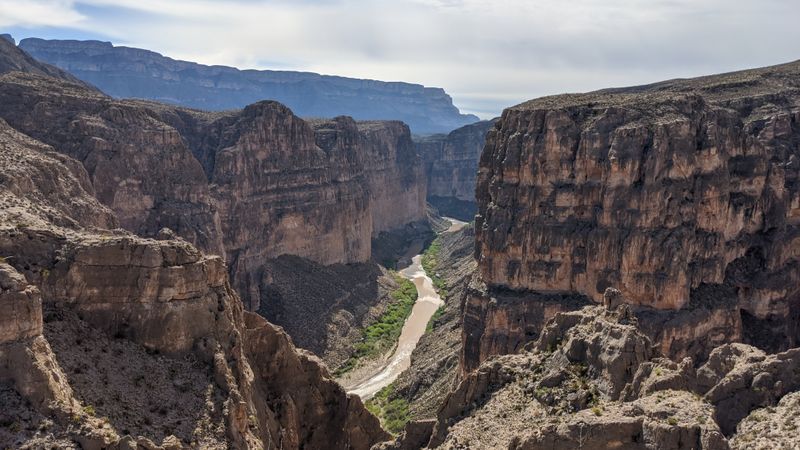
Sheer limestone cliffs tower 1,500 feet above the Rio Grande, creating one of the most dramatic landscapes in Big Bend National Park.
Boquillas Canyon, accessible via a moderate trail that includes a boat ride across the river or a longer hike, offered intrepid visitors a chance to experience the raw beauty of the Chihuahuan Desert and the international border.
The remoteness of this location meant that only dedicated park visitors made the journey, and those who did were rewarded with stunning views, possible wildlife encounters, and genuine solitude in one of America’s least-visited national parks.
As social media highlighted hidden gems within national parks, Boquillas Canyon gained attention it had never experienced before.
Photos of the towering cliffs and the river winding through the canyon spread online, and suddenly this remote corner of Big Bend saw increased visitation.
The border crossing to the tiny Mexican village of Boquillas del Carmen, closed for years after 2001 and only recently reopened, became a novelty that attracted visitors more interested in saying they crossed into Mexico than in understanding the unique binational community and culture.
The increased traffic has impacted the trail and surrounding desert environment.
Cryptobiotic soil crusts, which take decades to form and are essential to desert ecosystem health, are being destroyed by visitors stepping off trails for photos.
Wildlife that once moved freely through the area has become more wary and less visible.
The quiet that made this canyon so special, where you could hear only the river and wind, is now often broken by the chatter of large groups more focused on documenting their visit than experiencing it.
What was a genuine cultural exchange has risk becoming a staged tourist experience, with villagers feeling pressure to perform their culture rather than simply live it.
Dear Reader: This page may contain affiliate links which may earn a commission if you click through and make a purchase. Our independent journalism is not influenced by any advertiser or commercial initiative unless it is clearly marked as sponsored content. As travel products change, please be sure to reconfirm all details and stay up to date with current events to ensure a safe and successful trip.
