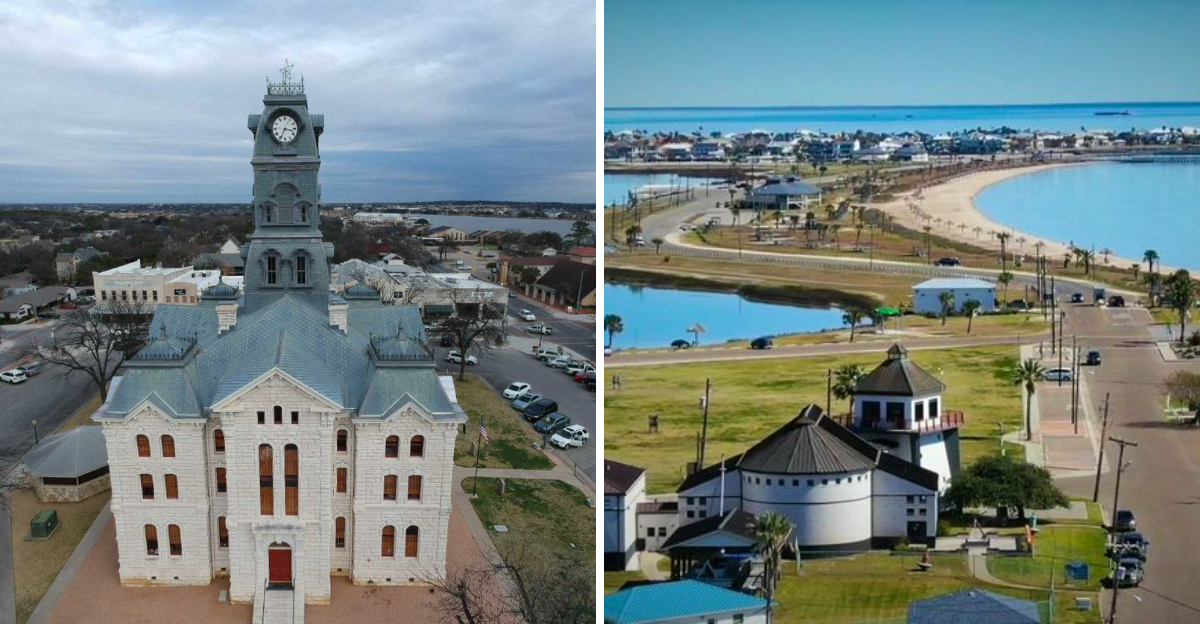
Texas stretches across vast landscapes where wide open spaces meet centuries of history, and hidden among its sprawling terrain are small towns that capture the heart of the Lone Star State in ways the big cities simply cannot.
These intimate communities offer travelers a chance to slow down and experience authentic Texan culture, from German heritage villages nestled in rolling hills to desert art havens that draw creative minds from around the globe.
Whether you crave historic architecture, artistic inspiration, natural beauty, or simply a peaceful escape from urban chaos, these charming destinations prove that the best experiences often come in the smallest packages.
Each town tells its own story through limestone buildings, winding rivers, antique shops, and welcoming locals who remember your name after just one visit.
1. Fredericksburg
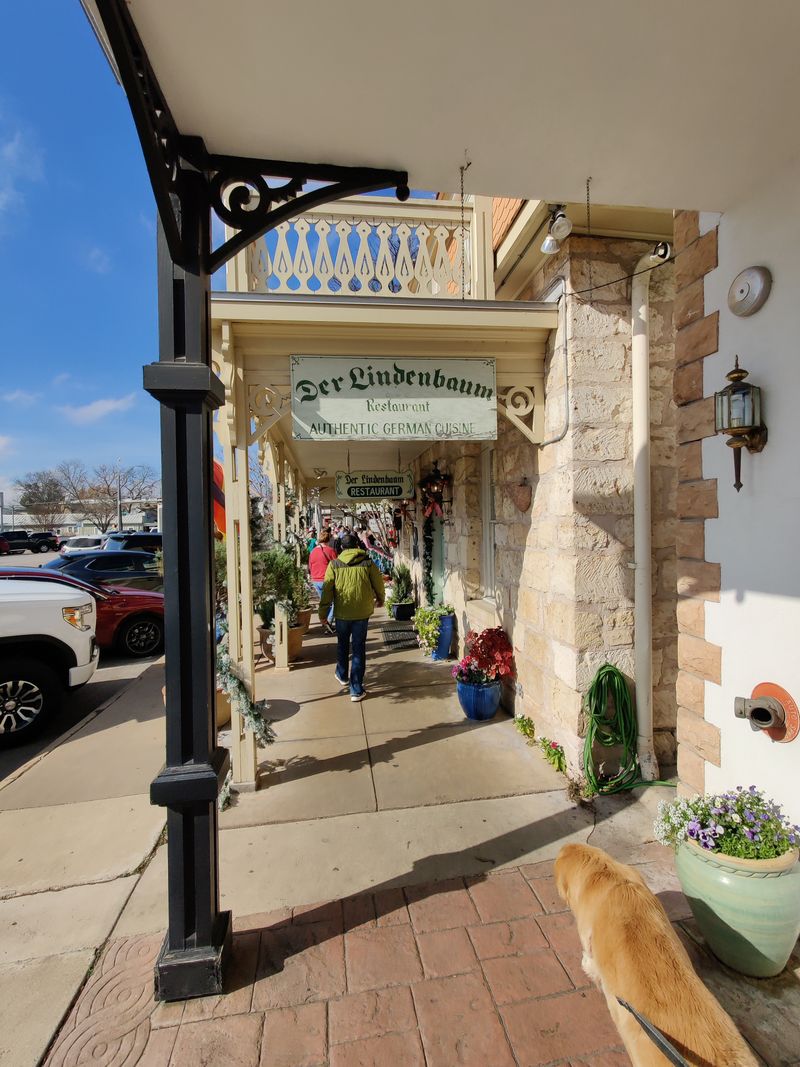
German settlers arrived in the Hill Country during the 1840s and built a community that still honors those roots with pride and authenticity today.
Walking down Main Street feels like stepping into a European village where limestone buildings house specialty shops, art galleries, and tasting rooms that showcase the region’s thriving wine industry.
Biergartens serve authentic German cuisine alongside local craft beers, and the aroma of fresh-baked strudel drifts through the air on weekend mornings.
The National Museum of the Pacific War stands as an unexpected treasure in this small town, honoring Fleet Admiral Chester Nimitz, who was born right here in Fredericksburg.
Visitors can spend hours exploring exhibits that tell the stories of World War II’s Pacific theater through artifacts, photographs, and interactive displays.
Beyond the downtown area, rolling hills covered in wildflowers create a picturesque backdrop for the numerous wineries and vineyards that dot the countryside.
Spring brings fields of bluebonnets that transform the landscape into a painter’s dream, while fall offers cooler temperatures perfect for outdoor festivals celebrating everything from food to wine to Oktoberfest traditions.
Bed and breakfasts occupy historic homes where hospitality feels genuine and unhurried, giving guests time to truly unwind.
Local artisans craft everything from pottery to leather goods, and their workshops welcome visitors who want to see traditional skills in action.
Fredericksburg proves that preserving cultural heritage while embracing modern amenities creates a destination that appeals to history buffs, wine enthusiasts, and families alike.
2. Marfa
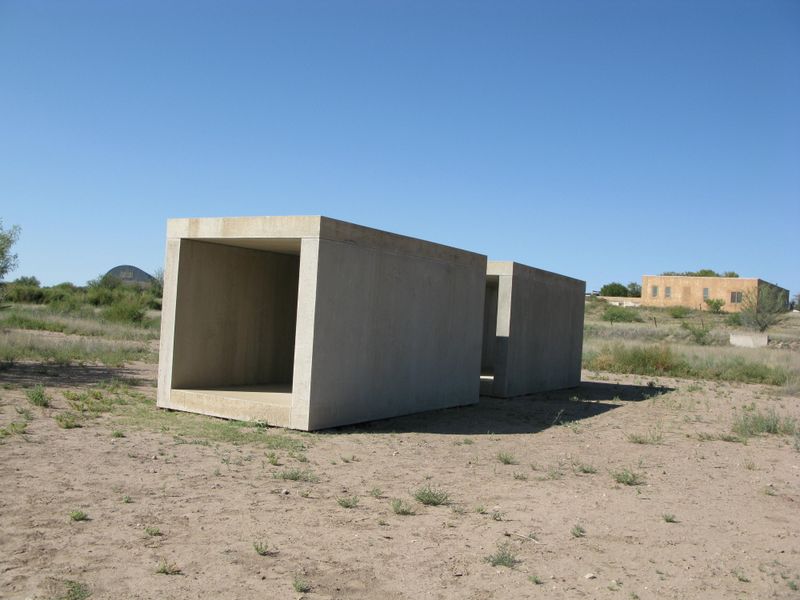
Out in West Texas where the desert stretches endlessly under impossibly big skies, a former railroad water stop evolved into one of the most intriguing art destinations in the entire country.
Marfa’s stark landscape and minimalist aesthetic attract creative souls who find inspiration in the simplicity and isolation that define this remote community.
The Chinati Foundation transformed former military buildings into galleries showcasing massive installations of minimalist and contemporary art that challenge conventional notions of what art spaces should look like.
Walking through these exhibits feels meditative as natural light filters through windows and highlights the relationship between art, architecture, and the surrounding desert environment.
Beyond the galleries, the town itself has become a canvas where quirky installations and thoughtfully designed spaces create an atmosphere unlike anywhere else in Texas.
The mysterious Marfa Lights have puzzled observers for over a century, appearing as unexplained glowing orbs that dance across the horizon on clear nights.
Scientists and skeptics offer various theories, but the phenomenon remains unexplained, adding an element of mystery to an already enigmatic destination.
Local cafes and restaurants blend Southwest flavors with contemporary cuisine, and the small population means you might find yourself chatting with artists, ranchers, and travelers from around the world at the same table.
Hotel lobbies double as art installations, and even the most utilitarian buildings receive thoughtful design attention that reflects the town’s commitment to aesthetics.
Marfa demonstrates how a small community can reinvent itself while respecting its roots, creating a destination that feels both timeless and cutting edge.
3. Granbury
Earning its nickname as the Celebration Capital of Texas comes naturally to a town where festivals, concerts, and community gatherings fill the calendar year-round with joyful energy.
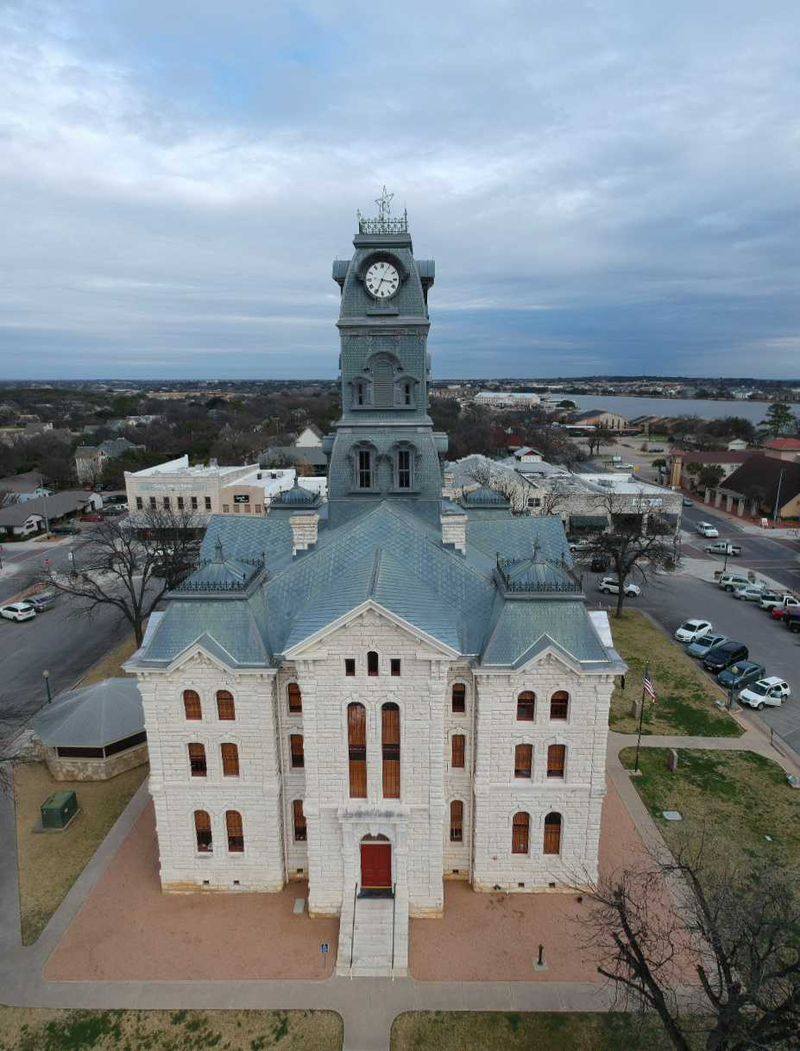
The historic town square serves as the heart of Granbury, surrounded by over forty landmarks that tell stories of frontier life, Old West justice, and the determined pioneers who built this community.
The Hood County Courthouse stands prominently in the center, its Second Empire architecture featuring a distinctive clock tower that has kept time for generations of residents and visitors.
Granbury Opera House continues to host live performances in a beautifully restored venue where audiences can experience theater, music, and comedy in an intimate historic setting.
Brick sidewalks lead past antique shops, local boutiques, and restaurants housed in buildings that date back to the late 1800s, each one carefully preserved to maintain the town’s authentic character.
Lake Granbury provides a refreshing contrast to the historic downtown, offering opportunities for boating, fishing, and waterfront dining along its peaceful shores.
Families gather at the beach area during summer months, and the lake’s calm waters make it ideal for paddleboarding and kayaking adventures that suit all skill levels.
The town’s commitment to celebrating its heritage shows in the attention given to historic preservation, with plaques and markers explaining the significance of buildings and sites throughout the square.
Evening brings a magical quality as vintage streetlights illuminate the square and live music drifts from open doorways, inviting passersby to stop and enjoy the moment.
Granbury successfully balances honoring its past with creating new memories, proving that small towns can offer big entertainment without losing their authentic charm.
4. Jefferson
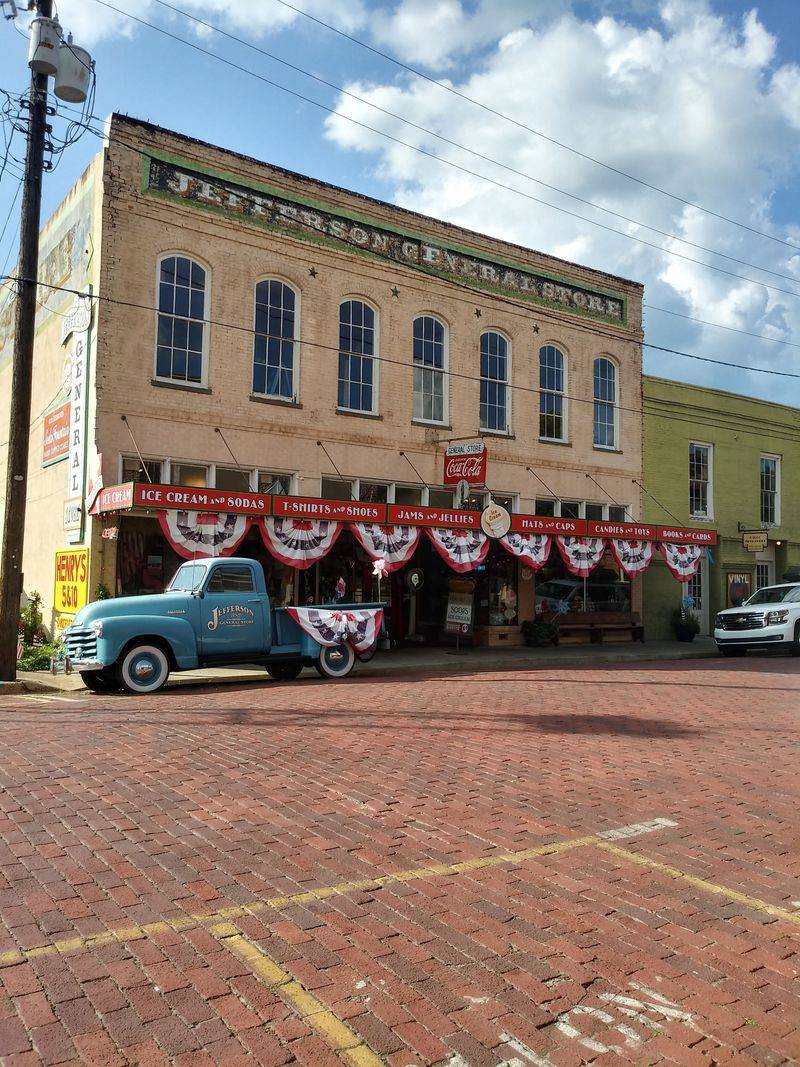
Brick streets wind through a town where Victorian architecture and antebellum elegance create an atmosphere that transports visitors back to the era of riverboat commerce and Southern hospitality.
Jefferson thrived as a major inland port during the 1800s when steamboats traveled up Cypress Bayou, bringing goods and prosperity to this East Texas community that briefly rivaled even Galveston in importance.
Today, those historic buildings house museums, bed and breakfasts, and shops where the past feels remarkably present in every carefully preserved detail.
The Jefferson Historical Museum displays artifacts and photographs that document the town’s rise and fall as a commercial center, helping visitors understand how geography and transportation shaped this community’s destiny.
Nearby Caddo Lake offers a completely different experience, with its mysterious cypress trees draped in Spanish moss creating an otherworldly landscape that begs to be explored by boat.
Guided tours navigate through the maze of waterways where alligators sun themselves on logs and countless bird species make their homes in the swampy wilderness.
Ghost tours have become popular evening activities, with guides sharing tales of the town’s colorful past and the spirits said to still linger in historic buildings and hotels.
Whether you believe in paranormal activity or simply enjoy a good story, these tours provide entertaining insights into Jefferson’s history and the larger-than-life characters who once called it home.
Antique hunters find treasures in shops that specialize in everything from vintage jewelry to period furniture, and serious collectors often discover rare pieces at surprisingly reasonable prices.
Jefferson reminds us that some towns reach their peak early and then settle into a quieter existence that paradoxically makes them more interesting to explore.
5. Gruene
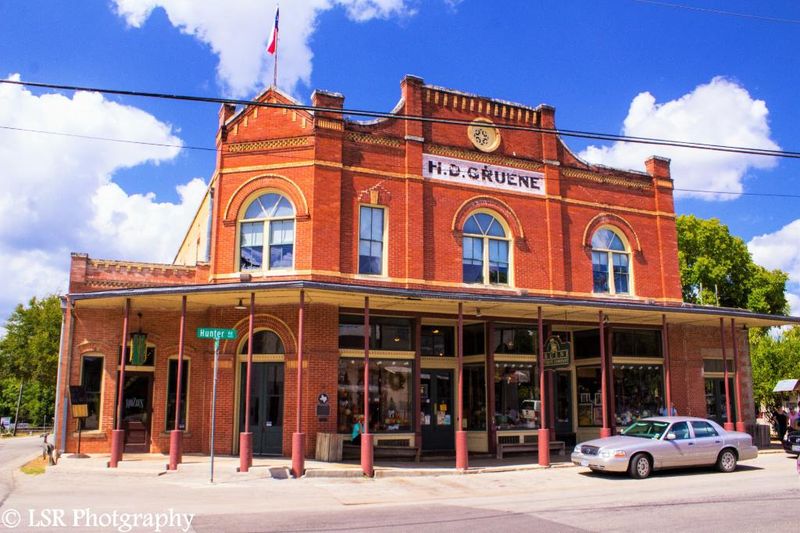
Live music spills out of weathered wooden buildings where generations of Texans have gathered to dance, celebrate, and keep the spirit of authentic Texas music alive and thriving.
Gruene Hall holds the distinction of being the oldest continually operating dance hall in the entire state, and stepping inside feels like entering a time capsule where sawdust covers the floor and concert posters paper the walls.
Musicians ranging from local singer-songwriters to nationally recognized artists take the stage here, understanding that performing at Gruene Hall means joining a legacy that spans more than a century.
The hall’s rustic charm comes from its deliberate lack of air conditioning, with open windows and ceiling fans providing ventilation that somehow makes the music sound even better on hot Texas nights.
Beyond the famous dance hall, the rest of Gruene maintains its historic character through buildings that now house craft shops, pottery studios, and restaurants serving Texas comfort food.
The Guadalupe River flows nearby, offering perfect conditions for tubing adventures that have become a beloved summer tradition for locals and visitors alike.
Outfitters provide tubes and transportation, and floating down the cool river provides welcome relief from the heat while creating memories and laughter with friends and family.
Gruene’s proximity to New Braunfels means visitors can easily explore both communities, but many find themselves drawn back to Gruene’s slower pace and authentic atmosphere.
Weekend afternoons bring crowds to the shaded beer garden where cold drinks and live music create the perfect combination for relaxation and socializing.
Gruene demonstrates that preserving tradition doesn’t mean being stuck in the past, as this tiny community continues to evolve while honoring the music, architecture, and spirit that make it special.
6. Wimberley
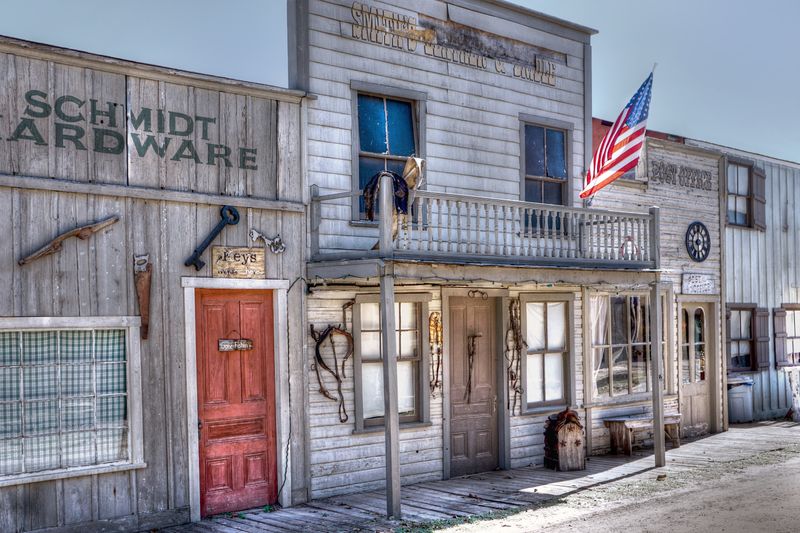
Artists and craftspeople found their haven in this Hill Country community where natural beauty and creative energy combine to produce a destination that celebrates handmade goods and outdoor adventures.
The famous Wimberley Market Days attract thousands of visitors on the first Saturday of each month from March through December, with hundreds of vendors displaying everything from handcrafted jewelry to organic soaps to original artwork.
Wandering through the market feels like a treasure hunt where each booth offers something unique, and the opportunity to meet the artists who created each piece adds personal connection to every purchase.
Cypress Creek winds through town, creating swimming holes and scenic spots where locals gather to cool off during the hot summer months.
Blue Hole Regional Park protects one of the most beloved swimming areas, where clear spring-fed water stays refreshingly cold even when temperatures soar above one hundred degrees.
Families spread blankets under massive cypress trees, and children spend hours jumping from rocks into the deep pools while parents relax in the shade.
Downtown Wimberley offers galleries, boutiques, and restaurants in a compact area perfect for leisurely strolling and window shopping without the crowds found in larger tourist destinations.
Local wineries and distilleries welcome visitors for tastings and tours, showcasing how the Hill Country’s unique climate and terrain produce distinctive flavors.
The surrounding countryside features scenic drives that wind past ranches, vineyards, and lookout points offering sweeping views of the hills and valleys that give this region its name.
Wimberley succeeds in maintaining a balance between welcoming visitors and preserving the small-town atmosphere that makes it such an appealing escape from urban life.
7. Port Aransas
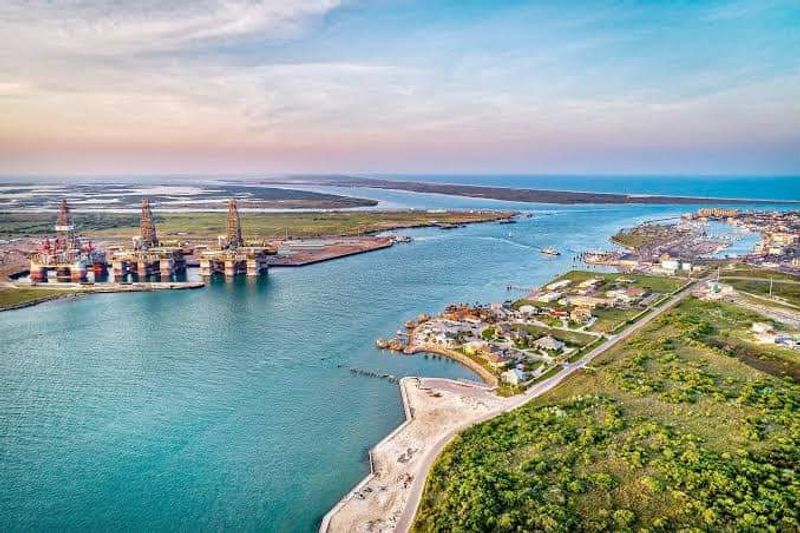
Sand dollars wash up on beaches where the Gulf of Mexico meets a laid-back island community that somehow escaped the overdevelopment that transformed so many coastal destinations.
Port Aransas occupies the northern tip of Mustang Island, accessible by ferry or causeway, and that slight separation from the mainland helps maintain the town’s relaxed, unhurried character.
Fishing defines much of the local culture, with deep-sea charters departing daily to pursue marlin, tuna, and other species that inhabit the waters beyond the barrier islands.
The jetties provide excellent shore fishing opportunities, and watching sunrise from these rock structures while casting a line into the surf has become a cherished ritual for many visitors.
Beach access remains abundant and largely free, allowing families to claim their spots in the sand without navigating complicated parking systems or expensive entry fees.
Sea turtle rescue organizations operate in the area, and educational programs teach visitors about conservation efforts protecting these ancient creatures that nest on local beaches.
Birding enthusiasts flock to Port Aransas during migration seasons when hundreds of species pass through this critical stopover point along the Central Flyway.
Local restaurants serve fresh Gulf seafood in casual settings where flip-flops and sandy feet are perfectly acceptable attire, and the menu focuses on simple preparations that let the quality of the catch shine through.
Golf carts have become a popular mode of transportation, adding to the town’s playful, vacation-mode atmosphere where nobody seems to be in much of a hurry.
Port Aransas proves that coastal towns can maintain their authenticity and charm even while welcoming visitors who come seeking sun, sand, and the simple pleasures of island life.
8. Salado
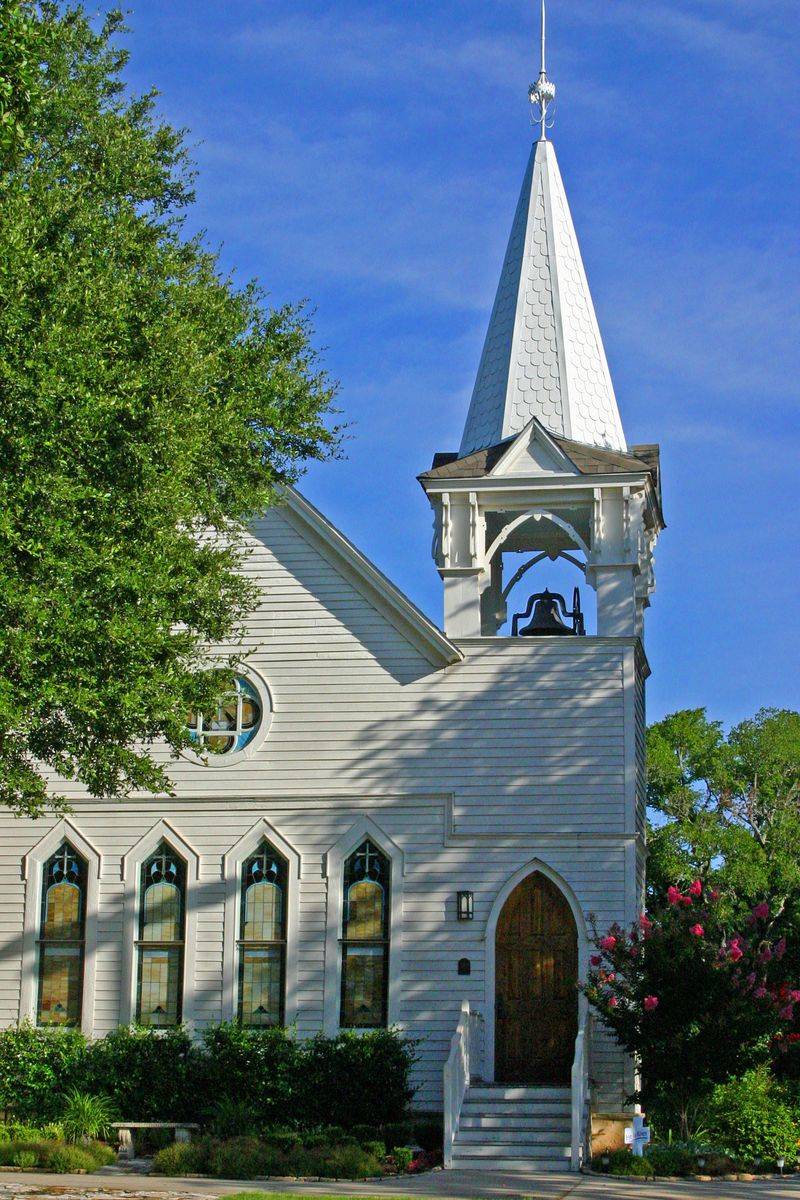
Salado Creek gave this Central Texas community its name and provides the soothing sound of flowing water that accompanies visitors as they explore historic buildings and artisan shops.
Artists established studios here decades ago, drawn by the peaceful setting and supportive community, and today their presence has transformed Salado into a recognized destination for fine art and handcrafted goods.
Galleries showcase paintings, sculptures, pottery, and jewelry created by local artists, and many studios welcome visitors to watch the creative process and ask questions about techniques and inspiration.
The Stagecoach Inn stands as a reminder of Salado’s importance as a stop along the Chisholm Trail, when cattle drives and westward expansion brought travelers through this area.
Today, the historic building operates as a dining establishment where guests can enjoy meals in rooms that once provided rest for weary travelers making their way across the Texas frontier.
Salado Creek provides habitat for diverse wildlife, and shaded walking paths along its banks offer peaceful retreats where the only sounds come from water, birds, and rustling leaves.
Small parks with picnic areas dot the town, inviting families to slow down and enjoy simple pleasures like wading in the creek or feeding ducks that paddle in calm pools.
Antique shops specialize in Texas memorabilia, vintage furniture, and collectibles that tell stories of the region’s past, and knowledgeable owners often share the history behind special pieces.
The compact downtown area makes Salado ideal for a leisurely afternoon of browsing, with most shops and galleries within easy walking distance of each other.
Salado demonstrates how a small town can build an identity around arts and culture while maintaining the natural beauty and historic character that attracted creative people in the first place.
9. Bandera
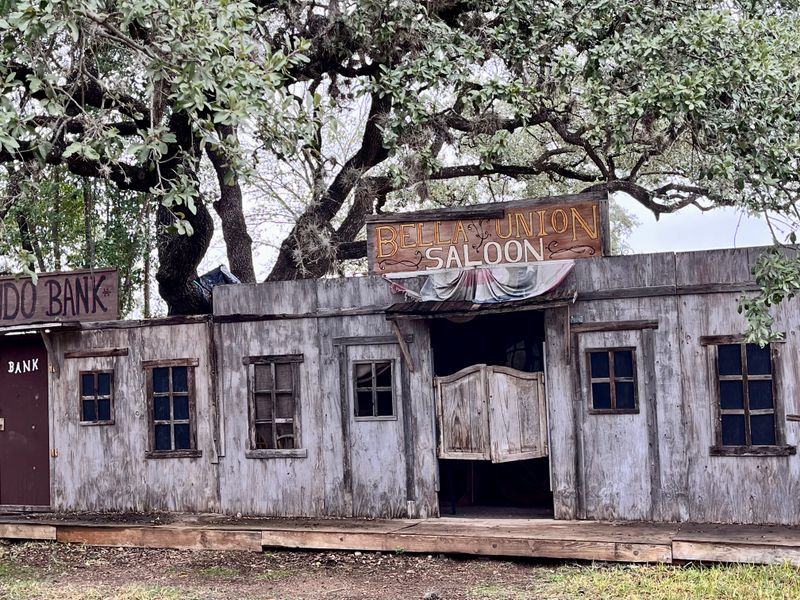
Calling itself the Cowboy Capital of the World might sound like bold marketing, but spend a day in Bandera and you’ll understand that this title reflects genuine heritage and living tradition.
Working ranches surround the town, and many welcome guests who want to experience authentic ranch life through horseback riding, cattle drives, and evenings around campfires under star-filled skies.
Dude ranches here aren’t artificial tourist attractions but real operations where guests participate in daily activities alongside cowboys who’ve spent their lives working with horses and cattle.
The Frontier Times Museum preserves artifacts and exhibits documenting frontier life, from Native American tools to pioneer household items to weapons that helped settlers survive in challenging conditions.
Downtown Bandera maintains its Old West character through wooden sidewalks, historic storefronts, and honky-tonks where live country music plays most nights of the week.
Two-stepping lessons attract both locals and visitors who want to learn traditional Texas dance moves, and the friendly atmosphere makes newcomers feel welcome on the dance floor.
The Medina River flows through the area, providing opportunities for swimming, kayaking, and riverside camping that offer refreshing breaks from ranch activities.
Cypress trees line the riverbanks, creating shaded spots perfect for afternoon picnics or simply relaxing with a good book while listening to the water flow past.
Rodeos take place regularly, showcasing skills that working cowboys still use daily and giving spectators a glimpse into a lifestyle that remains vital in this part of Texas.
Bandera succeeds in sharing its cowboy heritage without turning it into a theme park, instead offering visitors authentic experiences that connect them to traditions that continue to shape this community’s identity.
10. Rockport
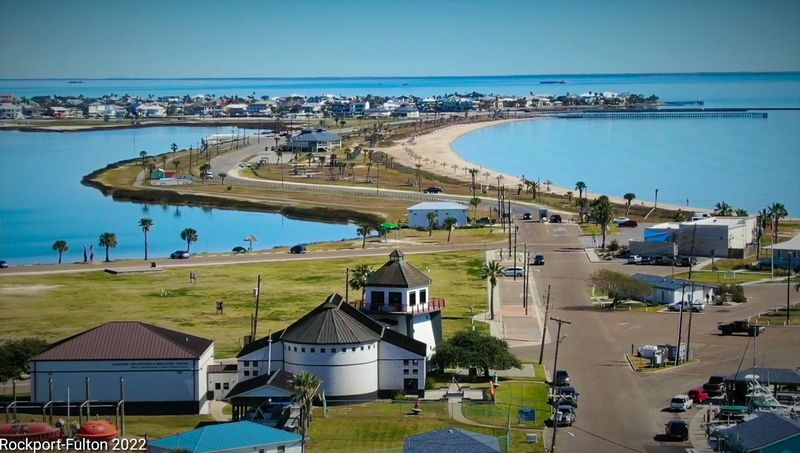
Whooping cranes return each winter to the coastal marshes near Rockport, and their presence draws nature enthusiasts who come to witness one of conservation’s greatest success stories.
These magnificent birds, standing nearly five feet tall with impressive wingspans, were nearly extinct before dedicated efforts brought them back from the brink, and seeing them in their winter habitat remains a powerful experience.
Boat tours navigate through the Aransas National Wildlife Refuge, providing opportunities to observe not only whooping cranes but also alligators, deer, and countless other species that thrive in the protected wetlands.
Beyond wildlife watching, Rockport offers a thriving arts community where galleries display works inspired by the coastal environment’s unique light, colors, and atmosphere.
The town’s working waterfront maintains its authentic character, with shrimp boats still bringing in fresh catches and fish markets selling directly to customers who appreciate knowing exactly where their seafood comes from.
Rockport Beach Park provides family-friendly swimming areas, playgrounds, and picnic facilities along the bay where calm waters make it ideal for young children and beginning swimmers.
Local restaurants serve oysters, shrimp, and fish prepared with simple seasonings that highlight the natural flavors, and dining on outdoor patios with water views has become a cherished tradition for many visitors.
The Big Tree stands as one of the area’s most photographed natural wonders, a massive live oak estimated to be over 1,000 years old with branches spreading more than 90 feet across.
Artists gather for weekly plein air painting sessions, capturing the coastal landscape’s ever-changing moods and light conditions on canvas.
Rockport demonstrates how a community can embrace tourism while protecting the natural resources and authentic character that make it worth visiting in the first place.
Dear Reader: This page may contain affiliate links which may earn a commission if you click through and make a purchase. Our independent journalism is not influenced by any advertiser or commercial initiative unless it is clearly marked as sponsored content. As travel products change, please be sure to reconfirm all details and stay up to date with current events to ensure a safe and successful trip.
