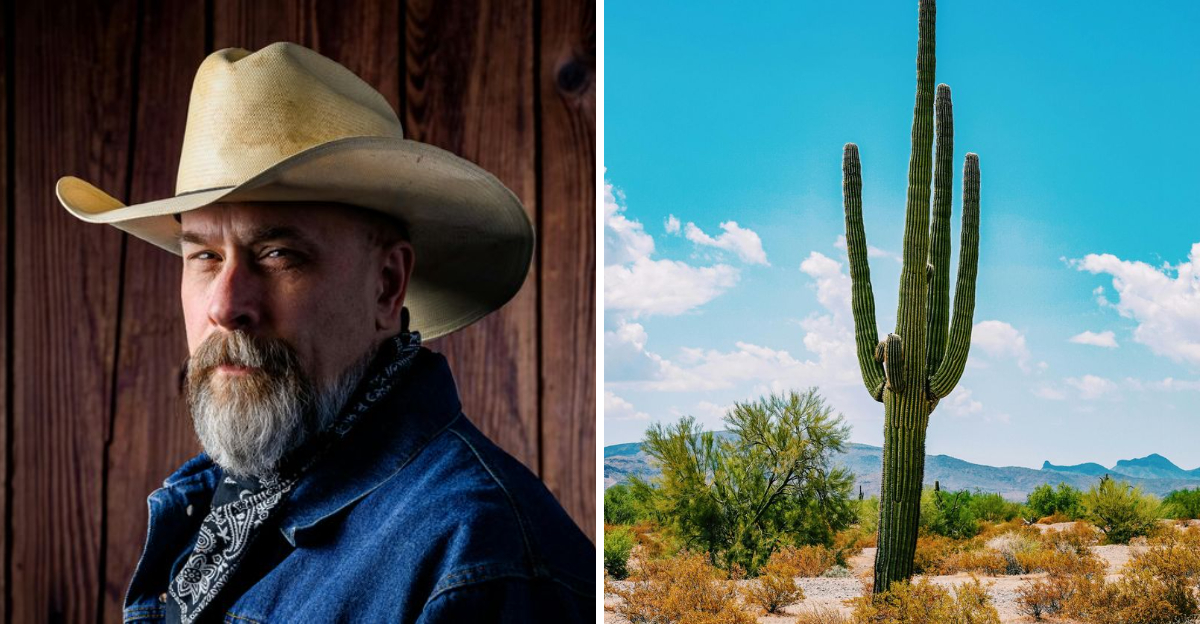
Texas looms large in the American imagination, often painted with broad brushstrokes of cowboys, deserts, and larger-than-life personalities.
But the Lone Star State is far more complex and surprising than the stereotypes suggest.
From its bustling cosmopolitan cities to its unexpected landscapes and diverse cultures, Texas defies easy categorization.
When you actually set foot in this massive state, you’ll discover that many of the assumptions you held simply don’t hold up to reality.
1. Horseback Riding Is a Common Mode of Transportation
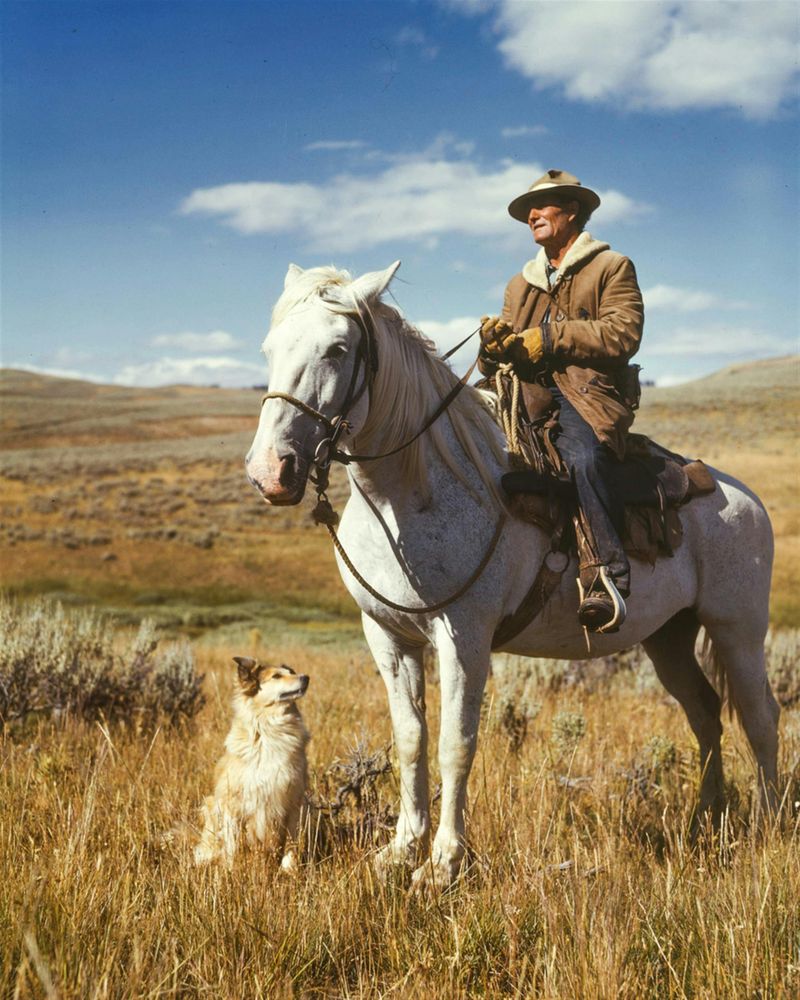
The romantic image of Texans riding horses to work or school belongs firmly in the past, if it was ever truly widespread.
Today’s Texas is crisscrossed by massive highway systems, and most residents spend their commutes stuck in traffic just like everyone else.
Houston, Dallas-Fort Worth, Austin, and San Antonio all struggle with congestion that rivals any major American city.
Cars, trucks, and SUVs dominate the roads, with public transportation available in larger metropolitan areas.
Horses certainly still play a role in Texas life, but primarily on working ranches, at competitive rodeos, or as recreational activities.
Equestrian centers and riding schools exist throughout the state, catering to enthusiasts who treat horseback riding as a hobby rather than necessity.
Some rural areas might still see the occasional horse on a country road, but even in small towns, pickup trucks are far more common.
The state’s sheer size actually makes cars essential rather than optional for most residents.
Distances between cities can span hundreds of miles, making reliable motorized transportation a practical requirement.
Even ranchers who work with horses daily typically drive trucks to transport their animals or travel to town for supplies.
The horseback riding stereotype likely endures because of Texas’s strong connection to its frontier past and the enduring popularity of Western films.
While that heritage deserves celebration, modern Texas has fully embraced the automobile age, complete with drive-through restaurants, sprawling parking lots, and the occasional traffic jam that would make any city dweller feel right at home.
2. Every Single Texan Owns Multiple Guns
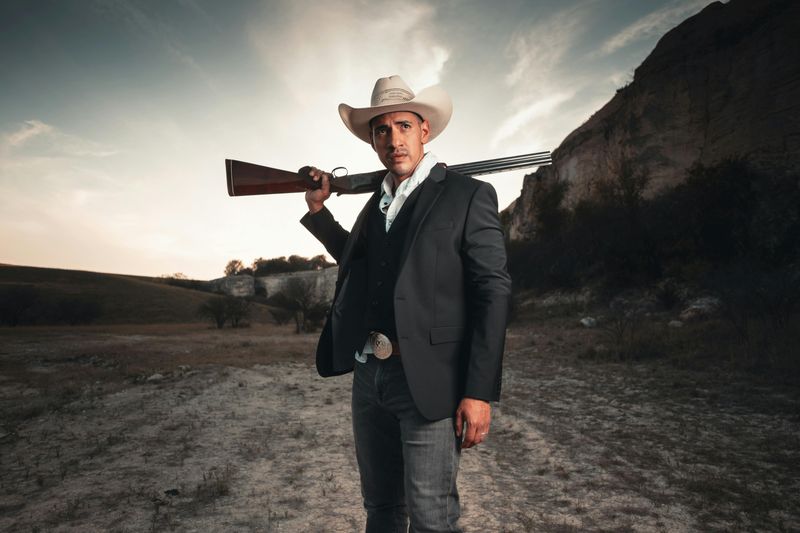
Gun ownership in Texas is indeed higher than in many states, and firearms culture remains an important part of the state’s identity for many residents.
However, the idea that every Texan is armed to the teeth simply doesn’t match reality.
According to various surveys, roughly one-third to one-half of Texas households contain firearms, which means a substantial portion of the population doesn’t own guns at all.
Urban areas tend to have lower ownership rates than rural regions, reflecting the same patterns seen across the United States.
In cities like Austin, Houston, and Dallas, you’ll find plenty of residents who have never owned a gun and have no interest in doing so.
The state’s growing diversity and influx of residents from other parts of the country has also contributed to a range of attitudes toward firearms.
While gun rights remain politically important to many Texans, others support stricter regulations or simply don’t engage with gun culture at all.
Hunting remains popular in rural areas, and shooting sports have dedicated followings, but these activities don’t define every Texan’s lifestyle.
The stereotype likely persists because of Texas’s prominent role in gun rights advocacy and its historical connection to frontier self-reliance.
Media coverage often emphasizes the state’s gun-friendly laws and vocal Second Amendment supporters, creating an impression of uniformity that doesn’t exist.
In reality, Texans hold diverse views on firearms, just as they do on most issues.
Visiting the state reveals a more nuanced picture where gun ownership is common but far from universal, and where attitudes toward firearms vary widely depending on location, background, and personal preference.
3. The Entire State Is Just Desert Wasteland
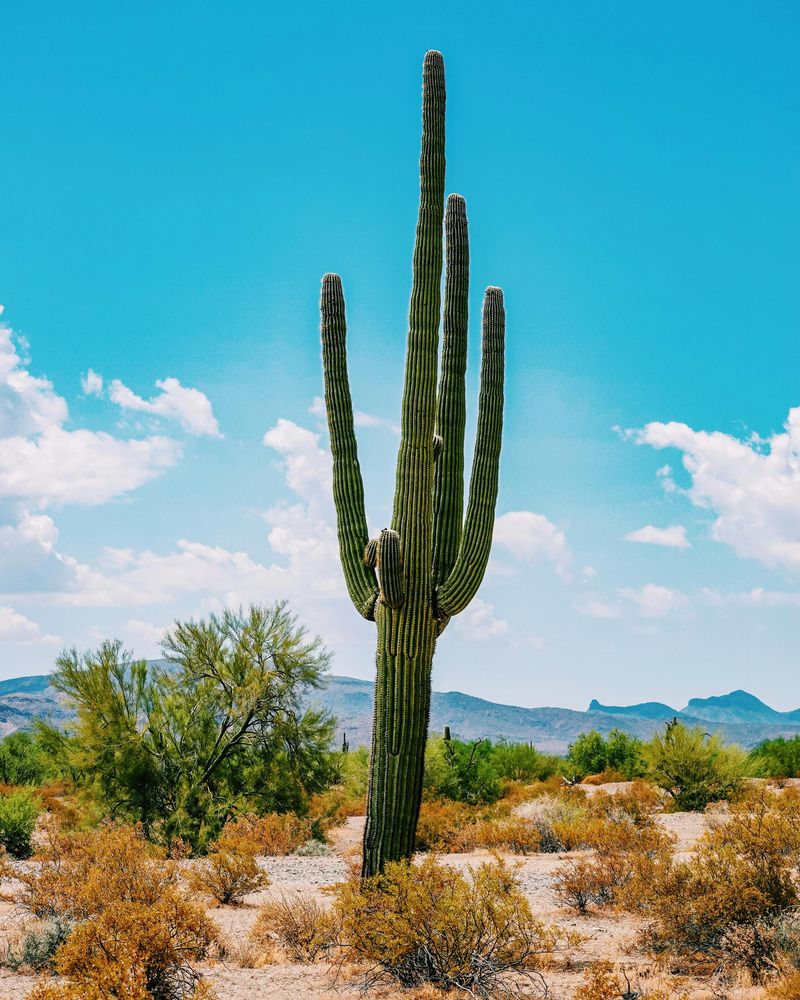
Perhaps no stereotype about Texas is more thoroughly wrong than the assumption that it’s all barren desert.
The state’s incredible geographic diversity spans 268,000 square miles, making it larger than many countries and encompassing vastly different ecosystems.
East Texas features dense pine forests that look more like Louisiana or Arkansas, with towering trees and humidity that feels decidedly un-desert-like.
The Gulf Coast boasts beautiful beaches, coastal marshes, and barrier islands where you can watch dolphins play in the surf.
Central Texas showcases the stunning Hill Country, with rolling limestone hills, crystal-clear rivers, and fields of wildflowers that bloom spectacularly each spring.
The Piney Woods region receives substantial rainfall and supports an ecosystem that would surprise anyone expecting cacti and tumbleweeds.
Even the areas that do qualify as desert, primarily in far West Texas, represent only a small fraction of the state’s total area.
Big Bend National Park does offer dramatic desert landscapes with mountains, canyons, and the Rio Grande cutting through ancient rock.
But travel northeast and you’ll find yourself in completely different terrain within hours.
The Guadalupe Mountains, Caddo Lake’s cypress swamps, and the Panhandle’s prairies all contribute to Texas’s remarkable variety.
This geographic diversity means that Texas offers something for every type of outdoor enthusiast, from beachgoers to hikers to bird watchers.
The desert stereotype probably stems from Western movies often filmed in the state’s more arid regions, but visiting Texas reveals a landscape far richer and more varied than Hollywood ever suggested.
4. Everyone Wears Cowboy Hats and Boots Daily
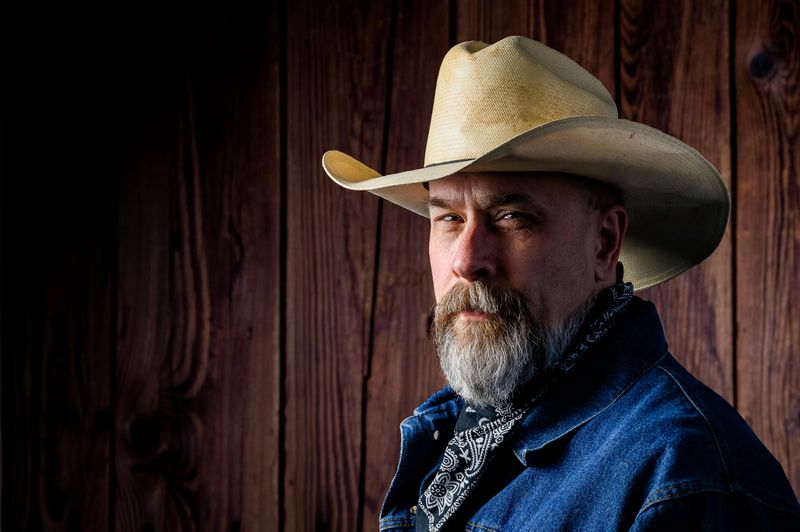
Walk down any street in Houston, Dallas, or Austin, and you’ll quickly realize that most Texans dress just like everyone else in America.
Business suits, casual jeans, athletic wear, and trendy fashion dominate the urban landscape.
Cowboy boots and hats certainly exist, but they’re typically reserved for rodeos, country music concerts, or special cultural events rather than everyday wear.
In fact, you might spot more tourists sporting brand-new cowboy gear than actual locals.
The modern Texan wardrobe reflects the state’s diverse economy, which spans technology, healthcare, finance, and energy sectors.
Young professionals in downtown Austin look no different from their counterparts in Seattle or Boston, often favoring sneakers and contemporary styles over Western wear.
Even in smaller towns, practical clothing suited to the climate takes precedence over costume-like outfits.
The stereotype likely persists because of Texas’s ranching heritage and Hollywood’s love affair with Western imagery.
While that heritage remains an important part of Texas identity, it doesn’t dictate daily fashion choices for most of the state’s 30 million residents.
When Texans do embrace Western attire, it’s often a deliberate choice to celebrate their culture rather than simple habit.
The truth is that Texas fashion is as varied as its population, encompassing everything from haute couture in Dallas to beach casual in Galveston.
So leave your preconceptions at the border and expect to see a modern, fashion-forward population that happens to have deep roots in Western tradition.
5. Barbecue and Tex-Mex Are the Only Food Options
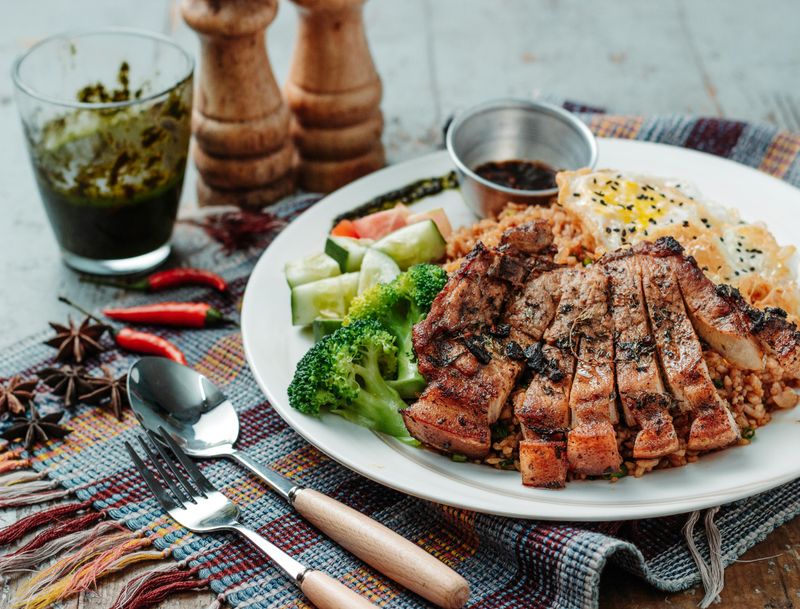
Yes, Texas barbecue is legendary, and Tex-Mex cuisine has passionate devotees throughout the state and beyond.
But reducing Texas food culture to just these two categories ignores the incredible culinary diversity that actually exists.
Houston alone is considered one of the most diverse cities in America, and its restaurant scene reflects that with authentic cuisine from Vietnam, Nigeria, Pakistan, Korea, and countless other countries.
Dallas boasts sophisticated fine dining establishments that would hold their own in any major culinary capital.
Austin’s food scene embraces everything from innovative farm-to-table concepts to food trucks serving creative fusion dishes.
San Antonio offers not just Tex-Mex but also interior Mexican cuisine that showcases regional specialties rarely found elsewhere in the United States.
The state’s coastal areas serve fresh Gulf seafood prepared in styles ranging from Cajun to contemporary American.
Health-conscious dining, vegan restaurants, and organic markets have proliferated in urban areas, catering to changing tastes and dietary preferences.
International grocery stores stock ingredients from around the world, supporting home cooks from diverse backgrounds.
While barbecue joints and Tex-Mex restaurants certainly remain beloved institutions, they coexist with an astonishing array of other options.
You can enjoy Ethiopian injera for lunch and Vietnamese pho for dinner, all without leaving Texas.
The stereotype persists partly because barbecue and Tex-Mex are what Texas is famous for nationally, but locals know the food scene offers far more variety.
Visiting Texas means you can absolutely indulge in world-class brisket and perfect breakfast tacos, but you’ll also discover that the state’s culinary landscape is as diverse as its population.
6. All Texans Are Outgoing and Greet Everyone with Howdy

Southern hospitality is real, and many Texans do embody a friendly, welcoming spirit that visitors genuinely appreciate.
However, expecting every single person you meet to be outgoing and folksy sets you up for disappointment.
Texas contains major metropolitan areas where millions of people live fast-paced urban lives, often rushing through their days like residents of any other big city.
In downtown Dallas or Houston during rush hour, you’re unlikely to receive warm greetings from strangers any more than you would in Chicago or Atlanta.
The word howdy does get used, but it’s far from universal, and many Texans go their entire lives without saying it except ironically.
Personality types vary as widely in Texas as anywhere else, with introverts, busy professionals, and reserved individuals just as common as gregarious extroverts.
Cultural background also plays a role, as Texas’s diverse population includes people from traditions with different social norms around greeting strangers.
Small towns do tend to have a friendlier, more close-knit atmosphere where people are more likely to acknowledge each other.
But even there, not everyone fits the chatty stereotype, and some folks simply prefer to keep to themselves.
The expectation that all Texans will be warm and welcoming can actually create awkward moments when visitors encounter normal human variety.
That said, you will likely experience genuine hospitality in many situations, particularly in service industries and social settings.
The key is recognizing that Texans are individuals with different personalities, moods, and circumstances, not characters from a tourism brochure who exist solely to embody regional stereotypes for visitors’ entertainment.
7. The Landscape Is Completely Flat and Boring
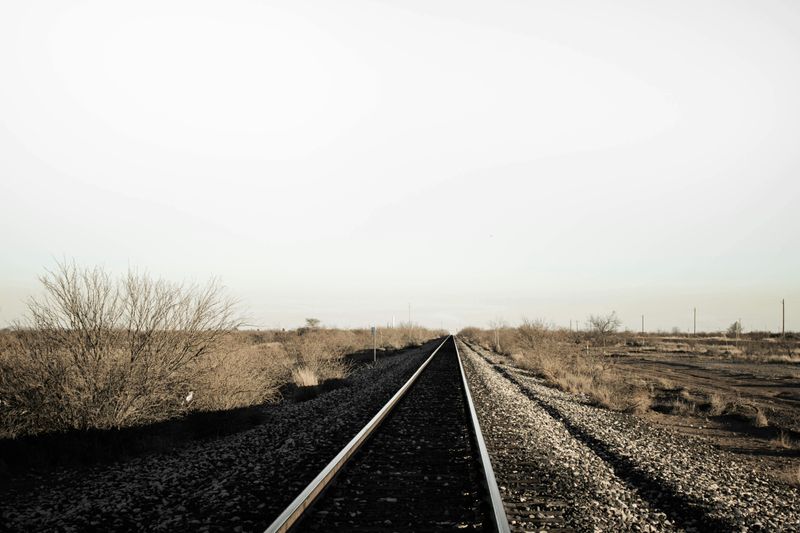
Certain parts of Texas are indeed quite flat, particularly the Gulf Coast plains and portions of the Panhandle.
But dismissing the entire state as boring and featureless reveals a fundamental misunderstanding of Texas geography.
The Hill Country west of Austin and San Antonio features dramatic limestone hills, steep canyons, and elevations that create stunning vistas.
Guadalupe Peak, the highest point in Texas, reaches 8,749 feet and offers challenging mountain hiking.
Big Bend National Park showcases rugged desert mountains, deep canyons carved by the Rio Grande, and landscapes that feel otherworldly.
The Davis Mountains in West Texas provide cool highland scenery that contrasts sharply with surrounding desert lowlands.
Palo Duro Canyon, often called the Grand Canyon of Texas, plunges 800 feet deep and stretches 120 miles long with colorful rock layers.
Even the supposedly flat areas contain subtle beauty, from the wildflower-covered prairies to the unique ecosystem of the Edwards Plateau.
Enchanted Rock, a massive pink granite dome, rises dramatically from the Hill Country and attracts rock climbers and hikers.
The state’s diverse topography means you can experience coastal beaches, pine forests, rocky hills, desert badlands, and prairie grasslands all within Texas borders.
Each region offers distinct scenery and outdoor recreation opportunities that belie any notion of monotonous flatness.
The flat stereotype probably comes from people who’ve only driven through parts of the Interstate 10 or Interstate 20 corridors without exploring beyond the highway.
Taking time to venture into different regions reveals a state with remarkable topographic variety and natural beauty that rewards exploration.
8. Everyone in Texas Is Politically Conservative
Texas has earned a reputation as a conservative stronghold, and the state has indeed voted Republican in presidential elections since 1980.
However, this broad characterization masks significant political diversity within the state’s massive population.
Austin famously leans liberal and has long been a progressive oasis, with environmental consciousness, LGBTQ-friendly policies, and Democratic voting patterns.
Houston, Dallas, San Antonio, and El Paso all have substantial liberal populations and often elect Democratic officials to local and congressional positions.
The state’s urban-rural divide mirrors national patterns, with cities trending more liberal while rural areas remain conservative.
Texas’s growing Hispanic population, young professionals moving from other states, and demographic shifts are gradually changing the political landscape.
Recent statewide elections have shown narrowing margins, with some races becoming surprisingly competitive.
Even among conservatives, political views span a spectrum from moderate business-oriented Republicans to libertarians to social conservatives.
College towns like College Station and Lubbock contain pockets of liberal students and faculty despite being in otherwise conservative regions.
Border communities often hold complex political views shaped by their unique cultural and economic situations.
Assuming every Texan you meet holds conservative views can lead to awkward conversations and reveals a lack of understanding about the state’s diversity.
Political discussions in Texas can be as varied and passionate as anywhere in America, with people holding deeply considered positions across the ideological spectrum.
The stereotype persists because of Texas’s prominent role in conservative politics nationally, but visiting reveals a far more politically diverse state than outsiders typically imagine.
9. Texas Culture Is Monolithic and Unchanging
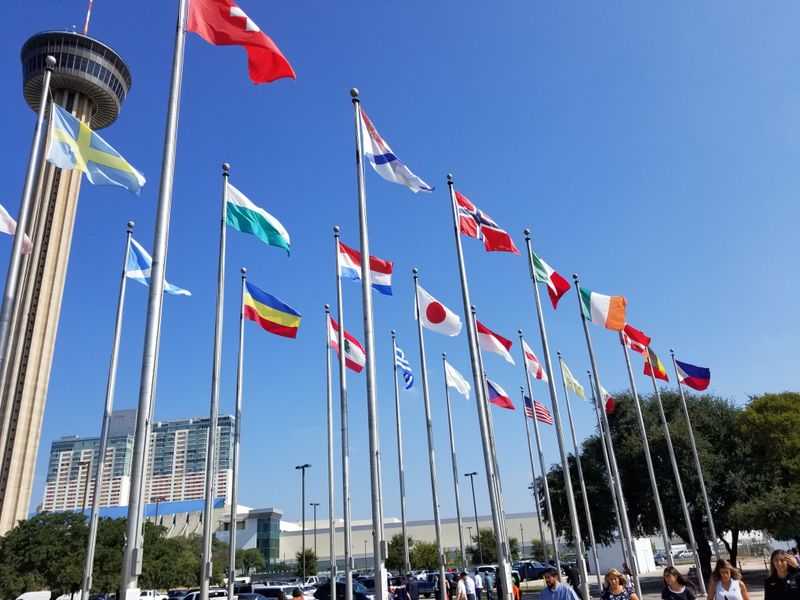
The image of Texas culture as frozen in time, perpetually celebrating its Wild West heritage, ignores the dynamic reality of a rapidly evolving state.
Texas has become one of the fastest-growing states in the nation, with people relocating from California, New York, Illinois, and dozens of other places.
This influx brings new perspectives, traditions, and cultural influences that blend with existing Texas identity.
The state’s technology sector has exploded, with Austin becoming a major tech hub and attracting innovative companies and creative workers.
Arts scenes in major cities rival those anywhere in the country, with world-class museums, theaters, music venues, and galleries.
Houston’s Theater District ranks second only to New York in concentration of seats, showcasing the state’s commitment to performing arts.
Music culture extends far beyond country, encompassing thriving hip-hop, indie rock, electronic, and Latin music communities.
Fashion, food, and lifestyle trends emerge from Texas cities and influence national culture rather than simply following it.
The state’s universities conduct cutting-edge research and attract international students and scholars.
While Texans do celebrate their heritage through rodeos, state fairs, and historical preservation, they simultaneously embrace innovation and change.
This balance between honoring tradition and pushing forward creates a unique cultural dynamic that defies simple characterization.
Younger generations of Texans are redefining what it means to be Texan, incorporating global influences while maintaining pride in their state.
Visiting Texas reveals a culture that’s vibrant, evolving, and far more complex than any stereotype can capture, where tradition and progress coexist in fascinating ways.
10. Everything Is Bigger in Texas, Including Egos
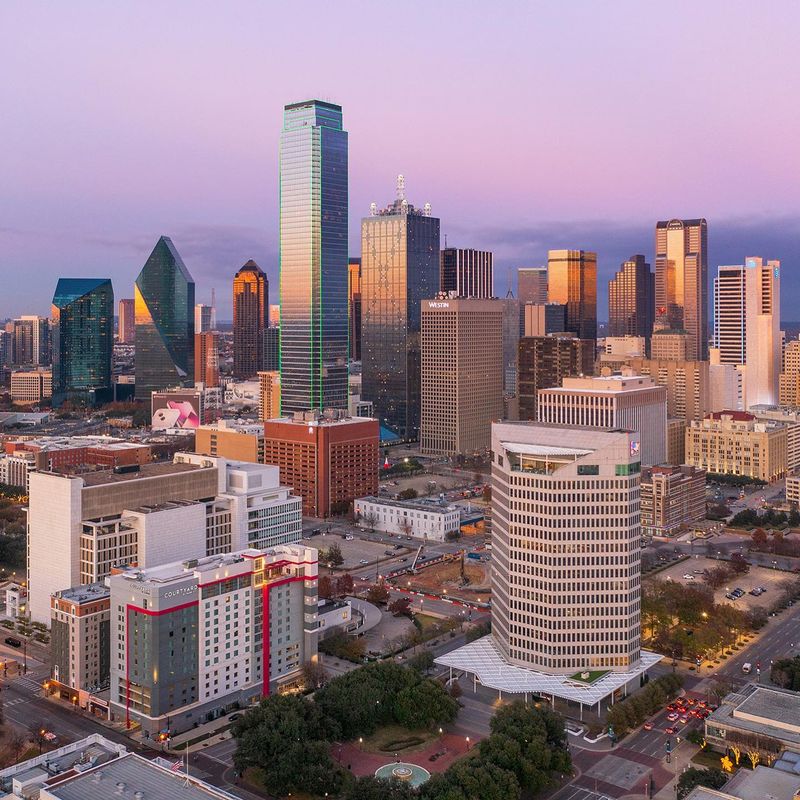
The saying everything is bigger in Texas has become so associated with the state that many assume Texans constantly brag about their home.
While Texas pride is certainly real and many residents genuinely love their state, the stereotype of relentless boastfulness is overblown.
Most Texans go about their daily lives without constantly proclaiming their state’s superiority to anyone who will listen.
The pride Texans feel often stems from genuine affection for their home rather than a need to prove something to outsiders.
In fact, many Texans find the bigger-in-Texas stereotype somewhat embarrassing and avoid perpetuating it.
Like residents of any state, Texans have complex relationships with their home, recognizing both its strengths and its challenges.
The state faces real issues including poverty, healthcare access, education funding, and environmental concerns that thoughtful residents acknowledge.
Urban Texans in particular often express frustration with stereotypes that paint them as one-dimensional caricatures.
When Texans do express state pride, it’s often similar to the regional loyalty found in other distinctive places like New York or California.
The bigger-in-Texas phenomenon is sometimes embraced ironically or playfully rather than as serious boasting.
Visitors expecting to encounter inflated egos at every turn will likely be surprised by how normal and down-to-earth most Texans actually are.
Yes, you’ll encounter some people who fit the stereotype, just as you’ll find braggarts anywhere.
But the vast majority of Texans are simply people living their lives, working their jobs, and raising their families without needing to constantly assert their state’s greatness to validate their own worth.
Dear Reader: This page may contain affiliate links which may earn a commission if you click through and make a purchase. Our independent journalism is not influenced by any advertiser or commercial initiative unless it is clearly marked as sponsored content. As travel products change, please be sure to reconfirm all details and stay up to date with current events to ensure a safe and successful trip.
