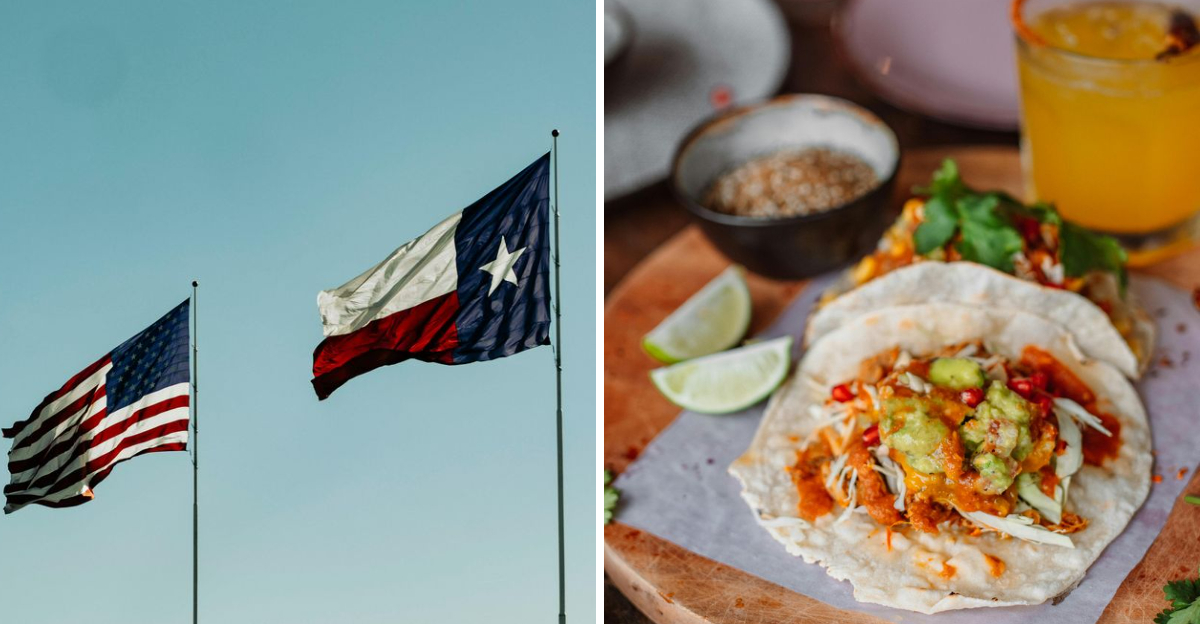
Texas stands as a world unto itself, a place where everything seems magnified, from the endless horizons to the warmth of its people.
First-time visitors often arrive with preconceived notions shaped by movies and stereotypes, only to discover a state far more complex and surprising than they imagined.
The Lone Star State delivers shock after shock to newcomers, whether it’s the mind-boggling distances between cities, the fierce devotion to high school football, or the unexpected diversity of landscapes that range from pine forests to desert mountains.
Understanding what makes Texas so distinctly different helps travelers prepare for an experience that challenges expectations and creates lasting memories.
1. The Mind-Boggling Distances Between Everything
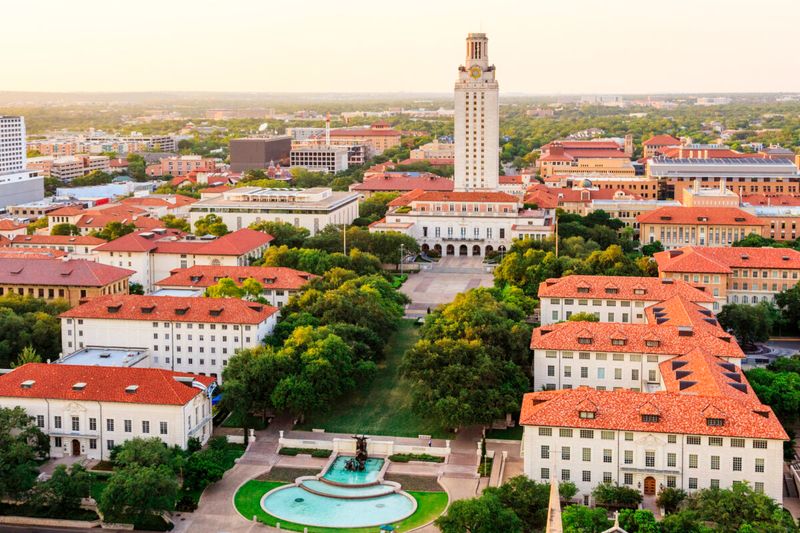
Newcomers quickly learn that Texas operates on a completely different scale when it comes to distance and travel time.
A quick trip to visit relatives might mean driving for five hours straight, and locals think nothing of it.
The state stretches 773 miles from east to west and 790 miles from north to south, making it larger than many European countries combined.
Texans measure journeys in hours rather than miles, casually mentioning that Austin is “just three hours away” from Houston as if that’s a short jaunt.
This vast geography means that someone living in El Paso is actually closer to San Diego, California, than to Houston, Texas.
First-time visitors often underestimate how long it takes to get anywhere, planning ambitious road trips that would require days rather than hours to complete.
The landscape between cities can stretch on endlessly, with nothing but open range, oil pumps, and the occasional small town breaking up the monotony.
Gas stations become strategic stops rather than afterthoughts, and travelers learn to fill up whenever they see one because the next might be fifty miles down the road.
Even within major cities like Houston or Dallas, commutes of an hour or more are considered normal, not exceptional.
The sheer size creates a unique relationship with automobiles, where cars aren’t just transportation but essential survival tools.
This vastness shapes everything about Texas life, from social patterns to business decisions, and it remains one of the first shocking realizations for anyone crossing into the state.
2. Obsessive State Pride That Shows Everywhere
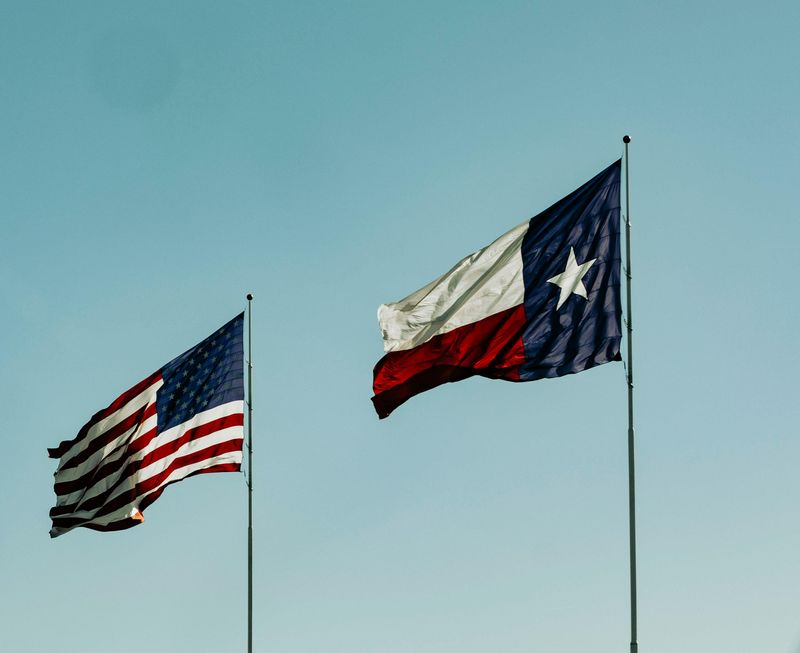
Walking through any Texas town reveals an almost overwhelming display of state pride that catches outsiders completely off guard.
The Texas flag flies from homes, businesses, and government buildings with a frequency that rivals the American flag itself.
Store shelves overflow with Texas-shaped cutting boards, waffle makers, jewelry, furniture, and virtually any other product you can imagine.
Restaurants proudly advertise their Texas origins, and businesses incorporate “Texas” or “Lone Star” into their names whenever possible.
This pride isn’t just commercial; it runs deep in the cultural identity of people who call themselves Texans first and Americans second.
The state’s history as an independent republic from 1836 to 1845 still resonates strongly, creating a unique sense of separate identity.
Visitors notice that Texans can recite state history with remarkable detail, from the Alamo to the oil boom, treating these events as sacred narratives.
Even the state pledge, which students recite alongside the national pledge, reinforces this distinctive identity from an early age.
Newcomers sometimes mistake this pride for arrogance, but it’s more accurately described as fierce loyalty and genuine affection for home.
The phenomenon extends to sports, where college teams like the Longhorns and Aggies inspire devotion that borders on religious fervor.
Social media profiles, car bumper stickers, and clothing all serve as canvases for expressing Texas identity, creating a visual landscape saturated with state symbolism.
This level of regional pride simply doesn’t exist in most other states, making it one of the most immediately noticeable differences for first-time visitors.
3. Breakfast Tacos as a Morning Ritual

Morning routines in Texas revolve around a culinary tradition that seems completely foreign to people from other regions.
Breakfast tacos, simple flour tortillas filled with scrambled eggs, cheese, bacon, potatoes, or beans, dominate the morning food scene with an intensity that surprises newcomers.
These aren’t occasional treats or weekend indulgences but daily staples that Texans grab on their way to work with the same casual frequency that others might pick up coffee.
Every convenience store, taco stand, and restaurant offers their own version, and locals have passionate opinions about which spot makes the best ones.
The simplicity of the concept belies the deep cultural significance, as breakfast tacos represent the blending of Mexican and American food traditions that defines Tex-Mex cuisine.
Visitors from the Northeast or Midwest often express confusion about eating tacos for breakfast, having never encountered this combination before arriving in Texas.
The variety seems endless, with options ranging from basic egg and cheese to elaborate combinations featuring barbacoa, chorizo, or migas.
Social gatherings, business meetings, and family events frequently feature breakfast taco spreads, with hosts ordering dozens from favorite local spots.
The phenomenon has become so ingrained that debates about which city makes superior breakfast tacos can spark genuine arguments between residents of Austin, San Antonio, and Houston.
Price points remain remarkably affordable, with quality tacos often costing just a few dollars, making them accessible to everyone regardless of economic status.
This daily ritual represents more than just convenient food; it’s a shared cultural experience that unites Texans across all backgrounds and creates immediate culture shock for uninitiated visitors.
4. Friday Night Lights and High School Football Mania
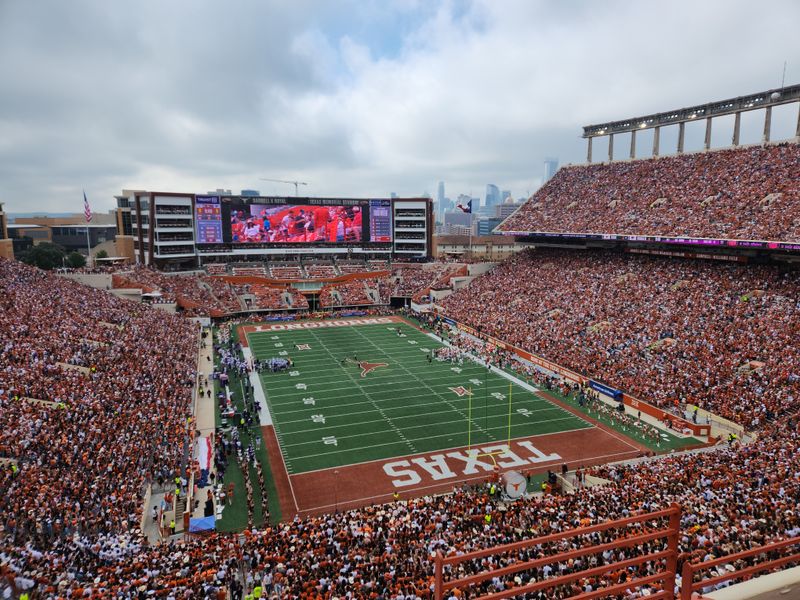
High school football in Texas exists on a scale that defies belief for people coming from states where the sport is just another extracurricular activity.
Stadium complexes costing tens of millions of dollars dot the landscape, featuring professional-grade facilities, massive seating capacities, and state-of-the-art scoreboards that rival college venues.
Friday nights during fall transform entire communities, with businesses closing early so everyone can attend the local game.
Crowds of 10,000 or more regularly pack stadiums to watch teenagers play, creating an atmosphere of intensity and passion that shocks outsiders.
The phenomenon goes beyond mere entertainment; these games serve as social gatherings, community identity markers, and serious athletic competitions all rolled into one.
Coaches earn substantial salaries and face tremendous pressure to win, while star players become local celebrities with their college prospects discussed endlessly.
Marching bands perform elaborate halftime shows, cheerleading squads execute complex routines, and booster clubs raise enormous sums to support programs.
This tradition has deep roots in Texas culture, serving historically as one of the few entertainment options in small towns and evolving into a cultural institution.
Visitors attending their first Texas high school game often express disbelief at the production value, crowd size, and overall seriousness with which everyone treats the event.
The book and television series “Friday Night Lights” captured this phenomenon, but experiencing it firsthand reveals nuances that no media can fully convey.
Even in large cities like Houston and Dallas, high school football maintains its grip on community attention, proving this isn’t just a small-town phenomenon but a statewide obsession that defines Texas identity.
5. Southern Hospitality Taken to Extreme Levels
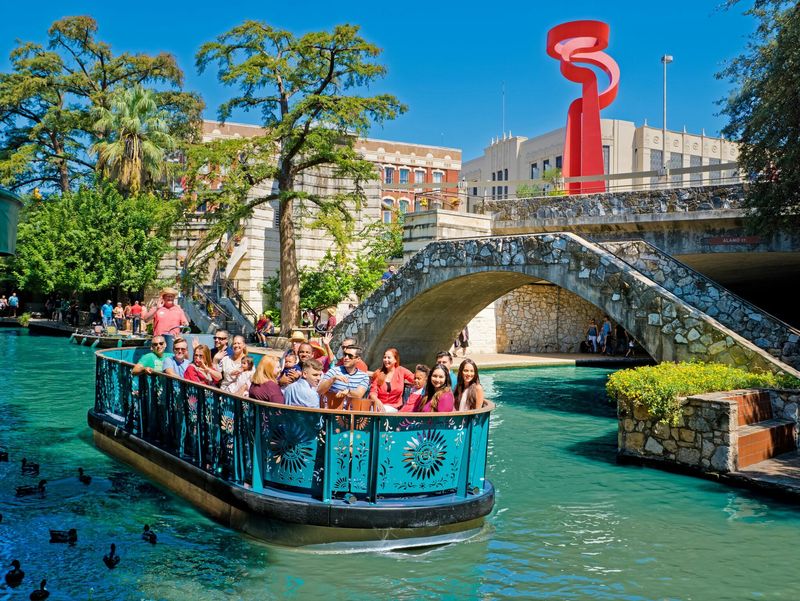
Strangers in Texas grocery stores, gas stations, and sidewalks routinely greet each other with genuine warmth that catches people from more reserved regions completely off guard.
The use of “ma’am” and “sir” isn’t just polite formality but ingrained habit, with children taught from toddlerhood to address adults this way.
Cashiers strike up conversations about your day, neighbors wave from their yards even if they’ve never met you, and people hold doors open for those surprisingly far behind them.
This friendliness isn’t superficial politeness but reflects deeper cultural values about treating others with respect and acknowledging shared humanity.
The word “y’all” serves as the universal second-person plural, used naturally in conversation by everyone from business executives to ranch hands.
Newcomers from places like New York or Boston often initially suspect ulterior motives behind this friendliness, only to eventually realize it’s simply how Texans interact.
Invitations to church, family gatherings, or community events come easily, sometimes making transplants uncomfortable with the rapid intimacy.
This hospitality extends to helping strangers with car trouble, offering directions with elaborate detail, and generally going out of one’s way to assist others.
The phenomenon has historical roots in frontier necessity, where survival often depended on neighbors helping each other in a harsh, isolated environment.
Modern Texas maintains these traditions even in major metropolitan areas, though the pace and intensity vary between urban and rural settings.
Visitors often comment that this warmth makes Texas feel welcoming despite its size and diversity, creating memorable interactions that contrast sharply with the more anonymous social patterns common in other large states.
6. Landscape Diversity That Defies Desert Stereotypes

Most people picture Texas as endless desert with tumbleweeds and cacti, only to discover a state containing practically every North American ecosystem.
East Texas features dense pine forests and swamps that look more like Louisiana than the Wild West, with humidity and vegetation that shock first-time visitors.
The Gulf Coast offers hundreds of miles of beaches, barrier islands, and coastal wetlands supporting incredible biodiversity.
Central Texas Hill Country rolls with limestone cliffs, spring-fed rivers, and fields of wildflowers that paint the landscape in brilliant colors each spring.
West Texas delivers the expected desert and mountain scenery, but even here the diversity surprises, from the Chisos Mountains in Big Bend to the Guadalupe Peak reaching over 8,700 feet.
The Panhandle region resembles the Great Plains more than anything stereotypically Texan, with flat grasslands stretching to distant horizons.
This geographic variety creates dramatically different climates, cultures, and lifestyles within a single state, making generalization nearly impossible.
Visitors can swim in the Gulf of Mexico, hike mountain trails, explore caves, paddle rivers, and walk through forests all without leaving Texas.
The misconception about uniform desert landscape persists despite reality, perhaps because Western movies filmed in West Texas have dominated popular imagination.
Wildlife diversity matches the landscape variety, with everything from alligators and armadillos to pronghorn antelope and black bears calling different regions home.
This ecological richness means that someone’s Texas experience depends entirely on which region they visit, with East Texas feeling like a different world compared to El Paso or the Rio Grande Valley.
7. Tex-Mex as Its Own Distinct Cuisine
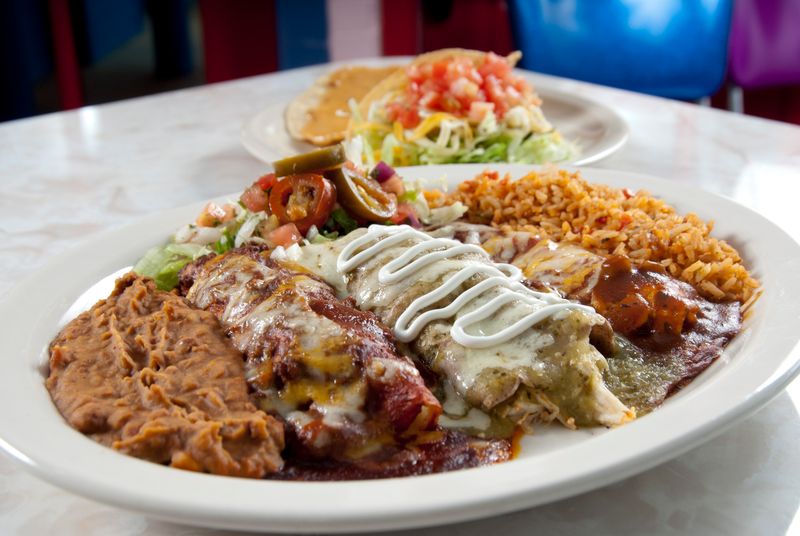
People arriving in Texas expecting authentic Mexican food encounter instead a unique fusion cuisine that has evolved into something entirely its own.
Tex-Mex combines Mexican cooking traditions with American ingredients and sensibilities, creating dishes that don’t exist south of the border.
Cheese features far more prominently than in traditional Mexican cooking, with yellow cheese sauces and shredded cheddar appearing on nearly everything.
Fajitas, nachos, chili con carne, and crispy tacos all originated in Texas rather than Mexico, representing Tex-Mex innovation rather than authentic tradition.
The combination plate, featuring rice, beans, and multiple items smothered in cheese and sauce, epitomizes Tex-Mex abundance and cross-cultural blending.
Chips and salsa arrive automatically at restaurant tables, free and unlimited, setting the stage for meals that emphasize generosity and flavor.
Texans grow up eating this food and often don’t realize it differs significantly from what people eat in Mexico City or Oaxaca.
The cuisine reflects the state’s border location and long history of cultural exchange, adaptation, and innovation spanning generations.
Visitors from Mexico sometimes express confusion or disappointment, while people from other U.S. states often fall in love with the bold flavors and hearty portions.
Regional variations exist even within Tex-Mex, with San Antonio’s puffy tacos differing from Houston’s fajitas or El Paso’s border-influenced dishes.
This culinary tradition has spread nationwide, but eating it in Texas reveals the depth and authenticity missing from chain restaurants elsewhere.
Understanding Tex-Mex as its own legitimate cuisine rather than inferior Mexican food helps newcomers appreciate the cultural significance and deliciousness of what they’re experiencing.
8. Extreme Weather That Swings Wildly
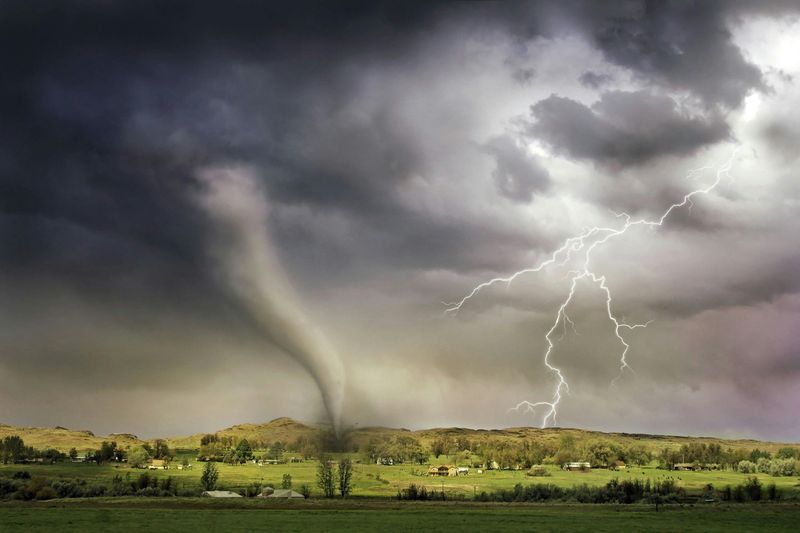
Texas weather operates with an unpredictability and intensity that leaves newcomers constantly checking forecasts and questioning their wardrobe choices.
Temperature swings of 40 or 50 degrees within 24 hours occur regularly, especially during spring and fall transition seasons.
A sunny 75-degree morning can transform into a 35-degree afternoon with sleet as cold fronts barrel through with startling speed.
Summer heat reaches oppressive levels, with triple-digit temperatures lasting for weeks and heat indexes climbing even higher due to humidity in coastal areas.
Thunderstorms develop with explosive intensity, producing torrential rain, hail the size of baseballs, and lightning that illuminates the entire sky.
Tornado season brings genuine danger to many regions, with severe weather alerts becoming routine parts of spring life.
Flash flooding poses a serious threat, as heavy rains overwhelm drainage systems and turn normally dry creek beds into raging torrents within minutes.
Winter weather varies dramatically by region, with the Panhandle seeing significant snow and ice while South Texas might go years without a freeze.
Hurricane season affects the Gulf Coast, bringing potential for devastating storms that impact areas hundreds of miles inland.
The saying “if you don’t like the weather in Texas, wait five minutes” contains more truth than exaggeration, reflecting the state’s meteorological volatility.
Natives learn to dress in layers, keep emergency supplies in vehicles, and never trust a sunny morning to predict afternoon conditions.
This weather intensity shapes architecture, infrastructure, and daily planning in ways that surprise people from more climatically stable regions.
9. Unique Traditions Like Homecoming Mums
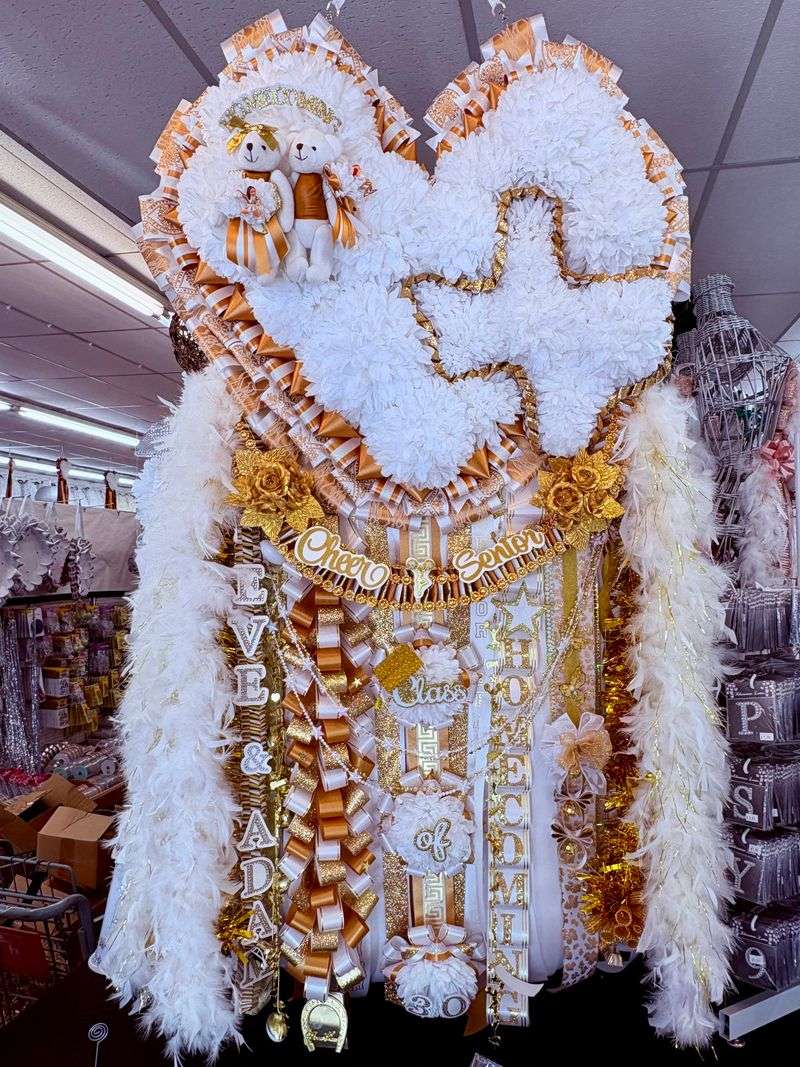
High school homecoming in Texas involves a tradition so elaborate and specific that outsiders often struggle to comprehend what they’re witnessing.
Homecoming mums, massive corsages made from artificial flowers, ribbons, bells, and trinkets, grow to sizes that can weigh several pounds and hang past the knees.
Girls wear these elaborate creations to school on homecoming day, with the size and complexity indicating the giver’s affection and effort.
Boys receive smaller versions called garters, worn on the arm, but still featuring impressive amounts of decoration and personalization.
The tradition started simply decades ago with actual chrysanthemum flowers but has evolved into competitive displays of craftsmanship and spending.
Parents, students, and specialty shops spend weeks creating these monstrosities, incorporating school colors, inside jokes, photos, and countless embellishments.
Walking through a Texas high school on homecoming day looks like a parade of flower-covered students jingling with bells and dragging ribbons behind them.
The phenomenon exists almost exclusively in Texas, with students from other states expressing complete bafflement when they encounter it.
Beyond mums, Texas celebrates unique traditions like rattlesnake roundups, where communities gather to hunt and cook rattlesnakes as festival events.
The “Texas Dip” performed by debutantes requires girls to curtsy so deeply they nearly touch the floor, demonstrating grace and strength simultaneously.
County fairs feature livestock shows where children raise and show animals with a seriousness that reflects the state’s agricultural heritage.
These traditions, from the quirky to the elegant, create a cultural landscape that newcomers find simultaneously charming, bewildering, and distinctly Texan.
10. Kolaches as a Czech-Texan Breakfast Staple
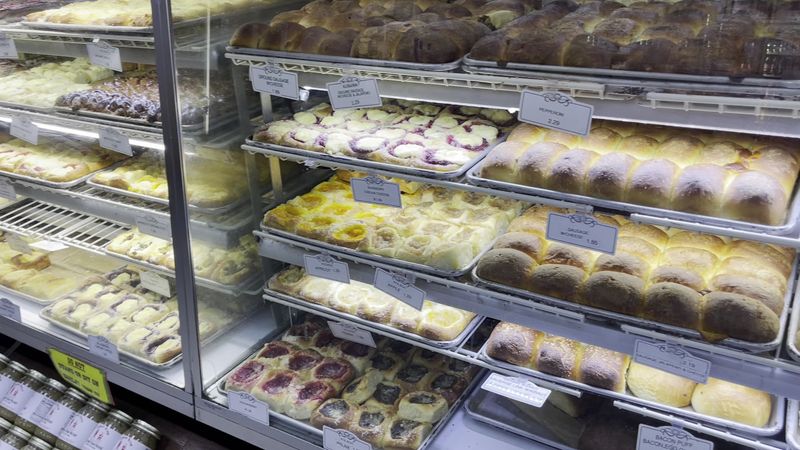
Driving through small Texas towns, particularly in Central Texas, reveals bakeries advertising kolaches, a pastry that confuses anyone unfamiliar with the state’s Czech heritage.
These soft, pillowy pastries come filled with fruit, cheese, or poppy seeds in their traditional form, but Texas has adapted them to include savory options.
Sausage kolaches, technically called klobasniky but rarely distinguished by Texans, feature a soft dough wrapped around a sausage link, creating a portable breakfast item.
Czech immigrants brought kolache traditions to Texas in the 1800s, settling primarily in Central Texas and maintaining their baking heritage through generations.
Towns like West, Texas, and Caldwell have become kolache destinations, with bakeries drawing customers from miles around for these treats.
Gas stations and convenience stores throughout the state sell kolaches alongside breakfast tacos, treating them as equally normal morning options.
The combination of sweet and savory varieties means people eat kolaches for breakfast, snacks, or dessert without distinction.
Newcomers often mistake them for pigs in a blanket or other familiar foods, missing the distinct texture and flavor that quality kolaches provide.
The dough differs from typical American pastries, offering a soft, slightly sweet base that complements both fruit fillings and savory sausage equally well.
Annual kolache festivals celebrate this Czech-Texan fusion, featuring competitions, music, and enough pastries to feed thousands of attendees.
This culinary tradition represents another layer of Texas’s surprising cultural diversity, demonstrating how immigrant communities have shaped the state’s identity in unexpected ways that continue delighting residents and surprising visitors decades after those first Czech settlers arrived.
Dear Reader: This page may contain affiliate links which may earn a commission if you click through and make a purchase. Our independent journalism is not influenced by any advertiser or commercial initiative unless it is clearly marked as sponsored content. As travel products change, please be sure to reconfirm all details and stay up to date with current events to ensure a safe and successful trip.
