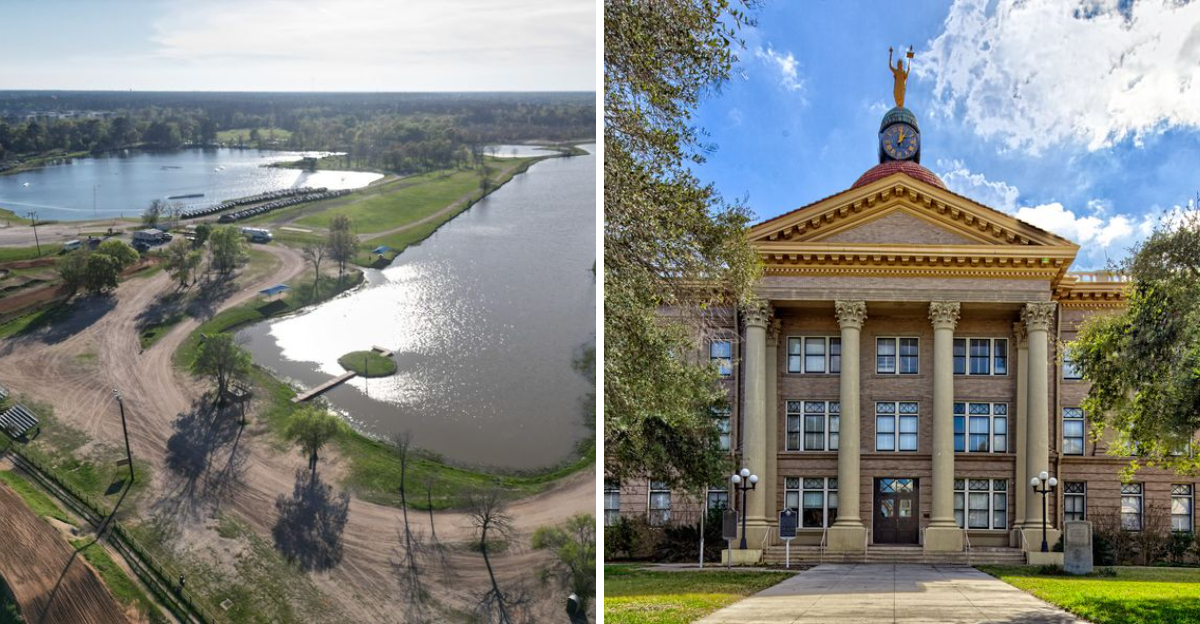
This is not the kind of thing you notice right away, until suddenly it is hard to ignore.
Lakes pulling back from their shorelines, rivers running thinner than they used to, and towns starting to talk more seriously about water than ever before. What used to feel steady now feels uncertain.
It is a slower shift, but one that changes everything around it. Texas has always dealt with extremes, but this is the kind that is starting to hit closer to everyday life than people expected.
1. Corpus Christi
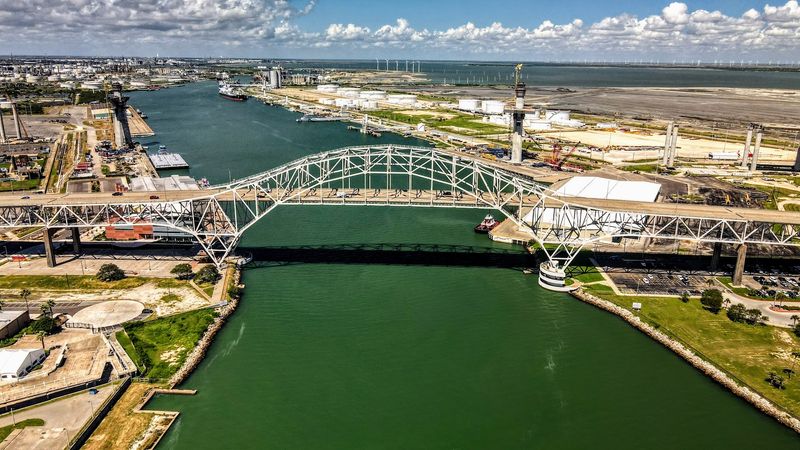
The salt-tinged air rolling in off Corpus Christi Bay can make you forget, at least for a moment, that this coastal city is locked in a serious fight over freshwater. Corpus Christi draws from Choke Canyon Reservoir, and in early 2026, the numbers started telling an uncomfortable story.
The city was pulling more water than originally projected, and smaller communities downstream were beginning to feel the squeeze.
What makes Corpus Christi’s situation particularly complex is its dual identity as both a growing urban hub and a port city with heavy industrial water demands. Balancing those needs against conservation goals is not a simple math problem.
Local officials have had to rethink long-term water strategies almost from scratch.
The city has invested in desalination technology as a partial solution, but infrastructure projects take time and money that not every budget cycle can accommodate. Residents have responded with genuine effort, cutting back on lawn irrigation and outdoor water use.
Still, the reservoir levels remain a source of anxiety for planners and families alike. Watching a major Texas city wrestle so publicly with water scarcity is both sobering and a reminder of how quickly certainty can evaporate.
2. Mathis
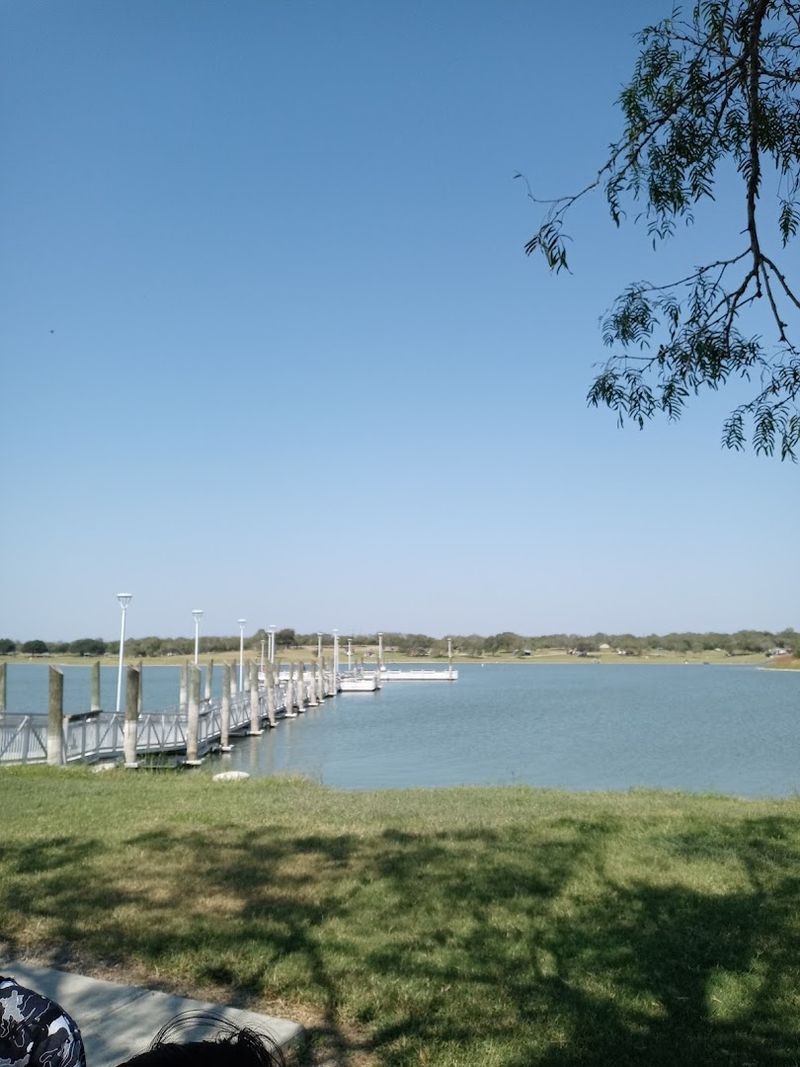
Mathis sits quietly along the edge of Lake Corpus Christi, and most people driving through on Highway 359 probably do not think twice about it. But this small town of roughly 5,000 people is sitting at the center of one of Texas’s most pressing water access disputes.
The lake it borders has been dropping, and the community that depends on it has been watching nervously.
There is a certain resilience you notice in small South Texas towns like Mathis. People here are not strangers to hardship, but a prolonged water shortage hits differently when the source you have relied on for generations starts to look unreliable.
Local water officials have been attending meetings, reviewing contracts, and trying to figure out what comes next if the situation continues to worsen.
Agriculture in the surrounding area adds another layer of pressure. Farmers who depend on irrigation from nearby water sources face the same shrinking supply as residents, and the economic ripple effects touch every corner of the local economy.
Mathis may not make national headlines often, but what happens here is a preview of what many small Texas towns could face in the coming decade. The stakes feel very real and very personal.
3. Three Rivers
About 70 miles northwest of Corpus Christi, Three Rivers earned its name from the confluence of the Frio, Nueces, and Atascosa rivers. That watery identity feels almost ironic now, given that the town is staring down a very real threat to its primary water supply.
In March 2026, local officials raised alarms about Choke Canyon Reservoir being drawn down faster than expected, largely because Corpus Christi was consuming more than its projected share.
For a town this size, losing reliable access to a major reservoir is not an abstract policy problem. It affects every household, every business, and every decision about the future.
I found myself thinking about how towns like Three Rivers often get overlooked in statewide water policy conversations, even when they are the ones most directly at risk.
The broader issue here is one of competing needs. A growing coastal city and a small rural town are pulling from the same finite source, and the math is getting harder to balance.
Three Rivers has been pushing for clearer water-sharing agreements and better protections for smaller communities in the region. Their situation highlights a systemic gap in how Texas manages water rights when urban demand outpaces what infrastructure and reservoirs were originally designed to handle.
4. Conroe
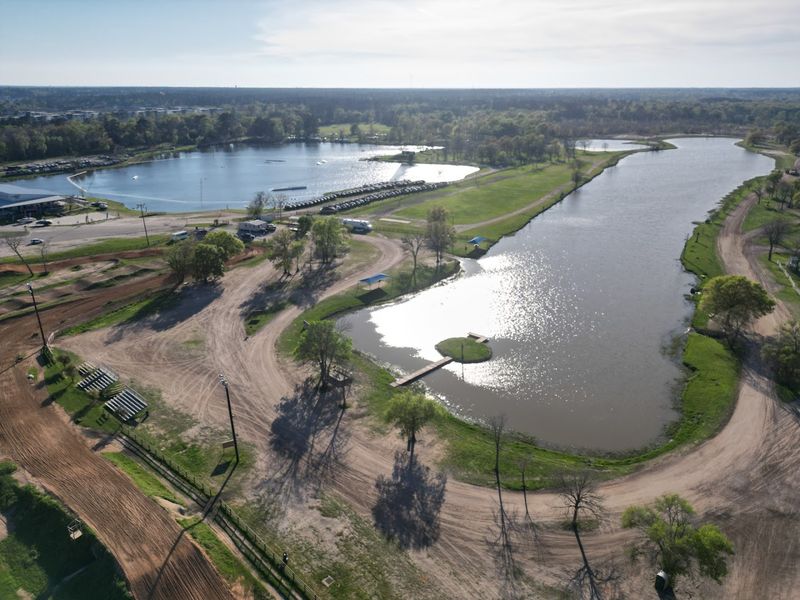
Lake Conroe is one of those places that feels like it has always been there, steady and full, a reliable backdrop for weekend boating and summer afternoons. But the lake that serves as a critical water source for the Conroe area has been showing signs of stress that locals are hard to ignore.
Drought conditions in the region have pushed water levels lower than seasonal averages, and the demand from a rapidly growing population has only compounded the pressure.
Montgomery County has been one of the fastest-growing areas in the entire country, not just Texas. That kind of growth is exciting for economic development, but it creates a water math problem that planners have been scrambling to solve.
More residents mean more consumption, and the infrastructure to support that demand has not always kept pace.
What strikes me about Conroe is how the water challenge exists right alongside a very visible, thriving community. New subdivisions are going up while water managers are quietly revising their long-term projections downward.
The city has been working on supplemental water supply projects, but the timeline for those solutions stretches years into the future. For now, Conroe is a case study in what happens when rapid growth meets a resource that cannot simply be ordered in bulk.
5. Alice
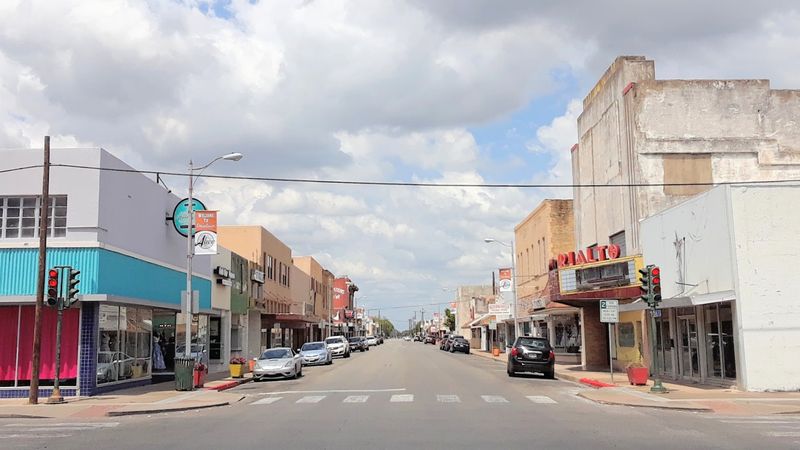
Alice, Texas, carries the quiet dignity of a town that has seen boom and bust cycles before. The oil industry shaped this Jim Wells County seat, but water is shaping its future in ways that feel far less predictable.
The region sits in a part of South Texas where annual rainfall totals are already low, and multi-year drought conditions have pushed local water supplies to concerning levels.
Residents here talk about water the way people in other parts of the country talk about weather, it is a constant undercurrent in everyday conversation.
The local water utility has had to issue conservation notices more frequently in recent years, and the community has responded with a mix of practical adjustments and genuine worry about what comes next.
Alice does not have the luxury of drawing from a massive regional reservoir with multiple backup options. Its water supply situation depends heavily on what the sky decides to do, and lately the sky has not been generous.
Small cities like Alice are often the canary in the coal mine for larger statewide water policy failures. When a town this size starts struggling, it is a signal worth paying attention to, because the same pressures are building quietly in dozens of other communities across the region.
6. Beeville
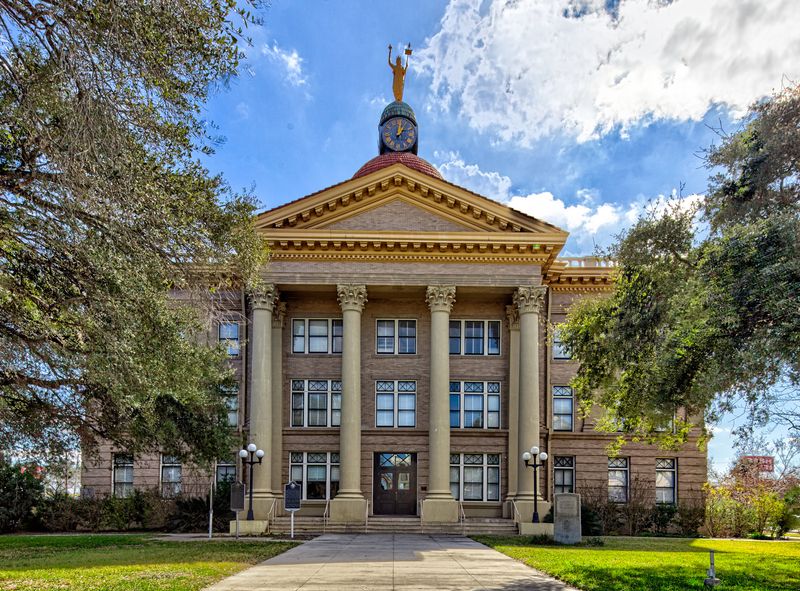
Beeville has a kind of unhurried charm that makes it easy to underestimate how serious the water situation has become here. The Bee County seat, home to around 13,000 people, relies on a combination of groundwater and surface water sources that have both been under significant strain.
Drought years have hammered the region repeatedly, and the aquifer recharge rates have not kept up with what is being pulled out.
Groundwater depletion is a slower, less dramatic story than a reservoir hitting record lows, but it is arguably more difficult to reverse. Once an aquifer drops below certain levels, recovery can take decades even under ideal rainfall conditions.
That long-term reality is something Beeville water planners have been quietly grappling with while also managing the day-to-day demands of a community that needs reliable service.
There is also an agricultural dimension to Beeville’s water story. The surrounding area supports livestock operations and row crops that depend on irrigation, and those demands compete directly with municipal supply.
I think what makes towns like Beeville compelling from a water policy perspective is that they represent the intersection of rural tradition and modern resource limits. The challenge is not just technical.
It is cultural, economic, and deeply tied to how this part of Texas has always understood itself and its land.
7. Houston
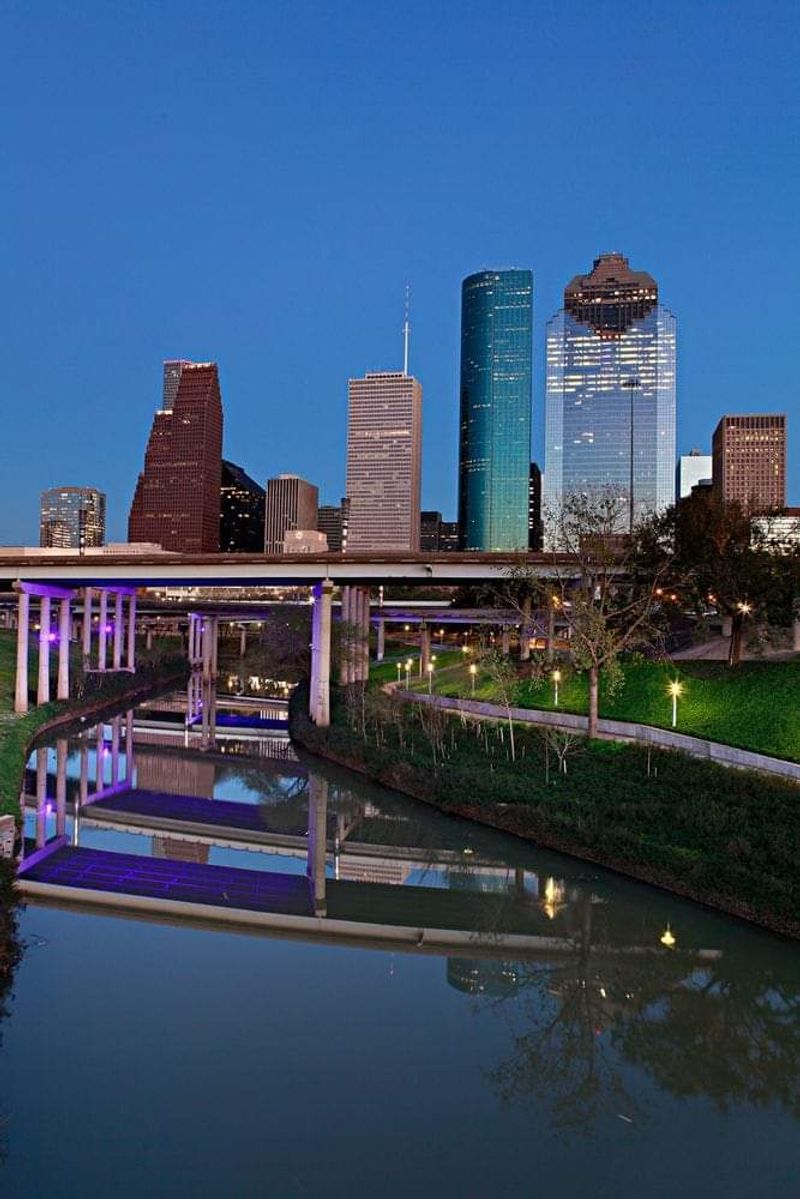
Houston is enormous, loud, and endlessly sprawling, and its water problems are scaled to match. In 2023, the city lost approximately 31.8 billion gallons of water, a 30 percent jump from the previous year.
That staggering figure was driven in large part by a prolonged drought that dried and shrank the soil, putting tremendous stress on older water lines that were already past their prime.
When pipes sit in soil that contracts and shifts, the joints crack and the leaks begin. Houston has thousands of miles of aging water infrastructure, and repairing or replacing it is a generational project that requires sustained funding and political will.
The drought essentially accelerated a problem that was always lurking beneath the city streets.
What makes Houston’s situation worth understanding in the context of this broader Texas story is its sheer scale. When the largest city in the state loses that much water in a single year, it puts pressure on every part of the regional water system.
Smaller towns that share watersheds or water rights agreements feel the downstream effects. Houston has begun accelerating pipe replacement programs and reviewing its water loss auditing processes, but the work ahead is immense.
The city’s water future will shape the water future of the entire region around it.
Dear Reader: This page may contain affiliate links which may earn a commission if you click through and make a purchase. Our independent journalism is not influenced by any advertiser or commercial initiative unless it is clearly marked as sponsored content. As travel products change, please be sure to reconfirm all details and stay up to date with current events to ensure a safe and successful trip.
