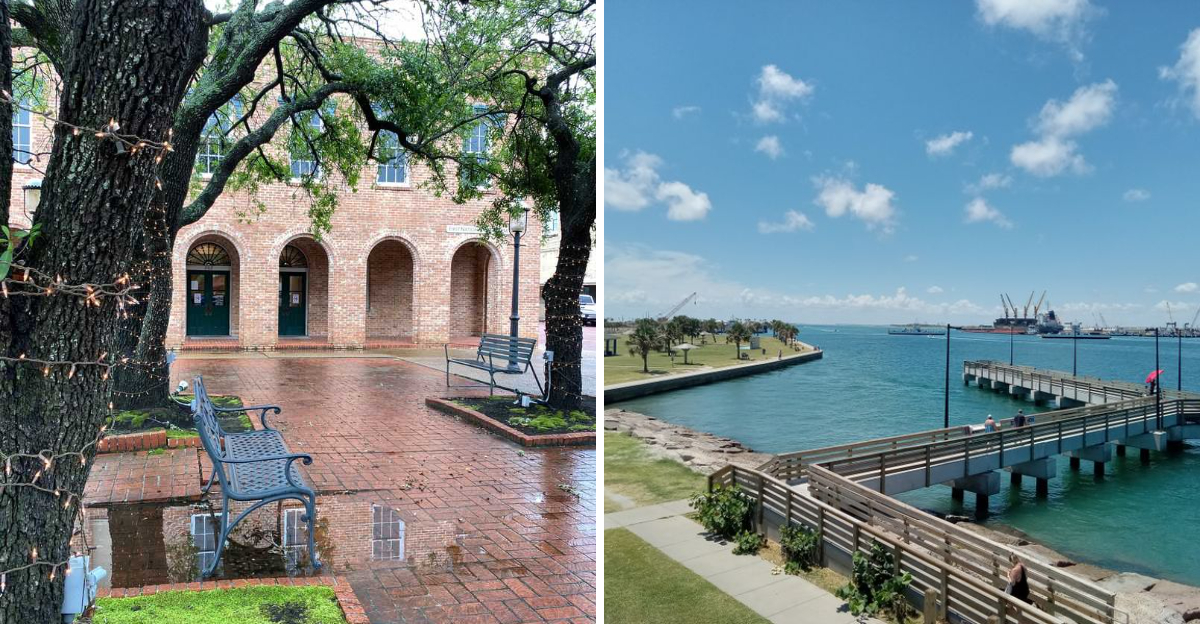
When most people picture Texas, they imagine cowboys, cattle ranches, and endless dusty plains stretching toward the horizon. But I’ve discovered that some of the most fascinating corners of this massive state tell completely different stories.
From German villages tucked into the Hill Country to art colonies rising from desert ghost towns, these places challenge everything you thought you knew about Texas.
These towns have always marched to their own beat, preserving unique cultures and histories that feel worlds away from the Lone Star stereotype.
Come along as we explore eleven remarkable Texas destinations that prove this state has always been far more diverse and surprising than anyone gives it credit for.
1. Marfa
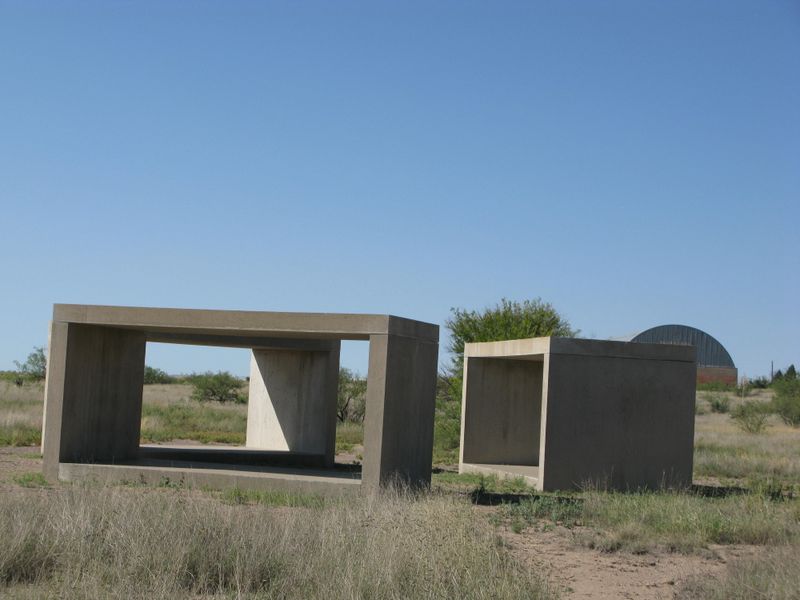
Driving into Marfa feels like entering another dimension where high art meets high desert in the most unexpected way. This tiny West Texas town sits in the middle of nowhere, surrounded by stark beauty and endless sky, yet it pulses with a creative energy you’d expect in Manhattan or Los Angeles.
Artist Donald Judd arrived in the 1970s and transformed abandoned military buildings into galleries showcasing massive minimalist installations that still draw visitors from around the globe.
The streets blend ranching heritage with cutting-edge galleries, bookstores, and installations that seem to grow naturally from the landscape. You’ll find contemporary art spaces next to old adobe buildings, creating a visual conversation between past and present.
The light here changes everything throughout the day, casting long shadows across the desert and illuminating the mountains in ways that photographers dream about.
Walking through town, I noticed how locals and artists coexist comfortably, sharing coffee shops and conversations without the pretension you might expect. The mysterious Marfa Lights have puzzled observers for generations, adding an element of natural wonder to the artistic atmosphere.
This place proves that culture can flourish anywhere, even hundreds of miles from the nearest city, when creative vision meets desert solitude.
2. Fredericksburg
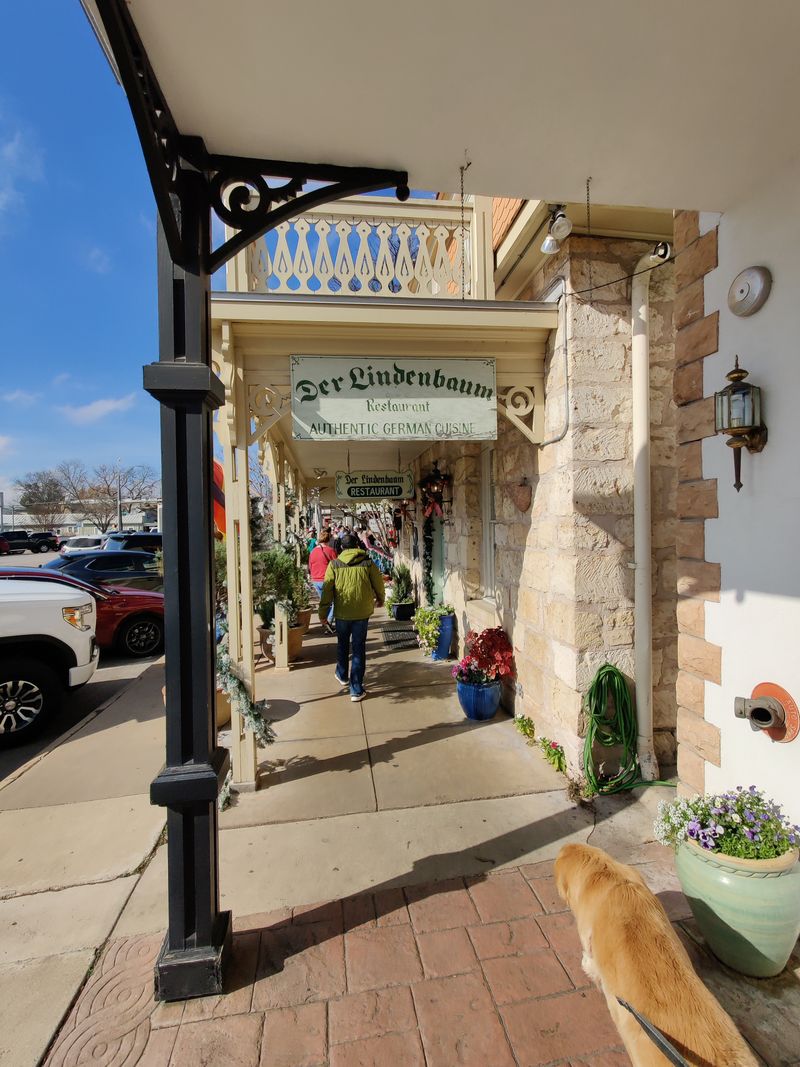
German immigrants planted their homeland’s culture deep in the Texas Hill Country back in 1846, and Fredericksburg has never let go of those roots.
Main Street stretches for blocks lined with limestone buildings that could easily belong in Bavaria, housing wineries, bakeries serving authentic strudel, and shops selling cuckoo clocks alongside cowboy boots.
The town feels like someone picked up a European village and gently set it down among the live oaks and wildflowers.
Spring brings fields of bluebonnets that contrast beautifully with the German architecture, creating photo opportunities that confuse everyone who thought Texas only looked one way. The local cuisine blends German traditions with Texas ingredients in ways that shouldn’t work but absolutely do.
You can feast on schnitzel for lunch and brisket for dinner without anyone batting an eye.
I wandered through the historic district noticing how carefully preserved everything remains, from the old Sunday Houses where rural families stayed during church weekends to the Vereins Kirche octagonal building that serves as a museum.
The surrounding vineyards produce wines that have put Texas on the map for completely different reasons than oil or cattle.
This town celebrates its heritage without turning it into a theme park, maintaining authenticity while welcoming visitors warmly.
3. Brownsville
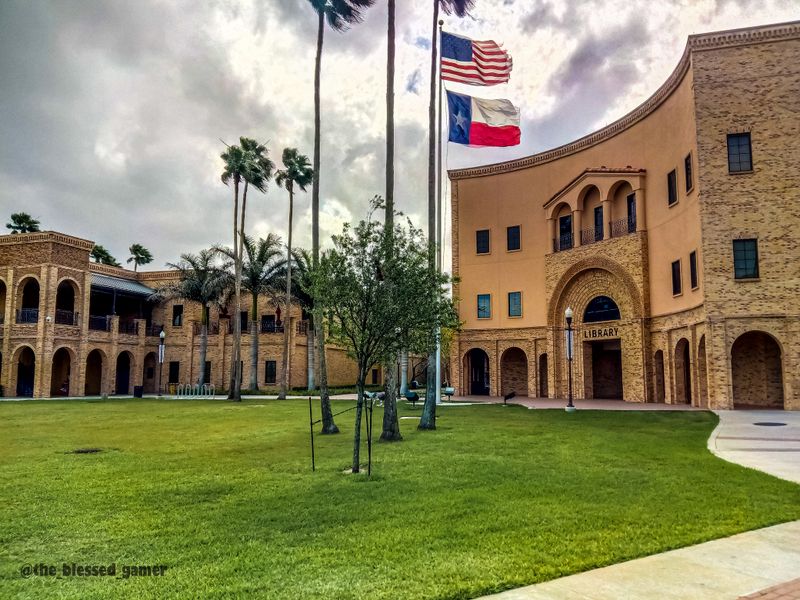
Everything changes when you reach Brownsville at the absolute southern tip of Texas where the Rio Grande meets the Gulf of Mexico. Palm trees sway in the tropical breeze, and the climate feels more Caribbean than Texan, with humidity and greenery replacing the expected desert landscape.
The population is predominantly Hispanic, and the cultural blend creates something entirely unique where American and Mexican traditions merge seamlessly into daily life.
The Charro Days festival explodes with color each February, celebrating the binational heritage through parades, costumes, and celebrations that spill across both sides of the border.
Walking through downtown, you hear Spanish as often as English, smell authentic Mexican cooking from family restaurants, and see architectural styles that reflect centuries of cross-cultural exchange.
The historic buildings tell stories of a complicated border history that goes far deeper than current headlines suggest.
Resaca de la Palma Battlefield preserves the site of an 1846 Mexican-American War battle, offering hiking trails through native habitat where birds migrate through in stunning numbers.
The nearby Sabal Palm Sanctuary protects one of the last native palm forests in Texas, a reminder that this region’s ecosystem differs dramatically from stereotypical Texas landscapes.
I found myself constantly surprised by how different Brownsville feels, proving that Texas contains multitudes within its massive borders.
4. Jefferson
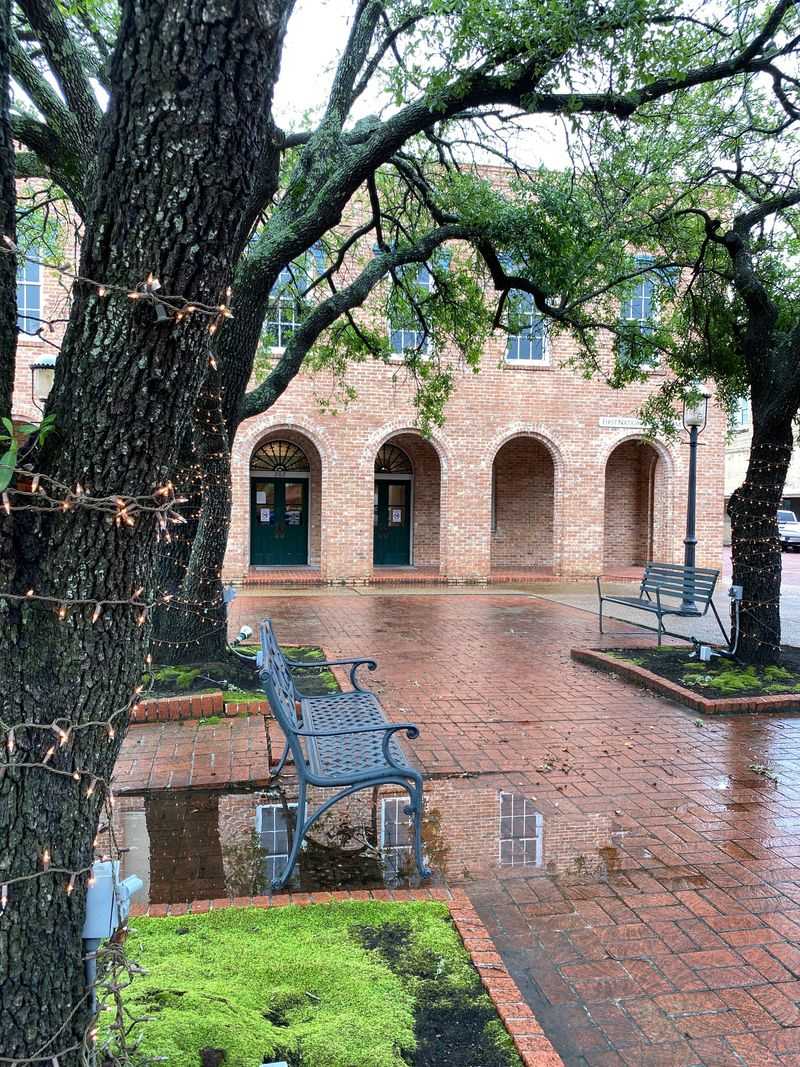
Spanish moss drapes from ancient cypress trees lining the streets of Jefferson, creating an atmosphere that belongs more to Louisiana than Texas. This East Texas town thrived as a riverboat port during the 1800s, and walking through the historic district feels like stepping back to that antebellum era.
Victorian mansions with elaborate gingerbread trim and wraparound porches line quiet streets where the pace of life slows to match the languid climate.
The town preserved its 19th-century character so thoroughly that over 70 structures appear on the National Register of Historic Places.
Antique shops fill old storefronts with treasures from riverboat days, while bed and breakfasts occupy former plantation homes where you can sleep surrounded by period furnishings.
Big Cypress Bayou winds through town just as it did when steamboats made Jefferson one of Texas’s most important ports before the railroad changed everything.
I spent an afternoon exploring the historical museum housed in an 1888 federal courthouse, learning how this town’s fortunes rose and fell with river commerce.
The architecture shows influences from the Deep South rather than the Wild West, with columns, balconies, and ornate details you’d expect in Savannah or New Orleans.
Jefferson proves that East Texas developed along completely different lines than the rest of the state, creating pockets of culture that challenge every cowboy assumption.
5. Terlingua
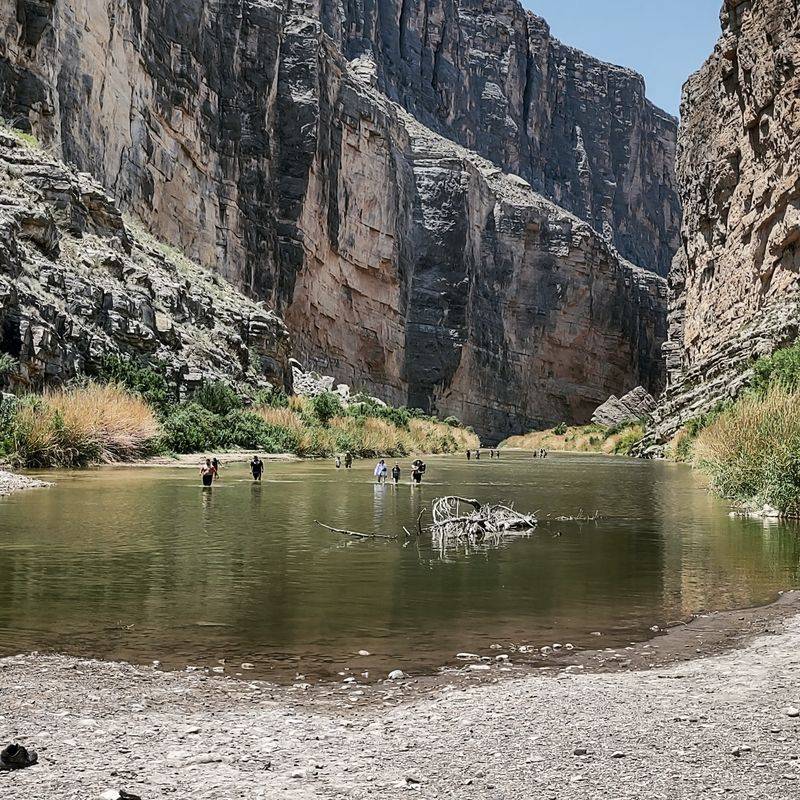
Terlingua rose from the desert as a mercury mining town, thrived briefly, died completely, then came back to life as something entirely different.
The ruins of the old mining operation still stand as a ghost town attracting photographers and history buffs, while a new community of artists, river guides, and free spirits has built a thriving village nearby.
This place embodies the spirit of reinvention, transforming industrial abandonment into creative opportunity.
The annual Terlingua International Chili Championship draws thousands of people to this remote corner near Big Bend National Park, turning the tiny population into a massive party every November.
Old stone buildings with empty windows overlook newer structures painted in desert colors, creating a visual timeline of the town’s multiple lives.
Artists have claimed abandoned spaces as studios and galleries, filling them with work inspired by the stark beauty of the Chihuahuan Desert.
I hiked through the ghost town section marveling at how nature slowly reclaims human structures, then grabbed dinner at a restaurant that shouldn’t exist this far from anywhere but somehow thrives on character and determination.
The night sky here rivals anywhere on Earth for star visibility, with the Milky Way stretching overhead in a river of light.
Terlingua shows how Texas towns can die, resurrect, and become something completely unexpected in the process.
6. Castroville
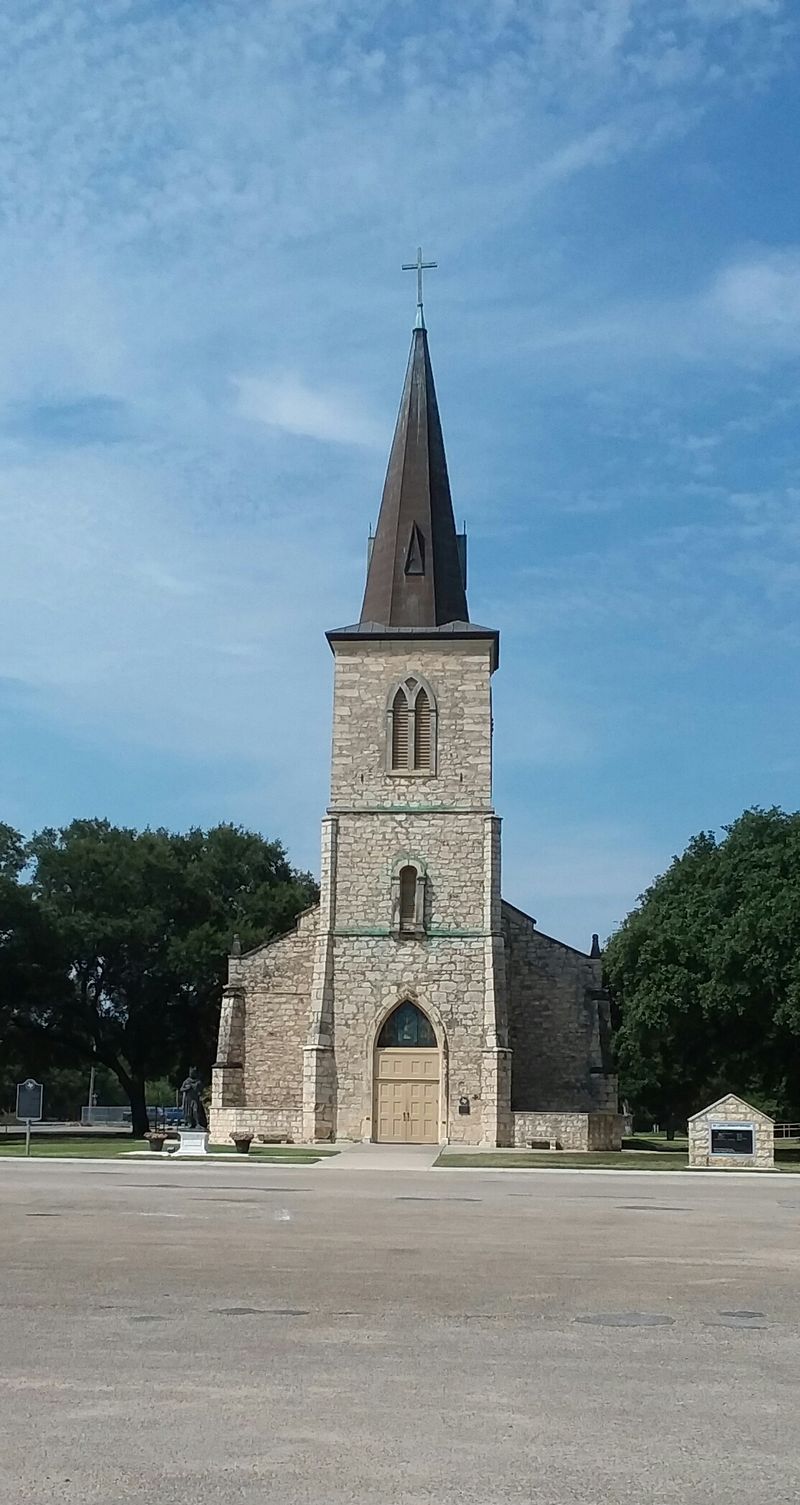
Henri Castro brought Alsatian colonists from France to Texas in 1844, and Castroville still proudly wears its European heritage like a favorite coat. The town sits along the Medina River just west of San Antonio, but the architecture and atmosphere transport you straight to the French-German border region of Alsace.
Stone cottages with steep roofs and carved wooden details line streets named after French provinces, creating a village that feels impossibly out of place yet completely at home.
St. Louis Catholic Church dominates the town center with Gothic Revival architecture that would fit perfectly in rural France. Local bakeries still produce authentic Alsatian pastries using recipes passed down through generations of families who never forgot their roots.
The Landmark Inn State Historic Site preserves an 1840s structure built by Castro’s colonists, offering a glimpse into how these European settlers adapted their building traditions to the Texas climate and materials.
Walking through the historic district, I noticed plaques on old homes identifying the original Alsatian families who built them nearly 180 years ago. Many descendants still live in Castroville, maintaining traditions and language fragments that create cultural continuity across centuries.
The annual Alsatian Festival celebrates this unique heritage with traditional music, dancing, and food that remind everyone how diverse Texas settlement truly was beyond the familiar Anglo and Hispanic narratives.
7. Luckenbach
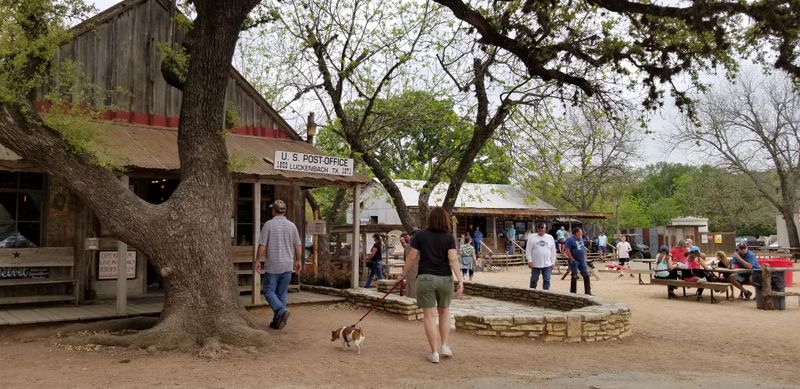
Luckenbach consists of little more than a general store, a dance hall, and a post office, yet this tiny unincorporated community has achieved legendary status in Texas culture.
Waylon Jennings immortalized the place in his 1977 song, and music lovers have made pilgrimages here ever since to experience the laid-back atmosphere and live performances under the oak trees.
The population officially hovers around three, but the spirit of the place draws crowds who appreciate simplicity and authenticity.
The old general store serves as the heart of everything, with a potbelly stove, wooden floors, and walls covered in signatures, photos, and memorabilia left by visitors over decades.
Musicians play on the porch and in the dance hall without fancy production or amplification, just guitars and voices sharing songs with whoever shows up.
I sat on a bench watching strangers become friends over music, cold drinks, and conversations that meander like the nearby creek.
What makes Luckenbach special isn’t what’s here but what’s not here. No chain stores, no traffic lights, no hustle or pressure to be anywhere but present in the moment.
The place represents an idealized version of small-town Texas where community matters more than commerce and everyone’s welcome to pull up a chair. It proves that sometimes the smallest places carry the biggest meanings in our collective imagination.
8. Port Aransas
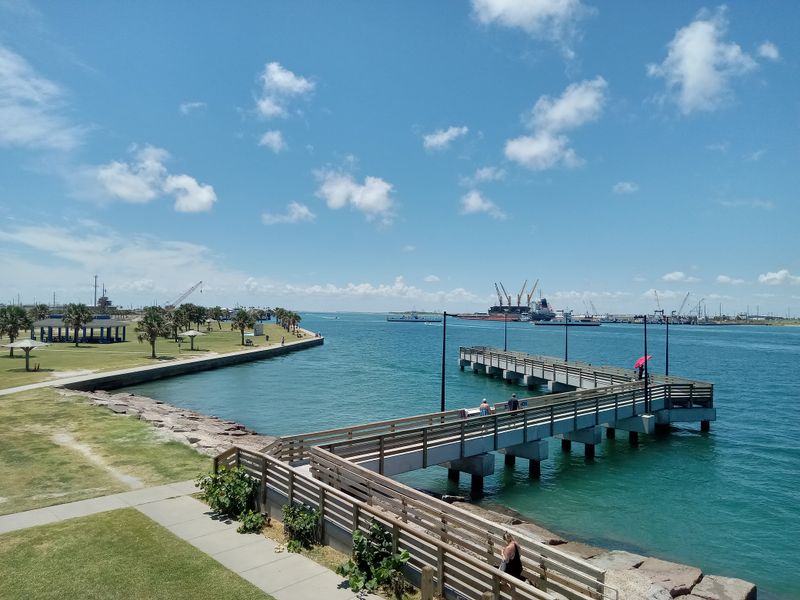
Port Aransas occupies a barrier island where the Gulf of Mexico meets Mustang Island, creating a beach town atmosphere that feels nothing like inland Texas stereotypes. Fishing boats outnumber pickup trucks, and the smell of salt air replaces the scent of sagebrush.
This laid-back coastal community has built its identity around the water, from commercial fishing to recreational beachgoing, creating a culture distinct from the rest of the state.
The town stretches along the island with beach houses on stilts, seafood restaurants serving fresh catches, and shops selling fishing gear alongside beach toys. Wooden piers extend into the surf where anglers cast for redfish, speckled trout, and whatever else swims past.
I watched pelicans dive for breakfast while dolphins surfed just beyond the breakers, reminding me that Texas coastline supports incredible marine life.
Hurricane Harvey devastated Port Aransas in 2017, but the community rebuilt with determination that reflects the resilient spirit of coastal residents everywhere. The University of Texas Marine Science Institute operates here, conducting research that helps protect Gulf ecosystems.
Ferries still carry visitors across the channel just as they have for generations, maintaining a connection to slower times when island life meant genuine isolation. This town shows how Texas adapted to coastal living, creating communities shaped more by tides and weather than cattle or oil.
9. Alpine
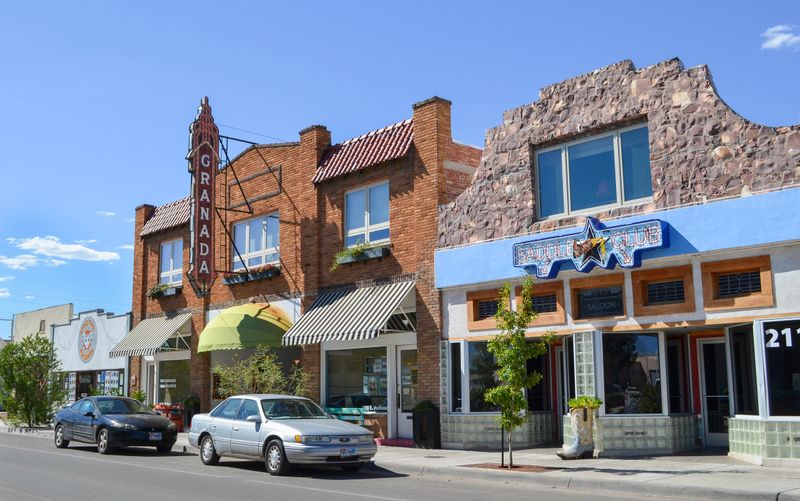
Alpine sits at 4,500 feet elevation in the Chihuahuan Desert, where cooler temperatures and mountain views create an environment that surprises anyone expecting flat, hot Texas.
Sul Ross State University brings an academic and cultural energy to this small West Texas town, filling galleries, theaters, and coffee shops with students and professors who chose this remote location for its unique character.
The combination of ranching heritage and college town vitality creates something unexpected in the middle of the desert.
Historic downtown buildings house art galleries showcasing work inspired by the dramatic landscapes surrounding the town.
The Museum of the Big Bend preserves regional history from prehistoric times through the present, offering context for how people have adapted to this challenging but beautiful environment.
Mountains rise in every direction, their colors shifting throughout the day from purple to gold depending on the angle of the sun.
I discovered that Alpine serves as a base camp for exploring Big Bend National Park and the surrounding region, but the town itself deserves more than just a quick stop. Local restaurants blend Tex-Mex traditions with ranch cooking and surprising sophistication brought by the university community.
The night sky here competes with anywhere in Texas for darkness and star visibility, with astronomy enthusiasts making regular trips to observe celestial wonders. Alpine demonstrates how education and isolation can combine to create vibrant small-town culture in unexpected places.
10. Gruene
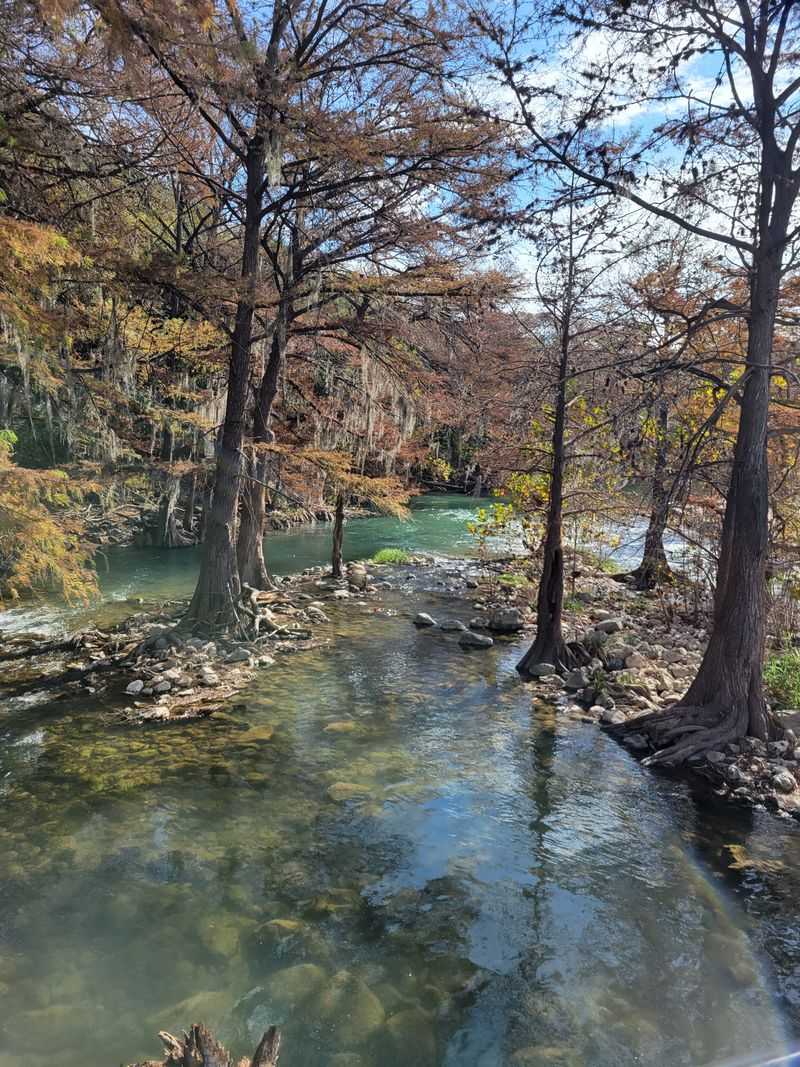
Gruene exists as a perfectly preserved slice of 1800s Texas, frozen in time when the cotton economy collapsed and the town simply stopped growing. The entire community appears on the National Register of Historic Places, with original buildings lining the banks of the Guadalupe River.
Gruene Hall, built in 1878, claims the title of Texas’s oldest continuously operating dance hall, and stepping inside feels like entering a time machine where wooden floors still bear the scuff marks of countless boots.
The town consists of just a few blocks, but every structure tells a story of German settlers who built a thriving community around cotton farming. When the boll weevil destroyed crops and the Great Depression finished off the economy, Gruene became a ghost town that nobody bothered to tear down.
Decades later, preservationists recognized the treasure hiding in plain sight and carefully restored buildings without destroying their authentic character.
I spent an afternoon browsing antique shops in old mercantile buildings, then grabbed lunch at a restaurant occupying the former general store.
Live music fills Gruene Hall most nights, continuing a tradition that stretches back nearly 150 years of people gathering to dance, drink, and celebrate community.
The Guadalupe River flows past town offering tubing and swimming that draws summer crowds seeking relief from Texas heat. Gruene proves that some Texas towns survived by accident rather than design, preserving history simply by being forgotten then rediscovered.
11. Rockport
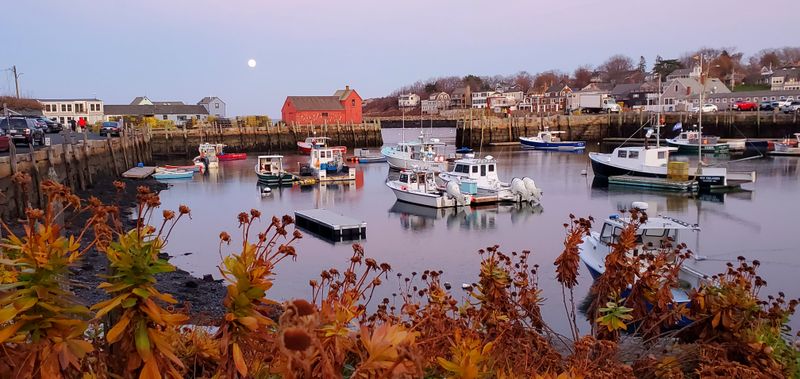
Rockport curves around Aransas Bay on the central Texas coast, where fishing traditions meet a thriving arts community in surprising harmony. Live oaks shaped by constant Gulf breezes create natural sculptures along the waterfront, while art galleries fill historic buildings downtown.
This coastal town developed a reputation as an artists’ colony decades ago, attracting painters, sculptors, and craftspeople who found inspiration in the light, water, and laid-back atmosphere.
The Rockport Center for the Arts anchors the cultural scene with exhibitions, classes, and events that draw participants from across the region. Working fishing boats still operate from the harbor, bringing in shrimp and other catches that supply local restaurants with the freshest possible seafood.
I watched a shrimper unload his boat while an artist set up an easel nearby to capture the scene, perfectly illustrating how this town balances different ways of life.
Whooping cranes winter at the nearby Aransas National Wildlife Refuge, making Rockport a destination for birdwatchers hoping to glimpse these endangered giants.
The town rebuilt after Hurricane Harvey with the same determination shown by other coastal communities, refusing to abandon a place they love despite nature’s occasional fury.
Gallery walks, seafood festivals, and fishing tournaments fill the calendar, offering something for residents and visitors with wildly different interests. Rockport shows how Texas coastal towns developed their own unique cultures, shaped more by the Gulf than by any landlocked stereotype.
Dear Reader: This page may contain affiliate links which may earn a commission if you click through and make a purchase. Our independent journalism is not influenced by any advertiser or commercial initiative unless it is clearly marked as sponsored content. As travel products change, please be sure to reconfirm all details and stay up to date with current events to ensure a safe and successful trip.
