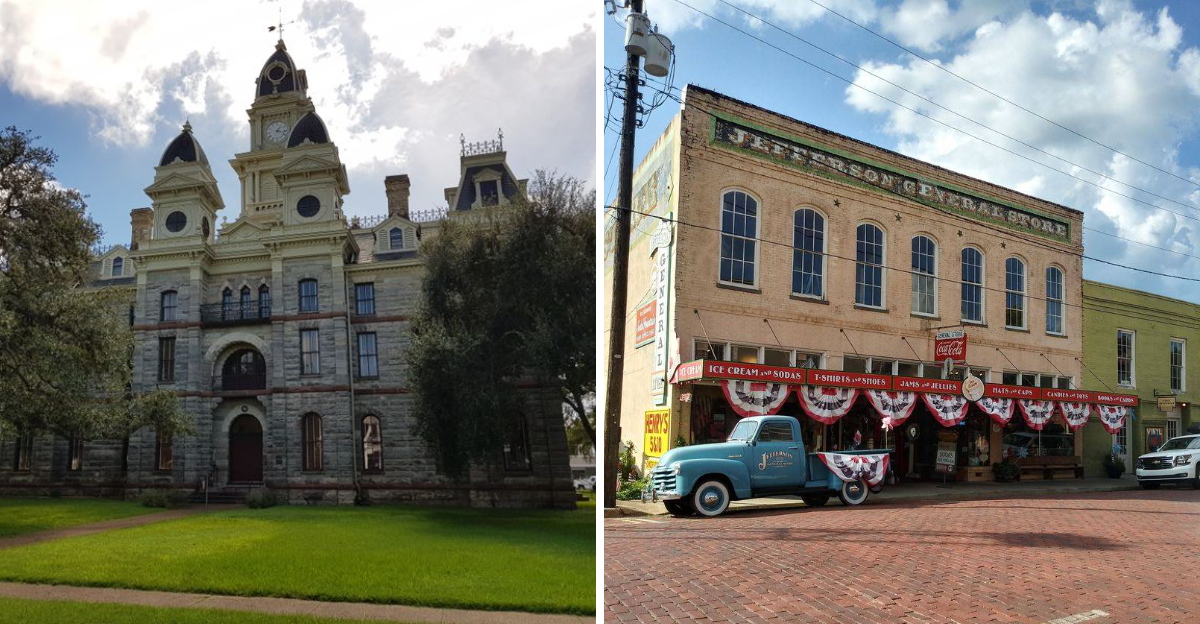
Texas has a way of holding onto its secrets, tucking away small towns that locals cherish and visitors stumble upon like hidden treasure. I’ve found that the best places in this state aren’t always the ones plastered across travel magazines or crowded with tour buses.
Instead, they’re quiet communities where the pace slows down, the sky stretches wider, and every street corner seems to whisper stories from another era.
These towns didn’t ask to become destinations, and in many ways, that’s exactly what makes them worth discovering.
They exist for themselves first, welcoming travelers who appreciate authenticity over attractions and character over crowds.
1. Terlingua
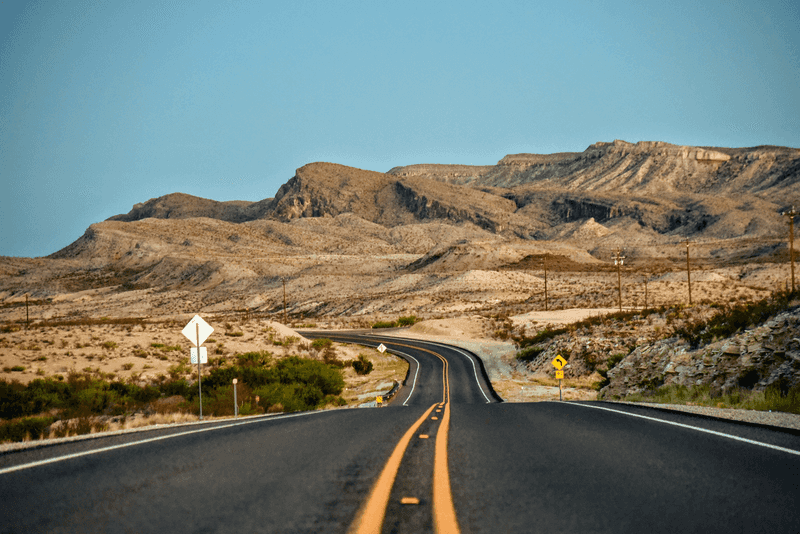
Out where the Chihuahuan Desert meets the Chisos Mountains, Terlingua rises from the dust like a monument to boom and bust cycles.
This former quicksilver mining town peaked in the early 1900s before the mines closed and residents scattered, leaving behind adobe ruins and stories embedded in crumbling walls.
Today, those ruins create a landscape that photographers and history enthusiasts find irresistible, especially during the golden hours when sunlight paints everything in warm amber tones.
The town has experienced a quiet resurrection as artists, adventurers, and Big Bend visitors have moved in, creating a community that respects the ghost town aesthetic while adding new life.
You’ll find quirky galleries tucked into old structures and outdoor spaces that serve as gathering spots for people who appreciate solitude and wide horizons.
The annual chili cook-off draws crowds, but most of the year, Terlingua maintains its peaceful, end-of-the-road character.
Being here reminds you how temporary human settlements can be in landscapes this vast and unforgiving. Yet there’s beauty in that impermanence, in buildings slowly returning to earth and communities that choose difficult places because they value what those places offer in return.
2. Marfa
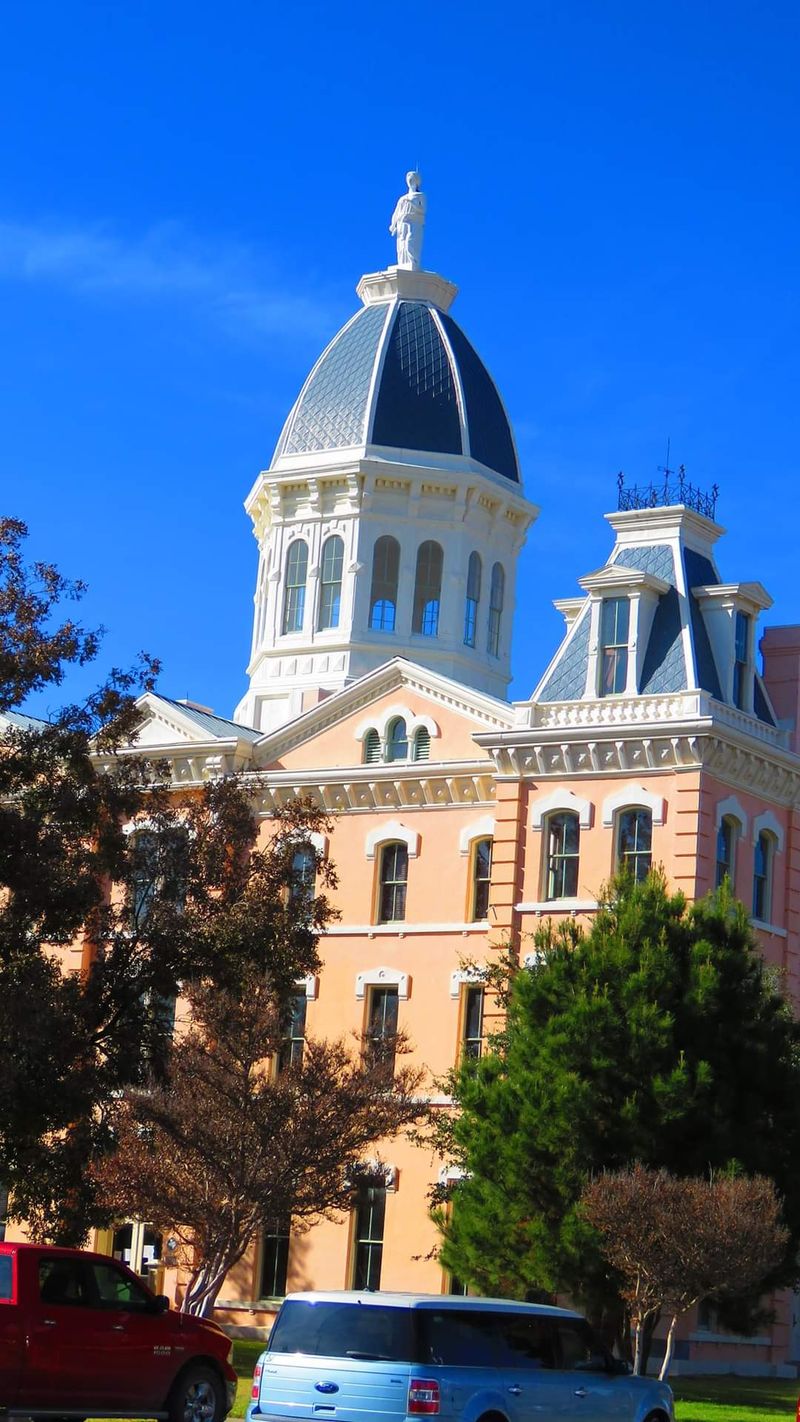
Marfa operates on its own wavelength, a frequency that attracts artists, writers, and travelers seeking something beyond typical tourist experiences.
This high desert town gained fame through mysterious lights that appear in the distance and the minimalist art installations of Donald Judd, who transformed military buildings into exhibition spaces.
The juxtaposition of cutting-edge contemporary art against vast, empty landscapes creates an atmosphere unlike anywhere else in Texas.
Galleries and studios occupy former storefronts along the main street, while food trucks and small cafes serve visitors who’ve driven hours across empty highways to reach this cultural oasis.
The town maintains a careful balance between welcoming outsiders and preserving the quiet that originally drew creative types here.
You can spend hours wandering installations or simply sitting on a porch watching light shift across distant mountains.
What makes Marfa special isn’t just the art or the mysterious lights, but how the town demonstrates that culture can thrive anywhere if people commit to creating it.
The desert setting strips away distractions, leaving space for contemplation and creativity that feels increasingly precious in our crowded, noisy world.
3. Wimberley
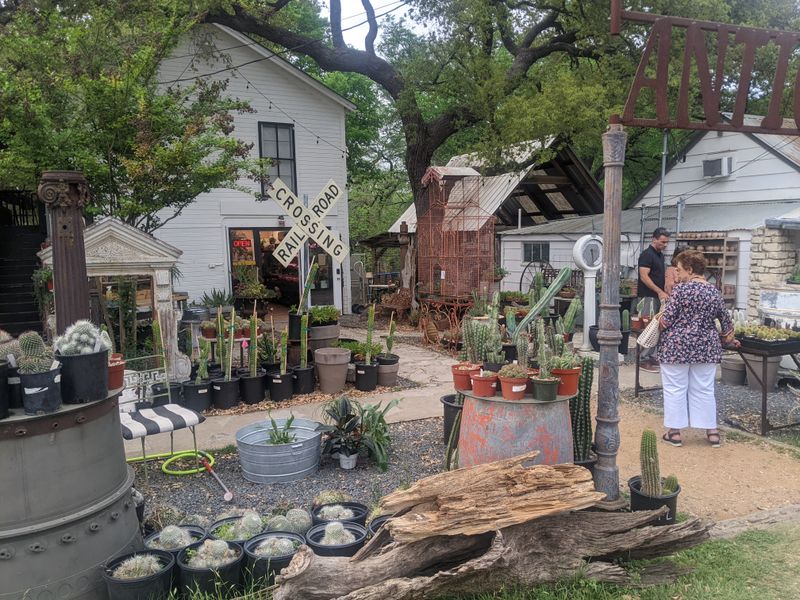
Cypress trees lean over clear creeks in Wimberley, creating pockets of shade where swimmers escape the Texas heat in natural pools that have drawn people here for generations.
This Hill Country community built itself around these water features, particularly Jacob’s Well and Blue Hole, where spring-fed waters stay cool even during the hottest summer months.
The town square radiates outward from there, filled with galleries showcasing local artists and shops selling handmade goods that reflect genuine craftsmanship rather than mass-produced souvenirs.
Artists moved here decades ago, attracted by affordable space and natural beauty, gradually transforming Wimberley into a creative hub without losing its small-town character. You’ll find pottery studios, painters’ workshops, and jewelers crafting pieces inspired by the surrounding landscape.
The monthly market days draw crowds, but even then, the town maintains a relaxed pace that encourages lingering rather than rushing from one attraction to another.
Visiting Wimberley reminds me why people fall in love with the Hill Country in the first place. The combination of natural beauty, creative energy, and genuine community creates something that can’t be replicated or manufactured, only discovered and appreciated by those willing to slow down long enough to notice.
4. Jefferson
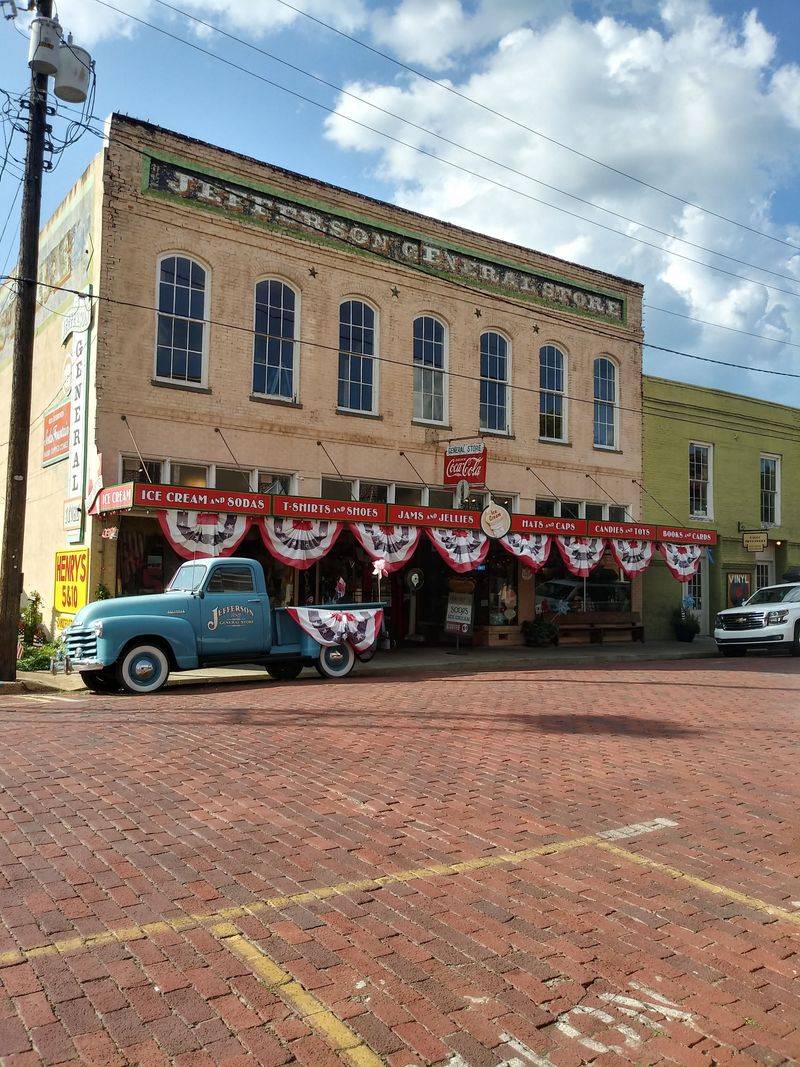
Brick buildings line the streets of Jefferson, their facades barely changed since the 1800s when this East Texas town thrived as a bustling river port.
Before railroads shifted commerce elsewhere, steamboats carried goods up and down Big Cypress Bayou, making Jefferson one of the state’s most prosperous communities.
That prosperity built the Victorian homes and commercial structures that now make the town feel like a living history museum, except people actually live and work in these buildings rather than just preserving them.
Antique shops occupy former mercantiles, their shelves stacked with items that carry stories from multiple generations.
Walking these streets, you pass houses with historical markers explaining which prominent citizens lived there, what businesses operated from which buildings, and how the town adapted when its economic fortunes shifted.
The architecture alone makes Jefferson worth visiting, but the town’s ability to maintain its character without becoming overly touristy sets it apart.
I appreciate how Jefferson embraces its history without getting stuck in the past. The town functions as a real community rather than a theme park, with locals going about their daily lives amid surroundings that happen to be historically significant and remarkably well-preserved.
5. Alpine
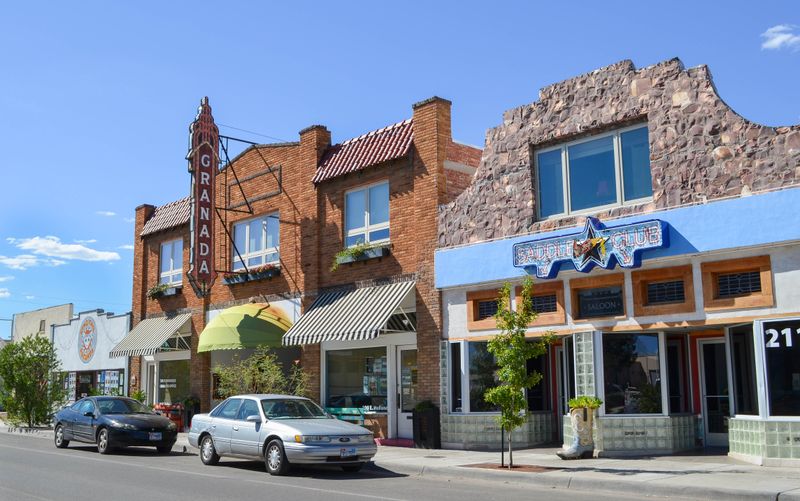
Mountains rise around Alpine in ways that surprise people who think Texas is all flat prairie and coastal plains. This town sits at over 4,000 feet elevation, where cooler temperatures and dramatic landscapes create an environment distinct from most of the state.
Sul Ross State University brings a college town energy to what might otherwise be just another remote West Texas community, adding cultural events and a younger demographic to the mix of ranchers and artists who call this area home.
The downtown area reflects Alpine’s role as a hub for the surrounding region, with outfitters selling gear for Big Bend adventures and restaurants serving everyone from students to travelers passing through on cross-country road trips.
Museums and galleries showcase both the area’s ranching heritage and its growing reputation as an arts destination.
The town manages to feel both isolated and connected, remote enough to offer escape but substantial enough to provide amenities travelers need.
What strikes me about Alpine is how it serves multiple purposes without losing coherence. It’s a college town, a ranching community, an arts center, and a gateway to wilderness, all somehow coexisting in a way that feels organic rather than forced or contradictory.
6. Comfort
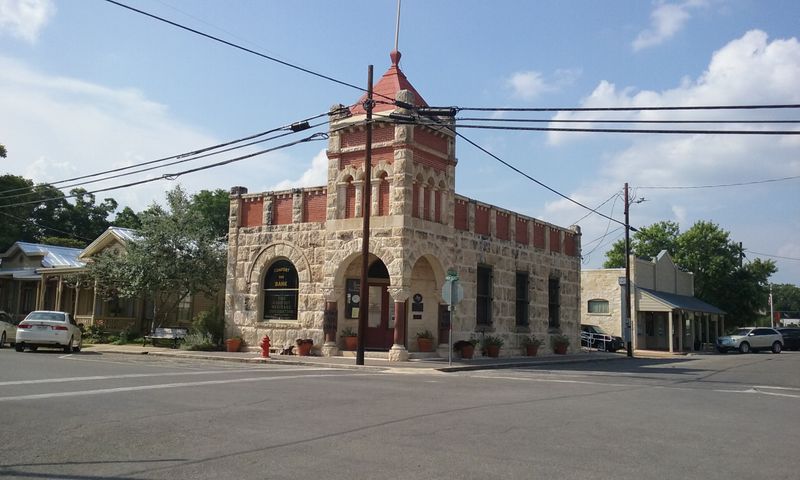
German immigrants founded Comfort in the 1850s, building with limestone blocks they quarried from surrounding hills and creating architecture that still defines the town’s appearance today.
These settlers brought traditions that shaped everything from building styles to social customs, and their influence remains visible in structures that have stood for over a century.
The main street preserves this heritage beautifully, with antique stores and cafes occupying buildings that German craftsmen constructed with skill that ensured their longevity.
The town’s name reflects the founders’ desire to create a comfortable place to live, and that intention seems to have succeeded given how many people find peace here.
Visitors browse antique shops filled with furniture and household items from earlier eras, often discovering pieces with history that connects directly to the families who first settled this area.
The pace feels deliberately slow, as if the town collectively decided that rushing contradicts the whole point of being here.
Comfort demonstrates how immigrant communities shaped Texas in ways that persist long after the original settlers passed on.
The physical structures they built continue sheltering new generations, and the values they prioritized still influence how the town operates and what it offers to both residents and visitors.
7. Rockport
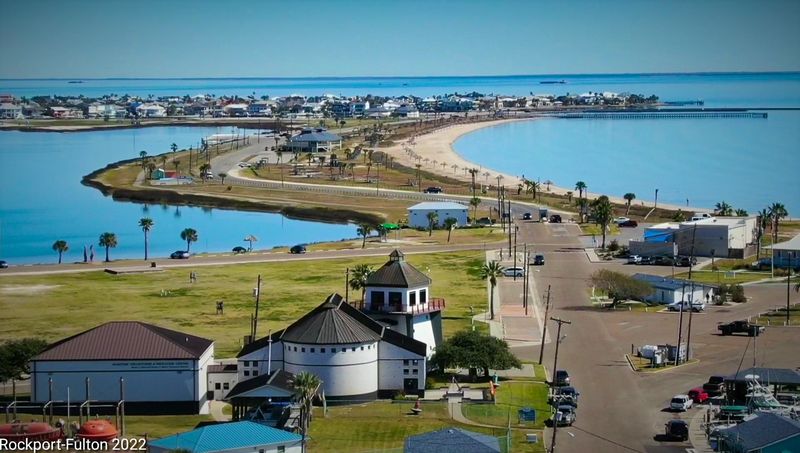
Live oak trees grow sideways in Rockport, their branches permanently bent by constant Gulf winds into shapes that sculptors couldn’t improve upon. These trees frame views of the harbor where shrimp boats tie up between trips and pelicans perch on pilings waiting for fishermen to clean their catches.
The town has cultivated a reputation as an arts community, with galleries displaying works inspired by coastal landscapes and the unique light that comes from being surrounded by water on three sides.
Whooping cranes winter in nearby refuges, drawing bird watchers from around the world who hope to glimpse these rare and magnificent birds.
The town embraces its role as a gateway to these natural wonders while maintaining its own distinct character as a place where artists and anglers coexist comfortably.
Walking paths wind along the waterfront, offering views that change with tides and weather, never quite the same twice.
What makes Rockport special is how it balances natural beauty with artistic culture and fishing heritage. The combination creates a coastal community that offers substance beyond beaches, appealing to visitors who want more than just sun and sand from their Gulf Coast experience.
8. Bandera
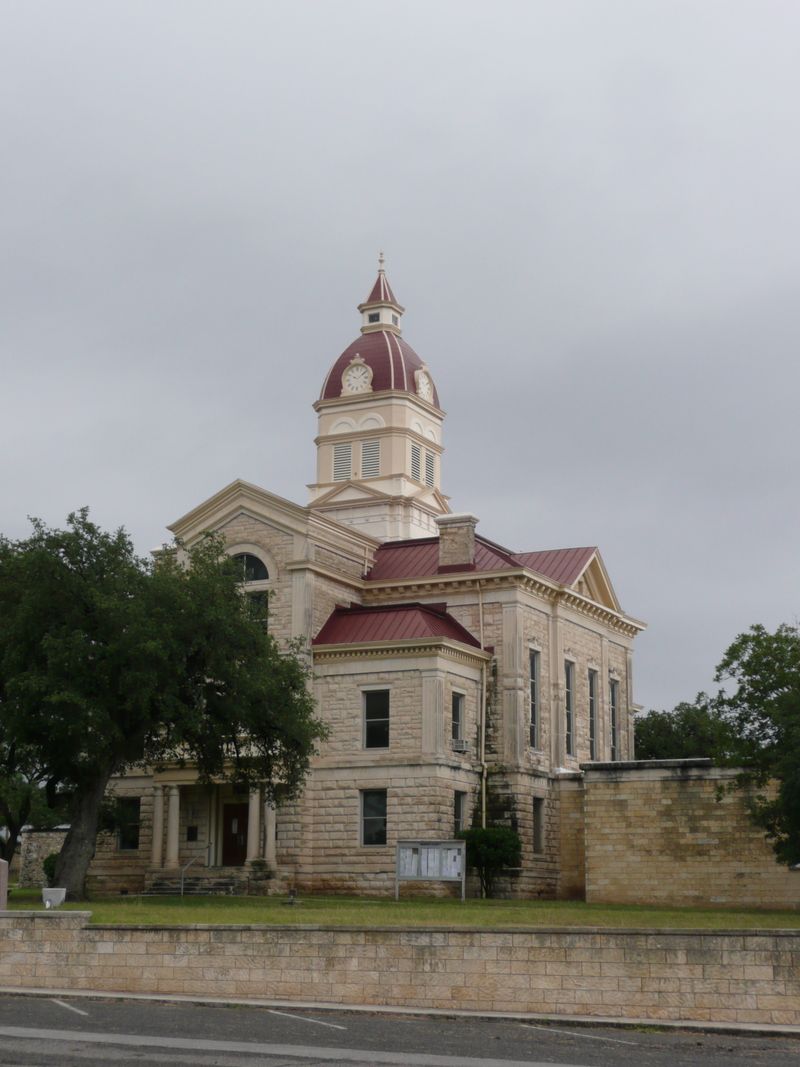
Bandera claims the title of Cowboy Capital of the World, and walking its streets, you understand why locals take that designation seriously. Working ranches surround the town, some now operating as dude ranches where visitors experience ranch life firsthand through horseback riding and cattle work.
The rodeo grounds host competitions that draw real cowboys competing for prize money rather than performing for tourists, though visitors certainly enjoy watching skilled riders and ropers demonstrate their abilities.
Main Street preserves a Western aesthetic without feeling like a movie set, with businesses catering to both working ranchers and visitors seeking authentic cowboy culture. Saddle shops sell gear that gets used on actual ranches, and restaurants serve meals substantial enough to fuel a day’s work outdoors.
The Medina River runs through town, providing swimming holes where families cool off during hot summer months.
Bandera offers a glimpse into ranching culture that remains vital in this part of Texas rather than existing only as historical recreation. The town respects its heritage while welcoming visitors who want to understand what cowboy life actually involves beyond Hollywood’s romanticized versions.
9. Fredericksburg
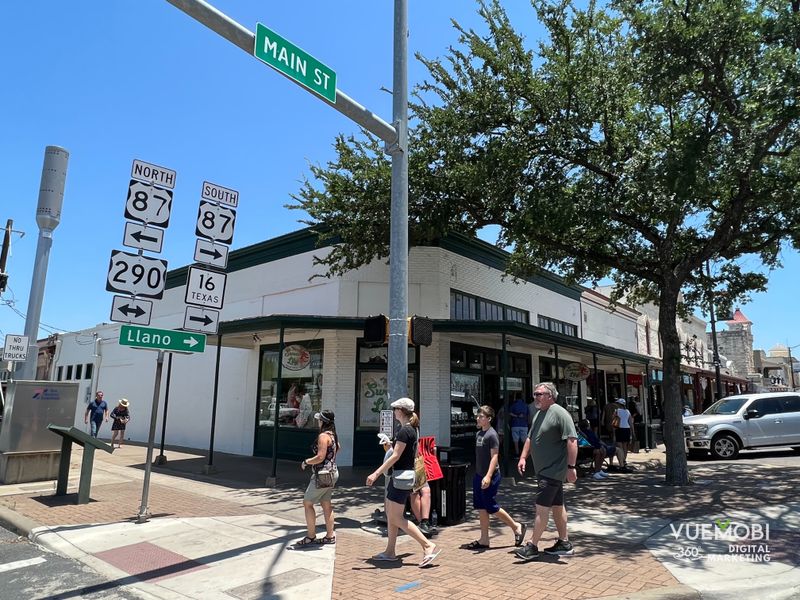
German heritage permeates Fredericksburg, evident in everything from limestone buildings to bakeries selling traditional pastries to the pronunciation of street names.
Settlers from Germany established this Hill Country community in the 1840s, bringing architectural styles and cultural traditions that still define the town’s character today.
Main Street stretches for blocks, lined with shops, restaurants, and galleries that draw visitors from across Texas and beyond, making this one of the state’s most popular small town destinations.
Peach orchards surround the town, their spring blossoms creating spectacular displays before summer fruit harvests fill market stands with fresh produce. Wineries and tasting rooms dot the countryside, taking advantage of growing conditions that suit certain grape varieties surprisingly well.
The town has grown significantly while working to maintain its historic core, a balancing act that doesn’t always succeed but shows genuine effort to preserve what makes Fredericksburg distinctive.
While Fredericksburg no longer qualifies as undiscovered, it earns inclusion here because it demonstrates what happens when a town becomes popular while trying to retain its character.
The challenge facing this community mirrors what many small Texas towns will confront if they attract too many visitors too quickly.
10. Goliad
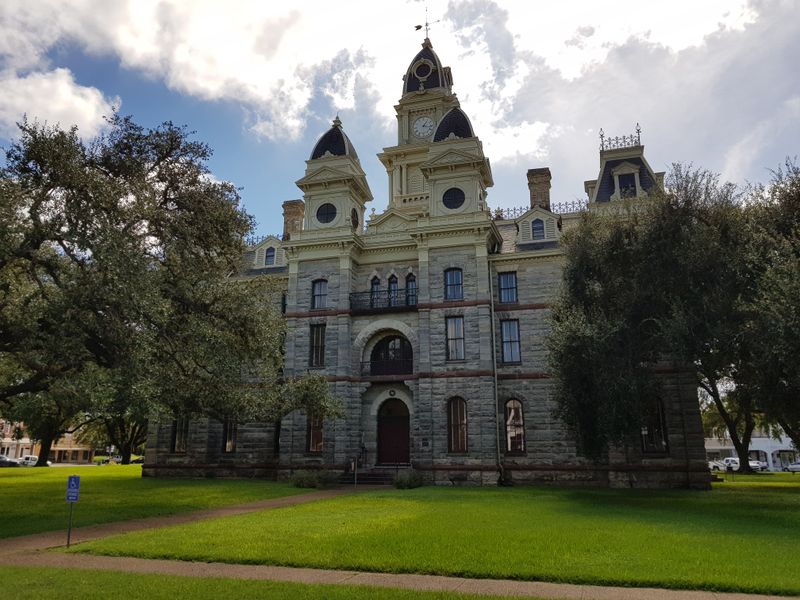
Spanish colonial history runs deep in Goliad, where mission and presidio complexes tell stories of Texas before it became part of the United States.
The mission church still holds services, its stone walls and simple interior maintained much as they appeared centuries ago when Franciscan missionaries established this outpost.
Nearby, the presidio fort shows how Spanish authorities attempted to control this frontier region, with reconstructed walls and buildings helping visitors visualize life in a colonial military garrison.
The town played a significant role in Texas Revolution events, with historical markers explaining what happened here and why it mattered to the larger struggle for independence.
Downtown preserves buildings from multiple eras, creating layers of history visible in architectural styles and construction materials.
Oak trees shade the courthouse square, providing gathering spaces where locals and visitors alike escape the South Texas heat.
Goliad offers history enthusiasts a chance to explore Spanish colonial heritage often overshadowed by later Anglo settlement stories.
The preservation of mission and presidio complexes provides tangible connections to earlier chapters of Texas history, reminding visitors that this land’s story began long before the events most history books emphasize.
Dear Reader: This page may contain affiliate links which may earn a commission if you click through and make a purchase. Our independent journalism is not influenced by any advertiser or commercial initiative unless it is clearly marked as sponsored content. As travel products change, please be sure to reconfirm all details and stay up to date with current events to ensure a safe and successful trip.
