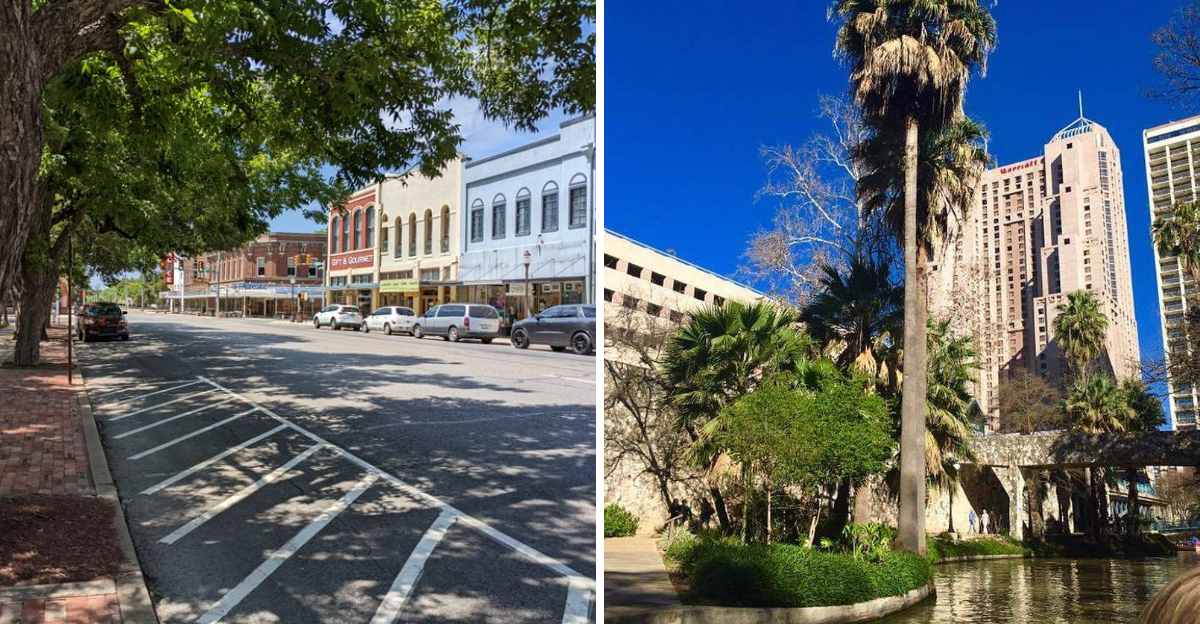
Texas has long been a magnet for people seeking wide-open spaces, friendly communities, and a lower cost of living than many other parts of the country. But in recent years, something unexpected has been happening in small towns and mid-sized cities across the Lone Star State.
Investors, both large and small, have been quietly purchasing homes and properties at a rapid pace, changing the landscape of these once-affordable communities and leaving many locals concerned about their future.
1. Dripping Springs
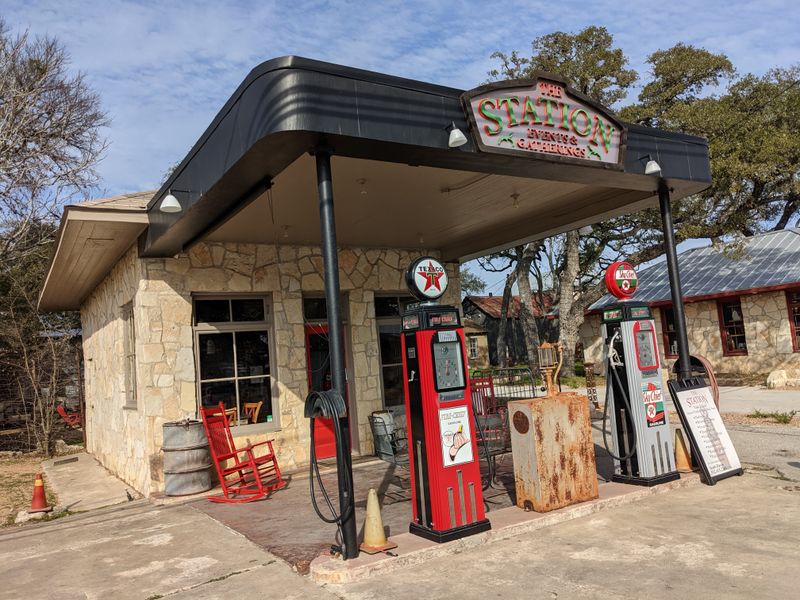
Just a short drive west of Austin, this rapidly growing community has earned the nickname “Gateway to the Hill Country.” Dripping Springs offers a perfect blend of rural charm and modern convenience, making it highly desirable for both families and investors.
The town has experienced explosive growth over the past decade, with new developments sprouting up across the landscape.
Rolling hills, oak-covered terrain, and a reputation for excellent schools have made it a prime target for real estate speculation.
Investment activity here has been particularly intense in recent years. Large-scale developers and individual investors alike have been purchasing land and existing homes, often outbidding local buyers who grew up in the area.
The result has been a dramatic increase in property values that has priced many long-time residents out of their own community. What was once an affordable escape from city life has become nearly as expensive as living in Austin itself.
The transformation has brought both benefits and challenges. New restaurants, shops, and amenities have improved the quality of life for some residents, while others lament the loss of the small-town atmosphere they cherished.
Traffic has increased significantly, and the pace of development sometimes feels overwhelming to those who remember when Dripping Springs was little more than a crossroads with a few local businesses. The town’s identity is caught between its rural past and an increasingly suburban future.
Local officials face difficult decisions about managing growth while preserving what makes Dripping Springs special. Zoning regulations, building permits, and infrastructure improvements are constant topics of debate.
For many residents, the question remains whether the town can maintain its character while accommodating the wave of investment and development that shows no signs of slowing down.
2. Taylor

Located northeast of Austin, this historic railroad town has experienced a remarkable transformation in recent years. Once known primarily for its barbecue and small-town charm, Taylor has found itself in the path of Austin’s explosive growth.
The arrival of major employers in the region, including significant manufacturing facilities, has put Taylor on the map for investors looking for the next affordable community within commuting distance of the capital city.
Property values have responded accordingly, rising faster than many long-time residents ever imagined possible.
Investment interest in Taylor has come from multiple directions. Some investors focus on single-family homes, anticipating continued demand from workers relocating to the area.
Others have purchased larger parcels of land, betting on future development as the Austin metro area continues its northeastward expansion.
Local residents who grew up in Taylor often find themselves unable to compete with cash offers from investors, leading to concerns about displacement and the loss of the community’s character and affordability.
The town’s historic downtown district, with its collection of early 20th-century buildings, represents both an opportunity and a challenge.
While some investors see potential in renovating these structures for new uses, others worry about gentrification and the loss of the authentic small-town atmosphere that has defined Taylor for generations.
The balance between preservation and progress weighs heavily on community discussions about the town’s future direction and identity.
As Taylor navigates this period of rapid change, residents and officials grapple with questions about infrastructure, schools, and public services. Can the town maintain its welcoming, tight-knit community feel while absorbing new residents and investment?
The answer will shape not just Taylor’s future, but also serve as a case study for other small Texas towns facing similar pressures from nearby metropolitan growth and investor interest.
3. Wimberley
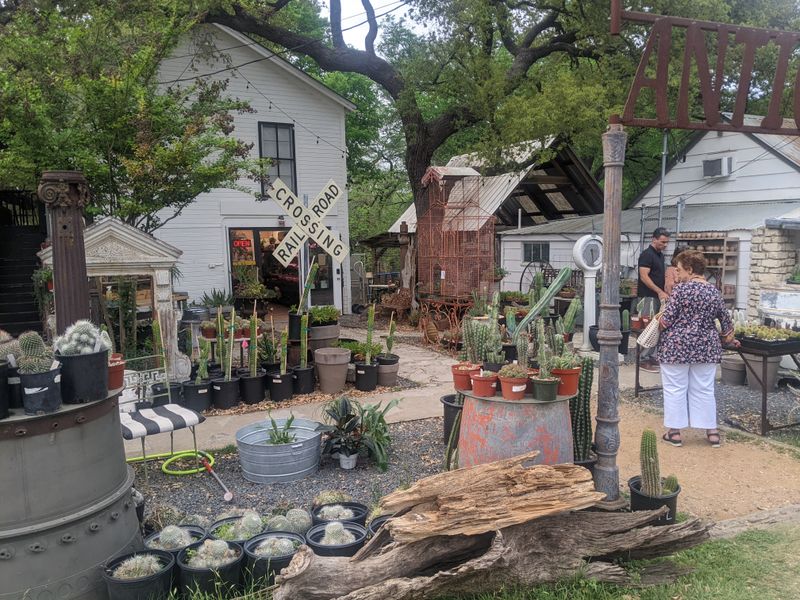
Tucked between Austin and San Antonio, this artistic community has long been a haven for creatives, retirees, and nature lovers. Wimberley’s cypress-lined creeks, swimming holes, and laid-back atmosphere have made it a beloved destination for generations of Texans.
The town’s reputation as a peaceful retreat has also caught the attention of investors seeking properties in high-demand areas. Market Square, with its collection of local shops and galleries, represents the heart of what makes this place special to so many people.
Real estate pressure has been building steadily as more investors recognize Wimberley’s potential. Properties that once sold to families looking for a quiet place to raise children are now frequently purchased by investors planning to turn them into short-term rentals.
The town’s popularity on vacation rental platforms has accelerated this trend, with some neighborhoods seeing a significant portion of homes converted to tourist accommodations.
Long-time residents express frustration at watching their community transform into a weekend destination rather than a year-round home.
The natural beauty that draws people to Wimberley also makes it vulnerable to overdevelopment. Concerns about water resources, traffic congestion, and environmental impact have become increasingly urgent as growth continues.
Local organizations work to preserve the character and natural resources that define the area, but the economic pressures are substantial. Balancing conservation with property rights and economic development remains an ongoing challenge for the community.
Despite these pressures, Wimberley maintains much of its charm and continues to attract artists, musicians, and those seeking a slower pace of life.
The question facing the town is whether it can preserve its unique identity while dealing with the realities of being discovered by investors and developers.
Community meetings often feature passionate debates about the future direction of this special place.
4. San Antonio
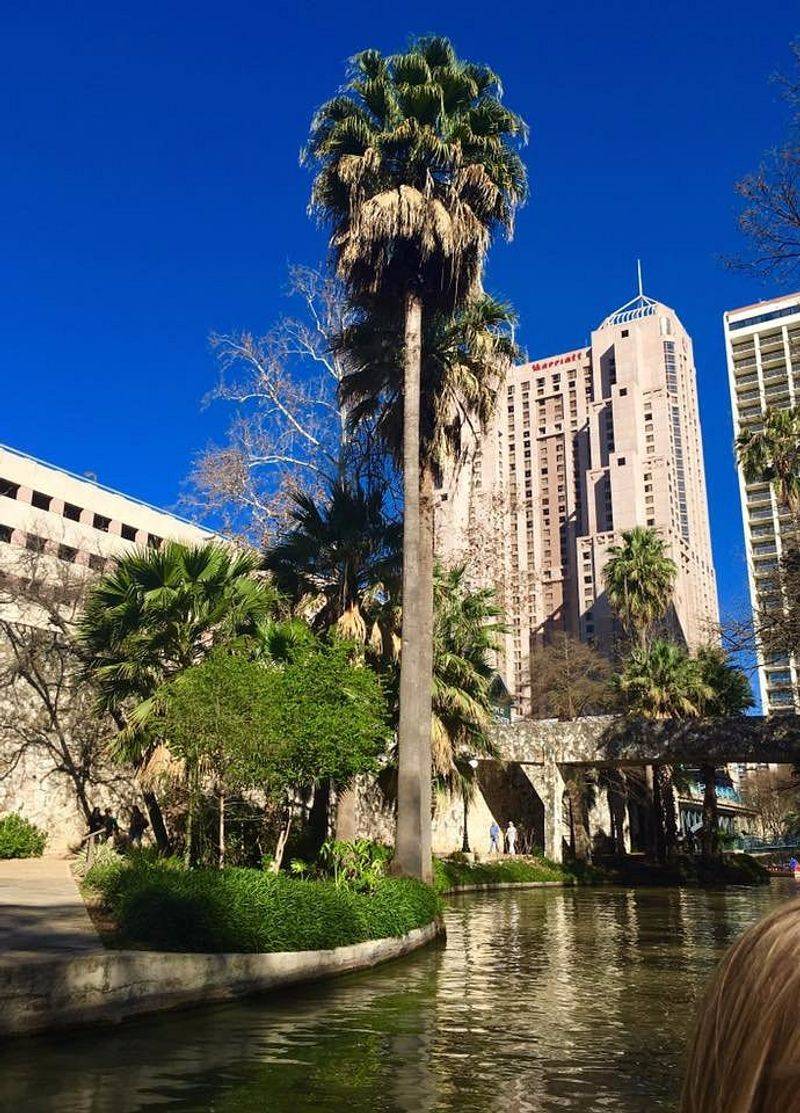
The Alamo City has become ground zero for institutional investor activity in Texas. In 2021, investors purchased an astonishing 46% of homes sold in Bexar County, the highest rate in the entire United States.
While that percentage has decreased somewhat, San Antonio remains a prime target for large-scale investors attracted by the city’s growing population, strong job market, and relatively affordable housing compared to other major metropolitan areas.
The trend has raised alarm bells among local officials and residents concerned about housing affordability.
Unlike smaller towns where investment activity might be concentrated in tourist areas, San Antonio has seen investor purchases spread across diverse neighborhoods. From historic districts near downtown to suburban developments on the city’s expanding edges, few areas have been untouched by this wave of investment.
Large institutional buyers often purchase homes sight-unseen, paying cash and closing quickly, making it nearly impossible for individual buyers to compete. First-time homebuyers and families with modest incomes have been hit particularly hard by this phenomenon.
The impact extends beyond just home prices. When investors convert single-family homes into rental properties, neighborhoods can lose the stability that comes from owner-occupied housing.
Long-term residents worry about the changing character of their communities as familiar faces are replaced by a rotating cast of tenants. Schools, local businesses, and community organizations all feel the effects when neighborhoods shift from ownership to rental-dominated areas.
City leaders have begun exploring policy options to address investor activity, though finding effective solutions without infringing on property rights remains challenging. Some advocate for incentives that favor owner-occupants, while others push for regulations on short-term rentals and bulk property purchases.
As San Antonio continues to grow and attract new residents and businesses, the tension between market forces and community needs will likely remain a central issue for years to come.
5. Fredericksburg
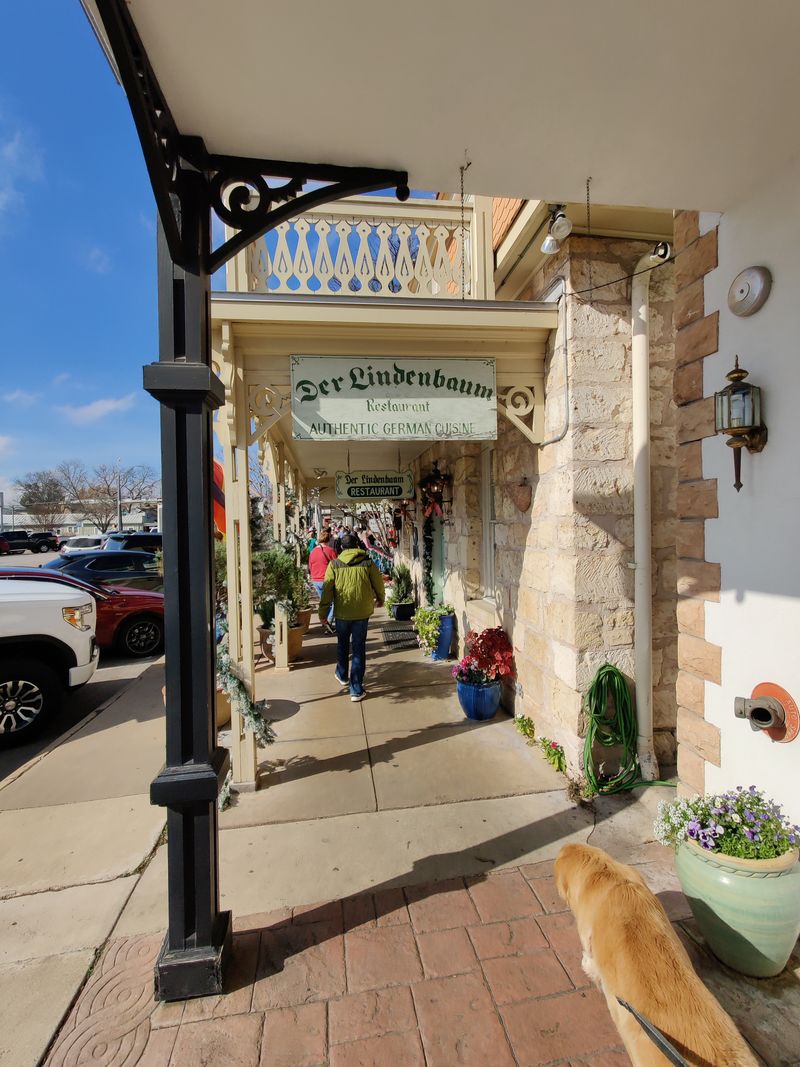
Nestled in the heart of the Texas Hill Country, this charming town has become a hotspot for weekend getaways and second-home buyers. Known for its German heritage, historic Main Street, and scenic countryside, Fredericksburg has seen property values climb steadily as investors recognize its appeal.
The town’s unique blend of culture, natural beauty, and proximity to major cities like Austin and San Antonio makes it an attractive target for those looking to capitalize on the growing tourism industry.
Local residents have noticed a shift in the housing market over the past few years. What were once family homes passed down through generations are now being snapped up by investors who convert them into vacation rentals or hold them as investment properties.
This trend has made it increasingly difficult for young families and long-time residents to afford homes in the area. The influx of outside money has driven up prices, pushing some locals out of the market entirely.
The transformation has also changed the character of the town. While tourism brings economic benefits, many residents worry about losing the close-knit community feel that has defined Fredericksburg for decades.
Neighborhoods that once buzzed with year-round activity now see more short-term visitors than permanent neighbors. Despite these concerns, the town continues to attract investors who see potential in its thriving Main Street businesses, popular festivals, and rolling vineyards.
As Fredericksburg grapples with these changes, local leaders are working to balance growth with preservation. The challenge lies in maintaining the town’s unique identity while accommodating the economic forces reshaping its landscape.
For now, the debate continues about how to protect affordability and community character in the face of mounting investor interest.
6. Little Elm
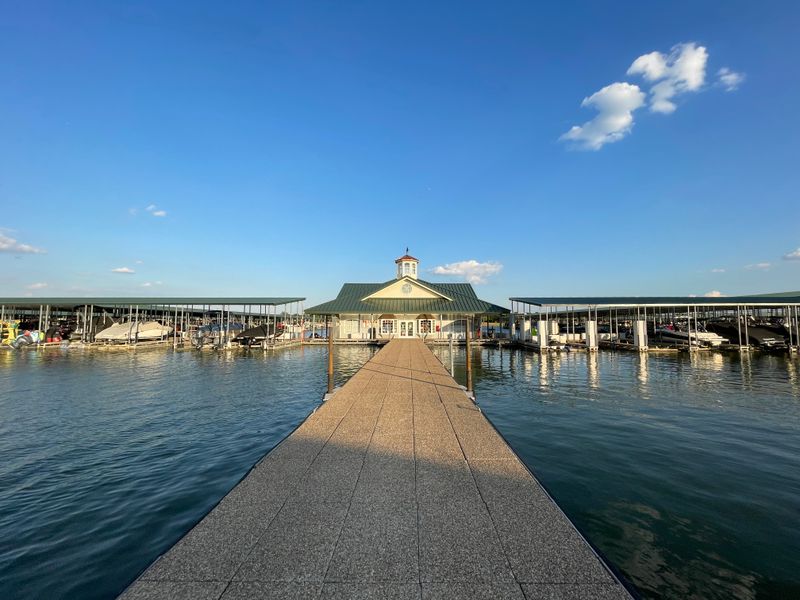
Perched on the shores of Lewisville Lake in the Dallas-Fort Worth metroplex, this rapidly growing town has become a focal point for investor activity in North Texas.
Little Elm’s combination of lakefront living, good schools, and relative affordability compared to nearby communities has made it incredibly attractive to both families and investors.
The town’s population has exploded over the past two decades, growing from just a few thousand residents to a thriving community of tens of thousands, with much of that growth fueled by new development and outside investment.
The Dallas-Fort Worth area as a whole has seen massive investor interest, with more than one in four homes purchased by investors in recent years. Little Elm has felt this trend acutely, with investors snapping up both newly built homes and existing properties.
The lakefront location adds another layer of appeal, as properties near the water command premium prices and attract buyers looking for vacation rentals or second homes.
Local families trying to purchase their first home often find themselves outbid by investors with deeper pockets and faster closing timelines.
Community character has shifted noticeably as investment activity has increased. Neighborhoods that were designed with families in mind now have a significant number of rental properties, changing the dynamics of local schools and community organizations.
Some residents appreciate the growth and the amenities it has brought, including new restaurants, parks, and entertainment options. Others mourn the loss of the small-town feel and worry about traffic, overcrowding, and the strain on local infrastructure and resources.
Town officials work to manage growth while maintaining quality of life for residents. Planning decisions about new developments, infrastructure improvements, and community amenities take on added significance when a substantial portion of homes are owned by investors rather than occupied by owners.
Little Elm’s experience reflects broader trends in the Dallas-Fort Worth metroplex, where explosive growth and investor activity have reshaped entire communities in a remarkably short time.
7. Seguin
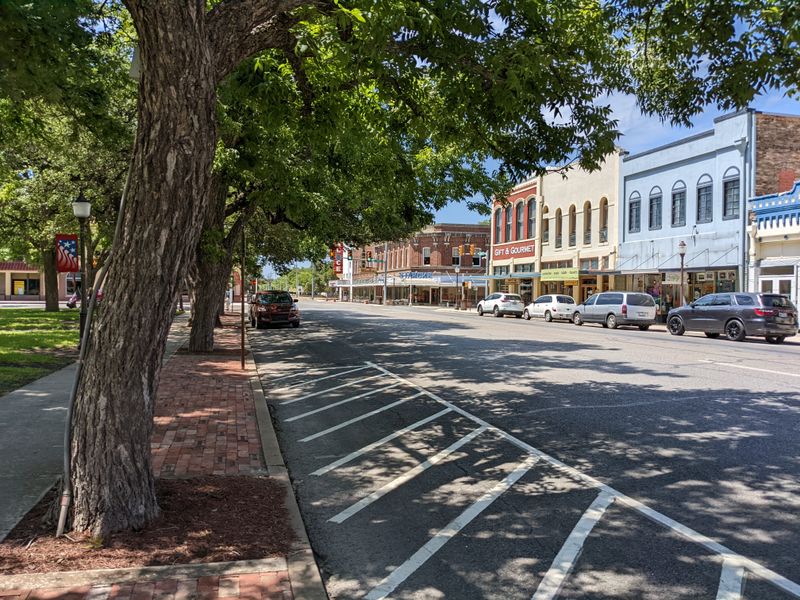
Situated along the Guadalupe River between San Antonio and Austin, this historic town has quietly become a target for real estate investors. Seguin’s location offers convenient access to two major metropolitan areas while maintaining a distinctly small-town atmosphere.
The town’s historic downtown, riverside parks, and relatively affordable housing have attracted attention from investors looking for opportunities in the growing Central Texas corridor. What was once a well-kept secret has become increasingly visible on investor radar screens across the state and beyond.
Real estate activity in Seguin has picked up noticeably in recent years. Properties that once sat on the market for months now receive multiple offers within days, often from investors rather than families planning to live in the homes.
The trend has been particularly evident in neighborhoods near the river and in the historic core of town, where older homes offer renovation potential.
Long-time residents express frustration at being priced out of their own community, watching as familiar houses are purchased by out-of-town buyers they never meet.
The transformation brings mixed emotions for Seguin residents. New investment has sparked some positive changes, including renovations of historic buildings and increased interest in the downtown area.
At the same time, concerns about affordability and community character run deep. When homes become investments rather than residences, neighborhoods lose something intangible but important.
The sense of connection and mutual support that comes from knowing your neighbors gives way to a more transient, less engaged community atmosphere that many find troubling.
Looking ahead, Seguin faces decisions about how to manage growth and investment while preserving what makes the town special.
Community leaders discuss policies that might favor local buyers or limit short-term rentals, though implementing such measures requires careful consideration of legal and economic implications.
For now, Seguin remains caught between its past as an affordable, close-knit community and an uncertain future shaped by forces largely beyond local control.
8. Port Aransas

This beloved coastal community on Mustang Island has long been a favorite destination for Texas families seeking sun, sand, and relaxation. Port Aransas offers miles of beaches, excellent fishing, and a laid-back island atmosphere that has attracted generations of visitors.
That same appeal has also made it a magnet for real estate investors, particularly those interested in the vacation rental market. The town’s recovery from Hurricane Harvey in 2017 brought an influx of outside money, accelerating a trend that was already underway before the storm hit.
Investment activity in Port Aransas has been particularly intense in areas close to the beach and in neighborhoods with water views. Properties that were once family beach houses, visited year after year by the same families, have been purchased by investors and converted into short-term rentals.
The shift has been dramatic enough that some neighborhoods now consist primarily of vacation rentals rather than year-round residences.
Local workers, including teachers, service industry employees, and small business owners, struggle to find affordable housing in a market increasingly dominated by investment properties catering to tourists.
The changing nature of Port Aransas has sparked considerable debate within the community. Tourism is the lifeblood of the local economy, and vacation rentals bring visitors who support restaurants, shops, and other businesses.
However, when the balance tips too far toward short-term rentals, the community loses the year-round residents who give it stability and character.
Schools face enrollment challenges, volunteer organizations struggle to find participants, and the sense of community that once defined Port Aransas becomes harder to maintain in a town of rotating visitors.
Town officials grapple with these competing interests, trying to support the tourism economy while preserving housing options for residents. Regulations on short-term rentals, parking, and occupancy limits are frequent topics of discussion at city council meetings.
As Port Aransas looks to the future, the challenge remains finding a sustainable balance that allows the community to thrive economically without losing its soul to investor-driven transformation.
Dear Reader: This page may contain affiliate links which may earn a commission if you click through and make a purchase. Our independent journalism is not influenced by any advertiser or commercial initiative unless it is clearly marked as sponsored content. As travel products change, please be sure to reconfirm all details and stay up to date with current events to ensure a safe and successful trip.
