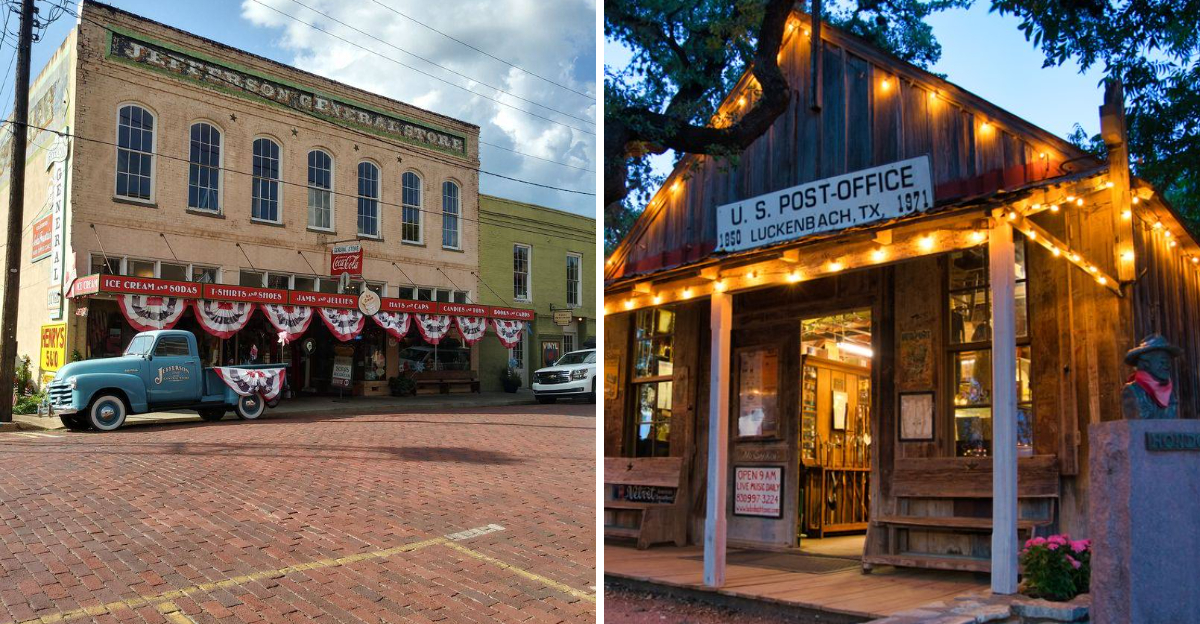
Texas has always been a land of wide-open spaces, rugged history, and small towns that once lived quietly under the radar.
But over the years, some of these charming communities have turned into bustling tourist destinations, drawing visitors from around the world with their unique culture, art, natural beauty, and historic appeal.
While tourism has brought jobs and economic growth, it has also changed the fabric of everyday life for the people who have called these places home for generations.
From rising property costs to crowded streets and shifting identities, locals in these towns have watched their hometowns transform in ways both exciting and challenging.
1. Fredericksburg
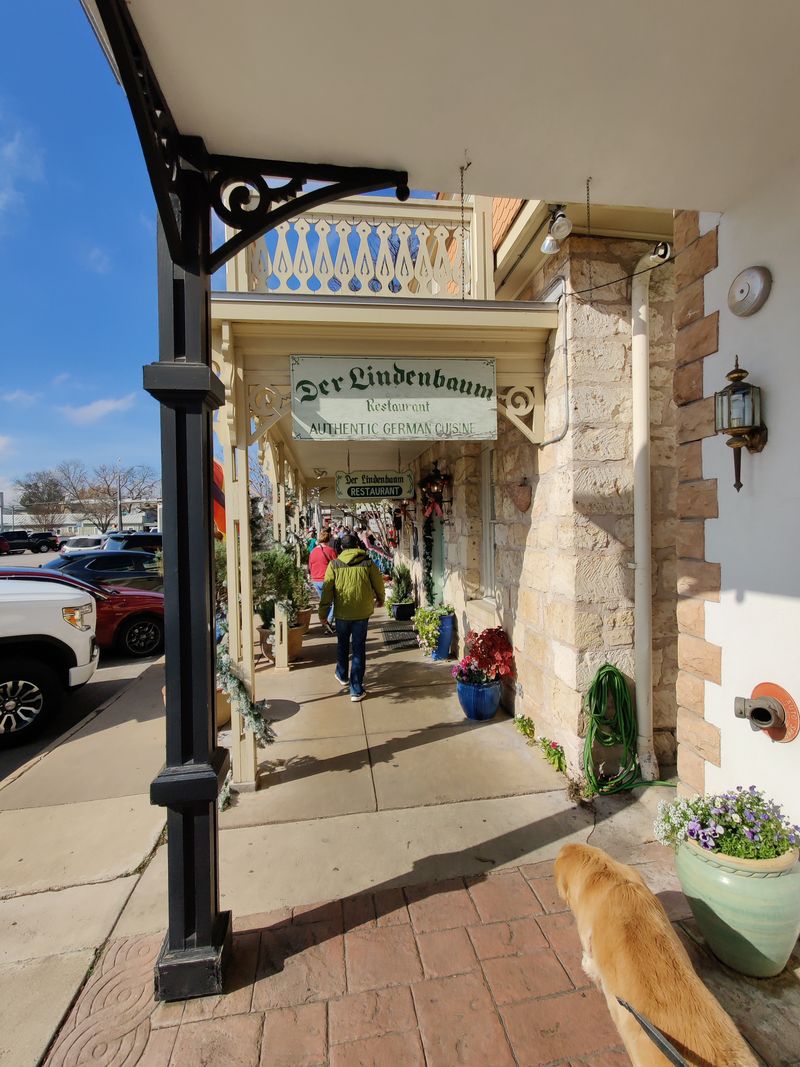
Fredericksburg started as a modest German settlement in 1846, where families farmed the land and kept traditions alive through generations.
Back then, the streets were quiet, and everyone knew their neighbors by name.
Fast forward to today, and this once-sleepy agricultural town has become the second most visited wine destination in the entire United States.
Over 100 wineries and tasting rooms now dot the landscape, drawing more than a million visitors every single year.
The transformation has been nothing short of dramatic.
Property values have skyrocketed as investors and newcomers snap up homes and land, pricing out some longtime residents.
Traffic jams have become a weekend norm, especially during peak tourist seasons when Main Street fills with out-of-towners browsing boutiques and sampling local wines.
Many locals appreciate the economic boost and new job opportunities that tourism has created.
Restaurants, hotels, and shops have flourished, providing livelihoods for families who might have otherwise struggled.
However, the rapid growth has sparked ongoing debates about preserving the town’s German heritage and small-town character.
Some longtime residents feel that the authentic charm that made Fredericksburg special in the first place is being overshadowed by commercialization.
The balance between welcoming visitors and maintaining a sense of community has become a delicate dance.
Town meetings often focus on infrastructure improvements, traffic management, and zoning regulations to handle the influx.
Despite the challenges, Fredericksburg remains a beloved destination that showcases the best of Texas Hill Country.
The question locals continue to grapple with is how to grow without losing the soul of what made their town worth visiting in the first place.
2. Marfa
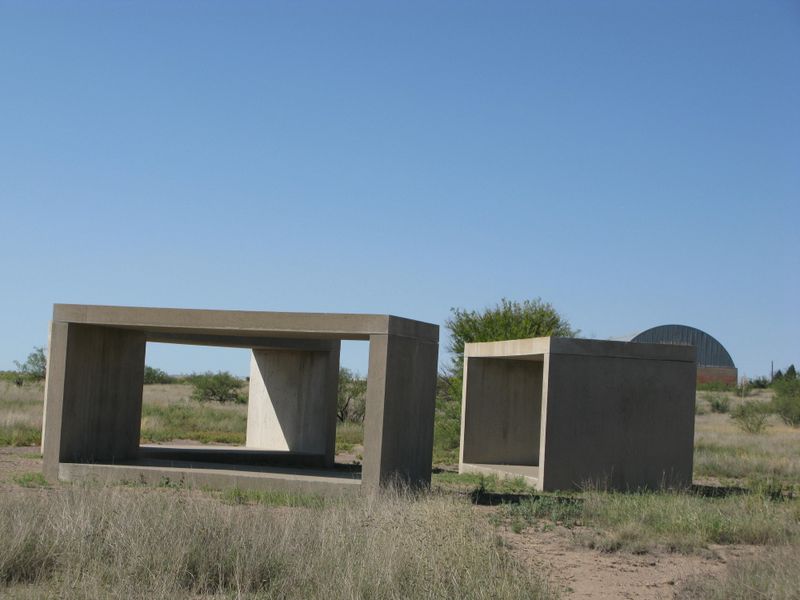
Marfa was once nothing more than a remote railroad stop in the West Texas desert, far removed from the bustle of big cities.
Life moved slowly, and the town seemed destined to fade into obscurity like so many other forgotten outposts.
Then, in the 1970s, minimalist artist Donald Judd arrived and established permanent art installations that would change everything.
His vision transformed Marfa into an internationally recognized hub for contemporary art, attracting artists, collectors, and celebrities from around the globe.
What was once a quiet, working-class community became a trendy destination where art galleries and upscale boutiques replaced old storefronts.
Housing costs soared as newcomers moved in, seeking the creative energy and desert solitude that Marfa offered.
Longtime residents, many of whom had lived there for decades, found themselves priced out of the housing market.
The cultural shift has been profound, with tensions sometimes arising between the old guard and the new arrivals.
Some locals feel that the town’s original character and sense of community have been lost amid the influx of outsiders.
Others appreciate the economic opportunities and cultural vibrancy that tourism and the arts scene have brought.
Marfa’s population has grown, but not everyone feels included in the town’s new identity.
The mysterious Marfa Lights, a natural phenomenon that has intrigued visitors for generations, continue to draw curious travelers.
Boutique hotels, farm-to-table restaurants, and chic coffee shops now line the streets, catering to a clientele very different from the ranchers and railroad workers of the past.
The transformation of Marfa serves as a case study in how art and culture can reshape a community.
Whether that change is seen as positive or negative often depends on who you ask.
3. Wimberley
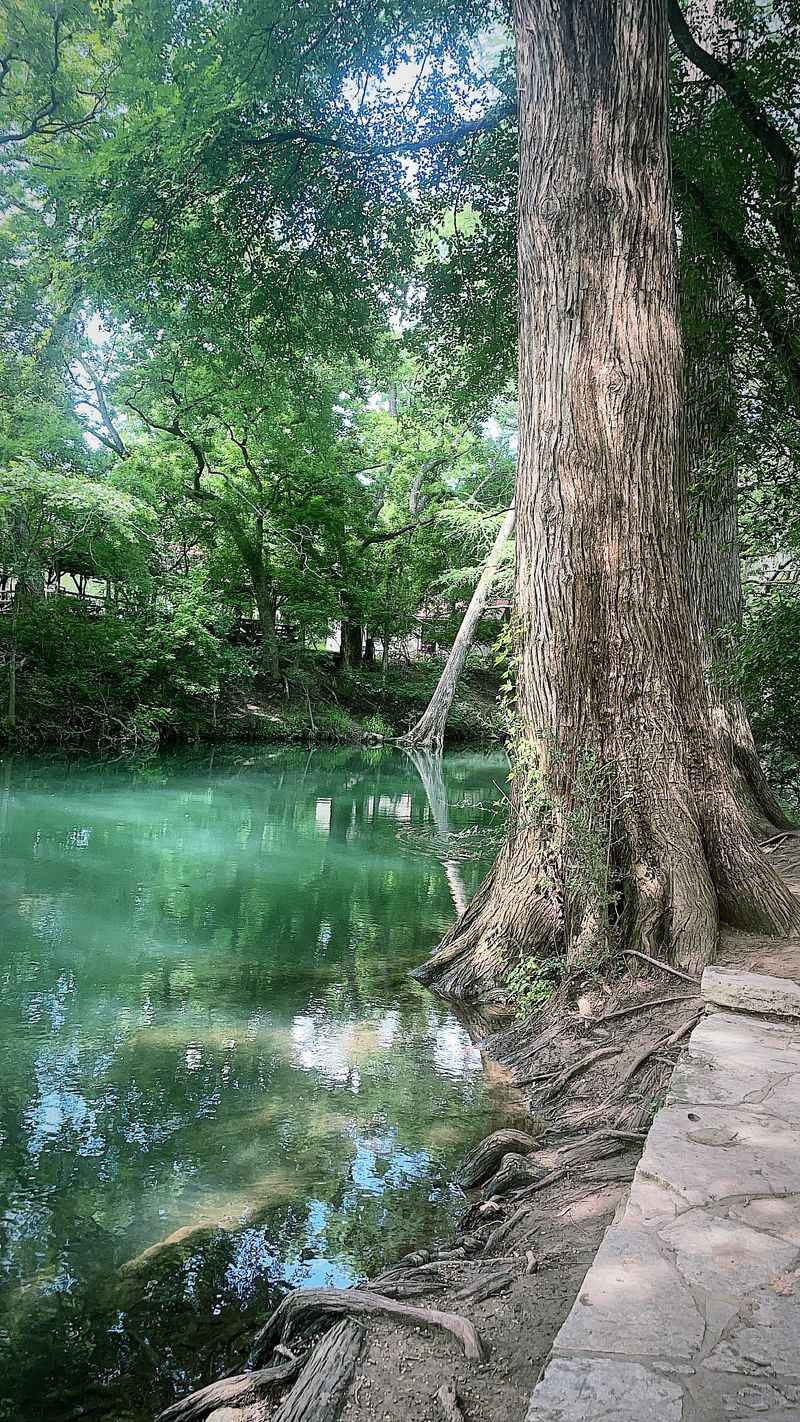
Wimberley used to be a peaceful artist community tucked away in the Texas Hill Country, known mostly to locals and those seeking a quiet retreat.
The town’s natural swimming holes, like Blue Hole and Jacob’s Well, were cherished secrets shared among families and friends.
Social media changed all that.
Stunning photos of crystal-clear waters and scenic landscapes began circulating online, and suddenly everyone wanted to experience Wimberley for themselves.
The once-secluded swimming spots became crowded with visitors, especially during hot summer months when people flocked to escape the Texas heat.
Local authorities struggled to manage the sudden surge in foot traffic, which led to environmental concerns and wear on the delicate ecosystems.
Trash accumulation, water quality issues, and damage to vegetation became pressing problems that the small town was not equipped to handle.
Residents who had enjoyed these natural treasures for years now found themselves competing for parking and space.
The peaceful atmosphere that defined Wimberley began to erode under the weight of tourism.
Town leaders have since implemented measures to balance conservation with visitor access, including reservation systems and stricter regulations.
Some locals feel frustrated by the loss of their quiet haven, while others recognize the economic benefits that tourists bring.
Art galleries, craft markets, and small businesses have thrived thanks to the increased foot traffic.
Yet, the challenge remains in preserving the natural beauty and community spirit that made Wimberley special in the first place.
Efforts to educate visitors about respecting the environment have become a priority.
The story of Wimberley highlights the double-edged sword of social media fame and the importance of sustainable tourism practices.
4. Gruene
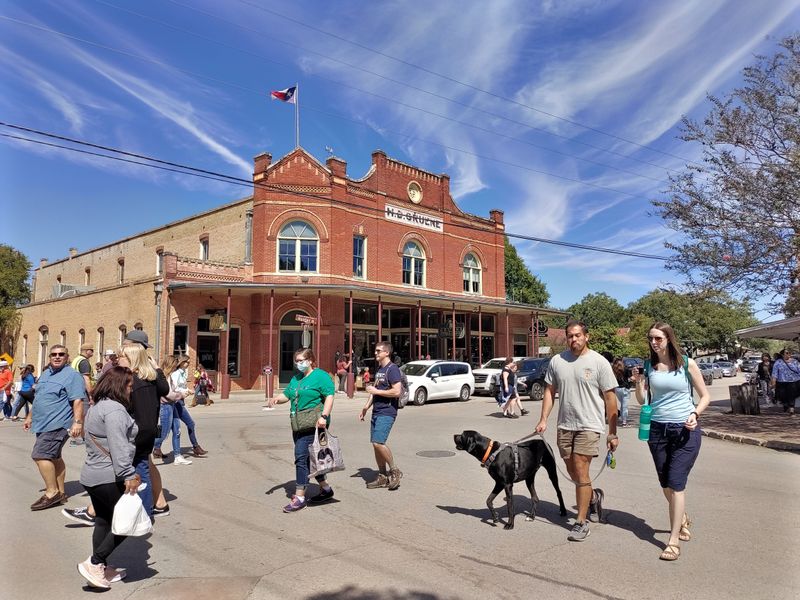
Gruene was established in the 19th century as a thriving cotton-producing town, but the Great Depression hit hard and left it nearly abandoned.
For decades, the old buildings sat empty, slowly decaying under the Texas sun.
In the 1970s, a movement to preserve the area’s history led to its revitalization as a historic district within New Braunfels.
At the heart of this revival was Gruene Hall, built in 1878 and recognized as Texas’s oldest continuously operating dance hall.
The rustic venue began attracting musicians and music lovers, hosting live performances that drew crowds from near and far.
What started as a modest effort to save a piece of history turned into a full-blown tourist destination.
Today, Gruene thrives year-round, with thousands of visitors arriving weekly to experience its old-world charm and lively music scene.
Antique shops, riverside restaurants, and boutique stores line the streets, creating a vibrant commercial hub.
While the economic resurgence has been a boon for business owners, some longtime residents feel that the town’s authenticity has been commercialized.
The quiet, forgotten corner of Texas they once knew has been replaced by a bustling tourist attraction.
Parking can be a nightmare on weekends, and the constant flow of visitors has changed the pace of daily life.
Still, many appreciate the preservation efforts that saved Gruene from disappearing entirely.
The dance hall continues to host legendary performances, keeping the spirit of Texas music alive.
Gruene’s transformation is a testament to the power of historic preservation, but it also raises questions about how much change a community can absorb before it loses its original identity.
The balance between honoring the past and embracing the present remains an ongoing conversation.
5. Terlingua
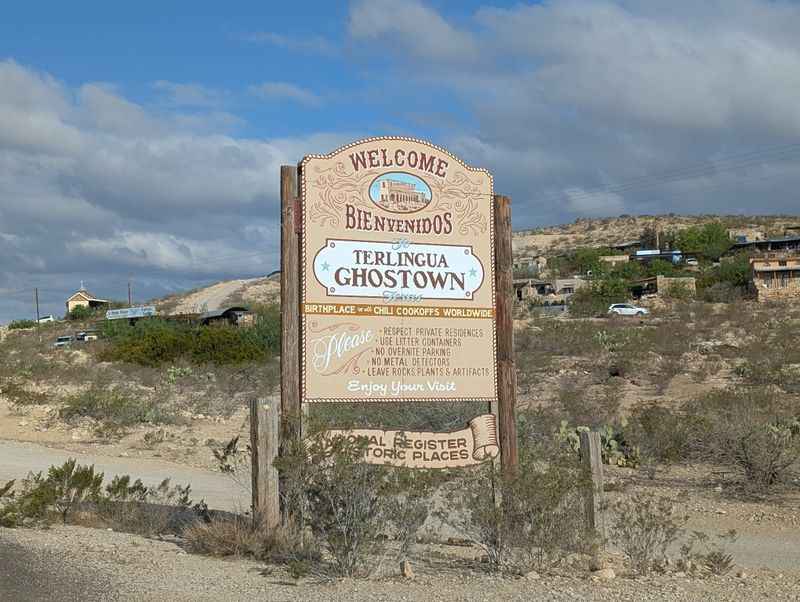
Terlingua’s story begins with mercury mining, an industry that once brought workers and families to this remote corner of West Texas.
When the mines closed in the 1940s, the town was left deserted, earning its reputation as a ghost town.
Crumbling adobe structures and abandoned buildings became the only reminders of a once-bustling community.
For years, Terlingua remained a forgotten relic, visited only by the occasional adventurer or history enthusiast.
Its proximity to Big Bend National Park eventually changed its fate.
As the park grew in popularity, Terlingua became a convenient base for travelers seeking lodging, food, and supplies.
The annual chili cook-off, started in the 1960s, also put Terlingua on the map, drawing thousands of participants and spectators each year.
What was once a quiet ghost town transformed into a quirky, bohemian destination with eclectic shops, restaurants, and lodging options.
Artists, free spirits, and outdoor enthusiasts have since made Terlingua their home, embracing its rugged charm and independent spirit.
The town’s revival has brought new life to the area, but it has also introduced challenges.
The delicate desert environment faces increased pressure from tourism, and infrastructure struggles to keep pace with demand.
Water scarcity and waste management are ongoing concerns in this remote location.
Despite these issues, Terlingua has managed to retain much of its offbeat character.
Visitors are drawn to its authenticity and the sense of stepping back in time.
The transformation from ghost town to tourist gateway showcases how proximity to natural wonders can breathe new life into forgotten places, even as it tests the limits of sustainability.
6. Port Aransas
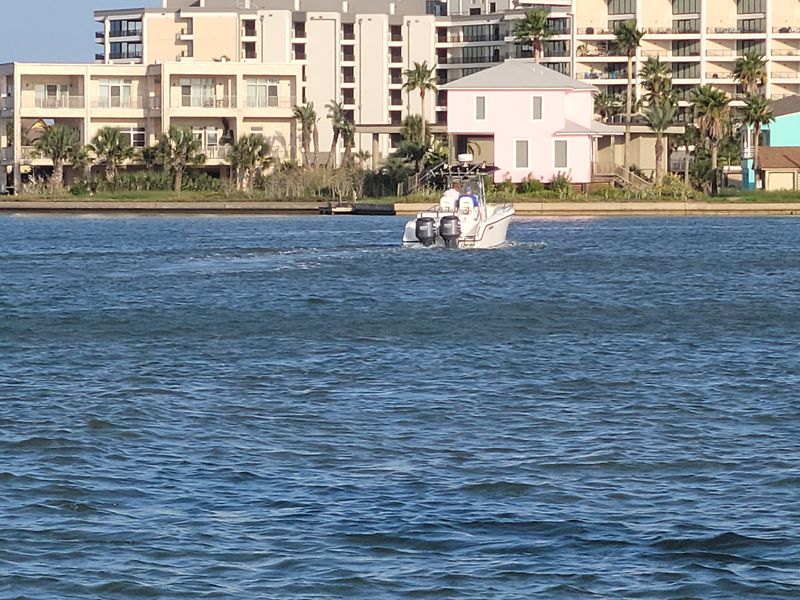
Port Aransas was once a laid-back fishing village where locals made their living from the Gulf’s bounty and life revolved around tides and seasons.
The town had a close-knit community feel, where everyone knew each other and the pace of life was slow and steady.
As word spread about its beautiful beaches and excellent fishing, Port Aransas began attracting vacationers looking for a quieter alternative to more crowded coastal destinations.
Over time, the trickle of tourists became a flood, especially during spring break and summer months.
Condos and vacation rentals replaced modest beach cottages, and property values climbed steadily.
The local economy shifted from fishing to tourism, with restaurants, souvenir shops, and entertainment venues catering to visitors.
While the influx brought jobs and revenue, it also changed the character of the town.
Traffic congestion became a regular occurrence, and the beaches that were once peaceful retreats grew crowded.
Hurricane Harvey in 2017 devastated Port Aransas, but the rebuilding process accelerated the shift toward tourism-focused development.
Many longtime residents were displaced or chose to leave, unable to afford rising costs or adapt to the town’s new identity.
The sense of community that once defined Port Aransas has been tested by rapid growth and constant turnover of seasonal visitors.
Still, the town remains a popular destination for beachgoers and anglers who appreciate its coastal charm.
Efforts to balance development with environmental conservation have become increasingly important as the town looks to the future.
Port Aransas stands as an example of how tourism can reshape a community, bringing both opportunity and loss in equal measure.
The challenge now is to preserve what makes the town special while accommodating the visitors who keep the economy afloat.
7. Bandera
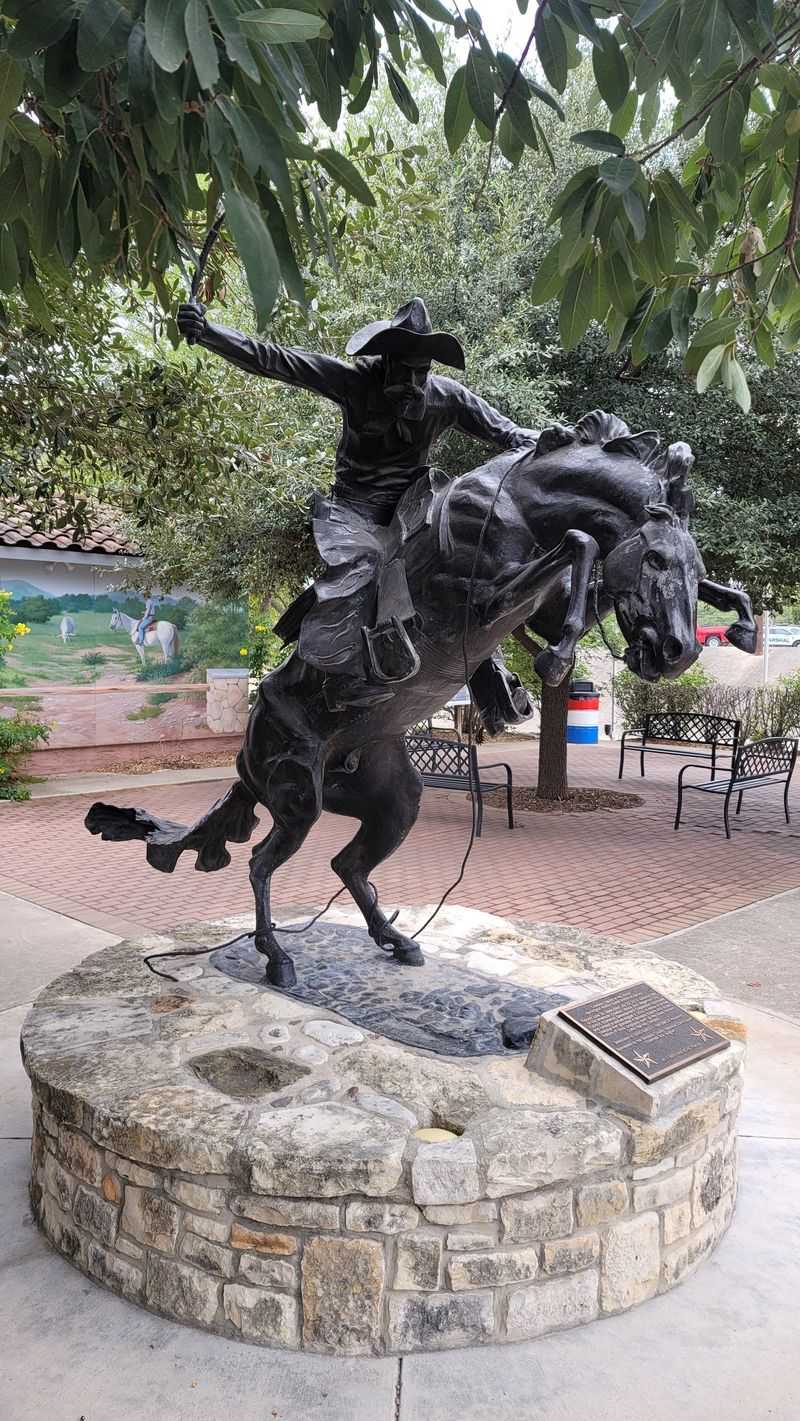
Bandera proudly calls itself the Cowboy Capital of the World, a title earned through its deep ranching roots and rodeo traditions.
For generations, this Hill Country town was home to working cowboys, cattle drives, and authentic ranch life.
The culture was genuine, passed down through families who lived and breathed the cowboy way.
As interest in Western experiences grew, Bandera began marketing itself as a destination for tourists seeking a taste of cowboy life.
Dude ranches popped up, offering visitors horseback riding, rodeos, and campfire cookouts.
What was once a way of life became a packaged experience for city dwellers looking to escape urban stress.
The transformation brought economic benefits, filling hotel rooms and supporting local businesses.
However, some longtime residents feel that the authenticity of cowboy culture has been diluted for commercial gain.
The rodeos that were once community gatherings now cater heavily to tourists, and the town’s identity has shifted accordingly.
Property values have risen as investors recognize Bandera’s tourism potential, making it harder for working ranchers to afford land.
The influx of visitors during peak seasons has also strained local resources and changed the rhythm of daily life.
Despite these changes, Bandera still holds onto its Western heritage with pride.
Many locals continue to participate in rodeos and maintain ranching traditions, even as tourism reshapes the town around them.
The challenge lies in honoring the past while adapting to the economic realities of the present.
Bandera’s story is one of cultural preservation in the face of commercialization, a balancing act that many small towns across Texas are navigating.
8. Rockport
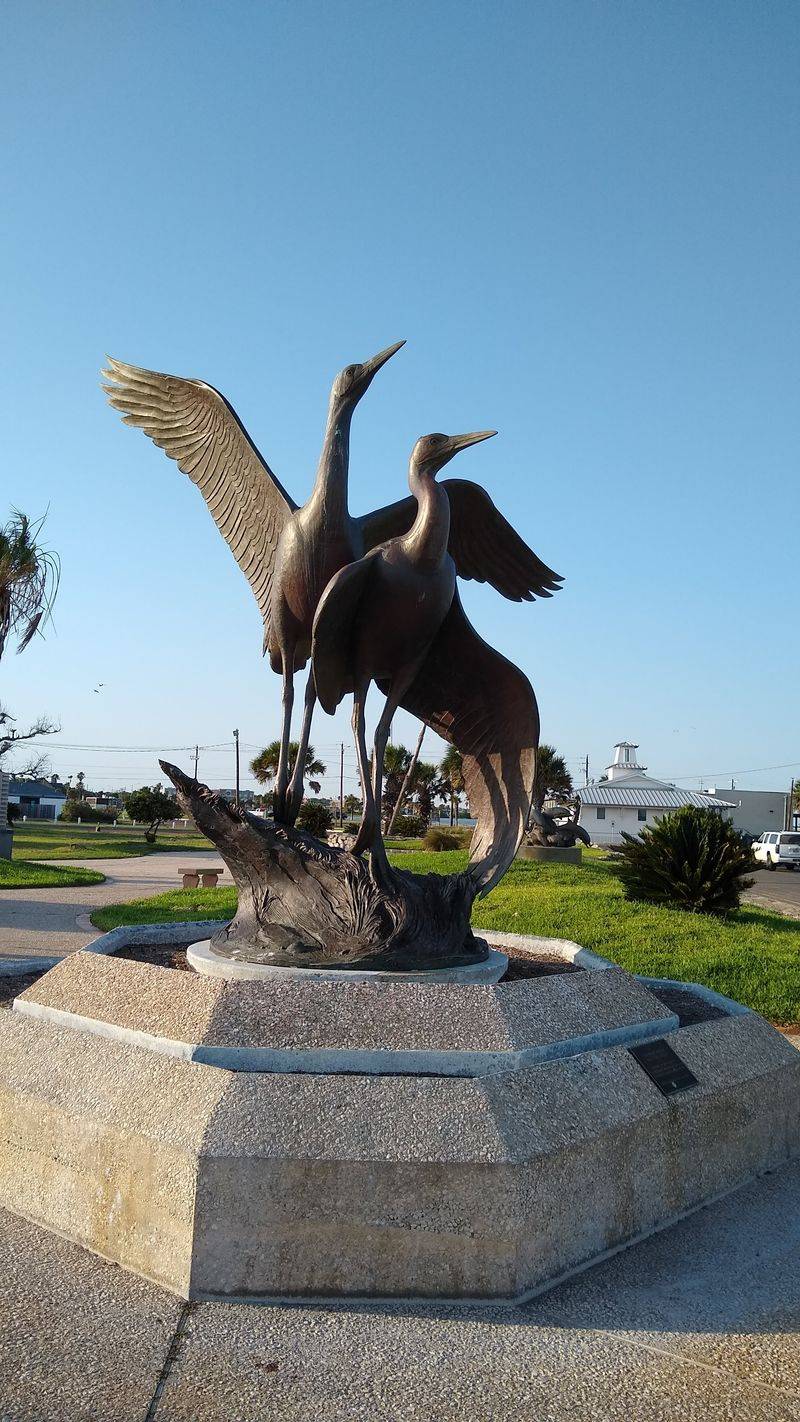
Rockport began as a quiet coastal community where fishing and shrimping were the main sources of income for hardworking families.
The town’s natural beauty and abundant birdlife attracted nature lovers, but for many years it remained relatively undiscovered.
Artists were among the first outsiders to recognize Rockport’s charm, drawn by the stunning sunsets and serene coastal landscapes.
Gradually, the town developed a reputation as an artist colony, with galleries and studios opening along the waterfront.
Birding enthusiasts also discovered Rockport, thanks to its location along the Central Flyway migration route.
The Whooping Crane, an endangered species, winters nearby, attracting wildlife watchers from around the world.
As tourism grew, Rockport’s economy shifted away from its fishing roots and toward hospitality and recreation.
Waterfront properties became highly sought after, and development accelerated to accommodate the growing number of visitors.
Hurricane Harvey in 2017 brought widespread destruction, but the rebuilding process favored tourism-oriented projects over traditional industries.
Many longtime residents felt sidelined as the town prioritized attracting visitors over supporting the fishing community that had sustained it for generations.
The character of Rockport has changed noticeably, with upscale restaurants and boutique shops replacing more modest, family-run businesses.
Traffic and crowds during peak birding season and summer months have become common frustrations for locals.
Still, the town’s natural beauty remains its greatest asset, and efforts to protect coastal habitats have gained momentum.
Rockport’s transformation illustrates how tourism can provide economic resilience but also disrupt traditional ways of life.
The balance between welcoming visitors and preserving the town’s identity continues to be a work in progress.
9. Luckenbach
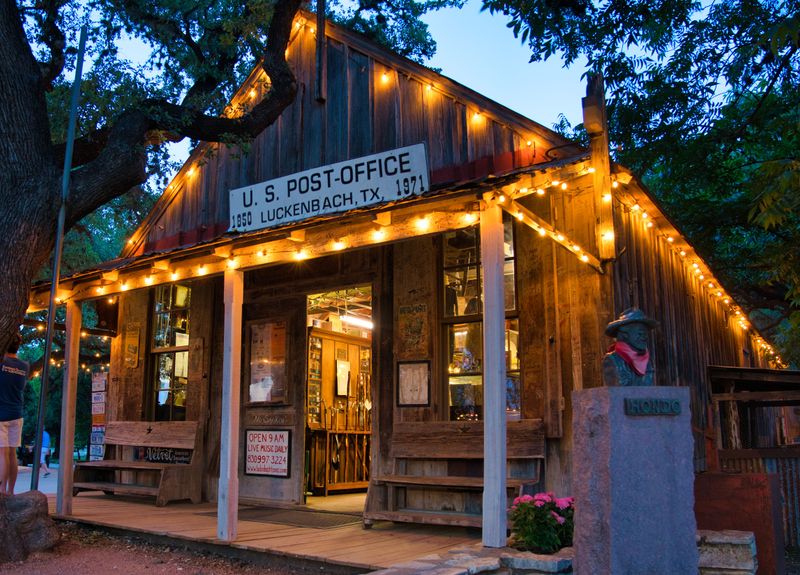
Luckenbach was barely a dot on the map, a tiny settlement with a general store and a post office serving a handful of residents.
Life there was simple and unhurried, with little to distinguish it from countless other forgotten Texas hamlets.
Then, in 1977, Waylon Jennings released the song “Luckenbach, Texas,” and everything changed overnight.
The song became a country music anthem, romanticizing the idea of escaping to a simpler, slower way of life.
Almost immediately, curious fans began making pilgrimages to Luckenbach, hoping to experience the place immortalized in the lyrics.
The tiny town was unprepared for the attention, but locals quickly adapted, embracing their newfound fame.
The general store became a tourist attraction, and live music performances were added to draw even more visitors.
Today, Luckenbach hosts concerts, dance halls, and events that attract thousands of people annually.
What was once a genuine slice of rural Texas life has become a carefully curated experience designed for tourists.
Some longtime residents appreciate the economic opportunities that tourism has brought to an otherwise struggling area.
Others feel that the town’s authenticity has been sacrificed in favor of commercialization.
The irony is not lost on many: a song about escaping the modern world turned Luckenbach into a bustling tourist destination.
Weekend crowds can be overwhelming, and parking is often a challenge during popular events.
Despite the changes, Luckenbach still holds a special place in the hearts of country music fans.
The town’s transformation is a reminder of how popular culture can reshape a place, for better or worse.
10. Jefferson
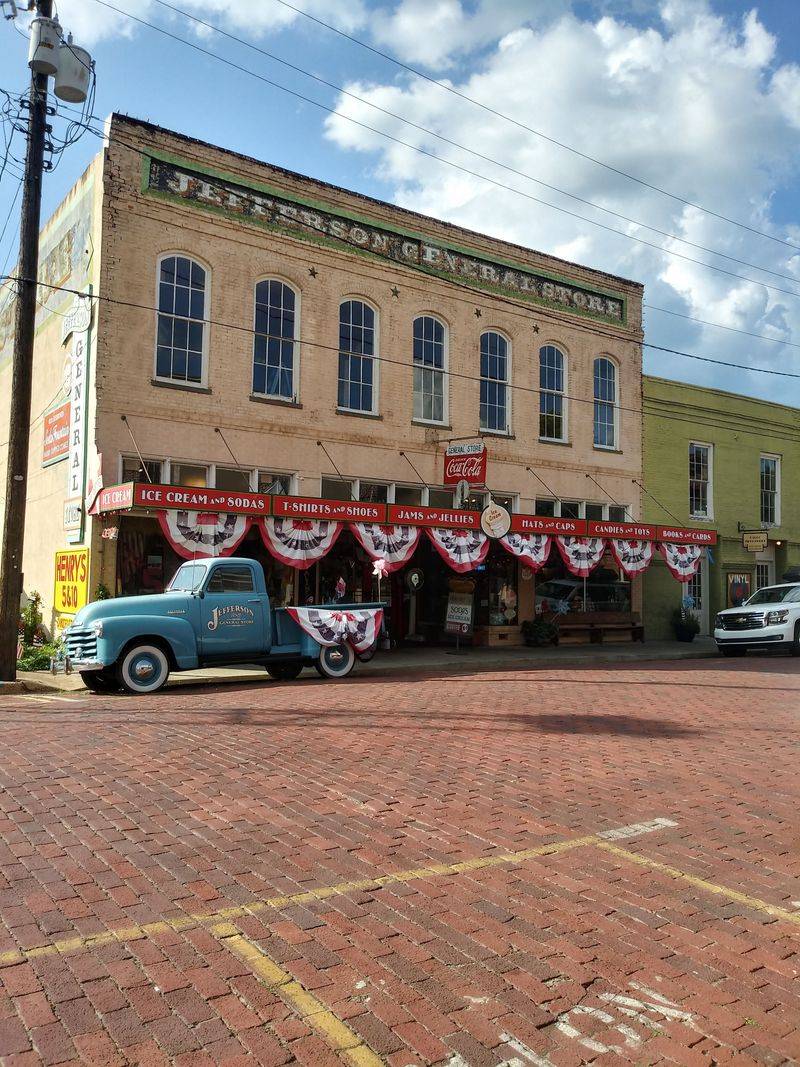
Jefferson was once a thriving riverport town in the 1800s, bustling with commerce and considered one of the most important cities in Texas.
Steamboats brought goods and travelers along the Big Cypress Bayou, and the town’s future seemed bright.
When the river was dammed and steamboat traffic declined, Jefferson’s economy collapsed, and the town fell into a long slumber.
For decades, it remained frozen in time, with Victorian homes and historic buildings slowly decaying.
In the mid-20th century, preservationists recognized the town’s architectural treasures and began restoration efforts.
Jefferson reinvented itself as a historic tourism destination, marketing its well-preserved 19th-century charm.
Antique shops, bed-and-breakfasts, and ghost tours became the new economic drivers, attracting history buffs and paranormal enthusiasts.
The town’s transformation has been both a blessing and a challenge for residents.
Tourism has provided jobs and revitalized the local economy, but it has also changed the town’s character.
Longtime residents sometimes feel like they are living in a museum, where the past is commodified for entertainment.
Weekend crowds fill the streets, and the quiet, close-knit community atmosphere has been disrupted.
Property values have increased as investors purchase historic homes to convert into tourist accommodations.
Some locals worry that the focus on tourism has overshadowed the needs of year-round residents.
Despite these concerns, Jefferson has successfully preserved much of its historic architecture, which might have been lost otherwise.
The town serves as an example of how heritage tourism can save a place from obscurity while fundamentally altering its identity.
Dear Reader: This page may contain affiliate links which may earn a commission if you click through and make a purchase. Our independent journalism is not influenced by any advertiser or commercial initiative unless it is clearly marked as sponsored content. As travel products change, please be sure to reconfirm all details and stay up to date with current events to ensure a safe and successful trip.
