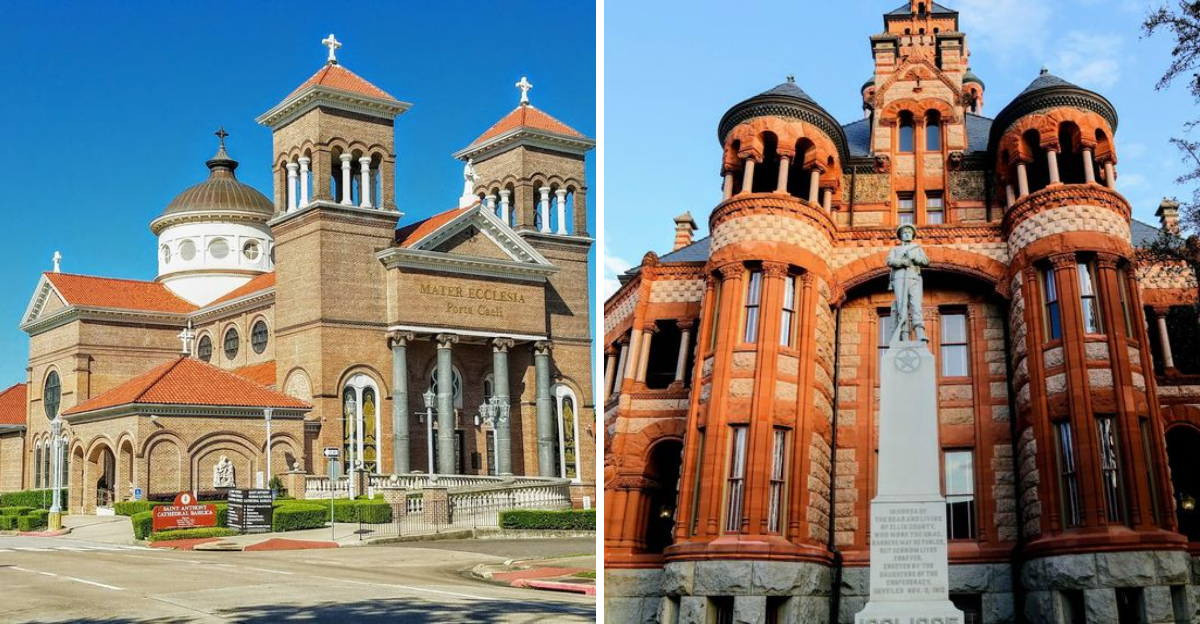
A big shiny magazine just told everyone about five Texas towns that locals have been quietly enjoying for years. Now the secret is out.
These places are not the crowded tourist traps with overpriced parking and long lines. Think historic downtowns, friendly waves from strangers, and a pace slow enough to actually hear yourself think.
The kind of towns where a person can wander into a diner and feel like a regular within five minutes. National Geographic called them charming, which is magazine speak for “please visit before they get too popular.”
A weekend road trip through these spots will leave a person wondering why anyone bothers with the big cities at all.
Texas has plenty of famous destinations, but these five prove that the best experiences often come from places with a single traffic light and a really good pie recipe.
1. Alpine
There’s something almost cinematic about the way Alpine appears on the horizon, rising out of the Chihuahuan Desert with mountains at its back and nothing but open sky overhead. The air feels different here, drier and sharper, carrying a kind of quiet that you don’t find closer to the city.
It’s the kind of place that slows your pulse before you’ve even parked the car.
At the center of it all sits the Holland Hotel, a 1928 landmark that has been welcoming travelers for nearly a century. The building carries real history in its walls, not the polished, curated kind you find in theme parks, but the lived-in, worn-around-the-edges kind that actually means something.
Staying here feels like borrowing a piece of West Texas for the night.
The Museum of the Big Bend is worth more time than most people give it. It tells the layered story of this region through artifacts, photographs, and exhibits that connect the land to the people who have called it home across centuries.
You leave knowing more than you arrived, which is exactly what a good museum should do.
Alpine also serves as the most practical base camp for anyone planning to explore Big Bend National Park. The park sits about an hour south, and having a real town nearby, with food, rest, and a proper bed, makes the experience far more manageable.
Big Bend rewards the prepared traveler, and Alpine helps you prepare.
Beyond the park, the surrounding area falls within an International Dark Sky Reserve, which means the night sky here is genuinely extraordinary. On a clear night, the stars don’t just appear, they overwhelm.
It’s the kind of view that makes you feel very small in the best possible way.
The town itself has a creative undercurrent running through it. Sul Ross State University brings students and artists into the mix, and the local gallery and food scene reflects that energy without trying too hard.
Alpine never feels like it’s performing for tourists. It just exists, confidently and quietly, in one of the most dramatic landscapes in the entire state.
That authenticity is exactly what makes it worth the long drive west.
2. Beaumont
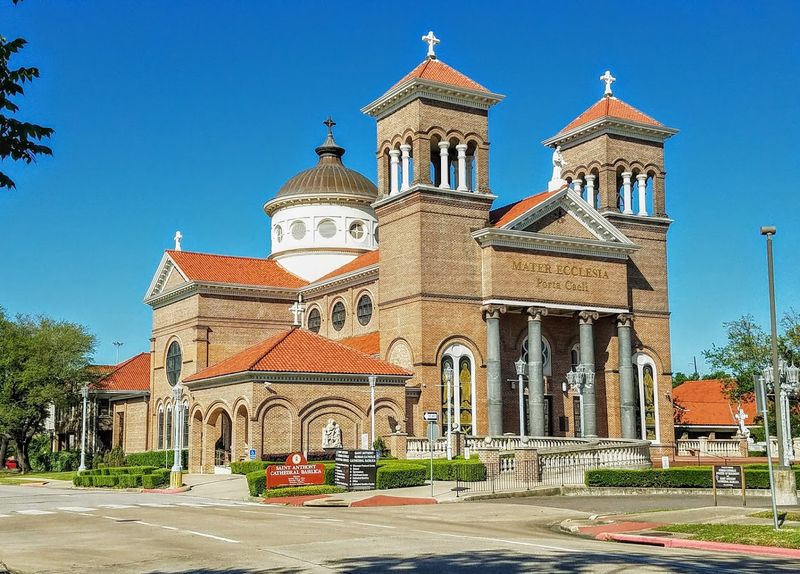
Most people blow right past Beaumont on their way somewhere else, and that’s honestly their loss. Tucked into the southeast corner of Texas near the Louisiana border, this city carries a story that fundamentally changed the entire country, and most travelers don’t even know it.
The 1901 Lucas Gusher at Spindletop didn’t just strike oil, it launched the American oil boom and rewired the global economy almost overnight.
The Spindletop-Gladys City Boomtown Museum brings that moment back to life in a way that actually earns your attention. The recreated boomtown sits outdoors and gives you a physical sense of what the chaos and ambition of that era must have felt like.
It’s history made tangible rather than just readable, and that distinction matters.
What surprises most first-time visitors is how much Beaumont has going on beyond its industrial legacy. The Cattail Marsh Scenic Wetlands and Boardwalk offers a completely different kind of experience, one that’s calm, unhurried, and genuinely beautiful.
Herons, egrets, and other birds move through the shallow water with total indifference to whoever happens to be watching from the boardwalk above.
The wetlands stretch across hundreds of acres and feel like a world removed from the refineries and highways nearby. Early morning is the best time to visit, when the light sits low on the water and the marsh is still waking up.
Bring binoculars if you have them, because the birding here is legitimately impressive.
Beaumont’s food culture also punches well above its size. The proximity to Louisiana means the culinary influences here lean toward something richer and more layered than typical Texas fare.
Rice dishes, seafood, and bold seasoning show up on menus in ways that feel completely natural rather than borrowed.
The city has a rougher, more industrial edge than some of the other towns on this list, and that’s part of what makes it interesting. It doesn’t try to be quaint.
Beaumont is a working city with real history and real character, and spending a day or two here gives you a side of Texas that most visitors completely miss. Sometimes the overlooked stops are the ones that stay with you longest.
3. Comfort
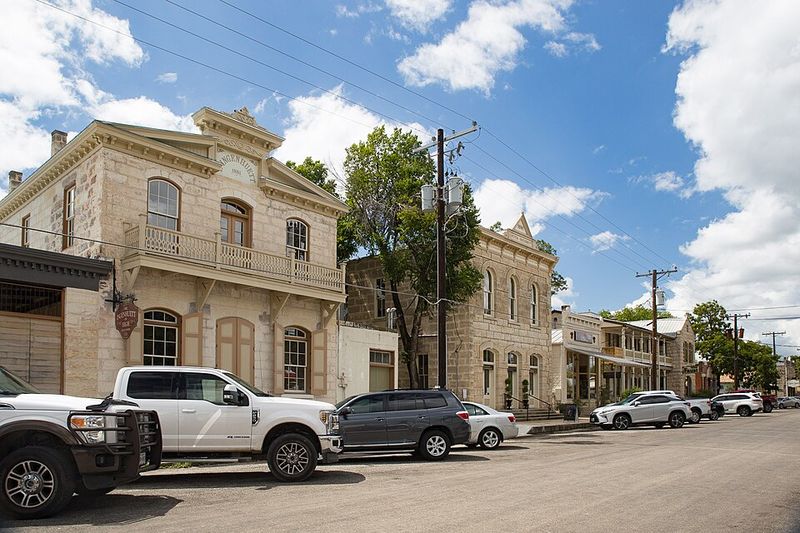
The name fits perfectly, and that’s not a coincidence. Comfort, Texas sits about 25 miles southeast of Fredericksburg in the heart of the Hill Country, and it carries a slower, softer energy than its more well-known neighbor.
If Fredericksburg feels like a destination that knows it’s popular, Comfort feels like a town that simply never needed to prove anything to anyone.
The founding story alone is worth knowing. German Freethinkers settled here in 1854, a group of intellectuals and idealists who built a community rooted in independent thought and self-reliance.
That spirit never fully left. You can feel it in the way the town operates, unhurried and unbothered, going about its life with quiet confidence.
The historic district along High Street is lined with limestone buildings that date back to the 1800s, many of them still in active use as shops, studios, and small businesses. Nothing here feels artificially preserved or staged for visitors.
The buildings are old because they were built to last, and the community has simply taken care of them ever since.
Antique shops and small galleries fill the storefronts, and browsing them feels genuinely rewarding rather than obligatory. You’re likely to find something unexpected, a piece of furniture, a painting, a handmade object that you didn’t know you needed until it was right in front of you.
That sense of discovery is part of what makes Comfort so easy to spend time in.
Camp Comfort, a riverside glamping resort, offers a nod to the area’s original name and gives visitors a way to stay close to the Guadalupe River. Waking up near the water, surrounded by cypress trees and Hill Country air, is a genuinely restorative experience.
It’s the kind of overnight stay that makes the drive feel completely justified.
Comfort also benefits from what it isn’t. It isn’t crowded on most weekends.
It isn’t overrun with tour buses or souvenir shops selling the same things you can find anywhere else. It’s a place that rewards the traveler who is willing to slow down, pay attention, and appreciate the particular beauty of something that hasn’t been over-polished.
That’s rarer than it should be in Texas right now.
4. Waxahachie
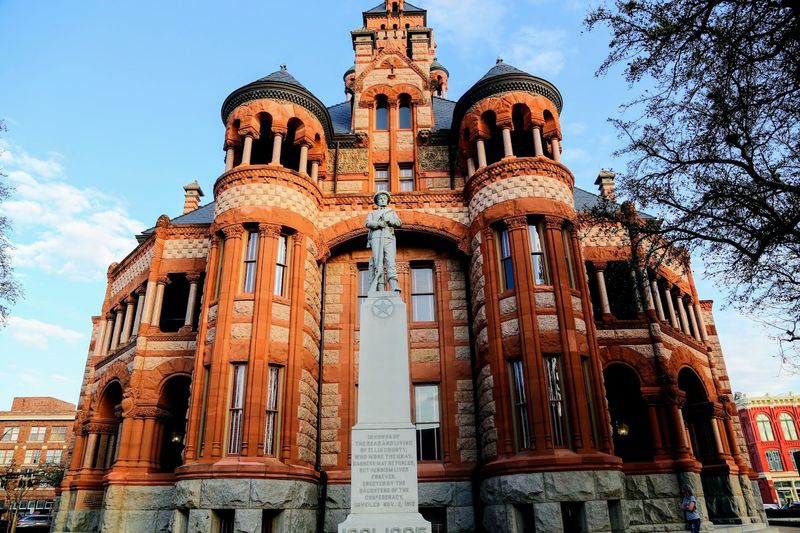
Thirty miles south of Dallas, Waxahachie operates in its own entirely different register. The nickname “Gingerbread City” was earned honestly, thanks to the remarkable concentration of Victorian homes that line its residential streets, each one more elaborately decorated than the last.
It’s the kind of neighborhood that makes you want to park and just walk for a while, looking up at rooflines and wraparound porches with genuine admiration.
The Ellis County Courthouse anchors the downtown square and is, without exaggeration, one of the most beautiful public buildings in the state of Texas.
Built from pink granite and red sandstone, it rises above the surrounding blocks with an architectural confidence that still commands attention after more than a century.
Locals clearly take pride in it, and rightfully so.
The square around the courthouse is filled with boutiques, coffee shops, and small businesses that give the downtown a lived-in energy rather than a preserved-for-tourists feel. On a weekday morning, you’ll find people going about their actual lives here, not performing small-town charm for visiting strangers.
That authenticity makes the whole experience more enjoyable.
Every spring, Waxahachie hosts the Scarborough Renaissance Festival, which draws enormous crowds to an outdoor fairgrounds just outside of town. The festival runs for several weeks and transforms the area into an elaborate recreation of a Renaissance-era village, complete with jousting, costumed performers, and food that leans heavily into the theatrical.
It’s a full sensory event and genuinely fun whether or not you arrive in costume.
For those who take grilling seriously, Meat Church BBQ Supply has become something of a pilgrimage site. The brand built a loyal following through its spice rubs and seasoning blends, and the physical store draws visitors from across the state who want to see the source firsthand.
It’s a niche destination, but a beloved one.
Waxahachie also benefits from its location. Close enough to Dallas for an easy day trip, far enough away to feel like a real departure from the city.
The drive down is quick, and the shift in atmosphere is immediate. If you’ve been wanting a reason to explore Ellis County, the courthouse alone is worth the trip, and everything else is a welcome bonus.
5. Round Top
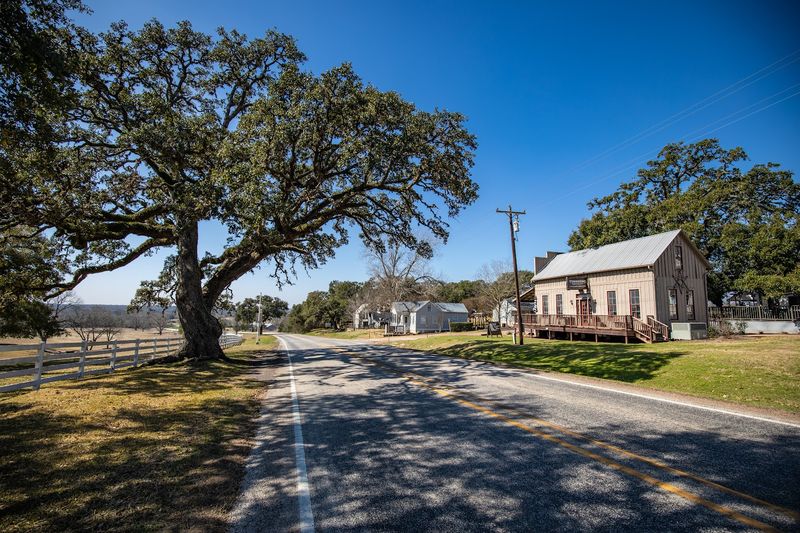
A population of 87 people sounds like a typo until you realize that Round Top attracts hundreds of thousands of visitors every single year. This tiny, unincorporated community sitting 75 miles east of Austin has somehow become one of the most culturally rich small towns in the entire state.
The contrast between its size and its reputation is genuinely remarkable.
Three times a year, the town transforms into the center of the antiques world.
The Round Top Antiques Show is a legendary event that draws dealers and collectors from across the country, filling fields and fairgrounds with furniture, art, jewelry, textiles, and objects that range from the genuinely rare to the wonderfully odd.
Even if antiques aren’t your usual interest, the sheer scale and variety of the show makes it an experience worth planning around.
Outside of show season, Round Top operates at a much gentler pace. The town square is small and quiet, lined with a handful of shops and historic buildings that give the place its character.
There’s a sense here that time moves a little differently, not stuck in the past exactly, but not rushing toward anything either.
The Festival Institute adds a layer of cultural depth that you wouldn’t necessarily expect from a community this size. Founded as a classical music campus, it hosts concerts and educational programs that draw serious musicians and music lovers to the area throughout the year.
The grounds themselves are beautiful, with performance spaces set within a carefully maintained landscape.
Round Top also hosts an annual film festival that reinforces the town’s identity as a gathering place for creative people. The programming tends toward independent and international cinema, giving the event a distinctly non-mainstream feel.
It fits the town’s personality well.
Getting to Round Top requires a drive through the rolling Texas countryside, and that journey is part of the appeal. The roads leading in pass through small communities and open farmland that feel genuinely removed from the sprawl of Austin or Houston.
Arriving feels like an arrival, not just a destination appearing on the GPS. For a place this small to carry this much cultural weight, Round Top must be doing something very right, and spending a day there makes it easy to understand exactly what that something is.
