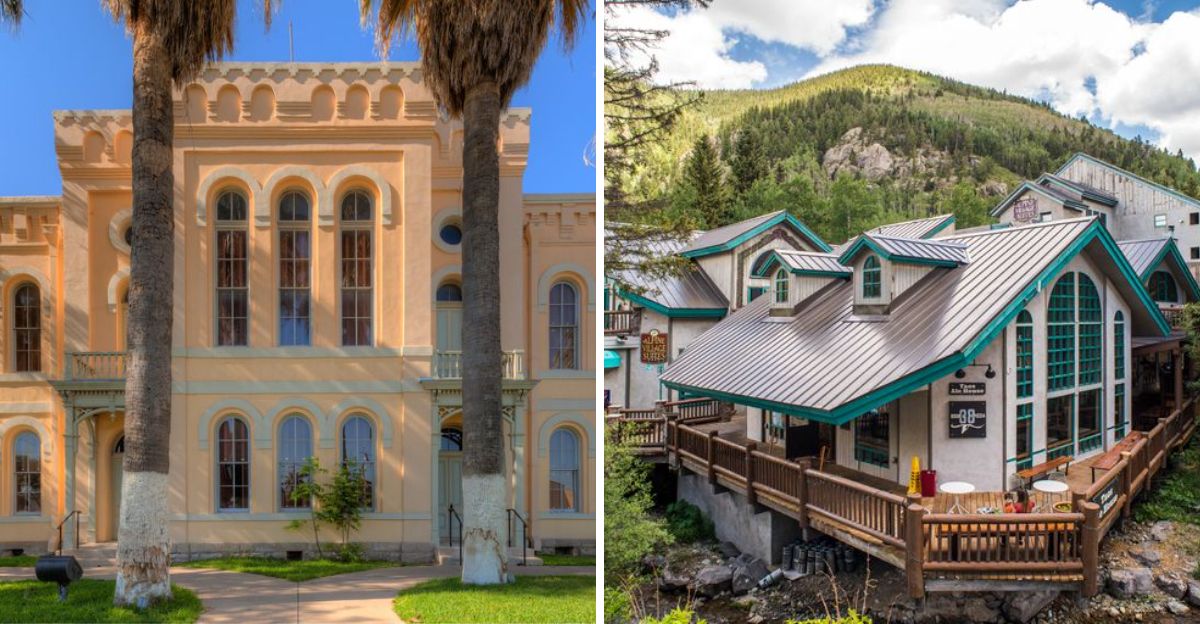
Texas stretches across vast landscapes where highways cut through desert plains, rolling hills, and border towns that once existed solely to serve travelers passing through. Many of these communities started as simple rest stops, refueling stations, or railroad water points along routes connecting bigger cities.
Over time, something unexpected happened: people who came for a quick break discovered charm, culture, and most importantly, rent prices that made settling down an easy choice.
The Lone Star State offers a unique blend of affordability and character in towns that balance history with modern living. From artistic enclaves near the border to valley communities rich with cultural heritage, these destinations prove you don’t need to sacrifice quality of life for reasonable housing costs.
Visitors arrive planning to stay a night and leave wondering why they ever considered anywhere else.
1. Marfa: Where Desert Minimalism Meets Artistic Soul
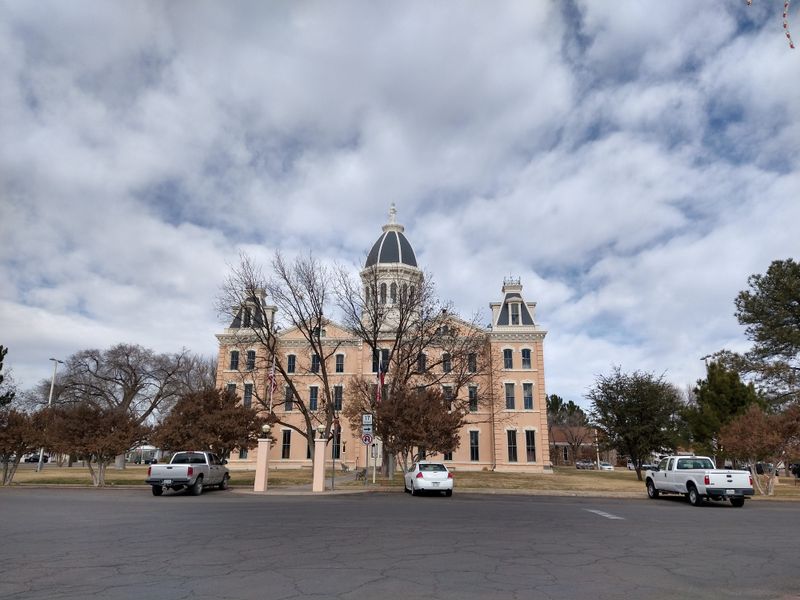
Railroad engineers established this remote outpost as a water stop in the 1880s, never imagining it would become one of Texas’s most culturally significant destinations. The high desert landscape surrounding the town creates an otherworldly atmosphere, with vast skies that shift from deep blue to fiery orange as the sun sets behind distant mountains.
Minimalist art installations dot the terrain, transforming the stark environment into an open-air gallery that attracts creative minds from around the globe.
The town’s small population preserves a quiet, contemplative atmosphere that appeals to artists, writers, and anyone seeking refuge from urban chaos. Historic adobe buildings line the main street, housing galleries, cafes, and studios where local creators share their work with curious visitors.
The mysterious Marfa Lights phenomenon adds an element of wonder to evening hours, as unexplained glowing orbs appear on the horizon, drawing spectators to a designated viewing area. This blend of natural mystery and human creativity creates a magnetic pull that makes temporary visitors reconsider their travel plans.
The surrounding Chihuahuan Desert offers endless opportunities for exploration, with hiking trails winding through rugged canyons and ancient rock formations.
Living costs remain remarkably low compared to other artistic communities, allowing residents to focus on creative pursuits rather than constant financial stress. The town’s isolation becomes an asset, fostering a tight-knit community where neighbors support each other’s endeavors and celebrate collective achievements.
Marfa proves that affordable living and cultural richness aren’t mutually exclusive, offering a lifestyle that feels both timeless and forward-thinking.
2. Brownsville: Border Heritage With Island Proximity
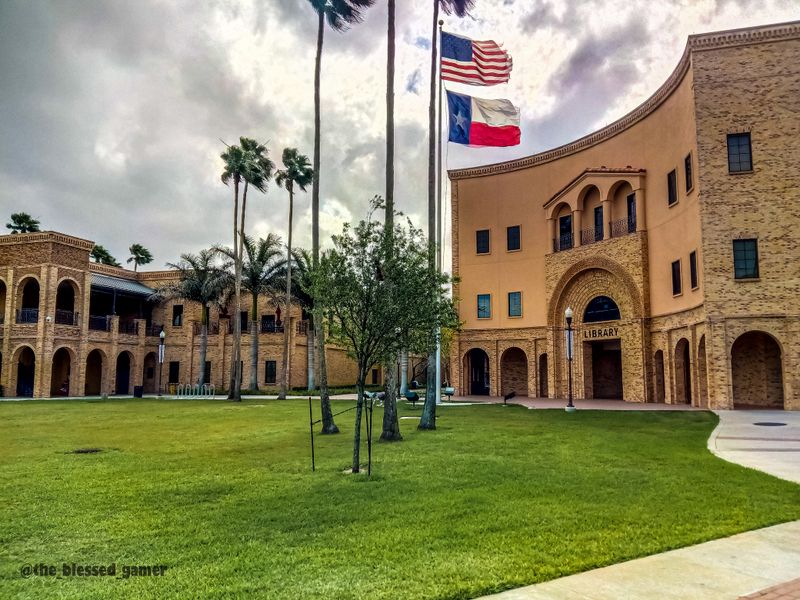
Positioned at the southernmost tip of Texas, this historic city grew from a military fort into a vibrant community where Mexican and American cultures blend seamlessly. Palm trees line residential streets, giving neighborhoods a tropical feel that contrasts with typical Texas imagery.
Spanish colonial architecture appears throughout the downtown district, where restored buildings tell stories of battles, trade, and cultural exchange that shaped the region.
The nearby Palo Alto Battlefield preserves the site of the first major conflict in the Mexican-American War, offering visitors a tangible connection to pivotal moments in American history.
Local markets burst with colors and flavors, selling fresh produce, handmade crafts, and traditional foods that reflect the area’s rich heritage.
South Padre Island sits just a short drive away, providing residents with easy access to pristine beaches and coastal recreation without the premium prices of beachfront living. The barrier island’s white sand beaches and turquoise waters create a permanent vacation atmosphere for those who call Brownsville home.
Birding enthusiasts flock to the region year-round, as the Rio Grande Valley serves as a crucial migration corridor for hundreds of species.
The city’s affordability extends beyond housing, with groceries, utilities, and entertainment all costing less than in major metropolitan areas. A strong sense of community pervades neighborhoods, where multi-generational families maintain traditions while embracing modern opportunities.
Brownsville’s unique position offers residents the rare combination of cultural depth, natural beauty, and financial breathing room that keeps them rooted long after their initial visit ends.
3. Harlingen: Valley Living Without the Premium Price Tag
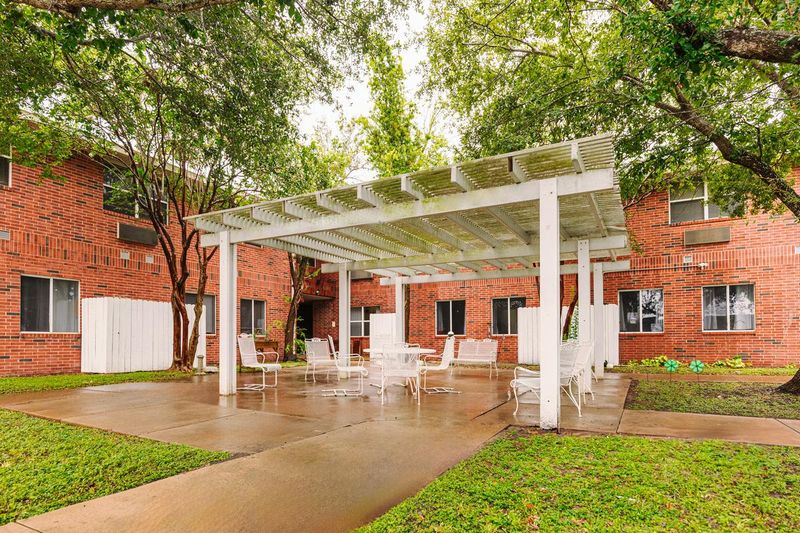
Nestled in the heart of the Rio Grande Valley, this community offers a cost of living approximately 24% below the national average, making it one of Texas’s most budget-friendly destinations. The valley’s subtropical climate means mild winters and lush vegetation that transforms residential areas into green oases.
Originally developed as a distribution point for agricultural products, the town has evolved into a well-rounded community with modern amenities and services. Tree-lined neighborhoods feature a mix of architectural styles, from mid-century ranch homes to newer developments designed for growing families.
Local parks provide gathering spaces where children play soccer while adults enjoy evening walks under canopies of native trees.
The Hugh Ramsey Nature Park offers 55 acres of wetlands and walking trails where visitors can observe wildlife in their natural habitat, from great blue herons to painted buntings. This commitment to preserving natural spaces within city limits gives residents daily access to outdoor recreation without long drives.
The nearby Arroyo Colorado provides opportunities for kayaking and fishing, adding to the area’s appeal for nature enthusiasts.
Shopping and dining options reflect the region’s cultural diversity, with family-owned restaurants serving authentic Mexican cuisine alongside American classics and international flavors. The affordability factor means residents can enjoy meals out, attend local events, and participate in community activities without constantly checking their budgets.
Healthcare facilities and educational institutions serve the area well, ensuring families have access to essential services. Harlingen demonstrates that small-city living can offer big-city conveniences at a fraction of the cost, creating a lifestyle that’s hard to walk away from once experienced.
4. Laredo: International Trade Hub With Local Charm
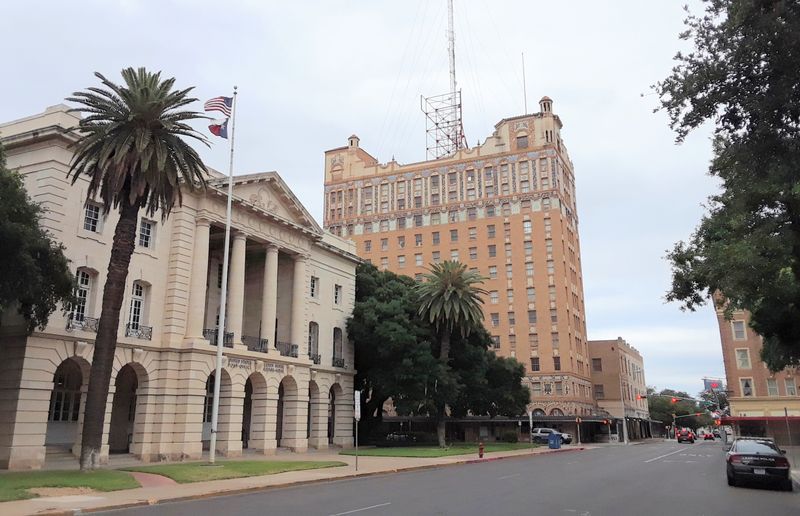
Sitting directly on the U.S.-Mexico border, this major port city pulses with energy generated by international commerce and cultural exchange. The Rio Grande flows through the landscape, serving as both a natural border and a source of scenic beauty that defines the region’s character.
Historic districts preserve buildings from the Spanish colonial era, when the area served as a crucial crossing point for explorers, traders, and settlers moving between nations. San Agustin Plaza, the city’s original town square, remains a gathering place where festivals, concerts, and community events bring neighbors together.
The architecture reflects centuries of cultural blending, with ornate facades and wrought-iron details that transport visitors to another era.
The city’s position as a trade gateway creates diverse employment opportunities, from logistics and transportation to retail and healthcare. This economic stability attracts families seeking both affordability and job security, creating a population that’s invested in the community’s long-term success.
Local markets offer goods from both sides of the border, creating a shopping experience that’s uniquely international yet distinctly Texan.
Lake Casa Blanca International State Park provides a natural retreat within city limits, where residents can fish, boat, or simply enjoy sunset views over the water. The combination of urban amenities and outdoor spaces gives residents flexibility in how they spend their leisure time.
Cultural celebrations throughout the year honor the area’s heritage, with traditional music, dance, and food taking center stage.
Laredo’s blend of affordability, opportunity, and cultural richness creates a compelling case for putting down roots, turning what might have been a brief stop into a permanent home.
5. McAllen: Urban Energy Meets Valley Affordability
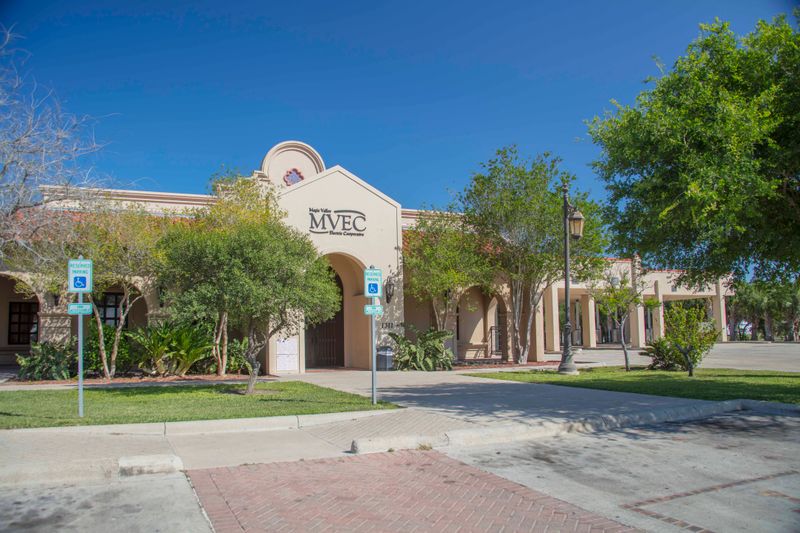
This rapidly growing city combines the conveniences of urban living with the financial advantages of smaller Texas communities. The subtropical climate supports year-round outdoor activities, with warm winters that attract visitors from colder regions.
International trade and energy sectors drive the local economy, creating a diverse job market that supports the area’s expanding population. Modern shopping centers, restaurants, and entertainment venues line major thoroughfares, offering residents the variety typically associated with much larger cities.
The Quinta Mazatlan, a historic Spanish Revival estate, serves as a birding and nature center where tropical gardens attract rare species and provide peaceful walking paths.
The city’s commitment to green spaces is evident in the extensive network of parks and recreational facilities scattered throughout neighborhoods. The McAllen Nature Center encompasses 33 acres of native habitat, with trails winding through forests and wetlands where educational programs teach visitors about local ecosystems.
These investments in quality of life demonstrate that affordability doesn’t mean sacrificing access to cultural and recreational opportunities.
The International Museum of Art & Science engages the community with rotating exhibitions, planetarium shows, and hands-on activities that appeal to all ages. This focus on education and culture creates an environment where families can thrive intellectually and socially.
The city’s growth hasn’t diminished its sense of community, with neighborhoods maintaining distinct identities and local businesses fostering personal connections with customers.
McAllen proves that rapid development and affordable living can coexist, offering newcomers a dynamic environment where their financial resources stretch further while their quality of life expands.
6. Alpine: Mountain Views and Small-Town Hospitality
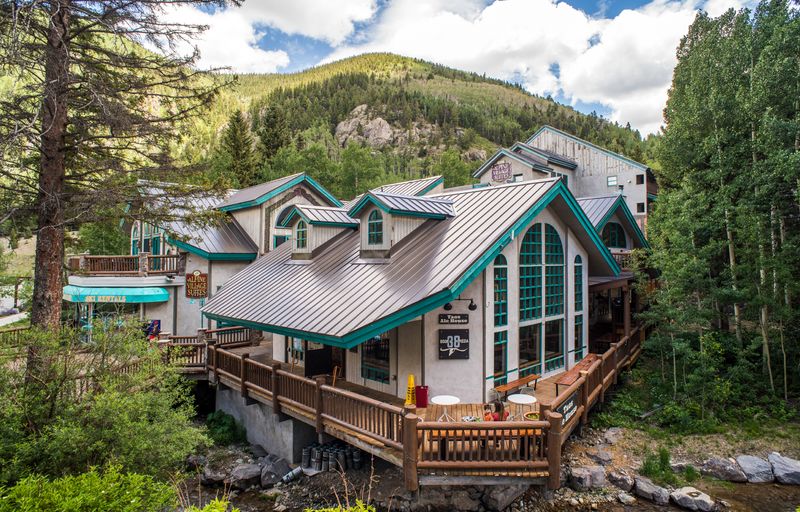
Cradled between the Davis and Glass Mountains in West Texas, this small city offers breathtaking scenery and a slower pace of life that appeals to those seeking escape from urban stress. The elevation creates cooler temperatures than much of Texas, with crisp mountain air and clear night skies perfect for stargazing.
Affordable housing options make it possible for retirees, artists, and outdoor enthusiasts to establish roots in this naturally beautiful setting.
Sul Ross State University anchors the community, bringing educational opportunities and cultural events that enrich local life. The campus hosts theater productions, art exhibitions, and lectures that draw audiences from surrounding areas.
This academic presence creates a diverse population that values learning and creativity, fostering an environment where ideas and perspectives are shared freely.
The nearby Big Bend National Park attracts adventurers from around the world, and Alpine serves as a convenient basecamp for exploring the park’s rugged canyons and desert landscapes. Local outfitters provide gear and guidance for hiking, camping, and river trips, while downtown businesses cater to both residents and visitors.
Historic buildings house galleries, cafes, and shops where handmade goods and regional art are displayed with pride.
The town’s compact size means everything is within easy reach, from grocery stores to medical facilities, creating a lifestyle where convenience and simplicity go hand in hand.
Community events like farmers markets and outdoor concerts bring neighbors together, strengthening bonds that make Alpine feel like an extended family.
The combination of natural beauty, cultural offerings, and affordability creates a powerful draw that transforms casual visitors into permanent residents. Mountain sunrises paint the sky in shades of pink and gold, offering daily reminders of why people choose to stay in this remote corner of Texas.
7. Eagle Pass: River City With Cross-Border Character
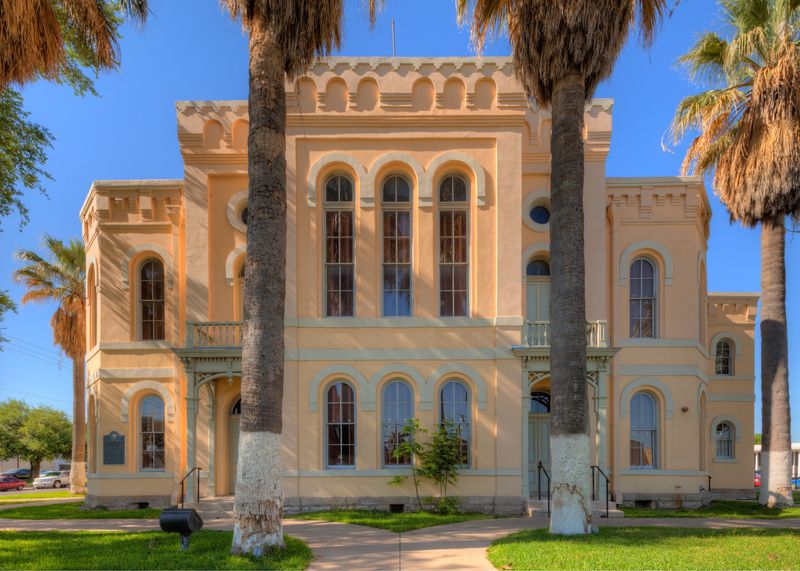
Positioned along the Rio Grande across from Piedras Negras, Mexico, this border city offers a unique cultural experience shaped by daily interactions between two nations.
The cost of living remains notably low, with housing prices well below state averages, making it accessible for families seeking affordable homeownership.
The river itself provides a scenic backdrop to daily life, with parks and walking paths following its banks through the urban landscape.
Fort Duncan Museum preserves the site of a 19th-century military post, where restored buildings and exhibits tell stories of frontier life and the soldiers who once guarded the border. The historic downtown district features architecture from different eras, reflecting the city’s evolution from military outpost to modern community.
Local festivals celebrate the area’s binational heritage, with music, food, and traditions from both cultures creating vibrant public celebrations.
Kickapoo Lucky Eagle Casino Hotel provides entertainment and employment opportunities, contributing to the local economy while offering residents and visitors gaming, dining, and live performances.
The nearby Kickapoo Cavern State Park protects a fragile cave ecosystem where millions of bats emerge at dusk during migration season, creating a natural spectacle that draws nature enthusiasts.
These attractions add dimension to the city’s appeal beyond simple affordability.
The international bridge connecting Eagle Pass to Mexico facilitates daily crossings for work, shopping, and family visits, creating a truly binational lifestyle for many residents. This constant cultural exchange enriches the community, exposing children to multiple languages and perspectives from an early age.
Local cuisine reflects this blending, with restaurants serving dishes that incorporate flavors and techniques from both sides of the border. Eagle Pass demonstrates that geographic borders don’t limit cultural richness, offering residents an internationally flavored lifestyle at decidedly local prices.
8. Del Rio: Lake Life and Military Heritage Combined
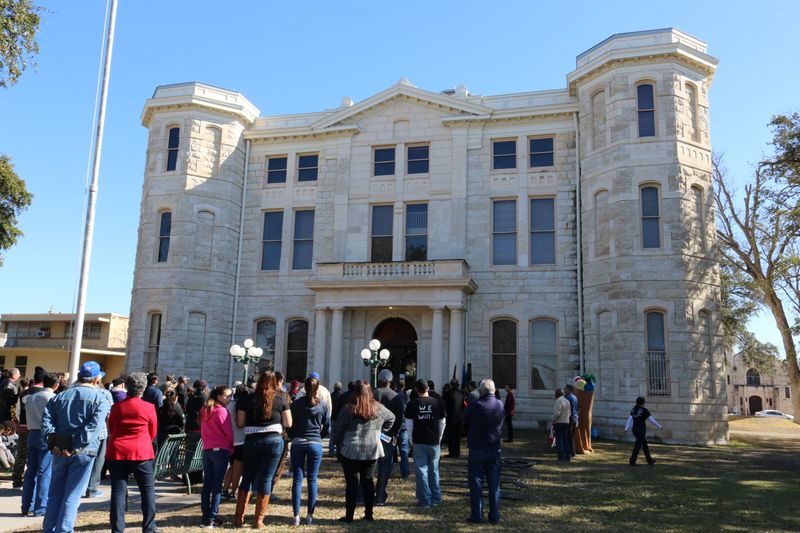
Straddling the border with Mexico and anchored by Laughlin Air Force Base, this city offers a unique blend of military tradition and recreational opportunities. Lake Amistad, a massive reservoir created by damming the Rio Grande, provides 67,000 acres of water for boating, fishing, and swimming.
Housing costs remain remarkably affordable, allowing residents to invest in recreational equipment and experiences rather than pouring every dollar into rent or mortgage payments.
The military presence brings stability and diversity to the community, with service members and their families contributing to local schools, businesses, and civic organizations. This constant influx of new residents creates an atmosphere of openness and adaptation, where newcomers are welcomed and integrated into community life.
The base also hosts air shows and public events that showcase military capabilities while strengthening bonds between service members and civilians.
Amistad National Recreation Area protects ancient rock art sites where indigenous peoples left pictographs thousands of years ago, creating a direct connection to the region’s deep history. Visitors can explore these archaeological treasures while enjoying water sports and camping in the surrounding wilderness.
The lake’s clear waters and rocky shorelines create a landscape that feels more like the Mediterranean than typical Texas terrain.
Downtown Del Rio maintains a small-town charm, with locally owned businesses serving residents who value personal service and community connections. The Whitehead Memorial Museum complex preserves regional history through exhibits on ranching, Native American culture, and border life.
San Felipe Springs feeds a crystal-clear creek that flows through town, creating a natural gathering place where families cool off during hot summer months.
Del Rio’s combination of natural resources, military stability, and low living costs creates an environment where outdoor enthusiasts and families alike can build satisfying lives without financial strain.
Dear Reader: This page may contain affiliate links which may earn a commission if you click through and make a purchase. Our independent journalism is not influenced by any advertiser or commercial initiative unless it is clearly marked as sponsored content. As travel products change, please be sure to reconfirm all details and stay up to date with current events to ensure a safe and successful trip.
