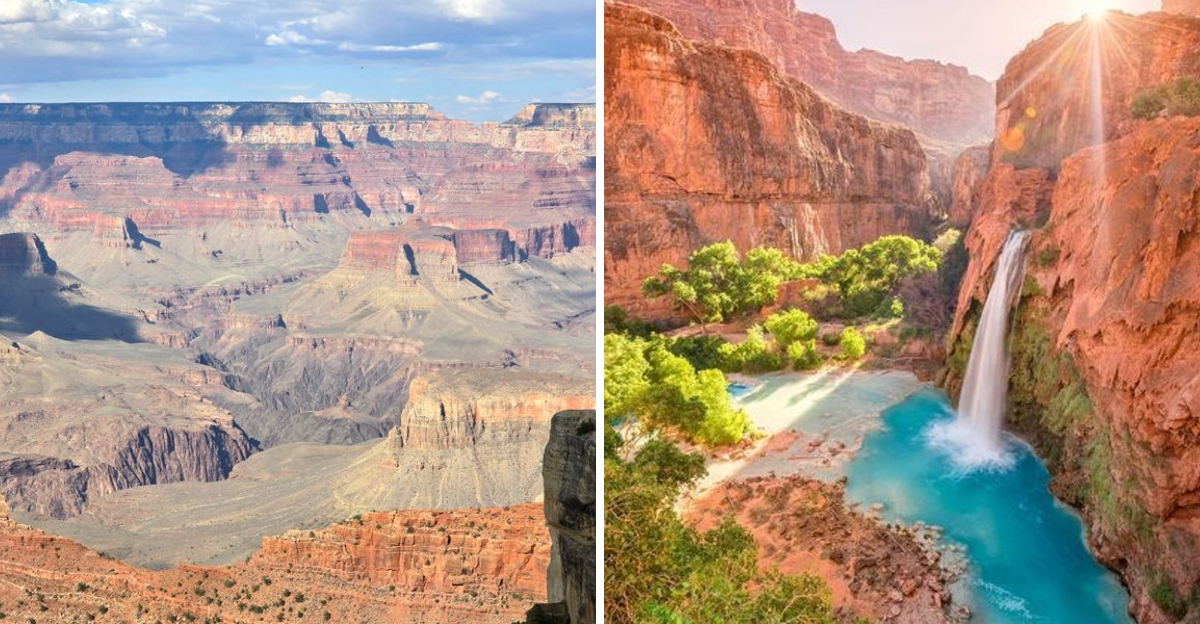
Arizona stretches across the Southwest with landscapes that shift from red rock canyons to towering saguaro forests, from high desert plateaus to sparkling lakes carved by the Colorado River.
Visitors flock here year-round, drawn by the promise of natural wonders, Wild West history, and quirky roadside attractions that seem to exist nowhere else.
But not every famous spot lives up to the hype, and locals know which places have become overcrowded, overly commercialized, or just plain overrated.
These eight Arizona hotspots might be on every tourist’s bucket list, but residents often steer clear, preferring hidden gems that offer the same beauty without the chaos.
1. London Bridge at Lake Havasu City
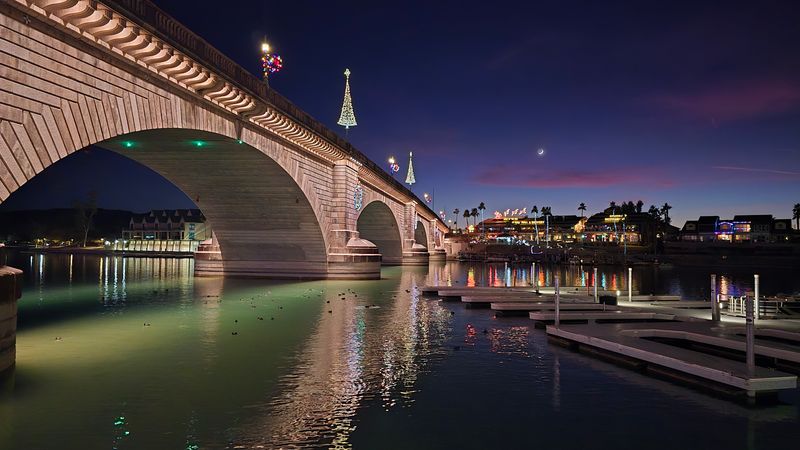
When the original London Bridge was dismantled in 1968, an American entrepreneur bought it stone by stone and had it shipped across the Atlantic to the Arizona desert.
The bridge was reconstructed over a man-made channel in Lake Havasu City, creating one of the strangest tourist attractions in the state.
It’s an impressive feat of engineering and ambition, but the novelty wears thin quickly for anyone who lives nearby.
The area surrounding the bridge has been developed into a commercial district packed with souvenir shops, chain restaurants, and gaudy storefronts that feel more like a strip mall than a historic site.
Crowds of tourists gather daily to snap photos and buy overpriced trinkets, while locals tend to avoid the congestion and opt for quieter spots along the lake.
The bridge itself is undeniably unique, but the experience of visiting it is underwhelming compared to the marketing hype.
There’s little context provided about the bridge’s history, and the surrounding development detracts from any sense of authenticity or cultural value.
For residents, the bridge is a symbol of how commercialization can overshadow genuine heritage, turning a potentially fascinating landmark into a carnival-like attraction.
Lake Havasu itself offers far better experiences away from the bridge, with secluded coves, hiking trails, and water sports that don’t require navigating throngs of selfie-takers.
The annual spring break crowds only amplify the chaos, making the area feel more like a party zone than a place to appreciate history or nature.
If you’re looking for authentic Arizona charm, this transplanted piece of England probably isn’t it.
Address: 1340 McCulloch Blvd N, Lake Havasu City, Arizona
2. Havasu Falls
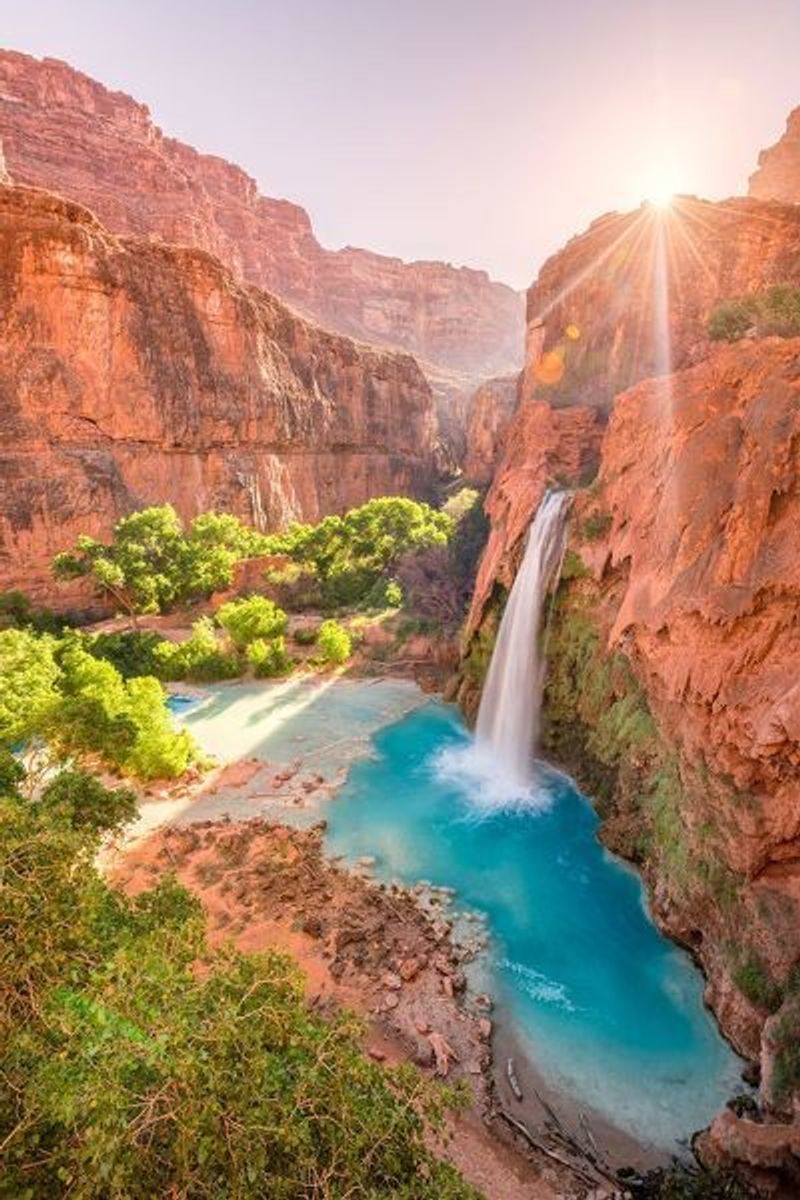
Tucked deep within the Havasupai Indian Reservation, this waterfall has become one of the most photographed natural wonders in the American Southwest.
Its brilliant turquoise waters tumble over rust-colored cliffs, creating a scene so vivid it almost looks digitally enhanced.
Social media has turned this once-peaceful oasis into a bucket-list obsession, and the result has been a surge of visitors that the fragile ecosystem struggles to handle.
Permits sell out within minutes of becoming available, and the ten-mile hike to reach the falls is now crowded with backpackers jostling for space on narrow trails.
The campground near the falls has transformed into a bustling tent city where quiet moments are rare and the sound of nature competes with chatter and camera clicks.
Trash has become a persistent problem despite cleanup efforts, and the sheer volume of foot traffic has caused erosion along pathways that were never designed for such heavy use.
Locals who once made the pilgrimage regularly now avoid the area entirely, choosing instead to explore lesser-known waterfalls like Cibecue Falls or Fossil Creek.
These alternatives offer similar beauty without the crowds, and the experience feels more authentic and respectful of the land.
The Havasupai Tribe has implemented stricter regulations to protect the area, but the damage from years of overtourism is evident.
For those who do visit, it’s essential to follow Leave No Trace principles and respect tribal lands.
But if you want to understand why locals skip it, just imagine trying to find solitude in a place that now feels more like a theme park than a sacred natural site.
3. Tombstone
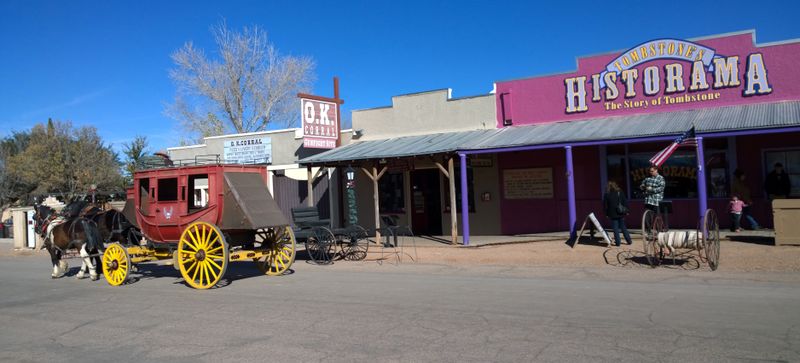
Few towns in America have leaned harder into their Wild West past than Tombstone, where every corner seems designed to remind you that this was once the site of the famous Gunfight at the O.K. Corral.
The problem is that the town has become a living theme park, with staged shootouts, actors in period costume, and an endless parade of kitschy gift shops selling everything from replica six-shooters to “I Got Tombstoned” T-shirts.
What was once a genuine piece of frontier history now feels like a Hollywood set, and locals are quick to roll their eyes at the whole spectacle.
Tourists wander the wooden boardwalks, posing for photos and watching scripted gunfights that happen multiple times a day, while the true history of the area gets buried under layers of commercialization.
The saloons and storefronts are designed to look authentic, but most are filled with mass-produced souvenirs rather than anything of real historical value.
For those genuinely interested in Arizona’s mining and frontier past, there are far better options like Bisbee or Jerome, towns that have preserved their heritage without turning it into a tourist trap.
Tombstone’s appeal is undeniable for first-time visitors, especially families with kids who enjoy the playful Western atmosphere.
But for anyone seeking a deeper connection to history or a more authentic experience, the town falls flat.
Locals avoid it not because it’s uninteresting, but because it feels like a caricature of what Arizona’s past actually was.
The relentless focus on entertainment over education makes it hard to take seriously, and the crowds can be overwhelming, especially on weekends and holidays.
If you want to see the real Arizona, skip the staged shootouts and head to a town where history is preserved, not performed.
4. Four Corners Monument
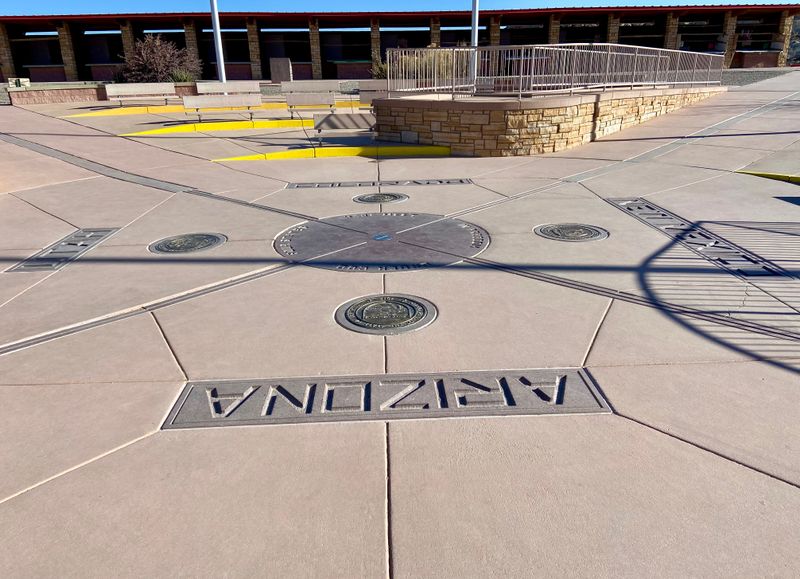
Standing at the only point in the United States where four states meet sounds like a once-in-a-lifetime experience, but the reality is far less exciting than the concept suggests.
The Four Corners Monument sits in a remote stretch of the Navajo Nation, surrounded by flat, barren desert with little else to see for miles in any direction.
Visitors pay an entrance fee to walk up to a bronze disk embedded in the ground, take a photo with one limb in each state, and then leave, often wondering why they drove so far for such a brief and unremarkable stop.
There are a few vendor stalls selling handmade jewelry and Navajo crafts, but the selection is limited and the prices are higher than what you’d find at more established markets.
The monument itself is maintained by the Navajo Nation, and while it’s a geographic curiosity, it lacks the natural beauty or cultural depth that makes other Arizona landmarks truly memorable.
Locals rarely visit unless they’re accompanying out-of-town guests, and even then, they tend to downplay expectations.
The drive to reach the monument is long and isolated, with few services or attractions along the way, making it a significant detour for anyone traveling through the region.
For those interested in Navajo culture or Southwestern landscapes, there are far more rewarding destinations like Monument Valley or Canyon de Chelly, both of which offer stunning scenery and deeper cultural experiences.
The Four Corners Monument is one of those places that sounds better on paper than it is in person, and most people who visit come away feeling like they checked a box rather than had a meaningful travel experience.
If your time in Arizona is limited, this is one spot you can safely skip without missing much.
Address: US-160, Teec Nos Pos, Arizona
5. Grand Canyon South Rim
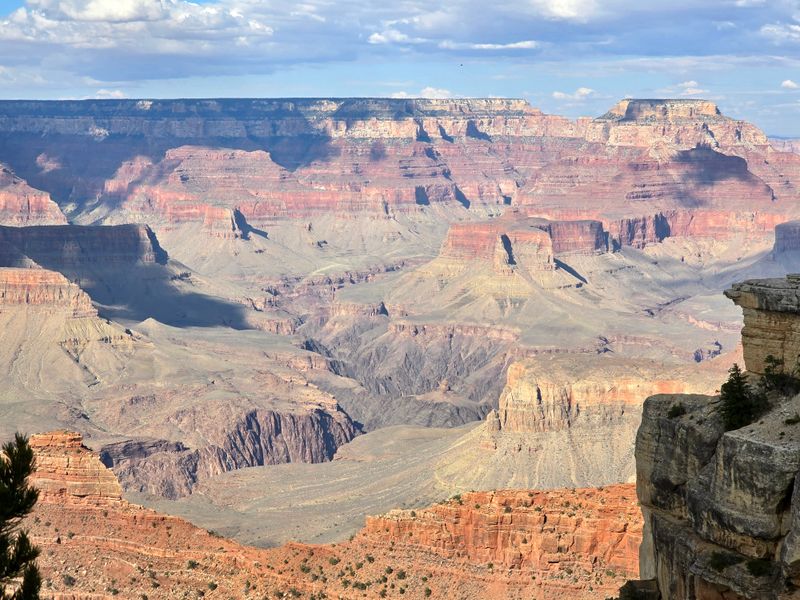
There’s no denying that the Grand Canyon is one of the most awe-inspiring natural wonders on the planet, but the South Rim has become so overrun with tourists that the experience can feel more stressful than serene.
During peak season, parking lots fill up before dawn, shuttle buses run packed with passengers, and the most popular overlooks are elbow-to-elbow with people vying for the perfect photo.
What should be a moment of quiet reflection in the face of geological majesty often turns into a crowded spectacle where it’s hard to find space to simply stand and take it all in.
Locals who live in northern Arizona have long since shifted their attention to the North Rim, which offers equally stunning views with a fraction of the crowds.
The North Rim is only open seasonally due to snow, but those who make the trip are rewarded with a more peaceful and intimate experience of the canyon.
Another alternative is to explore lesser-known viewpoints along the South Rim’s eastern edge, where tour buses don’t venture and the crowds thin out considerably.
The village area near the main visitor center has become heavily commercialized, with gift shops, restaurants, and lodges that cater to the masses but lack the charm of more remote destinations.
For those willing to hike below the rim, the experience improves dramatically, as most tourists never venture beyond the overlooks.
Trails like the Bright Angel or South Kaibab offer solitude and perspective that you simply can’t get from the crowded viewpoints above.
Locals appreciate the Grand Canyon for what it is, but they also know that timing and location are everything when it comes to avoiding the tourist crush.
If you visit during shoulder season or explore less-traveled areas, the experience can still be magical, but the main South Rim viewpoints during summer are best left to the out-of-towners.
6. Sedona’s Main Tourist Corridor
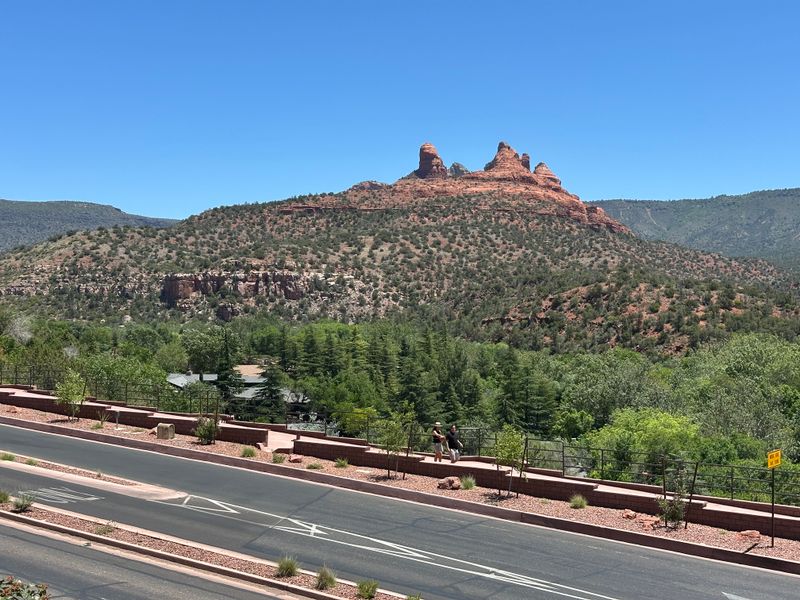
Sedona’s crimson cliffs and sculpted rock formations have made it one of the most photographed landscapes in the Southwest, but the town’s main tourist areas have become so commercialized that locals often avoid them entirely.
Uptown Sedona and the highway corridor through Oak Creek Canyon are lined with art galleries, crystal shops, tour companies, and restaurants that cater almost exclusively to visitors.
Traffic crawls through town, especially on weekends, as tourists stop to browse shops selling everything from expensive Southwestern art to mass-produced dreamcatchers.
The spiritual vortex sites that once attracted seekers looking for quiet meditation have become crowded trailheads where parking is nearly impossible to find.
Bell Rock, Cathedral Rock, and Airport Mesa are stunning natural features, but the experience of visiting them often involves navigating packed trails and competing for space at overlooks.
Locals who want to enjoy Sedona’s beauty have learned to explore lesser-known trails and visit during off-peak hours, avoiding the main tourist zones altogether.
The town has also become expensive, with inflated prices at restaurants and shops that take advantage of the steady stream of visitors willing to pay premium rates.
What was once a quiet artist community has transformed into a bustling resort town where the focus has shifted from creativity and nature to commerce and tourism.
For those seeking the red rock magic without the crowds, nearby areas like Cottonwood, Jerome, or the back roads around Schnebly Hill offer similar scenery with far fewer people.
Sedona itself is still beautiful, and there are pockets of tranquility if you know where to look, but the main tourist corridor is something most locals pass through quickly on their way to somewhere quieter.
If you visit, plan to wake early, hike the less popular trails, and avoid the town center during peak hours to get a taste of what Sedona used to be.
7. Antelope Canyon
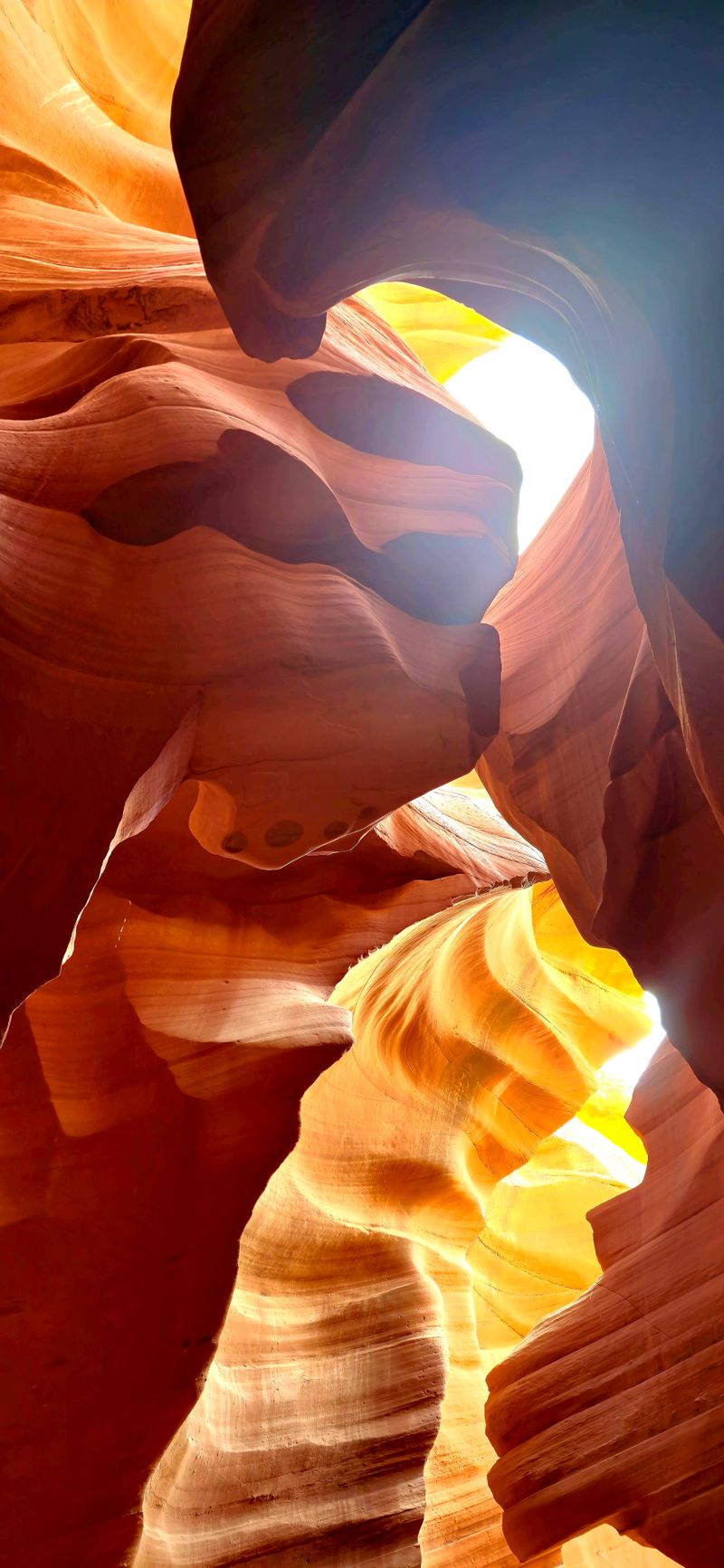
Carved by water over millennia, Antelope Canyon’s sinuous sandstone walls and ethereal light beams have made it one of the most iconic photography locations in the world.
But the canyon’s fame has come at a cost, transforming what was once a sacred Navajo site into a tightly controlled tourist operation where spontaneity and solitude are nearly impossible to find.
Visitors must book guided tours in advance, often weeks or months ahead during peak season, and tours are scheduled in timed intervals to maximize the number of people who can pass through each day.
Once inside, you’re shuffled along with a group, given only a few minutes at each photogenic spot before being urged to keep moving to make room for the next wave of tourists.
The experience feels rushed and impersonal, more like an assembly line than an exploration of natural beauty.
Photographers pay extra for special tours that allow tripods and longer access, but even these premium experiences are crowded and competitive.
The famous light beams that filter through the canyon’s openings are only visible during certain months and times of day, and tours during these windows are the most expensive and hardest to book.
Locals who live near Page, Arizona, where the canyon is located, rarely visit anymore, knowing that the magic has been commodified and the spiritual significance overshadowed by tourism.
There are other slot canyons in the region that offer similar beauty without the crowds, such as Canyon X or Zebra Slot Canyon, but these require more effort to reach and aren’t as heavily marketed.
For those who do visit Antelope Canyon, the visuals are undeniably stunning, but the experience is far from the intimate encounter with nature that many expect.
It’s a place where you’ll get your Instagram shot, but you won’t get the quiet awe that makes natural wonders truly unforgettable.
8. Scottsdale’s Old Town District

Scottsdale’s Old Town was once a charming historic district with authentic Western character, but it has evolved into a polished tourist destination that feels more manufactured than genuine.
The streets are lined with high-end art galleries, trendy boutiques, and restaurants that cater to visitors with deep pockets, while the original cowboy culture has been sanitized and repackaged for mass appeal.
Locals who live in the Phoenix metro area rarely venture into Old Town unless they’re entertaining guests, preferring instead to explore neighborhoods with more authentic character and fewer crowds.
The district is undeniably picturesque, with its adobe-style architecture, colorful murals, and tree-lined sidewalks, but the experience feels curated and lacking in spontaneity.
Parking is a hassle, especially during events and peak tourist season, and the prices at restaurants and shops are inflated compared to other parts of the city.
The weekly ArtWalk draws large crowds who stroll through galleries sipping wine, but the focus has shifted from supporting local artists to selling expensive pieces to wealthy collectors and tourists.
There are still pockets of authenticity in Scottsdale, particularly in neighborhoods away from the main tourist zones, but Old Town has largely become a place where image matters more than substance.
The nightlife scene is dominated by upscale bars and clubs that attract a party crowd, making the area feel less family-friendly and more focused on entertainment than culture.
For those interested in Southwestern art and history, the Heard Museum in Phoenix or the smaller galleries in Tucson offer more meaningful and less commercialized experiences.
Old Town Scottsdale isn’t without its charms, and first-time visitors often enjoy the atmosphere, but locals see it as a place that has lost touch with its roots in favor of catering to tourists.
If you want to experience the real Arizona, look beyond the glossy storefronts and explore the neighborhoods where locals actually live and gather.
Dear Reader: This page may contain affiliate links which may earn a commission if you click through and make a purchase. Our independent journalism is not influenced by any advertiser or commercial initiative unless it is clearly marked as sponsored content. As travel products change, please be sure to reconfirm all details and stay up to date with current events to ensure a safe and successful trip.
