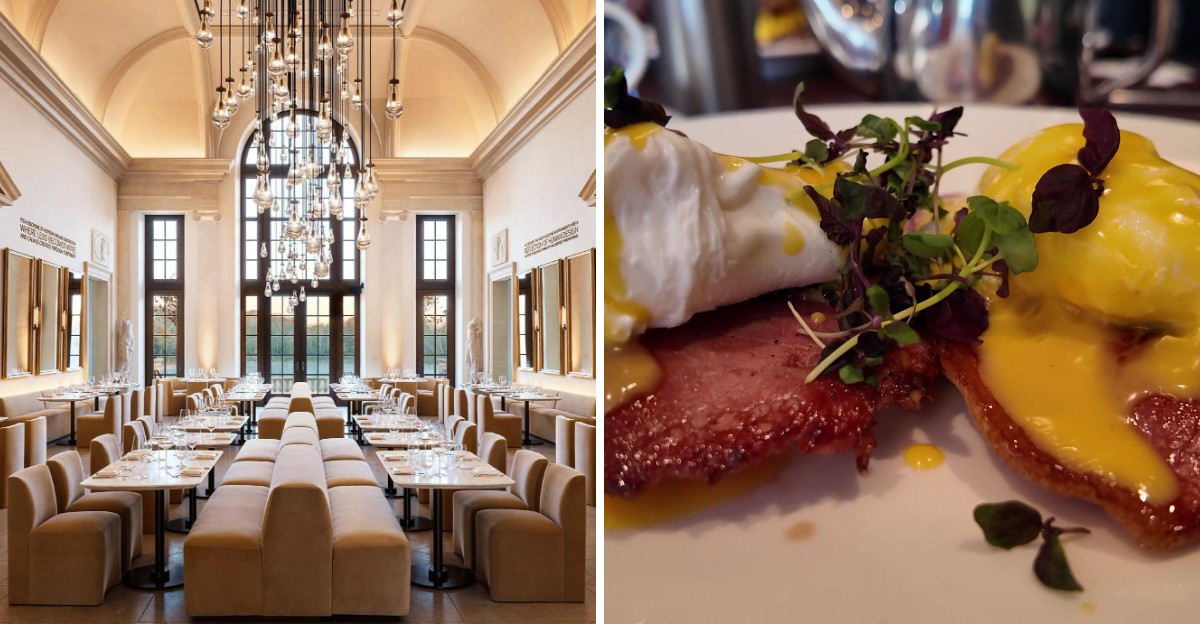
The first bite tastes expensive. The second confirms it.
Then someone quietly asks, “Should we look at the prices before ordering anything else?”
Indiana has restaurants where dinner can become the main event, complete with polished dining rooms, open kitchens, serious wine lists, and plates that arrive looking more like artwork than supper. Some sit inside historic buildings.
Others overlook lakes or fill elegant hotel spaces. A few are far enough outside the usual restaurant circuit that getting there feels like part of the occasion.
The prices vary, but the experience has one thing in common: nobody is confusing these dinners with a quick Tuesday meal. This is the kind of night people plan ahead for, dress up for, and remember long after the check has been paid.
1. Vida in Indianapolis
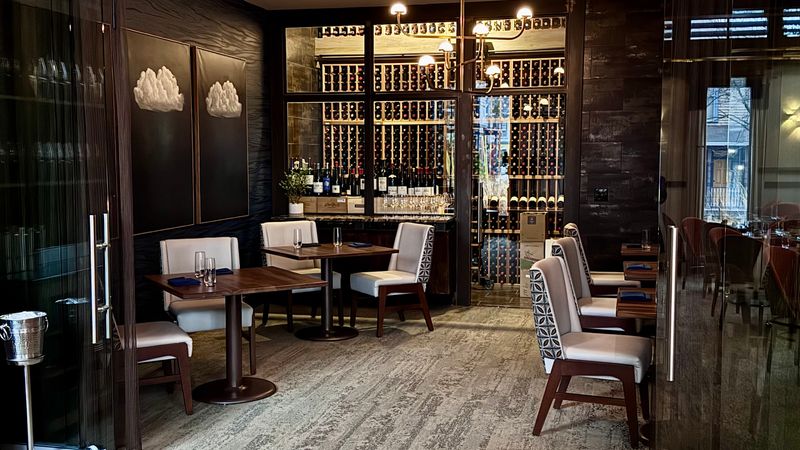
Few dining rooms in Indianapolis feel as much like an art gallery as this one, where pale walls and clean lines frame the real exhibit: an open kitchen humming at the center of everything. Cooks move with quiet precision.
Guests watch plates come together just a few feet away.
Vida sits on East New York Street at the edge of downtown, close enough to walk from most central hotels yet tucked away from the busiest blocks. The menu shifts with the seasons, built around whatever is peaking at the moment, so a visit in October reads nothing like a visit in May.
Two paths exist for diners here. One is the a la carte route, good for those who know exactly what they want, and the other is the multi-course chef’s tasting, which moves through changing textures, temperatures, and proteins in a deliberate order.
Service runs polished and unhurried, timed so nobody feels rushed between courses. That pacing matters, because the meal is designed to stretch across a couple of hours rather than fill a quick gap in a travel schedule.
Special occasions fit naturally in this space. Anniversaries, milestone birthdays, and the kind of celebration that deserves photographs all land well, all at 601 E New York St, Indianapolis, IN 46202.
Reservations tend to disappear quickly on weekends, so planning ahead makes the difference between a memorable evening and a missed one.
2. Beholder on East 10th Street
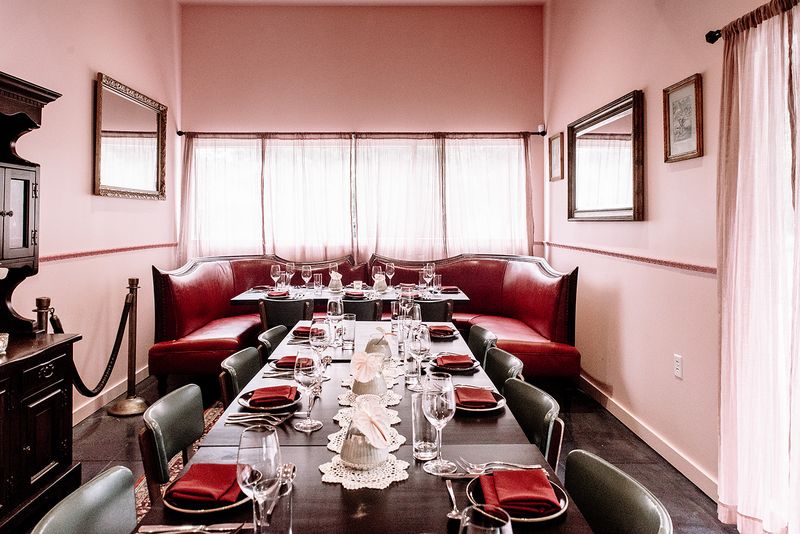
There is a friendly buzz inside Beholder that catches visitors off guard, especially those expecting hushed formality from a place this ambitious. Conversations overlap.
Plates travel across tables because sharing is practically the house rule.
Found at 1844 East 10th Street in Indianapolis, the restaurant leans into world-inspired small and large plates that change often. Executive chef Jonathan Brooks builds menus around unexpected pairings, and the lineup rarely stays the same long enough to memorize a favorite dish.
Regulars seem to enjoy that unpredictability. Ordering here becomes a small act of trust.
The open kitchen anchors the main dining room and gives the whole space a sense of motion, with cooks plating just beyond the counter.
Sourcing comes from local, organic, and sustainable farms, a choice that ties the kitchen directly to growers around central Indiana and strengthens the wider regional food network.
Style-wise, the room lands somewhere between sophisticated and neighborly, so a dressed-up group and a casual pair can sit side by side without anyone feeling out of place.
The cooking has been described as risk-taking and serious at the same time, which is a rare combination worth experiencing firsthand. Dishes are meant to engage the senses rather than simply fill a plate.
For travelers exploring the east side, it makes an excellent anchor to an evening.
3. The Dining Room at RH Indianapolis
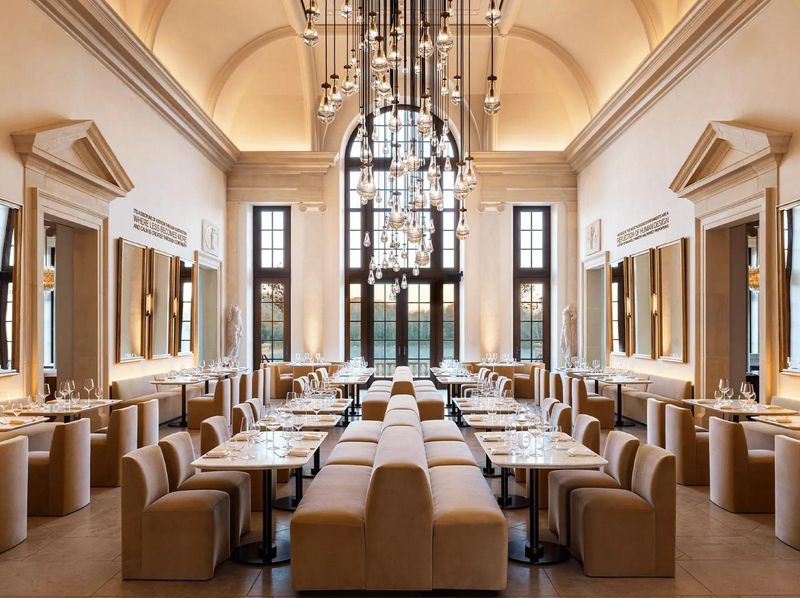
A 151-acre estate with a lake, formal gardens, and a Palladian-style mansion does not sound like Indiana, yet there it is at 4501 North Michigan Road in Indianapolis. The Dining Room at RH occupies the most theatrical corner of the property, right beside the water.
Soaring windows pull the landscape indoors. Overhead, a striking lighting installation by master glass designer Alison Berger scatters light across the tables in a way that shifts as the afternoon fades.
The menu sticks to elegant classics, carefully curated rather than sprawling, which suits the setting. Nothing about the experience feels rushed, and lingering seems to be encouraged by the design itself.
What makes the visit unusual is how the estate blurs the line between a home and a hospitality space. Lavishly decorated rooms invite wandering before or after a meal, and the gardens stretch far enough to justify a proper walk.
Plan extra time. Showing up just for the food means missing half of what the place offers.
Natural light, water views, and architecture all work together here, and the result is a meal that activates the senses beyond taste alone. Photographers in particular tend to find the space irresistible.
Travelers passing through the northwest side of the city can easily fold this into an afternoon, then stay for dinner as the lake catches the last light.
4. Commission Row Downtown
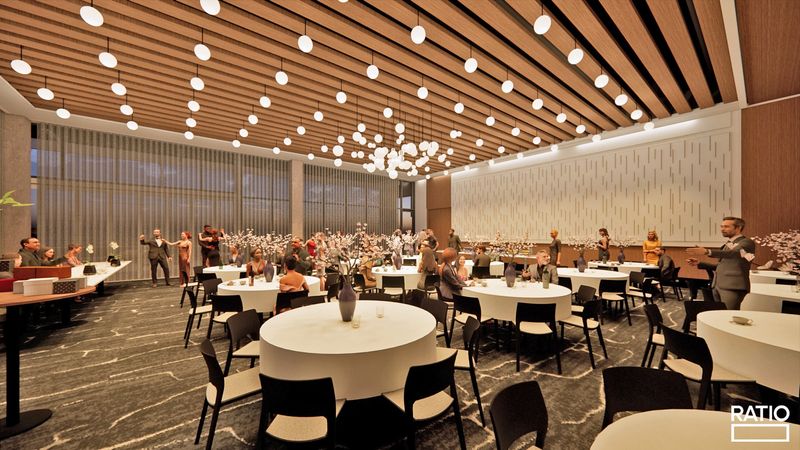
Long before this corner became a dining destination, the surrounding blocks moved crates of produce and goods as a busy wholesale district. Commission Row takes its name from that history and keeps the reference alive in its design.
The address is 110 South Delaware Street, right in the thick of downtown Indianapolis and an easy stroll from Gainbridge Fieldhouse. Pre-event dinners work especially well here.
Premium steaks headline the menu, backed by a polished raw bar and fresh seafood that arrives looking as good as it tastes. A dedicated culinary team curates the lineup as a crossroads of flavors, with seasonal ingredients steering what shows up on the plate.
Multiple levels give the restaurant different moods depending on where a party sits. Upper floors feel more reserved, while the main level carries more energy from the street.
Groups tend to do well here because the menu suits both the steak purist and the person who would rather build a meal from shellfish and starters. That flexibility is underrated when traveling with people who never agree on food.
A thoughtful beverage program rounds out the experience without overshadowing the kitchen.
For visitors who want one memorable downtown meal that captures a bit of Indianapolis history alongside serious cooking, this address earns its place on the itinerary. Arrive early and take in the room.
5. Anthony’s Chophouse in Carmel
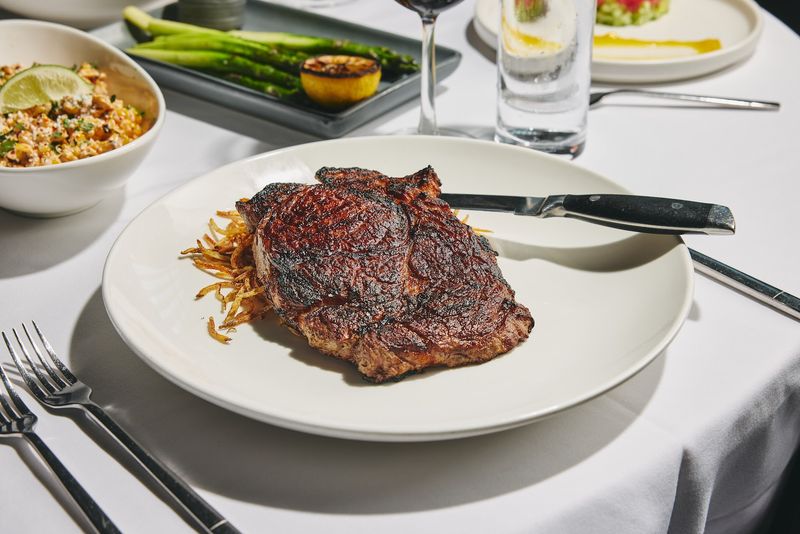
Timing a reservation for sunset pays off at Anthony’s Chophouse, where the upper level’s floor-to-ceiling windows frame downtown Carmel just as streetlights flicker on. The view does a lot of the work.
Located at 201 West Main Street, the restaurant reinterprets the traditional steakhouse instead of simply copying it. The interior leans elegantly modern, with details that whisper rather than shout.
Executive Chef Karl Benko brings decades of kitchen experience to the operation, and it shows in how familiar steakhouse cuisine gets a fresh spin. Top-tier cuts anchor the menu, joined by fresh seafood and appetizers that deserve more attention than starters usually get.
Carmel itself makes a pleasant base for a night out. The Arts and Design District sits nearby, walkable and full of small shops worth browsing before dinner.
Inside, the mood strikes a balance between celebratory and comfortable, which suits everything from a business dinner to a quiet anniversary. Nobody feels overdressed, and nobody feels underdressed either.
Ask about seating upstairs when booking. The difference in atmosphere between levels is noticeable, and the skyline framing is genuinely the best part of the room.
Suburban Indianapolis rarely gets credit for this caliber of dining, yet Carmel has quietly built a reputation that draws people north from the city on a regular basis. Dinner here explains why.
6. Vivante at Hotel Carmichael
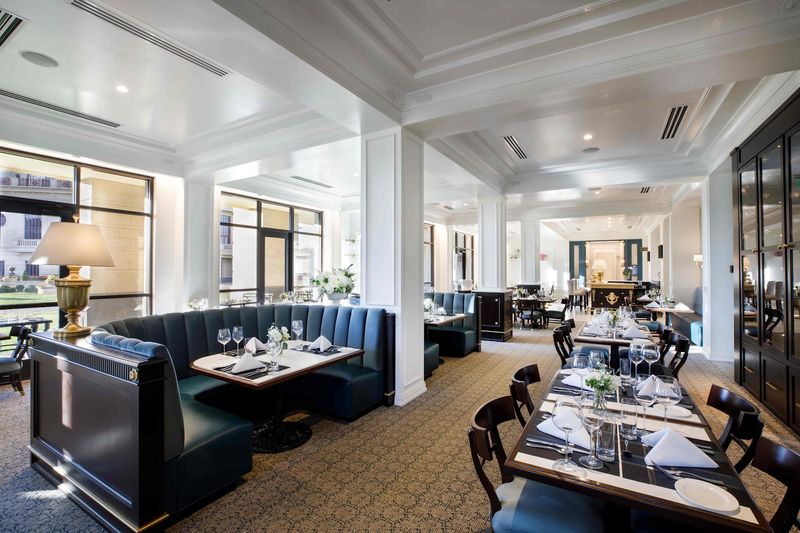
Brushed velvet booths tend to make people settle in rather than perch, and that is exactly the effect Vivante seems to be going for. The French Eatery lives inside Hotel Carmichael at 1 Carmichael Square in Carmel.
Inspiration comes from the hearty cooking of the French countryside, translated with a contemporary touch. Classic dishes appear, but rarely in a museum-piece way.
Executive Chef Joseph Hsu builds fresh, approachable plates across breakfast, lunch, and dinner, drawing on extensive experience and an obvious enthusiasm for cooking. Menus stay accessible enough that nobody needs a culinary dictionary to order confidently.
Seasonal outdoor seating looks toward Carter’s Green and the Monon Trail, which means people-watching comes free with the meal. Cyclists roll by.
Families cut across the green.
The interior reads warm and casually elegant, a combination that lets guests arrive in jeans or in a jacket without a second thought. That relaxed confidence is part of the charm.
Staying at the hotel makes the whole thing easier, especially for travelers who would rather take an elevator than drive after a long dinner. Walking out into the plaza afterward is a nice way to end the night.
Morning visits deserve consideration too, since the same kitchen handles breakfast with the same care. Coffee by the window with the trail waking up outside is a genuinely pleasant start to any Carmel day.
7. Arbor Inside The Bradley Hotel
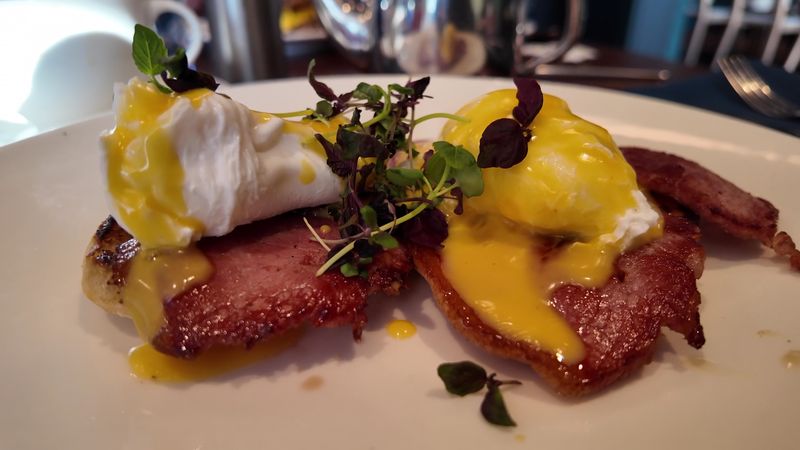
Fort Wayne’s tree-lined trails and parks influenced the look of Arbor long before anyone tasted the food. Greens, woods, and natural light run through the space, and the name is no accident.
The restaurant sits on the ground level of The Bradley Hotel in downtown Fort Wayne, functioning as the building’s culinary heartbeat at 204 W Main St, Fort Wayne, IN 46802. Guests staying upstairs drift down easily, while locals come in off the sidewalk.
Upscale American cooking leads the menu, tilted toward a modern Italian-American flair with comfort food elevated a few notches. Familiar dishes arrive looking sharper than expected.
Chefs here commit to high-quality, locally sourced ingredients, which turns the menu into a small showcase for Indiana’s agricultural strength. Farms around the northeast part of the state supply plenty of what lands on the table.
Design-wise, the room is chic and contemporary without feeling cold, helped considerably by daylight streaming in during the earlier hours. Evenings soften into something cozier.
Casual lunches fit here just as comfortably as celebration dinners, which makes it a practical choice mid-trip when plans are still loose.
Downtown Fort Wayne rewards a walk afterward, with the riverfront and public spaces within easy reach. Pairing a meal with an evening stroll along the trails that inspired the restaurant closes the loop nicely.
For anyone charting a dining route north, this stop feels essential rather than optional.
8. Rune Restaurant on Broadway
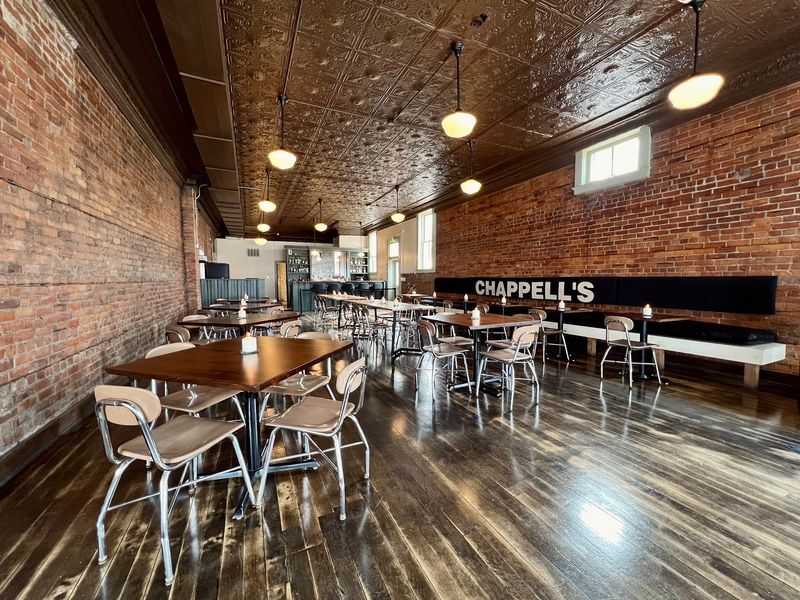
Part dinner party, part chef’s lab. That description fits Rune better than any menu summary could, and it explains why the room feels different from a standard fine dining space.
Chef Sean Richardson runs the kitchen with a focus on seasonal, local ingredients and refined technique, aiming for balance rather than fireworks. Flavors land where they should, course after course.
The building at 2725 Broadway in Fort Wayne dates to the turn of the century and has kept much of its original personality. Antique milk glass lighting hangs overhead, exposed brick lines the walls, and the whole setting carries a lived-in warmth that new construction cannot fake.
Multi-course menus pay tribute to Northeast Indiana’s farms and food producers, so the region shows up directly on the plate. Eating local is the point, not a marketing line.
Staff describe the energy as relaxed swank, which sounds contradictory until the first course arrives and the mood clicks into place. Nobody whispers, and nobody feels stiff.
Small dining rooms mean limited seats, so booking well ahead is simply part of the plan.
Travelers who enjoy watching a kitchen take chances will find plenty to talk about between courses. The progression builds in a way that keeps curiosity alive from the first bite to the last.
Consider it the most personality-driven stop on this Indiana route.
9. Roselily in South Bend
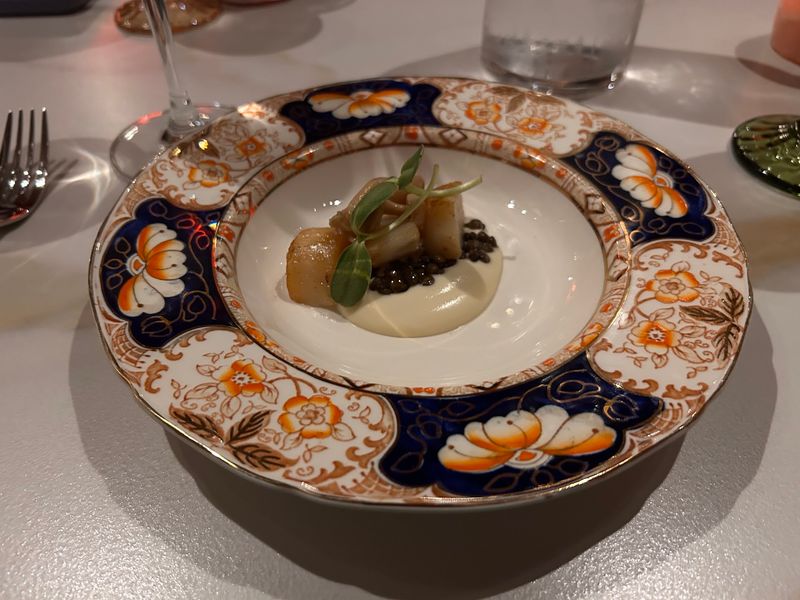
South Main Street in South Bend holds a restaurant that changed local expectations fairly quickly. Roselily opened as a New American spot built around seasonal ingredients and an inviting open kitchen, then earned a four-diamond designation not long after.
Chef Eamonn McParland founded the place, and the kitchen’s rhythm reflects a clear point of view. Menus shift constantly to feature the best ingredients from farmers, growers, and foragers across the Midwest.
Foraged items deserve a mention on their own, since they bring flavors to the table that rarely appear in restaurants at all.
Diners choose between a la carte plates or an immersive chef’s tasting menu. The tasting route is designed as a progression that builds, surprises, and gets people talking across the table, which is arguably the best measure of a good meal.
Inside, the look is eclectic and warm rather than sleek, landing on unpretentious but clearly refined. Nothing feels precious, and that keeps the focus on the food.
Counter seating near the kitchen is worth requesting for anyone who likes watching the process unfold.
Notre Dame sits just north of downtown, so a game weekend or campus visit pairs naturally with a reservation here. Booking early during football season is not optional.
Northern Indiana makes a strong case for itself at this table, one seasonal plate at a time at 701 S Main St, South Bend, IN 46601.
10. Joseph Decuis in Roanoke
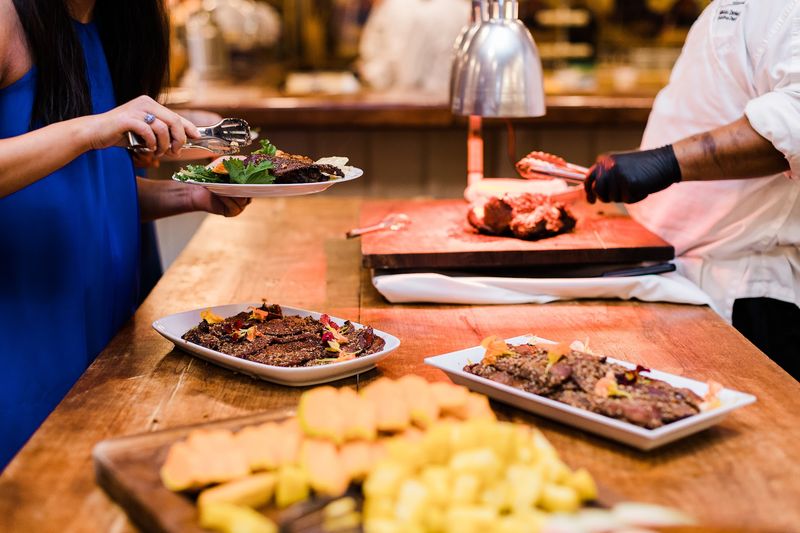
An old bank building in a small Indiana town might be the last place anyone expects to find nationally known farm-to-fork dining. Joseph Decuis proved otherwise after opening to the public in 2000 at 191 N Main St, Roanoke, IN 46783.
Roanoke sits southwest of Fort Wayne, and the restaurant serves Wagyu beef raised at its own nearby farm. Food travels a remarkably short distance from pasture to kitchen, which is the whole idea.
The dining philosophy centers on ingredients that are fresh, natural, seasonal, and genuinely delicious, echoing a time when meals were treated as one of life’s great pleasures. That mindset shapes everything from the plating to the pace.
Beyond dinner, the operation stretches further than most restaurants ever attempt. Special events happen either at the restaurant or out on the farm, and overnight stays are available at the historic Inn in Roanoke or at the Farmstead Inn.
Turning the visit into a two-day trip makes a lot of sense. Tour the farm, sleep nearby, and skip the drive entirely.
Roanoke itself is walkable and quiet, with a main street that rewards a slow look around before or after a meal.
Of every stop on this Indiana route, none connects land and table quite so directly. The cattle graze down the road, the building holds a century of local history, and dinner somehow ties both together.
