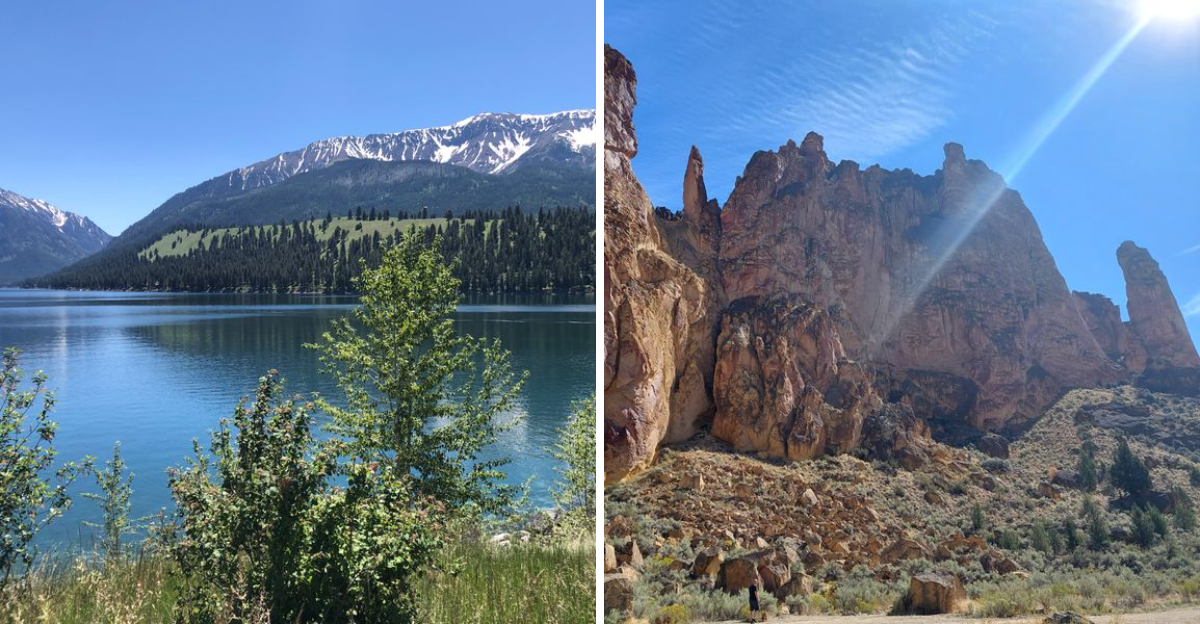
Oregon holds secrets that even lifelong residents sometimes miss. Beyond the famous waterfalls and coastline attractions, tucked into the corners of this diverse state, lie places that whisper rather than shout for attention.
These hidden gems offer experiences just as rewarding as their celebrated counterparts, yet they remain refreshingly uncrowded and authentically wild.
From desert landscapes that stretch endlessly under big skies to alpine lakes cradled by snow-capped peaks, Oregon’s lesser-known destinations reward those willing to venture off the beaten path.
Many travelers rush past these remarkable spots on their way to more popular sites, never realizing what they’re missing. The charm of these unassuming places lies not just in their natural beauty, but in the sense of discovery they offer to curious explorers.
Whether you’re seeking solitude in a vast wilderness, hoping to witness geological wonders that few have seen, or simply wanting to experience Oregon beyond the tourist brochures, these 9 destinations deserve a prominent spot on your travel list.
1. Owyhee Canyonlands
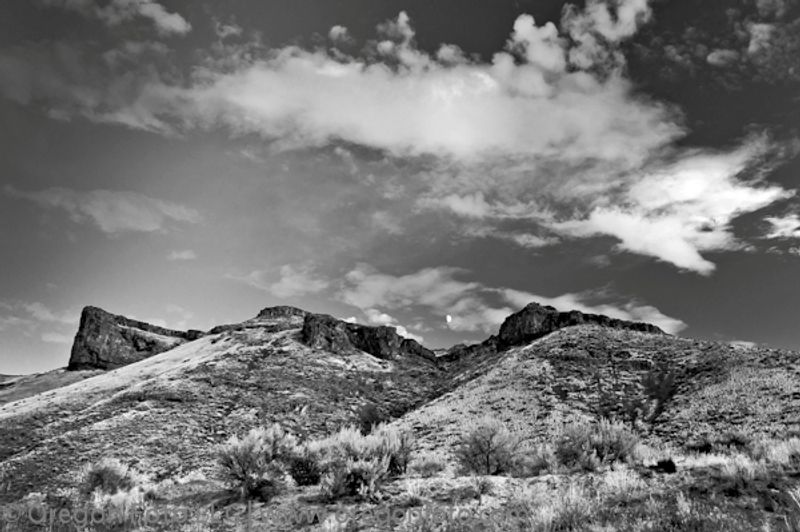
Vast expanses of rugged desert terrain stretch as far as the eye can see in this remote corner of southeastern Oregon. The Owyhee Canyonlands remain one of the state’s best-kept secrets, offering a wilderness experience that rivals the Grand Canyon’s dramatic beauty without the overwhelming crowds.
Towering canyon walls carved by ancient rivers create a labyrinth of colorful rock formations that glow brilliantly at sunrise and sunset.
Getting here requires commitment and preparation since paved roads give way to rough dirt tracks long before you reach the heart of this wilderness. The isolation is part of the appeal, allowing visitors to experience true solitude in a landscape that feels untouched by modern life.
Wildlife thrives in this harsh environment, with bighorn sheep navigating impossibly steep cliffs and golden eagles soaring on thermal currents above the canyons.
Adventurous souls find endless opportunities for exploration, from multi-day backpacking trips to challenging four-wheel-drive routes that test both vehicle and driver. The Owyhee River cuts through the deepest sections, creating opportunities for experienced rafters during spring runoff when water levels permit safe passage.
Photography enthusiasts discover new compositions around every bend, where layers of volcanic rock tell geological stories spanning millions of years.
Planning ahead is essential since services are virtually nonexistent once you leave the small towns on the region’s periphery. Bring extra fuel, plenty of water, and detailed maps because cell phone coverage disappears quickly in these remote canyons.
The reward for this extra effort is an authentic wilderness experience that few Oregonians have witnessed firsthand.
Location: Malheur County, Oregon (accessible via Routes 95 and 78)
2. Alvord Desert
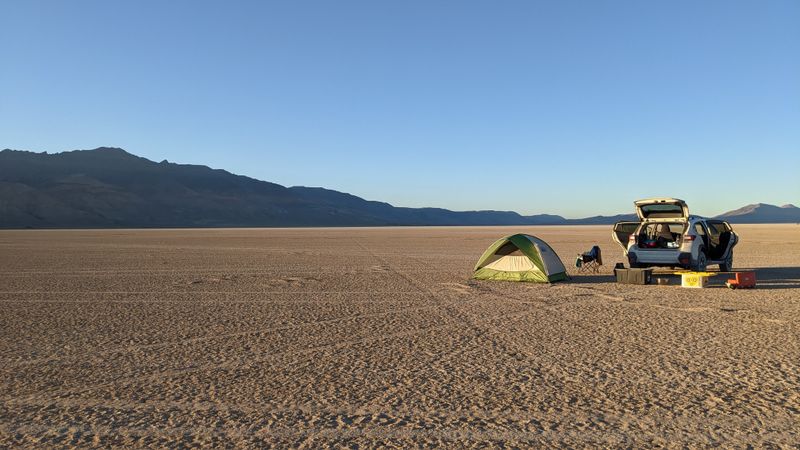
A prehistoric lakebed transforms into a mirror when rare rains briefly flood its surface, creating one of nature’s most surreal optical illusions. The Alvord Desert stretches across twelve miles of perfectly flat terrain, where the absence of vegetation and the stark beauty of surrounding mountains create an otherworldly atmosphere.
This playa offers visitors a chance to experience genuine desert solitude that feels more like Nevada or Utah than typical Oregon landscapes.
Steens Mountain rises dramatically along the western edge, providing a stunning backdrop that changes character throughout the day as shadows shift across its massive face. During dry periods, the hard-packed surface becomes a natural speedway where visitors can walk for miles without encountering a single obstacle.
The sense of space here is overwhelming, with horizons extending in every direction under skies that seem impossibly vast.
Hot springs bubble up along the desert’s edges, offering weary travelers a chance to soak in naturally heated pools while gazing at star-filled skies unmarred by light pollution. These geothermal features provide welcome relief after a day spent exploring the harsh but beautiful environment.
The Mickey Hot Springs area, located nearby, features colorful mineral deposits and boiling pools that demonstrate the volcanic forces still active beneath the surface.
Weather conditions can change rapidly, transforming the benign desert into a challenging environment within hours. Summer temperatures soar into uncomfortable ranges, while winter brings bitter cold that few visitors expect in Oregon.
Spring and fall offer the most pleasant conditions for exploration, with moderate temperatures and occasional wildflower blooms adding splashes of color to the monochrome landscape.
Location: Harney County, Oregon, east of Fields (Fields-Denio Road)
3. Wallowa Lake
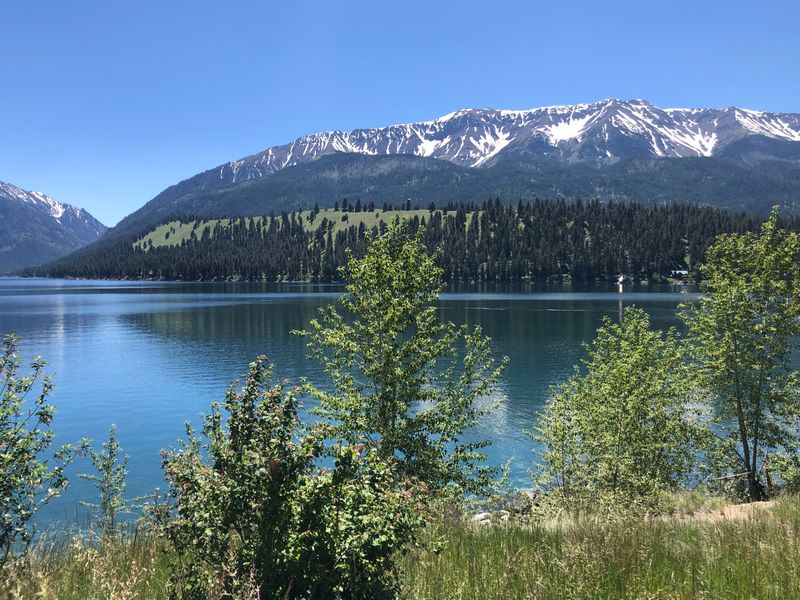
Glacial forces carved this pristine alpine lake thousands of years ago, leaving behind a gem that rivals European mountain destinations for sheer scenic beauty. Wallowa Lake sits cradled between towering peaks in Oregon’s northeastern corner, earning its nickname as the state’s “Little Switzerland” through comparison alone.
Crystal-clear waters reflect surrounding mountains with mirror-like precision on calm mornings, creating photographic opportunities that seem almost too perfect to be real.
Summer visitors find endless recreational possibilities, from kayaking and paddleboarding across the lake’s calm surface to hiking trails that climb into the surrounding Eagle Cap Wilderness. The Wallowa Lake Tramway carries passengers up Mount Howard, offering panoramic views that stretch across multiple states on clear days.
This aerial ride provides an accessible way for visitors of all abilities to experience the region’s alpine grandeur without strenuous hiking.
The small town at the lake’s northern end maintains a charming, old-fashioned resort atmosphere that feels frozen in a more relaxed era. Family-owned lodges and cabins line the shoreline, offering accommodations that range from rustic to comfortable without ever becoming overly commercialized.
Local restaurants serve hearty meals perfect for refueling after a day spent exploring mountain trails or paddling across the lake.
Fall transforms the surrounding valleys into a tapestry of gold and orange as aspen and larch trees change color against the backdrop of evergreen forests. This seasonal display attracts photographers and nature lovers who appreciate the dramatic contrast between autumn foliage and snow-dusted peaks.
Winter brings a quieter beauty, with ice formations along the shoreline and opportunities for snowshoeing through silent forests.
Location: 72214 Marina Lane, Joseph, OR 97846
4. Blue Basin at John Day Fossil Beds
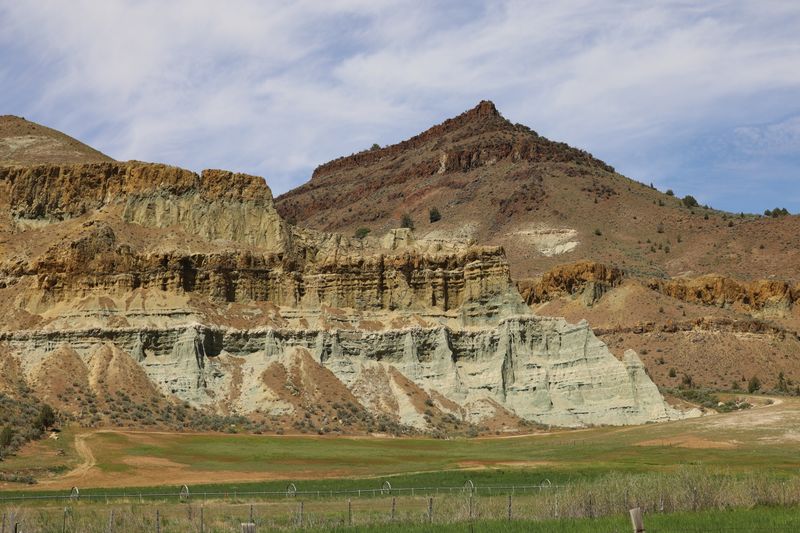
Walking through the Blue Basin feels like stepping onto another planet where time operates on geological rather than human scales. Layers of blue-green volcanic ash create an alien landscape that contrasts dramatically with Oregon’s typical green forests and volcanic peaks.
These ancient deposits preserve fossils from creatures that roamed this region millions of years ago when the climate and terrain bore no resemblance to today’s high desert environment.
The Island in Time Trail winds through the heart of the basin, allowing visitors to walk among towering formations while interpretive signs explain the incredible history locked within these colorful rocks. Each layer represents a different period in Earth’s history, creating a visible timeline that spans millions of years.
The unique coloration comes from minerals within the volcanic ash that have oxidized over millennia, producing shades that shift from pale turquoise to deep teal depending on lighting conditions.
Paleontologists continue making discoveries here, uncovering fossils of ancient mammals, plants, and insects that help scientists understand how ecosystems evolved over time. The fossil beds demonstrate how dramatically landscapes can change, transforming from lush forests to the arid high desert visible today.
Visitors often express surprise at finding such remarkable geological features in Oregon, a state more commonly associated with waterfalls and coastline than badlands.
Photography opportunities abound throughout the basin, especially during early morning and late afternoon when angled sunlight emphasizes the formations’ sculptural qualities. The relatively short hiking trails make this destination accessible to families and visitors who may not be prepared for strenuous backcountry adventures.
Summer heat can be intense, so spring and fall visits offer more comfortable exploration conditions.
Location: 32651 Highway 19, Kimberly, OR 97848
5. Eagle Cap Wilderness
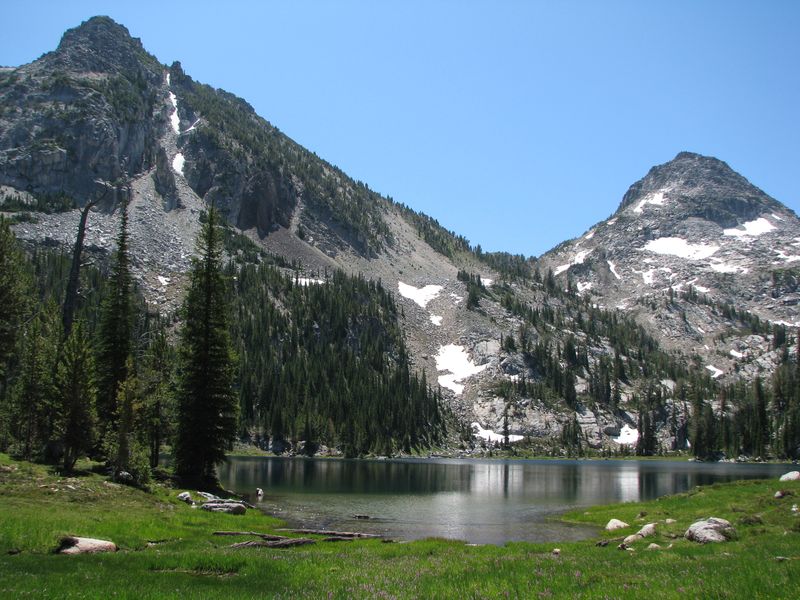
Rugged peaks pierce the sky across Oregon’s largest wilderness area, creating a backcountry paradise that challenges and rewards adventurous hikers in equal measure. Eagle Cap Wilderness encompasses nearly four hundred thousand acres of pristine mountain terrain where motorized vehicles are prohibited and nature operates according to its own rhythms.
Alpine lakes numbering in the dozens nestle between granite peaks, their frigid waters fed by snowmelt and surrounded by wildflower meadows during brief summer growing seasons.
Trails ranging from moderate day hikes to demanding multi-day backpacking routes provide access to this spectacular landscape. The Lakes Basin area attracts the most visitors, though “crowded” remains a relative term in wilderness this vast and remote.
Glacial cirques carved into mountainsides create dramatic amphitheaters where waterfalls tumble over rock ledges and marmots whistle warnings from boulder fields.
Fishing enthusiasts find excellent opportunities in high-altitude lakes stocked with trout, though catch-and-release practices help preserve these delicate populations. The physical effort required to reach these remote waters means anglers often have entire lakes to themselves, creating a solitary fishing experience impossible to find in more accessible locations.
Wildlife sightings include elk, deer, black bears, and occasionally mountain goats traversing impossibly steep terrain.
Preparation is crucial since wilderness regulations prohibit the conveniences found in developed campgrounds. Visitors must practice Leave No Trace principles, packing out all trash and minimizing their impact on fragile alpine environments.
Weather can turn dangerous quickly at high elevations, with afternoon thunderstorms common during summer months and snow possible even in July and August.
Location: Wallowa-Whitman National Forest, accessible via multiple trailheads near Joseph and Enterprise, Oregon
6. Steens Mountain
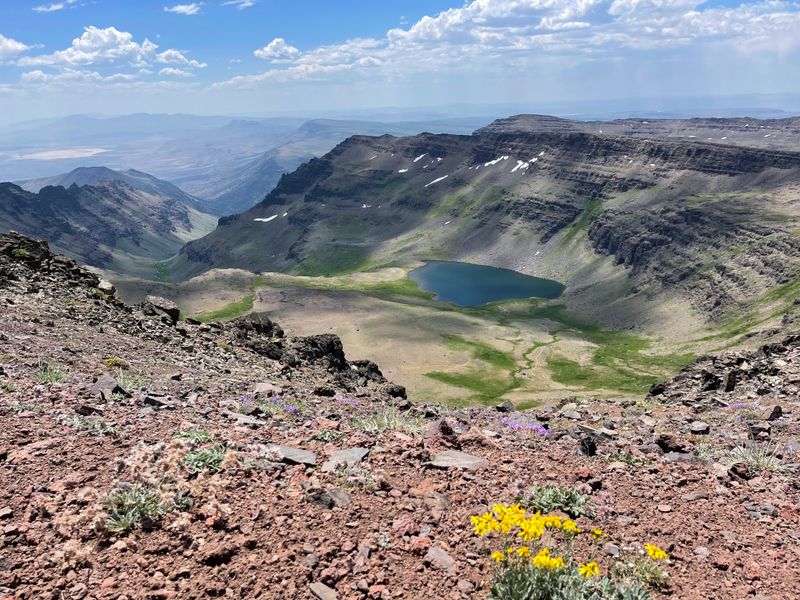
Rising nearly a vertical mile above the surrounding desert floor, this massive fault-block mountain dominates southeastern Oregon’s landscape like a natural fortress. Steens Mountain formed through dramatic geological uplift that tilted an enormous section of earth’s crust, creating gentle western slopes and sheer eastern escarpments that drop away in breathtaking vertical cliffs.
The Steens Mountain Loop Road climbs to elevations where oxygen feels thin and weather conditions can shift from pleasant to dangerous within minutes.
Panoramic views from the summit encompass hundreds of square miles of high desert, with the Alvord Desert visible far below and mountain ranges extending to distant horizons in every direction. Four major gorges carved by ancient glaciers cut deep into the mountain’s eastern face, creating dramatic canyons that rival anything found in more famous national parks.
These U-shaped valleys demonstrate the incredible erosive power of ice that once blanketed these heights during past ice ages.
Wildflowers carpet high-elevation meadows during brief summer growing seasons, attracting butterflies and providing forage for wildlife that migrates to these heights when lowland areas become too hot and dry. Aspen groves shimmer in drainage areas, their white bark standing out against dark volcanic rock and providing brilliant yellow displays each autumn.
The ecological diversity found here is remarkable, with desert species at lower elevations giving way to alpine tundra plants near the summit.
Road conditions determine accessibility, with the upper reaches typically open only from July through October depending on snowpack. Even during summer, visitors should prepare for cold temperatures and potential storms that can bring snow to the highest elevations.
The remoteness and lack of services mean self-sufficiency is essential for anyone venturing into this spectacular landscape.
Location: Harney County, Oregon (Steens Mountain Loop Road from Frenchglen)
7. Leslie Gulch
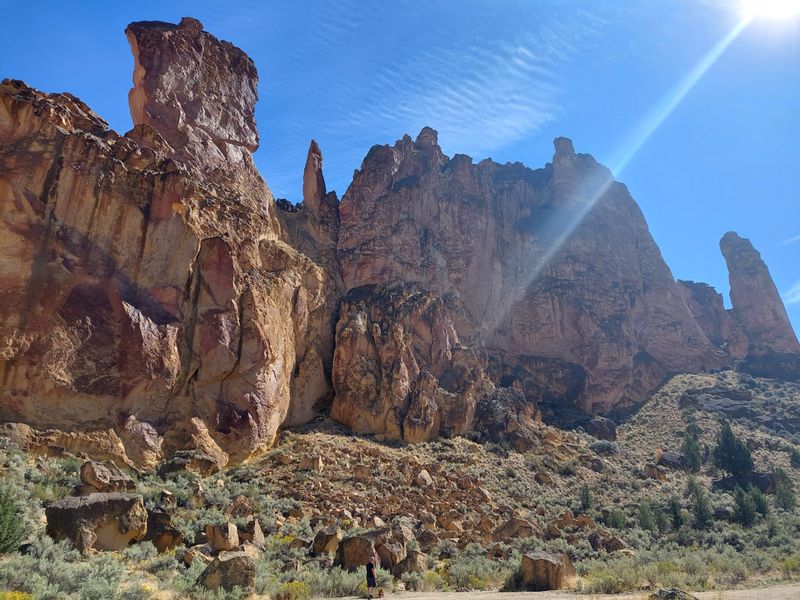
Towering rock spires and honeycomb formations create a geological wonderland that seems more appropriate to Utah’s canyon country than Oregon’s typical landscapes. Leslie Gulch showcases the incredible sculptural power of wind and water erosion, which has carved volcanic ash deposits into fantastic shapes that ignite the imagination.
Colors range from deep reds and oranges to pale yellows and creams, with the intensity varying throughout the day as sunlight shifts across the canyon walls.
The fifteen-mile road into the gulch follows a winding route through increasingly dramatic scenery, with formations growing taller and more spectacular with each passing mile. Hoodoos topped with harder caprock rise like ancient sentinels, their strange profiles suggesting everything from mushrooms to abstract sculptures.
Side canyons invite exploration, revealing hidden alcoves and narrow passages that reward curious hikers willing to scramble over boulders and navigate rough terrain.
Spring brings desert wildflowers that add splashes of color to the predominantly red and tan landscape, while bighorn sheep navigate cliff faces with gravity-defying agility. The remoteness of this location in Oregon’s far eastern reaches means visitation remains light even during peak seasons.
Photographers find endless compositions, with formations creating natural frames for distant views and textures that change dramatically depending on lighting conditions.
Camping is permitted in designated areas, allowing visitors to experience the magic of sunset and sunrise when warm light transforms the rocks into glowing sculptures. Summer temperatures can become uncomfortably hot, making spring and fall the preferred seasons for extended visits.
The gravel road requires careful driving but remains passable for most vehicles during dry conditions, though high-clearance vehicles handle the rougher sections more confidently.
Location: Malheur County, Oregon (Leslie Gulch Road off Highway 201)
8. Hells Canyon
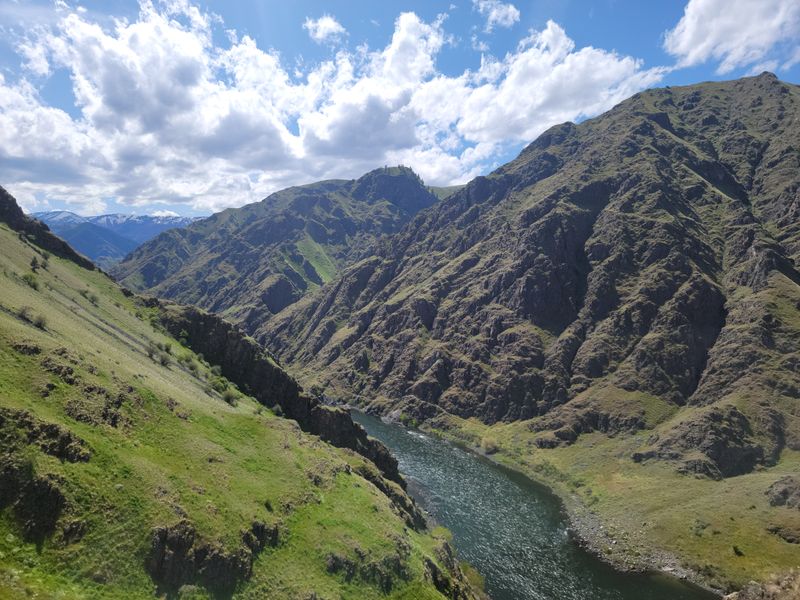
Plunging deeper than the Grand Canyon, North America’s deepest river gorge creates a landscape of staggering vertical relief where the Snake River cuts through ancient basalt layers. Hells Canyon marks the border between Oregon and Idaho, with the Oregon side offering spectacular viewpoints and access to wilderness that challenges even experienced outdoors enthusiasts.
The canyon’s depth creates multiple ecological zones, from desert conditions along the river to alpine environments on surrounding peaks.
Whitewater rafting through the canyon provides an adrenaline-pumping adventure that combines thrilling rapids with opportunities to observe wildlife and geology from river level. Multi-day float trips allow participants to disconnect completely from modern life, camping on sandy beaches and watching stars emerge in skies undimmed by artificial light.
Rapids ranging from moderate to intense test paddling skills while guides share stories about the canyon’s natural and human history.
Hiking trails descend from rim viewpoints to the river far below, losing thousands of feet of elevation over distances that seem deceptively short on maps. The physical demands of these trails cannot be overstated, with the return climb testing cardiovascular fitness and determination.
Those who make the journey discover a hidden world where rattlesnakes bask on warm rocks, wildflowers bloom in spring, and the river’s roar provides constant background music.
Viewpoints along the rim road offer stunning panoramas without requiring strenuous hiking, making the canyon’s beauty accessible to visitors of all abilities. Hat Point provides particularly dramatic vistas, with views extending across the canyon to Idaho’s Seven Devils Mountains.
The remote location and rough access roads mean crowds remain manageable even during summer months when other Oregon attractions overflow with visitors.
Location: Wallowa-Whitman National Forest, accessible via Forest Road 39 from Joseph, Oregon
9. The Oregon Garden in Silverton
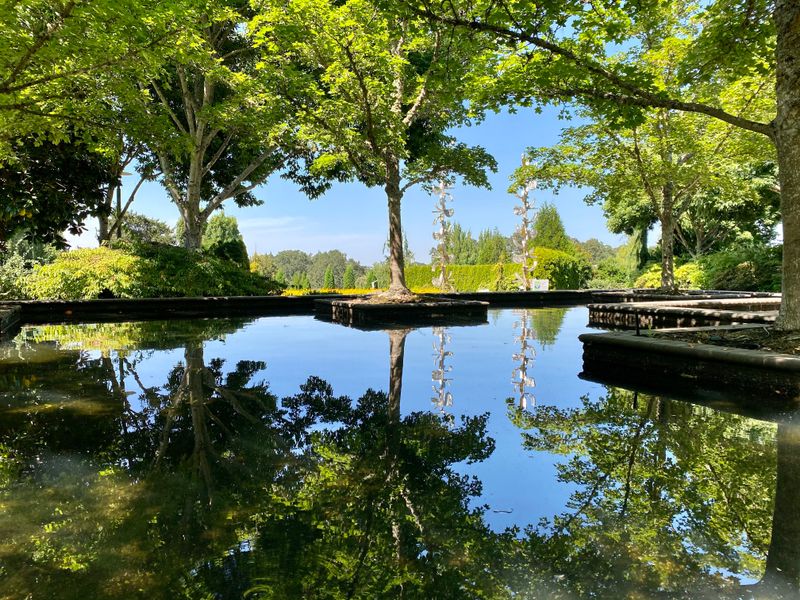
Eighty acres of meticulously designed garden spaces offer a peaceful retreat where plant collections from around the world thrive in the Willamette Valley’s favorable climate. The Oregon Garden showcases diverse horticultural themes, from formal European-style layouts to naturalistic wetland habitats that support native wildlife.
Winding paths connect different garden areas, creating a journey through varied landscapes that change dramatically with the seasons.
Spring explosions of color begin with early bulbs and continue through rhododendron blooms that paint entire hillsides in shades of pink, purple, and white. Summer brings roses, perennials, and ornamental grasses that sway in gentle breezes while providing habitat for butterflies and beneficial insects.
The conifer garden demonstrates the incredible diversity of evergreen species, many of which are native to Oregon’s varied ecosystems.
A Frank Lloyd Wright house sits within the garden grounds, offering architecture enthusiasts a chance to tour one of the famous designer’s residential creations. The Gordon House represents Wright’s Usonian vision of affordable, elegant homes designed for middle-class families.
Its presence adds cultural significance to the garden’s natural beauty, creating a destination that appeals to diverse interests.
The garden maintains a quieter profile compared to Oregon’s blockbuster attractions, making it an ideal destination for visitors seeking contemplation rather than crowds. Educational programs and seasonal events provide opportunities to deepen horticultural knowledge or simply enjoy themed displays.
The on-site restaurant sources ingredients from the garden when possible, connecting visitors directly to the landscape surrounding them.
Location: 879 West Main Street, Silverton, OR 97381
Dear Reader: This page may contain affiliate links which may earn a commission if you click through and make a purchase. Our independent journalism is not influenced by any advertiser or commercial initiative unless it is clearly marked as sponsored content. As travel products change, please be sure to reconfirm all details and stay up to date with current events to ensure a safe and successful trip.
