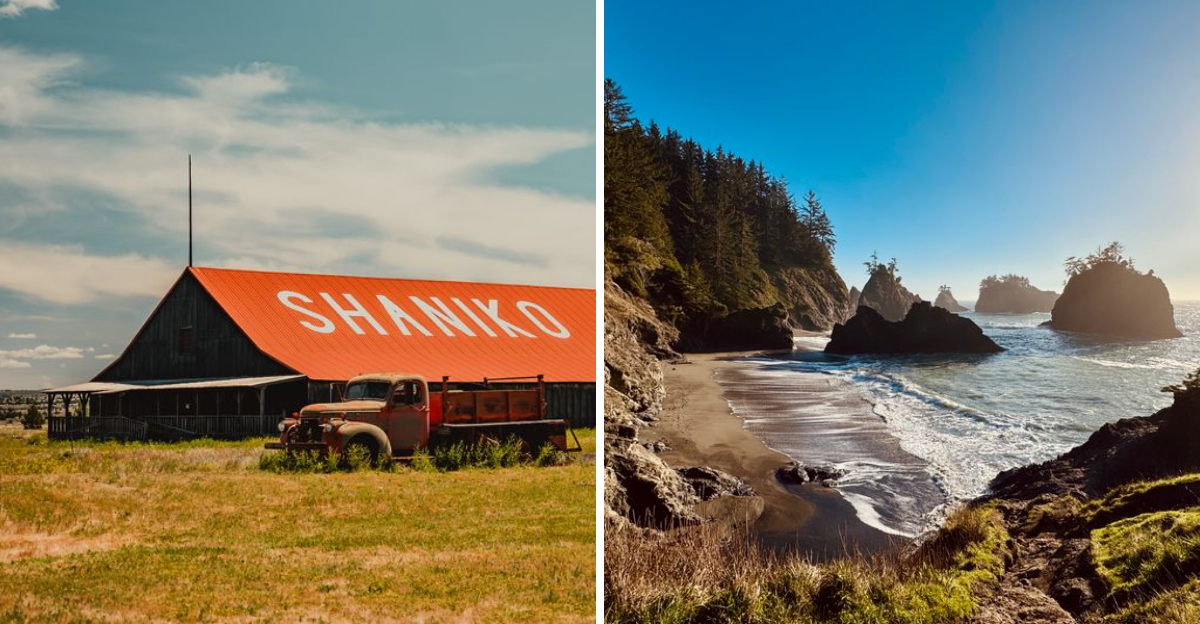
Oregon keeps its boldest tales tucked into quiet corners, where the map looks empty and the silence does most of the talking.
You think you know the Pacific Northwest, then a gravel road, a mossy stair, or a wind carved rim reveals a story that redraws everything.
These places do not shout, they whisper, yet the echoes carry across deserts, forests, headlands, and towns that outlived their headlines.
Follow along, because the state you thought was all green valleys and postcard coasts is about to surprise you in the best possible way.
1. Owyhee Canyonlands, Southeastern Oregon
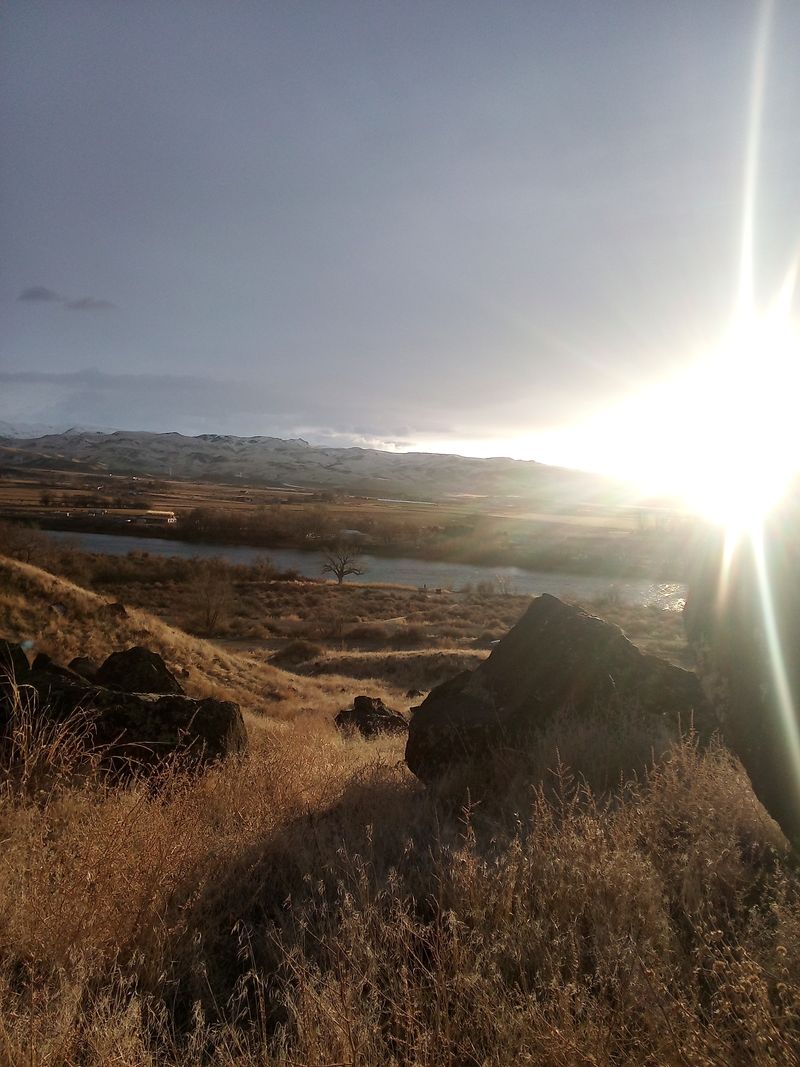
Drive far enough across sage and rimrock, and the Owyhee Canyonlands rise like a secret cathedral cut from time.
Basalt walls tower above a river that has carved bends so tight you feel the earth folding in on itself.
The address here is the Rome Launch, Owyhee River Access, Owyhee Lake Rd, Rome, OR 97910.
You hear hawks riding thermals and the soft grind of gravel under your boots, then nothing but wind.
Bighorn sheep balance on ledges where you would not dare pause, and wildflowers paint the ash gray soil in short seasons.
Human stories cling to petroglyphs and abandoned corrals, small marks that prove people read this landscape long before maps.
Volcanic flows and uplifted layers tell geology in chapters you can trace with your fingertips along cooled columns.
Hot springs bubble in pockets near the river, a reminder that heat still works quietly beneath Oregon.
River rafters launch when flows cooperate, threading canyons where light changes color by the minute.
Camp well above wash lines, respect crusted soil, and leave the silence as you found it.
Night arrives with skies that look hand pierced, the Milky Way pouring over dark rims like a pale river.
Morning gives you ochre walls and a chill that tastes like stone, and every footstep feels earned.
It is easy to think of Oregon as forests and rain, yet this high desert holds a different truth.
Come patient, carry extra water, and let the scale teach your plans to bend.
You will leave with dust on your pack and a story that needs no embellishment.
2. Shaniko, The Living Ghost Town
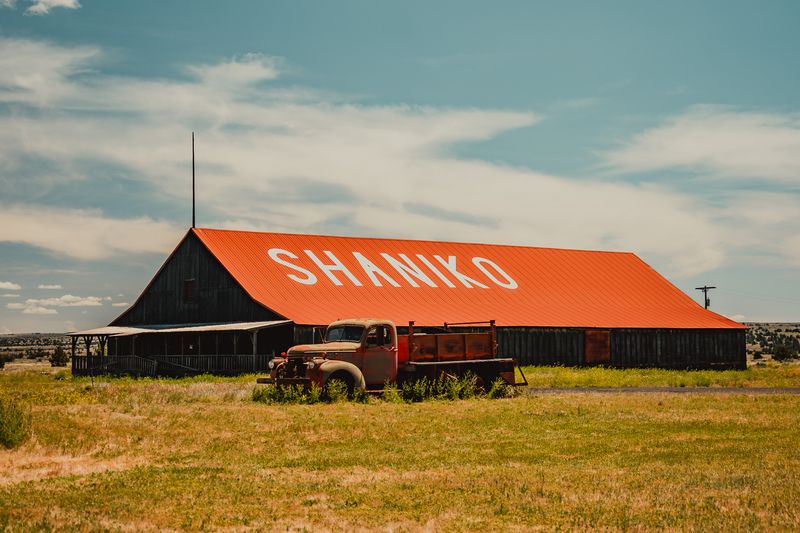
Shaniko sits quietly on the high plateau, a grid of streets where wind and memory keep each other company.
False front buildings line a main drag that once bustled with wool buyers and stage traffic headed across the interior.
The address is 4th St and Main St, Shaniko, OR 97057.
Walk the boardwalk and you can hear boot heels that are not there, a rhythm left by commerce that moved on.
Weathered paint, careful restorations, and a few open doors speak to pride rather than spectacle.
Interpretive signs point out depots and hotels that anchored the route when rails decided fortunes.
On still afternoons, you can almost see dust shimmer above the road like a curtain that never drops.
Local caretakers share stories with the ease of people who know every hinge and nail by name.
Photographers come for the texture, yet the heart of the place is its dignity, not its patina.
In Oregon, towns like this bridge eras without leaning into kitsch, holding space for quiet reflection.
Step into shade beside the restored schoolhouse and think about lessons taught before highways sliced the map.
The echo of a train that no longer runs seems to vibrate through the platform timbers.
Respect private property, read posted notices, and support the small museum when it is open.
Return at golden hour when long shadows square the buildings into crisp silhouettes.
You will leave with a sense that stillness can be as rich as motion, especially here.
3. Secret Beach, Samuel H. Boardman State Scenic Corridor
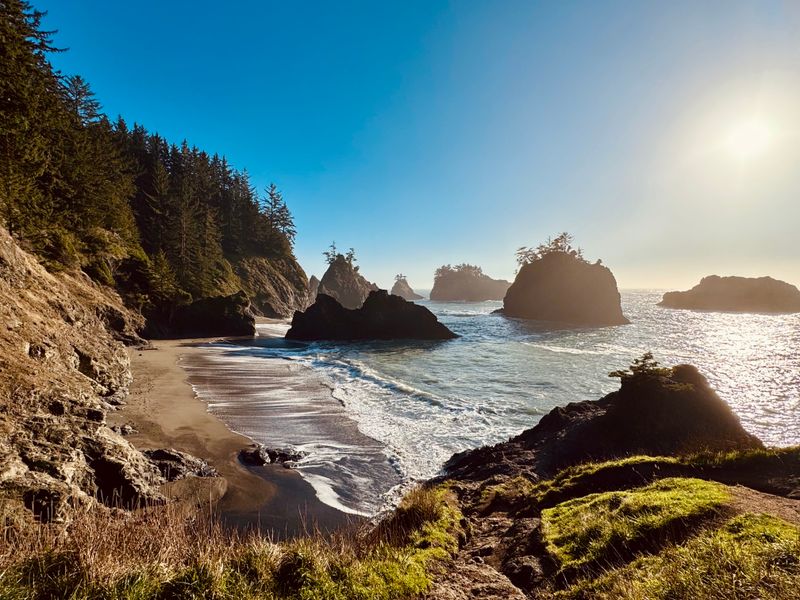
A narrow path dives through Sitka spruce and salal before spilling out onto Secret Beach, a pocket cove framed by sea stacks.
Waves fold into clear channels, retreating with a hiss that feels like the coast whispering instructions.
The trailhead pullout sits near US 101 milepost 345, Brookings, OR 97415.
Tide pools appear at lower tides, reflecting sky from bowls in the basalt like tiny observatories.
Arches and islets scatter just offshore, each one collecting spray and gulls in shifting patterns.
Oregon shows a quieter face here, less postcard, more living room, set to the rhythm of tides.
Stay aware of sneaker waves and wet algae, choose stable rocks, and keep an eye on the horizon.
Footpaths thread through shore pine, then drop to sand that squeaks under careful steps.
Mist hangs in sunbeams and turns driftwood into sculpture in a matter of minutes.
You can sit on a log and watch fog walk the headlands like a shy parade.
Sound carries differently in this cove, softer, as if the cliffs hold every note for second listening.
No services wait down here, so pack out everything and time your exit with daylight.
In the evening, the stacks burn gold, and the path back feels shorter than it should.
Even on busy days, pockets of solitude hide behind rock ribs and fern fringes.
Leave gentle footprints and let the place remain a secret that is easy to find but hard to forget.
4. Oregon Vortex and House of Mystery, Gold Hill
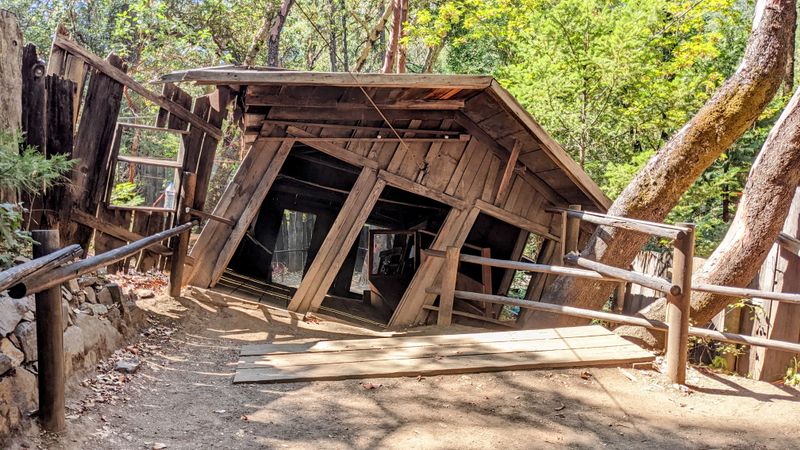
Just off the river road near Gold Hill, the Oregon Vortex plays with your sense of balance and scale in ways that feel playful and strange.
Objects roll uphill, people appear to change height, and the tilted House of Mystery makes your inner ear negotiate every step.
The address is 4303 Sardine Creek L Fork Rd, Gold Hill, OR 97525.
Guides weave folklore with physics, letting you test illusions rather than simply watch them.
Lines painted on boards and reference poles give you anchors while your eyes try to sort competing cues.
The setting matters, a forested bowl that seems to focus attention like a lens.
Oregon has prized roadside curios for generations, and this site carries that tradition with care.
Some visitors swear by magnetic anomalies, others enjoy the show and spare the theories.
You will likely laugh, which is a fine result for any detour between valleys and mountains.
Step outside, find level ground, and feel everything settle while birds reset the soundscape.
Photos capture tilted angles, yet the real memory is the odd sensation in your knees and shoulders.
Staff encourage respectful curiosity, which keeps the experience friendly and light.
It is a reminder that wonder does not require wilderness, only a nudge to notice perception at work.
Plan your timing to avoid crowds and give each demo room to breathe.
Leave willing to be wrong about what your eyes insist is right, which is the point.
5. Creswell Castle Ruins, Near Eugene
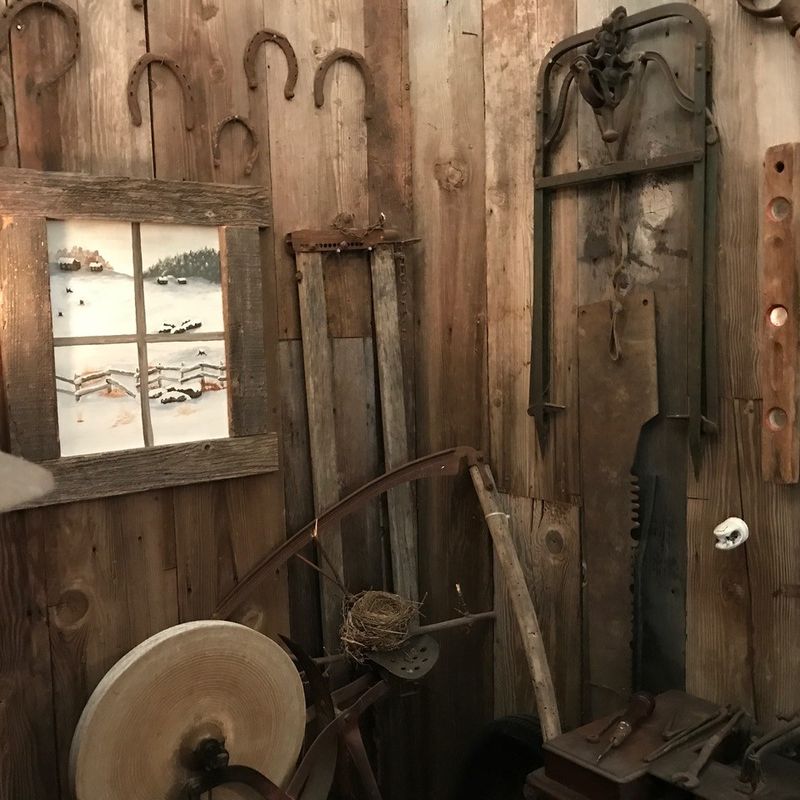
Hidden among oaks and pastureland south of Eugene, the so called Creswell Castle lingers as a fragment of ambition and weather.
Stone walls, partial archways, and a lone chimney outline a dream that never quite knit itself together.
The location is 33390 Camas Swale Rd, Creswell, OR 97426.
You step softly here, because the site is fragile and history is mostly inference stitched from materials and setting.
Lichen paints the rock in muted greens, and grasses push through gaps that once promised rooms.
Oregon carries many unfinished chapters, and this one reads like a margin note from a larger book.
Respect boundaries and posted signs, and view from safe pullouts if access is restricted.
The countryside rolls gently, with farmsteads and rail lines giving the approach a rural cadence.
Birdsong fills the pauses, and distant trains underline the passing of time in steel and echo.
Photographers favor the moody weather, when clouds make the stone breathe a little deeper.
The story here is not scandal, only a quiet lesson in how plans meet reality.
Carry that with you as you explore nearby trails and small towns that kept their center.
Each angle reveals another absence, which is oddly satisfying when you let it be.
Come for a short visit, take only pictures from legal vantage points, and tread lightly.
You leave with a sketch of what could have been, which is sometimes enough.
6. Fishtrap Recreation Area, Near Joseph
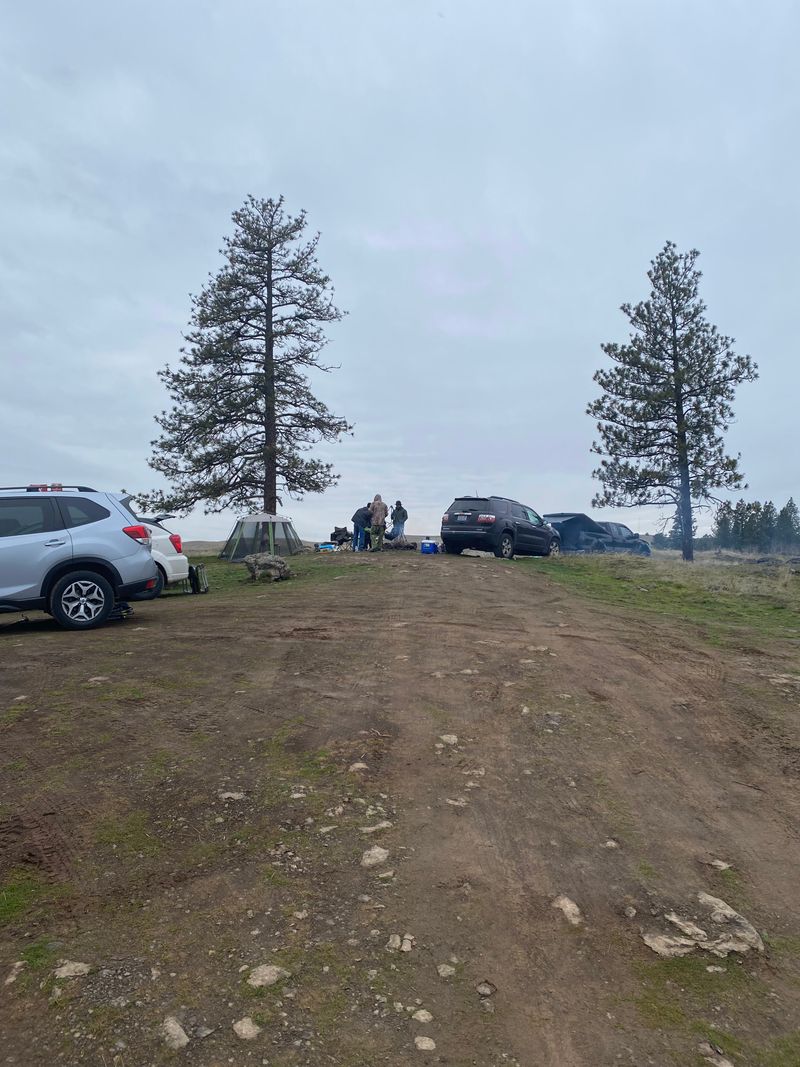
East of the wheat fields, Fishtrap Recreation Area opens to a plateau of basalt outcrops shaped by ancient lava and patient weather.
Columns ring shallow basins, and rim trails trace edges that sweep toward big sky and blue distance.
The access point is Fishtrap Trailhead, Upper Cottonwood Creek Rd, Enterprise, OR 97828.
You walk between pillars that look stacked by careful hands, though fire and ice did the work.
Prairie grasses comb the wind and lay down quiet patterns like notes on staff lines.
Oregon knows how to surprise with geology, and this is a classroom without walls.
From certain angles, rocks suggest corral shapes, the namesake fish traps caught in silhouette.
Birds nest in cracks, then leap out into drafts that circle the buttes with ease.
The light shifts fast, turning gray stone honey warm, then back again in minutes.
Stay off thin ledges and respect seasonal closures that protect habitat.
Carry a map or offline app since service thins to almost nothing past the last bend.
Solitude here is never empty, it is filled with small sounds you only hear when you slow.
Watch for wildflowers near seeps and microscopic gardens on north facing rocks.
Leave gates as you found them and give livestock a wide berth when present.
By the time you return to the trailhead, the wind will have edited your thoughts into something simple.
7. The Oregon Garden, Silverton
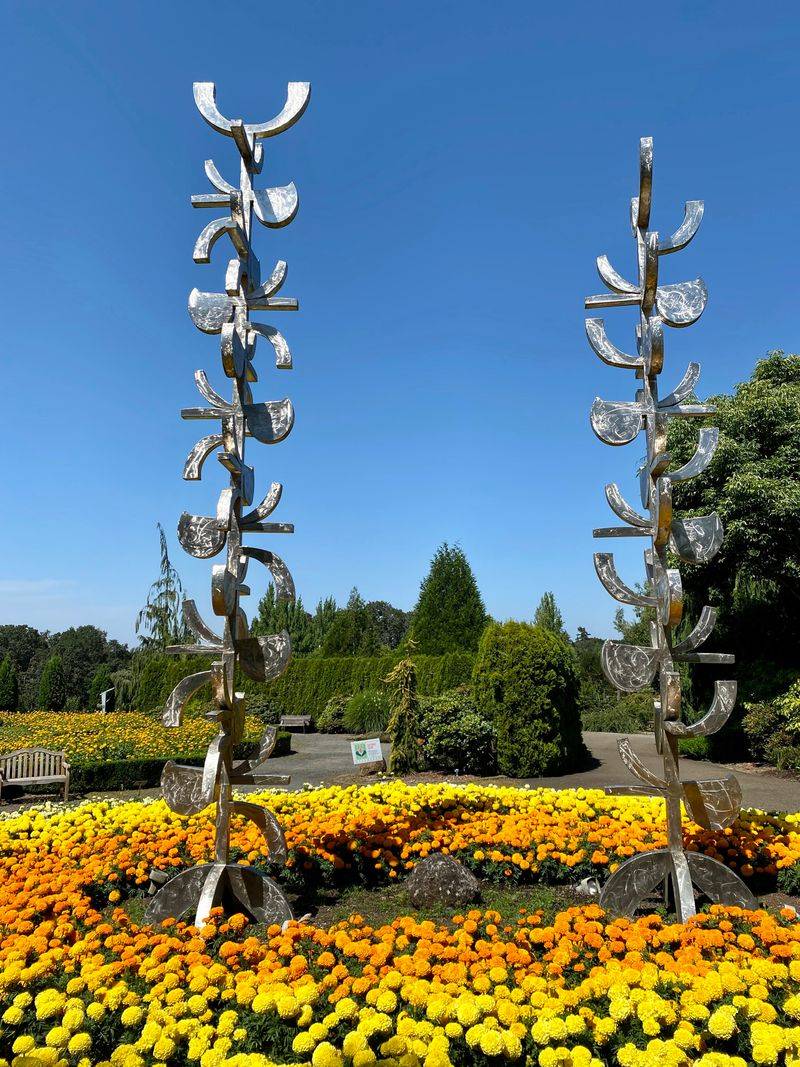
Manicured paths and thematic rooms make the Oregon Garden a walkable map of horticulture stitched into a gentle hillside.
Water features step down like terraces, and conifers frame long views toward the town and valley beyond.
The address is 879 W Main St, Silverton, OR 97381.
Specialty sections unfold in sequence, from wetlands to conifer collections to quiet plazas with sturdy benches.
Interpretive signs trade jargon for clear language, which keeps the experience open to casual visitors.
Oregon often celebrates wild edges, yet this place shows ordered beauty without feeling stiff.
Shade gardens give relief on bright days, and accessible paths keep the routes friendly.
Sculptures appear in courtyards and along hedges, adding a gentle pause to the botany.
Birdlife thrives in the water gardens, flickers and swallows drawing arcs over reflective pools.
Staff tend with visible care, and seasonal plantings refresh the palette throughout the year.
Bring a notebook if you garden at home, because layout ideas hide in every corner.
Watch how textures do the heavy lifting, leaf form balancing color in subtle ways.
Cafes and restrooms sit near the entrance, which keeps the central paths restful.
Visit early for quiet paths or later for warm light through tall grasses.
You leave carrying calm, an underrated souvenir that travels well.
8. The Alvord Desert, Steens Mountain Shadow
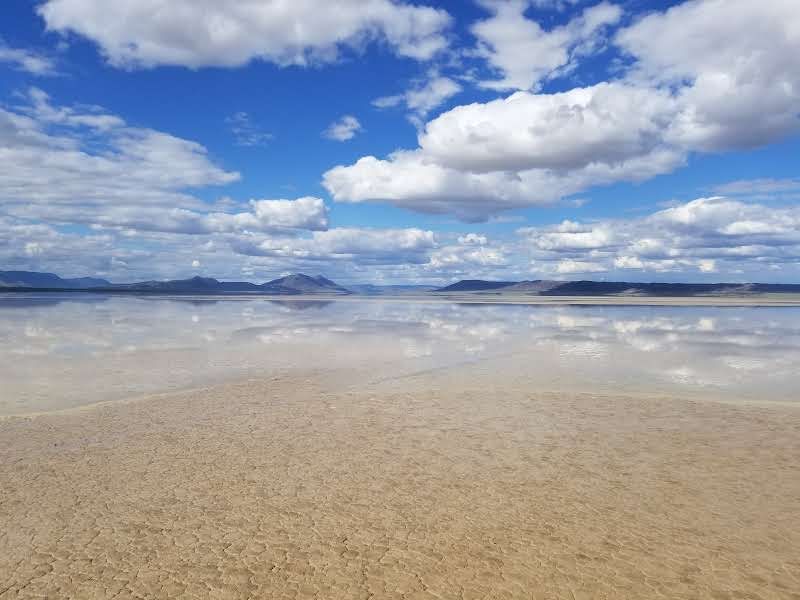
East of Steens Mountain, the Alvord Desert spreads like a pale mirror that swallowed a lake and kept only the floor.
Cracked polygons sketch the ground into tidy puzzles that crunch softly under every step.
The main access is Fields Denio Rd and East Steens Rd junction, Princeton, OR 97721.
Stand in the center and you feel the horizon tug at you from every direction at once.
Mirages shimmer, flattening distance into a silver ribbon that refuses to settle.
Oregon turns spare here, and the quiet runs so deep it seems to have weight.
Camp on durable surfaces and avoid driving when wet to protect the delicate playa.
Morning light beads on the clay like dew, then wicks away as desert air warms.
Cloud shadows cross the basin like slow ships you can pace on foot.
At night, stars flood the bowl and the mountain stands as a dark keel.
Wind can rise without warning, so stake gear and keep your camp tight.
Tracks vanish after the next weather, which feels like forgiveness you can see.
Nearby springs and ranchlands remind you that life still finds a thread here.
Take your time, watch the sky, and measure your day by footsteps, not miles.
You will leave lighter, as if the open space made room inside you.
9. Fort Stevens State Park, Astoria
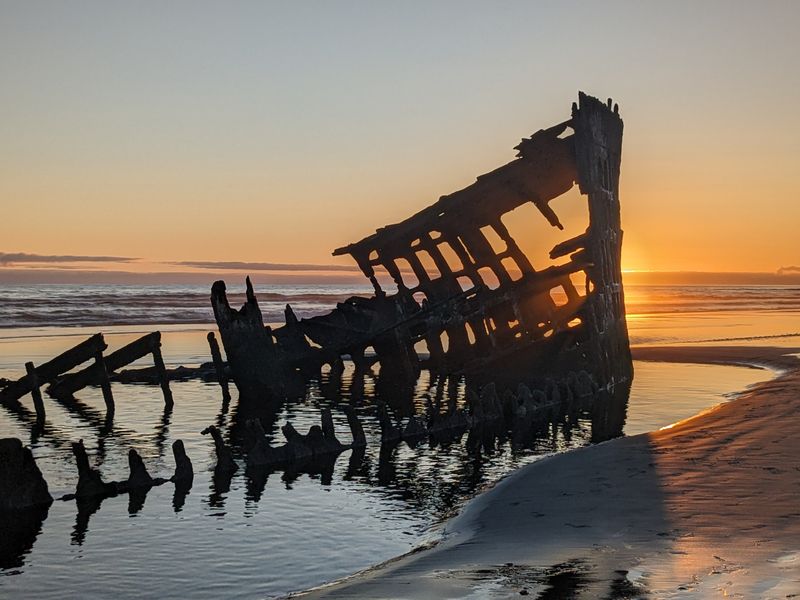
Where the Columbia meets the Pacific, Fort Stevens keeps watch with concrete batteries and grassed over earthworks facing gray water.
Paths link bunkers, tunnels, and lookouts that once guarded a busy shipping lane and an exposed coast.
The park address is 1675 Peter Iredale Rd, Hammond, OR 97121.
On the beach, the iron skeleton of the Peter Iredale leans from the sand like a rusted rib cage.
Interpretive panels translate military timelines into human scale snapshots of duty and routine.
Oregon history feels tactile here, with armored doors and moss softening hard lines.
Cycling routes cross wetlands and dunes, stitching habitats into an easy circuit.
Listen for harbor seals on the sandbars and the low horn of ships turning the bar.
Climb safe steps to peer over the jetty and watch waves muscle the river back.
Light changes fast, fog to sun to fog again, each mood rewriting the color of concrete.
Respect closures around unstable structures and stay on marked paths through brush.
After rain, puddles turn bunkers into mirror rooms that make for striking photos.
The campground lies nearby, yet quiet pockets hide in the batteries most days.
Give the wreck a wide berth during high water and surf when currents bite hard.
Leave with sand on your boots and a timeline in your pocket.
10. Painted Hills, John Day Fossil Beds
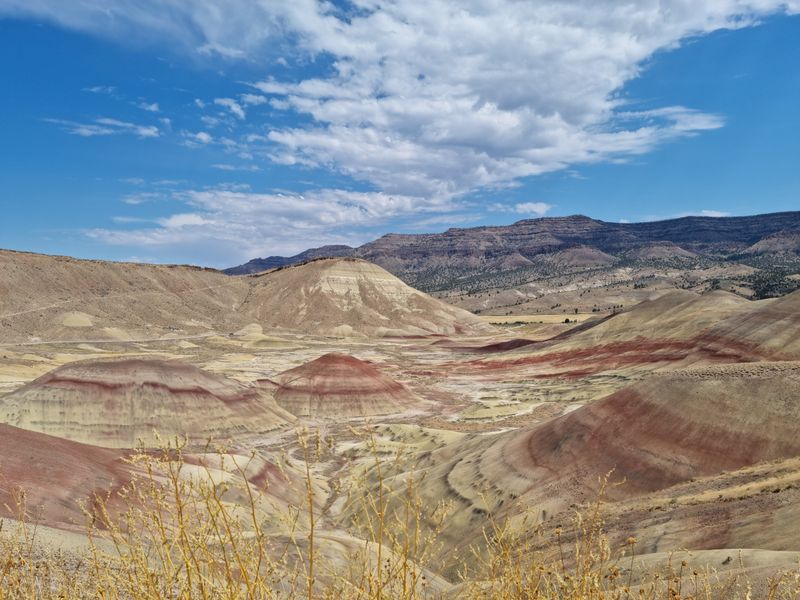
Color bands sweep across the Painted Hills like brushstrokes laid down by careful weather and deep time.
Reds, golds, and blacks mark ancient soils that cycled through wet and dry ages until they held their shape.
The main lot sits at 45500 Bear Creek Rd, Mitchell, OR 97750.
Boardwalks float over fragile clay so you can look closely without leaving a mark.
Light matters more than anything here, soft mornings and late afternoons pulling colors to the surface.
Oregon keeps museums without roofs, and this is one of the finest galleries.
Trails like Painted Cove and Carroll Rim offer short climbs to broad perspectives.
You read layers like a ledger, each stripe a record of plants, climate, and volcanic ash.
Silence settles between low hills, then a breeze folds notes of sage into the air.
Stay on marked routes, since the clay crust breaks easily under a careless step.
Bring patience, because the palette shifts minute by minute as shadows move.
Cloud cover can deepen tones and make photographs feel painterly without filters.
Interpretive signs keep the science accessible while protecting delicate exposures.
Nearby units expand the story, but this place stands complete on its own terms.
Leave quietly, as if stepping out of a studio while the paint is still drying.
Dear Reader: This page may contain affiliate links which may earn a commission if you click through and make a purchase. Our independent journalism is not influenced by any advertiser or commercial initiative unless it is clearly marked as sponsored content. As travel products change, please be sure to reconfirm all details and stay up to date with current events to ensure a safe and successful trip.
