Colorado looks friendly until the rules sneak up on you at the least convenient moment. You think you are just grabbing a quick photo or rolling slowly through a pretty stretch, and suddenly there is a regulation you did not know existed.
I am not trying to scare you, just making sure you know what Colorado expects so the road trip stays smooth. Read these before you hit the passes and the small towns, because a little heads up goes a long way out here.
Most of these rules exist because locals deal with traffic, weather, and visitors stacked on top of each other all season long.
When you know what to expect, you stop second guessing every stop and start enjoying the drive again. That awareness turns potential friction into a trip that feels relaxed instead of reactive.
1. Stopping On Mountain Roads For Photos Can Be Illegal
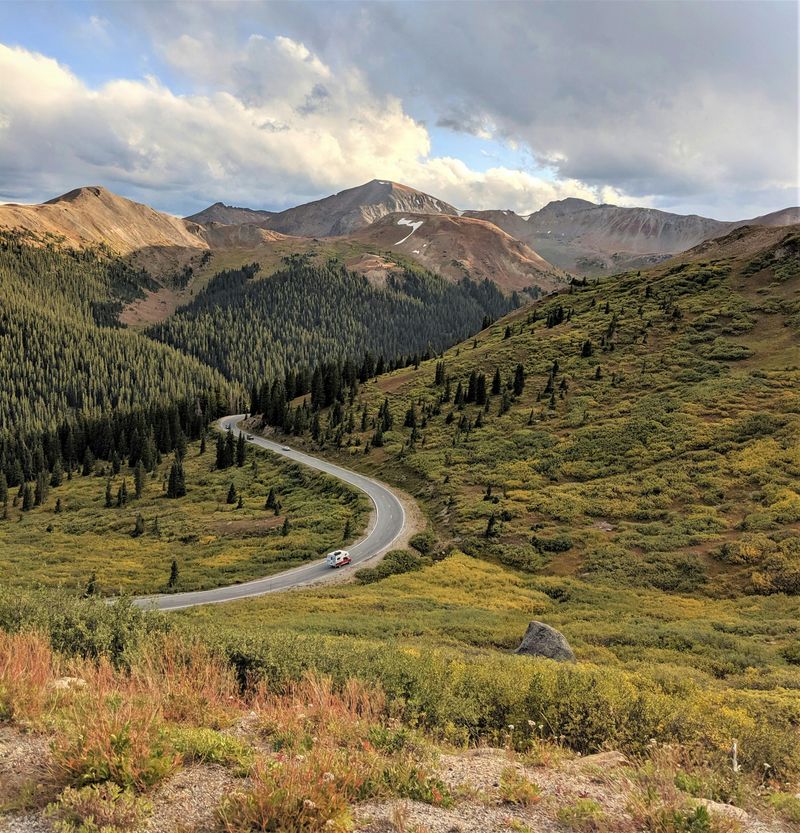
You know that impulse to brake for a postcard view on a mountain curve? Colorado will absolutely ding you if you stop outside a signed turnout.
On routes like the Red Mountain Pass near 8274 Highway 550, Ouray shoulders can be tiny.
Pull over in the wrong spot and you are blocking traffic.
Designated pullouts exist for a reason and state patrol watches choke points.
Even a short stop reads as an obstruction.
If you want a photo, roll to a turnout or a scenic area with clear signage and pavement. Do not invent your own shoulder.
The same logic hits places like Pikes Peak Highway at 5069 Pikes Peak Highway, Cascade.
If it is not a signed turnout, it is not a stop.
Locals expect continuous flow on steep grades. When one car pauses, others panic brake.
The rule is not anti photo. It is pro safety on lanes with unforgiving drop offs.
Glance for paved turnouts with room to fully exit travel lanes.
If your tires still kiss the stripe, keep going.
In winter this matters even more. Plows and sanders need clean corridors.
When in doubt, aim for a parking lot in a nearby trailhead like Loveland Pass east lot at US 6, Dillon. Your camera will survive the extra minute.
2. Driving Too Slowly Can Result In A Ticket
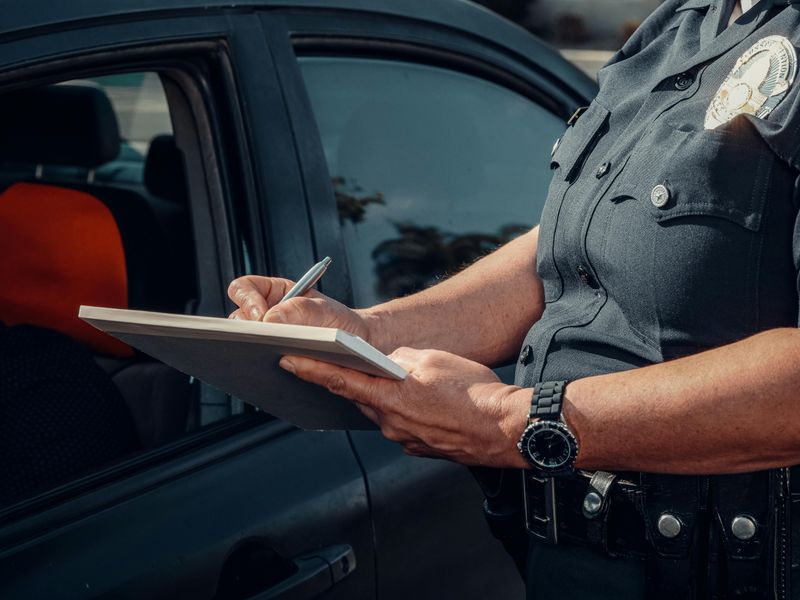
Coasting along to soak in the view feels relaxing until the line behind you grows. Colorado posts minimum speeds and they mean it.
On I 70 near Genesee Park at 26771 Genesee Trail Rd, Golden slow rolling in the left lane creates a stack of brake lights. Keep right unless passing.
If conditions are clear, you still need to hold a steady pace that matches flow.
Scenic gawking is for pullouts, not lanes.
Canyons like US 36 by Boulder Canyon Drive, Boulder can funnel traffic.
One hesitant car snowballs into risky passes.
Watch for signs that say slower traffic keep right. They are not suggestions here.
The state patrol values predictable movement on grades and curves. You will feel it in how trucks leave room for momentum.
If you need time to navigate, exit and regroup at a gas station or visitor center. No shame in it.
Left lane camping is the classic mistake for visitors. Folks think it is safer, but it jams everything.
Colorado loves efficiency on long mountain pulls. Your engine and your neighbors will thank you.
Set cruise where legal, scan mirrors, and slide right when a faster car appears. It keeps the day easy and the ticket book closed.
3. Passengers Must Follow Seat Belt Rules Too
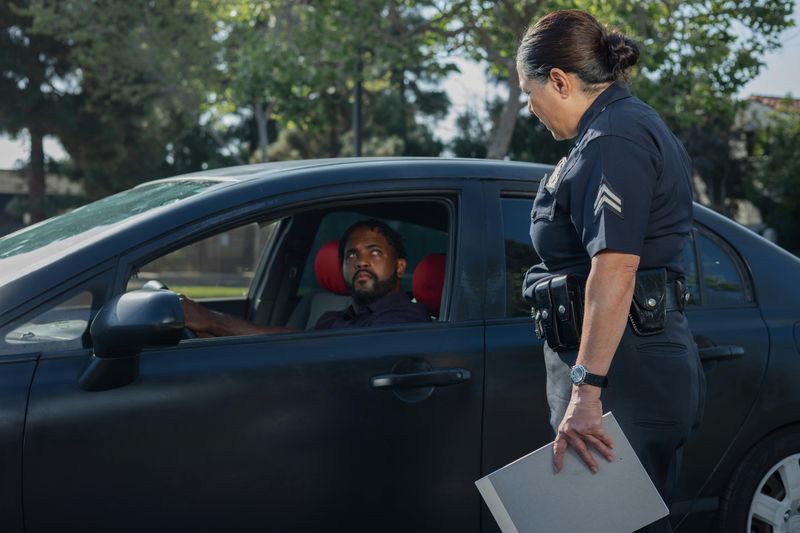
It is not just the driver on the hook in Colorado. Every seat has a belt and officers will check them.
Say you are cruising past the Colorado State Capitol at 200 E Colfax Ave, Denver.
A traffic stop here can quickly become a seat belt check for everyone.
Back seat visitors sometimes think they get a pass. They do not and the rule is enforced across cities and highways.
Child restraints follow specific standards.
If you are traveling with family, double check the setup before rolling.
Still need belts on every mile to and from the gate.
Colorado is big on injury prevention after all those curves and elevation changes. A belt stays your best defense.
Cops notice slouching passengers with the strap behind the shoulder. That counts as not wearing it.
Make a quick pre drive routine. Everyone clipped, bags secured, then playlist.
It sounds fussy until you hit a surprise stop on a pass. That restraint keeps heads from snapping forward.
No drama here, just habit.
Belt up and you can focus on the mountains instead of the laws.
4. Open Vehicle Doors Can Be A Violation On Narrow Roads
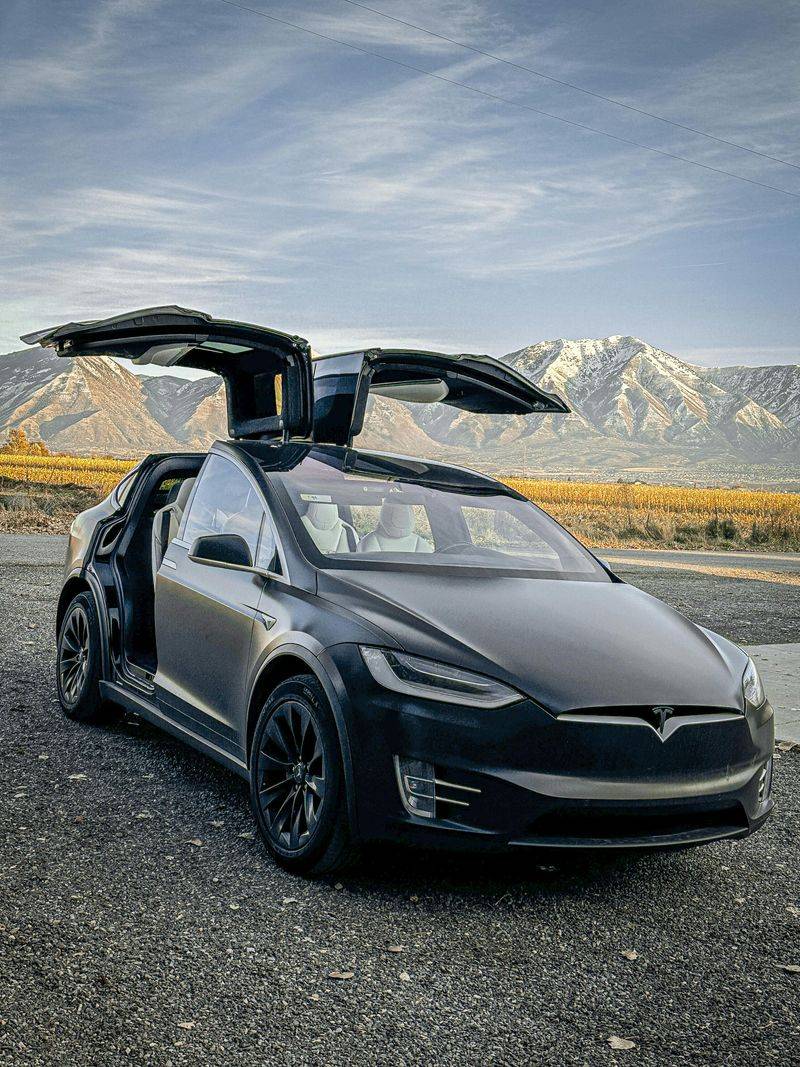
Cracking a door into a live lane on a pass is a fast way to get flagged. It spooks drivers and blocks bikes.
Think of Independence Pass near CO 82, Twin Lakes where lanes tighten.
A door swung wide becomes an obstacle instantly.
Colorado treats this like blocking traffic or creating an unsafe condition. The shoulder is not a porch.
Before you open up, check mirrors and wait for a lull. Better yet, park fully in a lot.
Trailheads like Maroon Lake Day Use Area, Maroon Creek Rd, Aspen have defined spaces. Step out there, not on skinny pavement.
Cyclists use these roads constantly in summer. A sudden door is their worst fear.
Even the breeze on high ridges can yank a door wider than planned. Hold it or keep it shut if cars approach.
Use the passenger side when safe. It keeps you off the traffic side entirely.
If a view calls your name, roll to a turnout first. Doors and blind corners do not mix.
Colorado roads punish small mistakes quickly.
Treat the lane like a river you never step into without checking the current.
5. Approaching Wildlife Is Strictly Prohibited
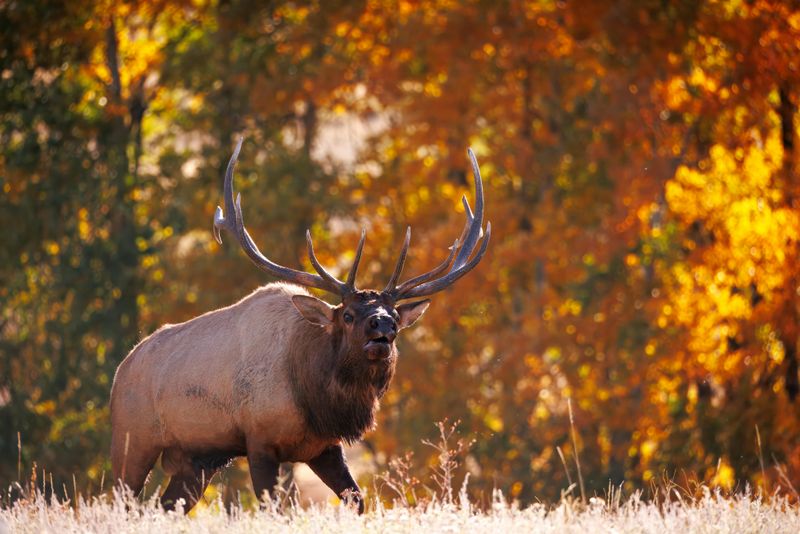
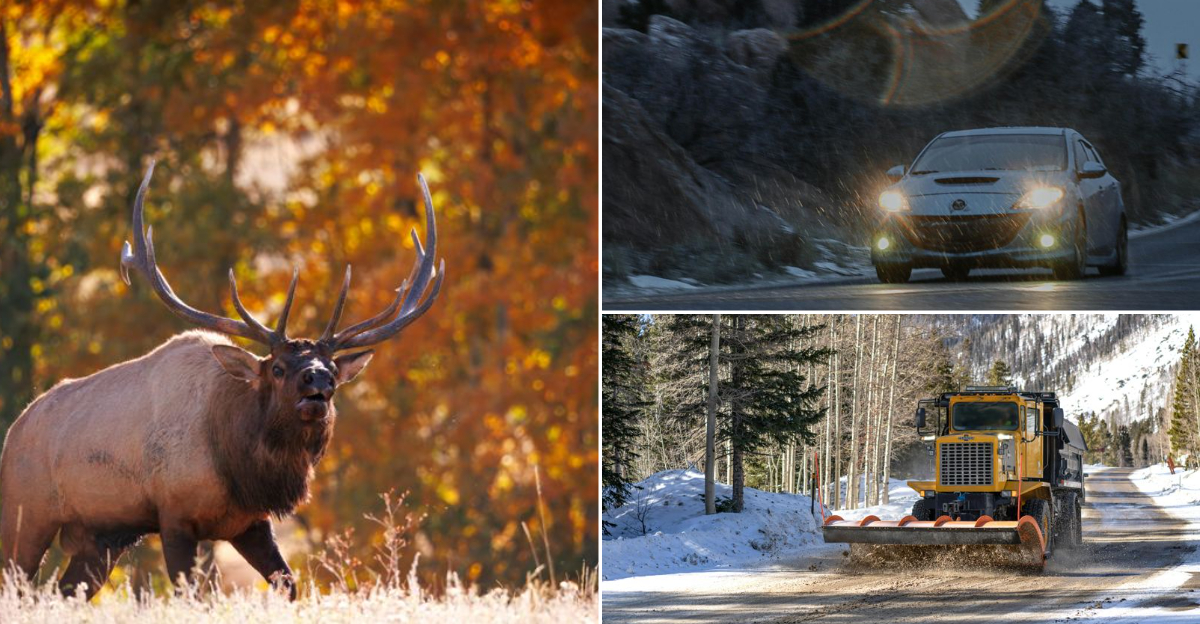
That elk looks calm until it is not. Colorado law keeps you back for a reason.
In Estes Park around 170 MacGregor Ave, Estes Park elk wander through town. You still need serious space between you and them.
Rocky Mountain National Park from 1000 US Hwy 36, Estes Park posts distance rules. Rangers mean what the signs say.
The same goes for bighorn near Georgetown along 500 Argentine St, Georgetown.
Curiosity does not waive the law.
If you are close enough for a crisp phone shot, you are probably too close. Zoom with your feet planted far away.
Animals read your angle and speed as intent. A shuffle forward can set off a charge.
Colorado protects both you and the herds.
Stressing wildlife ripples through whole seasons.
Want the photo safely. Pull to a legal turnout and stay by your car.
Ask a ranger where viewing works today. They will usually point you to roomy spots.
It feels strict, but it keeps the experience wild and the roads calm.
Let the animals do their thing while you keep yours respectful.
6. Stopping Traffic To Watch Wildlife Is Not Allowed
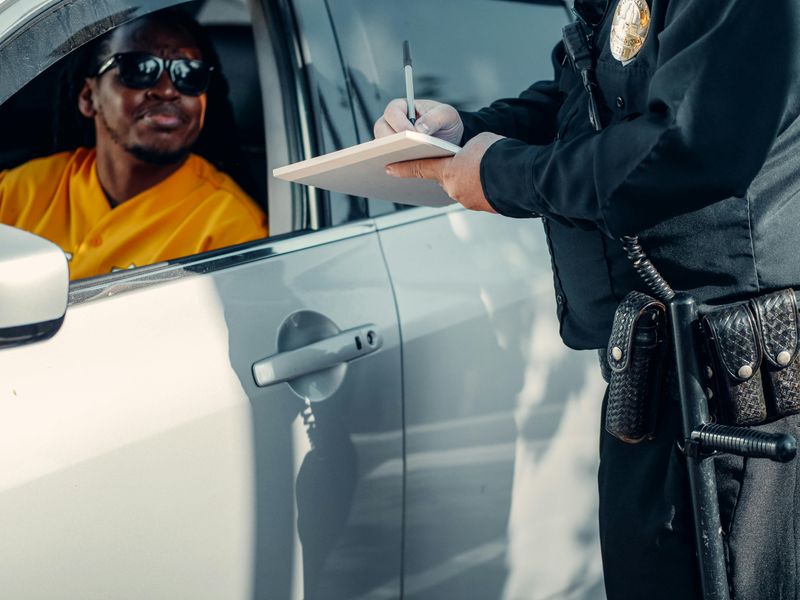
The moment someone spots a moose, everything slows like a wave. Colorado does not allow the road to turn into a viewing platform.
State highways near Walden around 300 Jackson County Rd 12, Walden see this a lot.
A single stopped car creates a pileup.
Park rangers near Brainard Lake Recreation Area, County Rd 102, Ward will remind you to keep rolling. Wildlife jams turn risky fast.
If you want a look, use a signed turnout. Signals on and off you go.
The rule is simple and it is enforced because reaction times shrink on curves.
You are protecting drivers behind you who cannot see the scene.
Colorado treats moving traffic like a lifeline through narrow corridors. Unplanned halts cut that line.
Binoculars help and they respect distance. You can scan while parked legally later.
Ask locals where sightings happen with safe pullouts. They usually know a cluster or two.
If your buddy yells moose, breathe and find a turnout. The animal will not vanish in one second.
Enjoy it without clogging the road. You will thank yourself when the highway stays calm and the moment feels earned.
7. Camping Is Restricted Even On Open Land
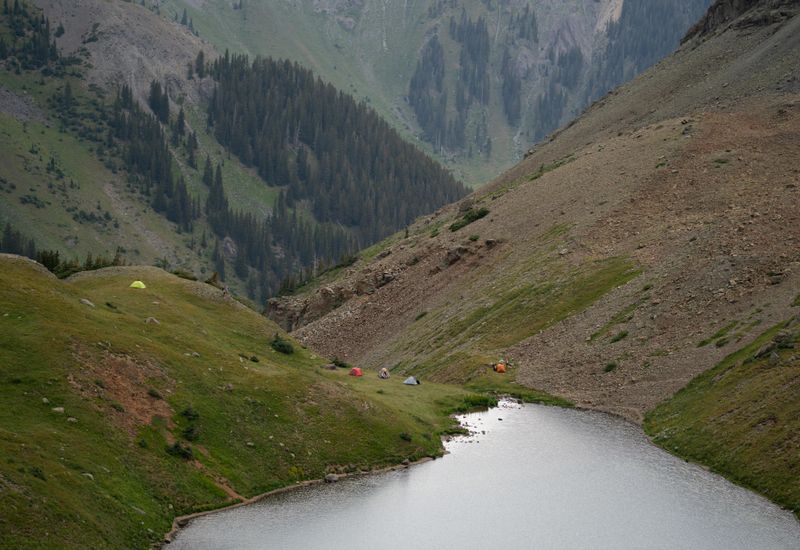
Wide open does not mean do whatever.
Colorado public lands come with distance and duration rules.
Near Buena Vista by 713 US Hwy 24 N, Buena Vista you will find dispersed sites with markers. Stray beyond and you can be out of bounds.
Forest roads often require camping set back from water. Rangers check those riparian buffers.
Some zones rotate closures to let land recover. The map is your best friend.
Head to San Isabel National Forest office at 558 S 12th St, Salida for current guidance. They will highlight legal corridors.
Stay limits exist so everyone gets a fair shot.
Rolling every few days keeps the land from getting hammered.
You will also see fire restrictions posted at kiosks. Even when it feels calm, rules stick.
Pack in and pack out like the next crew depends on you. Because they do.
Colorado is proud of its backroads, but it protects them with details.
A numbered site sign means you are good.
When the land looks untouched, assume it is sensitive.
Pick a legal spot and you will sleep better and wake up to the same view.
8. Removing Natural Objects Is Prohibited
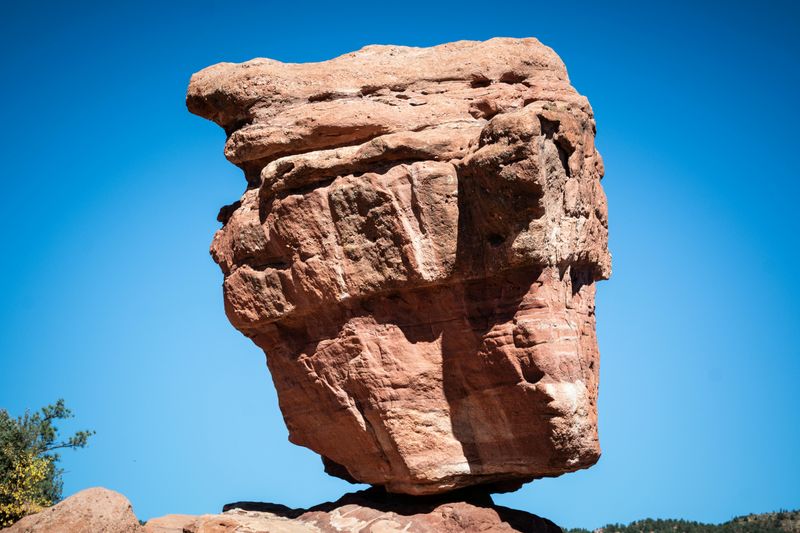
Pocketing a pretty rock feels harmless until it is not.
Colorado treats natural objects as part of the place, not souvenirs.
Trailheads like Garden of the Gods at 1805 N 30th St, Colorado Springs post reminders.
Leave the stones and antlers where they live.
Public lands define removal as theft in many zones. It keeps ecosystems and cultural sites intact.
Museums exist because folks did not snag every artifact. The ground holds stories you cannot see.
Near Mesa Verde National Park at 35853 Rd H.5, Mancos the rule extends to artifacts and shards.
Even photographing from the trail is great without touching.
If you want a keepsake, buy a legal map or patch. Your pack stays clean and the land stays whole.
Kids love rock pockets, so set the rule early. Count them out and count them back in.
Colorado rangers are friendly about explaining why. They are not shy about citations when needed.
Think of your favorite spots staying the same for the next visit. That is the payoff.
Snap photos, take a deep breath, and let the place keep its own belongings. It feels respectful and it is the law.
9. Off-Trail Hiking Can Be Illegal In Alpine Zones
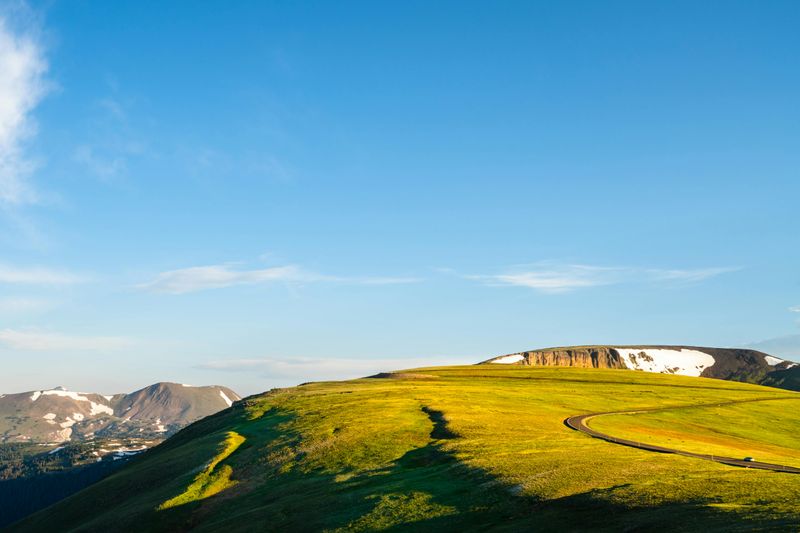
Those little plants above treeline are older than your road trip. Colorado protects alpine tundra like a museum floor.
On Mount Evans Scenic Byway near 206 Chicago Creek Rd, Idaho Springs, signs keep you on rock or path. Step off and you can damage growth for ages.
In Rocky Mountain National Park at 1000 US Hwy 36, Estes Park some zones restrict off trail travel outright. Rangers patrol the sensitive areas.
It is not about scolding. It is about keeping the living carpet alive.
Stick to stones, boardwalks, or durable surfaces.
If the path narrows, single file is your friend.
Colorado weather turns quick up high, which tempts shortcuts. Resist and follow markers.
You will still get the big sky and the silence. Trails were routed for those views.
If you are unsure, ask at a visitor center before heading out. They will circle closures on a map.
Your boots can be gentle, but not that gentle.
The law assumes impact even when you feel careful.
Stay on the line and the tundra stays magic. That is the trade that makes every step feel better.
10. Drone Use Is Restricted In Many Scenic Areas
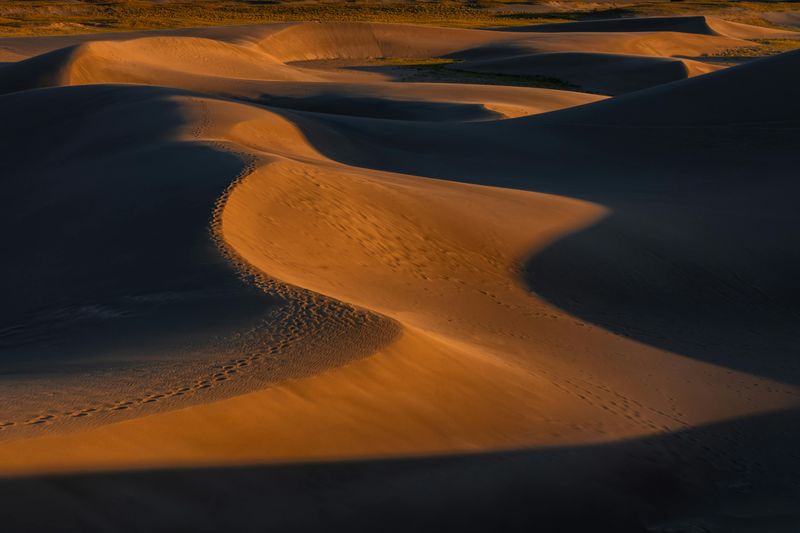
A buzzing drone shatters the quiet faster than anything.
Colorado draws hard lines on where they can fly.
National parks like Great Sand Dunes at 11999 State Highway 150, Mosca ban them entirely. Wilderness areas follow similar restrictions.
Many towns also limit takeoff and landing spots. You cannot just launch from a random sidewalk.
Trailheads post rules right at the kiosk. If a sign says no, that is the end of it.
Over places like Garden of the Gods, 1805 N 30th St, Colorado Springs check local ordinances. Park staff will spell it out.
The noise disturbs wildlife and people looking for quiet. That is the heart of the rule.
If you must fly, look for designated fields or clubs. Keep it well away from crowds.
Carry your registration and know controlled airspace maps. Mountain valleys can sit under busy corridors.
Rangers have heard every reason already. They will still ask you to land.
Colorado keeps the sky peaceful on purpose.
You will hear wind and birds again and honestly, it is nicer.
11. Headlights Are Required During Certain Conditions
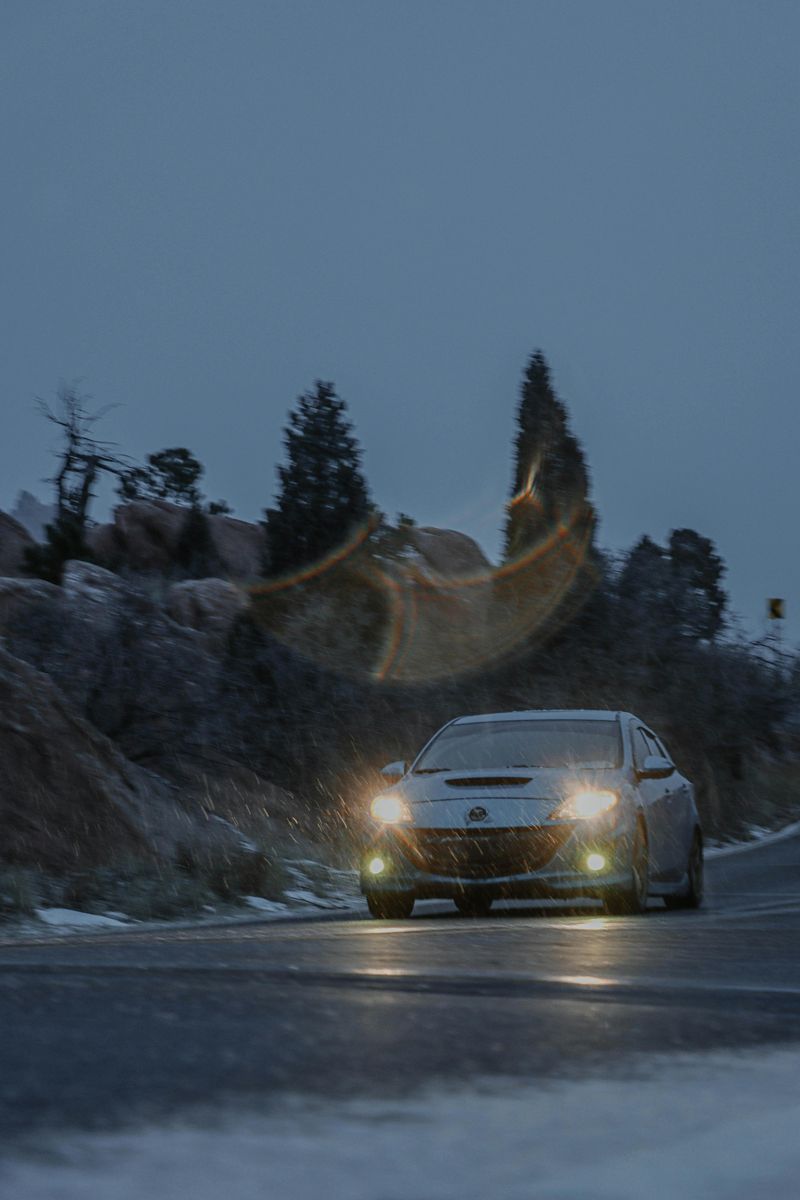
Clouds roll in and suddenly the world goes gray.
Colorado expects headlights the moment visibility drops.
On US 285 near 11300 US Hwy 285, Conifer storms come and go quickly. Lights help everyone see the next bend.
Daytime does not excuse you when snow or rain hits. If you flip wipers on, consider lights on too.
In canyons like Glenwood at 806 Cooper Ave, Glenwood Springs shadows run deep.
Headlights make your car pop out of the rock.
Signs will nudge you along tunnels and long bridges. Take the hint early.
Colorado drivers value being seen as much as seeing. Think of it as a courtesy backed by law.
Auto mode helps but check it. Some cars do not trigger with daytime storms.
If you are towing, lights matter even more. Extra length needs extra clarity.
Pull over only if you truly cannot see. Better yet, slow to a legal pace with lights bright.
Flick them on and relax. You just made a lot of strangers safer without saying a word.
12. Failure To Yield To Maintenance Vehicles Is A Violation
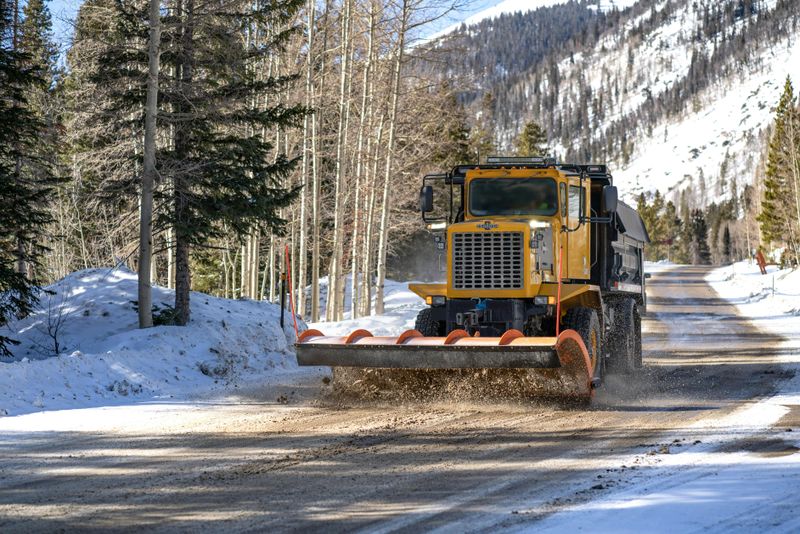
When the plows come through, give them the stage.
Colorado treats maintenance vehicles like the boss during storms.
On I 25 near 1001 E 62nd Ave, Denver plows run in staggered rows. You are not invited to weave between them.
Keep a generous gap and let them clear lanes. Passing sprays you with slush and earns attention fast.
Road crews on high passes need space to push snow off edges. Think Loveland Pass along US 6, Dillon, CO 80435.
Even in dry seasons, striping trucks and sweepers get room. Flashing amber means plan ahead.
Colorado winters teach patience.
Fresh pavement appears right behind that slow machine.
If a pilot car leads through work zones, follow calmly. Tailgating only shortens everyone’s fuse.
Watch for workers stepping into lanes near cones. They trust those buffers more than your reflexes.
Signals, headlights, and distance make the dance work. You will arrive just fine.
Yield early and wave a thank you. Those crews basically hand you a safer road in real time.
13. Trespassing Laws Apply Even Without Fences
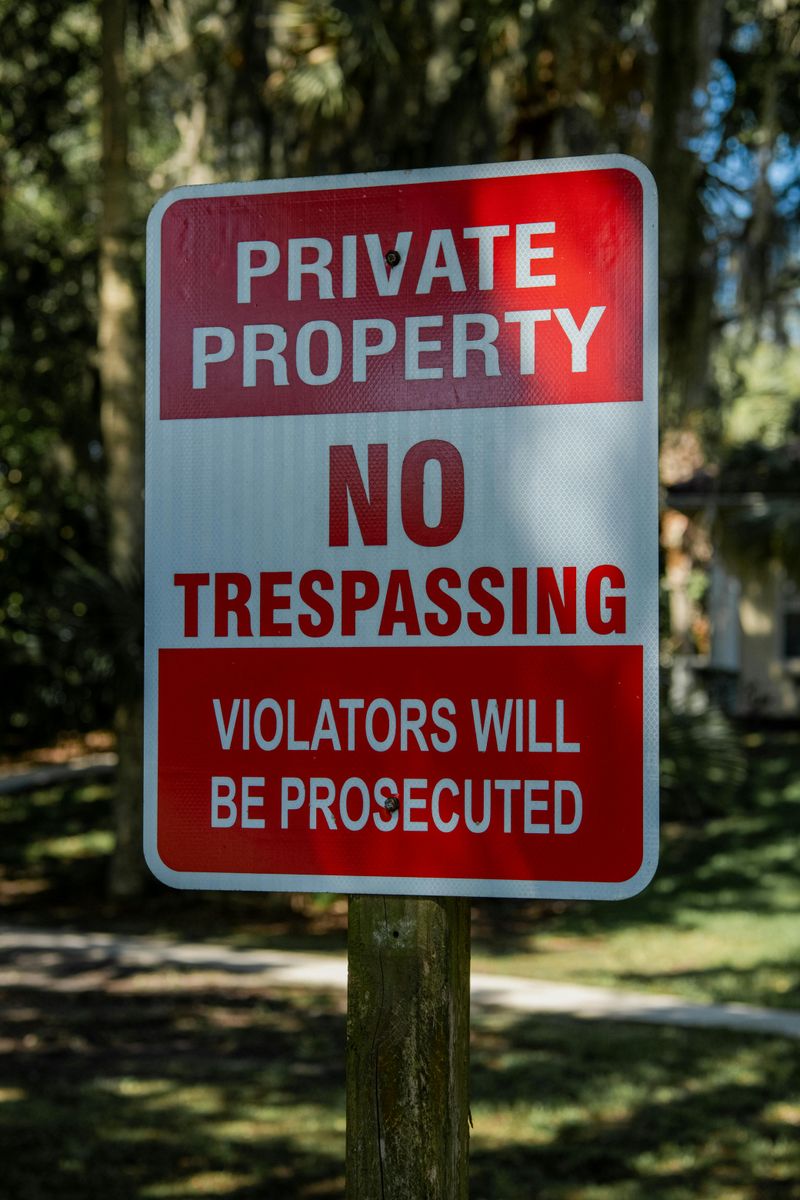
Open range can trick you into thinking it is public.
Colorado counts plenty of unfenced parcels as private.
Along County Road corridors near 200 Main St, Fairplay you will see tiny signs marking property lines. Missing fences does not equal free access.
Apps and county maps help you spot boundaries. A gate or cattle guard is a strong hint.
Respect posted no trespassing even when the field looks empty. Someone works that land daily.
Trail systems like the ones near Salida at 410 W Rainbow Blvd, Salida navigate a patchwork. Stay on sanctioned routes.
Ranch roads tempt short cuts to ridges. Resist and find a legal trailhead instead.
Colorado culture values permission.
A quick ask at a store counter can save a headache.
If you are unsure, turn around and check a map. The view will wait while you sort it out.
Leaving gates as you found them matters too.
Closed means closed for a reason.
Play by these rules and you will get waves instead of glares. That is the energy you want on a road trip.
Dear Reader: This page may contain affiliate links which may earn a commission if you click through and make a purchase. Our independent journalism is not influenced by any advertiser or commercial initiative unless it is clearly marked as sponsored content. As travel products change, please be sure to reconfirm all details and stay up to date with current events to ensure a safe and successful trip.
