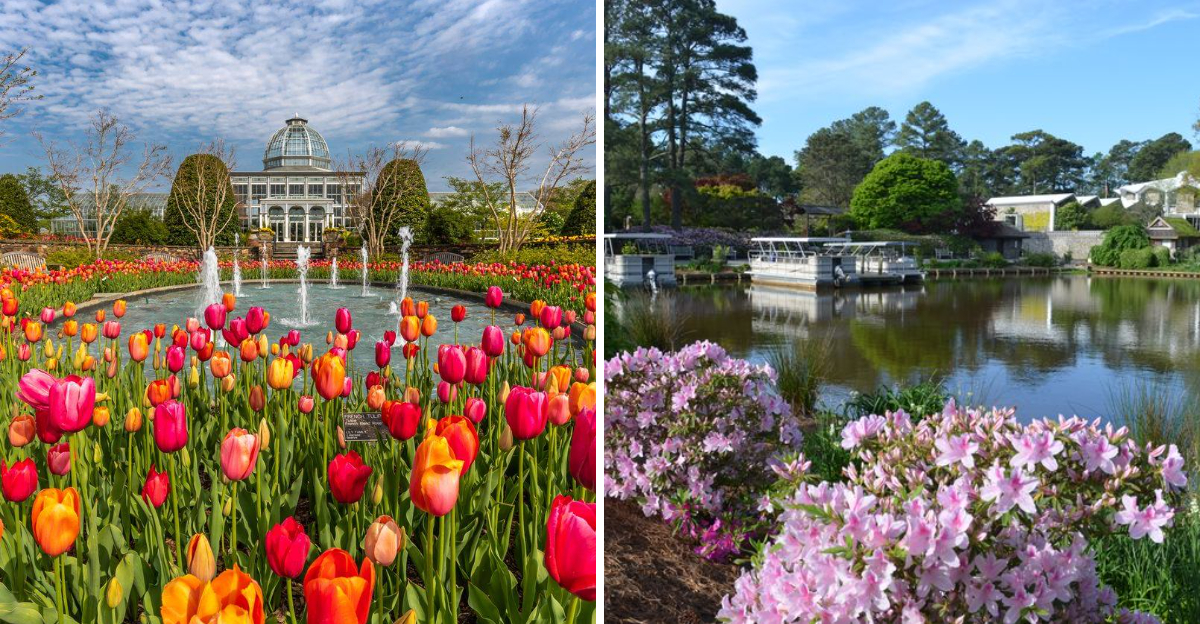
Looking for that perfect shot where nature becomes art? Virginia’s gardens and botanical spaces offer photographers a visual feast that changes with every season.
From historic estates draped in blooming wisteria to sprawling arboretums where light filters through ancient trees, these spots deliver the kind of magic your camera craves.
Whether you’re chasing golden hour glow or hunting for macro moments among rare blooms, the Old Dominion serves up backdrops that’ll make your Instagram followers stop mid-scroll. These aren’t just pretty places to snap a few pics.
They’re living galleries where color, texture, and natural architecture create compositions that practically photograph themselves. So grab your gear and let’s explore where Virginia’s botanical beauty meets your creative vision.
Lewis Ginter Botanical Garden
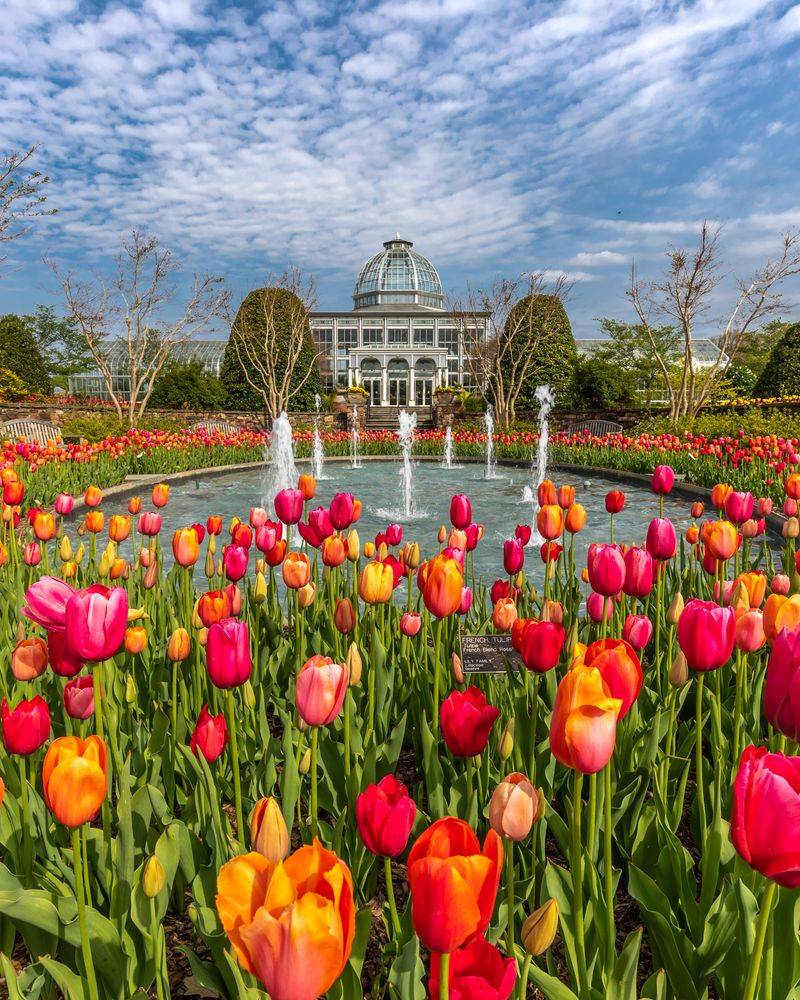
Richmond’s crown jewel of horticulture spreads across acres of meticulously designed landscapes that shift dramatically with the seasons. Spring explodes with tulips and daffodils, summer brings tropical heat and bold dahlias, while fall transforms the grounds into a tapestry of russet and gold.
Winter doesn’t disappoint either, especially when the conservatory’s interior tropics contrast with frost-kissed outdoor gardens.
The Victorian-era glass dome conservatory alone offers endless shooting angles. Inside, you’ll find orchids, palms, and exotic blooms arranged in compositions that feel both wild and intentional.
Natural light pours through the glass panels, creating dramatic shadows and highlights perfect for capturing texture and form.
Wander beyond the conservatory to discover themed gardens including a rose garden, Asian valley, and children’s garden with whimsical sculptures. Each area presents distinct photographic opportunities.
The rose garden peaks in late spring and early summer when hundreds of varieties bloom simultaneously.
Photographers love the garden’s commitment to year-round interest. Even during dormant months, architectural elements like trellises, arbors, and stone pathways provide strong compositional anchors.
The reflection pool near the main entrance mirrors surrounding plantings, doubling your visual impact.
Plan your visit during weekday mornings for softer crowds and gentler light. The garden hosts seasonal events and holiday light displays that offer unique after-hours photography opportunities.
Bring a macro lens for close-up work and a wide-angle for capturing the grand scale of these Virginia landscapes.
Address: 1800 Lakeside Avenue, Richmond, VA 23228
Norfolk Botanical Garden
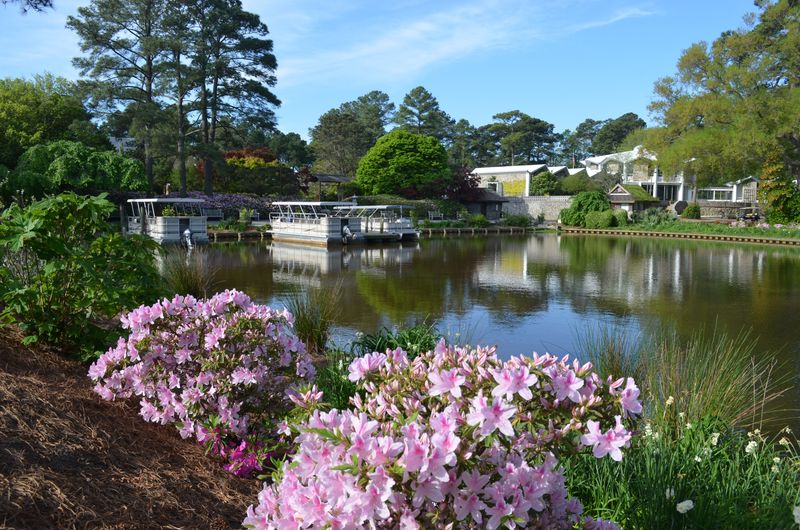
Water and blooms intertwine at this massive horticultural wonderland where photographers can explore themed gardens connected by scenic waterways. The canal system offers unique perspectives unavailable at most botanical spaces.
Shooting from boats or bridges provides elevated angles that showcase the garden’s impressive scale and design.
Azaleas steal the spotlight each spring when hundreds of thousands of plants burst into vibrant pinks, purples, and whites. The azalea garden alone justifies multiple visits, as different varieties peak at slightly different times throughout the season.
Morning dew on petals creates magical macro opportunities.
Beyond azaleas, the garden features specialized collections including a Japanese garden, rose garden, butterfly garden, and tropical plant conservatory. Each themed area presents distinct color palettes and textures.
The Japanese garden’s carefully pruned specimens and stone arrangements embody minimalist beauty perfect for contemplative compositions.
Woodland trails wind through naturalized areas where native Virginia plants thrive beneath mature tree canopies. These shaded paths offer respite during summer’s heat while providing softer, filtered light ideal for photographing delicate wildflowers and ferns.
The garden’s commitment to seasonal displays means something’s always blooming or showing fall color. Camellias bloom in late winter, irises and peonies take over spring duties, crape myrtles dominate summer, and chrysanthemums close out autumn.
Wildlife adds unexpected elements to garden photography here. Butterflies, hummingbirds, and waterfowl frequent the grounds, offering chances to capture nature’s interactions.
Arrive early when animals are most active and light is most flattering.
Address: 6700 Azalea Garden Road, Norfolk, VA 23518
Maymont Park Gardens
Perched above the James River, this historic estate blends formal European design with serene Japanese aesthetics across multiple terraced gardens. The Italian Garden’s geometric precision contrasts beautifully with the Japanese Garden’s organic flow, giving photographers two distinct styles within walking distance.
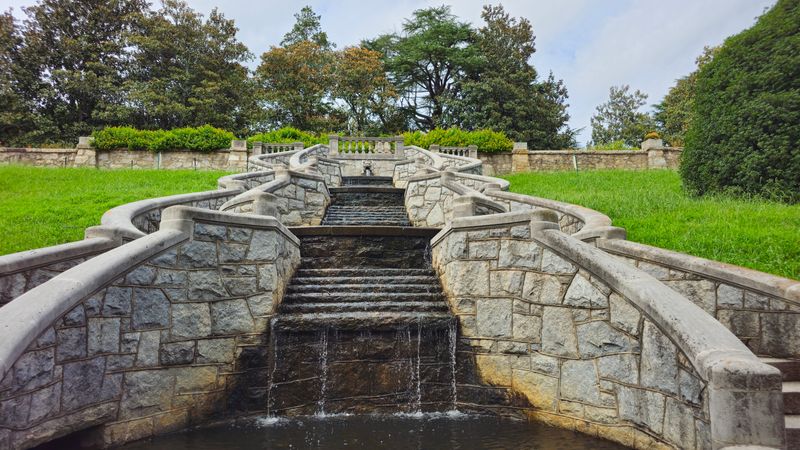
Stone staircases cascade down hillsides connecting different garden levels. These architectural elements frame shots beautifully while leading the eye through compositions.
Balustrades, urns, and classical statuary add European elegance that transports viewers to another era.
The Italian Garden features symmetrical plantings around a central fountain. Seasonal annuals provide changing color schemes throughout growing months.
Boxwood hedges maintain structure year-round, their evergreen forms particularly striking when dusted with snow or backlit during golden hour.
Cross over to the Japanese Garden for a completely different mood. Stone lanterns, wooden bridges, and carefully placed boulders create contemplative scenes.
The koi pond reflects surrounding maples and pines, doubling visual interest. Autumn transforms this space into a photographer’s dream when Japanese maples ignite in scarlet and orange.
Beyond formal gardens, Maymont’s arboretum showcases specimen trees including ancient cedars and towering oaks. These giants provide scale and drama, especially when photographed from low angles that emphasize their massive trunks and spreading canopies.
The estate grounds remain free to explore, making this an accessible option for Virginia photographers at any skill level. Victorian architecture visible from garden viewpoints adds historical context and compositional interest.
Visit during weekdays to avoid weekend crowds that can interrupt clean shots.
Address: 1700 Hampton Street, Richmond, VA 23220
Monticello Gardens
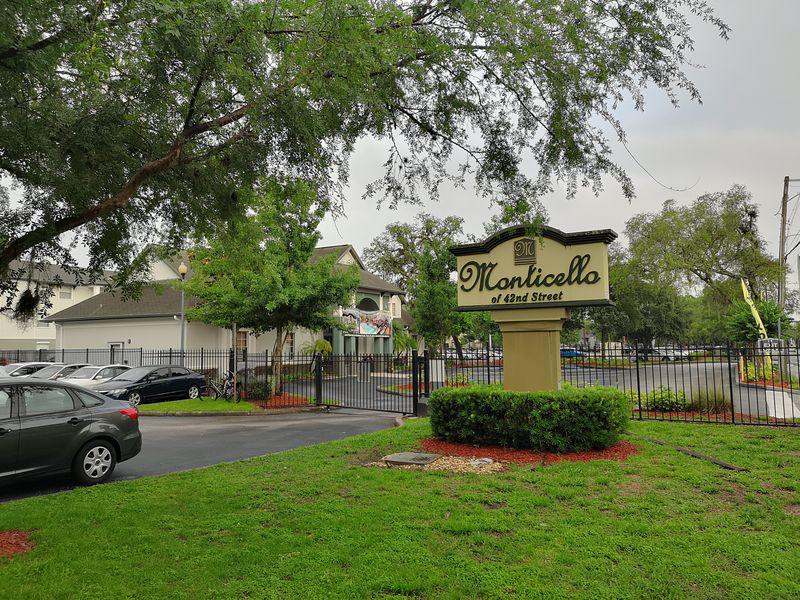
Thomas Jefferson’s horticultural experiments continue flourishing at this mountaintop estate where history and botany intersect beautifully. The restored vegetable terraces demonstrate Jefferson’s innovative growing techniques while providing photographers with orderly rows of heritage plants that create strong linear compositions.
Jefferson obsessively documented his plantings, allowing modern gardeners to recreate his original designs with remarkable accuracy. This attention to historical detail means you’re photographing landscapes that mirror what existed centuries ago.
That connection to the past adds depth and meaning to garden images.
Flower borders follow serpentine pathways Jefferson designed to maximize visual interest while moving through the landscape. These curved beds overflow with period-appropriate blooms including hollyhocks, larkspur, and poppies.
The informal cottage-garden style contrasts nicely with the geometric vegetable terraces below.
Mountaintop positioning provides sweeping views across Virginia’s Piedmont region. These vistas add context and scale, showing how Jefferson integrated his gardens into the broader landscape.
Sunset shots capturing gardens with distant mountains create particularly memorable images.
The estate’s historic architecture serves as a compelling backdrop for garden photography. Brick walls, classical columns, and distinctive dome create recognizable elements that ground compositions in place and time.
Weathered brick textures beautifully against green foliage and colorful blooms.
Spring bulbs kick off the growing season, followed by summer’s vegetable abundance and fall’s harvest displays. Even winter offers opportunities when frost outlines plant structures and evergreen boxwoods maintain garden bones.
Educational signs throughout the grounds provide context without overwhelming the visual experience.
Address: 931 Thomas Jefferson Parkway, Charlottesville, VA 22902
Oatlands Historic House and Gardens
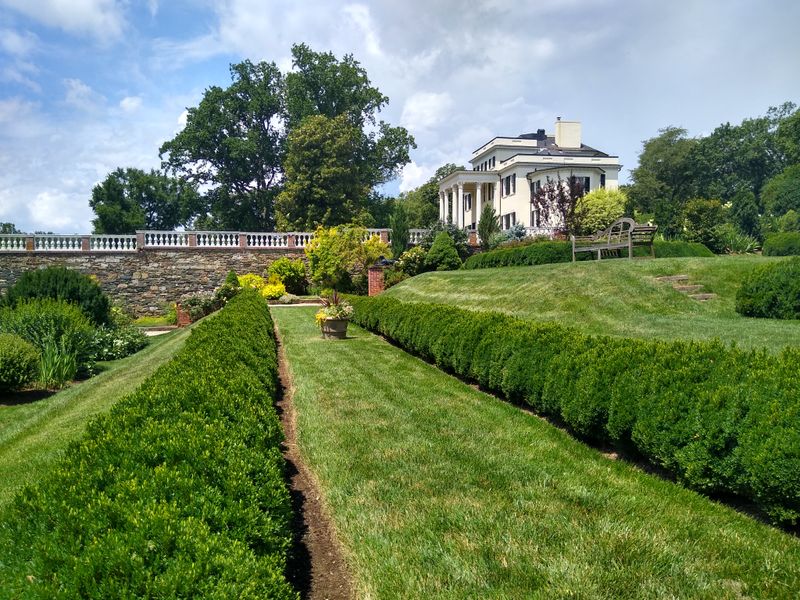
Ancient boxwoods create living walls at this National Historic Landmark where formal English garden design meets Virginia’s rolling countryside. Some boxwood specimens exceed two centuries in age, their gnarled trunks and dense canopies forming garden rooms that shelter colorful perennial plantings.
Terraced gardens step down from the mansion, each level revealing new perspectives and planting schemes. Stone retaining walls add texture and structure while supporting different microclimates that allow diverse plant collections.
Photographers can work vertically, capturing multiple terrace levels in single frames.
The reflecting pool serves as the garden’s centerpiece, its still surface mirroring sky, architecture, and surrounding plantings. This symmetry creates powerful compositions, especially during calm mornings when reflections appear glass-sharp.
Surrounding perennial borders provide seasonal color that frames water views.
Heritage roses climb walls and arbors throughout the property. Their old-fashioned blooms and intense fragrances evoke romantic, timeless feelings perfect for soft-focus photography.
Peak bloom occurs in late spring, though many varieties offer repeat performances through summer.
Beyond formal gardens, the estate includes woodland walks and meadows where native Virginia plants grow in naturalized settings. These wilder areas contrast nicely with manicured gardens, offering photographers diverse shooting environments within one location.
Wildlife sightings add unexpected elements to nature photography.
The property hosts seasonal events including garden tours and plant sales that provide additional photographic opportunities. However, quiet weekday mornings remain ideal for capturing gardens without crowds.
Historic architecture visible throughout grounds adds period authenticity and compositional interest.
Address: 20850 Oatlands Plantation Lane, Leesburg, VA 20175
Meadowlark Botanical Gardens
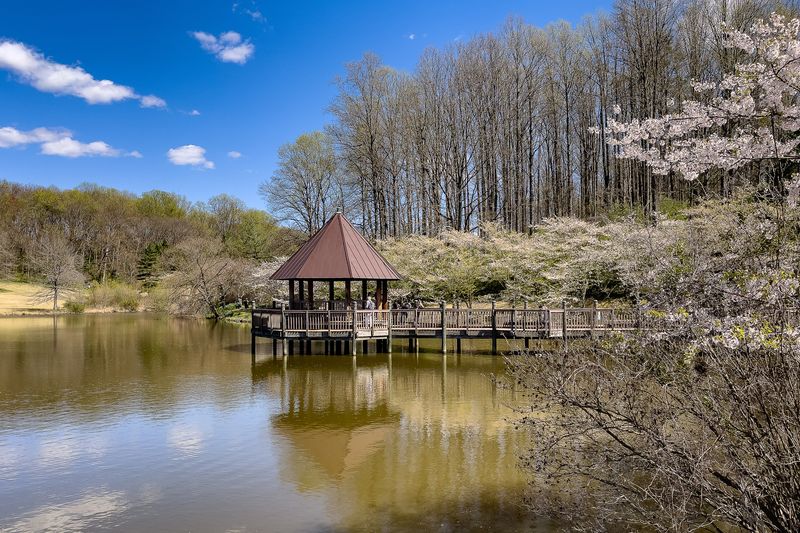
Native plant collections thrive at this Northern Virginia treasure where local ecology takes center stage. Photographers interested in authentic regional landscapes find inspiration among plants specifically adapted to Virginia’s climate and soils.
These natives attract pollinators and birds, adding animated elements to static garden shots.
Three lakes connected by streams create aquatic features throughout the property. Bridges crossing these waterways offer elevated shooting positions while ornamental plantings along shorelines provide colorful reflections.
Water lilies bloom during summer months, their floating pads and blossoms creating natural still-life compositions.
Meadow areas explode with wildflowers during growing season. Black-eyed Susans, coneflowers, and native grasses sway in breezes, their movement adding dynamic energy to photographs.
These informal plantings contrast beautifully with more structured garden areas found elsewhere on the property.
Woodland trails wind beneath mature tree canopies where shade-loving natives carpet the forest floor. Spring ephemerals like trillium and bloodroot emerge early, offering brief but spectacular photography windows.
Dappled light filtering through leaves creates natural spotlighting effects on understory plants.
The Atrium houses tropical and exotic plants year-round, providing indoor photography opportunities regardless of weather. Glass walls flood interior spaces with natural light while protecting delicate specimens from Virginia’s temperature extremes.
This climate-controlled environment extends photography seasons beyond outdoor limitations.
Seasonal displays keep gardens fresh throughout the year. Spring bulbs give way to summer perennials, followed by fall foliage and winter interest plantings.
Special events and themed displays add variety to repeat visits. The garden’s emphasis on education means interpretive signage enriches understanding without cluttering compositions.
Address: 9750 Meadowlark Gardens Court, Vienna, VA 22182
Blandy Experimental Farm and State Arboretum
Research meets recreation at Virginia’s official state arboretum where experimental plantings create unexpected photographic subjects. The boxwood collection alone represents one of the most comprehensive assemblages worldwide, showcasing countless varieties in side-by-side comparisons that reveal subtle differences in form, color, and texture.
Specimen trees dot expansive lawns, each labeled with botanical information. These isolated plantings allow photographers to capture individual tree forms without competing background elements.
Mature specimens display characteristic shapes developed over decades of growth, from weeping forms to columnar silhouettes.
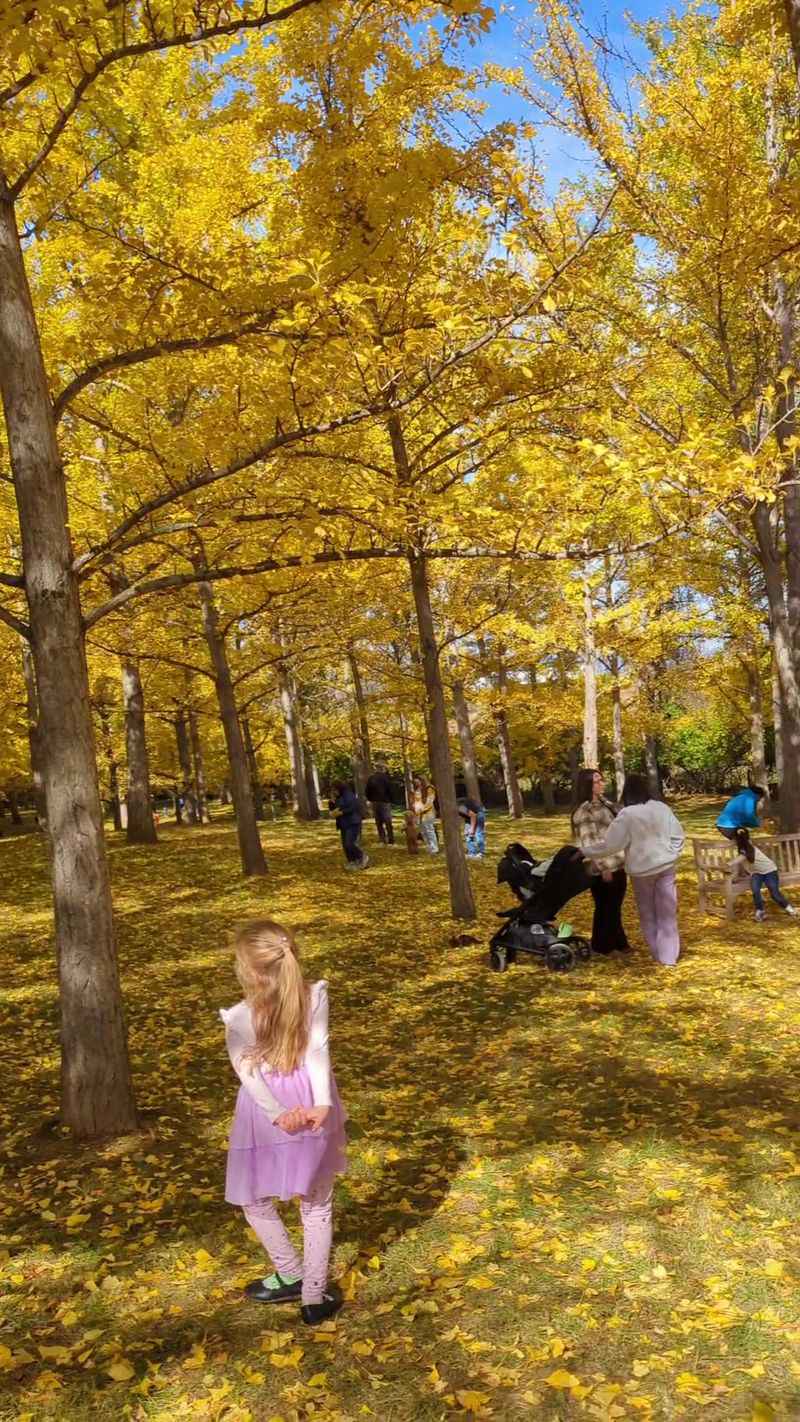
Ginkgo Grove transforms into pure gold each autumn when these ancient trees simultaneously drop their fan-shaped leaves. The brief but spectacular display attracts photographers from across Virginia who time visits to capture peak color.
Fallen leaves carpet the ground in luminous yellow, creating natural foreground interest.
Native azalea collections bloom throughout spring, their delicate flowers and varied colors offering softer alternatives to showier hybrid varieties. These understory shrubs thrive beneath taller trees, creating layered compositions that demonstrate natural plant communities.
Perennial borders demonstrate sustainable gardening techniques while providing seasonal color. Grasses add movement and texture, particularly effective when backlit during golden hour.
Seed heads persist through winter, offering structural interest when most plants have gone dormant.
The arboretum’s research mission means new plantings appear regularly, keeping the landscape dynamic and evolving. Experimental plots might not look traditionally pretty but offer unique subjects for photographers interested in botanical documentation.
Educational programming provides deeper understanding of plant relationships and ecology.
Address: 400 Blandy Farm Lane, Boyce, VA 22620
Green Spring Gardens
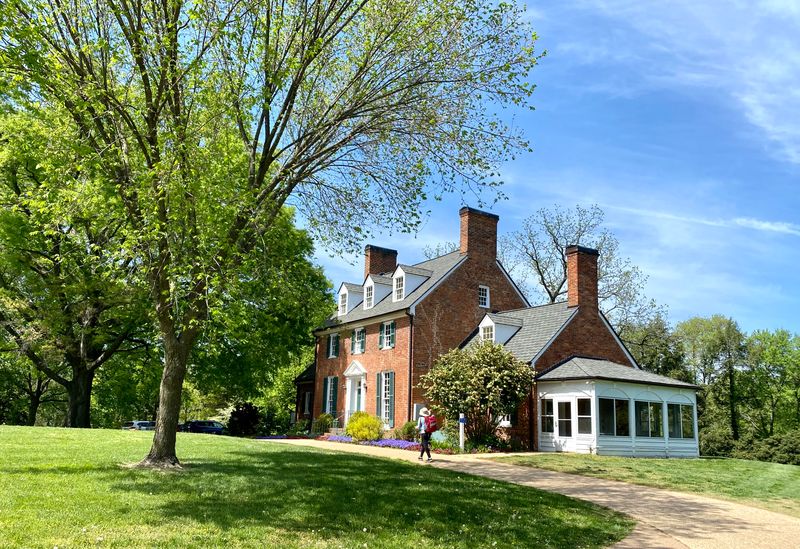
Demonstration gardens showcase practical landscaping ideas at this Fairfax County park where education and beauty coexist seamlessly. Photographers gain inspiration while capturing images of garden designs applicable to home landscapes.
These real-world examples prove beautiful gardens needn’t be massive or unattainable.
The historic manor house anchors formal gardens near the main entrance. Brick pathways and boxwood hedges create traditional structure while seasonal plantings inject contemporary color.
This blend of old and new appeals to photographers seeking both classic and current aesthetics.
Woodland gardens wind through mature forests where shade-tolerant plants thrive beneath tree canopies. Hostas, ferns, and hellebores create textured groundcovers while rhododendrons and azaleas add seasonal blooms.
The naturalistic planting style demonstrates how to garden successfully in challenging shaded conditions.
A vegetable garden displays productive and ornamental growing techniques. Trellised crops create vertical interest while companion plantings demonstrate ecological gardening principles.
Photographers interested in food gardening find plenty of subjects, from flowering beans to ripening tomatoes hanging heavy on vines.
Native plant gardens attract butterflies, bees, and birds that add life and movement to photographs. These pollinator-friendly spaces demonstrate Virginia’s ecological richness while providing close-up opportunities for nature photography.
Insect activity peaks during warm months when blooms are most abundant.
The greenhouse and horticulture center offer indoor photography options plus educational resources. Workshops and classes provide deeper knowledge about photographed subjects.
Staff expertise means you can ask questions about plant identification or cultural requirements while shooting.
Address: 4603 Green Spring Road, Alexandria, VA 22312
River Farm Garden Park
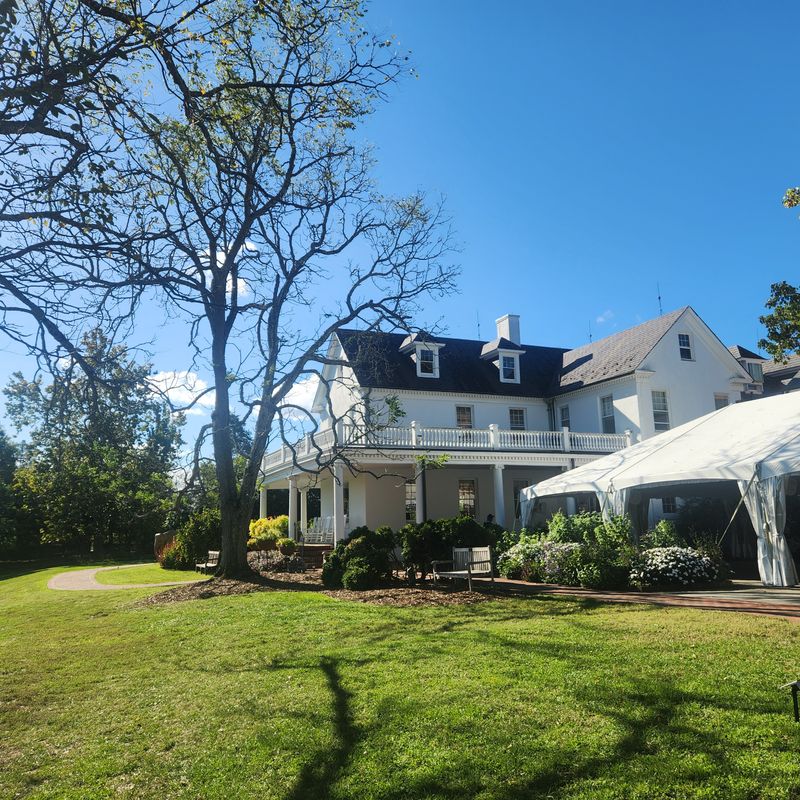
Potomac River views complement diverse garden styles at this historic property once owned by George Washington. Waterfront positioning provides unique photographic opportunities where cultivated gardens meet natural shoreline.
River light reflects upward, creating unusual illumination effects on plants and architecture.
Meadow gardens embrace naturalistic planting philosophies where native grasses and wildflowers mingle freely. This relaxed approach creates soft, romantic scenes that photograph beautifully when backlit or captured during golden hour.
Wind moving through grasses adds gentle motion that brings static images alive.
Children’s garden features whimsical elements including colorful plantings and playful structures. While designed for young visitors, these areas offer creative photography subjects with bold colors and unexpected juxtapositions.
Photographers willing to see with fresh eyes discover unique compositional opportunities.
Heritage trees planted centuries ago tower over gardens, their massive forms testament to time’s passage. These ancient specimens provide shade, scale, and historical connection.
Photographing upward through their canopies captures intricate branch patterns against sky.
Formal gardens near historic buildings demonstrate traditional design principles while informal areas showcase contemporary naturalistic trends. This variety lets photographers explore different aesthetics within one location.
Architecture and hardscaping provide strong compositional elements year-round.
Seasonal displays keep gardens interesting through changing months. Spring bulbs transition to summer perennials, followed by fall color and winter structure.
The property hosts events and educational programs that add human interest to garden photography. River Farm’s status as former American Horticultural Society headquarters means gardens receive expert care and thoughtful design.
Address: 7931 East Boulevard Drive, Alexandria, VA 22308
Woodlawn and Frank Lloyd Wright’s Pope-Leighey House Gardens
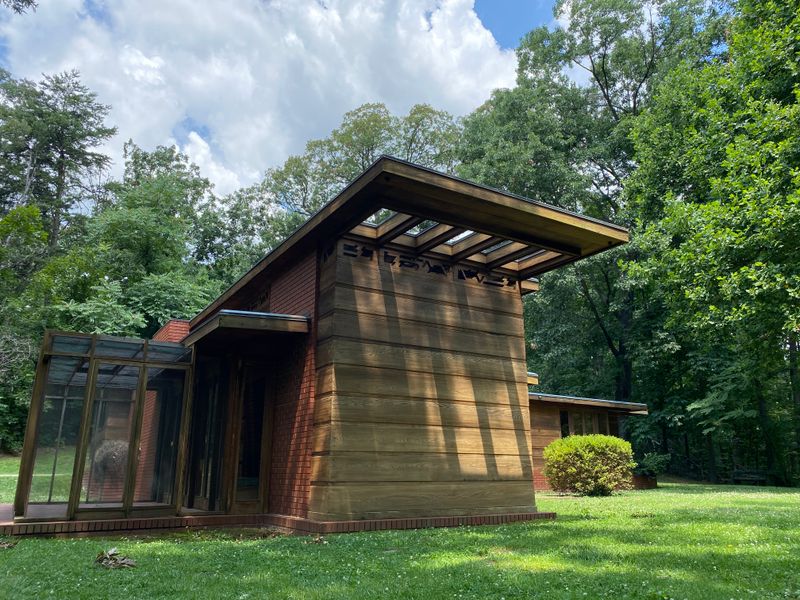
Architectural and horticultural history intertwine at this unique property combining a Federal-period mansion with a Frank Lloyd Wright house. Gardens complement both structures, creating fascinating contrasts between formal Georgian landscapes and modernist sensibilities.
Photographers interested in how architecture and landscape interact find endless exploration opportunities.
Formal gardens surround Woodlawn mansion, their geometric beds and clipped hedges reflecting early American design aesthetics. These structured plantings photograph beautifully in any season, their strong bones maintaining visual interest even during dormancy.
Brick walls and pathways add warm tones and textural contrast.
Heritage plant varieties chosen for historical accuracy bloom throughout growing seasons. Heirloom roses, peonies, and perennials evoke period authenticity while providing gorgeous photographic subjects.
These old-fashioned flowers often display more delicate forms and subtle colors than modern hybrids.
Woodland areas surrounding maintained gardens offer naturalistic shooting environments. Native Virginia plants grow beneath mature trees, creating layered compositions that demonstrate natural plant communities.
Seasonal wildflowers carpet forest floors during spring, their brief appearances rewarding photographers who time visits carefully.
The Pope-Leighey House’s modernist design philosophy extends to surrounding landscapes where clean lines and minimal plantings complement architectural geometry. This restraint creates powerful negative space that emphasizes form over decoration.
Photographers interested in minimalist aesthetics appreciate this disciplined approach.
Combined admission to both properties provides diverse photographic subjects within one visit. Contrasting styles demonstrate landscape design’s evolution across centuries.
Educational programming enriches understanding of both architectural and horticultural history. The property’s National Trust stewardship ensures careful preservation and thoughtful interpretation.
Address: 9000 Richmond Highway, Alexandria, VA 22309
Dear Reader: This page may contain affiliate links which may earn a commission if you click through and make a purchase. Our independent journalism is not influenced by any advertiser or commercial initiative unless it is clearly marked as sponsored content. As travel products change, please be sure to reconfirm all details and stay up to date with current events to ensure a safe and successful trip.
