Think you know Virginia? Sure, you’ve probably heard about Jamestown and Yorktown, maybe even strolled through Colonial Williamsburg with a tricorn-hatted guide.
But here’s the thing: some of the Old Dominion’s most historically loaded landscapes hide their stories so well that most visitors walk right past without a second glance. These aren’t your typical tourist traps plastered with interpretive signs and gift shops.
Nope, these are the unsung spots where battles raged, cultures collided, and the very fabric of American history got woven together. From forgotten Civil War camps to ancient Native American gathering grounds, Virginia’s landscape whispers secrets that textbooks barely mention.
Ready to see the Commonwealth through a whole new lens? Buckle up, because these nine spots will make you rethink everything you thought you knew about Virginia’s past.
1. Great Dismal Swamp National Wildlife Refuge
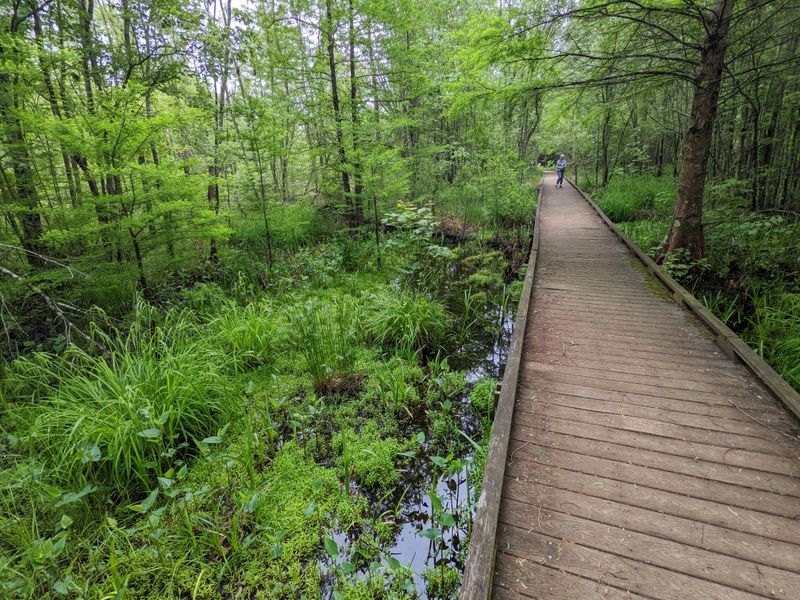
Most people see a swamp and think mosquitoes and muck. What they don’t realize is that the Great Dismal Swamp sheltered one of the largest maroon communities in American history.
Escaped enslaved people built entire settlements deep within these 112,000 acres, creating self-sufficient communities that thrived for generations beyond the reach of slavecatchers.
The dense vegetation and treacherous waterways made this swamp nearly impenetrable. Families established homes on higher ground, cultivated crops, and developed intricate knowledge of the landscape that kept them hidden.
Some communities lasted decades, with residents trading goods with sympathetic locals and maintaining complex social structures.
George Washington himself tried draining parts of this swamp for timber. His company failed miserably, which tells you something about how formidable this landscape truly was.
The same features that frustrated developers protected freedom seekers.
Today’s boardwalks and hiking trails at 3100 Desert Road, Suffolk, barely hint at the swamp’s resistance history. Rangers occasionally mention the maroon communities, but most visitors focus on wildlife photography.
The bald cypresses standing here witnessed incredible human courage and resilience.
Archaeological evidence keeps surfacing. Researchers find remnants of cabins, tools, and pottery that document these hidden societies.
Each discovery adds another chapter to a story that Virginia’s tourism industry rarely highlights.
Walking these trails means treading where people risked everything for freedom. The landscape itself became an ally, offering protection that no law could guarantee.
That’s the kind of history that deserves more than a footnote.
2. Belle Grove Plantation at Cedar Creek
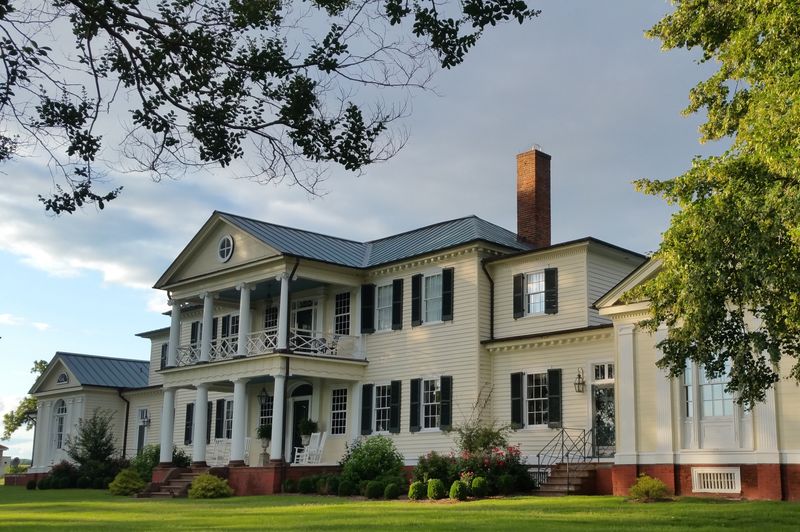
Driving past Belle Grove at 336 Belle Grove Road, Middletown, you might admire the elegant limestone mansion and think “pretty farmhouse.” You’d be missing the point entirely. This place sits at the crossroads of three distinct historical earthquakes that shaped America.
First, Thomas Jefferson designed parts of this structure. His architectural fingerprints are all over the place, making it a living textbook of early American building philosophy.
But that’s just the appetizer.
The Battle of Cedar Creek exploded across these fields, with Union and Confederate forces clashing in a fight that helped secure Lincoln’s reelection. Cannons roared where cows now graze.
Soldiers bled into soil that now grows heritage crops. The landscape remembers even when visitors forget.
Then there’s the enslaved community that actually made this plantation function. Over seventy people lived and labored here, their quarters still standing as uncomfortable reminders.
Recent archaeological work keeps uncovering their stories, from buttons to cooking implements that humanize people too often reduced to statistics.
Belle Grove doesn’t sugarcoat its complicated past anymore. Educational programs tackle the tough stuff head-on, discussing slavery, warfare, and social hierarchies with refreshing honesty.
That’s rare for plantation tourism in Virginia.
The Shenandoah Valley stretches beyond the property in every direction. Standing on Belle Grove’s grounds, you can almost hear echoes of musket fire mixing with the songs enslaved people sang while working.
History layered this thick doesn’t come along often.
3. Werowocomoco Archaeological Site
Ever wonder where Pocahontas actually lived? Forget the Disney version.
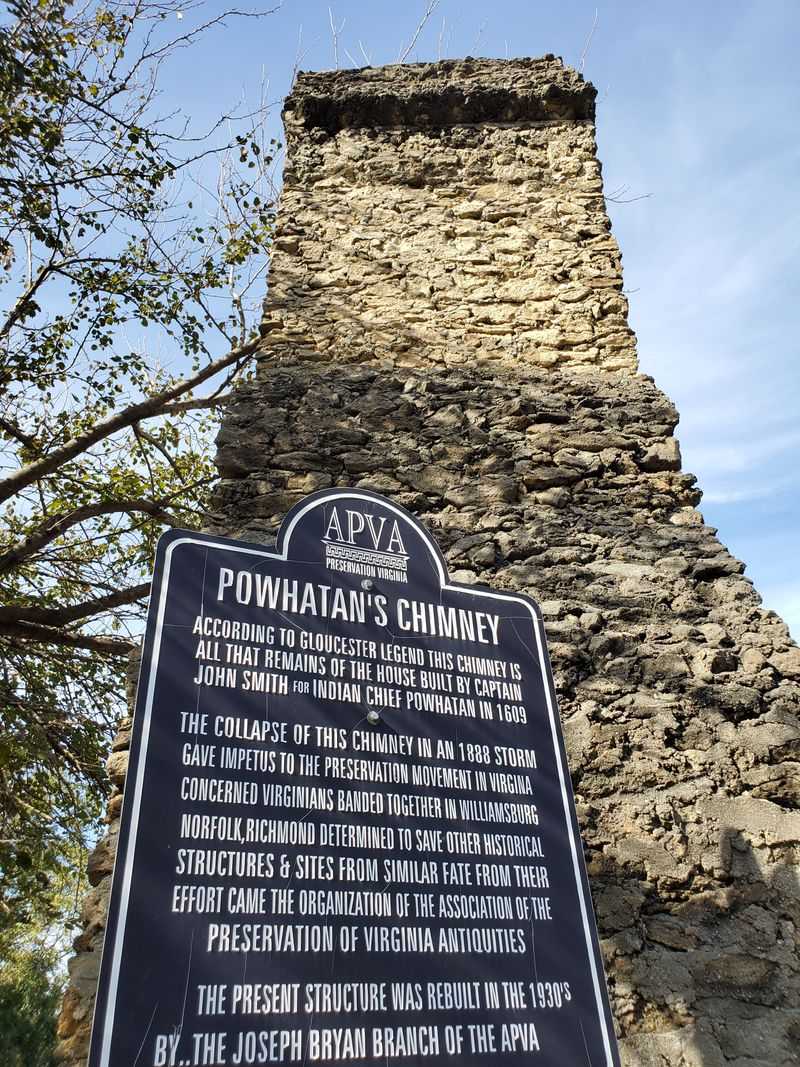
Werowocomoco along the York River was Chief Powhatan’s capital, the political powerhouse of the Powhatan Confederacy. This wasn’t some primitive village.
We’re talking about a sophisticated Indigenous nation’s headquarters.
Archaeologists only confirmed the site’s location recently, and what they’ve found rewrites assumptions about pre-colonial Virginia. The Powhatan people engineered this landscape deliberately, creating ceremonial spaces and residential areas that reflected complex social organization.
Thousands called this place home.
John Smith met Powhatan here. That famous “rescue” by Pocahontas?
Probably happened at Werowocomoco, though historians debate whether it was actually a rescue or a ceremonial adoption ritual. Either way, this ground witnessed the first fragile moments of English-Indigenous diplomacy.
The site remains largely undeveloped, protected but not turned into a theme park. Located off Werowocomoco Lane in Gloucester County, it’s more archaeological preserve than tourist attraction.
That’s actually perfect because it lets the landscape speak for itself.
Standing where Powhatan’s longhouse once stood, you face the same river views Indigenous leaders contemplated while deciding how to handle these strange European newcomers. The water hasn’t changed much.
The stakes of those decisions still ripple through American culture.
Interpretive markers share the Powhatan perspective, not just the English colonist viewpoint. That shift matters enormously.
For too long, Virginia history started with Jamestown, erasing thousands of years of Indigenous presence. Werowocomoco corrects that narrative.
4. Wilderness Battlefield
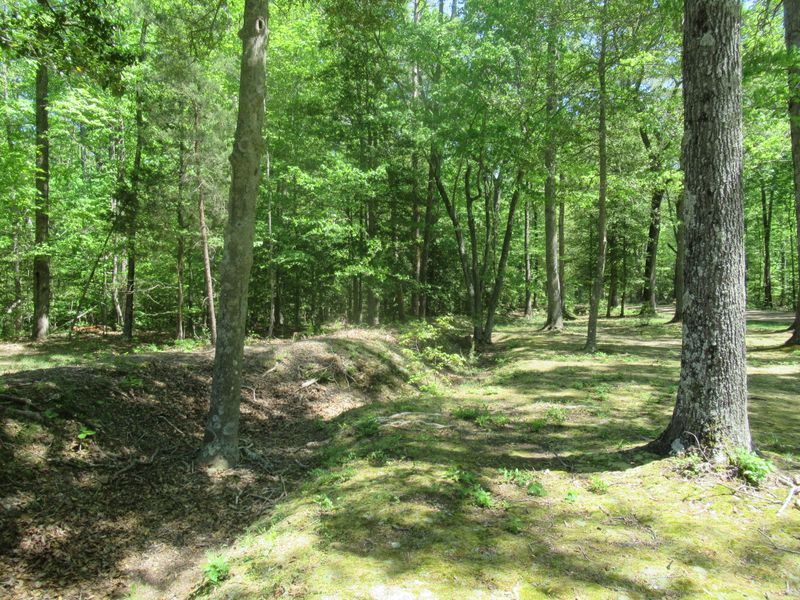
The Wilderness earned its name honestly. This tangle of second-growth forest near Locust Grove was already dense and disorienting when two massive armies collided here.
What followed was perhaps the Civil War’s most nightmarish battle, where the woods themselves became weapons.
Imagine fighting an enemy you can’t see through smoke and vegetation so thick that formations fell apart within minutes. Muzzle flashes in the gloom.
Brush fires trapping wounded soldiers. The horror was biblical, yet most people speed past on Route 20 without stopping.
Grant and Lee both struggled to control their forces in this chaos. Traditional military tactics meant nothing when you couldn’t see fifty feet ahead.
Soldiers described it as fighting blind, shooting at sounds rather than targets. The forest leveled advantages, turning warfare into something primal.
Today, hiking these trails at 20 Wilderness Battlefield Drive, you’ll notice how quickly the woods swallow sound and sight. That claustrophobic feeling?
Multiply it by gunsmoke, screams, and confusion. Now you’re getting close to understanding what happened here.
Preservation efforts keep this landscape wild rather than manicured. No neat rows of monuments or paved paths.
Just woods that look remarkably similar to how they appeared when thousands died among these trees. That authenticity hits different than polished battlefield parks.
Locals know to walk quietly here. There’s something about the Wilderness that demands respect.
The ground holds too much pain, too many stories of young men lost in a green hell. Virginia’s landscape absorbed that trauma and never quite let it go.
5. Fort Monroe
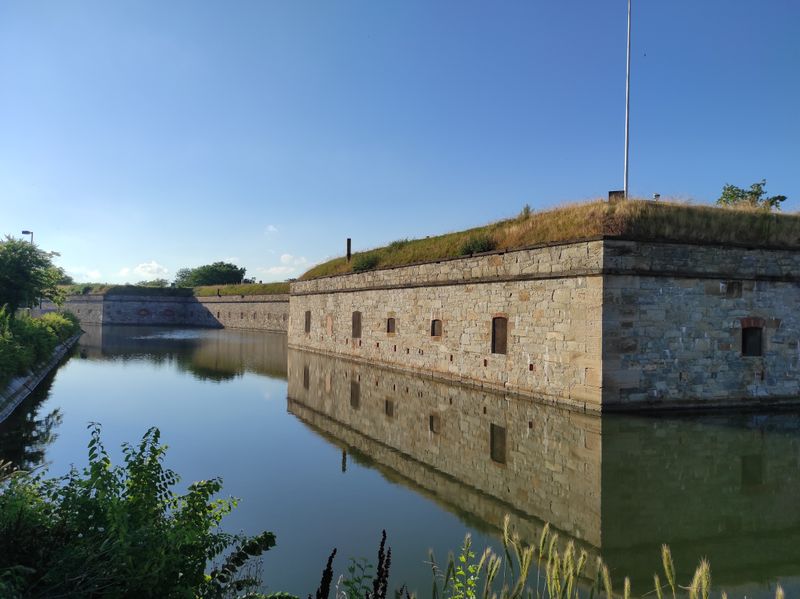
Fort Monroe at 41 Bernard Road, Hampton, pulls off a historical hat trick that few sites can match. This star-shaped fortress served as the spot where the first enslaved Africans arrived in English North America, became a Civil War refuge for freedom seekers, and later imprisoned Jefferson Davis.
Talk about range.
The “Contraband Decision” made here changed everything. When three enslaved men sought refuge at Fort Monroe, General Benjamin Butler declared them contraband of war rather than returning them to Confederate owners.
That legal loophole opened floodgates, with thousands streaming to the fort seeking freedom.
Grand Contraband Camp grew around the fortress, becoming one of the first self-governing African American communities. People built homes, established churches, created schools, and laid foundations for post-slavery life while war still raged.
That’s not just history. That’s revolution happening in real time.
The fort itself is an engineering marvel. Those massive stone walls and water-filled moat made it the largest stone fortress ever built in America.
Walking the ramparts, you can see why it never fell to enemy attack in its entire history.
Jefferson Davis spent time imprisoned here after the Confederacy collapsed. The irony is thick enough to cut with a knife: the president of the Confederate States held captive at the very place that became a symbol of Black freedom during the war.
Now it’s a National Monument, but it still doesn’t get the foot traffic it deserves. Maybe because its history is complicated and uncomfortable.
Fort Monroe refuses to offer simple narratives or easy heroes.
6. Manassas National Battlefield Park
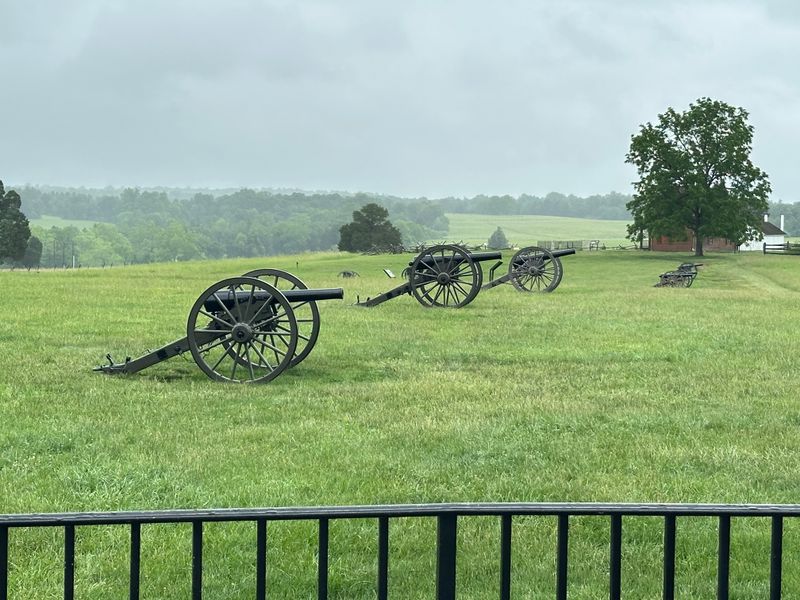
Two major battles, same ground, completely different outcomes. Manassas (or Bull Run, depending on which side your ancestors fought for) shattered illusions both times.
The first battle proved this war wouldn’t end quickly. The second demonstrated that Lee’s army could absolutely threaten Washington itself.
Picnickers from Washington came to watch the first battle like it was entertainment. They scattered when the Union line broke and panic spread.
Imagine packing a lunch to watch a war, then fleeing for your life when reality hit. That’s how naive America was about what was coming.
The landscape at 6511 Sudley Road, Manassas, looks deceptively peaceful now. Gently rolling hills, historic farmhouses, quiet fields.
But the topography tells the battle story if you know how to read it. High ground mattered.
Creek crossings became bottlenecks. The railroad cut became a defensive position.
Stone House still stands, the same structure that served as a field hospital during both battles. The walls absorbed screams and prayers, witnessed amputations and deaths.
It’s just a building to most visitors, but it holds memory in its very mortar.
Walking from Matthews Hill to Henry Hill, you cover the same ground where soldiers charged, retreated, died, and somehow kept fighting. The distances seem shorter now than they must have felt under fire.
Perspective shifts when you’re not dodging bullets.
Virginia saw more Civil War action than any other state, and Manassas set the tone. These fields taught both sides that this conflict would be longer, bloodier, and more transformative than anyone imagined.
The grass grows green over lessons learned in blood.
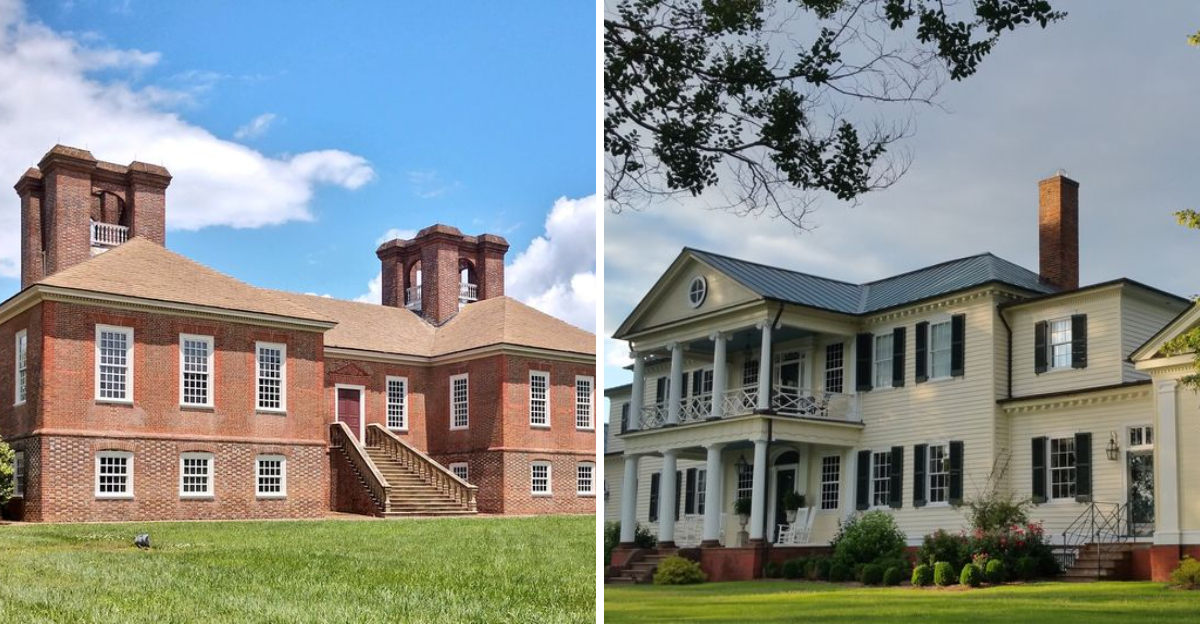
7. Stratford Hall
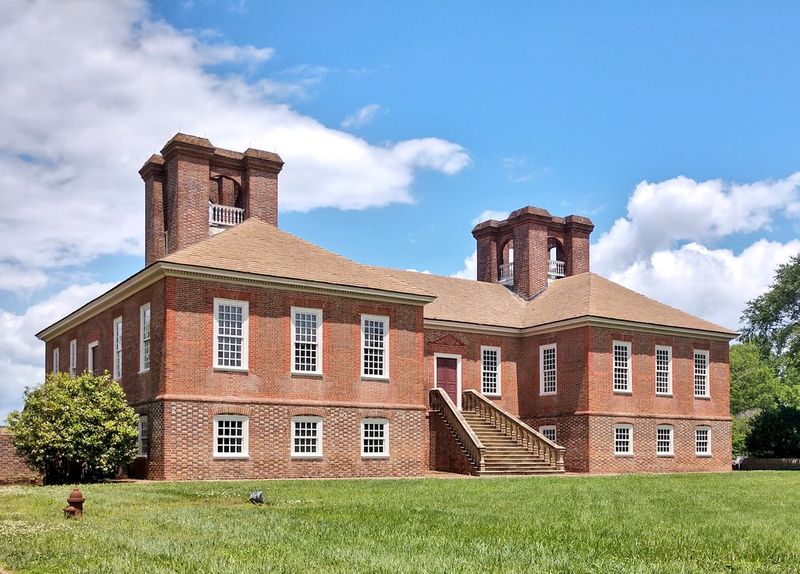
Stratford Hall at 483 Great House Road, Stratford, birthed two signers of the Declaration of Independence and Robert E. Lee.
That’s a lot of historical weight for one property to carry. But the real story isn’t just about famous white men.
It’s about the enslaved community that built and maintained this empire.
The Lee family accumulated massive wealth through enslaved labor and land speculation. Stratford’s elegance was purchased with human bondage.
Those gorgeous brick patterns? Laid by enslaved craftsmen.
The prosperity? Generated by people who couldn’t leave.
Recent interpretation at Stratford has improved dramatically, acknowledging the full story rather than just celebrating the Lee family legacy. Archaeology has uncovered slave quarters, work spaces, and artifacts that illuminate daily life for the people who actually made this plantation function.
The view from Stratford’s bluff overlooks the Potomac River, the same water that connected this plantation to broader Atlantic trade networks. Tobacco grown here by enslaved hands traveled to Europe.
Wealth flowed back. The global economy of slavery played out on this Virginia landscape.
Robert E. Lee’s birthplace carries complicated symbolism.
He’s simultaneously a Confederate icon and a tragic figure who chose the wrong side. Stratford doesn’t shy away from that complexity anymore, which makes it a more honest and ultimately more valuable historical site.
Walking the grounds requires reckoning with contradictions. Beautiful architecture built on exploitation.
Revolutionary ideals proclaimed by slaveholders. American history’s foundational hypocrisies are on full display.
Stratford makes you think, which is exactly what historic sites should do.
8. Sailor’s Creek Battlefield
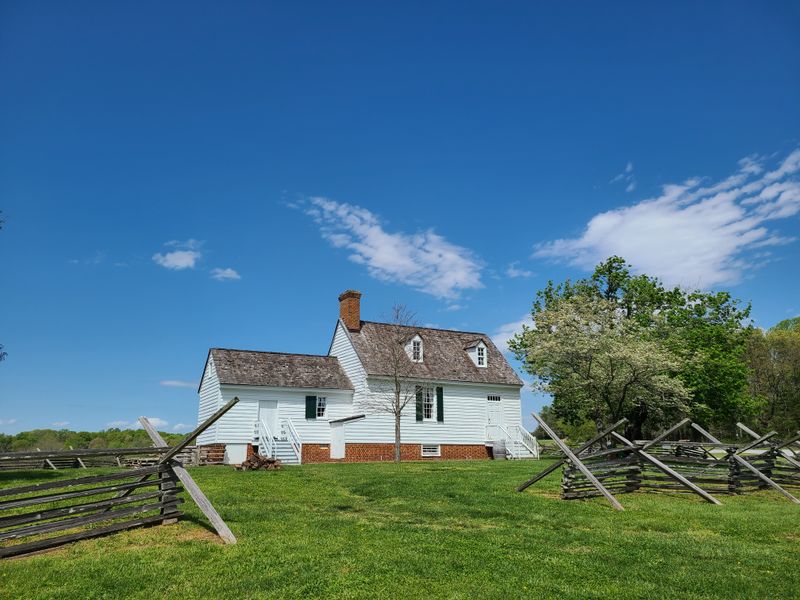
Sailor’s Creek doesn’t have Gettysburg’s fame or Antietam’s name recognition. Yet what happened here on April 6, 1865, essentially ended the Civil War.
Lee’s army, starving and desperate during the Appomattox Campaign, got cut off and destroyed piecemeal. One-quarter of his remaining force surrendered in a single afternoon.
The battlefield at 6541 Saylers Creek Road, Rice, spreads across multiple properties. Fighting raged along the creek, across Hillsman Farm, and through the surrounding countryside.
Confederates trapped between Union forces had nowhere to run. It was slaughter, not battle.
Lee reportedly said “My God, has the army dissolved?” when he saw the remnants streaming past. That quote captures the desperation and collapse happening in real time.
This landscape witnessed the moment Confederate soldiers realized it was truly over.
Three separate actions happened simultaneously across this area. The complexity gets overlooked because Appomattox Court House, just days later, gets all the attention.
But Sailor’s Creek made Appomattox inevitable. Without an army, Lee had no choice but to surrender.
Walking these fields today, you can trace the Union advance and Confederate retreat. The topography tells the story of entrapment and desperation.
Hillsman House still stands, its walls having witnessed the chaos outside.
Virginia’s landscape absorbed the Confederacy’s death throes here. Thousands of soldiers became prisoners.
Equipment and supplies fell into Union hands. The war’s end began not at a courthouse but in these muddy creek bottoms where hope finally ran out.
9. Great Falls Park
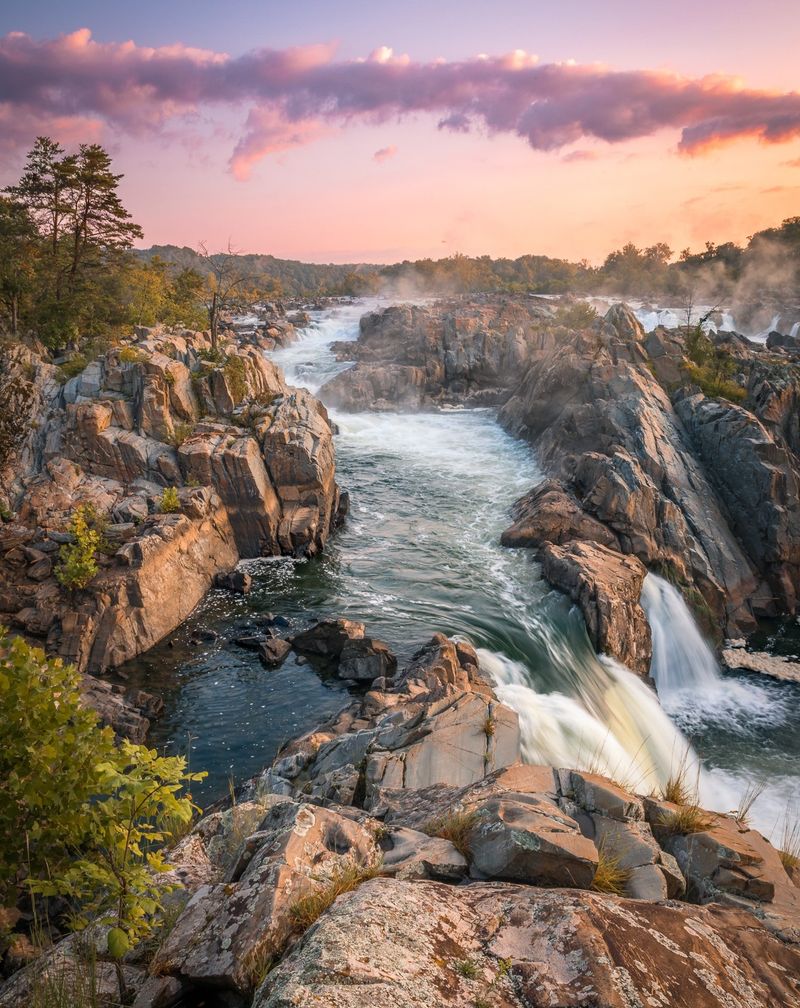
Great Falls at 9200 Old Dominion Drive, McLean, looks like pure nature. Powerful waterfalls, ancient rock formations, the Potomac River flexing its muscles through a narrow gorge.
But this landscape is soaked in human history that most hikers completely miss while snapping Instagram photos.
George Washington envisioned making the Potomac navigable all the way to the Ohio Valley. His Patowmack Company built an elaborate canal system to bypass these falls.
Remnants of those canals, locks, and buildings still survive, hidden among the trees and overlooks.
The engineering was ambitious bordering on insane. Workers carved channels through solid rock, built stone locks, and attempted to tame one of the East Coast’s most powerful rivers.
The project partially succeeded but never achieved Washington’s grand vision of connecting East to West.
Mather Gorge, formed by 500-million-year-old bedrock, creates the falls. That’s half a billion years of geological history creating the conditions that shaped early American transportation dreams and failures.
The rocks don’t care about human ambition. They just keep being rocks.
Indigenous peoples used the portage route around these falls for thousands of years before Europeans arrived. Fish runs through the falls provided seasonal abundance.
The landscape sustained communities long before it became a presidential obsession or a park.
Today’s visitors focus on the dramatic scenery and hiking trails. Fair enough.
It’s gorgeous. But take time to find the old canal ruins, the lock keeper’s house, the evidence of Washington’s failed dreams.
Great Falls is where natural power met American ambition, and nature won decisively.
Dear Reader: This page may contain affiliate links which may earn a commission if you click through and make a purchase. Our independent journalism is not influenced by any advertiser or commercial initiative unless it is clearly marked as sponsored content. As travel products change, please be sure to reconfirm all details and stay up to date with current events to ensure a safe and successful trip.
