Think your neighborhood has flavor? Virginia’s cultural enclaves might just prove you wrong.
Across the Commonwealth, pockets of thriving international communities have transformed ordinary streets into vibrant corridors where languages blend, aromas transport you across continents, and traditions from around the globe come alive daily. These aren’t tourist traps or theme parks.
They’re real neighborhoods where families gather, businesses flourish, and authentic cultural experiences happen naturally.
From the bustling Korean shops of Annandale to the aromatic Ethiopian restaurants dotting Columbia Pike, Virginia serves up cultural diversity like nowhere else on the East Coast. Each neighborhood tells its own immigration story, shaped by waves of newcomers who’ve planted roots and shared their heritage.
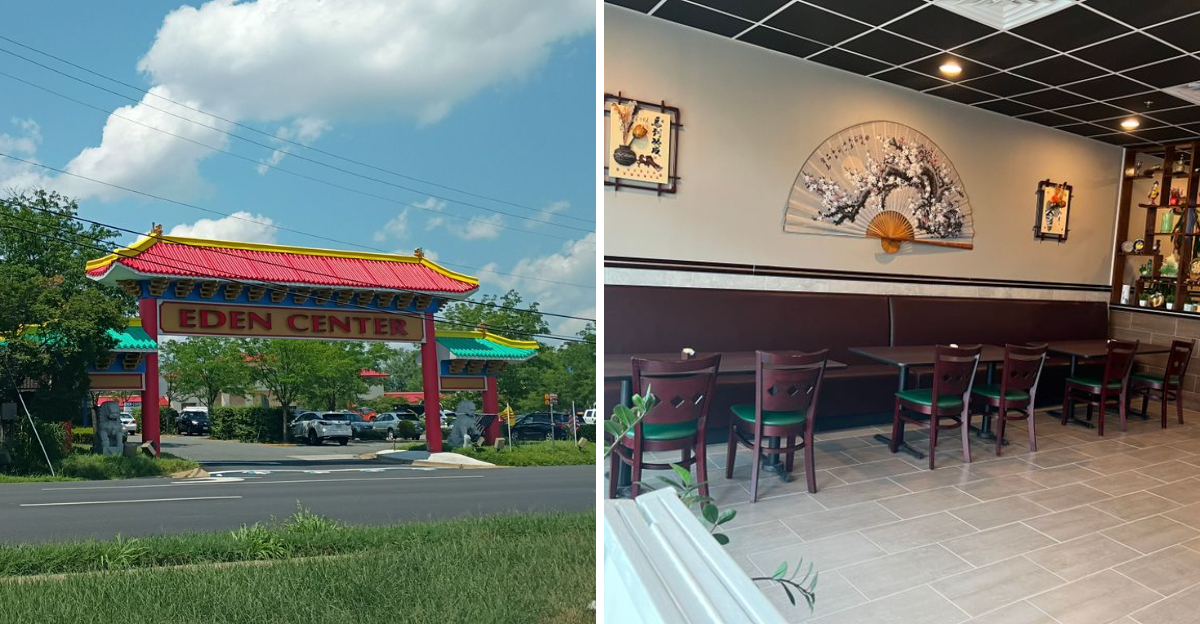
Walking these streets feels like passport stamping without the jet lag. You’ll hear Vietnamese conversations in Eden Center’s corridors, smell fresh pupusas on Arlington’s streets, and spot Bollywood posters in Fairfax storefronts.
Ready to explore where Virginia gets its global soul? Pack your appetite for adventure and comfortable shoes.
These nine neighborhoods will show you a side of the state that goes way beyond colonial history and mountain views.
Koreatown, Annandale, Virginia
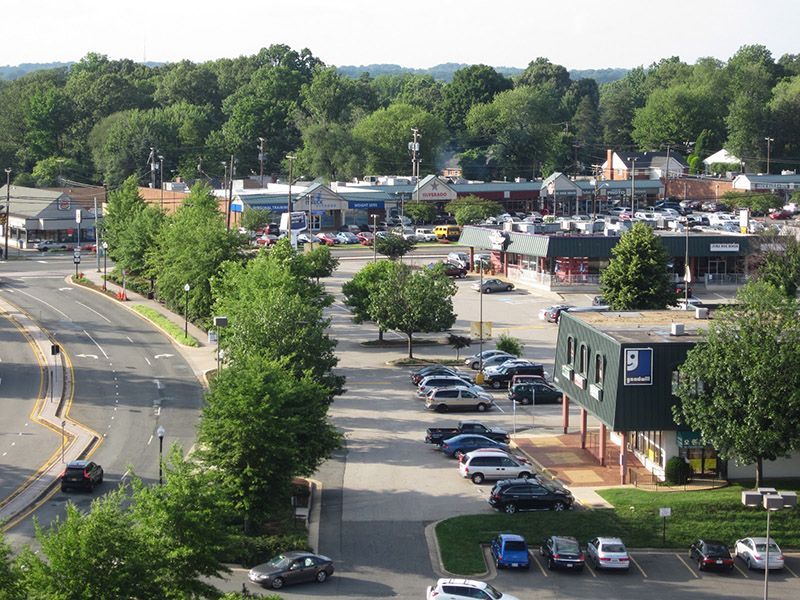
Annandale has earned its reputation as Virginia’s premier Korean cultural hub, and one stroll down Little River Turnpike proves why. Storefronts display hangul characters alongside English, creating a visual feast that signals you’ve entered something special.
The neighborhood pulses with energy from morning until late evening, as families shop for groceries, students grab snacks, and professionals unwind after work.
Concentrated along Little River Turnpike near the Gallows Road intersection, this area transforms ordinary suburban Virginia into a slice of Seoul. Bakeries display rows of perfectly crafted pastries behind glass cases.
Markets overflow with produce you won’t find in typical grocery chains. Specialty shops sell everything from skincare products to K-pop merchandise, catering to both homesick Korean Americans and curious locals.
The community atmosphere makes Annandale stand out from generic ethnic enclaves. Generations mingle here naturally.
Grandmothers select fresh vegetables while teenagers browse the latest fashion trends. Business owners know their regulars by name, greeting them warmly in Korean or English depending on preference.
Cultural celebrations bring the neighborhood together throughout the year, with festivals showcasing traditional music, dance, and customs. Even on regular weekdays, the streets maintain a lively character that feels authentically Korean yet distinctly Virginian.
Visitors quickly realize this isn’t just about commerce. It’s about preserving heritage while building new American stories.
The accessibility makes exploring easy for newcomers. Ample parking surrounds most plazas, and many businesses display bilingual signs to welcome everyone.
Whether you’re seeking authentic cultural experiences or simply curious about Korean traditions, Annandale delivers without pretension or tourist gimmicks.
Vietnamese Village, Fall’s Church, Virginia
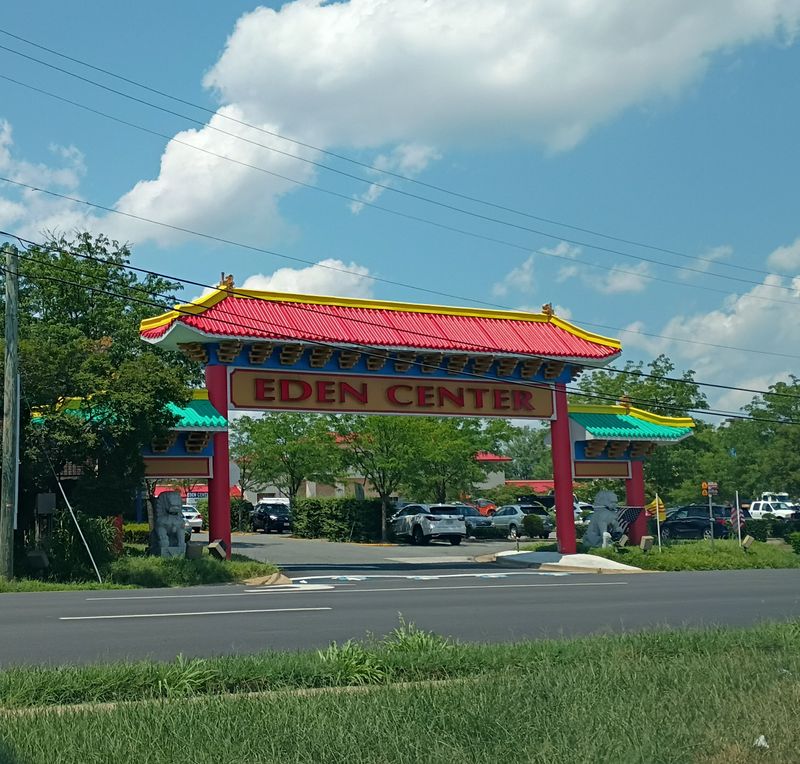
Falls Church’s Eden Center stands as the largest Vietnamese shopping center on the entire East Coast, a title it wears with pride. Located at 6751 Wilson Boulevard, this sprawling complex houses over one hundred businesses under connected roofs, creating an indoor marketplace that buzzes with constant activity.
Stepping through the entrance feels like teleporting straight to Saigon’s bustling districts.
Built by Vietnamese refugees who fled their homeland decades ago, Eden Center represents resilience and community strength. What started as a modest shopping area has grown into a cultural landmark that draws visitors from across the Mid-Atlantic region.
The architecture itself tells stories, with design elements reflecting traditional Vietnamese aesthetics adapted to American building codes.
Narrow corridors wind between shops selling everything imaginable. Jewelry stores display gold necklaces in intricate patterns.
Boutiques offer ao dai traditional dresses in silk and satin. Gift shops stock ceramic dishes, lacquerware, and decorative items imported directly from Vietnam.
The sensory experience overwhelms in the best possible way.
Beyond retail therapy, Eden Center serves as a genuine community gathering spot. Elderly Vietnamese Americans meet friends for coffee and conversation.
Young families introduce their American-born children to their ancestral culture. The center hosts celebrations during Tet (Lunar New Year), transforming into a festival ground with performances and special decorations.
Parking can get tight on weekends, but that crowding reflects Eden Center’s popularity and authenticity. This isn’t a manufactured tourist attraction.
It’s a living, breathing Vietnamese neighborhood compressed into a shopping complex format, maintaining cultural traditions while adapting to suburban Virginia life.
Clarendon’s Ethiopian Quarter, Arlington, Virginia
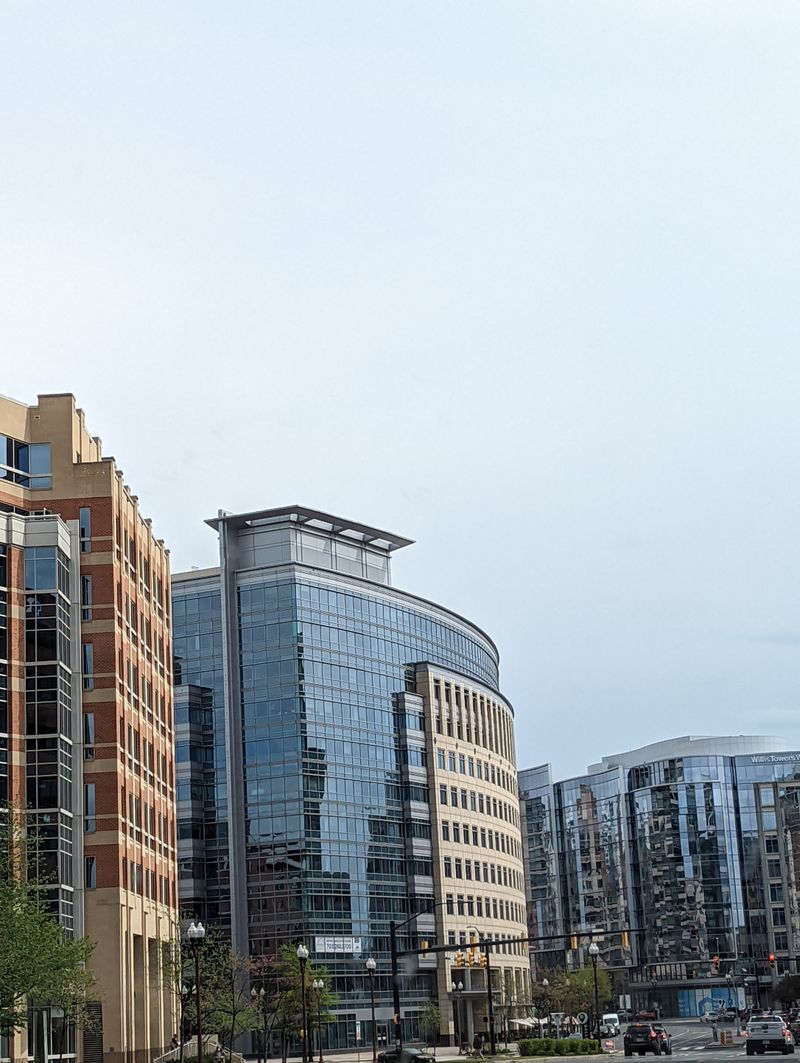
Arlington’s Clarendon neighborhood surprises visitors with its concentrated Ethiopian presence, particularly along the Wilson Boulevard corridor. This urban area blends modern Arlington development with East African cultural authenticity, creating a unique fusion that reflects contemporary immigration patterns.
Coffee ceremonies happen steps away from trendy bars, illustrating Clarendon’s diverse character.
Ethiopian businesses have clustered here organically over years, following the pattern of chain migration where established immigrants help newcomers settle nearby. The result is a recognizable Ethiopian district within walking distance of the Clarendon Metro station.
Restaurants, markets, and service businesses cater to the local Ethiopian and Eritrean communities while welcoming curious neighbors.
Traditional injera bread and aromatic spice blends define the culinary landscape here. Markets stock teff flour, berbere spice mixes, and other ingredients essential to Ethiopian cooking.
Community gathering spaces allow families to maintain connections to their homeland’s social customs. Cultural events celebrate Ethiopian holidays and traditions, keeping heritage alive for second-generation Ethiopian Americans.
The neighborhood’s walkability enhances its appeal. Tree-lined streets connect various businesses, making exploration pleasant and easy.
Mixed-use development means people live, work, and socialize within the same compact area, fostering genuine community bonds rather than just commercial transactions.
Clarendon demonstrates how ethnic neighborhoods thrive in urban settings. Unlike suburban strip malls, this district integrates into Arlington’s fabric while maintaining distinct cultural identity.
Young professionals discover Ethiopian culture as neighbors, not tourists. Long-time residents appreciate the diversity that makes Arlington feel cosmopolitan despite being technically suburban.
The Metro accessibility brings visitors from across the Washington region, but the neighborhood retains its authentic character because it serves a real community first and curious outsiders second.
Columbia Pike’s Latin American Corridor, Arlington, Virginia
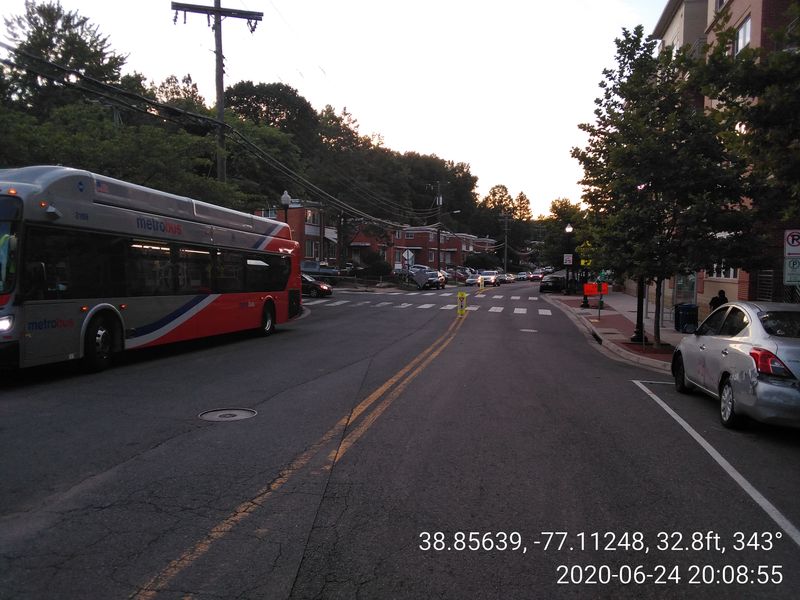
Stretching through Arlington, Columbia Pike has evolved into Virginia’s most vibrant Latin American cultural corridor. This busy thoroughfare connects diverse communities from El Salvador, Bolivia, Peru, Guatemala, and beyond, creating a multicultural tapestry that defies simple categorization.
Flags from various nations flutter outside businesses, announcing the international character proudly.
The corridor’s transformation reflects decades of Latin American immigration to Northern Virginia. What once served as a fading commercial strip has regenerated into a thriving ethnic neighborhood where Spanish dominates conversations and Latin music spills from open doorways.
The revitalization happened organically as immigrants opened businesses serving their communities’ needs.
Salvadoran pupuserias sit alongside Peruvian ceviche spots and Bolivian salteña bakeries. Markets stock products from across Latin America, recognizing that their customer base spans multiple countries and culinary traditions.
This pan-Latin American character distinguishes Columbia Pike from neighborhoods dominated by single nationalities.
Community organizations line the Pike, offering services from legal help to language classes. Churches conduct Spanish-language services.
Soccer leagues organize weekend matches. The neighborhood functions as a support network for newcomers navigating American life while maintaining cultural connections.
Recent development has brought tensions between longtime Latino residents and new luxury apartments, but the corridor’s cultural character persists. Murals celebrate Latin American heritage.
Annual festivals showcase regional dances and music. The community advocates for preserving affordable housing and small businesses that give Columbia Pike its soul.
Bus lines make the Pike accessible to car-free residents, crucial for working-class immigrants. This transit connectivity helps maintain the neighborhood’s economic diversity, preventing the complete gentrification threatening other ethnic enclaves across Virginia.
Indian Enclave, Fairfax, Virginia
Fairfax County’s Indian community has created a thriving cultural district along Route 50 and surrounding areas, particularly near the Fair Oaks and Fairfax areas. Gold jewelry shops sparkle in strip mall windows.
Sari boutiques display brilliant fabrics in every imaginable color. The aroma of spices greets you before you even exit your car at Indian grocery stores.
This neighborhood reflects the success story of Indian immigration to Northern Virginia’s technology corridor. Many residents work in IT, healthcare, and other professional fields, creating an economically robust community that supports specialized businesses.
Unlike working-class ethnic enclaves, Fairfax’s Indian district caters to middle and upper-middle-class tastes with upscale offerings.
Grocery stores here rival anything you’d find in Mumbai or Delhi. Aisles overflow with regional products from across India’s diverse states.
Fresh produce sections stock vegetables rarely seen in mainstream American supermarkets. Freezer cases hold prepared foods for busy professionals wanting home-style cooking without the time investment.
The community maintains strong cultural ties through temples, cultural centers, and celebration of Indian festivals. Diwali transforms the neighborhood with lights and festivities.
Holi brings color and joy to spring. These events welcome non-Indian neighbors, fostering cross-cultural understanding and appreciation.
Bollywood entertainment permeates the district. Shops sell the latest films and music.
Dance studios teach classical and contemporary Indian styles. Beauty salons specialize in bridal makeup and traditional styling.
The neighborhood provides everything needed to maintain Indian cultural identity while thriving in American suburbs.
Families drive from across Virginia to shop here, making weekends particularly busy. The concentration of businesses means you can complete all your cultural shopping in one trip, from groceries to clothing to religious items.
Seven Corners’ Pan-Asian Hub, Falls Church, Virginia
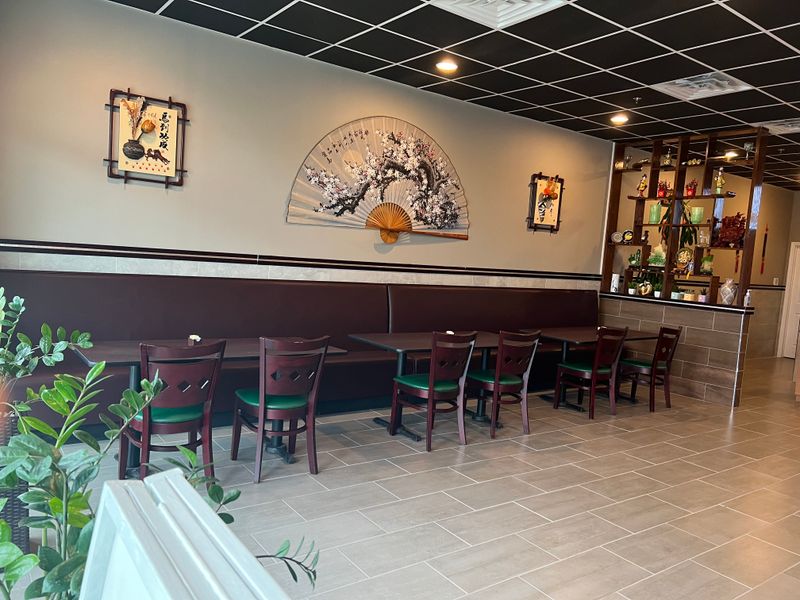
Seven Corners in Falls Church serves as a fascinating Pan-Asian crossroads where multiple Asian cultures intersect and overlap. Located at the junction of major roads including Route 7 and Route 50, this commercial district hosts businesses representing Korean, Vietnamese, Chinese, Thai, and other Asian communities.
The diversity within diversity makes Seven Corners unique among Virginia’s ethnic neighborhoods.
Unlike neighborhoods dominated by single nationalities, Seven Corners celebrates Asian cultural variety. A Korean grocery might sit beside a Vietnamese bakery, with a Thai massage studio upstairs and a Chinese herb shop next door.
This proximity creates unexpected cultural exchanges and fusion experiences you won’t find in more homogeneous enclaves.
The area developed as multiple Asian immigrant waves settled in Falls Church and surrounding communities. Rather than clustering separately, these groups created a shared commercial district serving overlapping needs.
Asian Americans from different backgrounds shop side by side, creating a multicultural atmosphere that feels distinctly American in its diversity.
Strip malls dominate the landscape, typical of suburban Northern Virginia development. But the businesses within these ordinary-looking centers transport visitors across Asian cuisines and traditions.
Karaoke lounges attract Korean and Chinese patrons alike. Bookstores stock materials in multiple Asian languages.
Beauty supply shops cater to various Asian hair types and skincare traditions.
The neighborhood’s evolution continues as newer immigrant groups arrive. Bangladeshi and Nepali businesses have joined the mix recently, adding South Asian flavors to the existing East and Southeast Asian character.
This ongoing transformation keeps Seven Corners dynamic and relevant to changing demographics.
Traffic congestion reflects the area’s popularity but also tests patience. However, the concentration of authentic Asian businesses makes battling the roads worthwhile for those seeking genuine cultural experiences.
Bailey’s Crossroads Melting Pot, Fairfax, Virginia
Bailey’s Crossroads in Fairfax County represents Northern Virginia’s ultimate multicultural experiment. No single ethnicity dominates this neighborhood.
Instead, you’ll find African, Asian, Latin American, and Middle Eastern communities sharing space in remarkable harmony. The diversity feels less like distinct ethnic quarters and more like a genuine melting pot.
Centered around the intersection of Columbia Pike and Leesburg Pike (Route 7), Bailey’s Crossroads has attracted immigrants from across the globe. High-rise apartments house families from dozens of countries.
Shopping centers reflect this international population with businesses catering to multiple cultural groups often within the same plaza.
An Ethiopian market might share a parking lot with a Salvadoran bakery and a Vietnamese nail salon. Halal butchers serve Muslim communities from various continents.
International phone card shops facilitate connections to homelands worldwide. This eclectic mix creates a neighborhood where multiculturalism isn’t celebrated occasionally but lived daily.
The area’s affordability relative to nearby Arlington has made it accessible to working-class immigrants, though rising costs threaten that accessibility. Apartment complexes have become vertical United Nations buildings where neighbors speak dozens of languages and cook cuisine from every corner of Earth.
Children growing up here experience diversity as normal, not exceptional.
Community spaces bring different groups together. Parks host soccer games where teams reflect various nationalities.
Schools teach students from incredibly diverse backgrounds. Religious institutions representing multiple faiths coexist peacefully, from mosques to churches to temples.
Bailey’s Crossroads lacks the concentrated ethnic character of neighborhoods like Annandale or Eden Center, but that diffusion creates its own appeal. Here, multiculturalism isn’t about visiting another culture but living alongside many simultaneously, creating a distinctly twenty-first-century American neighborhood.
Korean Extension, Chantilly, Virginia
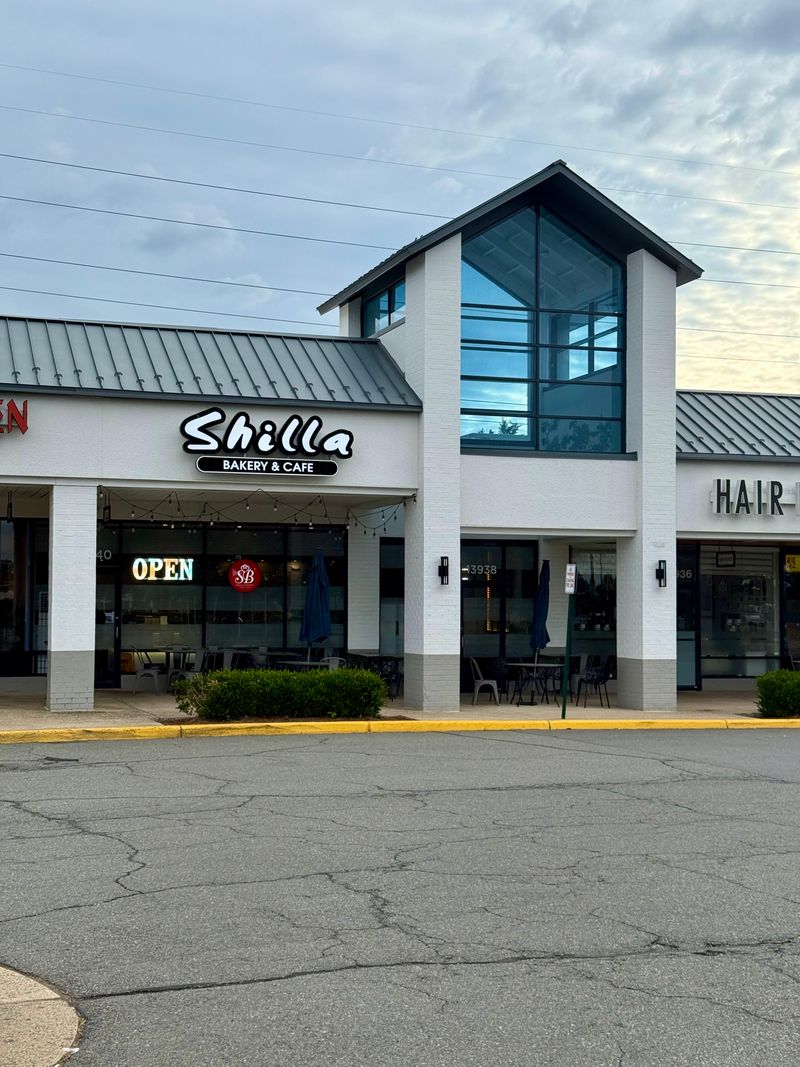
Chantilly has emerged as Annandale’s suburban sister, offering another concentration of Korean businesses in a more spread-out setting. Located along Route 50 west of Fairfax, this area attracts Korean American families seeking larger homes and newer developments while maintaining cultural connections.
The result is a Korean neighborhood with more breathing room than urban alternatives.
Strip malls along Route 50 and side roads house Korean groceries, bakeries, and specialty shops. The businesses may look modest from outside, but step through the doors and you’ll find the same quality and authenticity as more established Korean districts.
Many owners operate second locations here while maintaining flagship stores in Annandale.
Chantilly’s Korean community skews slightly younger and more family-oriented than Annandale’s. You’ll see more children, more SUVs, more evidence of suburban American life blended with Korean cultural maintenance.
Parents drop kids at Korean language schools on weekends. Families stock up on groceries for the week.
The pace feels less frenetic than denser Korean neighborhoods.
Korean churches dot the landscape, serving as cultural and spiritual centers. These congregations organize social events, Korean language classes, and community support networks.
For many Korean Americans, church participation provides crucial connections to their heritage and fellow community members.
The neighborhood continues expanding as more Korean businesses open and Korean American families relocate from older areas. New construction includes Korean-owned businesses from the planning stages, indicating the community’s growing economic power and long-term commitment to the area.
Driving remains essential here unlike walkable urban neighborhoods. The suburban layout means you’ll need a car to fully experience Chantilly’s Korean offerings.
However, ample parking and modern facilities make the driving worthwhile for those seeking Korean culture in a suburban Virginia setting.
Alexandria’s Growing Diversity, Alexandria Old Town, Virginia
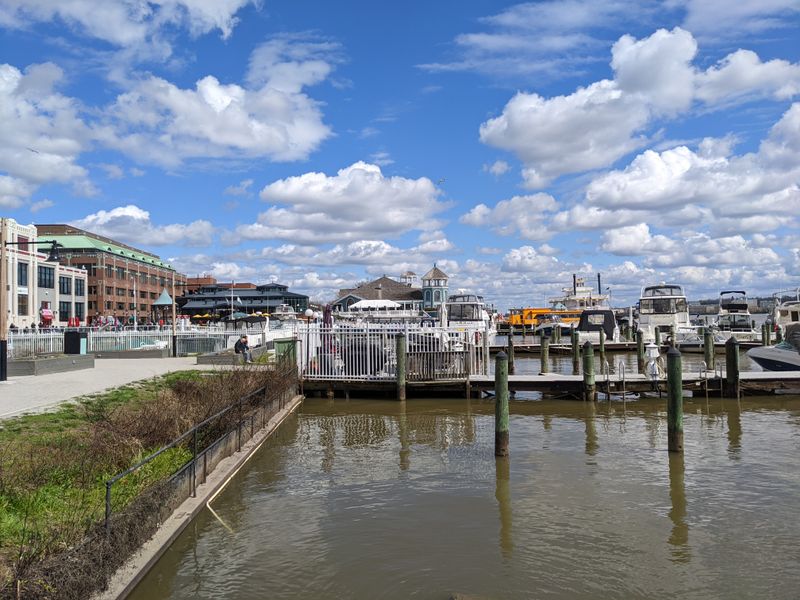
Alexandria’s Route 1 corridor south of Old Town has transformed into one of Virginia’s most rapidly diversifying neighborhoods. Historically working-class and predominantly African American, the area now welcomes immigrants from Latin America, Africa, Asia, and the Middle East.
This demographic shift creates fascinating cultural layering where new and established communities negotiate shared space.
The corridor stretches along Richmond Highway (Route 1), lined with aging strip malls gradually filling with international businesses. Salvadoran pupuserias operate beside African hair braiding salons.
Halal groceries share parking lots with Latin American money transfer services. The visual landscape reflects this diversity with signs in Spanish, Arabic, Amharic, and other languages.
Unlike neighborhoods where one immigrant group displaced another, Alexandria’s Route 1 shows multiple communities arriving and establishing themselves simultaneously. This creates both opportunities for cross-cultural exchange and challenges as different groups compete for limited resources and recognition.
Community organizations work to bridge cultural gaps and advocate for immigrant needs. English language classes serve speakers of various native languages.
Legal aid offices help with immigration paperwork. Health clinics provide culturally sensitive care.
These services acknowledge that successful integration requires support systems.
The neighborhood faces significant development pressure as Alexandria grows southward from Old Town. Luxury apartments rise near longtime immigrant businesses, creating uncertainty about the area’s cultural future.
Residents and advocates push for inclusive development that preserves the international character while improving infrastructure.
Public transportation along Route 1 makes the corridor accessible to car-free immigrants, crucial for those working service jobs in wealthier Alexandria neighborhoods. This connectivity helps maintain economic diversity even as housing costs climb across the region.
The neighborhood’s evolution continues, shaped by immigration patterns, development forces, and community organizing efforts.
Dear Reader: This page may contain affiliate links which may earn a commission if you click through and make a purchase. Our independent journalism is not influenced by any advertiser or commercial initiative unless it is clearly marked as sponsored content. As travel products change, please be sure to reconfirm all details and stay up to date with current events to ensure a safe and successful trip.
