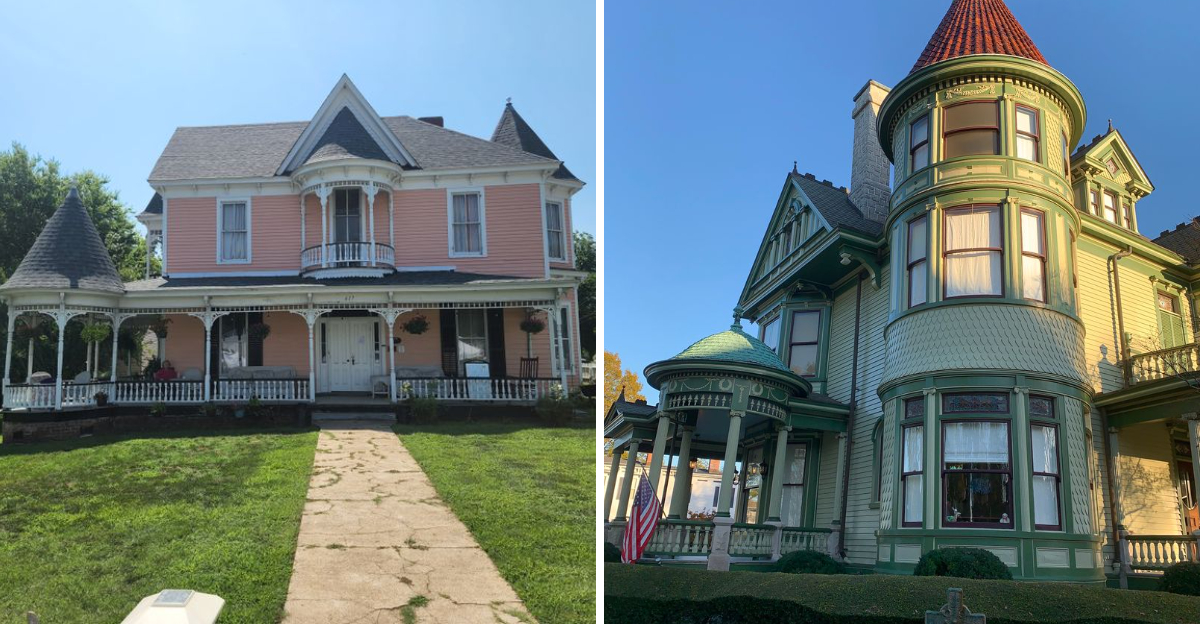
What happens when progress leaves a place behind? Across Virginia, there are small towns where time seems to have stopped, where Main Street storefronts stand empty, and where the younger generation has packed up and moved away.
These aren’t ghost towns in the classic sense, but they’re fading quietly while the rest of the world rushes forward. Visiting these communities feels like stepping into a different era, one where handshake deals still matter and everyone knows your name.
The question isn’t whether these towns deserve attention, but whether modern America even notices they’re still here, holding onto their stories and traditions with stubborn pride.
1. Dendron, Surry County
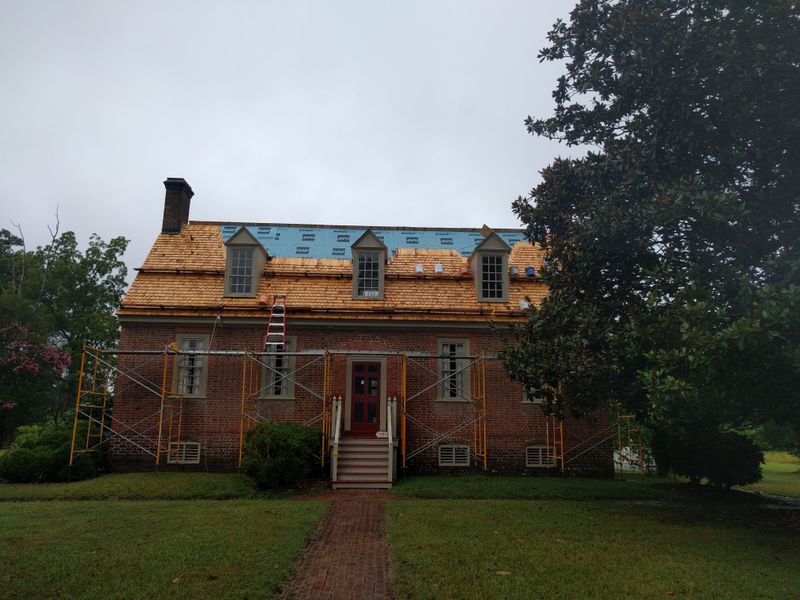
Surry County’s Dendron sits along Route 460 like a memory half-forgotten. Once a bustling railroad stop where peanuts and timber kept the economy humming, the town now feels suspended between past glory and uncertain future.
The handful of buildings clustered around the old depot tell stories nobody stops to hear anymore.
Trains still rumble through, but they don’t stop. That’s the perfect metaphor for Dendron itself.
Progress thunders past without slowing down, leaving residents to watch from porches and wonder what happened to the vitality their grandparents knew. The population barely cracks three digits these days.
Walk down the main drag and you’ll count more closed businesses than open ones. A few holdouts remain, stubborn as the oak trees lining the streets, but foot traffic is sparse.
Young people leave for college and never return, chasing opportunities in Richmond or Virginia Beach that Dendron simply cannot offer.
Yet something beautiful persists here. Neighbors still help neighbors.
Church bells still ring on Sunday mornings. Front doors stay unlocked because crime feels like an urban problem, not a Dendron concern.
The pace of life moves slowly, deliberately, like molasses in January.
Located at 24120 Batten Shop Rd, Dendron represents countless small Virginia communities facing the same dilemma. How do you preserve character while embracing change?
How do you honor history without becoming a museum? These questions hang in the humid air, unanswered but urgent.
Dendron waits, patient as always, hoping someone will notice before it’s too late.
2. Clarksville, Mecklenburg County
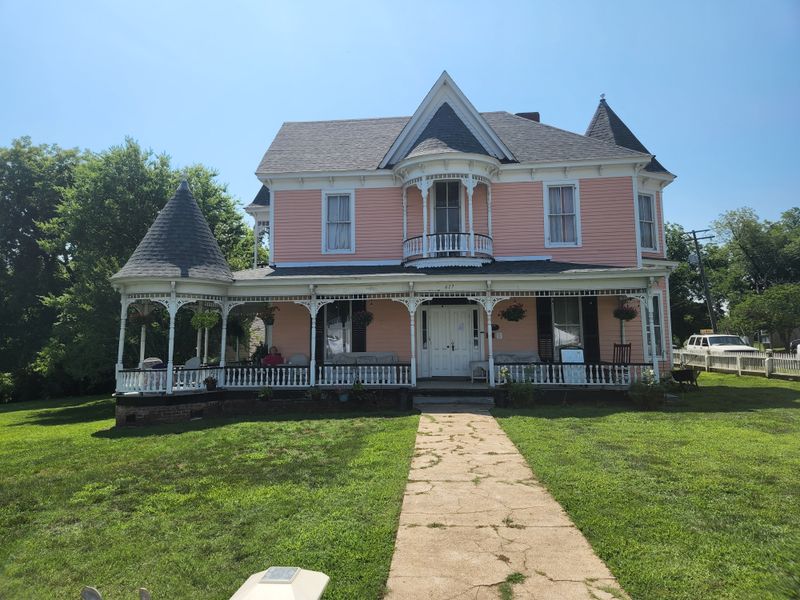
Mecklenburg County’s Clarksville once thrived as a tobacco town where auctions drew crowds and money flowed. Perched on the edge of Kerr Lake, it seemed destined for prosperity.
Then came the tobacco decline, and suddenly the economic foundation crumbled like dried leaves. What remains is a town searching for its second act.
The lake should be Clarksville’s salvation. Tourists come for fishing and boating, but they bypass downtown entirely, heading straight to marinas and campgrounds.
The town sees the traffic without reaping the benefits, like watching a parade from behind a fence. Local businesses struggle to capture attention from visitors focused solely on waterfront recreation.
Downtown Clarksville showcases beautiful architecture from more prosperous times. Brick buildings with elaborate cornices line the streets, their grandeur fading but still evident.
Several storefronts wear plywood where display windows once sparkled. Others house antique shops and consignment stores, businesses that thrive on nostalgia rather than innovation.
Community spirit runs deep here, though. Annual festivals draw former residents back home, filling streets with temporary energy.
Volunteers maintain historical sites and organize events, fighting against the current of decline with sheer determination. They refuse to let Clarksville become just another dot on the map that nobody remembers.
Find Clarksville at 301 Virginia Ave in Mecklenburg County, where residents balance pride with pragmatism. They know their town faces challenges, but they also remember when tobacco warehouses buzzed with activity and optimism filled the air.
That memory fuels hope that somehow, some way, Clarksville will find relevance again in modern Virginia.
3. Lawrenceville, Brunswick County
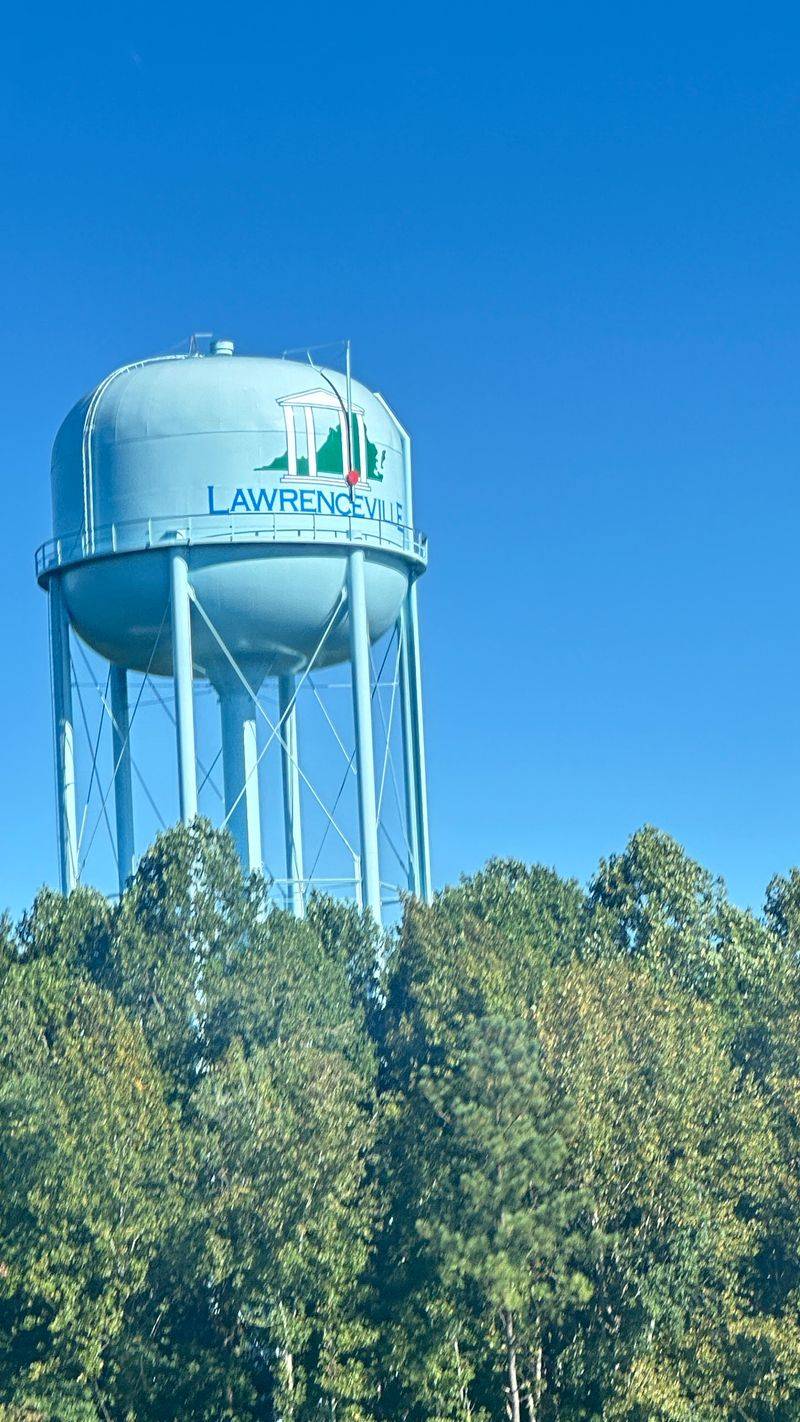
Brunswick County’s seat sits quiet most days, its courthouse square framed by buildings that remember busier times. Lawrenceville serves essential government functions, but it lacks the vibrancy county seats typically possess.
The rhythm of life here beats slowly, almost imperceptibly, like a clock winding down.
Being a county seat usually guarantees some stability. Court days bring lawyers and citizens to town, creating predictable foot traffic.
But that’s not enough to sustain the retail ecosystem that once flourished here. Stores that relied on shoppers making trips to town for courthouse business have closed, replaced by nothing.
The town’s location works against it. Situated between larger communities, Lawrenceville gets squeezed by retail centers in neighboring counties.
Why shop locally when a twenty-minute drive brings you to bigger stores with better selection? That logic, repeated by hundreds of residents, slowly strangled downtown commerce.
Still, Lawrenceville maintains dignity. The courthouse stands proud, its columns and architecture speaking to civic importance.
A few restaurants serve reliable meals to regulars who wouldn’t dream of eating anywhere else. The public library remains a community hub where residents gather for programs and conversation.
Schools provide another anchor. Brunswick County students attend classes here, bringing youthful energy to an otherwise aging population.
Teachers and administrators form a professional class that supports local businesses and participates in community life, preventing total economic collapse.
Located at 111 North Main Street, Lawrenceville faces the same existential questions as similar towns across Virginia. Can traditional county seats survive when geography no longer matters?
When people can work, shop, and socialize online, what purpose does a physical town center serve? Lawrenceville hasn’t found those answers yet.
4. Courtland, Southampton County

Southampton County’s Courtland carries heavy history. This is where Nat Turner’s rebellion unfolded, forever marking the town in American memory.
But contemporary Courtland struggles with a different kind of upheaval, the quiet rebellion of young people leaving and opportunities dwindling. The past feels more alive than the present here.
Agriculture still dominates the surrounding countryside. Peanut fields stretch toward horizons, and timber trucks rumble through on their way to processing plants.
But modern farming requires fewer hands, and the prosperity it generates concentrates in fewer pockets. Courtland sees the wealth created nearby without capturing much of it.
Downtown reveals the consequences. Vacant storefronts outnumber operating businesses.
The buildings themselves remain structurally sound, but economic viability has evaporated. A dollar store occupies space where a department store once stood, a telling downgrade that nobody celebrates but everyone accepts as inevitable.
Community institutions persist through determination. Churches remain well-attended, their congregations aging but faithful.
The volunteer fire department responds to calls with equipment maintained through fundraisers and grants. Local government functions continue, processing permits and maintaining roads, the unglamorous work that keeps a town technically alive.
Courtland’s challenge involves relevance. How does a small agricultural town matter in an economy built on technology and services?
What can it offer residents that they cannot find elsewhere, delivered faster and cheaper? These aren’t rhetorical questions but survival issues that demand answers.
Visit Courtland at 22690 Main Street in Southampton County, where history weighs heavily and the future remains uncertain. Residents here don’t expect miracles, just a fighting chance to preserve their way of life.
They want recognition that rural Virginia matters, that small towns contribute value beyond nostalgia and folklore.
5. Smithfield, Isle of Wight County
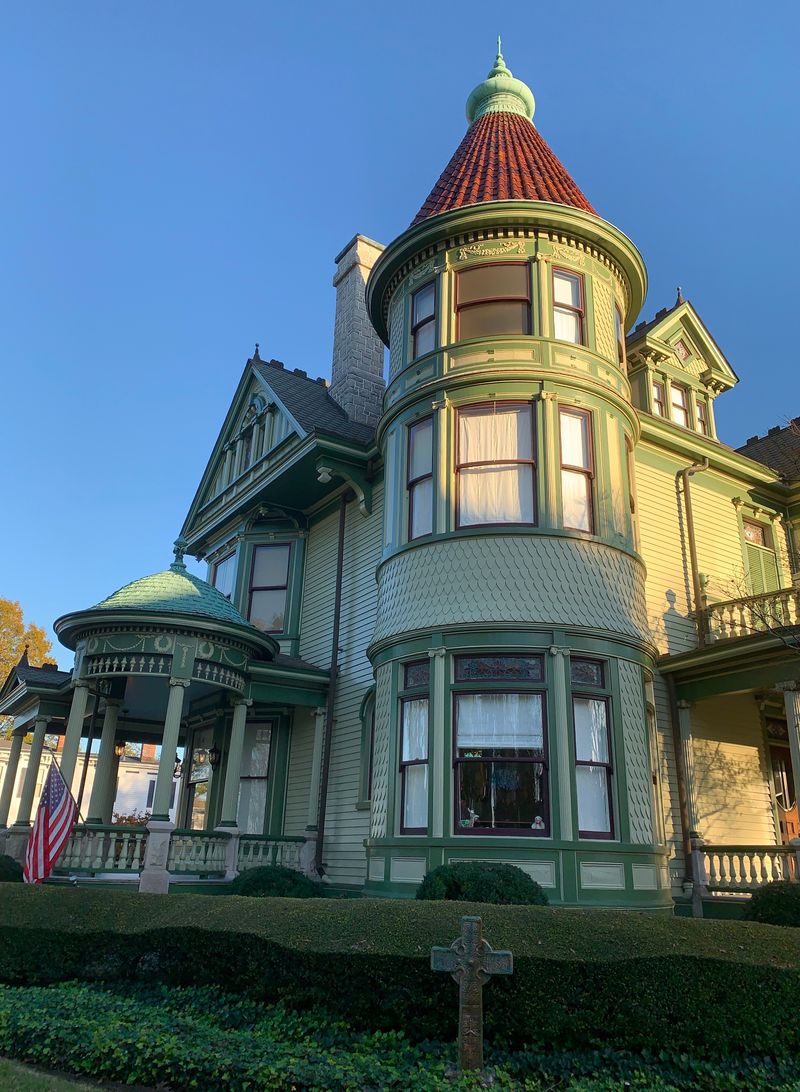
Isle of Wight County’s Smithfield enjoys better fortunes than most forgotten towns, but it still battles irrelevance. Famous for ham production, the town built its identity around pork processing.
That industry continues, but consolidation and automation mean fewer local jobs. The name recognition doesn’t translate to economic vitality like it once did.
Historic preservation has become Smithfield’s calling card. Beautiful colonial and antebellum homes line shaded streets, meticulously maintained by owners who understand their value.
The town markets itself to tourists interested in Virginia history, offering walking tours and bed-and-breakfast accommodations. It’s a strategy, but one with limited scalability.
Proximity to Hampton Roads provides both opportunity and threat. Smithfield has become a bedroom community for people working in larger cities, bringing new residents and tax revenue.
But those newcomers often bypass local businesses, shopping where they work instead. The town grows in population while its commercial core stagnates.
Local versus newcomer tension simmers beneath polite surfaces. Longtime residents resent changes that dilute Smithfield’s character.
New arrivals wonder why the town doesn’t embrace development and modernization more enthusiastically. These conflicts play out in zoning meetings and election cycles, shaping Smithfield’s future in unpredictable ways.
The waterfront along the Pagan River offers untapped potential. Some envision restaurants and shops capitalizing on scenic views, creating a destination that keeps people in town.
Others fear commercialization will destroy the quiet charm that attracted them in the first place. Progress and preservation clash constantly.
Find Smithfield at 130 Main Street, where tradition and change wrestle for dominance. The town hasn’t been forgotten entirely, but it occupies an uncomfortable middle ground.
Not thriving, not dying, just existing in that gray zone where Virginia’s small towns increasingly find themselves trapped.
6. Wakefield, Sussex County
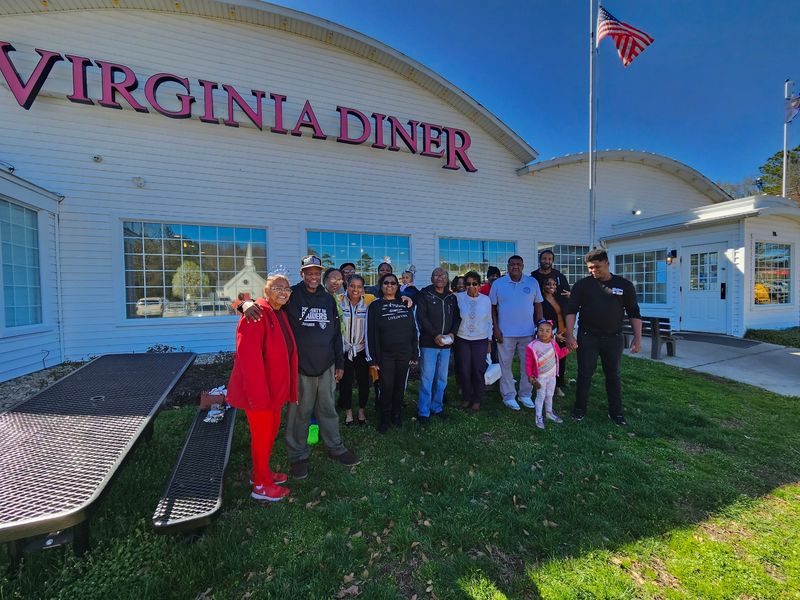
Sussex County’s Wakefield sits along Route 460, watching traffic pass without stopping. The town gained modest fame for its peanut festival, an annual celebration that briefly fills streets with visitors.
But festivals last only days, and Wakefield needs year-round reasons for people to care. That challenge grows harder each year.
Peanut processing remains economically significant, providing jobs that anchor families in the area. But those facilities operate with minimal staff compared to previous generations, their efficiency eliminating the need for human labor.
The wealth created flows upward to corporate owners rather than circulating locally through wages and spending.
Downtown Wakefield shows its age. Buildings constructed during more optimistic eras now sag slightly, their facades weathered by time and deferred maintenance.
A few businesses soldier on, serving loyal customers who remember when choices were plentiful. Now you take what you can get and feel grateful it’s still available.
The town’s school serves as a community touchstone. Sports teams provide entertainment and pride, giving residents something to rally around.
Teachers and administrators form a educated professional class that participates in civic life, volunteering for boards and committees that keep local government functioning despite budget constraints.
Wakefield’s challenge involves identity beyond peanuts. The crop that built the town cannot sustain it alone in modern agricultural economy.
Diversification sounds good in theory but proves difficult in practice. What industries want to locate in rural Sussex County?
What advantages can Wakefield offer businesses seeking locations?
Find Wakefield at 321 Main Street, where residents balance realism with hope. They understand their town faces long odds, but they also refuse to surrender without fighting.
Small victories matter here, each business that survives another year, each family that chooses to stay rather than leave. Progress measured in inches rather than miles.
7. Capron, Southampton County
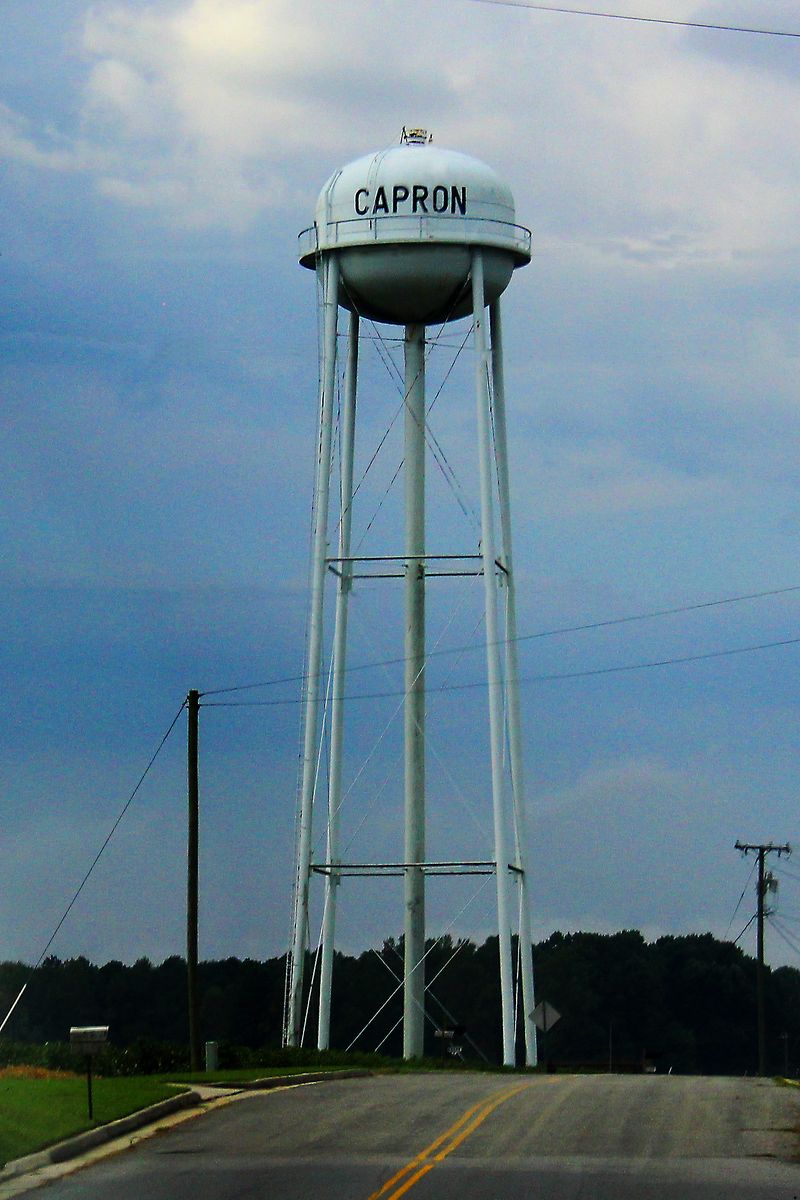
Southampton County’s Capron emerged as a railroad town, its existence justified by trains needing a place to stop. That purpose sustained the community for decades, creating jobs and commerce around transportation logistics.
Then trains stopped stopping, and Capron lost its reason for being. What remains is a town searching for new purpose.
The population barely exceeds one hundred residents now, most of them elderly folks who’ve lived here forever and see no reason to leave. Younger generations departed long ago, chasing opportunities that rural Southampton County simply cannot provide.
The demographic imbalance creates a community without renewal, aging in place without replacement.
Infrastructure crumbles slowly. Roads develop potholes that get patched eventually, maybe.
Buildings sag and peel, their owners lacking resources or motivation for repairs. The overall impression is one of entropy, of systems winding down toward inevitable conclusion.
Maintenance requires optimism, and optimism runs scarce in Capron.
Yet life continues in its own fashion. Gardens still get planted each spring.
Neighbors still check on each other during storms. The post office still delivers mail six days a week, connecting Capron to the wider world it increasingly feels disconnected from.
These small rituals matter, providing structure and meaning to daily existence.
Capron’s story isn’t unique, but that makes it more tragic rather than less. Across Virginia and America, hundreds of small towns face identical challenges.
Economic forces beyond their control render them obsolete. No villain to blame, no clear solution to pursue, just the grinding reality of irrelevance in a changing world.
Find Capron along Route 658 in Southampton County, where residents live quietly with diminishing expectations. They don’t expect Capron to thrive again, don’t anticipate some miracle revival.
They simply want to finish their lives in the place they’ve always known, hoping it outlasts them by at least a few years.
8. Boydton, Mecklenburg County
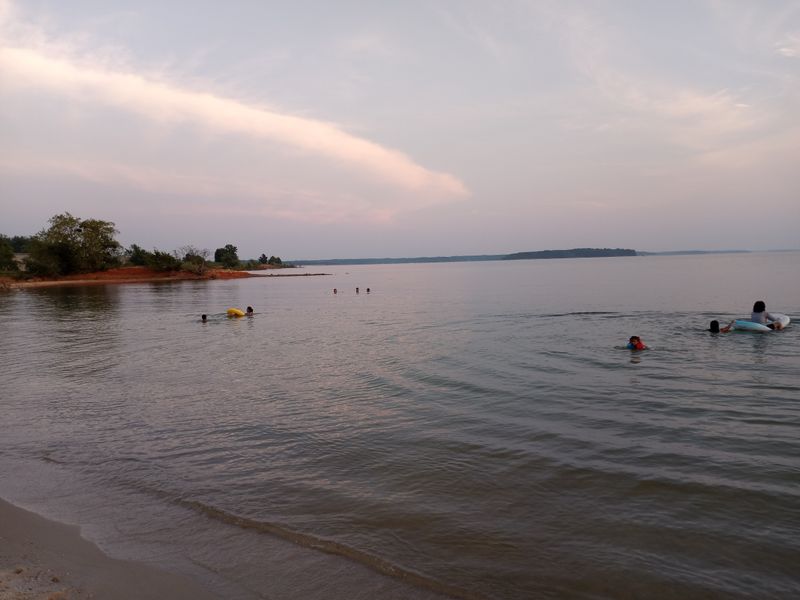
Mecklenburg County’s seat rests near the North Carolina border like a town waiting for something that never arrives. Boydton’s stately courthouse, Mecklenburg County Courthouse, 1 Courthouse Square, Boydton, VA 23917, anchors a square where businesses once competed for customers, but now empty windows outnumber open doors.
The brick buildings still stand with quiet dignity, their faded signs hinting at a busier past.
The nearby lake brings occasional visitors, especially during warmer months, yet they rarely venture into town proper. Most pass through without stopping, unaware of the stories embedded in the sidewalks and storefronts.
Young families find little reason to stay when opportunities exist elsewhere. Schools consolidate, services disappear, and the population slowly thins, despite community efforts to preserve local traditions and historic landmarks.
Still, Boydton refuses to vanish quietly. On certain mornings, the square comes alive with small signs of persistence: a café opening early, neighbors exchanging familiar greetings, an older resident unlocking a shop that survives more on memory than profit.
Churches remain central to community life, and pride endures in subtle, stubborn ways. What remains feels authentic but fragile—a living snapshot of Virginia’s rural past, holding its ground against an uncertain future that seems determined to move on without it.
Dear Reader: This page may contain affiliate links which may earn a commission if you click through and make a purchase. Our independent journalism is not influenced by any advertiser or commercial initiative unless it is clearly marked as sponsored content. As travel products change, please be sure to reconfirm all details and stay up to date with current events to ensure a safe and successful trip.
