Think your hometown is the only place wrestling with its past while tiptoeing toward the future? Virginia’s got a whole lineup of towns doing the exact same dance.
Some cling to their colonial roots like a comfort blanket, while others are cautiously flirting with craft breweries and co-working spaces. It’s awkward, fascinating, and totally relatable.
These places aren’t stuck in time, but they’re not exactly sprinting into tomorrow either. They’re caught in that weird in-between zone where the old guard meets the new wave, and honestly, that’s where the real stories live.
From Main Streets that look like museum exhibits to neighborhoods sprouting trendy cafes next to century-old hardware stores, these Virginia communities are figuring it out one pothole and permit at a time. So buckle up, because we’re touring ten towns where tradition and progress are having the most complicated relationship ever.
1. Staunton
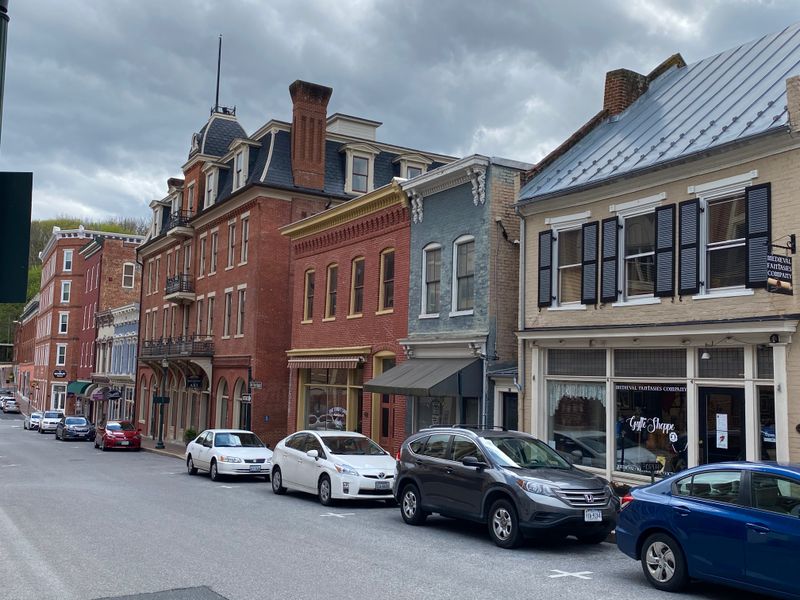
Staunton sits in the Shenandoah Valley like a beautifully confused time capsule. Walk down Beverley Street and you’ll see what happens when preservationists and entrepreneurs share the same zip code.
The architecture screams eighteen hundreds, but the vibe whispers artisan coffee and boutique shopping.
This town takes its history seriously, maybe too seriously for some. Every building renovation requires approvals that could test a saint’s patience.
Yet somehow, new businesses keep popping up between the antique shops and law offices that have occupied the same corners since your great-grandparents were kids.
The Blackfriars Playhouse anchors the cultural scene at 10 South Market Street, proving Shakespeare and small-town Virginia can coexist. Meanwhile, local debates rage about whether food trucks belong near historic landmarks.
It’s peak Staunton.
Young professionals are trickling in, drawn by affordable real estate and walkable streets. Long-time residents watch nervously as yoga studios and farm-to-table restaurants replace businesses their families patronized for generations.
Nobody’s quite sure if this evolution is progress or betrayal.
The town hosts festivals celebrating everything from film to hot glass, attracting visitors who spend money but also bring different expectations. Parking becomes a battlefield.
Noise ordinances get tested. Growth feels exciting and threatening simultaneously.
Staunton represents every small Virginia city trying to honor its past without becoming a living museum. The tension creates friction, but also energy.
Some days it works beautifully. Other days, not so much.
Either way, this place refuses to choose between yesterday and tomorrow, so it awkwardly straddles both.
2. Lexington
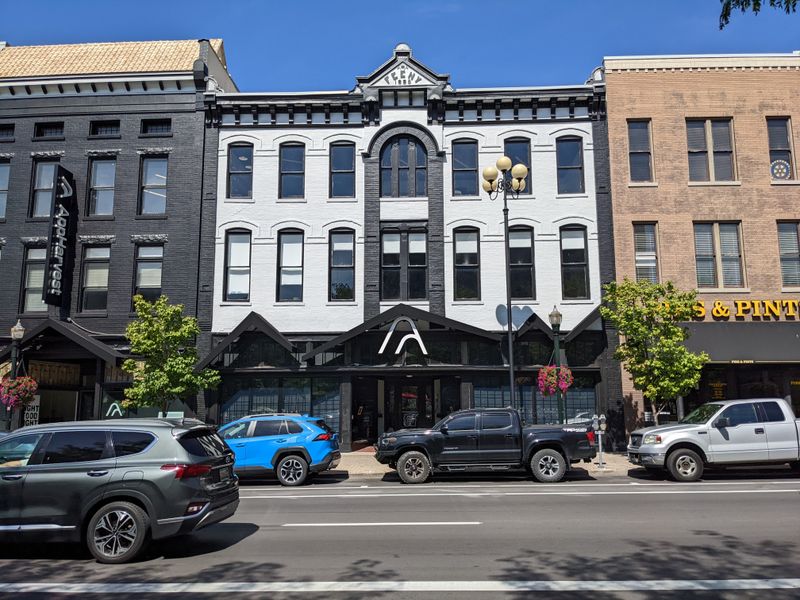
Lexington wears its military heritage like a medal it can’t quite decide whether to polish or retire. Two major institutions dominate everything here: Washington and Lee University and Virginia Military Institute.
They’re not going anywhere, which means change happens at a glacial, committee-approved pace.
Main Street looks like a postcard your grandparents would send. Brick facades, American flags every ten feet, and businesses that close promptly at five.
Tourists love it. Younger residents find it stifling.
The collision between college-town energy and small-town conservatism creates constant low-grade tension.
Local politics reflect this split personality perfectly. Progressive students and faculty clash with traditionalists who remember when Lexington was just a sleepy stop between bigger places.
Every proposed change, from bike lanes to public art, becomes a referendum on the town’s soul.
The area around Washington Street tries hard to balance old and new. A craft brewery exists near Civil War memorials.
Farm-to-table restaurants operate in buildings older than your state. It’s charming and awkward simultaneously, like watching your grandfather attempt TikTok.
Virginia Military Institute at 319 Letcher Avenue represents everything unchanging about Lexington. Cadets march in formation while the world spins faster outside the gates.
Some residents find this reassuring. Others feel trapped in amber.
Real estate prices climb as remote workers discover the area’s beauty, pushing out families who’ve lived here for generations. The irony isn’t lost on anyone: people moving here for authenticity are slowly erasing it.
Lexington can’t figure out whether to welcome growth or fight it, so it does both halfheartedly.
3. Warrenton
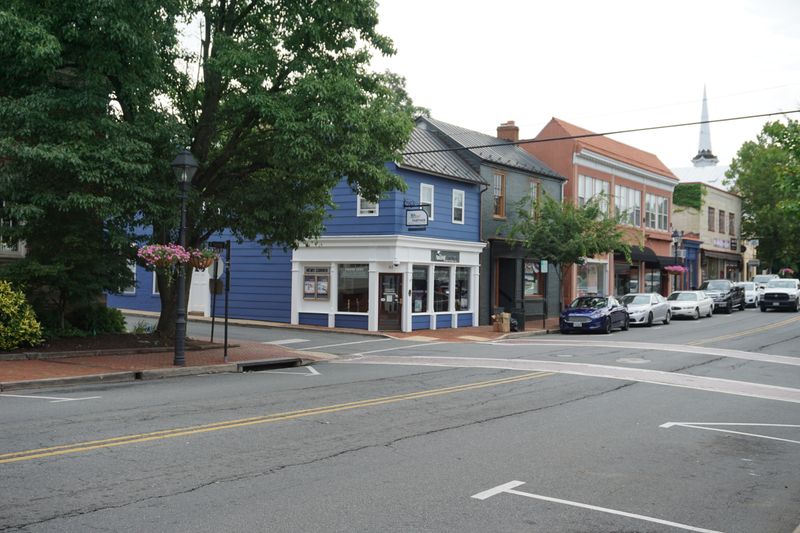
Horse country meets bedroom community in Warrenton, and the marriage is rocky. Old money built estates here when land was cheap and privacy abundant.
Now, commuters from Washington DC are discovering the same appeal, except they want amenities those old estates never needed.
The historic district around Main Street preserves that genteel Virginia feel beautifully. Antique stores, law offices in converted homes, and restaurants that’ve served the same families for decades.
Then you drive five minutes and hit suburban sprawl that could be anywhere.
Fauquier County’s equestrian culture still dominates socially. Hunt clubs, polo matches, and farm tours define the calendar for established residents.
Newcomers often feel like permanent outsiders, invited to admire but not quite join the inner circle.
Local government at 18 Court Street juggles impossible demands. Long-time residents want everything preserved exactly as is.
New arrivals want better schools, shopping, and infrastructure. Developers want approvals.
Everybody’s frustrated.
The town’s proximity to DC makes it vulnerable to forces beyond local control. Housing prices reflect metropolitan market pressures, not small-town wages.
Teachers, shop owners, and service workers get priced out, replaced by telecommuters who rarely engage with community life beyond their property lines.
Warrenton’s identity crisis plays out in zoning meetings and planning sessions. Should it embrace growth and modernize, or fight to remain the rural escape people originally moved here to find?
Every decision feels loaded with consequence.
Some businesses thrive by serving both worlds. Others struggle to find their audience in a town that can’t decide what it wants to be.
The tension isn’t going anywhere soon, which might be the most Warrenton thing possible.
4. Fredericksburg
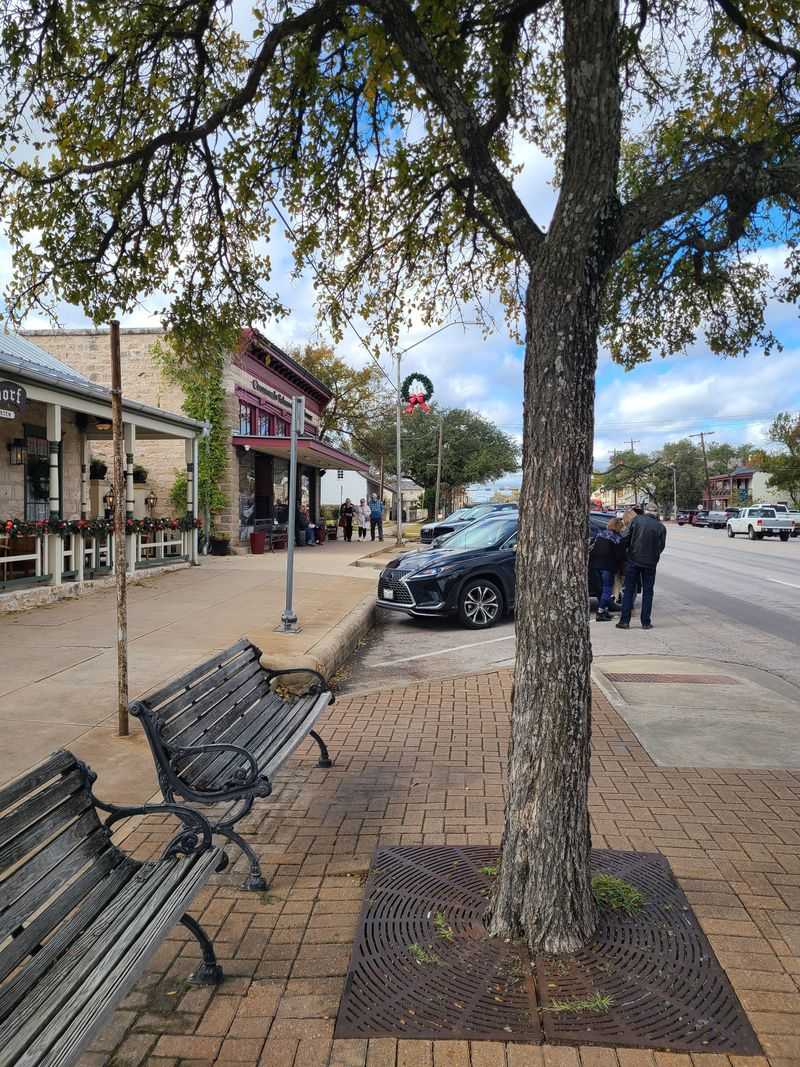
Fredericksburg can’t escape its Civil War past, but it’s trying really hard to be more than battlefield tourism. The result is a town perpetually negotiating between heritage tourism and actual modern living.
It’s messy, fascinating, and occasionally frustrating for everyone involved.
Caroline Street downtown showcases this split personality perfectly. Antebellum buildings house trendy restaurants and brewpubs.
Ghost tours run nightly while young families push strollers to farmers markets. History buffs and hipsters share the same sidewalks, eyeing each other suspiciously.
The city’s location between Richmond and DC makes it attractive to commuters seeking affordability. This influx brings money and demands for services that strain the town’s infrastructure and identity.
Traffic worsens. Schools overflow.
Old-timers grumble about outsiders ruining everything.
Preservation battles erupt constantly. Every proposed development gets scrutinized for historical impact.
Legitimate concerns about protecting important sites mix with resistance to any change whatsoever. Progress happens in inches, debated endlessly.
The Rappahannock River offers natural beauty and recreation opportunities that appeal to newcomers. Kayaking, riverside dining, and walking trails attract residents who care more about lifestyle than lineage.
This demographic shift changes local politics and priorities gradually but unmistakably.
Tourism remains economically vital, which means the town must maintain its historic character while also offering modern amenities visitors expect. Balancing authenticity with convenience creates constant compromise.
Sometimes it works brilliantly. Other times, it satisfies nobody.
Fredericksburg at 601 Caroline Street represents countless American towns trying to honor their past without becoming frozen exhibits. The struggle is real, ongoing, and probably permanent.
Residents have learned to live with the tension, even if they haven’t resolved it.
5. Abingdon
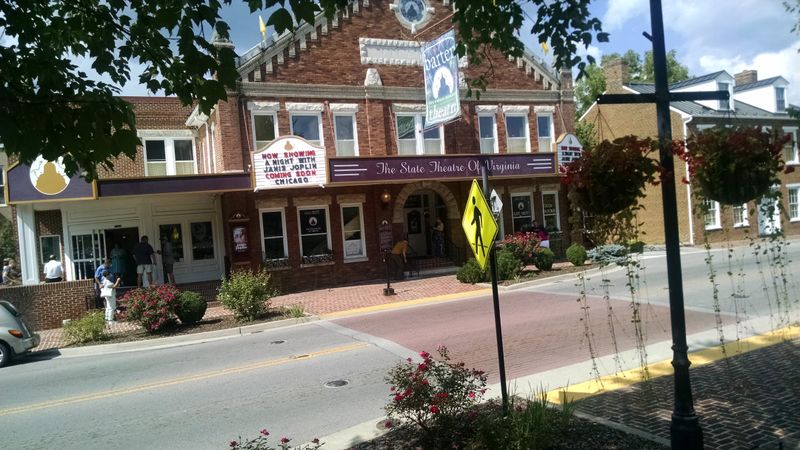
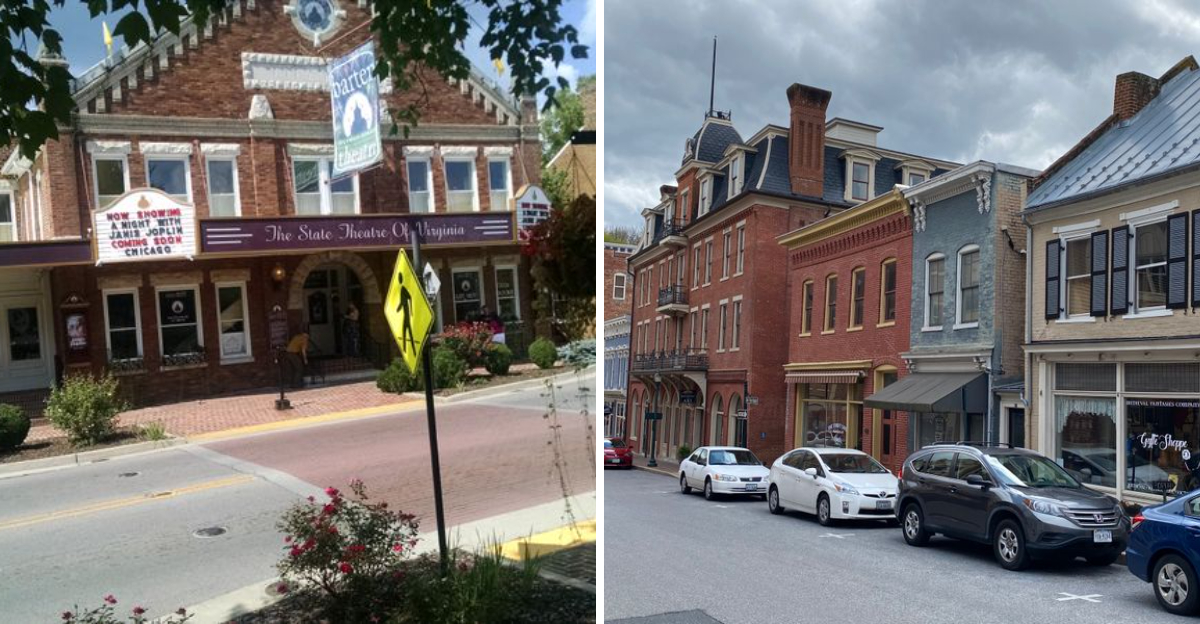
Tucked into Virginia’s southwestern corner, Abingdon embodies Appalachian charm with a side of existential crisis. The Barter Theatre at 127 West Main Street keeps culture alive, but economic realities keep residents awake at night.
Tourism helps, but it doesn’t replace the manufacturing jobs that quietly disappeared.
Main Street looks picture-perfect, almost suspiciously so. Brick sidewalks, flower baskets, and carefully maintained storefronts present an image of prosperity that doesn’t quite match the surrounding region’s struggles.
It’s a stage set, beautiful but fragile.
The Virginia Creeper Trail brings cyclists and hikers who spend money in local businesses. This injection of outside cash matters enormously, yet creates dependence on visitors who breeze through without understanding local complexities.
Residents smile and serve, hiding frustrations about being reduced to quaint scenery.
Arts and crafts define much of Abingdon’s modern identity. Galleries, studios, and workshops attract artists seeking affordable space and mountain inspiration.
This creative class brings fresh energy but earns incomes that barely cover expenses. Everyone’s struggling, just differently than before.
Younger generations face impossible choices. Stay in a beautiful place with limited opportunities, or leave for cities offering careers but not community.
The brain drain is real and relentless. Those who remain often work remotely or cobble together multiple gigs.
Local leaders promote Abingdon aggressively, marketing its historic charm and outdoor recreation. They’re not wrong, but attracting tourists and retirees doesn’t solve problems for working families needing sustainable employment.
The town looks healthy from the outside while bleeding population slowly.
Tradition here means resilience, creativity, and making do. Change means acknowledging that the old economic models won’t return.
Abingdon exists in that uncomfortable space, beautiful and troubled simultaneously.
6. Smithfield
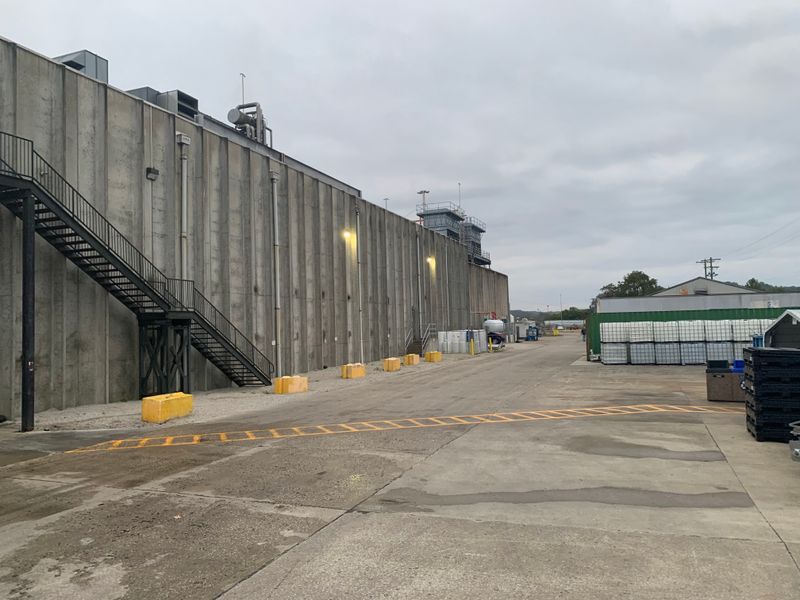
Smithfield built its reputation on pork and peanuts, which sounds charming until you realize an entire town’s identity rests on agricultural products facing uncertain futures. The historic downtown along Main Street preserves colonial elegance, but economic pressures force difficult conversations about what comes next.
The James River provides gorgeous views and recreational opportunities that developers eye hungrily. Proposals for waterfront condos and resort amenities clash with residents wanting to preserve the sleepy character that defines Smithfield.
Every planning meeting becomes a battle over the town’s soul.
Agriculture still matters here, but fewer young people choose farming as a career. Land that grew crops for generations gets sold for subdivisions.
The transformation happens gradually, almost imperceptibly, until suddenly the landscape looks completely different.
Tourism based on historic sites and river access generates income without solving deeper economic challenges. Visitors come, admire the old buildings, buy some ham, and leave.
They don’t create the stable jobs families need to stay rooted in the community.
The town at 310 Main Street tries balancing growth and preservation, satisfying nobody completely. Traditionalists resist anything threatening the status quo.
Progressives push for development and modernization. Compromise feels impossible when both sides view the debate as existential.
Smithfield’s proximity to Hampton Roads makes it vulnerable to suburban sprawl. Commuters seeking affordable housing discover the area, bringing metropolitan expectations to a rural community unprepared for rapid change.
Schools strain. Traffic increases.
Small-town dynamics shift.
Some businesses adapt successfully, blending heritage with innovation. Others cling to old models until they fail.
The survivors understand that tradition and change aren’t opposites but partners in an awkward dance. Smithfield is still learning the steps.
7. Bedford
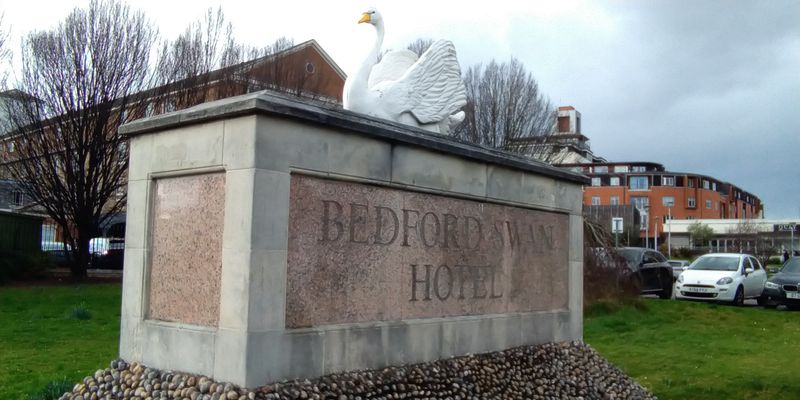
Bedford carries a weight most towns its size never experience. The National D-Day Memorial at 3 Overlord Circle honors local soldiers who died in Normandy, making this small community synonymous with sacrifice.
That legacy shapes everything, sometimes helpfully, sometimes not.
The town struggles to be more than its most famous landmark. Residents want economic development and opportunities, but every conversation eventually circles back to honoring the past.
It’s exhausting and limiting, even while being genuinely important.
Main Street shows typical small-town decay fighting against preservation efforts. Empty storefronts outnumber thriving businesses.
Good intentions can’t overcome economic realities. Young people leave because Bedford offers history but not futures.
The Blue Ridge Mountains provide stunning scenery that should attract tourists and retirees. Marketing efforts emphasize outdoor recreation and peaceful living.
Results remain mixed. People visit the memorial, maybe grab lunch, then continue to destinations with more robust amenities.
Local government faces impossible choices. Invest in infrastructure improvements or maintain historic sites.
Attract new businesses or protect existing character. Every decision disappoints someone, usually everyone partially.
Agriculture and small manufacturing sustained Bedford for generations. Both sectors have contracted significantly.
No single industry has emerged to replace those lost jobs. The result is a community treading water, hoping something changes without knowing what that something might be.
Some residents embrace Bedford’s sleepy nature, valuing peace over progress. Others chafe at limited options and opportunities.
The generational divide is stark. Older folks remember better times.
Younger ones see only stagnation.
Bedford represents countless rural Virginia towns caught between honoring their past and building sustainable futures. The tension is real, the solutions elusive, and the stakes couldn’t be higher for people who call this place home.
8. Culpeper
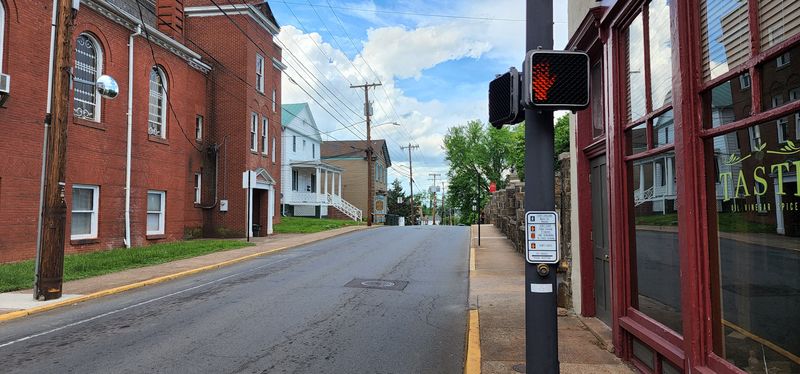
Culpeper occupies that awkward space between rural outpost and exurban growth target. Located at 135 West Davis Street, town leadership knows change is coming but can’t agree on what form it should take.
Meanwhile, development happens haphazardly, pleasing nobody.
Downtown maintains small-town charm that attracted residents in the first place. Locally owned shops, restaurants in historic buildings, and a walkable Main Street create genuine community feeling.
Then you hit the outskirts where big-box stores and chain restaurants could be anywhere.
The town’s agricultural heritage fades as farms sell to developers. Subdivisions replace pastures.
Traffic increases. Schools expand.
Long-time residents mourn losses while acknowledging their property values have skyrocketed. It’s complicated.
Culpeper tries marketing itself as wine country, capitalizing on nearby vineyards and the farm-to-table movement. This works for tourism and weekend visitors but doesn’t address fundamental questions about local economic sustainability and community identity.
Proximity to both Charlottesville and DC suburbs makes Culpeper attractive to people seeking affordability and space. These newcomers bring different expectations and priorities.
Cultural clashes are inevitable and increasingly common.
Local politics reflect these tensions. Development debates grow heated.
Zoning decisions face intense scrutiny. Everyone claims to want smart growth, but definitions of smart vary wildly depending on who’s talking.
Some businesses thrive by serving both old and new Culpeper. Others struggle to find their market in a town that’s neither fully rural nor truly suburban.
The in-between status creates opportunity and confusion simultaneously.
Culpeper’s future depends on decisions being made right now, in meetings most residents don’t attend. By the time consensus emerges, if it ever does, the town will have transformed regardless.
The question isn’t whether Culpeper will change, but whether it will change intentionally or accidentally.
9. Farmville
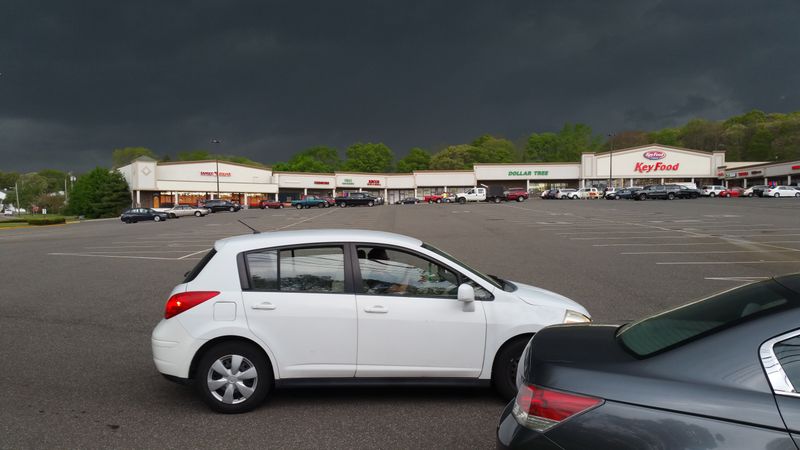
Farmville lives in the shadow of its own past, specifically a shameful chapter in resistance to school integration. The town has worked hard to move beyond that legacy, but history clings stubbornly.
Progress happens, just slowly and with constant reminders of what was.
Longwood University dominates the local economy and culture. Students bring energy and spending power during the academic year.
Then summer arrives and the town feels hollowed out. This boom-and-bust cycle makes planning difficult for businesses and creates an unstable economic foundation.
Main Street tries hard to appeal to both students and permanent residents. Coffee shops and boutiques coexist with old-school diners and hardware stores.
The mix works sometimes, but often these audiences want fundamentally different things from their downtown.
The town at 116 North Main Street grapples with typical college-town tensions. Noise complaints, parking battles, and property maintenance disputes pit students against homeowners regularly.
Neither side is wrong, but compromise remains elusive.
Economic opportunities beyond the university are limited. Graduates rarely stay unless employed by Longwood.
This brain drain perpetuates itself, keeping Farmville dependent on an institution that could theoretically relocate or decline.
Recent efforts to diversify the economy and attract remote workers show promise but face obstacles. Infrastructure needs improvement.
Amenities remain limited. The town’s reputation, fair or not, discourages some potential residents.
Farmville’s agricultural roots have largely disappeared, replaced by service economy jobs serving students and university operations. This transition happened without intentional planning, leaving the town economically vulnerable and culturally adrift.
The community wants to honor positive aspects of its heritage while acknowledging painful truths. That’s healthy but exhausting.
Moving forward requires consensus that proves difficult when residents can’t agree on where they’ve been, much less where they’re going.
10. Orange
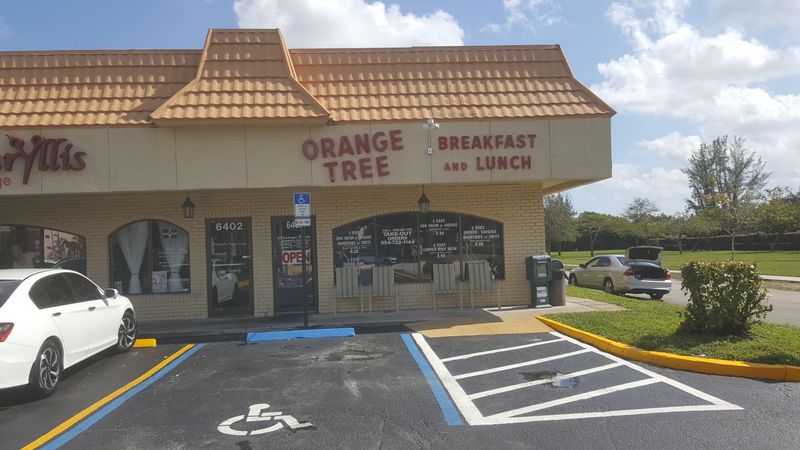
Orange trades heavily on its connection to James Madison, which provides tourism revenue but also limits how the town imagines itself. Every conversation about the future references the past.
It’s respectful and stifling in equal measure.
The downtown area along Main Street looks frozen sometime around the mid-twentieth century. That’s partly intentional preservation and partly economic stagnation.
Distinguishing between the two gets tricky. Either way, change happens glacially.
Agriculture remains important to the surrounding county, but the town itself has transitioned to a service economy serving residents and visitors. Job opportunities are limited.
Young people leave. The population ages.
It’s a familiar rural American story.
The James Madison Museum of Orange County Heritage at 129 Caroline Street attracts history enthusiasts but not enough of them to sustain a robust tourism economy. Visitors come, spend a few hours, and move on.
They don’t stay overnight or explore deeply.
Local debates about development reveal deep divisions. Some residents desperately want growth and modernization.
Others fear losing the small-town character that defines Orange. Both positions are valid.
Both can’t be fully satisfied simultaneously.
The town’s location between Charlottesville and Fredericksburg should be an asset. Instead, it means people drive through Orange en route to somewhere else.
Capturing even a fraction of that pass-through traffic would help local businesses significantly.
Orange represents the challenge facing countless small Virginia towns. How do you preserve what makes a place special while adapting to economic and demographic realities that demand change?
Nobody has figured out the formula.
Residents here are tired of being stuck. They’re also terrified of becoming something unrecognizable.
That tension paralyzes decision-making. Meanwhile, time passes, opportunities vanish, and Orange remains suspended between what it was and what it might become.
Dear Reader: This page may contain affiliate links which may earn a commission if you click through and make a purchase. Our independent journalism is not influenced by any advertiser or commercial initiative unless it is clearly marked as sponsored content. As travel products change, please be sure to reconfirm all details and stay up to date with current events to ensure a safe and successful trip.
