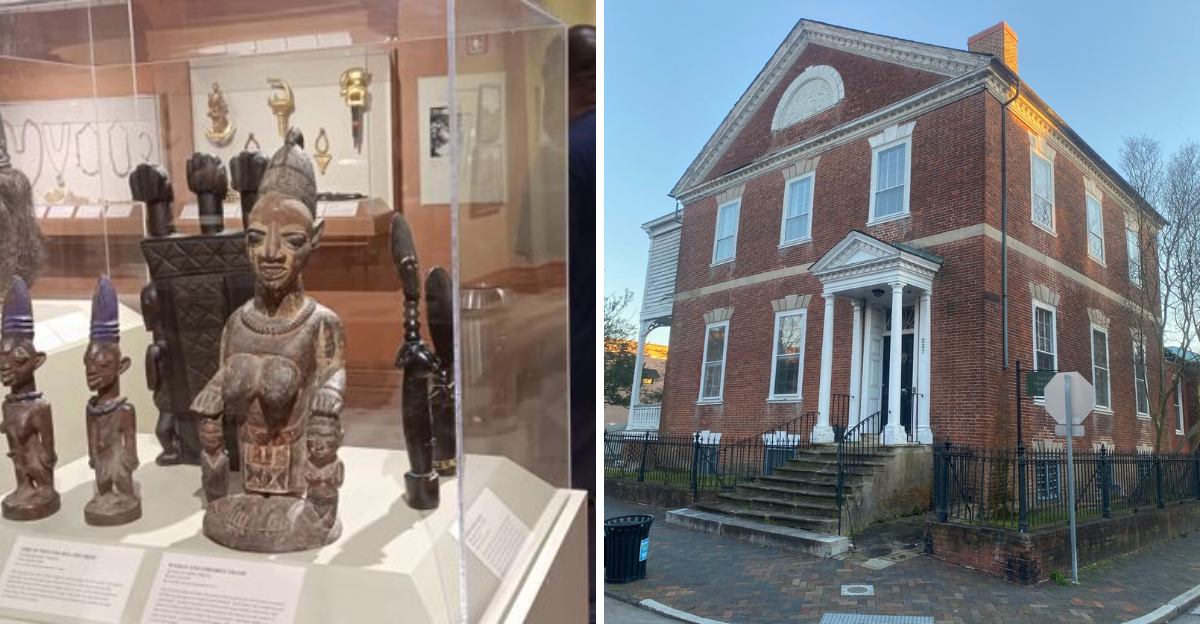
Virginia holds stories that textbooks often skip, and tucked away across the state are museums that bring those narratives to life. These hidden gems focus on the voices, struggles, and triumphs of communities whose histories shaped the nation.
From the mountains to the coast, you’ll find spaces dedicated to preserving the legacy of African American culture, civil rights movements, and the rich tapestry of diversity that defines Virginia.
Visiting these museums isn’t just about looking at artifacts behind glass. It’s about connecting with real people, real struggles, and real victories that echo through generations.
Each stop offers a chance to walk in someone else’s shoes and understand the complexity of race and culture in America.
Ready to step off the beaten path? These museums might not be on every tourist map, but they’re brimming with lessons that stick with you long after you leave.
Pack your curiosity and prepare to see Virginia in a whole new light.
1. Black History Museum and Cultural Center of Virginia
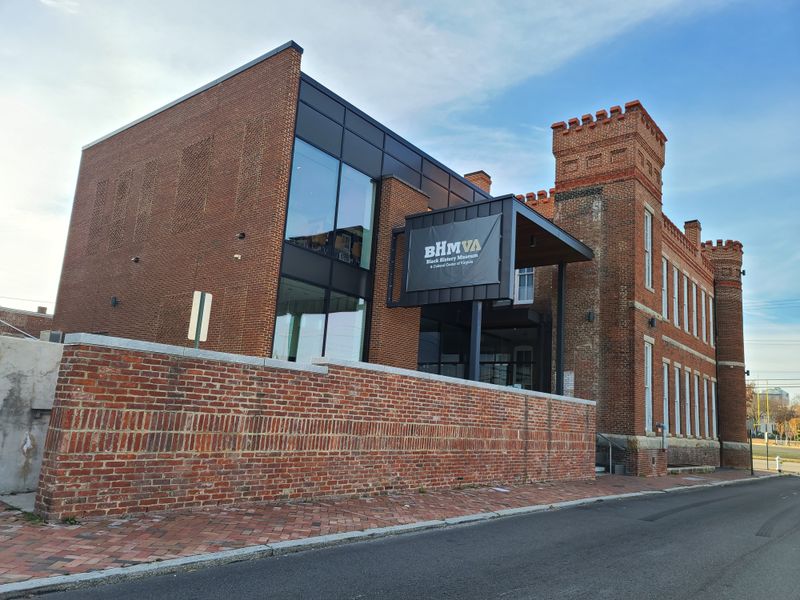
Richmond’s historic Jackson Ward neighborhood houses a museum that captures the heartbeat of African American history in the state. Stepping inside feels like opening a time capsule filled with stories of resilience, creativity, and community strength.
The building itself once served as a school, and now it serves as a beacon for anyone wanting to understand the depth of Black culture in Virginia.
Exhibits here don’t just display artifacts. They tell stories of families, entrepreneurs, artists, and activists who built thriving communities despite overwhelming obstacles.
You’ll see photographs, documents, and personal items that belonged to real people who lived, loved, and fought for justice right here in Richmond.
One of the most powerful sections explores the legacy of Jackson Ward, once known as the Harlem of the South. This neighborhood was home to Black-owned banks, theaters, and businesses that flourished during segregation.
Walking through these exhibits, you start to grasp how creativity and determination can build entire worlds within a world.
The museum also hosts rotating exhibits that tackle contemporary issues, making history feel urgent and relevant. Whether it’s a display on voting rights or an art installation by local creators, there’s always something fresh to experience.
Interactive elements invite visitors to reflect on their own place in ongoing conversations about race and equity.
Educational programs here reach deep into the community, bringing school groups and families together for workshops and discussions. It’s not just a place to visit once and check off a list.
It’s a living, breathing center where history meets the present, and where every visitor leaves with something to think about.
Located at 122 W Leigh St, Richmond, VA 23220, this museum is a must-see for anyone serious about understanding Virginia’s cultural landscape.
2. Hampton University Museum
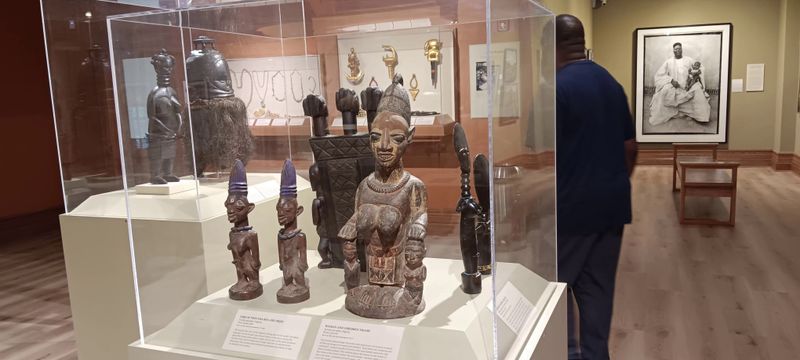
Nestled on the campus of one of the nation’s oldest historically Black universities, this museum boasts a collection that spans continents and centuries. Hampton University Museum opened its doors long before many institutions even considered preserving African American art and culture.
Its galleries hold treasures that range from African artifacts to Native American crafts to contemporary works by Black artists.
Walking through the African gallery feels like traveling across the continent without leaving Virginia. Masks, textiles, and sculptures tell stories of kingdoms, rituals, and everyday life.
Each piece carries the weight of history and the beauty of craftsmanship passed down through generations.
The museum also honors Native American heritage with one of the finest collections in the country. You’ll find intricately beaded garments, pottery, and tools that reveal the ingenuity and artistry of Indigenous peoples.
This dual focus on African and Native American cultures makes the museum unique, showing how multiple communities have shaped the American experience.
Art lovers will geek out over the collection of works by Harlem Renaissance artists and contemporary Black creators. Paintings, sculptures, and photographs capture the evolution of Black artistic expression, from the early twentieth century to today.
It’s a visual journey through struggle, celebration, and innovation.
The museum’s location on a university campus adds an extra layer of energy and purpose. Students, scholars, and visitors mingle in the galleries, creating a buzz of intellectual curiosity.
Special lectures and events bring experts and community members together to explore themes of identity, history, and creativity.
You’ll find this gem at 11 Frissell Ave, Hampton, VA 23668, where education and culture collide in the best possible way.
3. The Robert Russa Moton Museum
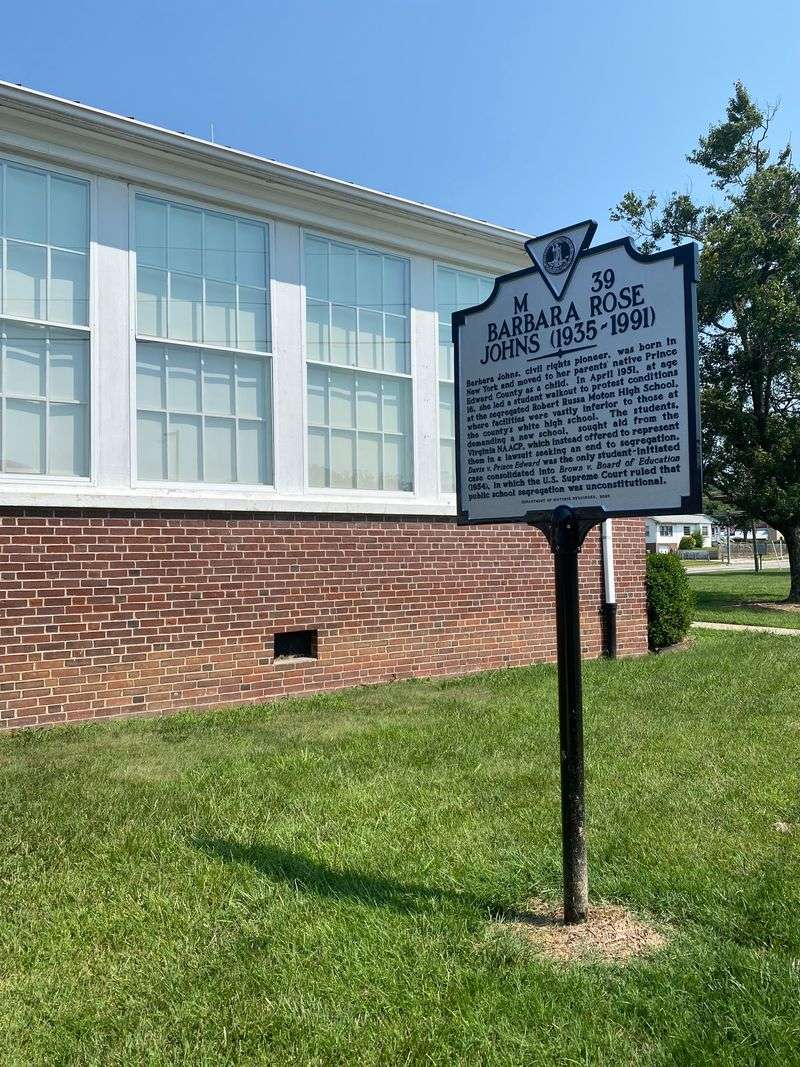
Farmville might seem like a quiet town, but it played a starring role in one of the most important civil rights battles in American history. The Robert Russa Moton Museum stands on the site where high school students walked out in protest of unequal school conditions, sparking a case that became part of Brown v.
Board of Education. Visiting this museum means standing where young people changed the course of history.
The building itself is preserved as it was during the walkout, with classrooms, hallways, and even the auditorium intact. You can almost hear the echoes of student voices demanding better.
It’s a visceral experience that connects you to the courage and determination of teenagers who refused to accept second-class treatment.
Exhibits detail the events leading up to the strike, the legal battles that followed, and the long road to desegregation. Personal stories from the students who participated bring the history to life in ways that textbooks never could.
You’ll learn about Barbara Johns, the student leader who organized the protest at just sixteen years old.
The museum doesn’t shy away from the harsh realities of segregation. Photographs and documents show the stark differences between facilities for Black and white students.
Seeing these contrasts up close makes the injustice undeniable and the students’ bravery even more remarkable.
Educational programs here focus on youth activism and civic engagement, encouraging visitors to think about how they can make a difference. The museum serves as a reminder that change often starts with ordinary people refusing to stay silent.
It’s a lesson that resonates across generations.
Find this historic site at 900 Griffin Blvd, Farmville, VA 23901, where the spirit of student activism lives on.
4. Alexandria Black History Museum
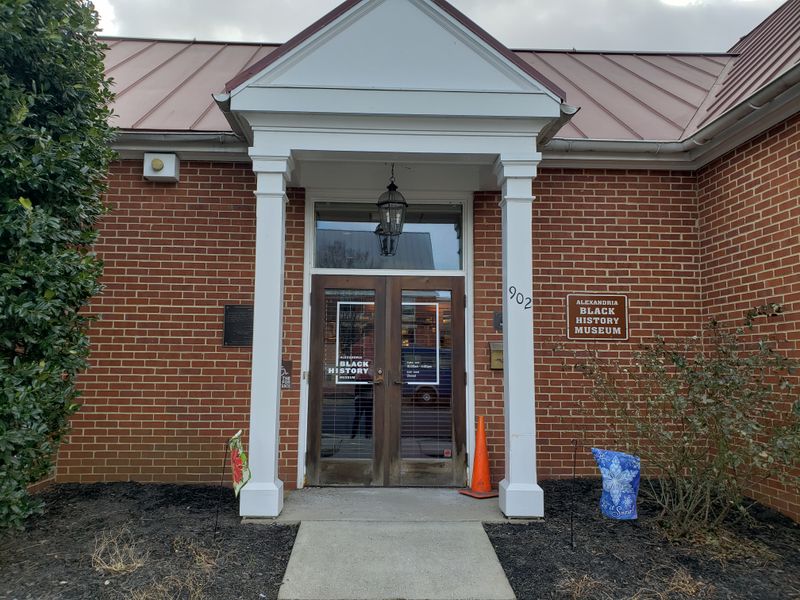
Alexandria’s waterfront charm often steals the spotlight, but tucked in the city’s northern section is a museum that tells a different side of the story. The Alexandria Black History Museum occupies a building that once served as a segregated library, a poignant reminder of the barriers Black residents faced.
Today, it celebrates the contributions and resilience of Alexandria’s African American community.
The museum’s exhibits cover everything from slavery and emancipation to the civil rights movement and beyond. You’ll encounter stories of individuals who built businesses, raised families, and fought for equality despite systemic oppression.
Personal narratives are woven throughout, making the history feel immediate and personal.
One standout feature is the collection of photographs documenting daily life in Alexandria’s Black neighborhoods. These images capture moments of joy, struggle, and community that might otherwise have been forgotten.
They remind us that history isn’t just about big events but also about the everyday experiences of regular people.
The museum also explores the role of churches, schools, and social organizations in sustaining Black communities. These institutions provided not just services but also spaces for organizing, celebrating, and resisting injustice.
Understanding their importance helps you see how communities survived and thrived against the odds.
Special programs and events bring the museum’s mission into the present, addressing contemporary issues and fostering dialogue. Whether it’s a panel discussion on housing inequality or a workshop on storytelling, there’s always something happening that connects past and present.
Located at 902 Wythe St, Alexandria, VA 22314, this museum offers a vital perspective on the history of one of Virginia’s most picturesque cities.
5. The Legacy Museum at Virginia State University
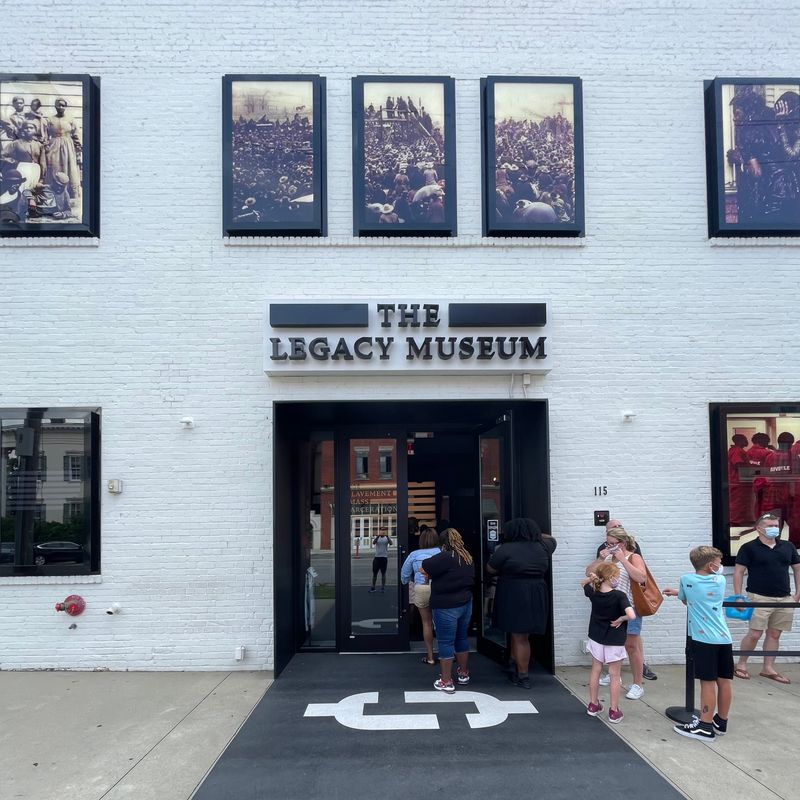
Virginia State University in Petersburg is home to a museum that celebrates the legacy of historically Black colleges and universities. The Legacy Museum showcases the vital role these institutions have played in educating and empowering generations of African Americans.
It’s a tribute to the educators, students, and leaders who built centers of excellence in the face of discrimination.
Exhibits highlight the founding and growth of Virginia State University itself, tracing its evolution from a small school for Black students to a thriving university. You’ll see photographs, documents, and memorabilia that capture the spirit of determination and pride that has always defined the campus.
These artifacts tell a story of triumph over adversity.
The museum also explores the broader history of HBCUs across the country, showing how these schools became incubators for civil rights leaders, artists, scientists, and entrepreneurs. Displays on famous alumni and groundbreaking research conducted at these institutions underscore their ongoing importance.
It’s a powerful reminder that education is a tool for liberation.
Interactive elements invite visitors to engage with the material in meaningful ways. You might listen to oral histories from alumni, explore timelines of key events, or participate in activities that highlight the achievements of HBCU graduates.
These hands-on experiences make the history feel accessible and relevant.
The museum’s location on a university campus adds to its educational mission, serving as a resource for students and a point of pride for the community. Events and programs throughout the year bring people together to celebrate Black excellence and discuss the future of education.
It’s a space that honors the past while looking forward.
Visit this inspiring museum at 1 Hayden Dr, Petersburg, VA 23806, where the legacy of Black higher education shines bright.
6. Manassas Museum
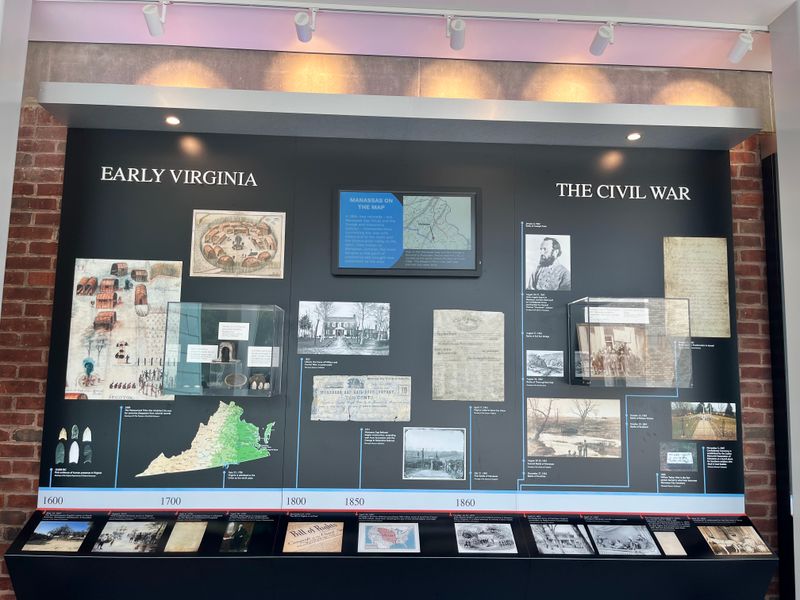
Manassas is famous for its Civil War battlefields, but the Manassas Museum digs deeper into the area’s history, including the experiences of African Americans during and after the war. This museum doesn’t shy away from the complexities of the past, exploring how enslaved people, freedmen, and their descendants shaped the region.
It’s a refreshing take that goes beyond the usual battlefield narratives.
One of the most compelling sections examines the lives of enslaved people who lived and worked in the Manassas area. Through artifacts, documents, and personal stories, you get a sense of the harsh realities they faced and the ways they resisted and survived.
It’s a sobering but essential part of understanding the full story of the Civil War.
The museum also covers the Reconstruction era and the struggles of newly freed people to build lives and communities. Exhibits detail the establishment of schools, churches, and businesses by African Americans in the region.
These stories of resilience and determination are inspiring and often overlooked in broader historical narratives.
Interactive displays and multimedia presentations make the history engaging for visitors of all ages. You might explore a recreated home, watch video interviews with descendants of local families, or handle replica artifacts.
These elements help bring the past to life in tangible ways.
The museum’s commitment to inclusive storytelling extends to its programming, with lectures, workshops, and community events that address ongoing issues of race and equity. It’s a place that encourages visitors to think critically about history and its relevance to today.
The conversations sparked here often continue long after you leave.
Located at 9101 Prince William St, Manassas, VA 20110, this museum offers a richer, more complete picture of the region’s history.
7. The Harrison Museum of African American Culture
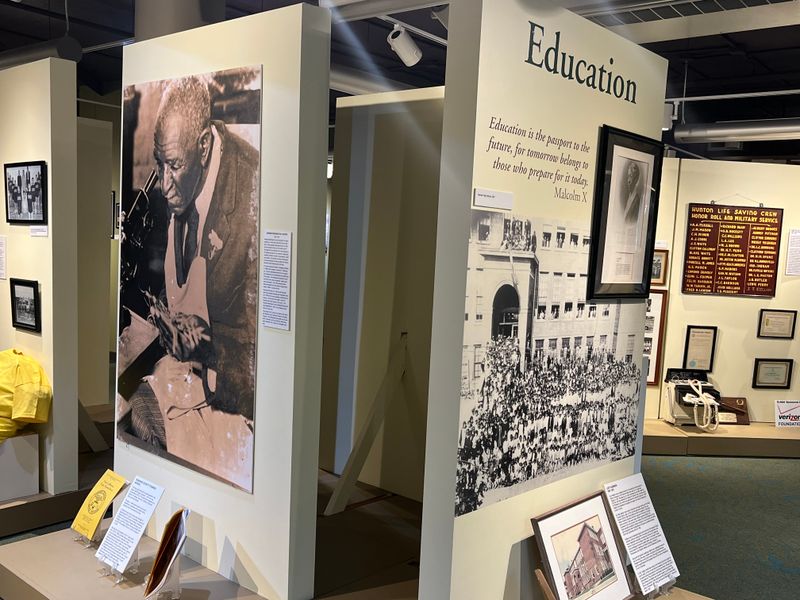
Roanoke’s Harrison Museum of African American Culture sits in a historic school building that once served Black students during segregation. Today, it’s a vibrant cultural center celebrating the creativity, history, and contributions of African Americans in the Roanoke Valley and beyond.
The transformation of the building itself symbolizes the journey from exclusion to celebration.
Art takes center stage here, with rotating exhibits featuring works by Black artists from across the country. Paintings, sculptures, photography, and mixed media pieces explore themes of identity, heritage, and social justice.
The quality and diversity of the art on display make this museum a must-visit for anyone interested in contemporary Black culture.
Historical exhibits complement the art, offering insights into the lives of African Americans in the Roanoke area. You’ll learn about local leaders, businesses, and community organizations that shaped the city’s Black neighborhoods.
Personal stories and photographs provide a window into the past that feels intimate and immediate.
The museum’s commitment to education shines through in its programming. Workshops, lectures, and performances bring the community together to explore cultural themes and celebrate Black heritage.
Whether it’s a poetry reading, a jazz concert, or a panel discussion, there’s always something happening that engages and inspires.
Kids will find plenty to explore here, with interactive exhibits and activities designed to make learning fun. The museum’s welcoming atmosphere encourages families to spend time together discovering new perspectives.
It’s a place where curiosity is rewarded and questions are encouraged.
You’ll find this cultural treasure at 523 Harrison Ave NW, Roanoke, VA 24016, where art and history come together in powerful ways.
8. The Smithfield Times Community Museum
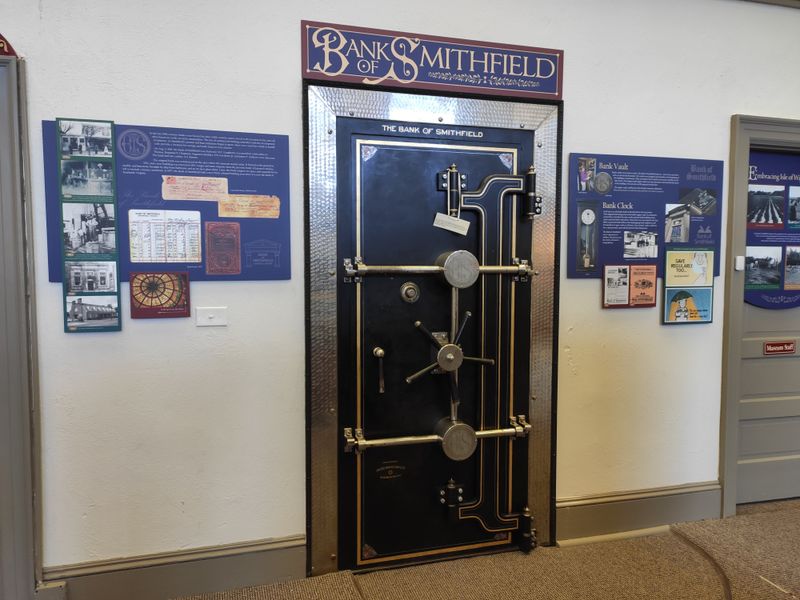
Smithfield is known for its quaint downtown and famous hams, but the Smithfield Times Community Museum tells a broader story that includes the town’s African American heritage. This small but mighty museum preserves the history of all of Smithfield’s residents, with special attention to the contributions and experiences of Black families.
It’s a reminder that every community has layers of stories waiting to be uncovered.
Exhibits here explore the lives of African Americans who worked in the town’s industries, farmed the surrounding land, and built strong communities. You’ll see photographs, documents, and personal items that belonged to real people who called Smithfield home.
These artifacts provide a tangible connection to the past.
One highlight is the collection of oral histories recorded with longtime residents. Listening to these voices, you hear firsthand accounts of life during segregation, the civil rights movement, and the changes that followed.
These stories add depth and nuance to the historical record, preserving perspectives that might otherwise be lost.
The museum also addresses the role of churches and schools in sustaining Black communities in Smithfield. These institutions provided not just spiritual and educational support but also served as centers for organizing and activism.
Understanding their importance helps you appreciate the resilience and resourcefulness of the people who built them.
Despite its small size, the museum packs a punch with its thoughtful curation and commitment to inclusive storytelling. Volunteers and staff are passionate about sharing the full history of Smithfield, and their enthusiasm is contagious.
It’s the kind of place where you can have meaningful conversations and leave with a deeper understanding of the community.
Find this hidden gem at 130 Main St, Smithfield, VA 23430, where local history comes alive in unexpected ways.
9. Norfolk History Museum
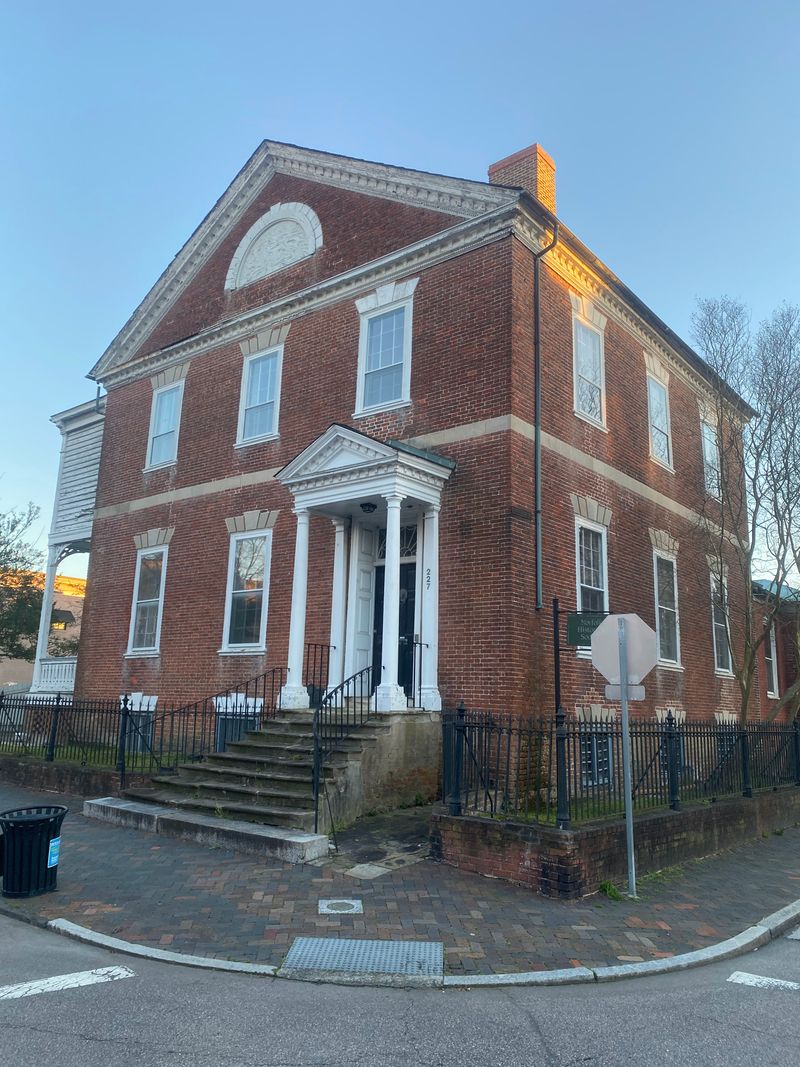
Norfolk’s history as a major port city includes a rich and complex African American heritage that the Norfolk History Museum explores with care and detail. Exhibits trace the experiences of Black residents from the colonial era through the present, highlighting their contributions to the city’s growth and culture.
It’s a sweeping narrative that covers centuries of struggle, achievement, and resilience.
One particularly powerful section focuses on the role of African Americans in Norfolk’s maritime industries. You’ll learn about dockworkers, sailors, and shipbuilders whose labor was essential to the city’s economy.
Personal stories and artifacts bring these workers to life, showing the human side of industrial history.
The museum also examines the impact of military service on Norfolk’s Black community. As home to major naval installations, Norfolk has long been connected to the armed forces, and African Americans have served with distinction despite facing discrimination.
Exhibits honor their service and explore the challenges they faced both in uniform and at home.
Civil rights struggles in Norfolk get thorough coverage, with displays on school desegregation, protests, and the fight for equal access to public facilities. Photographs and documents capture key moments in the movement, and personal accounts provide insight into what it was like to live through those turbulent times.
It’s history that still resonates today.
Interactive elements and multimedia presentations make the museum engaging for visitors of all ages. You might explore a timeline of key events, watch interviews with community leaders, or participate in activities that connect past and present.
These features help make the history accessible and relevant.
Located at 401 E Freemason St, Norfolk, VA 23510, this museum offers a comprehensive look at the African American experience in a major Virginia city.
10. The Slave Trail Commission
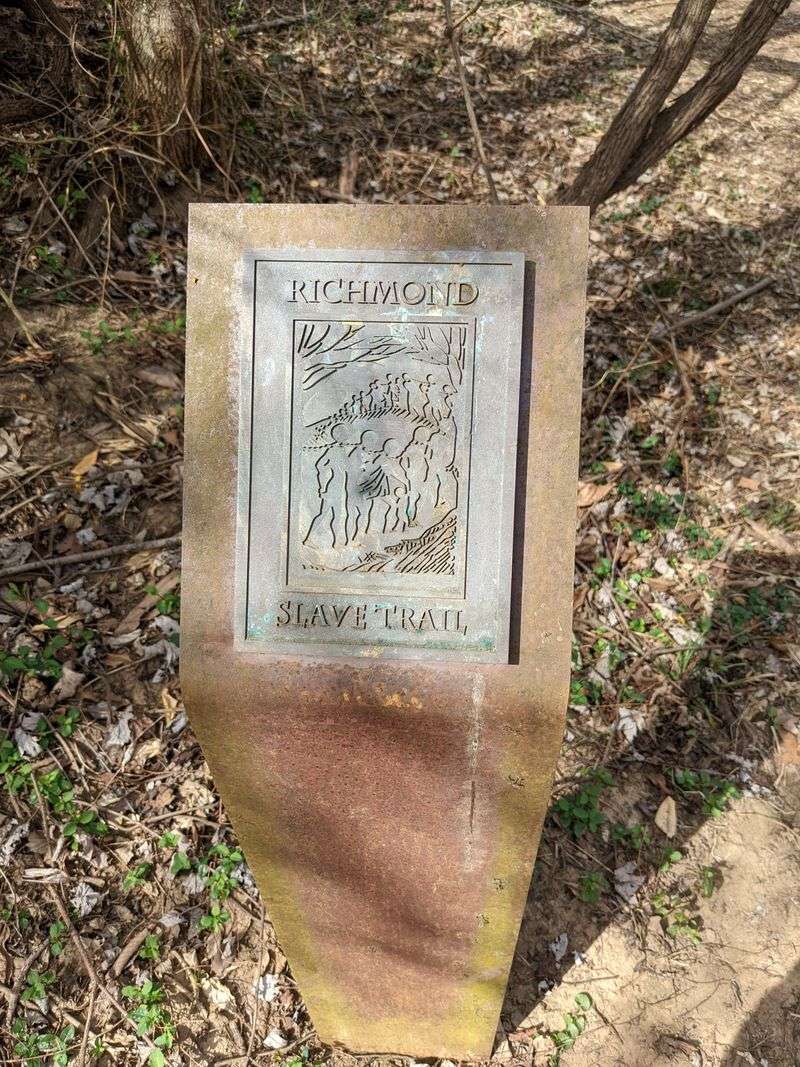
Richmond’s Slave Trail isn’t a traditional museum with four walls and a roof, but it’s one of the most powerful historical experiences you can have in Virginia. This outdoor trail traces the route that enslaved people were forced to walk from the Manchester docks to the auction blocks in downtown Richmond.
Walking the trail means literally following in the footsteps of people who were bought and sold as property.
Markers along the trail provide historical context and tell the stories of individuals who endured this horrific journey. You’ll learn about the mechanics of the domestic slave trade, the families torn apart, and the cruelty of a system that treated human beings as commodities.
It’s a sobering experience that brings the reality of slavery into sharp focus.
The trail also highlights sites of resistance and resilience, showing how enslaved people found ways to maintain their humanity and dignity. Stories of escape, rebellion, and cultural preservation remind us that even in the darkest circumstances, people fought for freedom and held onto hope.
These narratives are essential to understanding the full picture.
Educational programs associated with the trail bring groups together to learn and reflect on this difficult history. Guided tours provide deeper insights and encourage conversations about the legacy of slavery and its ongoing impact.
It’s not easy history to confront, but it’s necessary for understanding the present.
The trail ends at the site of Lumpkin’s Jail, once one of the largest slave-trading facilities in Richmond. Today, it’s being developed as a memorial and educational center.
Standing at this site, you feel the weight of history and the importance of remembering.
The trail begins at Ancarrow’s Landing, 5001 Old Osborne Turnpike, Richmond, VA 23231, where history meets the present in the most profound way.
Dear Reader: This page may contain affiliate links which may earn a commission if you click through and make a purchase. Our independent journalism is not influenced by any advertiser or commercial initiative unless it is clearly marked as sponsored content. As travel products change, please be sure to reconfirm all details and stay up to date with current events to ensure a safe and successful trip.
