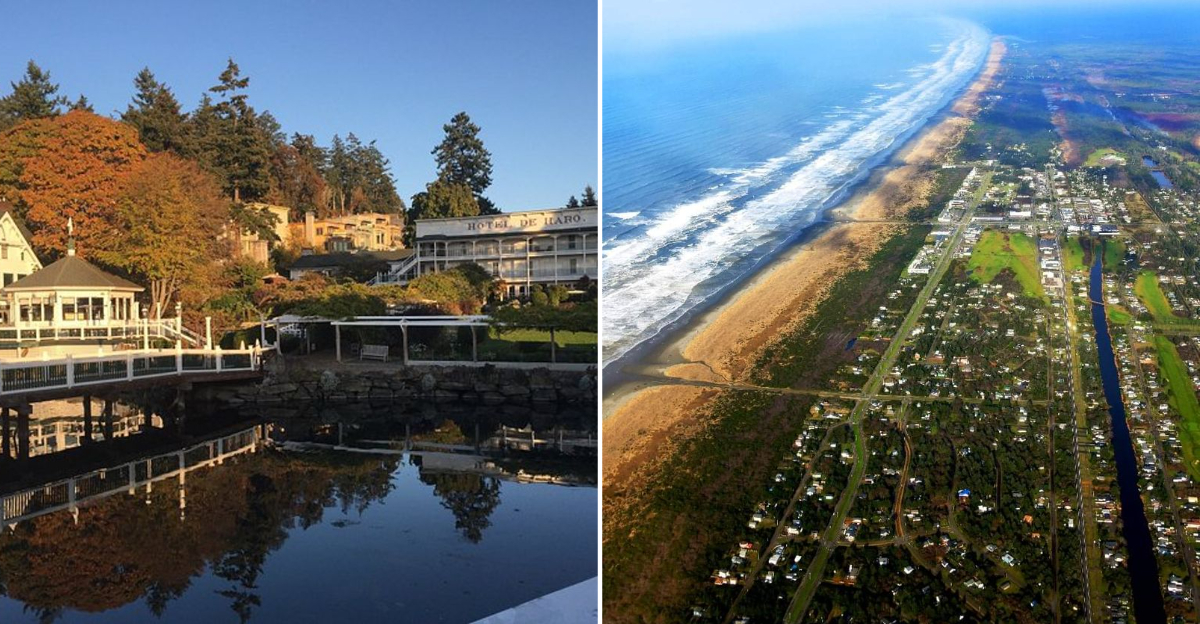
Have you ever gone back to a place you loved, only to realize it doesn’t feel the same anymore? That’s the story of a handful of towns in Washington State.
Some of them used to be quiet escapes, others were already buzzing with local life, but once travelers started pouring in, things shifted, sometimes in ways that locals aren’t too happy about.
I remember visiting Leavenworth years ago when it felt quirky and charming, almost like stumbling into a hidden Bavarian village.
Now, it’s packed shoulder-to-shoulder during peak seasons, with long lines just to grab a bratwurst.
The same goes for places like Forks, which Twilight fans turned into a pilgrimage spot, or coastal towns that once felt sleepy but now struggle with crowds and rising prices.
Tourism can bring money and attention, sure, but it also changes the character of a town.
So which Washington spots have been transformed, maybe even “ruined”, by too much love from travelers? Let’s break it down and see which ones made the list.
1. Leavenworth
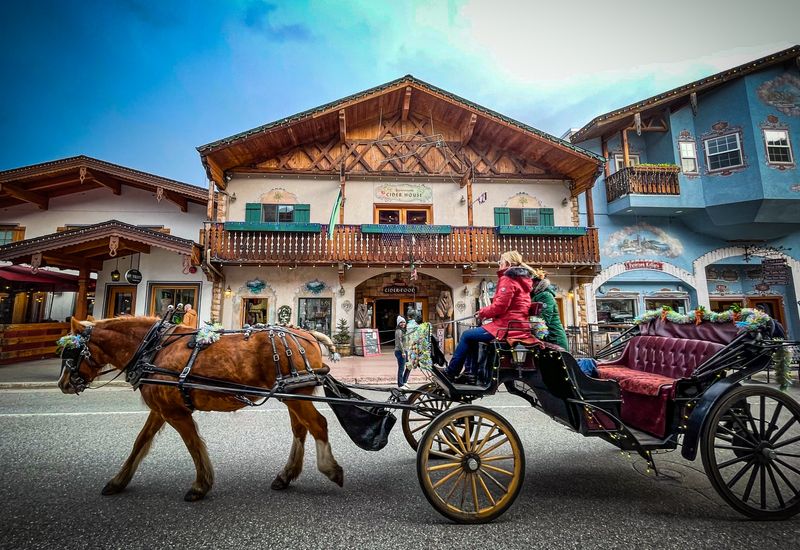
Here is the thing about Leavenworth. It still looks like a postcard, but getting through town on a sunny weekend can feel like a slow crawl.
The Bavarian styling remains cute until you are circling for a spot and watching the clock.
Locals say the big shift happened when social media turned every mural and alpine trim into a backdrop.
Seasonal festivals drew bigger crowds, and suddenly the tiny streets felt like a parade route. You can still enjoy it if you arrive early and pick your moments.
What used to feel like a quirky Washington State stop now runs more like a theme park rhythm.
I try to nudge friends toward shoulder seasons, or I park once and walk everywhere without rushing. The mountain setting is gorgeous, but patience matters.
Parking shortages and long waits became the new normal, and prices rose with demand.
That hits residents first, which is why you will hear mixed feelings in casual conversations. If you are visiting, keep plans flexible and be kind to workers.
I still like wandering the side streets where the noise drops a notch. The charm is there, just layered under a busy soundtrack.
On a quiet weekday, you remember why it felt magical in the first place.
2. Forks
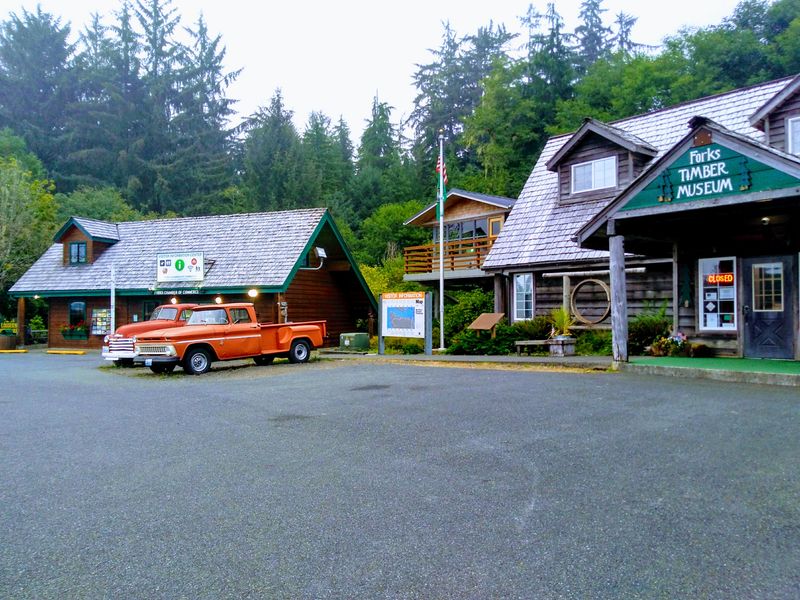
Forks used to slip by unnoticed unless you worked in the woods or lived nearby. Then pop culture turned it into a pilgrimage, and the traffic never really stopped.
You can feel that shift when tour vans unload for quick photos.
Locals will tell you the town lost its quiet routine while short-term rentals reshaped housing. Many visitors come for the icon instead of the landscape that surrounds it.
The forests and beaches still do their thing, but lines blur between a set piece and a real place.
I try to lean into the slower corners of the day. Early mornings feel calmer, and you notice how mist hangs in the trees.
That is when the town breathes in a gentler way.
The state has plenty of places that went from low-key to famous, but Forks might be the clearest example. Congestion shows up in small ways, like longer waits for basic errands.
It adds friction that locals carry more than visitors.
If you go, keep your plans light and look beyond the photos. The area rewards patience and respect for the pace.
Leave it better than you found it, and it will feel better for everyone.
3. Winthrop
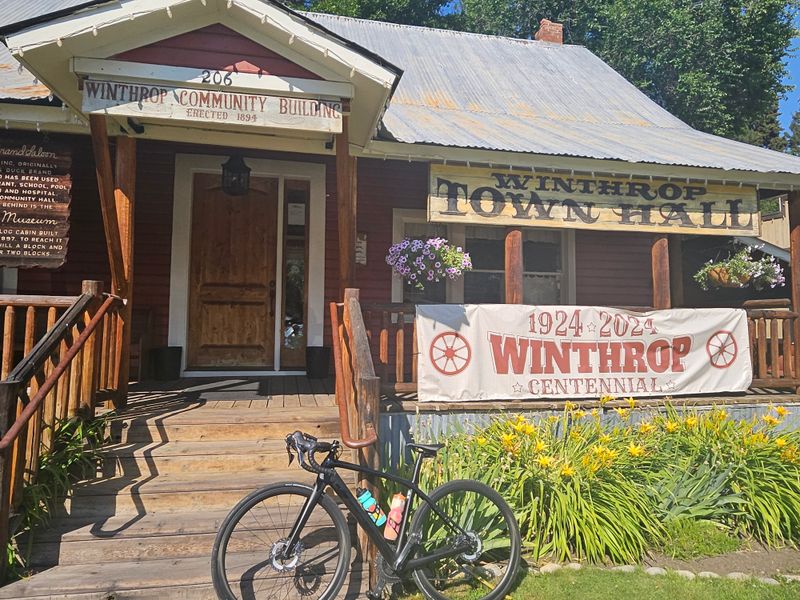
Winthrop wears its Old West look with real commitment, and that is part of the draw. In summer, though, the main street can feel like a slow river of cars.
You sense how the town was built for a quieter pace than it gets now.
Vacation rentals multiplied, and housing costs rose right alongside. The boardwalks are still fun, but foot traffic stacks up at the narrowest points.
Locals juggle parking, deliveries, and everyday errands while weekend plans unfold around them.
I like arriving on a weekday afternoon and walking the long way around. Side streets soften the crowd and show more lived-in details.
You can still catch the Methow Valley backdrop without elbowing for a view.
Travelers love this valley, and it is easy to see why. The problem is volume, not beauty.
That much demand squeezes a small grid until it creaks a little.
When you visit, keep a flexible route and skip peak hours. It is still a good time if you move slow and ditch the need to see everything.
A bench, a breeze, and a bit of patience go a long way here.
4. Sequim
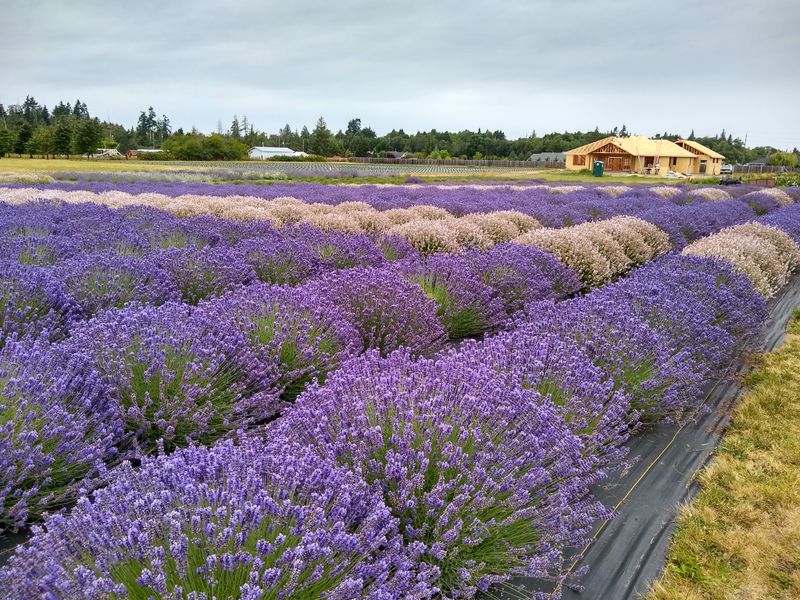
Sequim drifted from sleepy to busy and did it mostly with lavender and sunshine. The vibe today leans more suburban than small town, especially on busy weekends.
You feel it at intersections and in grocery lines that stretch longer than they used to.
Visitors chase fields and photos, then stack into the same routes. Development pushed outward while infrastructure tried to keep up.
Locals talk about how daily routines got slower once tourism made a steady arrival.
I like the shoulder season when the air is cooler and traffic settles. You can hear birds over the hum of cars, which tells you a lot.
That is when Sequim shows its softer side again.
Trips in this state often flow through here on the way to bigger adventures. The town became part staging ground, part destination.
That mix works until the roads clog and patience gets thin.
If you go, plan wide buffers around your day and take side roads when you can. Give yourself space to actually look around instead of rushing the same turn.
The place still has charm, just stretched across more people.
5. Ocean Shores
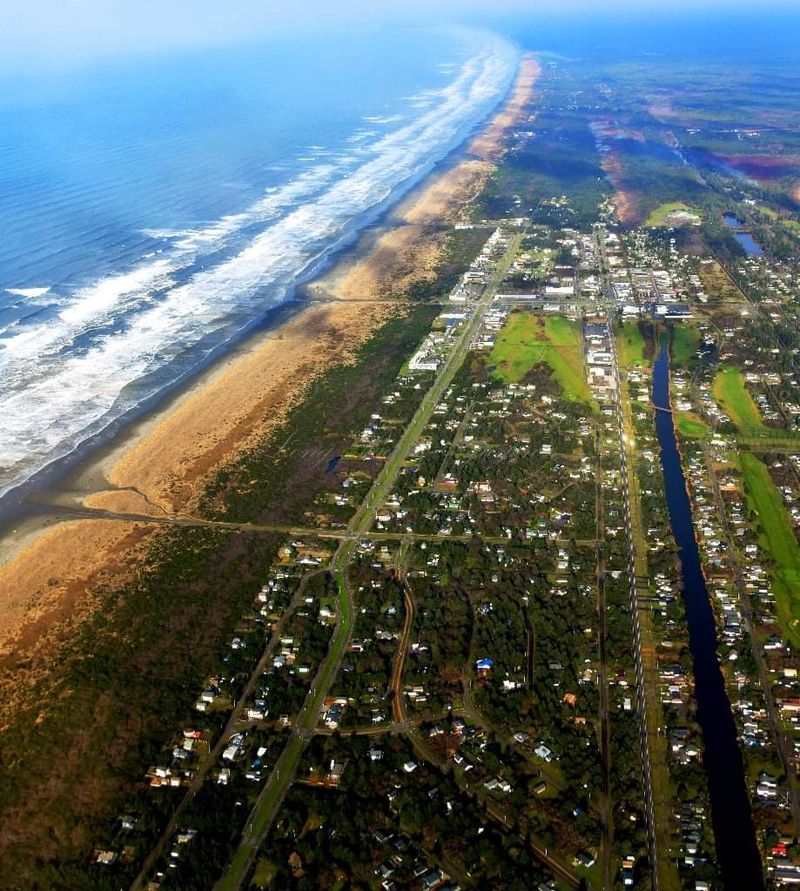
Ocean Shores once felt like a sleepy edge of the map. Now it moves on a weekend schedule that rarely slows down.
You see it in crowded turnoffs and busy sidewalks near the dunes.
The beach is still broad and calming, but a lot of visitors treat it like a playground. Short-term rentals dominate whole blocks, and the rhythm reflects that.
Locals mention noise, litter, and a sense that the town serves visits more than lives.
I tend to walk early or late when the tide line is quiet. The sounds smooth out, and you can hear the water again.
That window makes the place feel like itself.
Across the state, coastal towns wrestle with this balancing act. Ocean Shores sits right in the middle of it.
Popularity brings money and also a kind of constant motion that wears on people.
If you head out, pack patience and a good plan for parking. Keep your footprint small and your expectations loose.
The beach will always be there, even when the crowds are not.
6. Friday Harbor
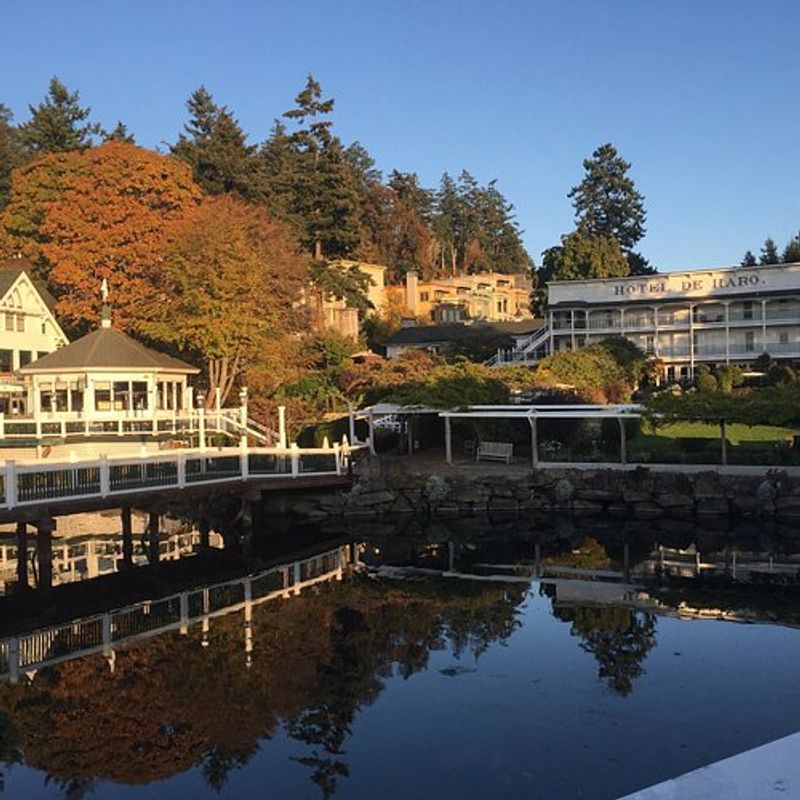
Friday Harbor looks like a postcard the second you step off the ferry. During peak months, though, it can feel like the entire dock unloaded into one street.
Lines stretch, sidewalks fill, and the island pace stutters.
Whale watching popularity added a steady stream of day-trippers. That helped businesses while creating housing pressure that never really eased.
Locals balance two worlds, the quiet shoulder season and the sprint of summer.
When I go, I like to slow down right away. Find a bench near the water, breathe, and watch the ferries come and go.
You settle into the rhythm before you start moving.
Islands here always draw attention, but this town gets the lion’s share. Vacation rentals multiplied and made long term living tougher.
It is a trade that shows up in everyday conversations.
Visit with a flexible plan and a kind attitude. Treat it like someone’s small town rather than a checklist.
The charm holds up best when you give it room.
7. Snoqualmie
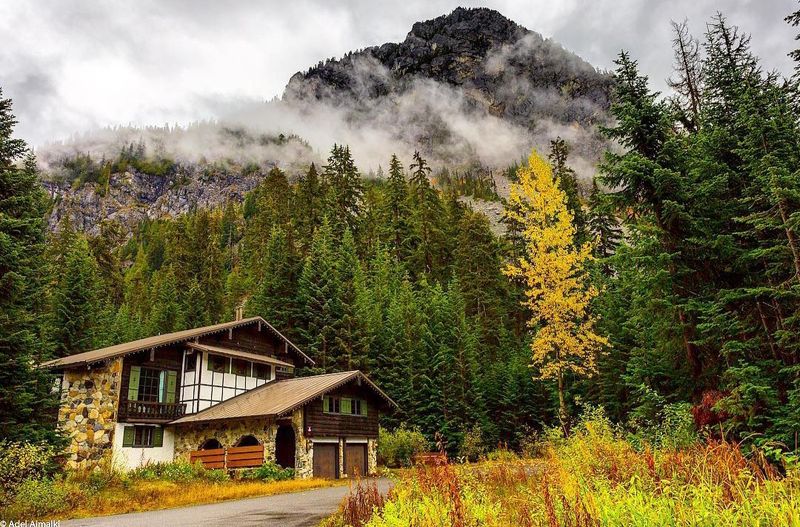
Snoqualmie rides the fame of that waterfall, and the waterfall never disappoints. Getting there, though, can be a patience test.
Traffic stacks on the approach and spills into nearby streets.
The town feels like it outgrew its shoes without changing its stride. Residents talk about year round congestion that used to be a seasonal thing.
The scenery stayed the same while access got harder.
I park once and turn it into a walking day. When you slow down, the mist and the trees start to feel bigger than the cars, and that shift helps.
Any place close to Seattle can go from chill to crowded fast, and Snoqualmie knows that story well.
The trick is timing and keeping your expectations loose.
If you visit, arrive early, skip the rush, and be patient with the flow. The falls are worth it if you give the moment space.
Let the noise fade and the water do the talking.
8. Roslyn
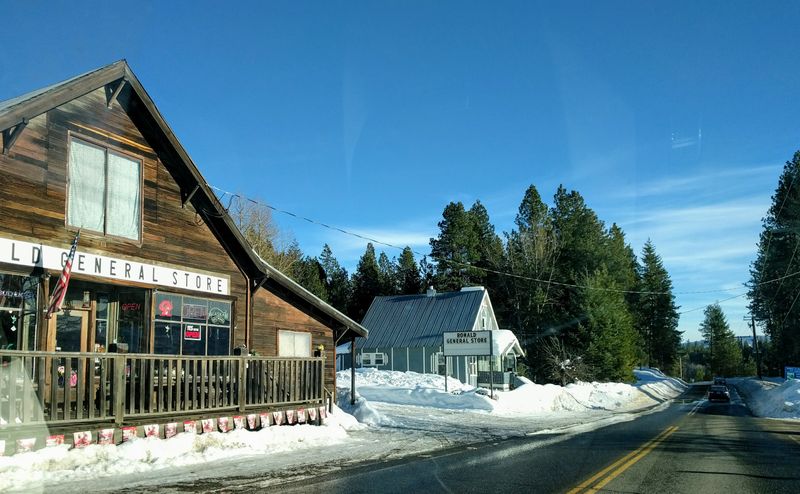
Roslyn carries more history than its footprint suggests. A TV spotlight put it on the map, and the visitors followed.
On summer weekends, it can feel like the population multiplied overnight.
The downtown is small, which makes parking a daily puzzle. Preservation efforts keep the look, but the pressure is constant.
Locals juggle heritage with maintenance and crowds.
I like slow mornings here, when the streets still sound like a town. You can look up at the hills and breathe without bumping shoulders.
That is the version I try to remember.
Across the state, these mining era towns are rare and fragile. Roslyn’s charm survives, but it needs space to do it.
That means patience, respect, and a willingness to walk a little.
Come curious, not hurried. Notice the details in brick and timber and how the light moves through town.
If you take your time, it feels more like a place and less like a set.
9. Chelan
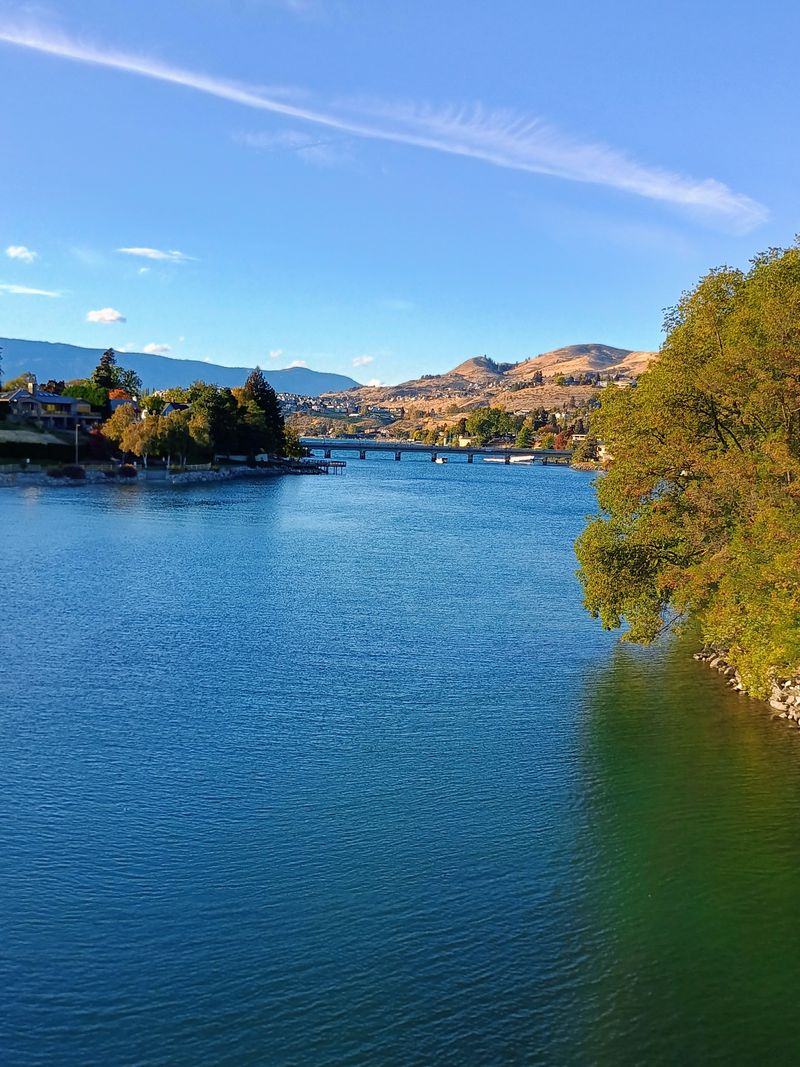
Chelan shifted from laid back to full throttle once the word spread far and wide. Summer arrives and everything fills at once: roads, marinas, sidewalks, all humming.
With that popularity came pressure on housing, and workers had to move farther out.
The lake is still stunning, but the atmosphere has become more commercial over time. Locals feel the difference most days.
I like to plan around the edges of the day. Early light on the water is calm and honest.
It gives you the lake without the rush.
Washington State summers pack into places like this, and Chelan is near the top of that list. The town handles more than its frame suggests.
I feel like that strain shows in small ways that add up.
If you go, keep your plans flexible and your pace easy. Park once, walk a lot, and leave space for detours.
It still delivers if you do not try to cram everything in.
10. Port Townsend
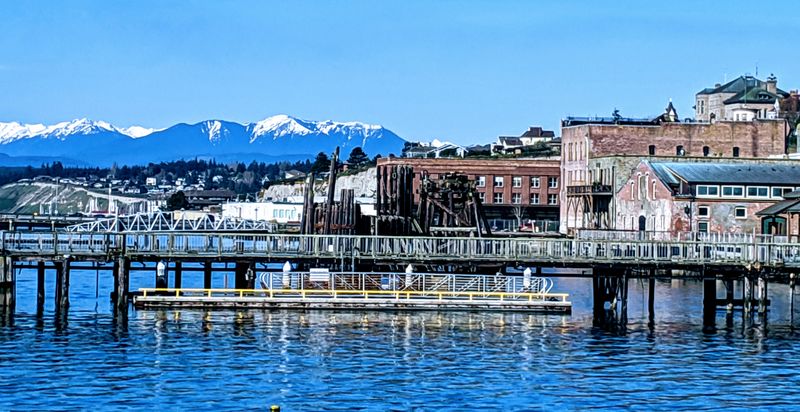
Port Townsend looks like a film set until you realize the buildings are actually lived in. Summer cranks the volume and the streets run full tilt.
It is lively, beautiful, and a little tiring all at once.
Tourism lifted the local economy while sending housing prices up and squeezing space. Infrastructure tries to catch up every season.
Locals manage it with humor and occasional fatigue.
I like to wander the side blocks where the noise softens. You notice the details in brick and trim, and the harbor breeze threads through.
That is the part that sticks with me.
The state has only a handful of Victorian towns in this shape, and this one earned its following and its headaches. The balance point feels close but never quite steady.
Visit with patience and let the day unfold. Skip the rush, take breaks, and give the town room to work.
The charm lands best when you move at half speed.
11. Anacortes
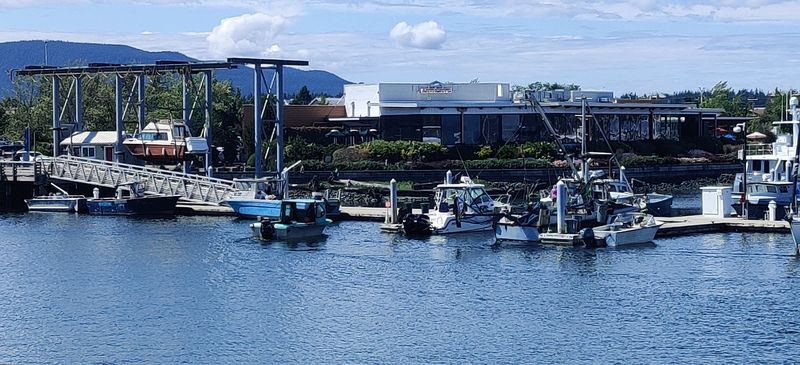
Anacortes has that gateway energy. Ferries, boats, and people in motion, always headed somewhere.
On busy days, downtown feels like a staging area.
The working waterfront still shows through, but tourism softens the edges. Short-term rentals added pressure, and the market responded in predictable ways.
Locals talk about rhythm and how it changed.
I like to pause by the water and watch the traffic puzzle play out. When you let it pass, the town reveals smaller, steadier details.
Those moments make the place feel grounded again.
Here, ports tend to become waypoints. Anacortes handles that role while trying to stay itself.
It is a tough line to walk with crowds flooding the same blocks.
For visitors, the move is simple: park once, be patient, and treat it as a community first and a gateway second. That shift in mindset helps everyone breathe.
12. Cle Elum
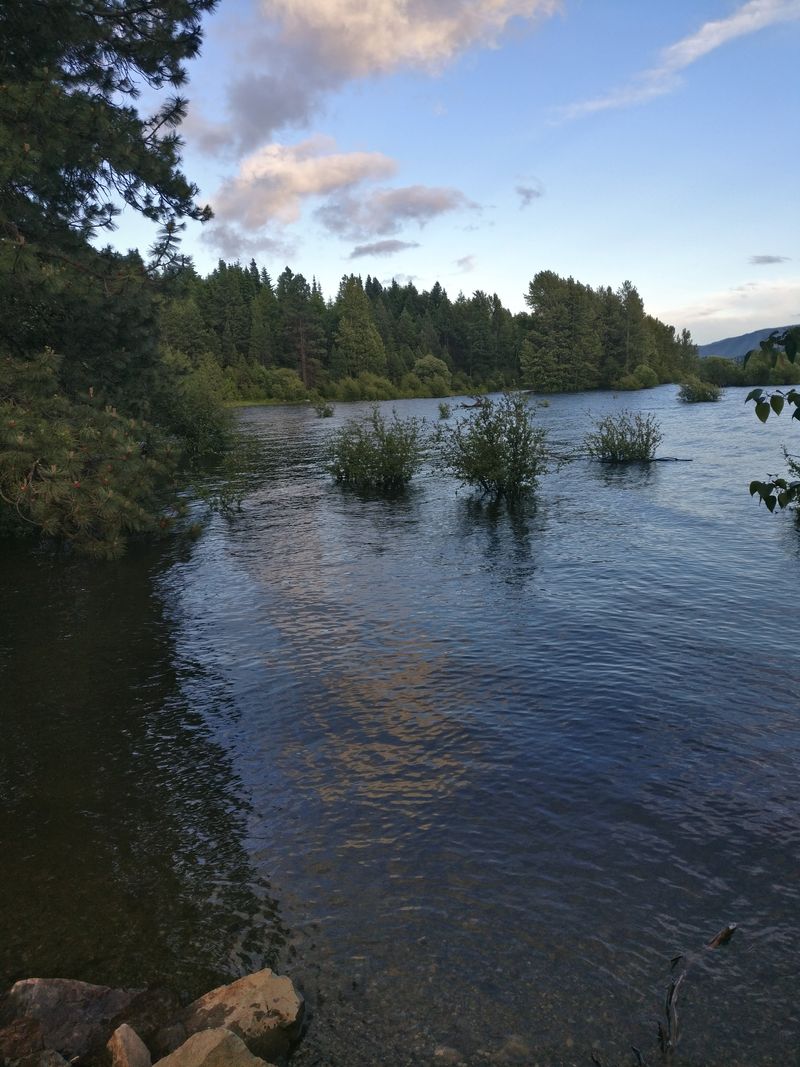
Cle Elum used to register as a quiet pause on the drive. Lately it feels busier and a little in between.
Growth arrived faster than the streets and services could match.
Tourism and second homes changed the math. Land use debates make the rounds, and traffic jams show up where you do not expect them.
Locals carry the weight while visitors come and go.
I like to slow down and walk the older blocks. You can still feel the small town bones under the new buzz.
It is there if you look for it.
Mountain towns in this state share this pattern, and Cle Elum is deep in it. The transition brings opportunity and friction at the same time.
I feel like the mood depends on the day you catch.
When you visit, keep plans flexible and expectations kind. Give the town room to change without rushing it.
That softer approach makes the stop feel better for everyone.
