
Read through Louisiana’s law books and you might think someone slipped in a stand-up routine. Some rules are so oddly specific and outdated that they feel less like legislation and more like punchlines waiting for a laugh track.
From quirky restrictions on how and when certain animals can be handled to strange rules about food, celebrations, and public behavior, these laws reflect a mix of old traditions, forgotten concerns, and pure historical weirdness.
Many are rarely enforced today, but they still exist on the books, quietly confusing residents and delighting trivia lovers.
What makes them so funny is how seriously they were once taken.
These laws offer a window into past fears, customs, and social norms, all wrapped in language that now reads like satire. Exploring them feels like flipping through a legal blooper reel from another century.
1. No Reptiles Within 200 Yards Of A New Orleans Parade Route
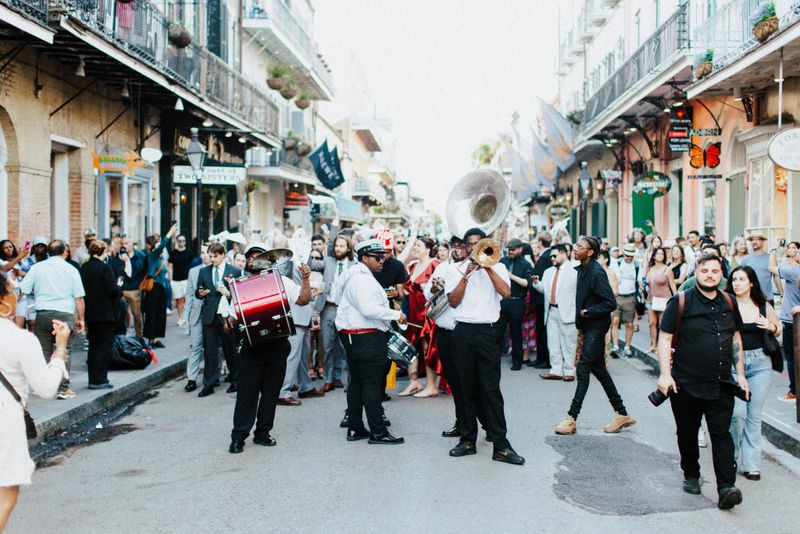
You know a place takes parades seriously when the law literally measures reptiles in yards.
New Orleans bans reptiles within a set distance of a parade route, and somehow it feels like the most Louisiana sentence possible.
Picture the scene on St. Charles Avenue with ladders, folding chairs, and purple-green-gold bunting fluttering along the oaks. Now imagine a deputy politely informing someone their snake needs to head home because the floats are rolling soon.
The rule sounds funny at first, but it makes practical sense for crowd safety and animal welfare. Parades get loud and unpredictable, and reptiles do not exactly thrive on drumlines and confetti cannons.
I love how specific the city gets, because clarity keeps the vibe fun instead of chaotic.
It is one of those details that lets the spectacle stay spectacle without turning into a petting zoo.
Would I have guessed this was on the books before reading it? Not a chance, and now I cannot un-hear it when I see a marching krewe warming up.
If you are planning to catch a parade in Louisiana, just leave the scaly friends at home. You will have both hands free for beads and better stories anyway.
2. Contaminating Water Supplies Is A Serious Felony

This one jumps from quirky to stern fast, because Louisiana treats water tampering like a top-shelf offense. Intentionally contaminating a public or private water supply is a serious crime with teeth.
Think of the web of wells, towers, and treatment plants spread across parishes from Shreveport to Houma.
When a statute draws a hard line, it is about trust as much as chemistry.
You feel it on the road when you fill a bottle at a park spigot and do not think twice. That quiet comfort exists because the state locks the door legally and practically.
The language covers more than movie-style sabotage, which is the sneaky part people miss.
Even reckless actions that mess with quality can fall under the umbrella, and prosecutors know the playbook.
Is it dramatic to read penalties that harsh while planning a bayou drive? A little, but it is the kind of backbone that lets everything else feel normal.
So when you pass a fenced treatment facility off a rural highway, that is the law standing guard. It is not splashy or cute, but it is very Louisiana to mix tough love with everyday life.
3. False Packing Cotton Bales Is Prohibited By Law
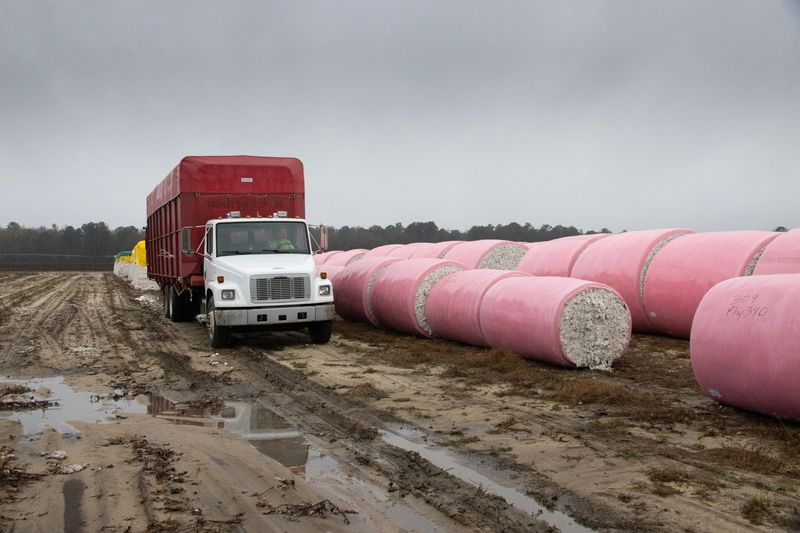
Only in Louisiana could a law about cotton bales read like a plot twist from an old riverfront drama. The state criminalizes false packing to stop anyone from deceiving buyers about weight or quality.
There is a whole agricultural rhythm here that still echoes through gins, docks, and co-ops.
When money hinges on what is hidden inside a bale, the temptation is older than the levees.
The statute is specific enough to make a would-be trickster think twice. It is like the law is saying, we see you, and we have receipts and scales.
I picture a warehouse near the river with a foreman who has heard every story. He checks the stitching, nods once, and lets the paperwork do the rest.
Does it feel old-school? Absolutely, but the lesson holds for any product that can be fluffed, padded, or prettied up.
Louisiana writes it down so the market stays honest, which makes back-road commerce feel steadier.
It is the quiet guardrail you only notice when someone tries to lean over it.
4. Fishing Or Hunting Contest Fraud Has Its Own Statute

I did a double take when I saw an entire law for cheating in a fishing or hunting contest. Then I remembered how seriously bragging rights travel through Louisiana towns.
The statute targets things like stuffing fish, swapping entries, or faking weights.
Basically, if you try to rig the board, the law is already standing at weigh-in.
I love that it protects the goofy joy of a small stage and a loud clap. Those trophies matter, but so does the trust baked into every handshake at dawn.
Picture a sleepy boat ramp where rumors drift faster than mist.
Someone thinks they found a loophole, and a warden smiles like, not today.
Is it overkill to codify common sense? Not when prize money, pride, and local tradition swirl in the same cooler.
Louisiana protects the spirit of the chase with practical language and clear penalties. It keeps the fish stories big and the competitions clean, which is exactly the point.
5. Stopping A Mississippi River Outlet Or Natural Bayou Is Illegal
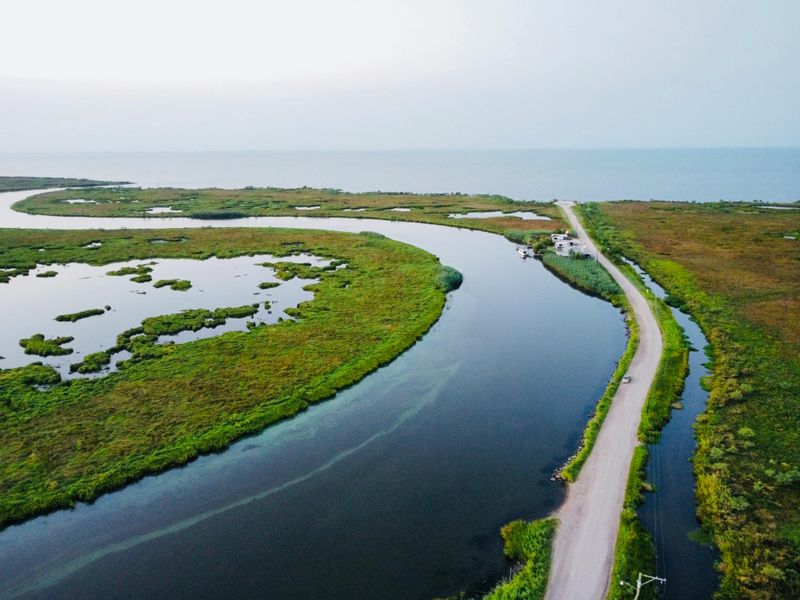
Here is a law that sounds like a geography lesson with a whistle. Louisiana forbids anyone from stopping a Mississippi River outlet or a natural bayou.
When a waterway moves, the whole coast breathes.
Mess with that rhythm and you can crumple fisheries, navigation, and wetlands faster than a storm front.
The statute even talks about ordering an obstruction reopened, which feels satisfyingly bossy. Imagine a backhoe reversing a bad idea while egrets supervise from the reeds.
I think of signs along parish roads where culverts feed marsh like veins. You can hear the rule humming underneath the frogs and barges.
Does it read dramatic? Maybe, but this is a state that lives by silt and tide, and it writes like it.
Louisiana draws a bright line so the living map stays alive.
It is a promise to the river that built half the stories we tell here.
6. A “Candy-Like” Firework With Phosphorus Is Banned

If a firework looks like candy and snaps when you rub it, Louisiana wants it nowhere near a checkout. The law bans certain friction fireworks with white or yellow phosphorus that resemble sweets.
It is the kind of sentence that makes you pause.
The visual alone explains why a curious kid could mistake danger for a treat in a heartbeat.
I imagine a parish clerk inspecting a shipment with a practiced eye. Anything too tempting gets pulled, and the paperwork backs the gut feeling.
The chemistry angle is not just technical trivia. Phosphorus can burn viciously, and the statute reads like it has seen the aftermath.
Would an out-of-towner guess fireworks law could sound like a candy warning? Probably not, but Louisiana often writes rules with a parent’s voice.
Call it fussy if you want, though it keeps store counters calmer and holidays less chaotic.
I will take that trade without blinking.
7. Telegrams Have Legal Privacy Protections
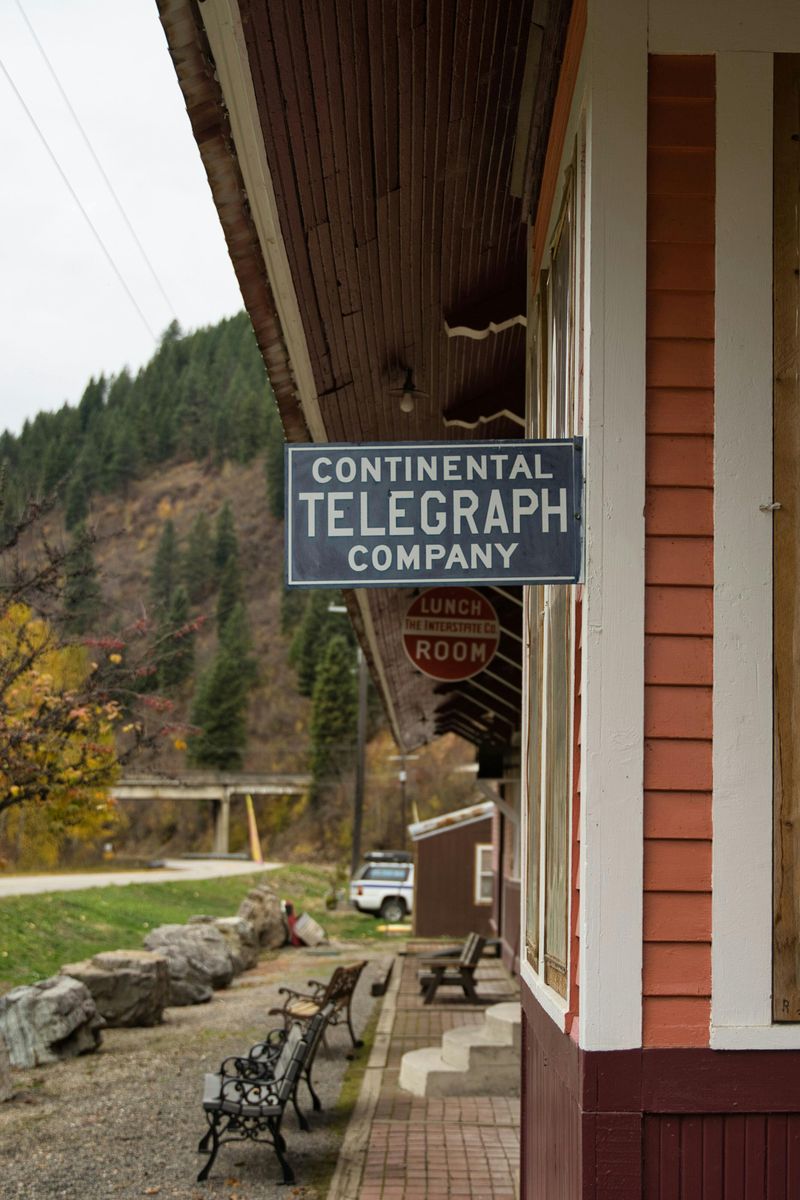
Here is a time capsule that still hums with relevance. Louisiana criminalizes wrongfully obtaining or divulging the contents of a private telegraphic message.
Swap the wires for modern apps, and the principle feels exactly right.
Private words deserve walls, even if the wall is a line of code instead of a cable.
I picture a tidy office in an old depot where messages once clicked through the afternoon. The clerk knows the town but keeps the secrets sealed.
The charm is not just nostalgia. It is the recognition that communication needs trust to function without everyone whispering.
Do I smile at the antique phrasing? Absolutely, though the backbone is strong enough to carry into any decade we throw at it.
Louisiana wrote respect into the record, and I like knowing that lineage still anchors daily life. It is old tech with a modern soul.
8. Unauthorized Signals To Trains Are Felony

Wave a light at the wrong moment near a track, and you are not just being annoying. In Louisiana, sending unauthorized signals to trains is a crime with real consequences.
Rail crews live by codes, timing, and sightlines that outsiders rarely grasp.
A bogus cue can ripple through miles of steel before anyone figures out the source.
I think of a dusk platform where a lantern flickers in the wind. Someone jokes with a flashlight, and a conductor clocks the risk instantly.
The statute reads like a stern parent, and I am here for it. Freight and passenger lines run on brittle precision that does not handle improvisation well.
Would you ever imagine a playful wave could qualify as unlawful? After reading this, I stopped treating tracks like a backdrop for photos.
Louisiana draws a neat boundary that protects crews, cargo, and bystanders.
It keeps the choreography tight so towns and timetables keep breathing.
9. Do Not Abandon An Airtight Ice Box Where Kids Can Reach It
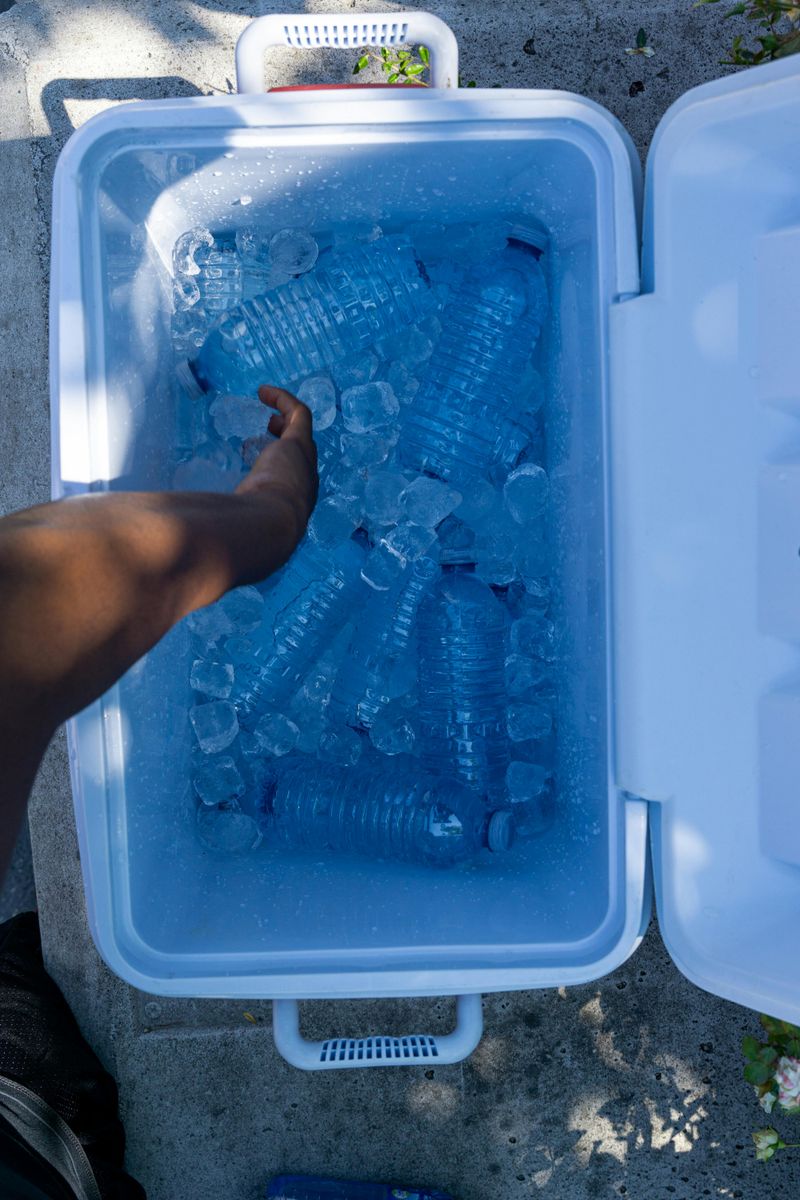
This one hits like a story someone refused to let repeat. Louisiana makes it unlawful to abandon airtight ice boxes or similar containers where children can get inside.
The rule sounds old-fashioned until you picture a heavy lid and quiet yard.
Curiosity plus a sealed door is a hazard that does not care about the date on a calendar.
I picture a parish bulletin board reminding folks to remove latches or doors. The fix is simple, and the stakes are impossibly high.
The law’s phrasing covers more than just ice boxes, which is the smart part.
Any airtight container in a reachable spot is getting legal attention.
Do I think about this now when I see scrap on the curb? Every time, honestly, because the mental image does not let go easily.
Louisiana turned a cautionary tale into a clear duty. It is neighborly, practical, and exactly the kind of quiet heroism laws should aim for.
10. White Or Albino Alligators Get Special Legal Protection

If you ever spot a white or albino alligator in the wild, consider it a living unicorn with paperwork. Louisiana specifically prohibits taking one from the wild.
These rare animals need every advantage to survive, and visibility is not doing them favors.
The law steps in to keep curiosity from turning into capture or worse.
I think of a quiet boardwalk near a state refuge where everyone whispers automatically. You feel like you walked into a chapel built of cypress and light.
The statute’s clarity takes pressure off wardens and onlookers alike. No souvenirs, no relocations, no would-be backyard mascots.
Does that feel heavy for a casual swamp stop? Maybe, but the reverence fits Louisiana’s long relationship with wetlands and wildlife.
So if luck hands you a glimpse, treat it like a secret and move on.
The best story is the one that swims away untouched.
11. Masks In Public Can Be Illegal In Louisiana

This statute always surprises people who assume masks are just costumes and parties. Louisiana restricts wearing a hood, mask, or facial disguise in public when it conceals identity.
There are exceptions baked in for events and practical needs, but the baseline is caution.
The law focuses on the intent to hide, not the outfit itself.
I picture a courthouse lawn in a small parish with a tidy sign summarizing the rule. Folks heading to a festival know when to keep face coverings obvious and temporary.
The idea is balance, which Louisiana handles with a pretty steady hand. Celebrate big, then walk the streets recognizable again.
Does it sound strict against the backdrop of Mardi Gras? A bit, though permitted events create lanes where the joy can safely live.
So check the local guidance before you suit up too dramatically.
The best costume still lets the city see you when the music fades.
Dear Reader: This page may contain affiliate links which may earn a commission if you click through and make a purchase. Our independent journalism is not influenced by any advertiser or commercial initiative unless it is clearly marked as sponsored content. As travel products change, please be sure to reconfirm all details and stay up to date with current events to ensure a safe and successful trip.
