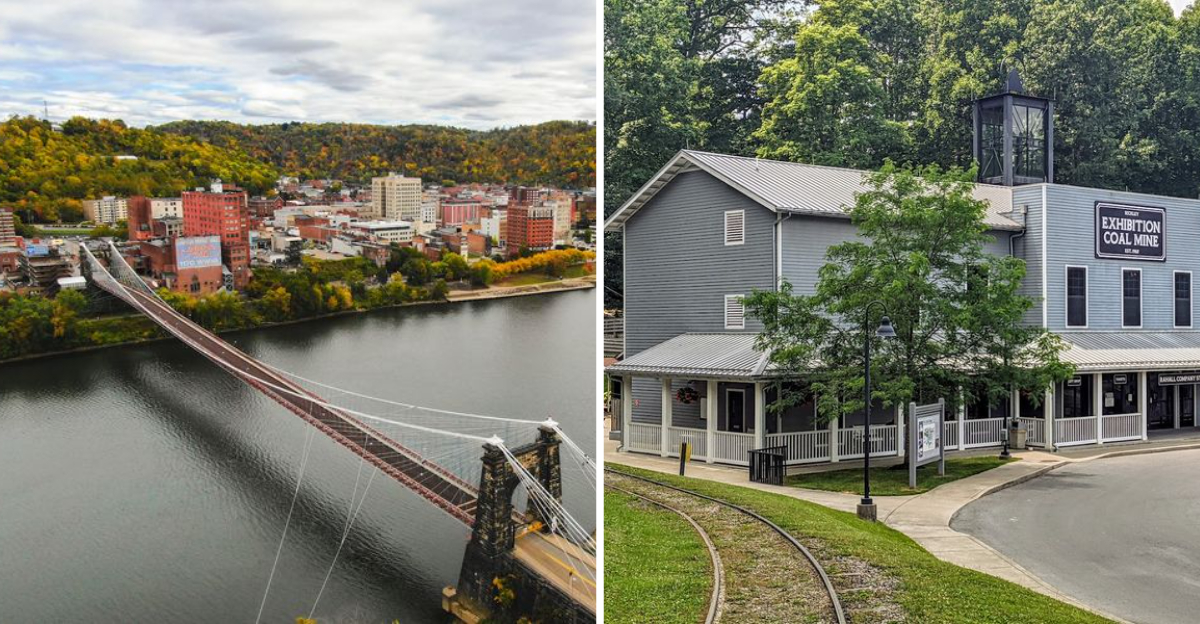
Some places in West Virginia are fighting a quiet battle. You will not see it on the news every night, but the numbers do not lie.
Jobs are vanishing. Young people pack up and leave.
Tax revenues shrink, and with them go the schools, the shops, the sense of a future.
These towns once hummed with coal dust and hard work.
Now the streets feel a little too empty on a Saturday afternoon. What happens when the engine of a community stalls?
The question is not just economic. It is deeply personal.
Families who have lived in the same valley for generations are asking how much longer they can hold on. West Virginia has seen tough times before.
But this feels different. Slower. Quieter.
And in some ways, that makes it even harder to watch.
1. Welch, West Virginia
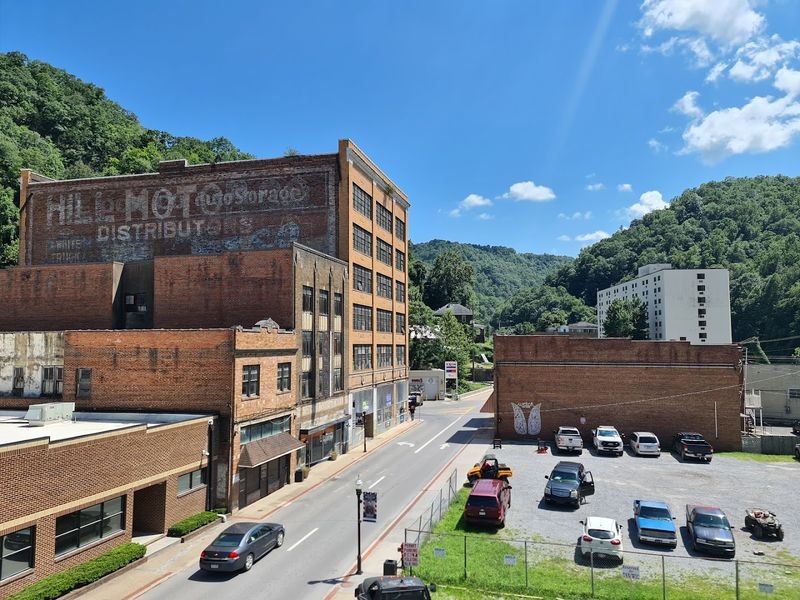
Welch sits in one of the tightest valleys in McDowell County, and the moment you arrive, you feel the weight of what used to be here. At its peak, McDowell County held nearly 100,000 people.
Today, fewer than 17,000 remain, and the numbers keep sliding.
The coal economy that once made Welch thrive has all but evaporated. Mechanization wiped out thousands of mining jobs starting in the 1950s, and production has continued falling ever since.
Between 2020 and 2025, McDowell County lost 11.7% of its population, one of the steepest drops in the entire state.
What’s left is a town trying to hold itself together with fraying threads. Local restaurants still serve honest, home-cooked meals, the kind with cornbread and pinto beans that remind you food is community.
But fewer customers walk through those doors each year.
Tax revenues have shrunk dramatically as property values dropped and businesses closed. Schools struggle to justify operating costs for shrinking student populations.
The financial math just doesn’t work when your tax base keeps walking out the door.
Welch is not giving up quietly though. Small efforts to revitalize the downtown are visible.
Resilience runs deep in these hills, and the people who remain carry that spirit with them every single day.
2. Williamson, West Virginia
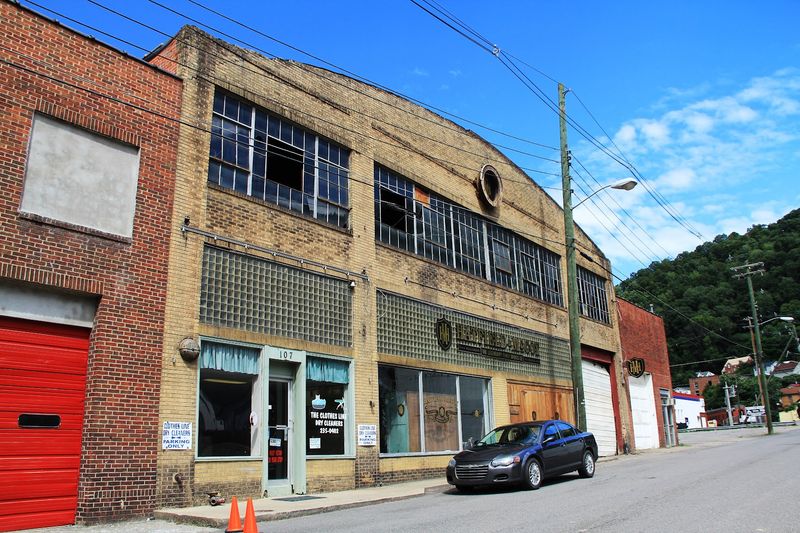
Williamson earned the nickname ‘The Coal Capital of the World’ back when that title meant something extraordinary. Sitting right on the Tug Fork River along the Kentucky border, this town once hummed with railroad activity and mining commerce.
Those days feel distant now.
The decline of coal production, which has dropped over 65% statewide since 2005, hit border towns like Williamson especially hard. Fewer mines meant fewer paychecks, and fewer paychecks meant fewer people staying put.
Young residents in particular have been leaving for cities in neighboring states where job markets are more diverse.
West Virginia has the lowest labor force participation rate in the entire country. That statistic lands differently when you’re standing in Williamson watching storefronts sit empty on a Tuesday afternoon.
The town’s tax revenues have thinned out alongside its population.
Still, Williamson’s food culture remains something worth celebrating. Local diners serve up plates of country ham, biscuits, and slow-cooked greens that carry decades of Appalachian tradition.
Eating here feels like a genuine act of connection to place and history.
Efforts to attract remote workers through state incentive programs give Williamson a sliver of hope. Broadband access remains limited, but the will to find new economic footing is real and present in this resilient river town.
3. Logan, West Virginia
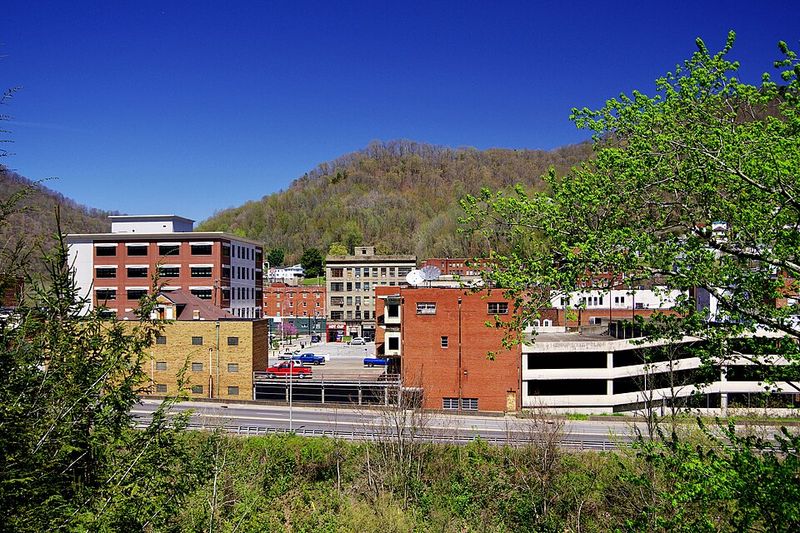
Logan County carries a legendary name in West Virginia history, tied to the famous Mine Wars of the early twentieth century.
Coal built this place and coal has been slowly dismantling it, not out of spite, but simply because the market moved on and left Logan behind.
The population of Logan has been declining steadily, part of a broader pattern that has seen southern coalfield counties lose 5% of their residents between 2020 and 2025 alone.
Families that have lived in these hollows for generations are making the painful choice to leave.
Job losses ripple outward fast in a town like Logan. When a mine closes or a business shuts down, the effect hits the grocery store, the auto shop, and the school system all at once.
Municipal governments face the cruel irony of maintaining the same infrastructure for a shrinking population with a smaller tax base.
Food here anchors everything. Church potlucks, roadside bean-and-cornbread joints, and family-owned diners keep the social fabric from completely unraveling.
There’s a generosity in Appalachian food culture that no economic report can quantify.
Logan still has its mountains, its river, and its stubborn sense of identity. Programs encouraging rural entrepreneurship, particularly among women business owners, are starting to plant new seeds.
Growth from those seeds may come slowly, but it is coming.
4. Bluefield, West Virginia
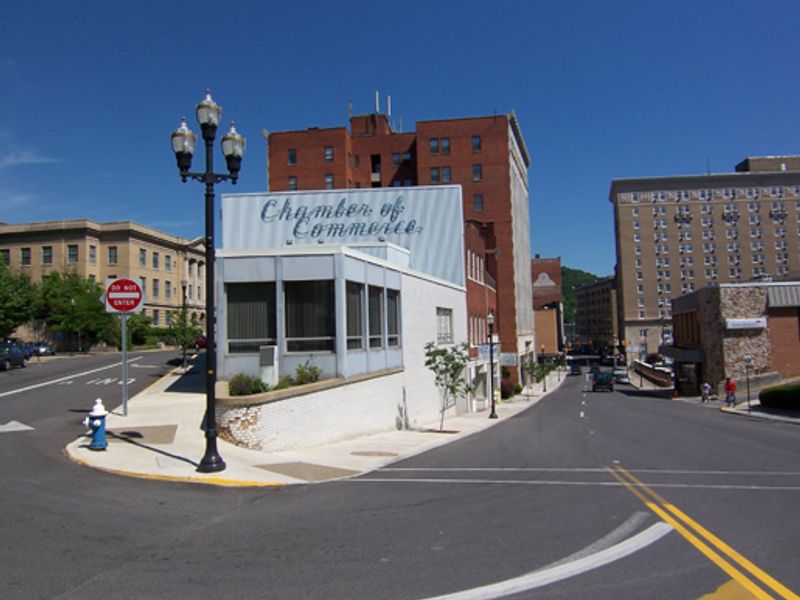
Bluefield straddles the Virginia border with a kind of split personality, part mountain city, part struggling small town, entirely West Virginian in its grit.
The city was once a major rail hub for coal shipments heading east, and that heritage still echoes in its architecture and layout.
The economic hollowing-out that hit coal communities statewide has reached Bluefield too. With only around 14,000 people currently employed in West Virginia’s entire coal industry, towns that built their identity around that sector are scrambling to adapt.
Bluefield’s population has followed the statewide trend downward.
High utility and transportation costs make it harder for small businesses to survive here. Rural communities across West Virginia face these compounding burdens, and Bluefield is no exception.
Fewer businesses mean fewer jobs, which means fewer residents, which means less tax revenue collected. The cycle feeds itself.
What Bluefield does have is a food scene rooted in real Appalachian tradition. Homemade pies, slow-roasted meats, and seasonal produce from nearby farms make their way onto local tables in ways that feel genuinely nourishing.
Food here is not trendy; it’s honest.
State programs offering outdoor recreation passes and remote-work incentives are targeting places like Bluefield. The surrounding natural landscape, rugged and beautiful, could become an economic asset if the right infrastructure investments follow through.
5. Weirton, West Virginia
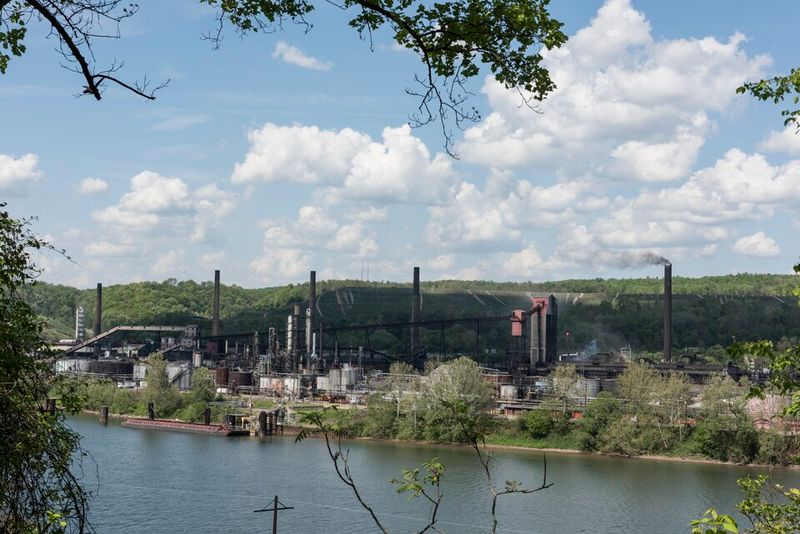
Weirton’s story is inseparable from steel. The Weirton Steel plant once employed thousands and made this narrow panhandle city one of the most economically vital spots in the entire state.
When the plant declined and eventually closed its major operations, the wound it left never fully healed.
Unlike the coal towns of southern West Virginia, Weirton’s losses came from deindustrialization rather than mining collapse.
But the result looks remarkably similar: shrinking population, reduced tax revenues, and a municipal government trying to deliver services on a tighter and tighter budget.
West Virginia as a whole lost over 82,000 residents between 2012 and 2022. Weirton contributed to that number as younger residents left for Pittsburgh, Columbus, and other regional cities with more diverse job markets.
The labor force participation rate in communities like this one reflects deep structural unemployment.
Despite the economic headwinds, Weirton’s food culture holds warmth. Pierogi festivals, church dinners, and family-owned delis reflect the Eastern European immigrant heritage that shaped this city.
Eating here connects you to a working-class story told through food rather than headlines.
Weirton is exploring new economic development strategies, including attracting small manufacturers and tech-adjacent businesses.
The Ohio River waterfront offers genuine potential for tourism and recreation investment that could bring new energy to this proud northern panhandle community.
6. Parkersburg, West Virginia
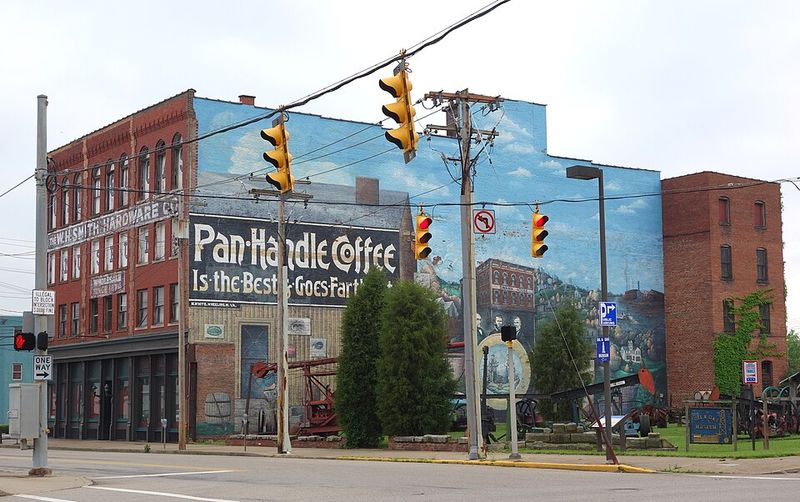
Parkersburg sits where the Little Kanawha meets the Ohio River, and for much of the twentieth century, that geography made it a commercial powerhouse for the region.
Chemical manufacturing, oil refining, and trade kept the city moving at a healthy clip for decades.
The economic diversification that made Parkersburg slightly more resilient than coal-dependent towns has not made it immune to West Virginia’s statewide population trends. Residents have been leaving, and the city’s tax base has felt the pressure.
The 21% income tax cut implemented in 2023 is projected to cost the state hundreds of millions annually, adding strain to already stretched municipal budgets.
Parkersburg’s poverty rate reflects the broader West Virginia reality, where 16.6% of residents live below the federal poverty line. That statistic represents real families making hard choices about groceries, utilities, and futures.
The food scene along Parkersburg’s main streets still delivers genuine comfort. River town cooking here leans toward hearty breakfasts, fresh-caught fish fries, and desserts that require no explanation or apology.
There’s a pride in feeding people well that persists regardless of economic conditions.
Parkersburg’s downtown revitalization efforts have shown some traction. Historic preservation projects and small business grants have brought new life to several blocks.
The Ohio River waterfront remains an underutilized gem with real tourism potential waiting to be unlocked.
7. Huntington, West Virginia
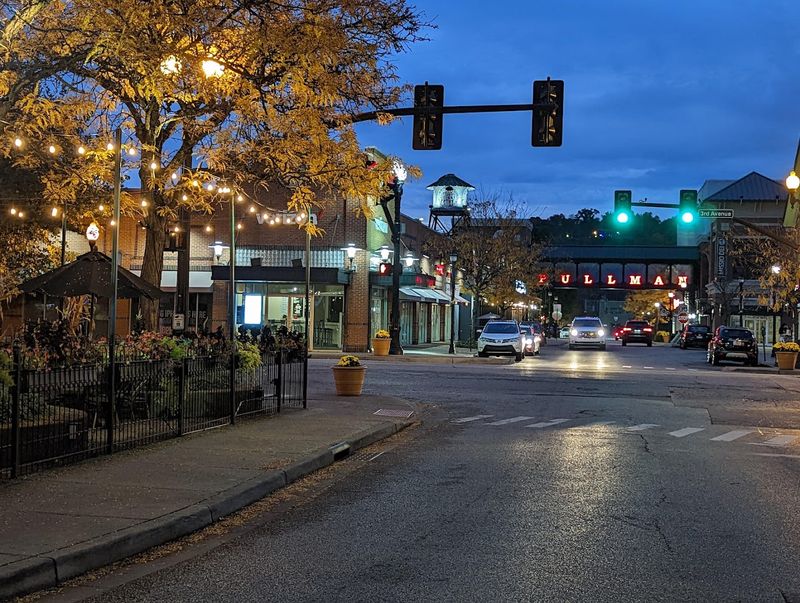
Huntington is home to Marshall University, which gives it an energy and institutional anchor that many struggling West Virginia cities lack. Even so, Huntington has not escaped the statewide pattern of population loss.
Major urban areas like Huntington are declining alongside rural communities, signaling that this is a systemic challenge, not just a rural one.
The city faces compounding health challenges that mirror statewide trends. West Virginia has some of the highest rates of heart disease, diabetes, and obesity in the country.
These health burdens affect workforce productivity and strain local healthcare systems that are already underfunded.
Huntington made national headlines for its opioid crisis, a crisis rooted partly in the economic despair that comes when jobs vanish and hope follows. Recovery efforts have been real and meaningful, and the community’s determination to address the problem head-on is genuinely admirable.
Food in Huntington ranges from Marshall University tailgate culture to longstanding family diners that have served the same recipes for forty years.
There’s a particular joy in finding a spot that knows exactly what it’s doing and has been doing it without interruption for decades.
New investment in healthcare, education, and small business development is slowly reshaping Huntington’s economic profile. The city’s location on the Ohio River and its university community give it tools that other struggling West Virginia cities simply do not have available.
8. Charleston, West Virginia
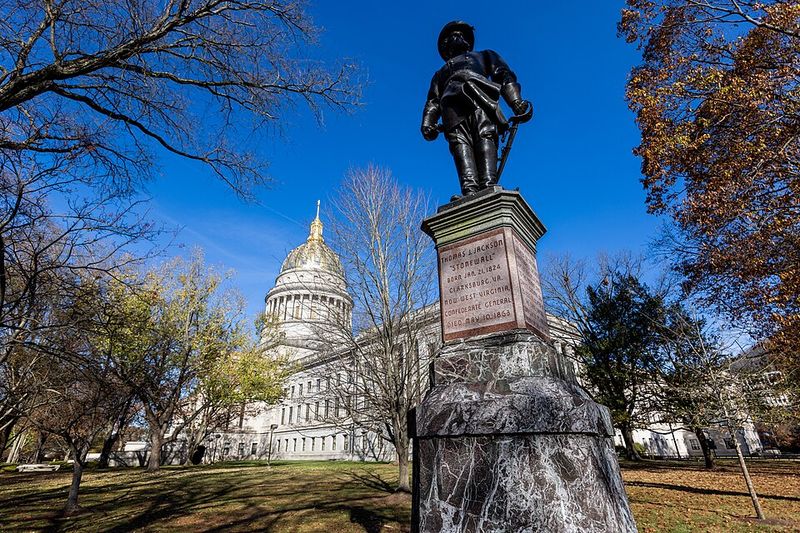
Charleston carries the weight of being West Virginia’s capital city while simultaneously dealing with the same fiscal pressures that are squeezing smaller towns across the state.
The gold dome of the State Capitol gleams above the Kanawha River, but the budget conversations happening inside that building are increasingly difficult ones.
The 2023 income tax cut, intended to stimulate growth and attract new residents, is now projected to create a $400 million budget shortfall in the coming year.
For a state already managing population decline and reduced severance tax collections from shrinking coal production, that is a serious fiscal hole to fill.
Charleston’s population has been declining too, which surprises people who assume capital cities are immune to these trends.
Government employment provides some stability, but it cannot fully offset the broader economic forces pulling residents toward other states with more diverse opportunities.
The food culture in Charleston is one of the city’s genuine bright spots. Farm-to-table concepts sit alongside beloved meat-and-three lunch spots that have fed state workers and locals alike for generations.
The city’s restaurant scene reflects both Appalachian tradition and a growing appetite for something new.
Charleston’s arts district and riverfront development have added cultural energy to the downtown core.
These investments matter because livability attracts people, and attracting people is exactly what West Virginia’s capital needs most right now to reverse the outward flow of residents.
9. Wheeling, West Virginia
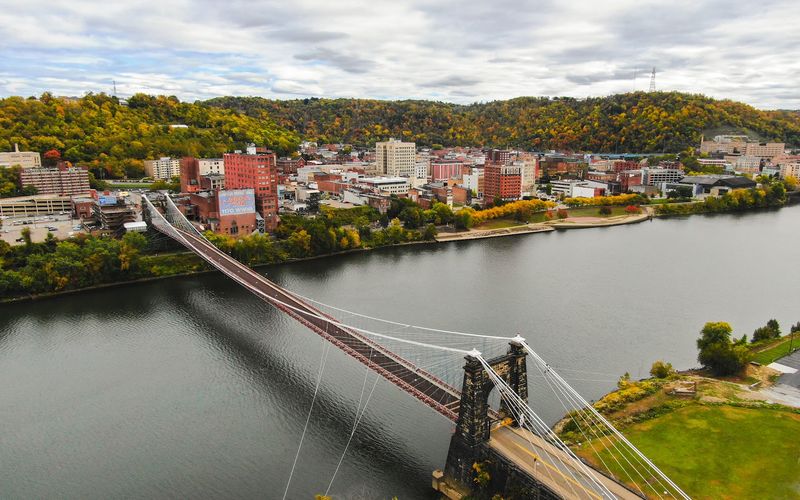
Wheeling was once one of the most important cities in the entire country. Its position on the Ohio River and along the National Road made it a gateway to the American West in the nineteenth century.
The Wheeling Suspension Bridge, still standing, is a reminder of just how central this city once was to American ambition.
Today, Wheeling is working hard to recapture some of that relevance. Population decline has hit the city steadily, as it has most of West Virginia’s urban centers.
Fewer residents mean lower property tax collections, reduced business and occupation tax revenues, and harder decisions about which city services to maintain.
West Virginia has one of the oldest populations in the nation, and Wheeling reflects that demographic reality. An aging population creates greater healthcare demands while simultaneously reducing the working-age labor force available to fill jobs and generate tax revenue.
Wheeling’s food culture is a genuine draw. The city’s Italian heritage, brought by immigrant workers generations ago, shows up in its bakeries and family restaurants in ways that feel authentic and deeply rooted.
A slice of pepperoni roll here is practically a civic ritual.
Wheeling has invested in its arts scene, historic preservation, and outdoor recreation access in recent years. Those investments are starting to attract remote workers and young families who want character, affordability, and natural beauty.
The comeback story is still being written, and it has real momentum.
10. Beckley, West Virginia
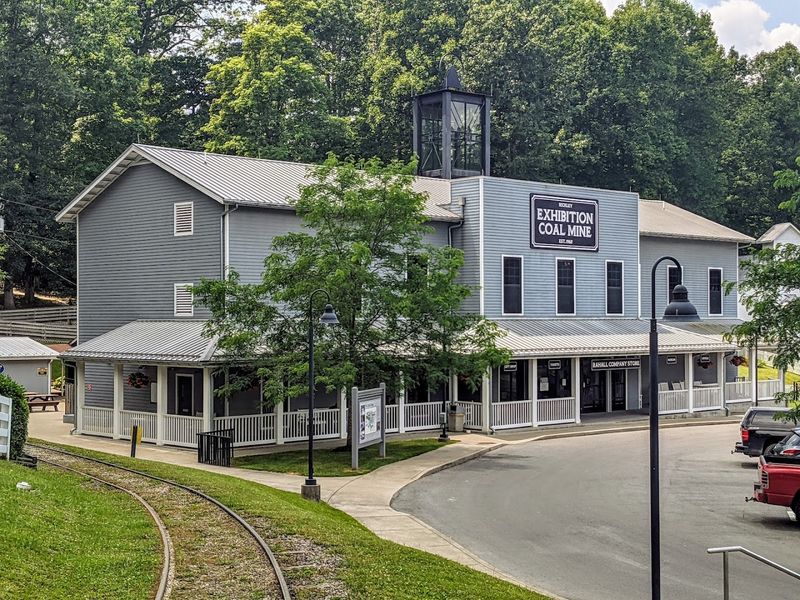
Beckley sits at the edge of some of the most dramatic natural scenery in the eastern United States.
The New River Gorge National Park is practically in its backyard, which gives this Raleigh County city something most struggling Appalachian towns simply cannot claim.
That outdoor asset is becoming increasingly central to Beckley’s economic identity.
Coal built Beckley and the surrounding region, and the industry’s decline has left real marks. Fewer mining jobs mean fewer paychecks circulating through local businesses.
Tax revenues from coal severance have dropped significantly as production statewide fell over 65% since 2005. Local governments are managing that loss in real time.
Broadband access remains a stubborn challenge in and around Beckley. Only 79% of West Virginia households have a broadband subscription, ranking the state fifth-lowest in the country.
For a city trying to attract remote workers and new businesses, limited internet access is a genuine obstacle to growth.
Beckley’s food scene blends Appalachian tradition with the energy of a town that knows tourists are paying attention.
Homestyle cooking anchors the local dining landscape, with soup beans, cornbread, and blackberry cobblers that taste like they’ve been made the same way for a very long time.
The proximity to New River Gorge National Park gives Beckley a tourism foundation that is growing year over year.
Adventure tourism, outdoor recreation, and heritage travel are drawing visitors who stay, eat, and spend money in ways that are slowly reshaping the local economy.
