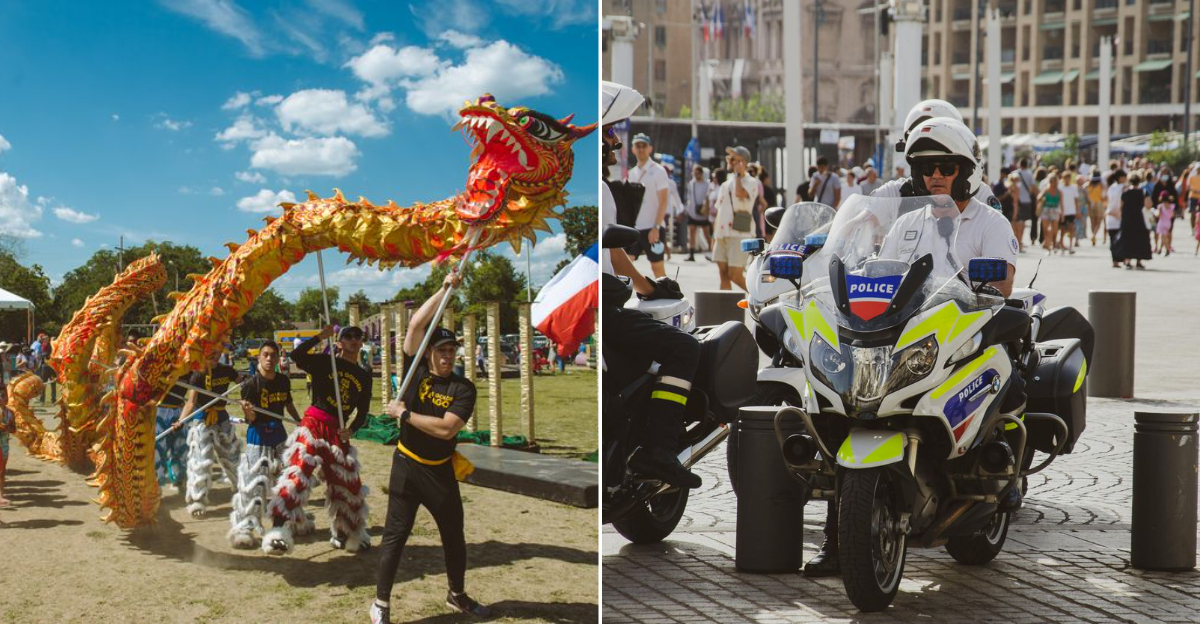
Step onto a Louisiana festival street and it feels like the volume knob on real life gets turned up fast. Music leaks from balconies, strangers pull you into conversations, and the whole scene moves with a confidence that makes everything feel allowed.
That energy is magnetic, but it also blurs judgment quicker than people expect. What seems like a harmless, in-the-moment choice can suddenly turn into a very official conversation with an officer who is immune to charm and excuses.
I have watched visitors get tripped up by rules they did not even realize existed until they crossed one. These are not dramatic mistakes, just small misreads amplified by the chaos.
Before you dive headfirst into the color and noise, it helps to know where the real boundaries are so the stories you take home are the fun ones.
1. Ignoring Police Instructions During Crowd Control
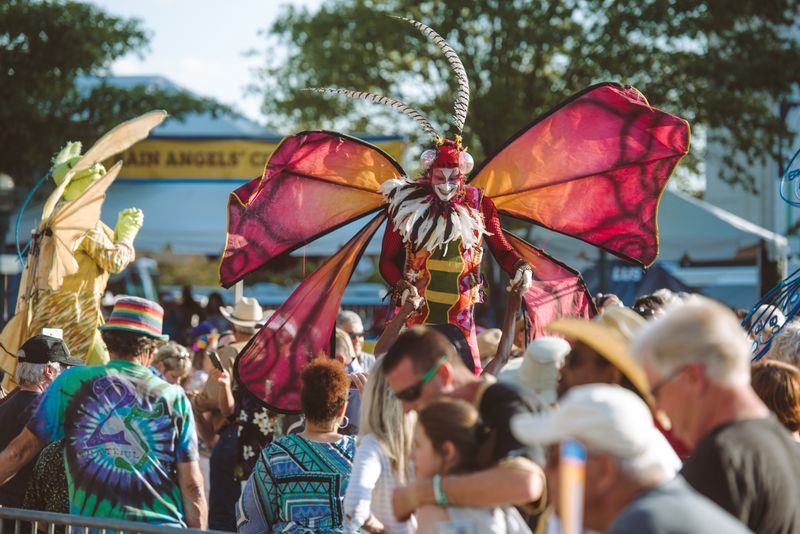
There is a moment when the music swells and the street turns into a river, and that is exactly when officers start guiding people like traffic. If you push against that current, you end up flagged as the problem.
It is not personal when they block a lane or hold a corner.
Usually there is an ambulance route or a float turning radius or a sudden pinch that could crush a stroller if people do not shift fast.
I have been redirected down a side street that felt totally wrong, and within minutes it reopened like nothing happened. That quick detour keeps the whole event balanced.
Arguing in the middle of a crowd only raises the temperature. One firm request ignored can turn into detention before you even finish your sentence.
My trick is to make eye contact, nod, and move with the group. It reads as cooperation, and it keeps you off the radar while everything resets.
In Louisiana, officers at festivals handle waves of humanity with limited patience for freelancing.
If a hand goes up and points, follow the finger, then circle back later.
Your night will end smoother if you treat those moments like a temporary yield sign. Fights with authority on a packed street never age well in the retelling.
2. Open Container Violations Outside Designated Zones

Here is the quiet trap that surprises people the minute the music fades at the edge of the route. You stroll past a barricade with a cup, thinking the party stretches forever, then those blue lights flick on like a stage cue.
Different Louisiana cities carve out specific festival footprints where street carry is fine, and the second you step beyond that, you are in violation. It is a weird mental switch, because one step feels the same as another, but the law changes with the map.
I have watched folks plead that they did not see the sign, and sometimes the sign is hiding behind a crowd cluster. That still does not make the citation disappear, and it definitely does not calm the officer.
Your best move is simple. Finish before you leave the zone, or toss it at the last trash can inside the line.
If you are unsure, ask a volunteer standing near the barriers. They usually know the exact block where the rules flip, and they will point you back without the drama.
Night makes the borders feel fuzzy, especially when the streetlights glare off wet sidewalks. Treat every corner like it might be the edge until you confirm otherwise.
I mark landmarks in my head, like a mural or a marquee, so I remember where the boundary sits. It is a tiny habit that keeps a fun night from getting official way too fast.
3. Climbing Parade Floats Or Restricted Structures
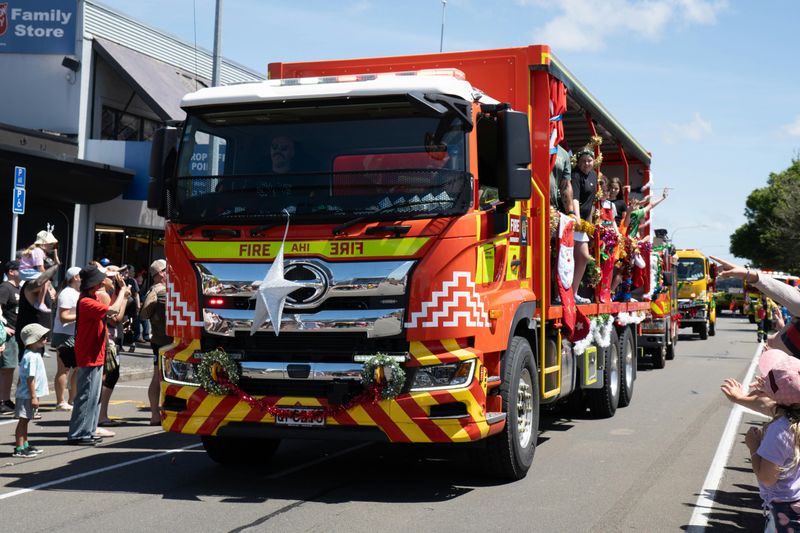
I get the impulse, because those floats look like moving playgrounds with glitter glued to thunder. But climbing anything that rolls, rises, or sways will land you on the ground and then straight into a problem.
Crews spend months building floats, and the insurance rules are no joke.
If you latch onto a rail or try to hop a platform, someone in a safety vest will move fast, and an officer will be right behind them.
Street furniture is not safer. Lamp posts, balconies, scaffolds, and even low stages are considered off limits during active parades.
I once saw a guy try to climb a speaker stack for a better view. He did not make it higher than one grip before security plucked him back like a cat from a curtain.
The thing folks forget is that falling is only the first risk. Interfering with a moving float is treated as a safety violation for everyone nearby, and that bumps the stakes up quick.
Want a better angle? Step back to a cross street and let the procession curve toward you, which naturally opens the view without any gymnastics.
In Louisiana, parades feel personal, but the hardware is still a work site on wheels.
If you would not hang from a truck at home, do not do it here just because there are sequins.
4. Blocking Emergency Routes For Photos Or Videos
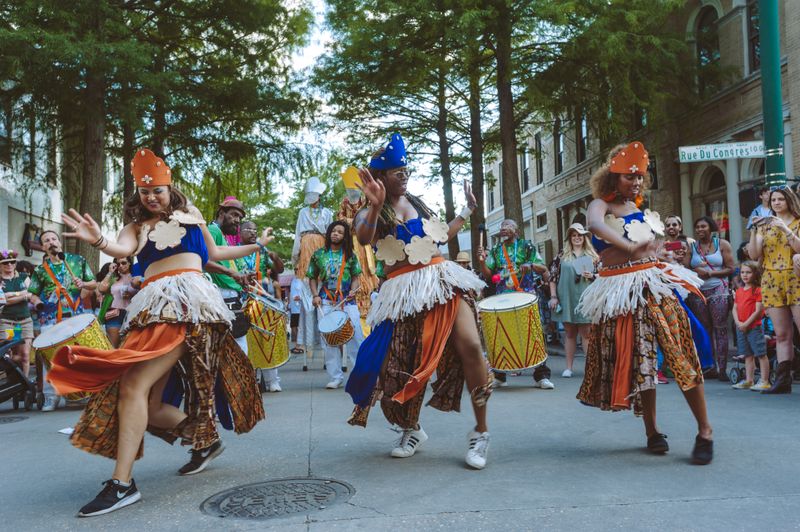
I know the shot looks amazing from dead center, but those open lanes are not decorative stripes. They are how medics and staff move when seconds actually matter.
Festival maps usually mark these paths with cones, tape, or chalk arrows.
The markings do not always glow, but crews repeat them along the route so drivers can find daylight in a stampede.
I have seen a tiny golf cart ambulance thread through a sea of people while someone posed for a video. The whole cart had to idle until the influencer finished a take.
That is the kind of pause that gets security tense. A simple side step would have kept everybody breathing easier.
If you want a clean angle, slide to the curb and wait for a lull between floats.
The crowd naturally opens, and you get motion without being an obstacle.
In Louisiana, parades are choreography, and you are part of it whether you planned to be or not. Staying clear of those stripes is the smallest way to keep the dance moving.
Your memory still lands without standing in the only lane an ambulance can use. Let the pros have their runway, and you will have your video plus no lecture.
5. Throwing Items During Parades Or Performances
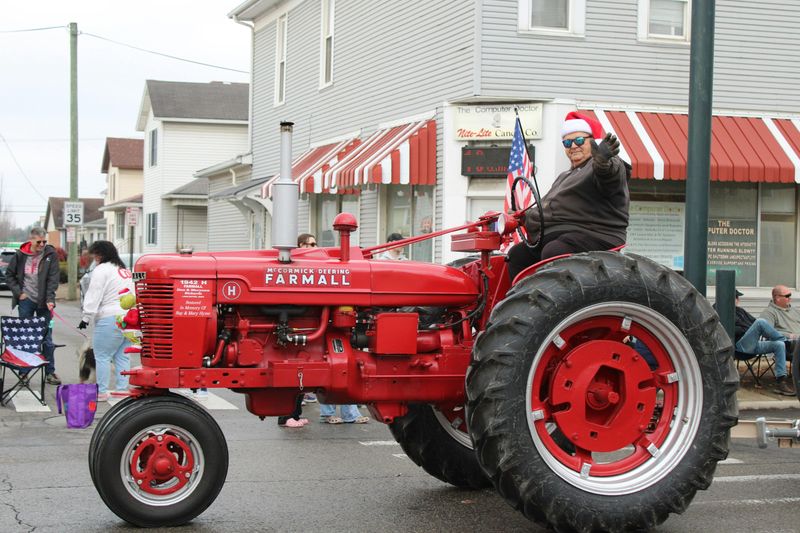
Catching beads is part of the fun, sure, but throwing anything back changes the mood in a heartbeat. Crews have eyes forward, and anything airborne becomes a safety risk they did not sign for.
Even soft stuff stings when it surprises a driver or a dancer hopping off a curb.
One toss can knock off balance someone who is moving blind behind a mask.
I watched a good moment sour when a fan flung a trinket toward a drumline. The hit was nothing, but security treated the throw like a warning sign, and that was that.
Keep your hands as a one way street. You can wave, you can cheer, you can catch, but you do not return fire.
If you really want a swap, hold up a sign and wait for a nod.
Plenty of crews are happy to pass something down safely when the route allows.
Louisiana parade etiquette is simple on this point. Stuff moves from float to crowd, not the other direction, and everyone gets home unbothered.
Your souvenirs ride in your bag, not through the air. It is the difference between celebration and a quick talk with security that ends your night early.
6. Trespassing Into Staff Only Or Performer Areas
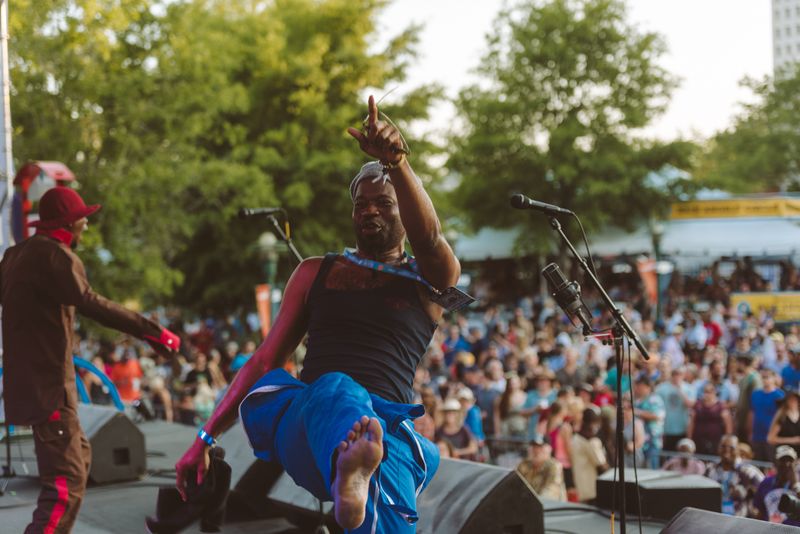
Backstage looks like magic from the gap in the fence, but inside it is cables, deadlines, and people on headsets counting down. Step through without clearance and you just became the problem in their timeline.
Wristbands, badges, and stamps are not decoration at these events.
Each one ties to a zone, and the folks checking them know exactly who should pass at which gate.
I have seen people try the confident walk. It only gets you as far as the first crew member who has been spun around all day and is not playing along.
The fastest way to a citation is ignoring a simple no at a zipper barrier. That is where security stands, and they are watching more than the opening in front of you.
Curious about the setup? Ask a volunteer if there is a sanctioned viewing area near the stage wings where public can see without blocking work.
Louisiana festivals run on volunteers and tight schedules that do not have room for tourists wandering into load lanes.
Treat those back paths like you would a hospital corridor, which is to say, not for you.
You will see more from the front anyway. The show was built for the crowd, and the good angles are out where the cheering lives.
7. Disorderly Conduct During Street Celebrations
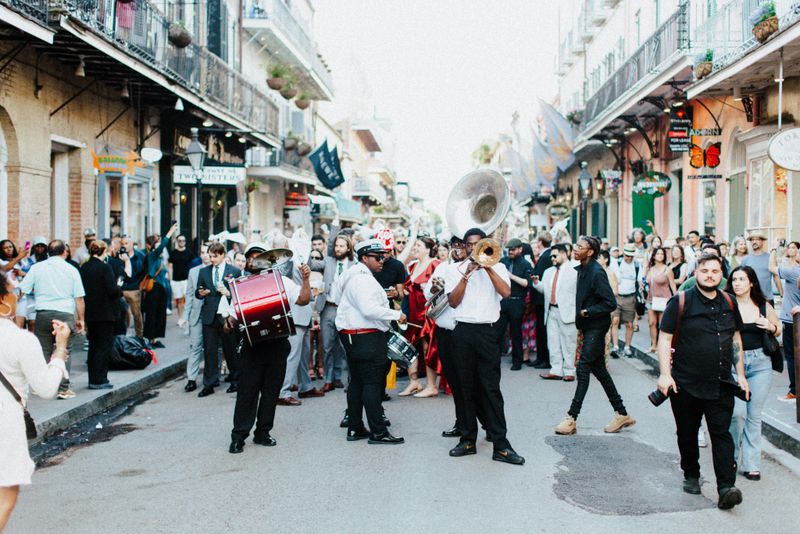
Street celebrations feel like permission to crank every dial, yet there is still a line your neighbors can feel even if you cannot.
When your volume turns into a scene, that is where disorderly lives.
It is not just shouting. It is blocking walkways, knocking into people, or turning attention away from the procession so security has to babysit instead of protect.
I have pulled friends aside when the crowd around us went tight and quiet. That silence is the tell that you are becoming the show nobody wants.
Take a breath, step to the curb, and reset your energy. Most tense moments die fast if you change the setting by half a block.
Louisiana crowds are generous, but they clock behavior shifts quick. If you sense shoulders tightening, treat it like a weather alert and move.
Two sentences can fix a mess: you good and let us cool off.
You would be surprised how fast tempers deflate when someone gives an easy exit.
Save the story for later when the street is laughing again. That way the only thing you leave with is a memory, not paperwork.
8. Unauthorized Vending Or Selling Merchandise

I get why people try to flip souvenirs when the crowd is rolling, because eyes are hungry and hands are open. Still, selling without a permit is a straight path to a citation.
Cities in Louisiana lock vendor zones to protect safety and keep sidewalks clear.
Officials also want tax records tidy, and a rogue table creates headaches they will not ignore.
I have watched pop up sellers fold a blanket the second a marshal turned the corner. That scramble is a sure sign the paperwork was never there.
If you want to support artists, look for the designated stalls with visible badges. Those folks fought through the process and can answer simple questions without flinching.
Setting up your own thing, even small, reads as cutting the line. Event staff will move you along fast, and if you resist, it escalates.
There are often community markets tied to festival weekends where newcomers can apply legit.
That is where your hustle belongs if you want to keep the vibe clean.
Walk away with art, not an infraction pinned to your night. The street is a stage, but the sales table needs a backstory and a permit.
9. Physical Altercations Fueled By Festival Crowds
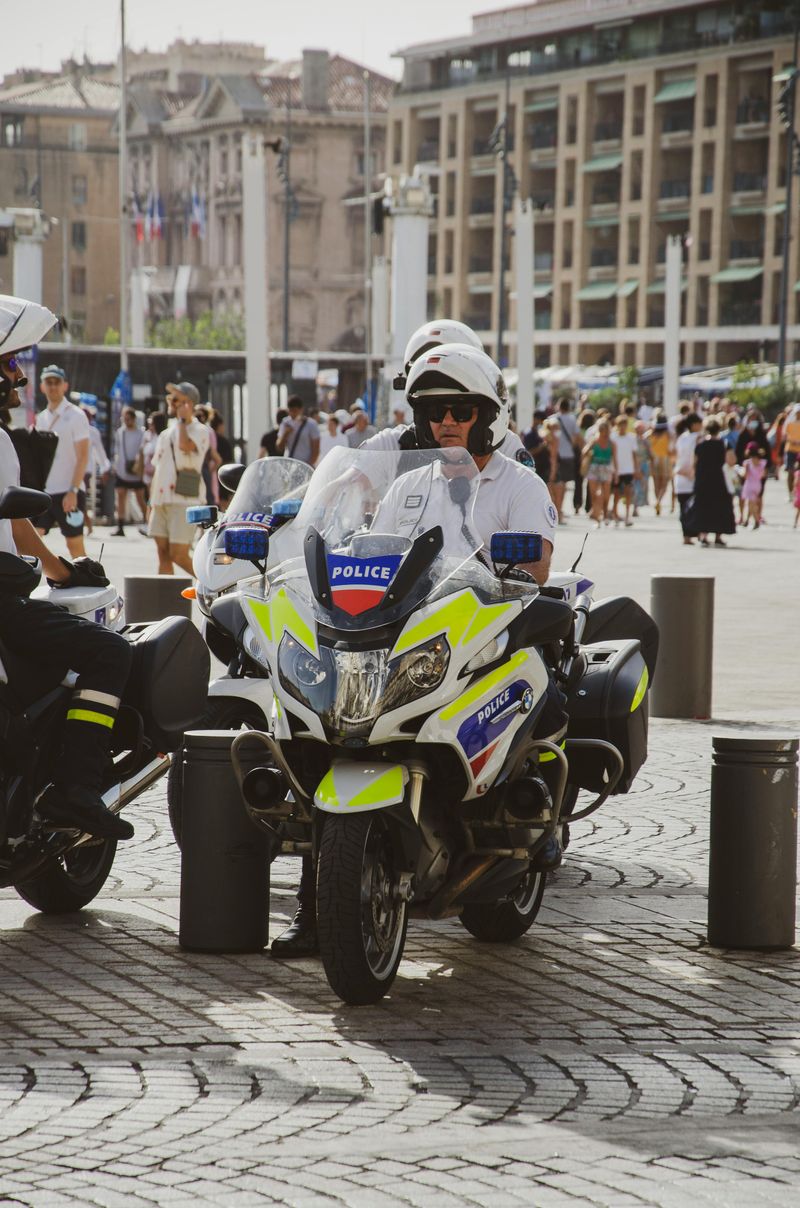
Crowds compress feelings the way heat thickens air, and little bumps turn into spark plugs. A shoulder check mixed with noise can look like intent even when it is just physics.
I have stepped between strangers with a palm up and a calm voice.
That tiny pause lets both sides remember they came to dance, not square up.
Once hands go up, intervention changes. Officers and security treat it as a safety threat rather than a disagreement, and the consequences get real.
Your smartest move is to step back two paces and reset the frame. Distance makes it obvious that space ran out, not manners.
Louisiana streets can feel like a friendly living room, but it is still public space with rules that tighten fast when tempers rise. Keep your tone low and your hands visible, and invite a breath instead of a story.
If someone is set on a fight, break the audience by guiding friends away.
Without a crowd, the moment fizzles nine times out of ten.
You will never regret avoiding a headline in your own travel diary. Let the parade carry the energy while you carry yourself home intact.
10. Interfering With Law Enforcement Or Security
Helping is great until it looks like interference. When someone in uniform is handling a situation, stepping in without being asked can flip your role from witness to obstacle.
I have seen well meaning folks try to translate, film from inches away, or challenge a request while the street is still hot.
That friction slows everything and raises the chance that a small issue grows teeth.
Filming from a respectful distance is usually fine, but crowding a scene is not. Keep a buffer that lets everyone work without your shadow on their shoes.
If you think someone needs advocacy, wait until the moment cools and ask an officer how to help. You will get better answers and fewer raised eyebrows.
Louisiana festival teams coordinate with radios, and you cannot hear that plan from the curb.
Assume there is context you do not have, and give the plan room to breathe.
Your best contribution is clearing space and calming friends. That looks like cooperation, which keeps you off any list you do not want to join.
Remember, attention is a kind of fuel. Do not pour it on a spark just to feel involved.
11. Using Drones In Restricted Airspace
Launching a drone over a crowd feels like a cool idea until you think about blades over heads and the maze of rules above city streets.
Festivals add layers of restrictions that stack higher than your controller can see.
Between federal guidelines, local ordinances, and event specific bans, there are more no than yes around big gatherings. Even licensed pilots can get flagged if the flight lacks clearance for that block.
I watched one lift off from a quiet corner and last less than a minute. Security traced it by line of sight and had the pilot grounded before the battery warmed up.
Signs are not always huge, but they are there. No Drone Zone means exactly that, and the airspace over moving routes is treated as sensitive.
Want aerial vibes? Find a rooftop deck with permission or shoot wide from a garage with a stable railing and keep your feet on concrete.
Louisiana skylines look better when the only thing flying is confetti and weather.
Keep the propellers packed unless you have written approval that matches the map.
Your footage will still sing from street level when the brass rolls by. No shot is worth a citation plus a confiscation story you cannot laugh about later.
12. Refusing To Disperse After Festival Closures

The last song fades, the lights come up, and crews start resetting the street for real life again. Hanging around like the night owes you one is how simple goodbyes turn complicated.
Cleanup moves fast because the city wants traffic flowing and neighbors sleeping.
If officers ask you to clear out, that is not a suggestion with wiggle room.
I have lingered to finish a conversation and seen the tone change when the street sweepers roll in. That sound is the cue that the party is now a work site.
Grab your people, check for lost items, and head toward transit or your hotel. You can always keep talking two blocks over where crews are not tripping on your shoes.
Louisiana hospitality does not include extended loitering on a closed route. When the barricades stack, the clock has run out, and ignoring that can escalate fast.
Make it easy on everyone and treat the exit like part of the choreography.
A clean break keeps your night intact and lets the next day start on time.
You will thank yourself when you wake up rested and unbothered. Nothing ruins a trip like paperwork that started with a stubborn goodbye.
