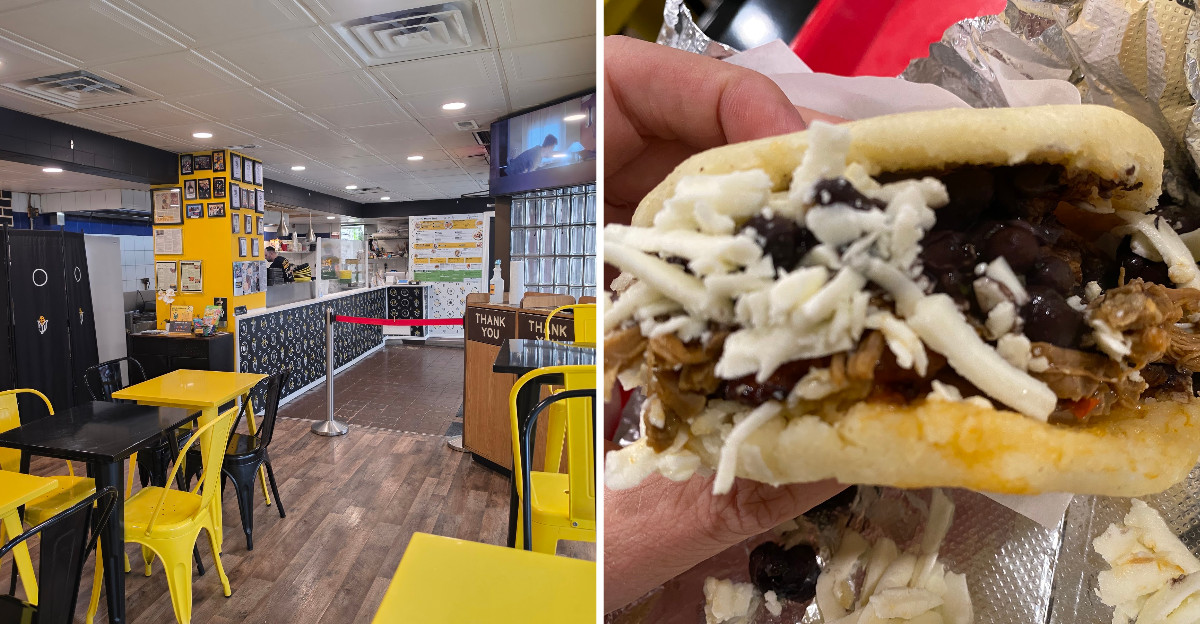
Three backpacks. That was all one Venezuelan family carried when they arrived in Pennsylvania, and they turned it into a restaurant serving the food they grew up eating.
Today, warm corn arepas come stuffed with shredded beef, black beans, sweet plantains, and cheese. The crispy cheese sticks called tequeños even show up filled with guava, which sounds wild until you remember that sweet and salty is basically a love language.
I like how the menu reads like a family recipe box that got very ambitious. Most of it is gluten-free, and a big vegetarian lineup means nobody at the table gets stuck with a sad side salad.
I can’t imagine fitting a whole country’s flavors into a few bags. Yet this family turned a three-backpack beginning into a menu filled with the foods they remembered from home.
Three Backpacks Somehow Held An Entire Country’s Worth Of Recipes
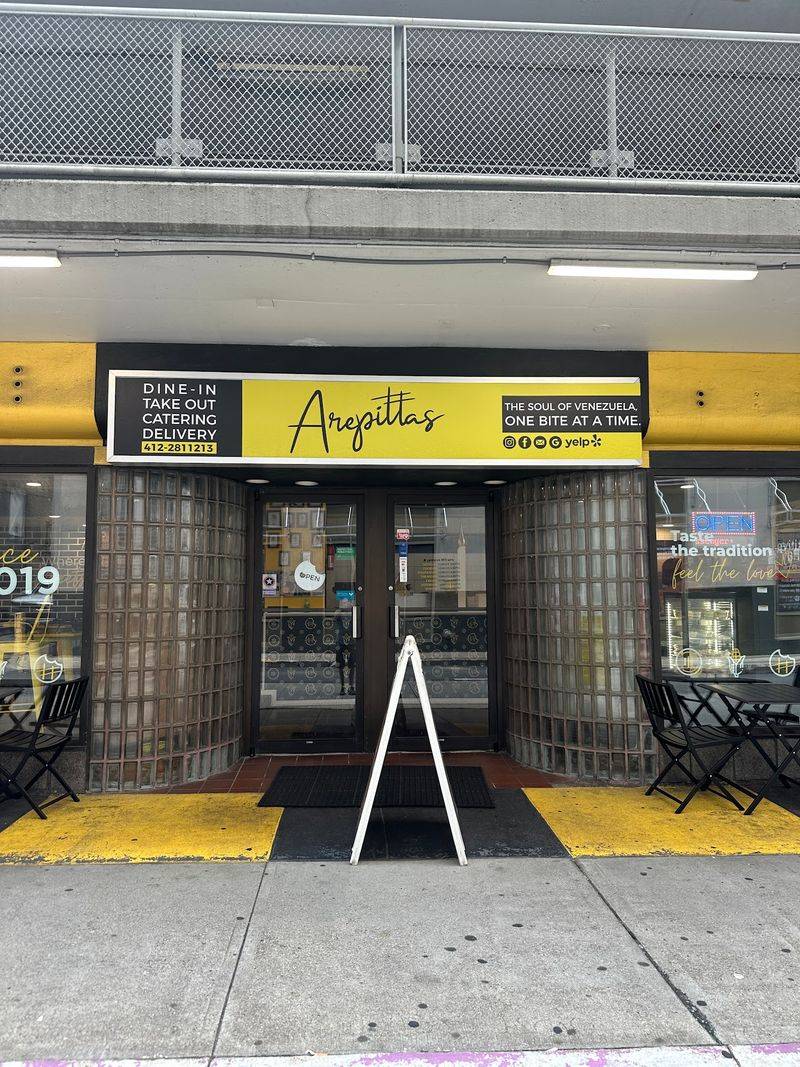
Starting over takes guts, and starting over with three backpacks takes something even bigger. The family behind Arepittas did exactly that, leaving Venezuela behind and landing in Pennsylvania with very little in hand.
What they did carry was harder to pack. Recipes, cooking habits, and a deep love for the flavors of home made the trip in their heads.
Those memories became the base of a restaurant now sitting in downtown Pittsburgh. Venezuelan snacks and hearty plates fill the menu, served in a casual, no-fuss space.
I believe food is one of the easiest ways to share where you come from. You don’t need a passport to understand a warm arepa.
That mix of old home and new home shows up across the whole menu. Venezuelan classics sit right alongside choices built for vegetarians, vegans, and gluten-free eaters.
Their path also shows how small beginnings can grow. Family recipes passed down through generations eventually found a home in a downtown Pittsburgh restaurant.
It’s an inspiring story for anyone who has ever started from scratch. New job, new school, new town, the lesson still fits.
Most of all, the story makes every bite feel a little more meaningful. Lunch tastes better when you know how far the recipes traveled.
Pittsburgh got lucky here. Pennsylvania did too.
Choosing Just One Arepa Might Be The Hardest Part Of Your Day
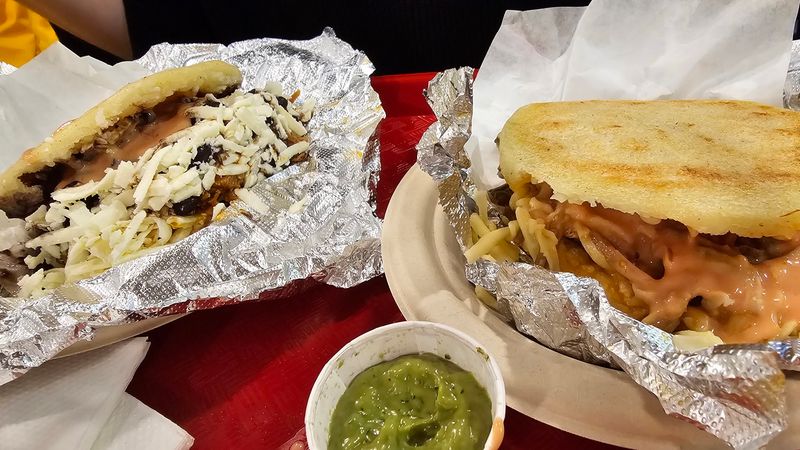
Grilled corn cakes split open and stuffed to the edges are the heart of this place. Arepas are a daily staple across Venezuela, eaten for breakfast, lunch, or dinner.
At Arepittas, the menu offers a long list of fillings. Classic picks include the Reina Pepiada, a chicken and avocado mix with a royal backstory.
Did you know the name honors a beauty queen? Venezuela’s Susana Duijm won Miss World in 1955, and a Caracas cook named this creamy filling after her.
The Pabellon arepa packs shredded beef, black beans, and plantains into one handheld meal. The Llanera arepa leans on steak, a nod to the cattle country of Venezuela’s plains.
Vegetarian and shrimp options round things out nicely. You can build a lineup that changes every visit.
Corn is the base, which matters for many diners. Arepas are naturally made from corn flour, so they fit right into a gluten-free day.
A smart move is ordering two different arepas instead of doubling up on one. That way you get a mini tasting tour without leaving your seat.
Add a sauce on the side for extra punch. The cilantro sauce gets plenty of attention, and it earns that spot.
Honestly, picking a favorite filling could take several trips. Good luck narrowing it down.
Venezuela’s National Plate Shows Up Ready To Impress
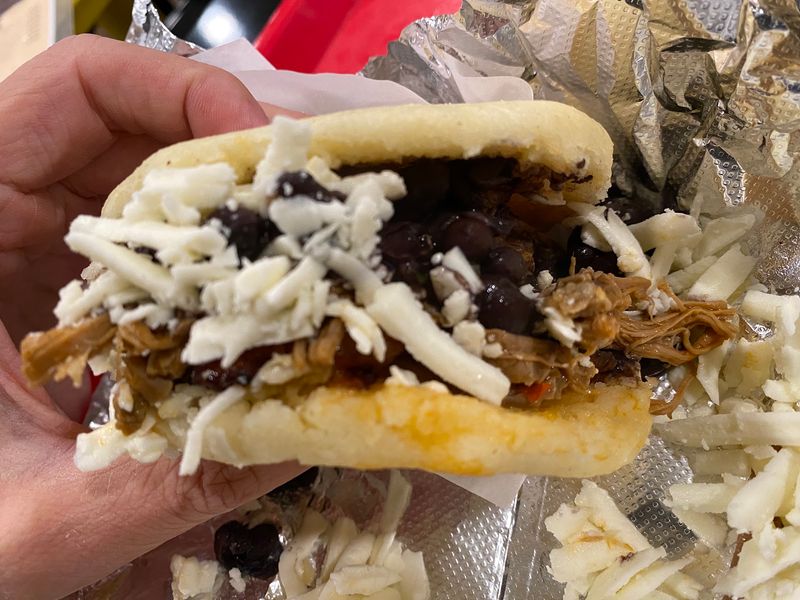
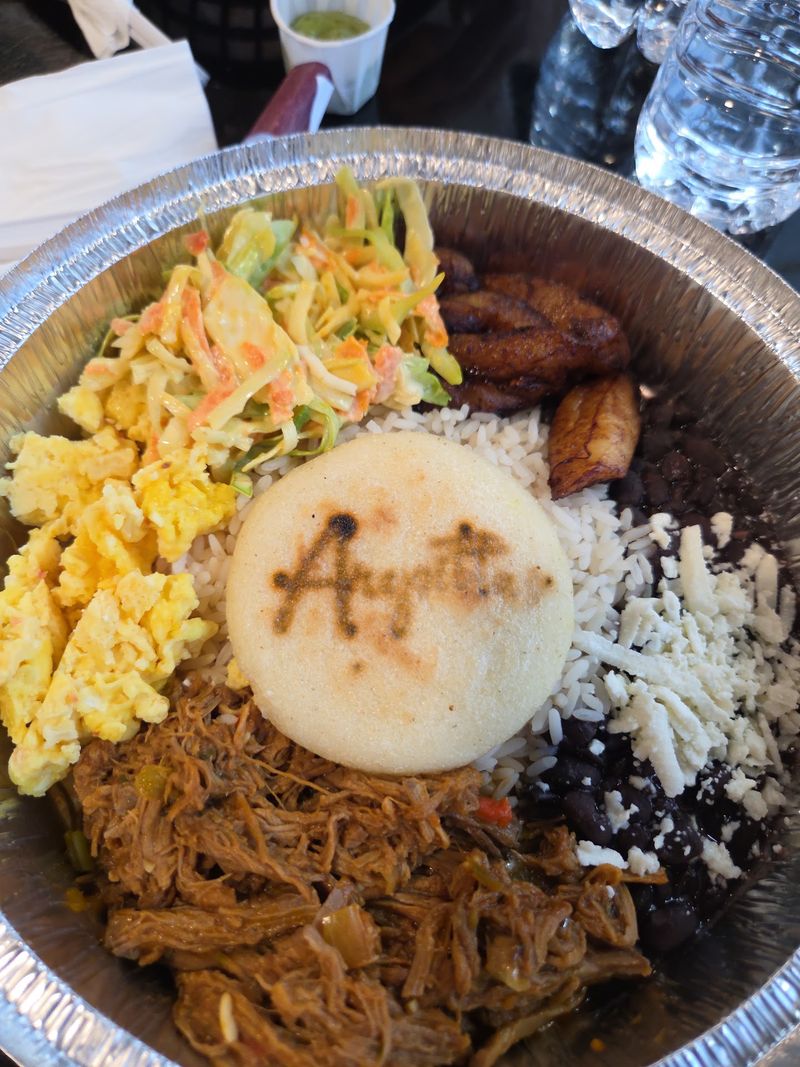
Shredded beef, black beans, white rice, and sweet fried plantains sharing one plate. That’s pabellon criollo, often called the national dish of Venezuela.
Arepittas serves it as a full plate, and its flavors also show up inside arepas and empanadas. One beloved filling, three ways to enjoy it.
The dish is a lesson in balance. Savory beef, earthy beans, plain rice, and caramel-sweet plantains each bring something different.
Some families add a fried egg on top, a version called pabellon a caballo. The phrase means on horseback, which is a fun image for any meal.
For a first-timer, the plate is a smart starting point. It shows off the core Venezuelan flavors without asking you to guess.
I like that it feels like home cooking rather than a fancy show. Nothing on the plate is trying too hard, and that’s the charm.
Meat lovers will feel right at home with the shredded beef. Bean fans get their moment too, since the black beans are no side note.
Sharing works well if you want to sample more of the menu. Split a plate, add an arepa, and you’ve covered a lot of ground.
During Pennsylvania winters, a plate like this makes a lot of sense. Warm, filling, and colorful beats a sad desk sandwich any day.
Crispy Corn Pockets And Guava Cheese Sticks Steal The Spotlight
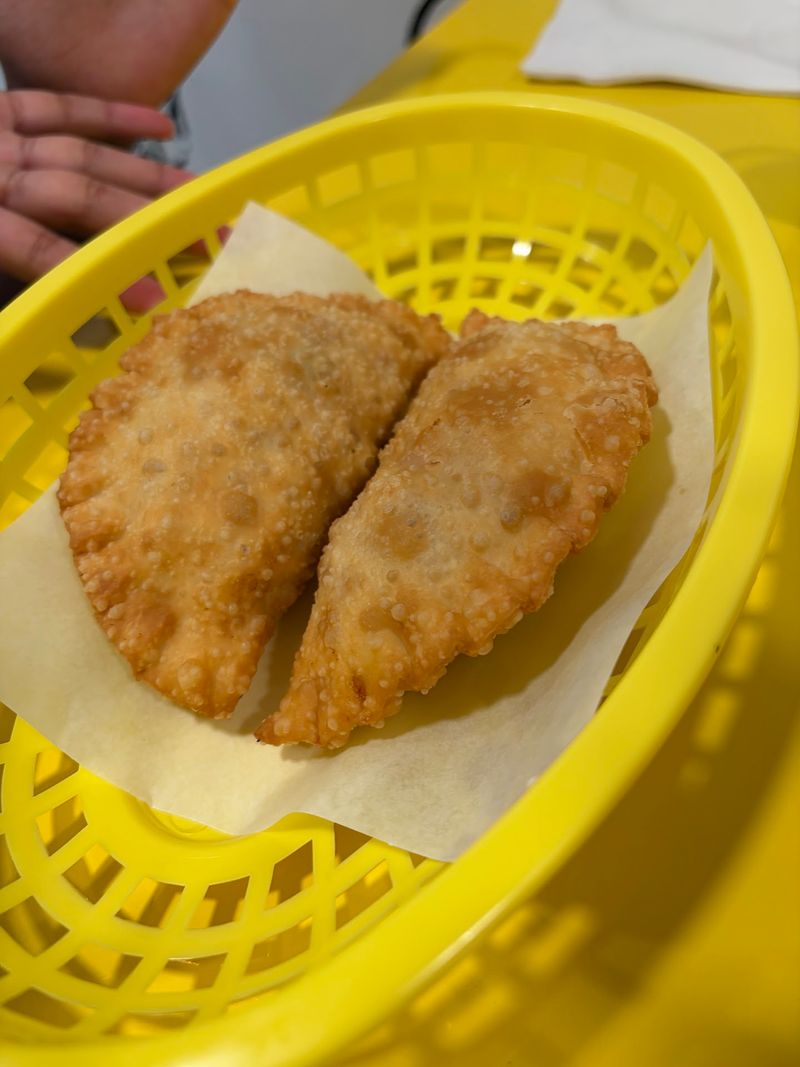
Golden, crunchy, and shaped like half-moons, Venezuelan empanadas are made with corn dough. That gives them a different crunch than the wheat versions many people know.
Arepittas fills its empanadas with a range of choices. Chicken, pabellon-style beef, and even eggplant have shown up on the lineup.
Then come the tequeños, which might be the most fun snack on the menu. They’re sticks of white cheese wrapped in dough and fried until crisp.
In Venezuela, tequeños show up at nearly every party. Birthdays, weddings, and family gatherings rarely feel complete without a tray of them.
Tequeños are a Venezuelan favorite, with salty white cheese wrapped in dough and fried until golden. Their simple combination of crisp pastry and warm cheese makes them an easy addition to a snack order.
Sweet fruit paste and salty cheese might sound odd together. The pairing has lasted for generations, so it clearly works.
Both snacks travel well if you’re on the go. An empanada makes an easy walking lunch between downtown errands.
For groups, a mix of empanadas and tequeños makes a great starter round. Everyone grabs a piece, and nobody has to commit to one flavor.
Dip them in one of the house sauces for extra flavor. The cilantro sauce pairs naturally with almost anything fried.
Kids and picky eaters may love the cheese sticks most. Fried cheese is a universal language, after all.
Sweet Corn Pancakes And Plantain Sides Deserve Their Own Order
Fresh corn, ground and cooked on a griddle into a thick, sweet pancake. That’s a cachapa, and it’s one of Venezuela’s most loved street foods.
Cachapas are usually folded around soft white cheese. The sweet corn and salty cheese play off each other the way pancakes and bacon do.
Arepittas keeps cachapas on its menu, giving Pittsburgh a taste many Venezuelans grew up with. They fill the gap between breakfast and lunch nicely.
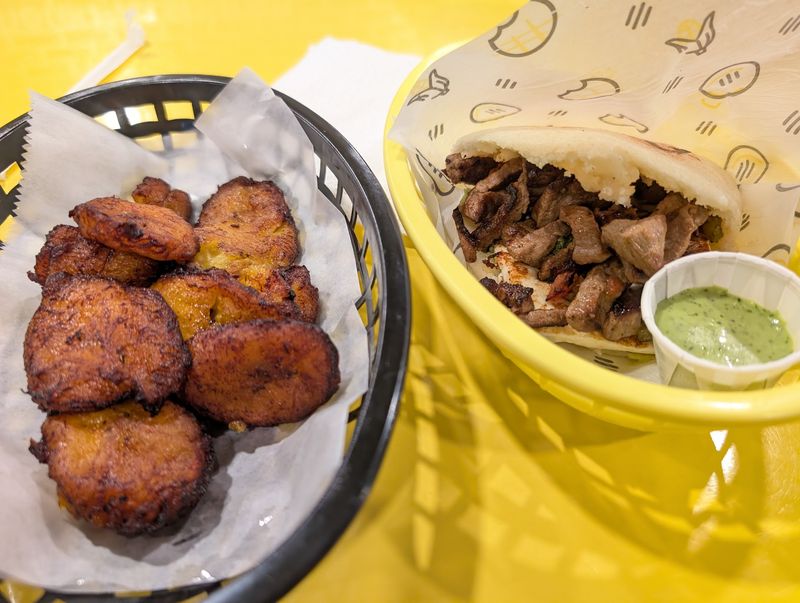
Then there’s the side dish department, which is stacked. Tostones, yuca fries, and sweet plantains all compete for a spot on your tray.
Tostones are green plantains that get smashed flat and fried twice. The menu even offers tostones con todo, which means with everything.
Yuca fries swap potatoes for cassava root. They’re a fun change if regular fries feel a little predictable.
Sweet plantains bring the dessert-like side of the table. Ripe plantains caramelize when fried, making them a classic partner for savory meats.
Sancocho, a hearty Venezuelan soup, has also shown up on the menu. It’s a comforting pick on a chilly Pennsylvania afternoon.
A good strategy is ordering one main and two sides to share. You’ll cover more flavors without overloading anyone.
I believe sides are where a menu shows its personality. These ones clearly weren’t added as an afterthought.
Gluten-Free Eaters And Vegetarians Finally Get The Whole Menu
Most of the menu at Arepittas is gluten-free, and that’s mainly thanks to corn. Arepas, empanadas, and cachapas all rely on corn instead of wheat.
For people avoiding gluten, that’s a big deal. Ordering out often means a short list of choices, but here the list is long.
Vegetarians and vegans get real options too. The menu includes a broad vegetarian lineup, with plant-based picks for vegan diners.
Beans, plantains, rice, vegetables, and avocado do a lot of the work. Those ingredients show up all over Venezuelan cooking, so they don’t feel like a swap.
A vegetarian bowl brings many of them together in one dish. It’s a good fit for a lighter lunch or a plant-heavy dinner.
Some dishes can be made dairy-free on request. Ask about options at the counter before you order.
I like that mixed groups don’t have to compromise. A meat lover and a vegan can split the same check without anyone settling.
If you have a serious allergy, always mention it clearly. Shared kitchens can carry cross-contact risks, even when ingredients look safe.
Still, the menu is unusually friendly for special diets. Few downtown counters offer this much choice without making it feel like a separate menu.
Gluten-free here doesn’t mean bland or boring. Corn is simply doing the heavy lifting, as it has for centuries.
A Downtown Address That Makes Detours Way Too Easy
Downtown Pittsburgh has plenty of quick lunch choices, but few taste like Caracas. Arepittas sits at 412-428 Cherry Way, Pittsburgh, PA 15219, right in the heart of the city.
That spot puts it within walking distance of downtown hotels and offices. It sits near the EVEN Hotel, which makes it handy for travelers.
Big events at the nearby convention center bring plenty of visitors downtown. An arepa makes a much better break than another sad food court tray.
Outdoor seating is available, which is a nice perk on mild days. Sunshine and fried plantains make a strong team.
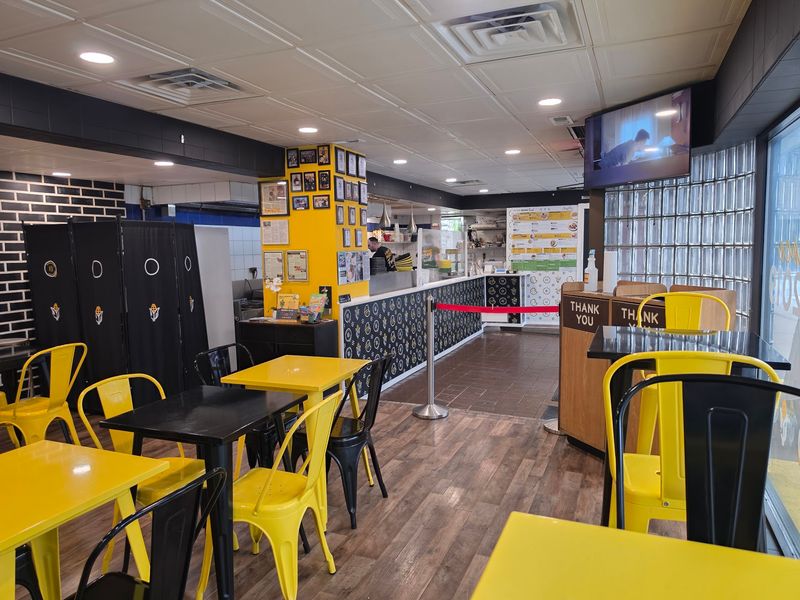
The space is casual and unfussy. You order at the counter, grab your food, and either sit down or head out.
Pittsburgh’s downtown is built for walking. Pair a meal with a stroll to Market Square or Point State Park to work off that second empanada.
For locals, it’s an easy weekday lunch stop. For visitors, it’s a quick taste of something you won’t find in every city.
Parking downtown can take patience, so plan ahead with a nearby garage. Walking or transit can make the trip smoother.
Having a family-run spot like this in the city center feels like a win. Pennsylvania’s second-largest city gained a fresh flavor.
Weekend Mornings Start Early, So Set That Alarm
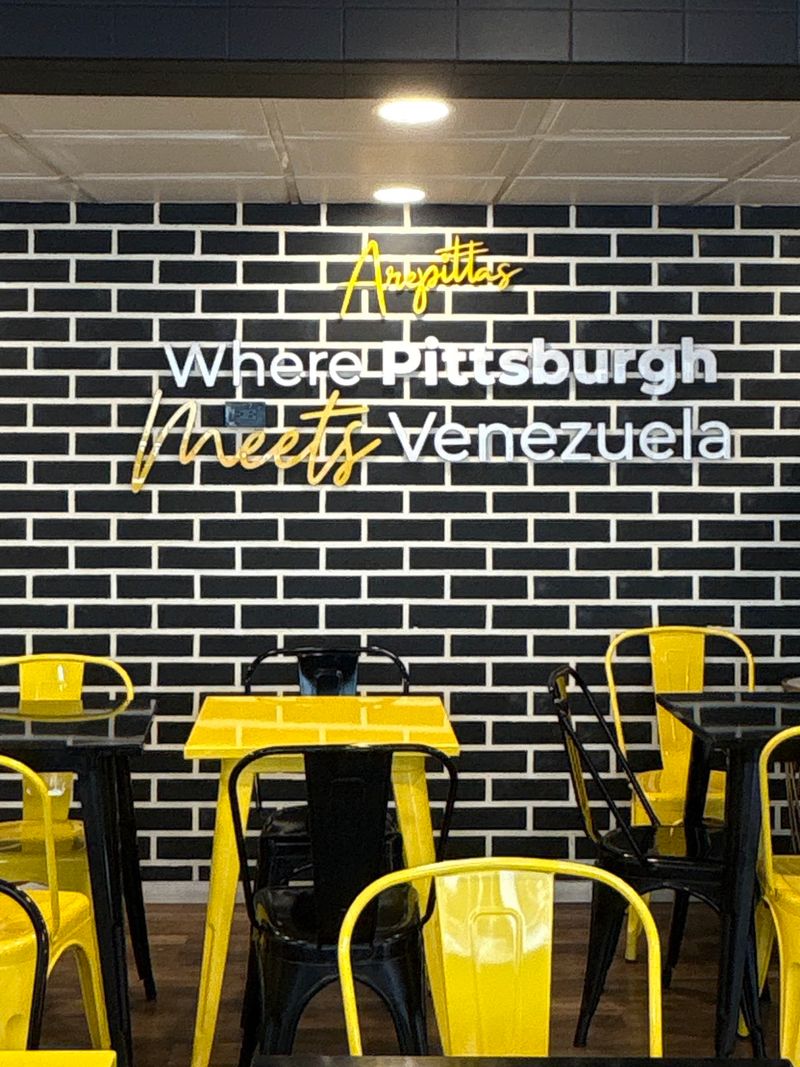
Arepittas offers a casual way to enjoy Venezuelan favorites in downtown Pittsburgh. Before heading over, check the restaurant’s current opening hours, especially if you’re planning a weekend visit.
In Venezuela, arepas are classic morning food. Eating one before noon is about as traditional as it gets.
Opening hours can change, so it’s worth checking the latest schedule before making plans. That is especially helpful if you’re visiting downtown Pittsburgh on a Sunday or during a holiday weekend.
A warm arepa filled with corn, cheese, or savory toppings makes a satisfying change from the usual downtown lunch.
First visit? Start with one arepa, one empanada, and a side of tostones or yuca.
Add a chicha or coffee lemonade to round it out. That lineup gives a solid snapshot of the kitchen’s range.
Desserts are on the menu too, so leave a little space. Skipping sweets after this kind of lunch takes real willpower.
Takeout is an easy option for busy days. Arepas and empanadas hold up well for a quick walk back to the office or hotel.
Most of all, go with an open mind and a curious appetite. Ask what a dish is if the name is new.
Three backpacks started all of this, and the menu proves how much fit inside them. That’s a story worth tasting in person.
