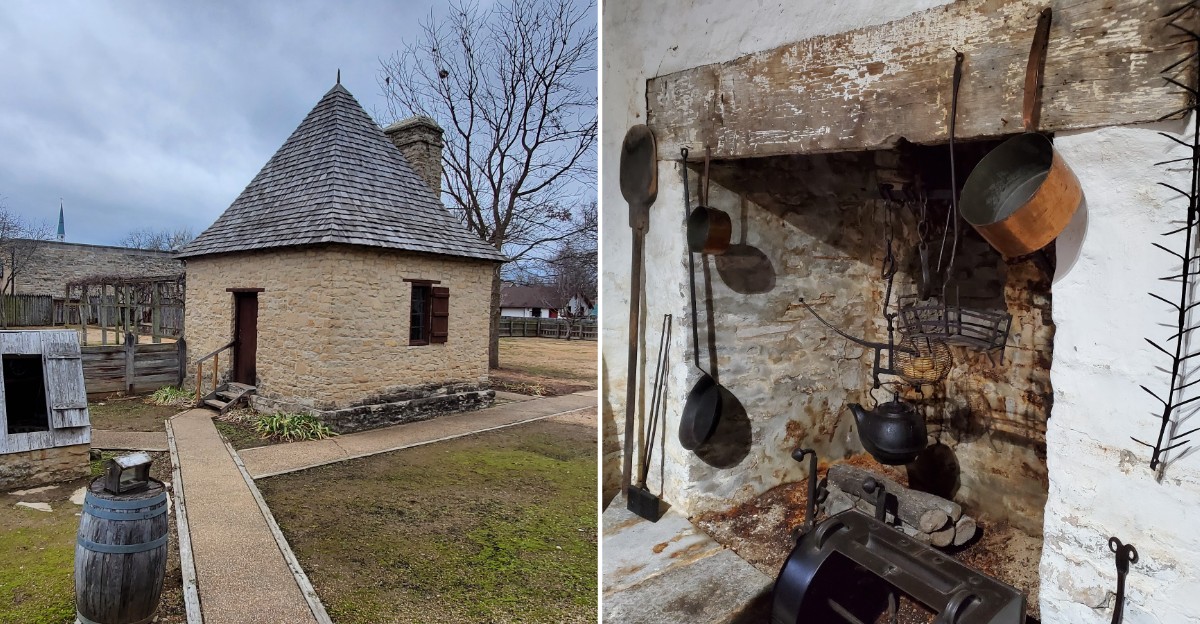
These homes were already standing before the state had a birthday. That makes the doorways, timber walls, and furnished rooms a little more interesting than your average history lesson.
At this Missouri museum campus, guided tours introduce you to French Colonial homes that predate statehood. Original artifacts and distinctive vertical-log construction help bring the region’s French Creole past into focus.
The museum’s exhibits add context, exploring a community shaped by French and Spanish colonial rule. It’s a chance to connect the buildings with the people and traditions behind them.
Take a closer look at how the houses were built, and notice the objects that made everyday life possible. A guide can help explain details you might otherwise walk straight past.
You don’t need to arrive knowing the difference between architectural styles to enjoy the visit. Curiosity is a perfectly good starting point.
By the time you leave, those old walls offer much more than a pretty photograph. They make an early chapter of the region’s history feel closer and easier to understand.
A Town That Was Here Before Missouri Was
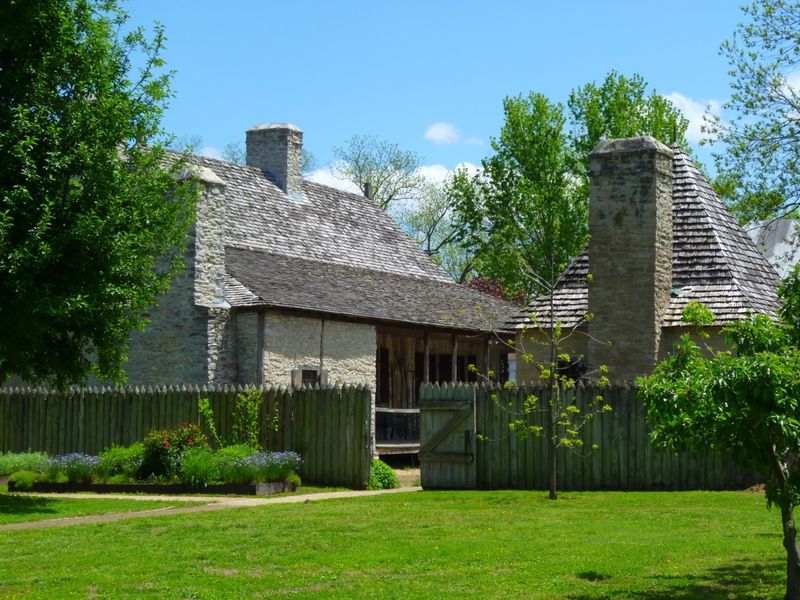
Picture yourself standing on a quiet street where the houses are older than the state you are standing in, because that is exactly what Ste. Genevieve feels like.
This is the oldest European settlement in Missouri, founded by French colonists who came down the river and set up farms along the fertile bottomlands.
Those early families built homes with their own hands, using techniques they carried over from France and French Canada. Many of those buildings survived, which is honestly kind of amazing when you think about floods, storms, and plain old wear and tear over such a long stretch of time.
The town actually holds one of the largest collections of French Creole buildings anywhere in North America, so you are not just seeing one lonely old house. You are walking through a whole neighborhood of them, some still used as shops, inns, and family homes.
That mix is what gives the place its charm, since history is not roped off in one corner but woven right into everyday life. The Centre for French Colonial Life sits at the heart of all this, helping you make sense of what you are seeing as you stroll around town and soak it all in.
Your Starting Point On Market Street
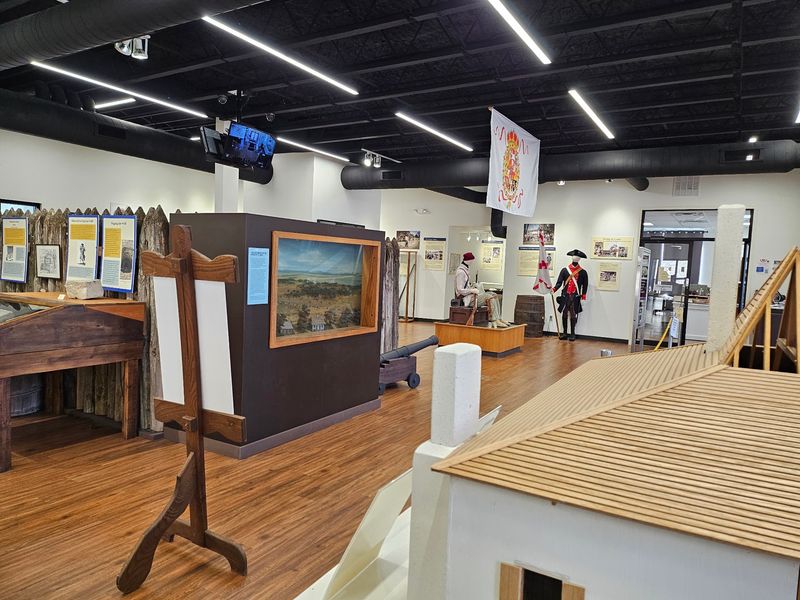
Honestly, the smartest move you can make is heading straight to the museum before you start poking around the historic houses. You will find the Centre for French Colonial Life at 198 Market Street, Ste.
Genevieve, MO 63670, right in the middle of the historic district.
Think of this building as your orientation spot, where everything starts to click into place. The exhibits lay out how French settlers, Native nations, African and African American residents, and later Spanish and Anglo-American newcomers all shaped this corner of the Mississippi River Valley.
Visitors often mention how friendly and knowledgeable the staff are, so it is worth asking questions while you are there. They can point you toward the guided house tours and help you figure out how to spend your time on the campus.
The museum is open most days of the week, with shorter afternoon hours on Sunday, so it is a good idea to check their website before you head out. Giving yourself a relaxed visit here first means the houses will feel way more meaningful once you step inside them, because you will already know whose stories you are walking through.
Stepping Inside The Louis Bolduc House
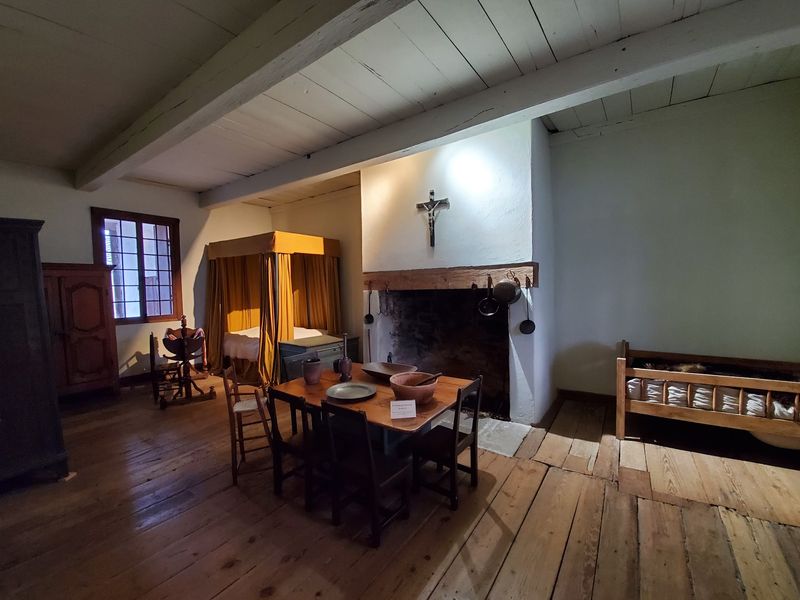
If there is one house you absolutely cannot skip, it is the Louis Bolduc House, and you will see why the second you walk up to it. This home is widely considered one of the best restored French colonial houses in the whole country, and it is listed as a National Historic Landmark.
Louis Bolduc was a successful merchant and planter, so his home gives you a peek into how a well-off colonial family lived. The rooms are furnished with authentic pieces from the period, which helps you imagine the daily routines that happened right where you are standing.
Notice that wide covered porch wrapping around the outside, called a galerie, which helped keep the house shady and cool during hot river summers. It is one of those clever details that makes total sense once someone points it out to you.
The guided tour moves at a comfortable pace, and the guides are known for sharing plenty of stories about the family and the town. You might want to bring a notebook or snap a few photos of the interiors, because there are so many little details that are easy to forget once you leave and head back out onto the street.
The Daughter’s House Right Next Door
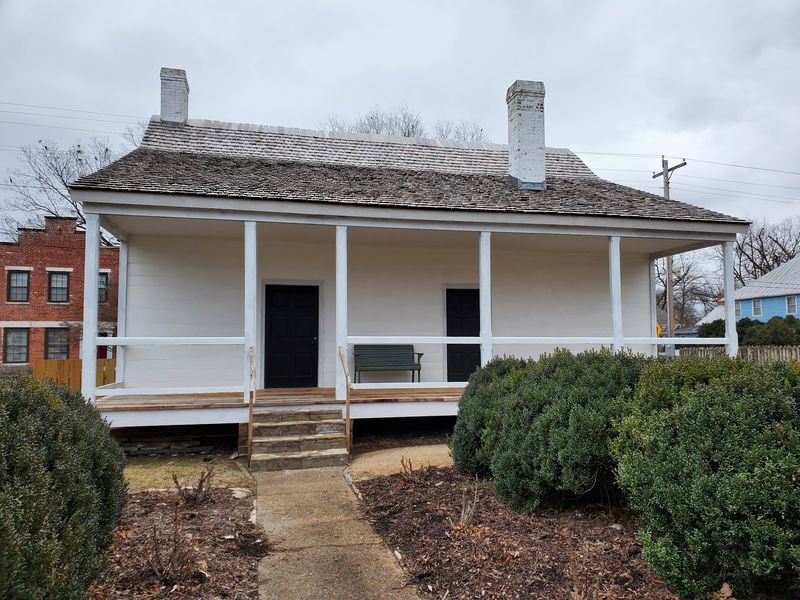
Here is a fun twist that a lot of people do not expect when they sign up for the tour. Right next to the Louis Bolduc House sits the Bolduc-LeMeilleur House, which is tied to the same family and was built a bit later on.
What makes this one so interesting is how it shows the town starting to change. The building style mixes French colonial roots with influences from the Americans who were moving into the area, so you can actually see a culture adjusting in wood and plaster.
Comparing the two houses side by side is really the best part, because you start noticing differences in the layout, the windows, and the way the rooms connect. It is almost like watching a family story play out across generations without anyone needing to say a word.
The tour typically includes both homes, so you do not have to choose between them. Keep an eye out for how the furniture and finishes shift from one house to the other, since those small changes say a lot about what was going on in Missouri as it moved from colonial life toward becoming part of a brand new country with new neighbors and new ideas.
Watching History Come Alive At Beauvais-Linden
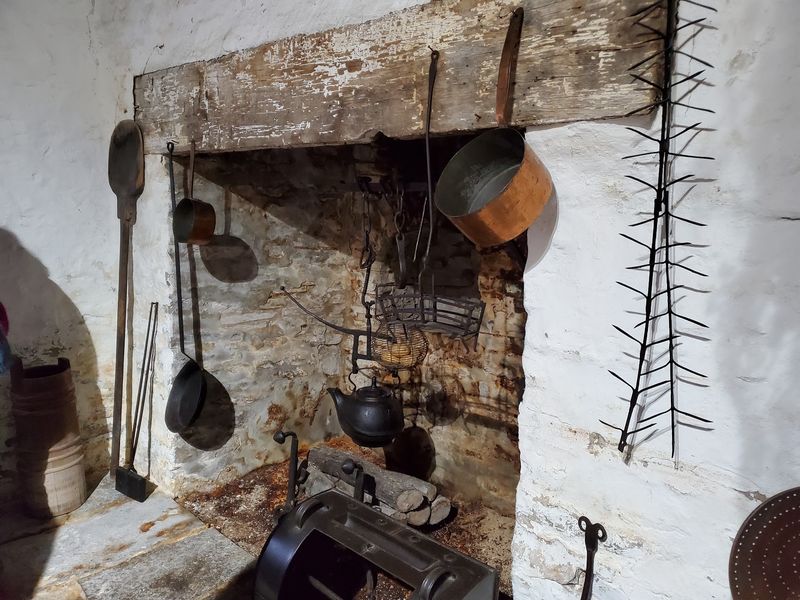
Want to see colonial chores actually happening instead of just hearing about them? The Beauvais-Linden Living History House is part of the campus, and on select Saturdays during the warmer months, costumed interpreters show how everyday life worked back then.
This is where things get hands-on and lively, which is especially great if you have curious kids tagging along. Demonstrations can include cooking, crafts, and household tasks that colonial families handled without any modern shortcuts at all.
Seeing someone in period clothing work at a hearth or use old tools makes everything you learned in the museum feel real and personal. It turns history from something on a page into something you can watch, ask about, and maybe even try yourself.
The schedule for living history days can change with the seasons, so it is smart to check the Centre’s website before you plan your trip around it. If your visit lines up, you will probably find yourself lingering longer than expected, because there is something really relaxing about watching skilled hands work through tasks the slow, old-fashioned way while the river town goes about its quiet day just outside the door.
Revolutionary War Stories You Probably Never Heard
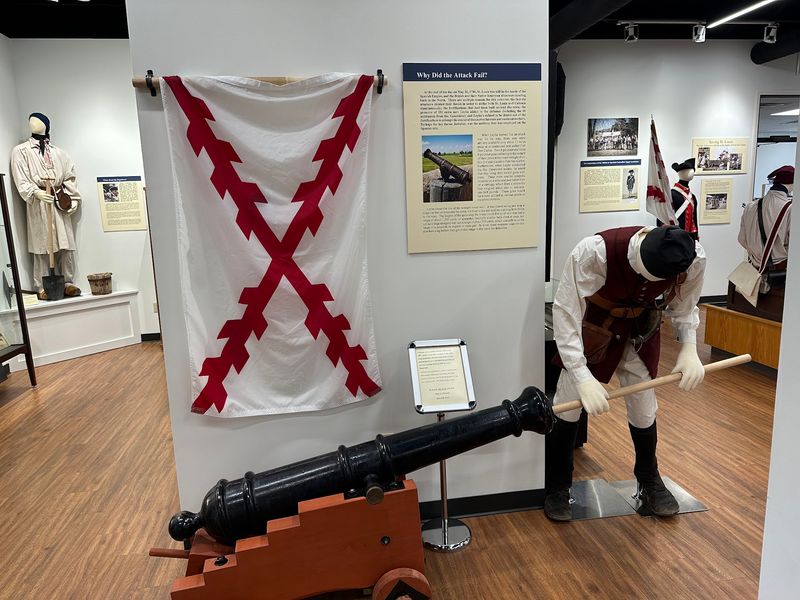
Most folks think the American Revolution happened entirely along the East Coast, but this museum gently corrects that idea. One of the exhibits focuses on the war in the West, including the Battle of Fort San Carlos near St. Louis.
Back then, this region was under Spanish rule, and local militia, including men from Ste. Genevieve, helped defend St. Louis against an attack led by British forces and their allies.
It is a chapter of history that rarely shows up in school textbooks.
Visitors often point out the collection of muskets in this part of the museum, which gives you a real sense of what those defenders carried. The displays connect the small river towns to the much bigger story of a continent being fought over by several powers.
If you enjoy military history, plan to spend some extra time reading through this section. Even if battles are not usually your thing, the way the exhibit ties local families to world events is pretty eye-opening, and it might change how you think about Missouri’s place in early American history the next time someone brings up the Revolution at the dinner table.
So What Does Creole Really Mean Here
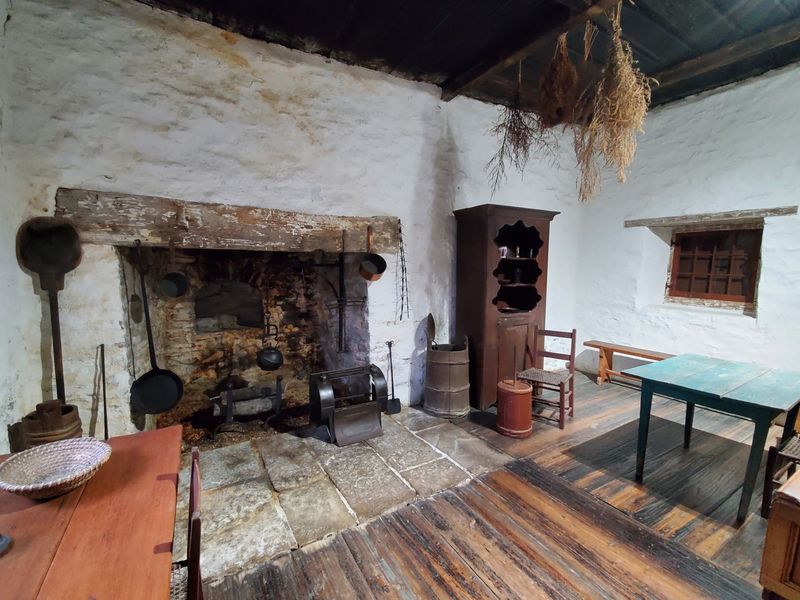
You have probably heard the word Creole tossed around, usually tied to New Orleans food or music, but it carries a special meaning in this part of the river valley. The Centre has exhibits that explain how Creole identity formed in Upper Louisiana.
Here, the word described people born in the colonies, and the community grew from French Canadian settlers, people of African descent, and Native peoples living side by side. Families mixed, traded, worked together, and built a culture that was not quite like anywhere else.
The museum is thoughtful about telling the whole story, including the lives of enslaved people who were part of these households. That honesty helps you understand the town more fully, rather than seeing only the pretty parts of the past.
Take your time with the artifacts in this section, since everyday objects like tools, dishes, and clothing say a lot about how these cultures blended. You might walk away with a much richer picture of what early life along the Mississippi looked like, and honestly, it makes the old houses outside feel even more personal once you know the different people who filled their rooms.
Festivals, Events, And Reasons To Come Back
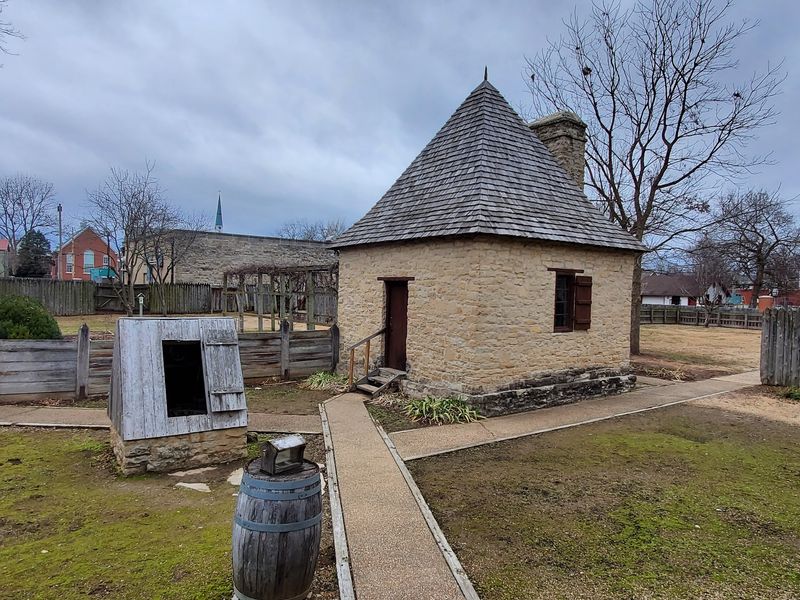
Once you have done the houses and the museum, you might think you have seen it all, but the calendar here keeps things fresh. The Centre hosts seasonal festivals, special events, and educational programs throughout the year that bring the campus to life.
Fall and winter tend to be especially busy, with themed events that mix history and a bit of seasonal fun. These gatherings give you a totally different feel for the historic buildings compared to a regular weekday visit.
Families and school groups also enjoy hands-on programs designed to teach kids about colonial life in a playful way. It is a great way to get younger travelers excited about history without it feeling like a lecture.
Since the Ste. Genevieve area is also home to a national historical park, there is plenty more to explore around town after your visit here.
Check the Centre’s website for upcoming events before your trip, and consider pairing a festival with a walk through the shops and historic streets nearby. Missouri has a lot of history packed into small places, but few spots let you return again and again and still find something new waiting for you around the next corner.
