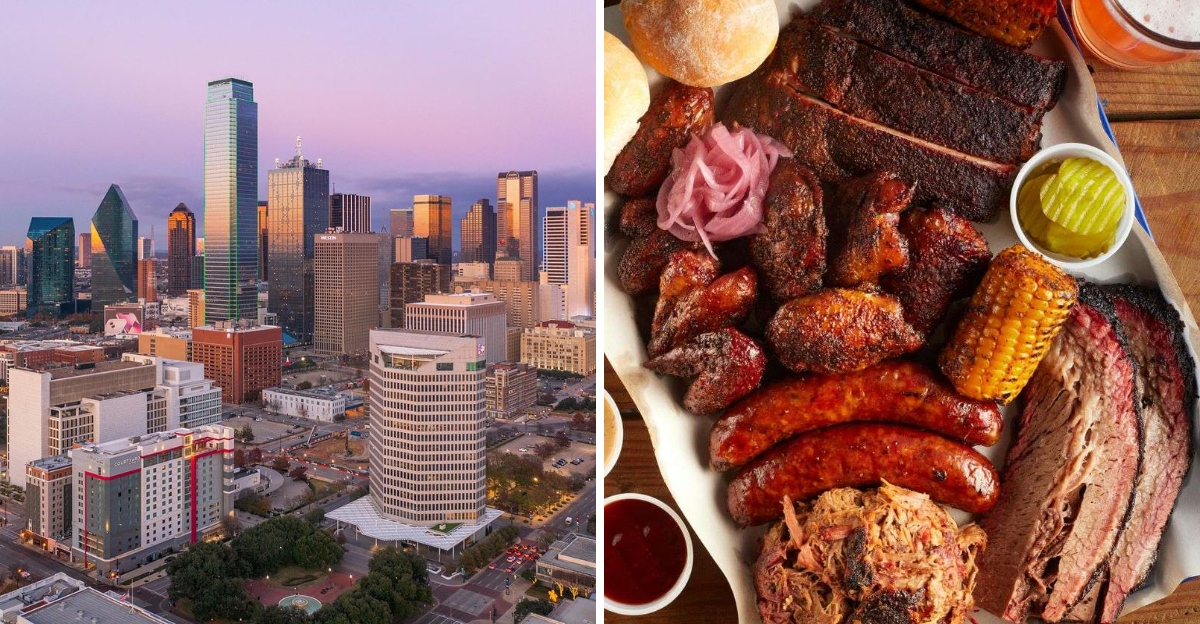
Texas stretches across 268,596 square miles of diverse terrain, from the piney woods of East Texas to the desert landscapes of West Texas, creating a land so vast it could swallow entire countries.
This southern giant draws millions of visitors each year with its unique blend of cowboy culture, modern cities, pristine Gulf Coast beaches, and a spirit of independence that pulses through every corner of the state.
Whether you’re planning to explore the vibrant music scene of Austin, witness the historic Alamo in San Antonio, or experience the cosmopolitan energy of Houston and Dallas, understanding what makes Texas tick will transform your visit from ordinary to extraordinary.
Before you pack your bags and head to the Lone Star State, there are essential things every traveler should know to make the most of this remarkable destination.
1. Everything Really Is Bigger in Texas, Including the Distances
Visitors often underestimate just how massive Texas truly is when planning their itinerary. The state spans roughly 800 miles from east to west and about 900 miles from north to south, making it larger than many countries. If you placed Texas over a map of Europe, it would cover multiple nations.
Driving from El Paso in the west to Texarkana in the east takes about 12 hours of non-stop driving, which is longer than driving from New York City to Chicago. Even traveling between major cities requires significant time on the road.
The journey from Houston to Dallas takes about four hours, while San Antonio to Amarillo can take over seven hours.
Smart travelers plan their routes carefully and avoid trying to see everything in one trip. Focus on one or two regions rather than attempting to cover the entire state.
Build in extra time for travel between destinations, and consider breaking up long drives with interesting stops along the way.
The vastness of Texas means you’ll likely spend considerable time in your vehicle, so prepare accordingly with snacks, entertainment, and regular rest stops. Understanding these distances before you arrive helps you create a realistic and enjoyable travel plan.
2. The Weather Can Change Dramatically and Quickly
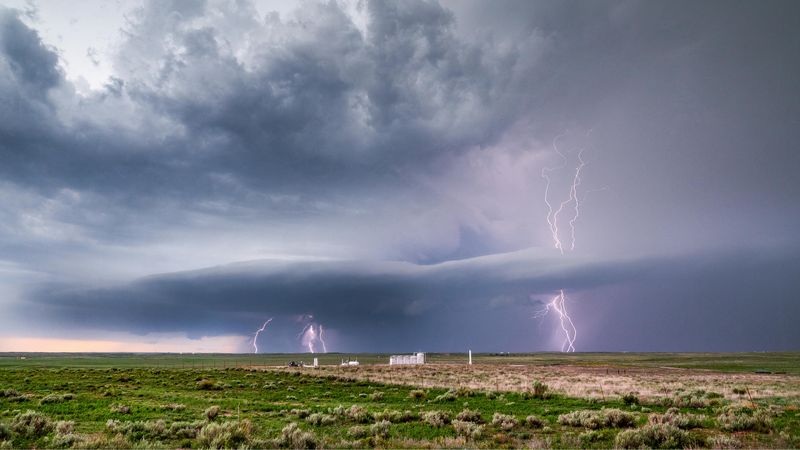
Texas weather operates on its own unpredictable schedule, and visitors from other regions often find themselves caught off guard by sudden changes.
The state experiences extreme temperature variations, with summer days regularly exceeding 100 degrees Fahrenheit in many areas, while winter can bring surprise freezes and even snow.
Spring and fall offer the most pleasant conditions, but these seasons also bring severe thunderstorms and tornado warnings.
One of the most challenging aspects is that weather varies dramatically across different regions of the state. Coastal areas like Corpus Christi enjoy humid subtropical conditions, while West Texas experiences arid desert climate.
North Texas can face ice storms in winter, while South Texas remains mild year-round.
Pack layers and versatile clothing regardless of when you visit. Morning temperatures might require a jacket, while afternoons could have you seeking shade and air conditioning.
Always check local weather forecasts for your specific destination, not just the state forecast.
Texans have a saying: if you don’t like the weather, wait five minutes. This isn’t much of an exaggeration, especially during spring when conditions can shift from sunny to stormy within hours.
Prepare for various weather scenarios to ensure comfort throughout your trip.
3. Texan Hospitality and Friendliness Are Real

Southern hospitality isn’t just a stereotype in Texas; it’s a genuine way of life that visitors notice immediately upon arrival. Strangers wave at each other on country roads, people hold doors open for those behind them, and small talk with cashiers and servers is completely normal.
This warmth extends to asking visitors where they’re from and offering unsolicited but well-meaning advice about local attractions.
Don’t be surprised when Texans strike up conversations in grocery stores, elevators, or while waiting in line. This friendliness comes from a cultural value placed on neighborliness and treating others with respect.
Many visitors find this openness refreshing, though those from more reserved cultures might need a moment to adjust.
The hospitality extends to dining experiences, where servers are typically attentive and chatty, and to accommodations, where staff go out of their way to ensure guest comfort. Small-town Texas takes this friendliness to another level, with locals eager to share their community’s history and hidden gems.
Embrace this aspect of Texas culture by being open and friendly in return. A simple smile and greeting go a long way.
Texans take pride in making visitors feel welcome, and your positive interactions will enhance your travel experience significantly.
4. Barbecue Is a Serious Business and Regional Specialty
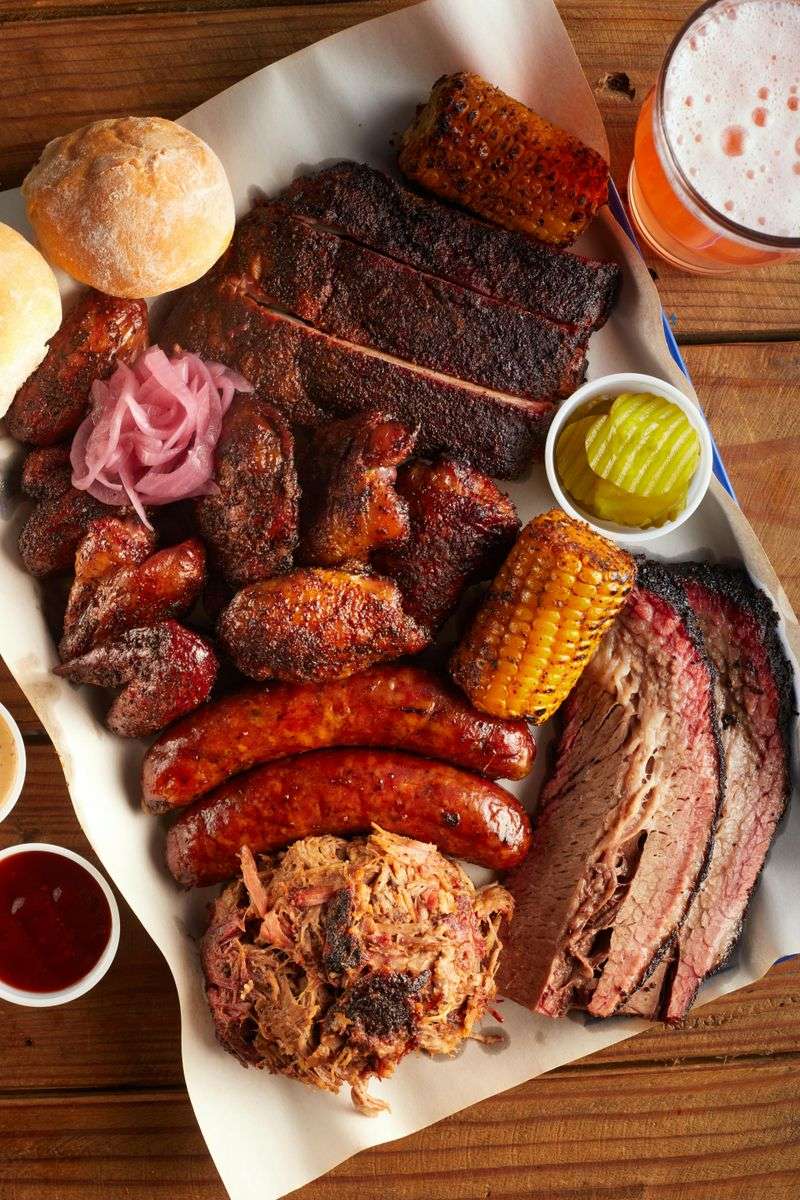
Texas barbecue represents more than just food; it’s a cultural institution with deep roots and passionate devotees throughout the state.
Different regions have developed distinct barbecue styles, with Central Texas known for simple salt-and-pepper rubs on brisket, East Texas favoring chopped beef with sweet sauce, South Texas adding Mexican influences, and West Texas cooking over direct heat with mesquite wood.
Each style has fierce defenders who believe their method produces the best results.
Brisket reigns supreme as the king of Texas barbecue, slow-smoked for up to 16 hours until it achieves the perfect bark on the outside and tender, juicy meat inside. Ribs, sausage, and pulled pork also feature prominently on most menus.
Traditional sides include coleslaw, potato salad, pinto beans, and pickles, served on butcher paper with white bread to soak up the smoky juices.
Famous barbecue joints often have long lines, with some opening only until the meat runs out for the day. Places like Franklin Barbecue in Austin can have wait times exceeding three hours.
Arriving early or planning ahead helps you avoid disappointment.
Respect local barbecue customs by not asking for sauce immediately, as pitmasters prefer you taste the meat first. Embrace this delicious aspect of Texas culture fully during your visit.
5. You’ll Need a Vehicle to Get Around Most Places

Public transportation exists in major Texas cities, but relying solely on buses or trains will severely limit your ability to explore. Texas developed as a car-centric state, with sprawling cities and attractions spread across vast distances.
Only downtown areas of major cities like Austin, Dallas, Houston, and San Antonio offer walkable neighborhoods with decent public transit options.
Renting a vehicle provides the freedom to discover Texas properly, from visiting state parks to exploring small towns to accessing restaurants and attractions outside urban cores. Highway systems are generally well-maintained, and driving is straightforward once you understand the scale.
Gas stations are plentiful, though distances between them increase significantly in rural areas.
International visitors should obtain an International Driving Permit before arriving if their home country’s license isn’t in English. Familiarize yourself with Texas driving laws, including right turns on red lights (unless posted otherwise) and the fact that many highways have tolls requiring either cash or electronic payment systems.
Some visitors choose to focus their entire trip on one walkable urban area to avoid driving, which works for city-focused itineraries. However, experiencing the full diversity of Texas landscapes, culture, and attractions really requires the mobility that only a personal vehicle provides.
Plan your transportation method according to your specific travel goals.
6. Tex-Mex Is Its Own Distinct Cuisine
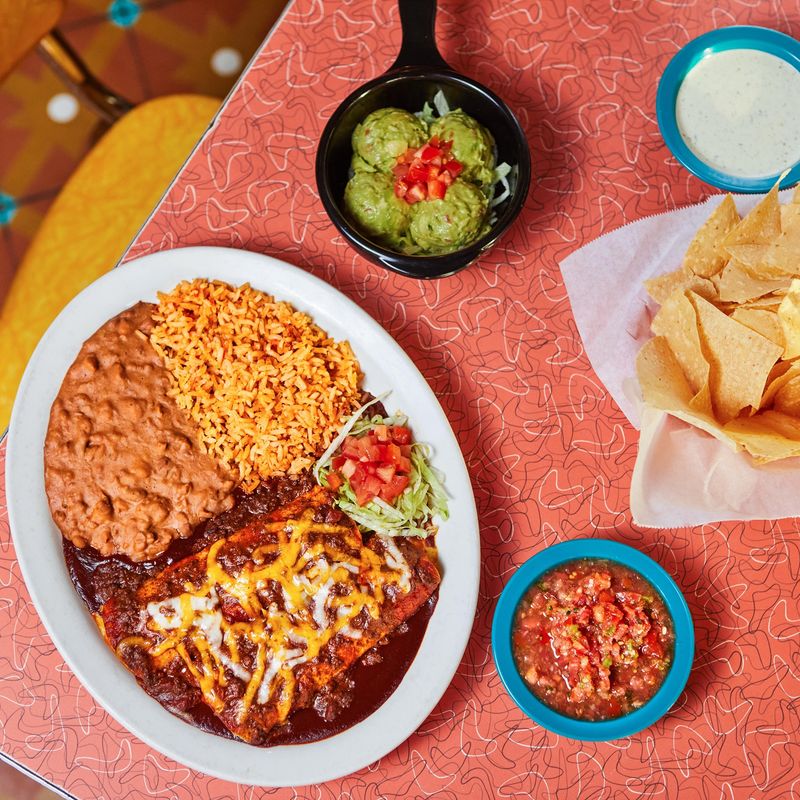
Many visitors arrive expecting authentic Mexican food and discover instead the glorious hybrid cuisine known as Tex-Mex, which developed over generations as Mexican cooking traditions merged with available Texas ingredients and American tastes.
This fusion creates dishes you won’t find in Mexico, including crispy tacos, sizzling fajitas, chili con queso, and combination plates loaded with rice, beans, and multiple items.
Yellow cheese sauce, flour tortillas, and ground beef feature prominently, unlike traditional Mexican cuisine.
San Antonio claims to be the birthplace of Tex-Mex, though every Texas city has its own beloved establishments serving this comfort food. Breakfast tacos deserve special mention as a Texas morning staple, filled with scrambled eggs, cheese, bacon, potatoes, and various other ingredients wrapped in soft flour tortillas.
These handheld meals fuel Texans throughout the state every morning.
Don’t make the mistake of dismissing Tex-Mex as inferior to authentic Mexican food; instead, appreciate it as its own legitimate culinary tradition. The best Tex-Mex restaurants have perfected their recipes over decades, creating consistently delicious dishes that Texans crave regularly.
Both Tex-Mex and authentic Mexican restaurants thrive throughout Texas, particularly in border regions and major cities. Try both styles during your visit to understand the full spectrum of flavors that Texas offers, and you’ll likely develop favorites from each category.
7. Summer Heat Requires Serious Preparation and Respect

Texas summers are not for the faint of heart, with temperatures regularly soaring above 95 degrees Fahrenheit and often exceeding 105 in many regions. The heat index, which factors in humidity, can make conditions feel even more oppressive, particularly in Houston and other Gulf Coast areas.
This isn’t the pleasant warmth of a spring day; this is intense heat that can cause serious health issues if you’re not prepared.
Visitors from cooler climates often underestimate how the heat affects energy levels and outdoor activity plans. Simple tasks like walking from your car to a building can leave you drenched in sweat.
Outdoor attractions become challenging to enjoy during midday hours when the sun beats down relentlessly.
Plan outdoor activities for early morning or evening hours when temperatures drop slightly. Stay hydrated by drinking water constantly, not just when you feel thirsty.
Wear light-colored, loose-fitting clothing and apply sunscreen frequently. Many Texans embrace the siesta concept during summer, retreating indoors during the hottest afternoon hours.
Air conditioning is ubiquitous and powerful throughout Texas, sometimes creating shockingly cold indoor environments. Carry a light jacket for over-air-conditioned spaces.
If you’re not accustomed to extreme heat, consider visiting during spring (March through May) or fall (October through November) when temperatures are more moderate and outdoor exploration becomes genuinely pleasant.
8. The State Offers Incredible Natural Diversity
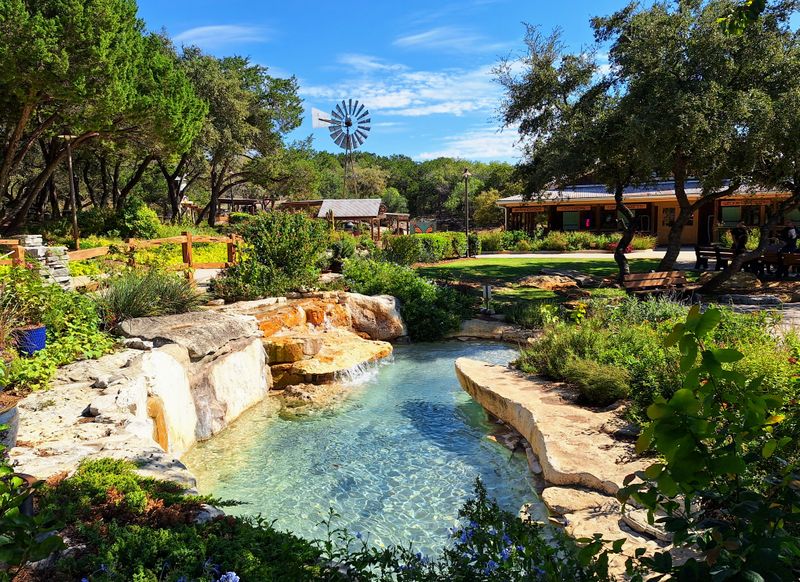
Contrary to the popular image of Texas as nothing but flat desert or endless plains, the state contains remarkably diverse ecosystems and landscapes. East Texas features dense pine forests and swamps that resemble Louisiana more than the stereotypical Texas image.
The Hill Country around Austin and San Antonio offers rolling terrain, spring-fed rivers, and limestone cliffs perfect for outdoor recreation.
West Texas presents dramatic desert landscapes with massive mountains in Big Bend National Park, where peaks reach over 7,800 feet elevation. The Gulf Coast provides 370 miles of beaches and coastal environments supporting unique wildlife.
The Panhandle region showcases the stunning Palo Duro Canyon, the second-largest canyon system in the United States.
This diversity means Texas offers outdoor activities for every interest: hiking, swimming, kayaking, rock climbing, bird watching, and camping. State parks provide excellent facilities and access to natural areas, often at reasonable prices.
Guadalupe Mountains National Park protects the highest peaks in Texas, while Padre Island National Seashore preserves pristine coastal habitat.
Research the specific landscapes in the regions you plan to visit, and adjust your expectations and packing accordingly. The Texas you experience in Houston will look and feel completely different from the Texas you encounter in El Paso or Amarillo.
This variety makes the state endlessly interesting for nature enthusiasts and adventure seekers.
9. Texas Pride and Culture Run Deep

Texans possess a unique sense of state identity that exceeds typical state pride found elsewhere in America. This stems from Texas’s history as an independent republic from 1836 to 1845, creating a legacy of independence and self-reliance that continues today.
You’ll notice the Texas flag displayed as prominently as the American flag, and many businesses, homes, and vehicles sport the Lone Star symbol.
This pride manifests in various ways, from the popularity of Texas-shaped decorations and accessories to the phrase “Don’t Mess with Texas” (originally an anti-littering campaign that became a cultural motto).
Texans often introduce themselves by mentioning they’re from Texas even when traveling domestically, and many consider “Texan” as important an identity as “American.”
Understanding this cultural pride helps visitors navigate social interactions better. Texans appreciate when visitors show genuine interest in state history and culture.
Avoid making dismissive comments about Texas or comparing it unfavorably to other places, as locals take such remarks personally.
The state’s cultural influences blend Southern, Western, and Mexican traditions into something distinctly Texan. Cowboy culture remains alive and well, particularly in rural areas and at rodeos.
Music, from country to blues to conjunto, forms an essential part of the cultural fabric. Embrace these cultural elements during your visit rather than viewing them as tourist attractions, and you’ll gain deeper appreciation for what makes Texas special.
10. Plan for Adequate Time and Realistic Expectations
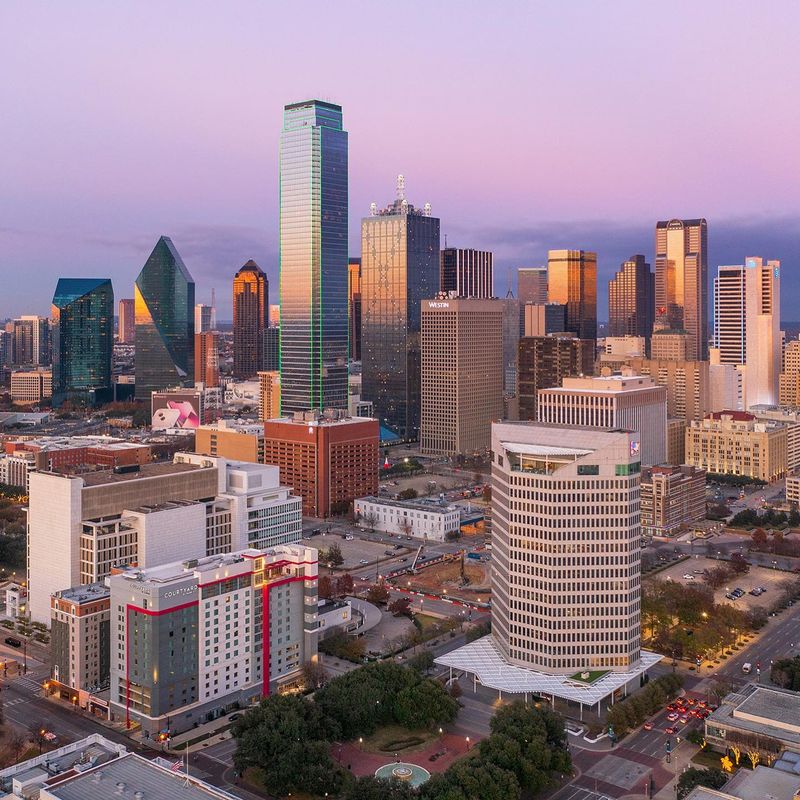
First-time visitors frequently try cramming too much into their Texas itinerary, not realizing that the state’s size makes this impossible.
A week-long trip might reasonably cover one region or two nearby cities, but attempting to visit Houston, Austin, San Antonio, Dallas, and Big Bend National Park in seven days will result in exhaustion and disappointment.
You’ll spend most of your time driving rather than actually experiencing places.
Each major Texas city deserves at least two to three days to explore properly. Natural areas like Big Bend require even more time when you factor in the remote location and the need to acclimate to the environment.
Small towns and regional attractions add additional days to any comprehensive itinerary.
Consider focusing your first visit on a specific region: explore the Texas Triangle of Houston, Austin, and San Antonio; or concentrate on West Texas and its dramatic landscapes; or immerse yourself in the culture and history of North Texas.
This approach allows you to experience places deeply rather than superficially checking items off a list.
Build flexibility into your schedule for unexpected discoveries and spontaneous detours, which often become trip highlights. Texas reveals itself to those who slow down and pay attention rather than rushing from one famous landmark to another.
Accept that you won’t see everything, and plan a return trip instead. This mindset transforms your visit from stressful to enjoyable.
Dear Reader: This page may contain affiliate links which may earn a commission if you click through and make a purchase. Our independent journalism is not influenced by any advertiser or commercial initiative unless it is clearly marked as sponsored content. As travel products change, please be sure to reconfirm all details and stay up to date with current events to ensure a safe and successful trip.
