You have probably seen the memes about Oklahoma. The tornadoes, the musical, the endless plains that supposedly stretch all the way to “eh.”
But here is what the internet does not tell you: moving to the Sooner State comes with a whole syllabus of unwritten rules, unspoken quirks, and unexpected delights that no one warns you about until you are already unpacking boxes.
Sure, you know about the low rent and the friendly waves. But did anyone mention the grocery store that doubles as a cult?
Or the way your entire weather app becomes a suggestion rather than a fact? Before you sign that lease or load that moving truck, we pulled together the real insider intel.
Here are 10 things no one tells you about moving to Oklahoma, delivered with love and just a little bit of side eye.
1. The Grocery Tax Surprise is Gone
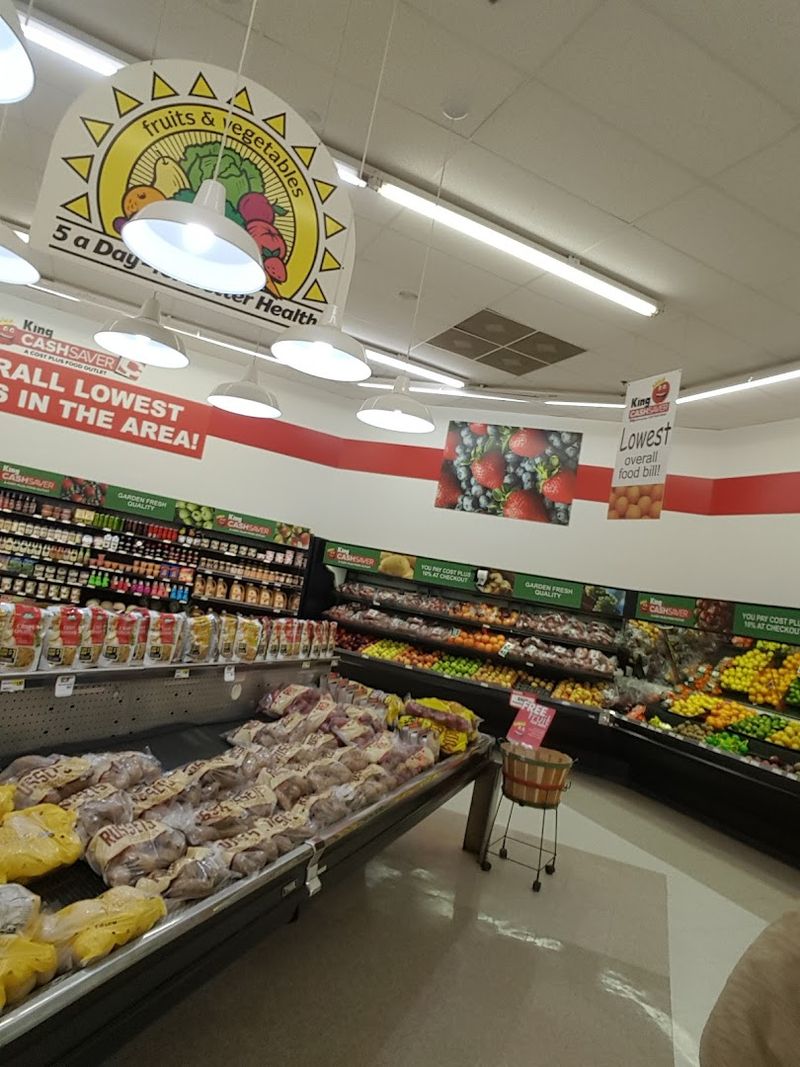
Somewhere between packing boxes and updating my address, I stumbled across a detail that actually made me smile. Oklahoma officially eliminated its 4.5% state sales tax on groceries as of late 2024.
For anyone budgeting a big move, that is genuinely good news. Groceries add up fast, and not paying extra state tax on every cart full of food is a real financial relief.
But here is the part that catches newcomers off guard. Your receipt might still show a tax line on food items.
That is because local city and county taxes can still apply, even without the state portion.
So the savings are real, but they are not always as clean as you might expect. Depending on which part of Oklahoma you settle in, the difference at checkout can vary noticeably from one zip code to another.
My advice is to check the specific tax rules for your city or county before assuming you will pay zero tax on food. It is a small step that helps you set realistic expectations for your monthly grocery budget.
The good news is that even with local taxes factored in, most Oklahoma residents still pay less on groceries than people in many other states. That is a win worth knowing about before moving day arrives.
Oklahoma is quietly becoming a more affordable place to live, and this grocery tax change is one of the clearest signs of that shift.
2. Home Insurance Will Genuinely Shock You
My jaw dropped when I got my first homeowners insurance quote in Oklahoma. I had moved from a state where insurance felt routine and predictable, so nothing prepared me for the number on that screen.
Oklahoma consistently ranks among the states with the highest homeowners insurance rates in the entire country. The reason is not complicated.
Hail and wind damage are extremely common here, and insurers price their policies accordingly.
A single hailstorm can dent every car in a neighborhood, crack roof shingles, and damage siding all at once. These events happen often enough that insurance companies factor them into every quote they write for Oklahoma addresses.
What makes this especially surprising for newcomers is that home prices in Oklahoma are relatively affordable compared to many other states. You might feel great about your mortgage payment, then feel that excitement fade when your insurance bill arrives.
The smartest move is to shop multiple insurance providers before you close on a home. Rates can vary more than you might expect from one company to another, even for the same property.
Also, ask specifically about hail and wind coverage details. Some policies have separate deductibles for storm damage that are much higher than your standard deductible.
Reading the fine print matters here more than almost anywhere else.
Once you understand the landscape, you can plan for it. But walking in without knowing is one of the most common financial surprises for people moving to Oklahoma.
3. Tornadoes Become Surprisingly Normal
Before I moved to Oklahoma, tornadoes felt like dramatic, terrifying events that would send everyone scrambling for cover. After living here, I understand why locals treat sirens with a calm that honestly surprised me at first.
Oklahoma has some of the most advanced storm-tracking meteorologists in the world. Local TV weathercasters here are genuine celebrities, and they track storms down to individual street blocks using tools that would impress anyone who follows weather science.
When sirens go off, many longtime residents step outside to scan the sky rather than immediately heading to a shelter. That is not recklessness.
It is a mix of local knowledge, trust in meteorologists, and years of experience reading the sky themselves.
As a newcomer, I strongly recommend not copying that habit right away. Until you understand the local storm patterns and have a trusted shelter spot, taking sirens seriously is the safest approach.
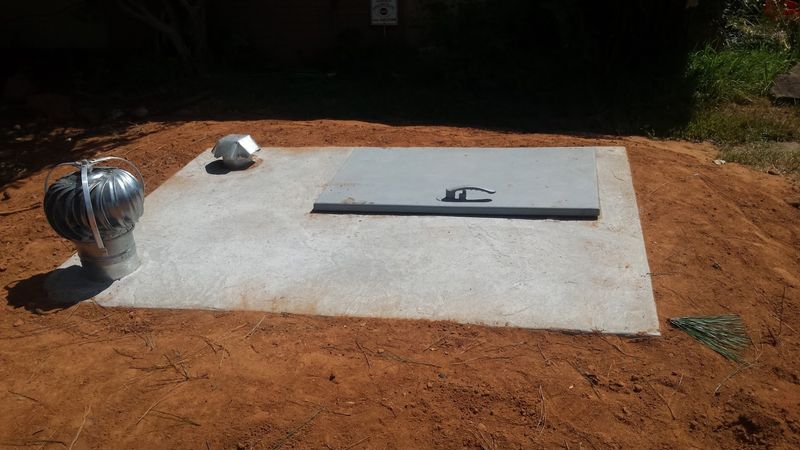
Every home should have a plan. Know where your nearest interior room or storm shelter is, and keep a weather app with local alerts on your phone at all times.
What surprised me most was how quickly tornado warnings become part of the background noise of life here. You check the radar the way people in coastal cities check surf reports.
It becomes second nature.
Oklahoma also has a rich community of storm chasers, and learning from local weather culture is one of the most fascinating parts of settling into life in this state.
4. The Wind Never Really Stops
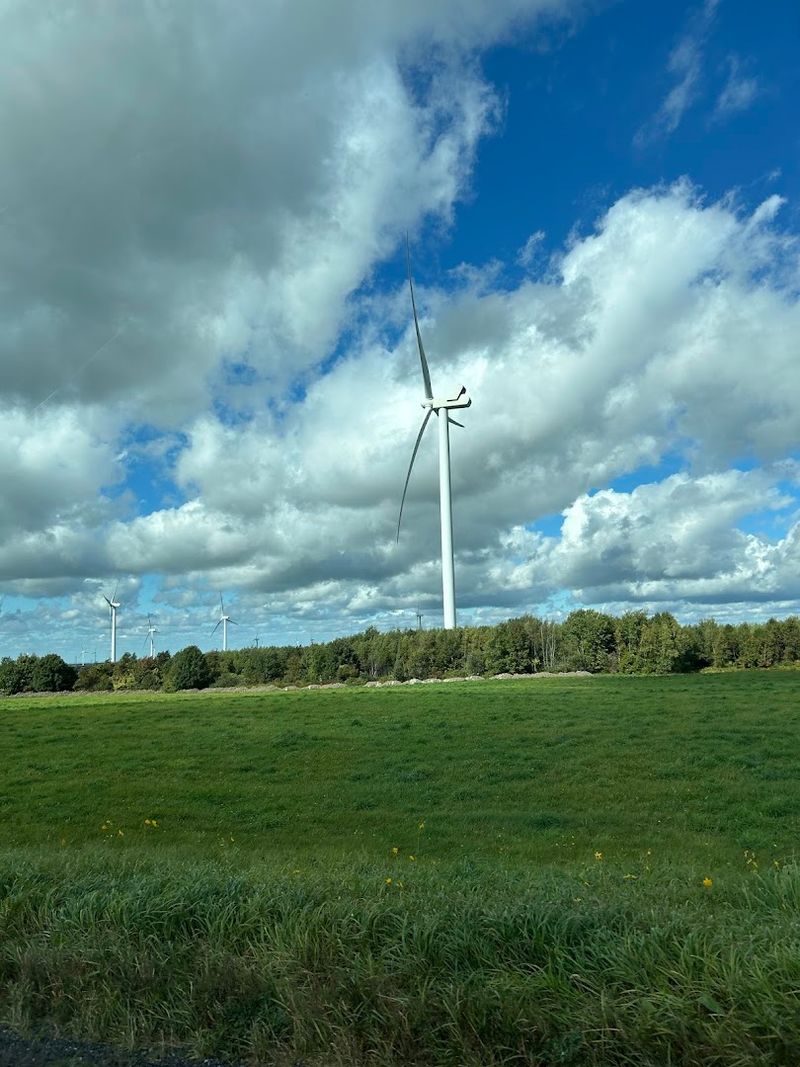
Oklahoma: The Sooner State. Also, unofficially, the Windiest State I have ever lived in.
Everyone mentions the heat when they warn you about Oklahoma summers, but the wind is the thing that truly caught me off guard.
The famous line from the musical Oklahoma, “the wind comes sweepin’ down the plain,” is not poetic exaggeration. It is a daily weather report.
On most days, the wind is present in a way that becomes physically noticeable.
Strong, consistent wind affects more than your hair. Over time, it can affect your car’s fuel efficiency and even its alignment.
Driving on open highways with a strong crosswind requires more focus than most people expect when they first arrive.
Gardening also becomes a different kind of challenge. Plants that thrive in sheltered environments struggle here without windbreaks.
Many longtime Oklahoma gardeners build fences or use hedges specifically to protect their yards.
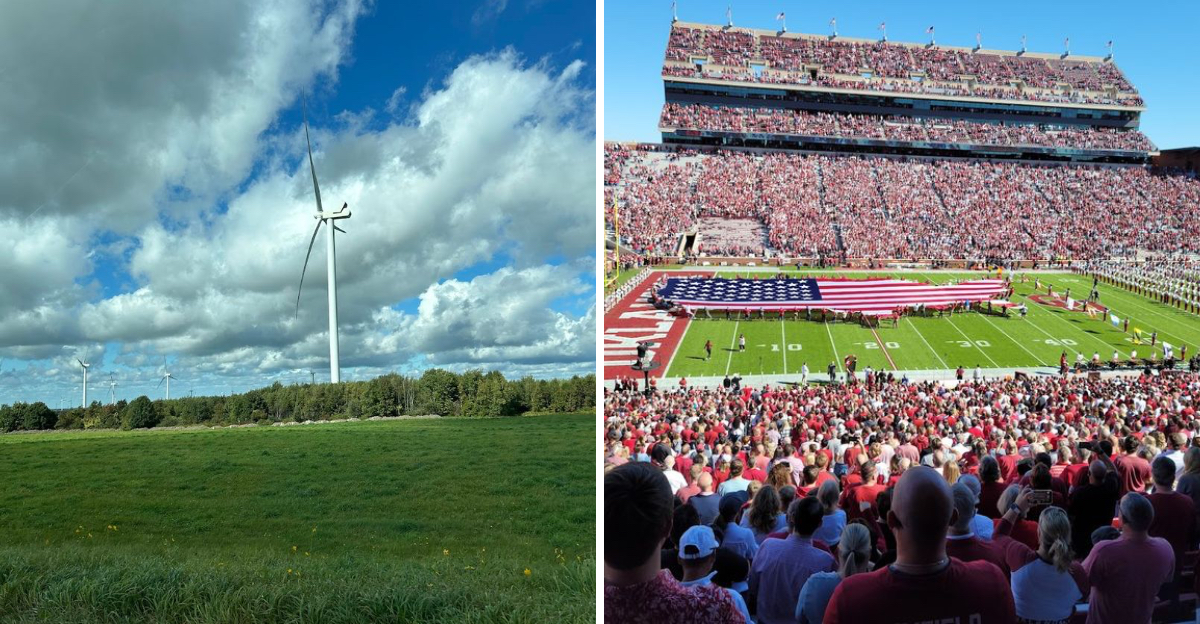
On the positive side, wind energy is a major industry in Oklahoma. The state is one of the top wind power producers in the country, and you will see enormous wind turbines dotting the landscape across many rural areas.
After a while, you start to appreciate the wind for what it does. It keeps summer temperatures from feeling even more oppressive, and it gives the landscape a sense of constant movement and life.
Still, invest in a good windbreaker jacket early. You will reach for it far more often than you might expect throughout the year.
5. The Political Map is More Complex Than It Looks
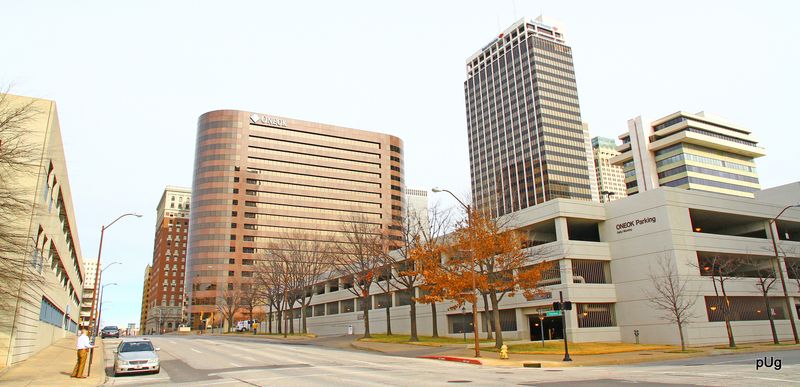
Oklahoma is widely known as a deeply conservative, red state, and at the statewide level, that reputation is accurate. But the political picture inside the state is more layered than a single color on a map suggests.
Oklahoma City and Tulsa, the state’s two major metropolitan areas, are noticeably more politically diverse than the surrounding rural regions. Both cities have active progressive communities, competitive local elections, and a range of viewpoints that might surprise people who expect uniformity.
I noticed this contrast quickly after moving into an urban neighborhood. The conversations, local policies, and community organizations felt quite different from what I had expected based on the state’s overall political reputation.
This does not mean there is political tension around every corner. In my experience, Oklahomans across the political spectrum tend to be genuinely friendly and willing to talk without things turning hostile.
What it does mean is that your day-to-day political environment will depend heavily on where exactly you choose to live. A rural county and a midtown Oklahoma City neighborhood can feel like entirely different worlds in terms of local politics and culture.
If political community matters to you, do your research before choosing your specific neighborhood. Both Oklahoma City and Tulsa have active civic organizations, neighborhood associations, and cultural groups that reflect a wide range of backgrounds and beliefs.
Oklahoma’s political identity is real, but it is also evolving, especially in its urban centers, and that nuance is worth understanding before you arrive.
6. Potholes and Turnpikes Are a Package Deal
Nobody warned me about Oklahoma’s roads before I moved here, and my car paid the price. City streets in parts of Oklahoma City and other urban areas can be genuinely rough, with potholes that appear without warning and seem to multiply after every storm season.
The contrast between city roads and the state’s turnpike system is striking. Oklahoma has one of the most extensive turnpike networks in the country, and those roads are smooth, well-maintained, and clearly a point of pride for the state.
The catch is that using them costs money. The PikePass is the local toll system, and getting one is practically a rite of passage for new Oklahoma residents.
It works like an E-ZPass and lets you cruise through toll plazas without stopping.
Most locals use the turnpikes regularly to avoid the wear and tear of city surface streets, especially for commutes that cross multiple parts of the metro area. Once you add up the tire and alignment savings, the toll costs often feel justified.
Setting up a PikePass account is straightforward and can be done online before you even finish unpacking. Funding it in advance means you never have to scramble for cash at a toll booth.
The broader lesson here is that transportation planning in Oklahoma requires a bit of strategy. Knowing which roads to avoid and which routes to embrace will save you money and frustration in the long run.
Think of the turnpike system as Oklahoma’s gift to drivers who value their suspension.
7. College Football Basically Runs the Calendar
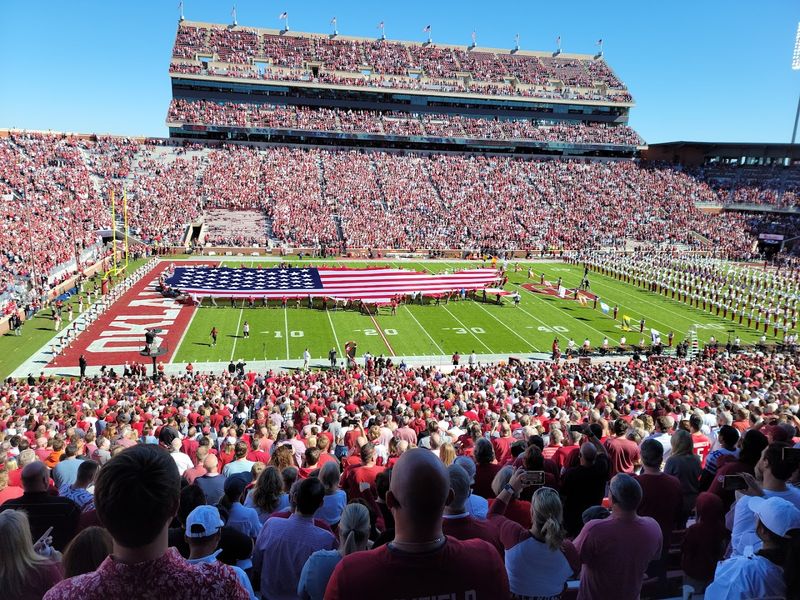
I learned this one fast. Move to Oklahoma in the summer and everything feels relaxed and friendly.
Then September arrives, and suddenly the entire state has a second religion, and it is college football.
The rivalry between the University of Oklahoma Sooners and Oklahoma State University Cowboys is one of the most passionate in American college sports. On game Saturdays, the state does not slow down.
It practically stops.
Restaurants near stadiums fill up hours before kickoff. Highways leading to Norman or Stillwater turn into slow-moving convoys of crimson and orange.
Even people who are not die-hard fans tend to pick a side and wear the colors.
If you are not into football, do not worry. You do not have to become a fan to survive the season.
But knowing the schedule is genuinely useful for planning your life from September through November.
Saturday morning grocery runs are significantly calmer when a big game is on. I discovered this by accident and now treat it as a personal life hack.
Empty aisles and short checkout lines are the unexpected reward for those who prefer shopping to watching.
Workplaces, neighborhoods, and social circles all tend to organize loosely around the football calendar during fall. Understanding that rhythm helps you connect with people and avoid accidentally scheduling important events on rivalry game days.
Even if you never watch a single play, learning the basics of OU versus OSU will earn you instant conversation points with almost any Oklahoman you meet.
8. Friendliness Here is Genuinely Disarming
Growing up in a larger city, I was used to polite but efficient interactions with strangers. People nodded, held doors, and moved on.
Oklahoma changed my baseline for what friendliness actually looks like in daily life.
Strangers here will call you “Sweetie” or “Honey” without a second thought, and it comes across as completely genuine rather than condescending. It is a cultural warmth that takes some adjusting to if you are not used to it.
Checkout lines become social events. I have had full conversations about weekend plans, local restaurants, and family life with people I had never met before and would likely never see again.
At first, it felt unusual. Now I look forward to it.
This friendliness extends beyond casual encounters. Neighbors introduce themselves when you move in.
People wave from their porches. Someone will offer to help you carry something without being asked.
For people moving from places where anonymity is the norm, this level of social warmth can feel almost overwhelming at first. It is not performative.
Oklahomans genuinely seem to enjoy connecting with the people around them.
The flip side is that personal space and privacy function a little differently here. People may ask about your family, your job, or where you came from within minutes of meeting you.
It comes from curiosity and openness, not nosiness.
Lean into it. Some of my closest friendships since moving here started with a random conversation in a parking lot or a hardware store aisle.
9. Oklahoma is Not Actually Flat
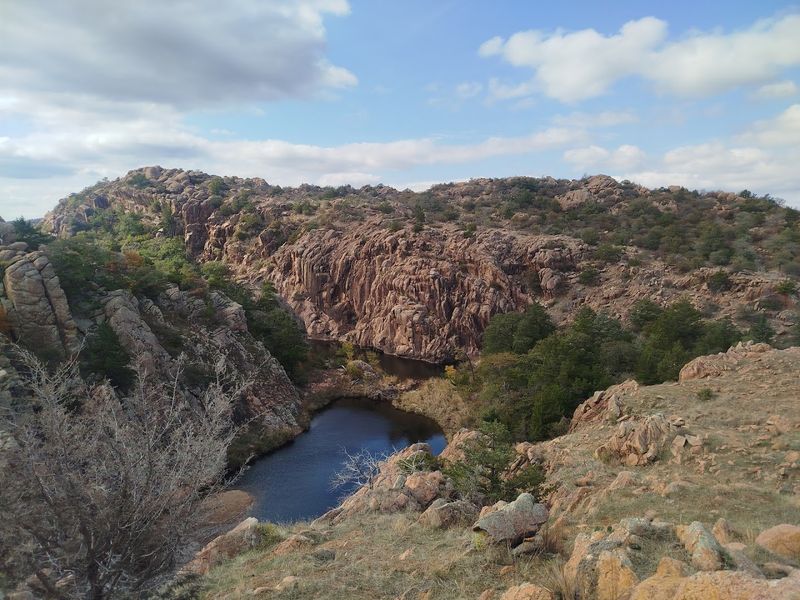
Flat prairie as far as the eye can see. That was my mental image of Oklahoma before I moved here, and I could not have been more wrong about a significant portion of the state.
Oklahoma actually has four distinct mountain ranges within its borders. The Ouachita Mountains in the southeast are ancient, heavily forested, and genuinely beautiful.
The Wichita Mountains in the southwest feature exposed granite peaks that look nothing like what most people picture when they think of Oklahoma.
The Arbuckle Mountains in the south-central part of the state are some of the oldest exposed rock formations in North America. The Glass Mountains in the northwest get their name from selenite crystals that catch the light in a way that is hard to describe until you see it yourself.
Beyond the mountains, Oklahoma has deep river canyons, dense pine forests in the Kiamichi region, and rolling green hills in the northeast that border Arkansas. The landscape variety genuinely surprised me the more I explored.
Outdoor recreation is a serious part of life here for many residents. Hiking, kayaking, camping, and rock climbing are all available within a few hours of most major cities.
You do not have to leave the state to find dramatic scenery.
The flattest parts of Oklahoma are mostly in the panhandle and some western regions, which do have that classic wide-open prairie look. But writing off the whole state as flat is one of the biggest misconceptions newcomers arrive with.
10. Native American Culture Shapes Everything Here
One of the first things that genuinely moved me after moving to Oklahoma was learning how central Native American history and culture are to the state’s everyday identity. This is not background history.
It is living, active, and present in ways I had not experienced anywhere else.
Oklahoma is home to 39 federally recognized sovereign tribal nations. Their influence is visible in place names, architecture, public art, cultural events, and major institutions across the state.
This is not something you have to seek out. It surrounds you.
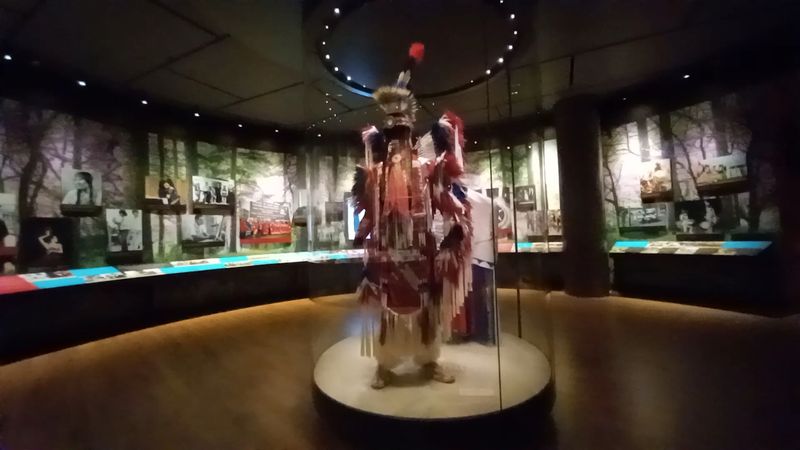
The First Americans Museum in Oklahoma City is one of the most impressive cultural institutions I have visited anywhere in the country. It tells the story of the tribes relocated to Oklahoma during the 19th century with honesty, depth, and remarkable artistry.
Tribal enterprises are also a major part of the Oklahoma economy. From healthcare systems to entertainment venues to agricultural operations, tribal nations operate sophisticated businesses that employ tens of thousands of people statewide.
Powwows, cultural festivals, and tribal heritage events happen throughout the year across the state. Many are open to the public, and attending one is one of the most genuinely enriching experiences Oklahoma offers to newcomers.
Learning even a little about the specific nations whose land you are living on adds meaningful context to daily life here. It changes how you read the landscape, the place names, and the history of the communities around you.
Oklahoma’s Native American heritage is not a footnote. It is a foundation, and understanding that makes moving here feel much more meaningful.
