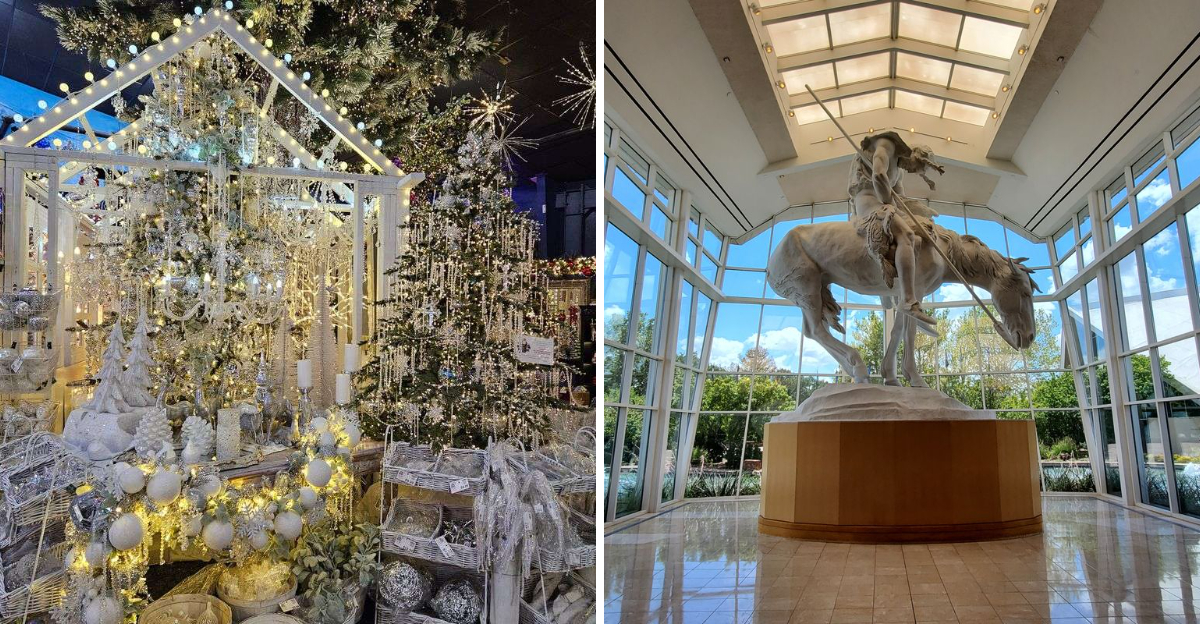
Oklahoma sits in the heart of America, where the Great Plains meet southern hospitality.
December transforms this state into something special, but many visitors arrive unprepared for what awaits them.
The weather can shift dramatically within hours, cultural traditions run deep, and locals have their own way of doing things that might surprise outsiders.
Understanding these local perspectives before you arrive will make your trip smoother and more enjoyable.
From unpredictable prairie weather to hidden gems that tourists often overlook, Oklahoma has its own rhythm during the winter months.
Locals want visitors to have an amazing experience, but they also wish travelers knew a few important things first.
This guide shares insider knowledge straight from Oklahomans who have lived through countless December seasons.
1. Weather Changes Faster Than You Think
Oklahoma weather operates on its own unpredictable schedule, especially during December.
You might wake up to sunshine and temperatures in the sixties, then find yourself bundling up against sleet by afternoon.
Locals always keep layers in their vehicles because they know better than to trust the morning forecast.
The state sits where cold northern air masses collide with warm southern currents, creating atmospheric drama.
Visitors often pack for either winter or mild weather, but rarely both.
Smart travelers bring everything from shorts to heavy coats.
Ice storms can appear seemingly out of nowhere, coating roads and making travel treacherous within minutes.
Oklahomans respect these sudden shifts and adjust their plans accordingly.
The wind also deserves mention because it rarely stops blowing across these wide-open spaces.
That gentle breeze you feel at noon might become a bitter gust by evening.
Check weather updates multiple times daily during your visit.
Local news stations provide more accurate regional forecasts than national weather apps.
Understanding this meteorological reality helps you enjoy outdoor attractions without getting caught unprepared.
Oklahoma City experiences some of the most variable December conditions in the region.
Flexibility becomes your best travel companion when visiting Oklahoma during winter months.
2. Small Towns Hold Big Holiday Magic

Rural Oklahoma communities take holiday celebrations seriously, creating experiences that rival any big city.
Places like Guthrie transform their historic downtown into a Victorian Christmas wonderland each December.
The territorial capital charm gets amplified with period decorations and community events that feel genuinely special.
Visitors often bypass these smaller destinations in favor of Oklahoma City or Tulsa, missing incredible seasonal traditions.
Locals know the real magic happens in towns where everyone participates in making the season memorable.
Chickasha hosts the Festival of Light at Shannon Springs Park, where millions of lights create a winter dreamscape.
These communities invest tremendous effort into their displays because holiday spirit matters deeply here.
Walking through these illuminated spaces feels intimate and welcoming in ways larger venues cannot replicate.
Small town bakeries produce homemade treats that taste nothing like chain store versions.
Local shops offer unique gifts crafted by Oklahoma artisans rather than mass-produced items.
The pace slows down, allowing visitors to actually enjoy the season instead of rushing through it.
Parking comes easy, crowds stay manageable, and strangers greet you warmly.
Exploring beyond major highways reveals the authentic Oklahoma holiday experience that locals cherish most.
3. Native American Heritage Shapes Everything Here

Oklahoma means “red people” in the Choctaw language, reflecting the profound Native American presence throughout the state.
Thirty-nine tribal nations maintain headquarters here, more than any other state in America.
This indigenous influence permeates local culture in ways visitors often fail to recognize or appreciate.
The First Americans Museum in Oklahoma City offers world-class exhibits that illuminate these ongoing contributions.
Located at 659 First Americans Boulevard, this architectural marvel opened recently and deserves significant time on any itinerary.
December brings special programming that honors both tribal traditions and contemporary Native life.
Many visitors treat indigenous culture as historical rather than understanding it as vibrant and present.
Locals wish travelers would approach tribal sites and museums with genuine respect and curiosity.
Cherokee Heritage Center in Tahlequah provides another essential perspective on tribal history and resilience.
The Trail of Tears brought numerous tribes to Oklahoma during forced relocation, creating painful legacies that still resonate.
Understanding this context enriches your appreciation of the state’s identity.
Native art, from pottery to beadwork, represents living traditions rather than museum pieces.
Supporting indigenous-owned businesses and cultural sites honors the people who shaped this land long before statehood.
Oklahoma’s character cannot be fully understood without acknowledging its Native American foundation.
4. Route 66 Nostalgia Lives On Every Mile
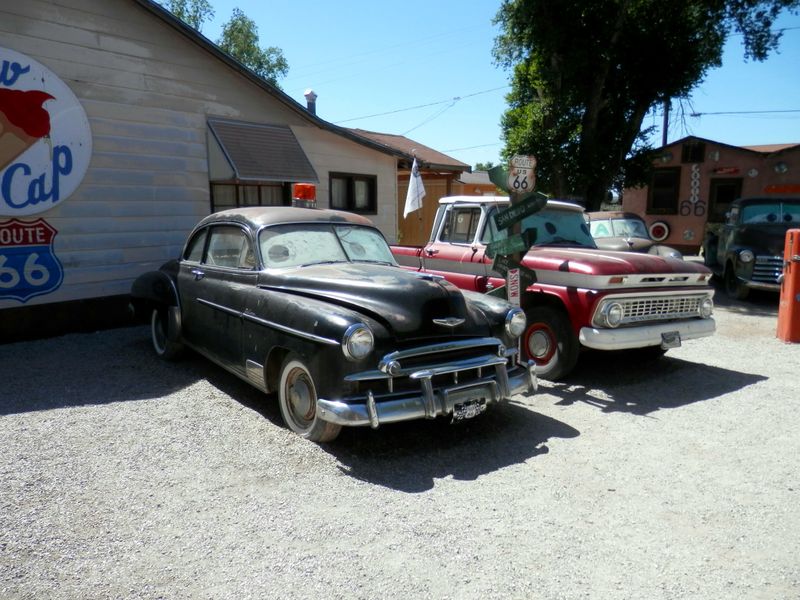
More drivable miles of original Route 66 exist in Oklahoma than in any other state along the Mother Road.
This iconic highway runs diagonally across the state from the northeast corner near Miami down to Texola in the west.
Locals take pride in preserving the quirky roadside attractions that defined mid-century American travel.
December offers ideal conditions for exploring these sites without summer heat or heavy tourist traffic.
The Blue Whale of Catoosa still delights visitors with its whimsical concrete presence beside a small pond.
POPS in Arcadia towers over the landscape with its giant soda bottle sculpture and extensive beverage selection.
Located at 660 State Highway 66, this modern tribute to Route 66 culture combines nostalgia with contemporary style.
Many travelers rush through Oklahoma without realizing the state contains some of Route 66’s most photogenic segments.
The road itself tells stories of American migration, dreams, and the golden age of automobile travel.
Small museums dedicated to the highway dot the route, maintained by passionate locals who remember its heyday.
Clinton houses the official Oklahoma Route 66 Museum with extensive exhibits spanning decades of highway history.
Vintage motels still operate along the route, offering authentic experiences for travelers seeking connection to the past.
Taking time to explore these landmarks shows respect for the heritage Oklahomans work hard to preserve.
5. Tornadoes Are Not A December Concern
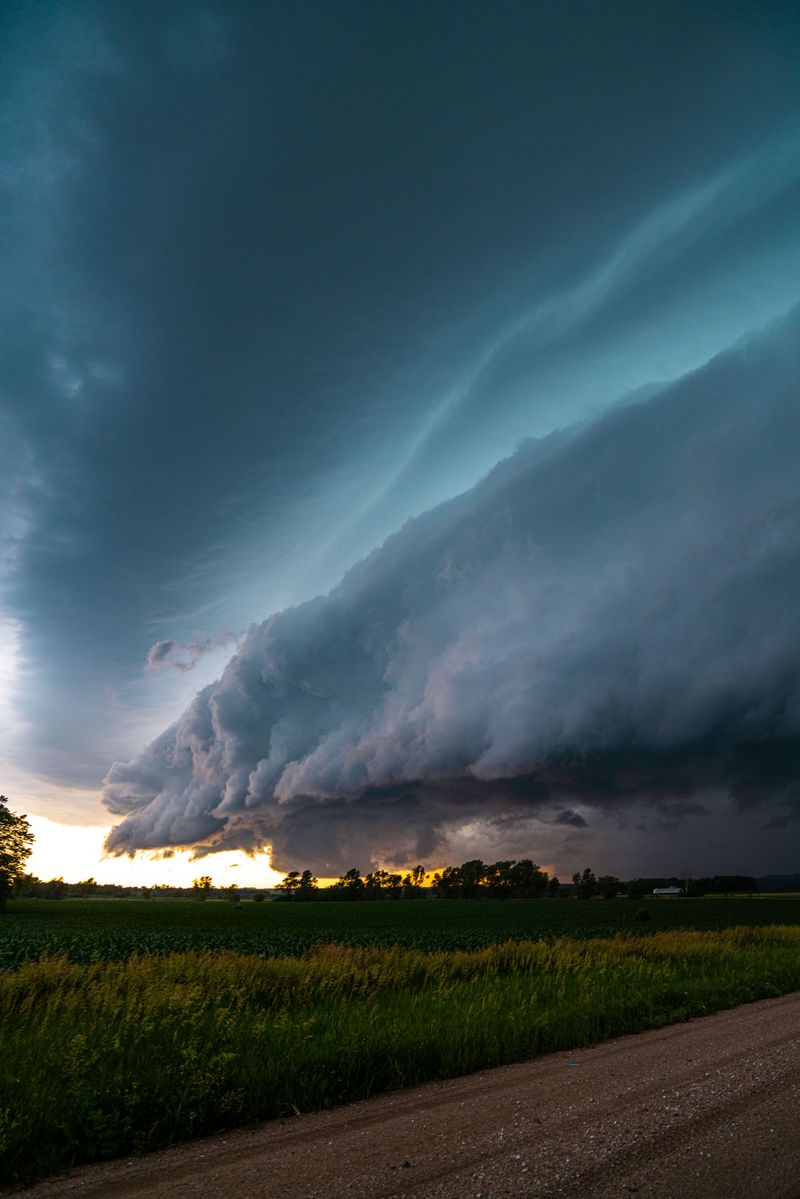
Many visitors arrive with exaggerated fears about tornadoes, having heard about Oklahoma’s reputation for severe weather.
While the state does experience significant tornado activity during spring months, December sits firmly outside peak season.
Locals find it amusing when winter visitors constantly ask about twisters when the real concerns involve ice and wind.
Tornado season typically runs from April through June when atmospheric conditions align for supercell development.
December weather brings different challenges, but rotating funnel clouds rank extremely low on the probability list.
The National Weather Center in Norman offers fascinating tours that explain Oklahoma’s unique meteorological position.
Located at 120 David L. Boren Boulevard, this facility houses cutting-edge research and forecasting operations.
Understanding the science behind Oklahoma weather helps visitors appreciate why locals become amateur meteorologists.
Winter storms demand attention and preparation, but they look nothing like the violent springtime systems.
Ice accumulation causes more December problems than any other weather phenomenon in Oklahoma.
Bridges freeze before roadways, creating hazardous driving conditions that catch unprepared travelers off guard.
Locals want visitors to focus on actual winter weather preparedness rather than worrying about statistically unlikely tornado encounters.
Save your storm chasing curiosity for a springtime visit when conditions actually warrant such interest.
December in Oklahoma offers peaceful winter beauty without the dramatic severe weather the state experiences other times of year.
6. Barbecue And Comfort Food Reign Supreme
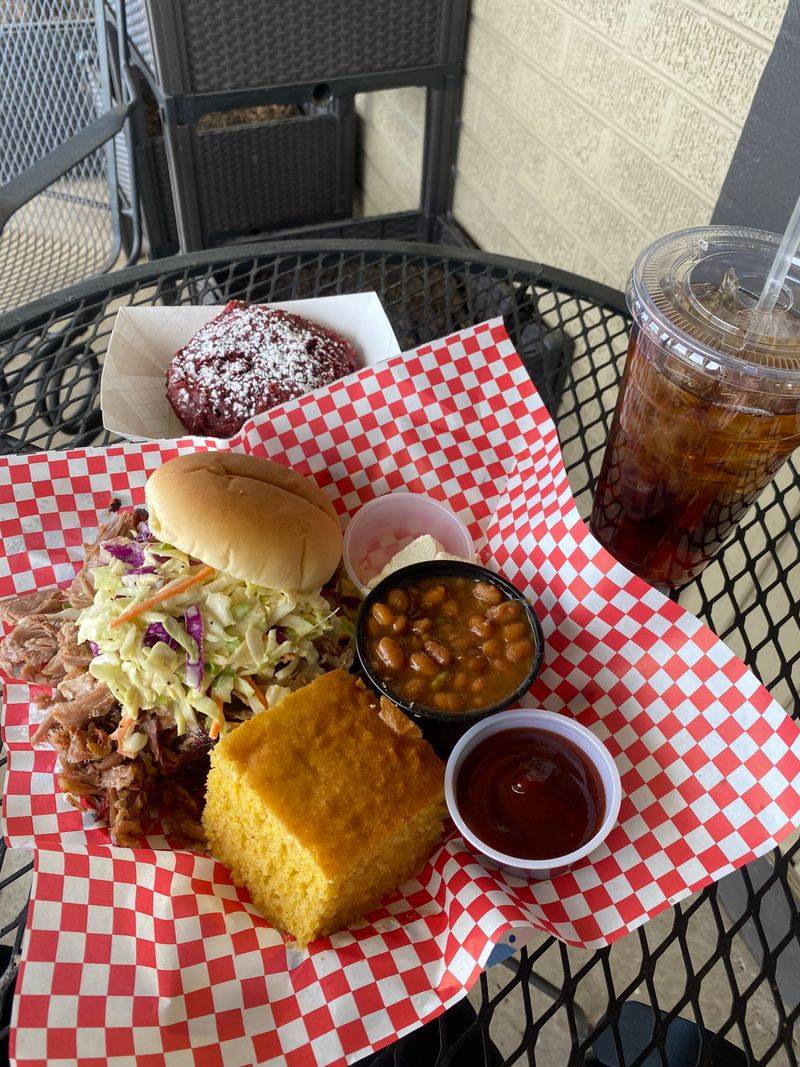
Food culture in Oklahoma centers around hearty, satisfying meals that reflect both southern and western influences.
Barbecue joints across the state serve slow-smoked meats with regional variations that locals debate passionately.
December cold makes these warm, filling meals even more appealing after a day exploring outdoor attractions.
Visitors expecting sophisticated fusion cuisine or trendy food halls might feel disappointed by the straightforward approach.
Oklahomans prefer honest, generous portions of well-prepared comfort food over fancy presentations.
Chicken fried steak appears on virtually every menu, prepared with cream gravy that locals consider essential.
The state’s beef industry ensures quality steaks at prices that would shock visitors from coastal cities.
Family-owned restaurants dominate the dining scene outside major metropolitan areas.
These establishments often occupy the same locations for generations, building loyal customer bases.
Burnt ends, brisket, and ribs get smoked low and slow using methods passed down through families.
Local favorites might not look impressive from the outside, but their food speaks for itself.
Cattlemen’s Steakhouse in Oklahoma City has served cowboys and visitors since territorial days.
Located at 1309 South Agnew Avenue in Stockyards City, this institution embodies authentic Oklahoma dining.
Embrace the hearty, unpretentious food culture and you will understand Oklahoma much better.
7. Wide Open Spaces Mean Real Distance
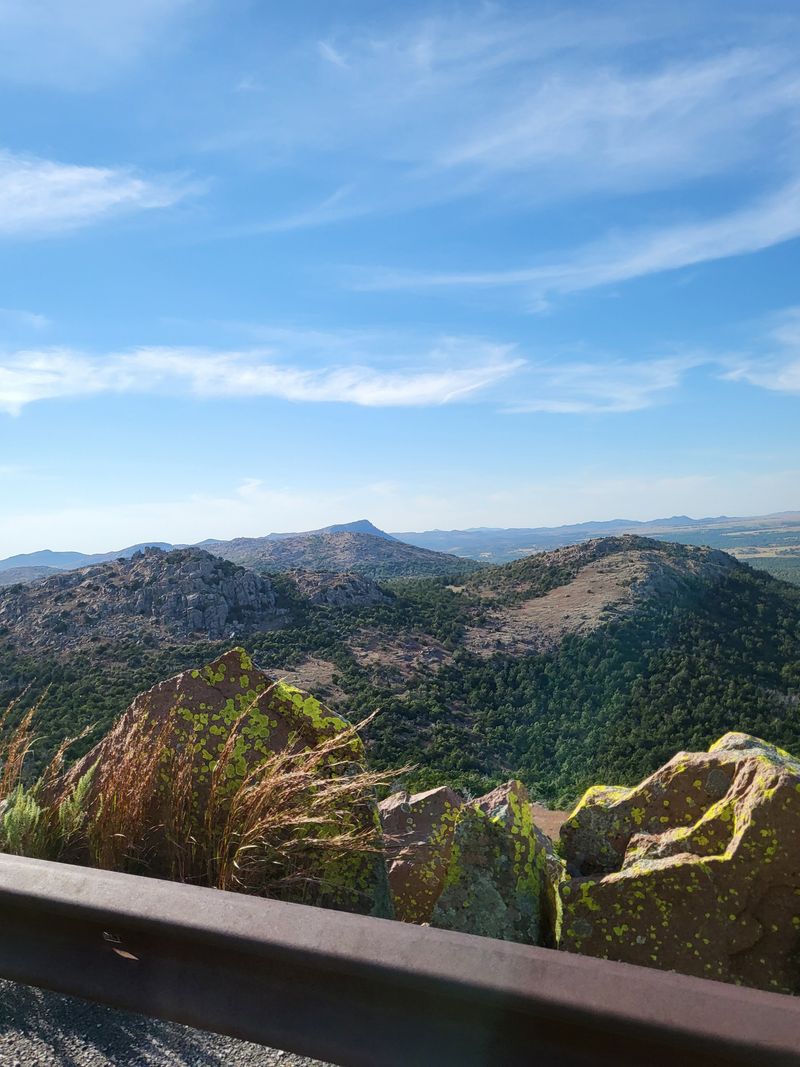
Oklahoma covers more than sixty-nine thousand square miles, and much of that space contains very little except grassland and sky.
Visitors accustomed to densely populated regions often underestimate travel times between destinations.
That attraction you want to visit might sit two hours from your hotel with nothing but prairie in between.
Locals grow up understanding that distance means something different here than in compact eastern states.
Planning to see multiple sites in one day requires realistic assessment of driving time and fuel availability.
Small towns might be separated by fifty miles of open road with no services.
Cell phone coverage becomes spotty once you leave major highways and population centers.
Keeping your gas tank above half full becomes a practical necessity rather than mere caution.
The landscape’s flatness creates an optical illusion where distant objects seem closer than they actually are.
December days grow short, meaning afternoon departures can quickly become night drives across unfamiliar territory.
Wildlife crossing roads poses another consideration, especially during dawn and dusk hours.
Deer populations thrive across Oklahoma, and collisions cause serious damage and injuries.
Locals respect these distances and plan accordingly, building extra time into their schedules.
The vastness creates beauty and solitude, but demands different travel strategies than more populated regions require.
8. College Football Matters More Than You Realize

Saturdays during football season transform Oklahoma into a state consumed by passionate loyalty to college teams.
The rivalry between the University of Oklahoma Sooners and Oklahoma State University Cowboys runs incredibly deep.
While December typically falls after regular season games conclude, bowl season preparations dominate conversations.
Visitors might find hotel rooms scarce and restaurant waits longer if championship games bring teams back to the state.
Locals organize their entire fall and early winter schedules around football commitments.
Wearing the wrong team colors in certain towns can generate surprisingly strong reactions from residents.
This sports passion reflects broader community identity and pride that extends beyond mere entertainment.
The Gaylord Family Oklahoma Memorial Stadium in Norman seats more than eighty thousand fans.
Located on the university campus, this venue creates an electric atmosphere that visitors remember forever.
Even people with no prior football interest find themselves caught up in the energy and tradition.
Tailgating culture reaches art form status, with elaborate setups featuring gourmet food and sophisticated hospitality.
Understanding this football obsession helps visitors navigate social situations and local customs more smoothly.
Asking locals about their team allegiance opens friendly conversations and demonstrates cultural awareness.
The sport unites communities across economic and social divisions in ways few other activities achieve.
9. Western Heritage Shapes Daily Life
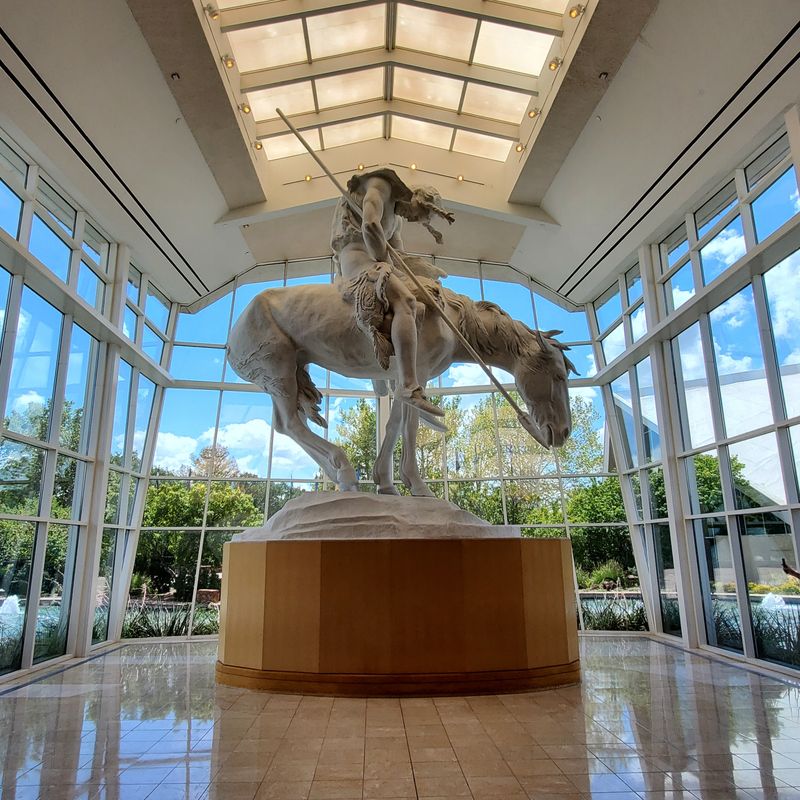
Cowboy culture remains alive and functional in Oklahoma rather than existing as mere historical nostalgia.
Working ranches still operate across the state, and rodeos draw serious competitors and enthusiastic crowds.
The National Cowboy and Western Heritage Museum in Oklahoma City houses world-class collections celebrating this lifestyle.
Located at 1700 Northeast 63rd Street, this institution preserves and presents authentic western art and artifacts.
December brings special holiday exhibits that blend western themes with seasonal traditions.
Visitors sometimes treat western heritage as kitsch or entertainment, which locals find disrespectful.
Real cowboys still work cattle, compete in events, and maintain traditions passed through generations.
Boot stores sell functional footwear designed for ranch work, not fashion statements.
Hat etiquette matters in certain settings, and locals notice when visitors treat these customs carelessly.
Stockyards City in Oklahoma City continues operating as a functional livestock market alongside tourist attractions.
The smell of cattle and sound of auctioneers remind visitors this heritage remains economically relevant.
Western wear appears in everyday wardrobes because people actually use these durable, practical garments.
Rodeo stars achieve local celebrity status comparable to professional athletes in other regions.
Approaching this culture with genuine interest rather than ironic detachment earns respect from Oklahomans.
10. Hospitality Comes With Genuine Warmth

Southern hospitality blends with western friendliness throughout Oklahoma, creating a genuinely welcoming atmosphere.
Strangers make eye contact, offer greetings, and engage in brief conversations without ulterior motives.
Visitors from more reserved regions sometimes misinterpret this openness as suspicious or intrusive.
Locals simply believe in treating people kindly and making visitors feel comfortable in their state.
Someone asking about your day or commenting on the weather expects nothing beyond friendly acknowledgment.
This warmth extends to helping lost travelers, recommending local favorites, and sharing regional knowledge.
Oklahomans take pride in their state and genuinely want visitors to enjoy their experience.
Returning this friendliness with cold dismissal or suspicion offends people who mean only kindness.
Restaurant servers chat beyond taking orders, creating personal connections that enhance dining experiences.
Shop owners remember repeat customers and ask about their families and interests.
This community-oriented approach to interaction reflects values that Oklahomans consider fundamental to good living.
Slowing down enough to appreciate these genuine human connections enriches any visit.
The pace of life allows time for courtesy and consideration that rushed urban environments often eliminate.
Embracing this hospitable culture rather than viewing it skeptically opens doors to authentic local experiences and memorable encounters.
Dear Reader: This page may contain affiliate links which may earn a commission if you click through and make a purchase. Our independent journalism is not influenced by any advertiser or commercial initiative unless it is clearly marked as sponsored content. As travel products change, please be sure to reconfirm all details and stay up to date with current events to ensure a safe and successful trip.
