Oregon has its own secret language, and if you’re not from here, half of it will probably go right over your head. I quickly realized there are things only locals truly get – like why rain is basically a fashion statement and why craft beer flows like water.
Coffee snobs, quirky festivals, and obsession with the outdoors? Totally normal here.
Even casual conversations can dive deep into the mystical powers of hiking trails or the eternal debate over the “right” way to eat a marionberry pie. Locals navigate it all with ease, while I laughed, nodded, and tried to catch up.
Every little tradition, weird rule, or obsession suddenly felt like a badge of honor. By the end, I was half-educated in Oregon-ese and fully in love with the state’s charming quirks.
1. Embracing the Rain Without Umbrellas
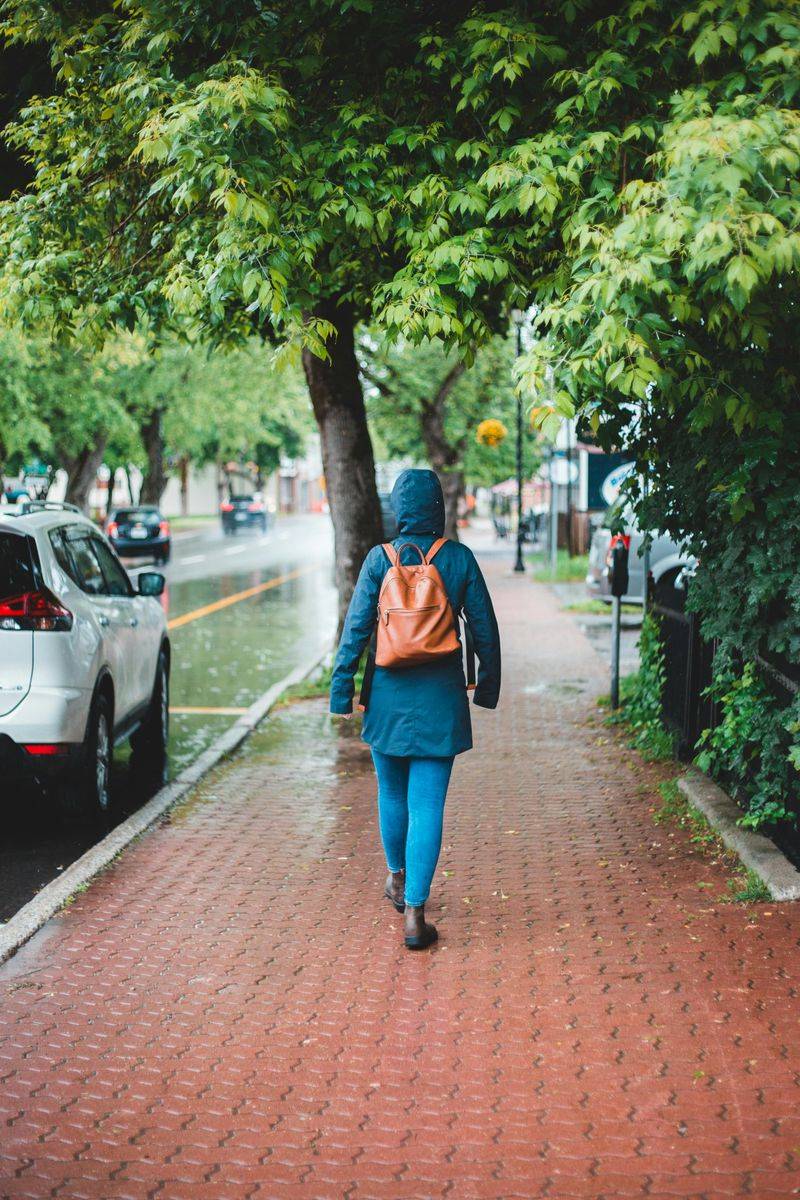
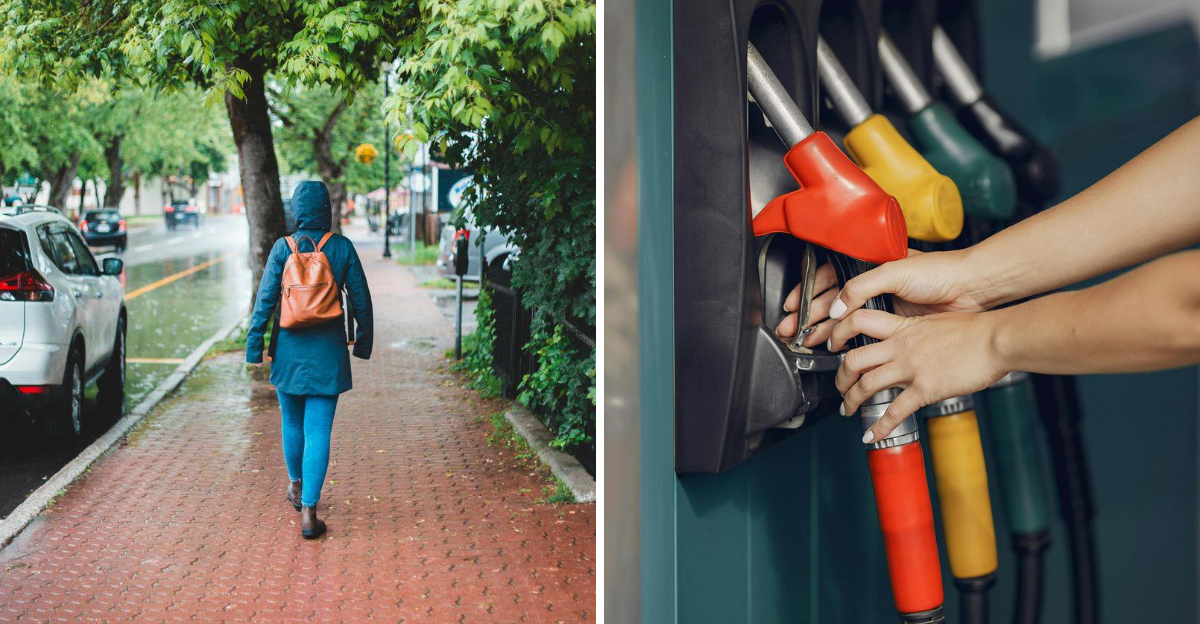
Ask an Oregonian where they keep their umbrella and you might get a blank stare. In this state, hooded jackets are the official rain gear, and carrying an umbrella marks you as a tourist faster than anything else.
Oregon gets a lot of rain, especially in cities like Portland and Eugene. But locals have developed a quiet pride in simply walking through it.
The drizzle is soft, constant, and almost comforting once you get used to it.
Newcomers often arrive with their fancy compact umbrellas ready to go. Within a few months, those umbrellas are buried in a closet somewhere, forgotten and dusty.
There is something deeply Oregonian about accepting the rain rather than fighting it. It teaches patience and a certain toughness that is hard to explain to someone from a sunnier state.
Locals do not see the rain as an inconvenience. They see it as part of the landscape, part of the identity.
The rain keeps Oregon green, and Oregonians would not trade that for anything.
Over time, visitors often find themselves adopting the same habits – hoods up, boots on, and a quiet appreciation for the soft patter overhead. Embracing the rain becomes less about necessity and more about feeling in step with the rhythm of life here.
2. Refusing to Pump Their Own Gas
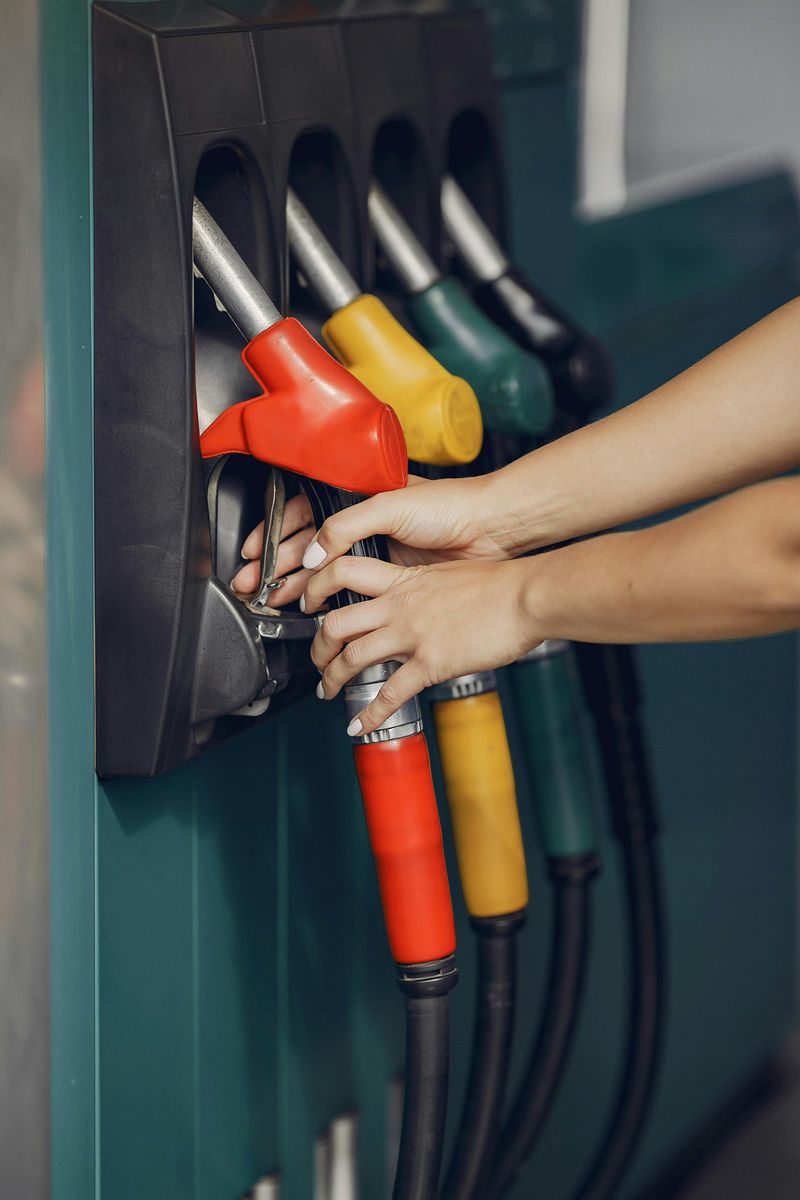
Pull into a gas station in Oregon and do not even think about getting out of the car. A trained attendant will walk over and handle everything for you, and that is exactly how locals like it.
This law has been on the books since 1951, making Oregon one of only a handful of states with full-service fueling requirements. For most counties, self-service pumping is simply not allowed.
Visitors from other states often find this baffling. They open their car door instinctively, and the attendant politely but firmly waves them back in.
It takes some getting used to if you grew up somewhere else.
Oregonians, though, genuinely appreciate it. The system supports local jobs and keeps a small but meaningful tradition alive in a world that keeps automating everything.
There is also something oddly relaxing about sitting in your warm car while someone else handles the fuel on a cold, rainy Oregon morning. It feels like a small luxury that locals never take for granted, even decades after the law was first passed.
The attendants are usually friendly and efficient. Tips are appreciated but not expected.
It’s a small interaction that feels surprisingly personal.
3. Calling It The Coast, Not The Beach
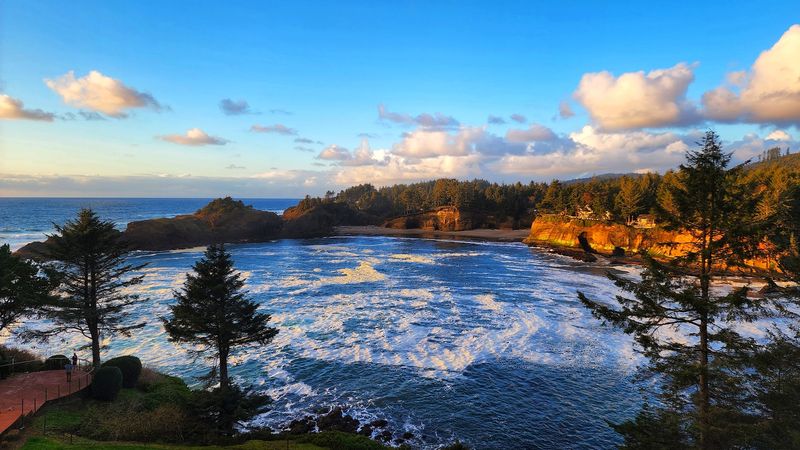
Say the word beach to an Oregonian and they will know you are not from around here. The Pacific shoreline in Oregon is always called the coast, and that word carries a very specific meaning.
Unlike sandy beaches in warmer states, the Oregon coast is wild and rugged. Think towering sea stacks, misty cliffs, and tide pools full of sea stars and anemones.
It is a place for hiking boots, not flip-flops.
Towns like Cannon Beach, Newport, and Astoria sit along this dramatic stretch of coastline. Each one has its own personality, from artsy shops to working fishing docks.
The ocean here is cold and the waves are powerful. Swimming is rare.
What people come for is the scenery, the wildlife, and the feeling of standing at the edge of something enormous and untamed.
Oregonians visit the coast in every season, rain or shine. A foggy winter morning at Haystack Rock hits differently than any sunny beach day.
That raw, moody beauty is exactly what keeps locals coming back year after year.
4. Celebrating Keep Portland Weird
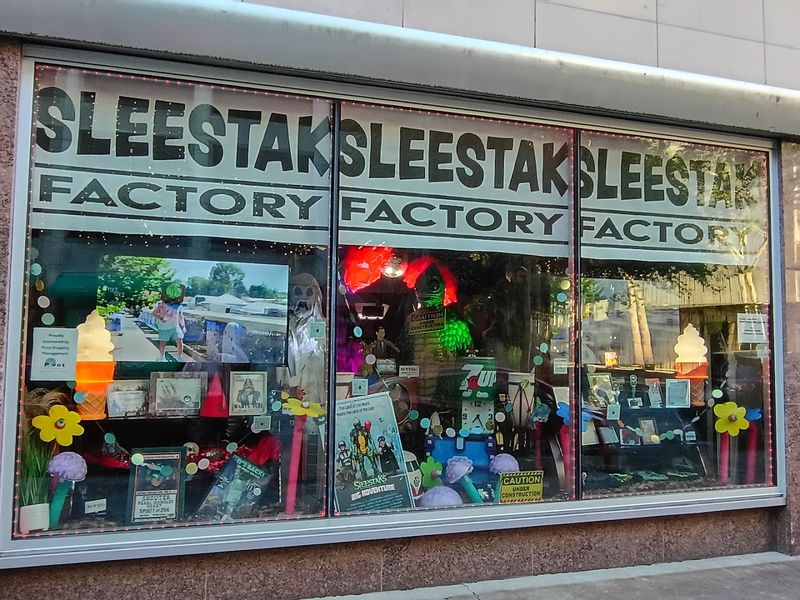
Portland’s unofficial motto is not just a bumper sticker slogan. It is a genuine civic philosophy that shapes how the city operates, celebrates itself, and welcomes the unconventional with open arms.
The city has a long history of embracing the offbeat. You might spot a unicycle-riding bagpiper on Hawthorne Boulevard without anyone batting an eye.
That is just a Tuesday in Portland.
Donut shops here serve creations topped with cereal, maple glaze and bacon, or lavender frosting. Food cart pods pop up in parking lots and become neighborhood institutions.
Art is everywhere, from massive murals to tiny sidewalk mosaics.
Keep Portland Weird started as a campaign to support local businesses over big chains. It grew into something much larger, a shared identity that Portlanders wear proudly.
For people who grew up here, weird is not an insult. It is a compliment, a form of respect, and a reminder that conformity is optional.
Visitors often leave Portland feeling like they want to move here immediately, and honestly, who could blame them.
5. Prioritizing Biking Over Driving
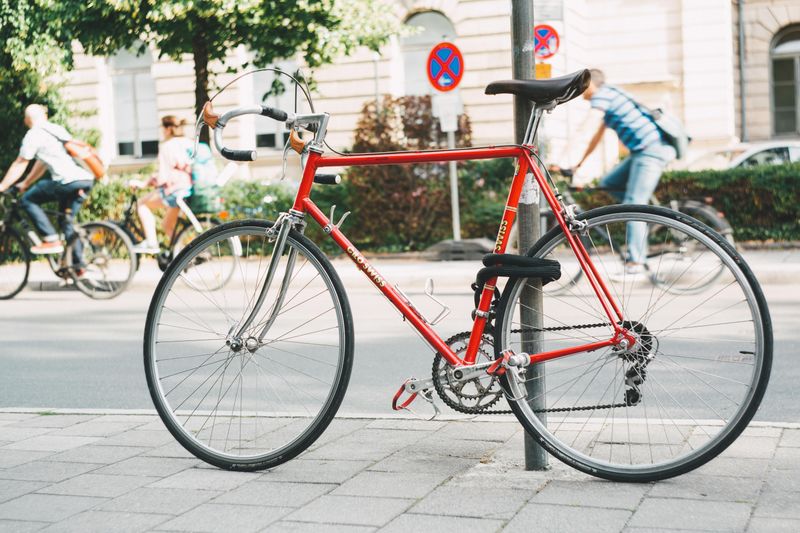
Portland consistently ranks among the top cycling cities in the entire United States. For many residents, a bicycle is not just a weekend hobby but a primary form of daily transportation.
The city has invested heavily in protected bike lanes, greenways, and cycling infrastructure. Commuters pedal to work in the rain, parents haul kids in cargo bikes, and delivery riders zip through neighborhoods with ease.
Eugene also has a strong cycling culture, with the University of Oregon campus practically designed around two-wheeled travel. Both cities make it genuinely practical to skip the car entirely for most errands.
To someone visiting from a car-centric city, this can seem almost radical. But for locals, it just makes sense.
Parking is expensive, traffic is frustrating, and a bike gets you where you need to go on your own schedule.
There is also a values component here. Many Oregonians care deeply about reducing their environmental footprint.
Choosing a bike over a car is not just practical, it reflects a broader commitment to living lightly on the land that Oregonians genuinely love.
6. Foraging for Mushrooms and Berries
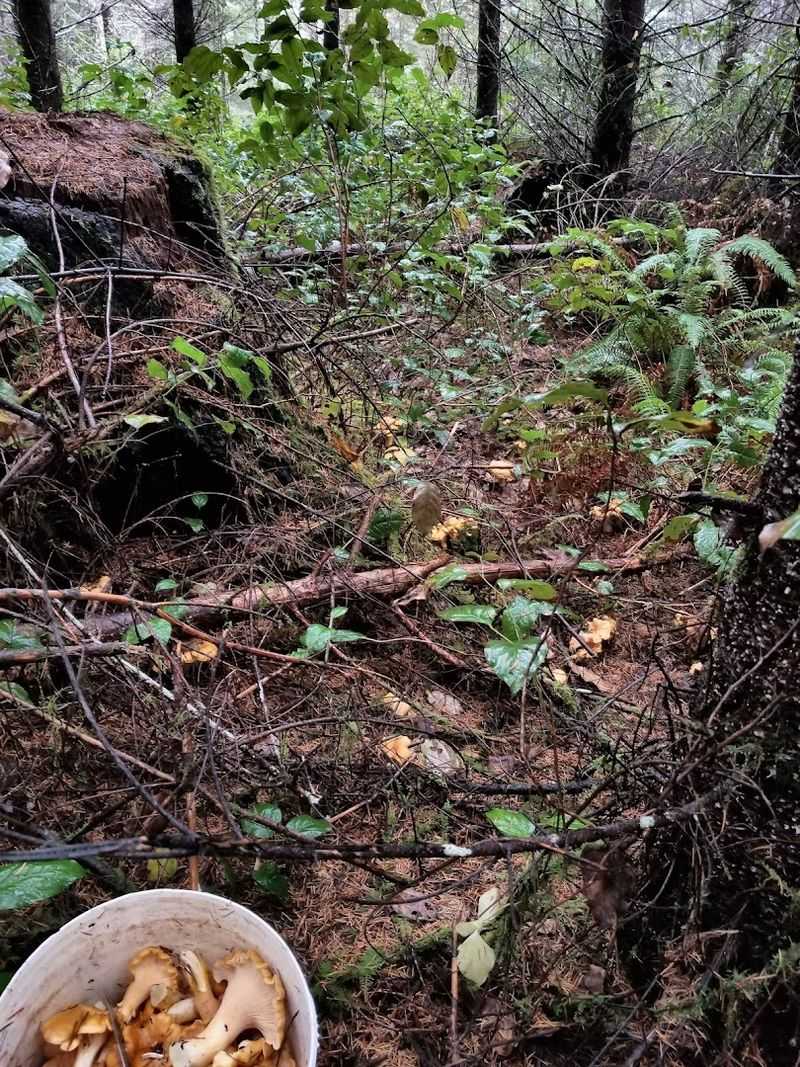
Walking into an Oregon forest and coming out with dinner is not a fantasy here. It is a completely normal weekend activity for a large portion of the population, especially in the wetter western part of the state.
Chanterelle mushrooms are a prized find, golden and fragrant and absolutely delicious sauteed in butter. Blackberries grow wild along roadsides and trail edges every summer, practically begging to be picked by the handful.
Foraging in Oregon requires some knowledge and respect for the land. Most experienced locals learn from family members or join community foraging groups where experts share what is safe to eat and what to leave alone.
The Willamette Valley and the Coast Range forests are particularly rich foraging grounds. Timing matters too.
Mushroom season peaks in fall after the rains return, and berry picking is a late summer ritual.
There is a deep satisfaction in cooking a meal from ingredients you gathered yourself just hours earlier. It connects Oregonians to their landscape in a very direct and rewarding way that no grocery store run can quite replicate.
7. Celebrating the Oregon Country Fair
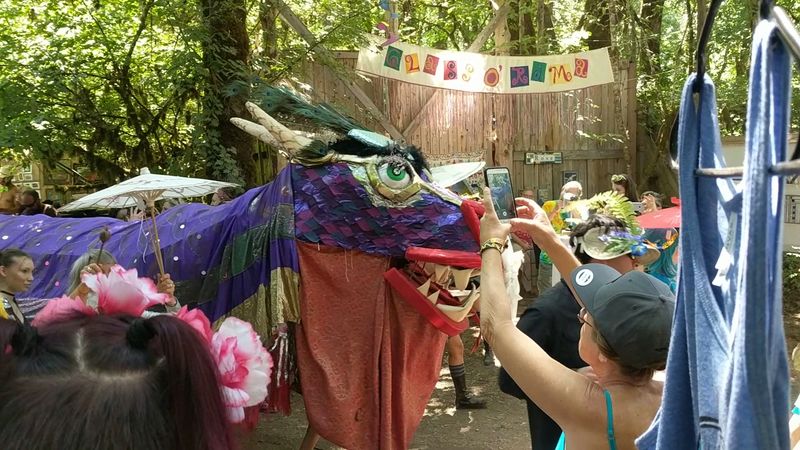
Once a year, a patch of forest near Veneta, just outside Eugene, transforms into one of the most joyfully strange celebrations in the entire Pacific Northwest. The Oregon Country Fair has been running since 1969.
For three days every July, tens of thousands of people gather to enjoy live music, elaborate art installations, handcrafted goods, and performances that range from acrobatics to spoken word poetry. Costumes are absolutely encouraged.
The fair has a strong counterculture history rooted in the back-to-the-land movement of the late 1960s. That spirit is still very much alive today.
Community, creativity, and sustainability are the unofficial pillars of the whole event.
For Oregonians who grew up attending, the fair is a touchstone. Many families have gone every year for generations.
Kids who once rode on their parents’ shoulders now bring their own children through the same wooded paths.
First-timers often describe the experience as stepping into a parallel universe where art is currency and joy is the main export. For those who know, that description sounds exactly right, and they would not change a single thing about it.
8. Using the Term Filbert for Hazelnuts
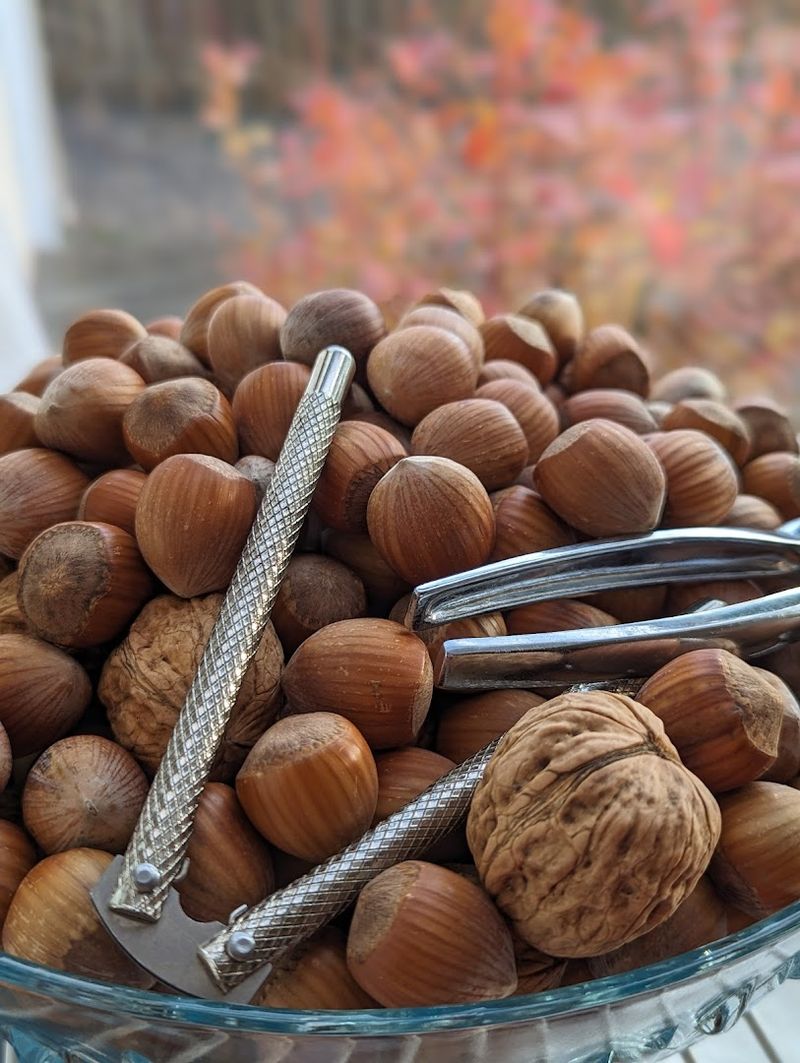
Oregon produces about 99 percent of all the hazelnuts grown in the United States. That is an extraordinary agricultural fact, and it comes with a linguistic quirk that only true Oregonians will recognize immediately.
While the rest of the country calls them hazelnuts, many longtime Oregonians still use the older term filbert. The word goes back centuries and reflects the deep agricultural roots of the Willamette Valley, where hazelnut orchards stretch across the landscape.
Young Oregonians may use the two words interchangeably. But older residents, especially those with farming backgrounds, often stick firmly to filbert and raise an eyebrow at the newer terminology.
The Willamette Valley’s mild, wet climate is perfectly suited for growing these trees. Drive through the valley in fall and you will see nets spread under the trees to catch the falling nuts at harvest time.
Hazelnuts, or filberts, show up in Oregon cooking in creative ways. Chocolate hazelnut spreads, roasted filbert salads, and locally made nut butters are staples at farmers markets across the state.
It is a small word with a big story behind it, and Oregonians carry that story with quiet pride.
9. Waiting in Line for Brunch
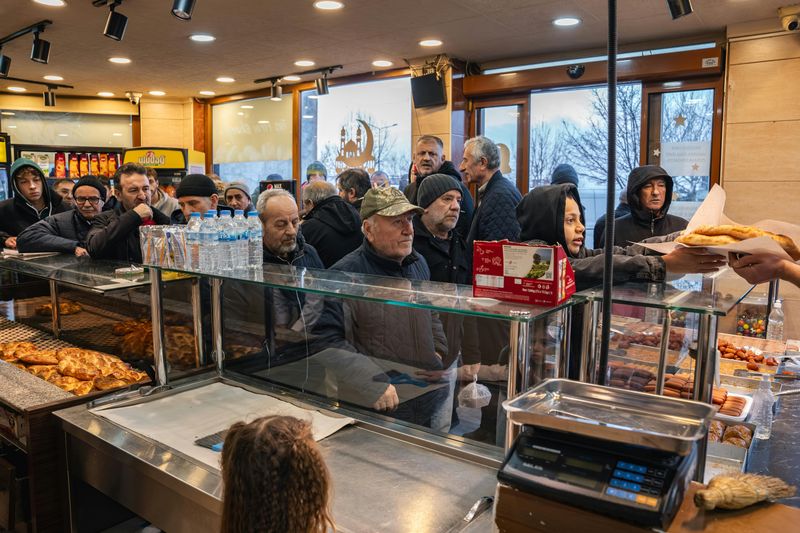
Saturday morning in Portland looks like this: a line of people stretching down the sidewalk outside a restaurant that will not open for another 45 minutes. Nobody is complaining.
This is brunch culture, Oregon style.
The brunch scene here is genuinely world-class. Portland in particular has attracted talented chefs who have turned weekend morning meals into an art form.
Biscuits with house-made gravy, inventive egg dishes, and locally sourced produce are standard expectations.
The wait is part of the ritual. People bring coffee from a nearby cart, chat with strangers in line, and scroll through menus posted on Instagram before they even walk through the door.
Planning your brunch is its own kind of weekend activity.
Spots like Tasty n Daughters and Broder Nord have become local legends, with lines forming before sunrise on busy weekends. The food justifies every minute of the wait, according to devoted regulars.
Transplants from cities without a strong brunch culture sometimes find the dedication puzzling. But Oregonians understand that a great brunch is not just a meal.
It is a slow, satisfying way to celebrate the weekend, and it is worth every single minute spent waiting outside in the drizzle.
10. Celebrating Exploding Whale Day
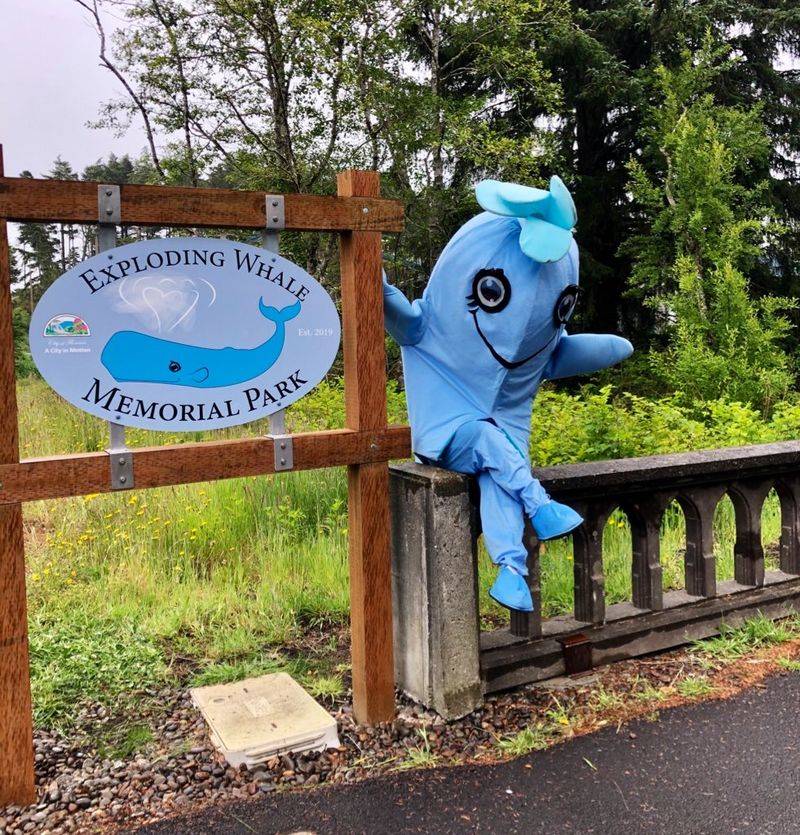
In November 1970, a large sperm whale washed ashore near Florence, Oregon. Local authorities faced a problem nobody had a clear answer for.
Their solution became one of the most legendary and chaotic moments in Oregon history.
They decided to use dynamite. The plan was to blow the whale into small enough pieces for seagulls and other animals to clean up naturally.
What actually happened was that enormous chunks of blubber rained down on spectators and even crushed a parked car.
The footage, shot by a local TV reporter named Paul Linnman, eventually went viral decades later on early internet platforms. Suddenly the whole world knew about Oregon’s exploding whale.
Florence now celebrates this bizarre chapter of its history with Exploding Whale Day, a lighthearted annual event that leans fully into the absurdity of what happened. It has become a point of pride rather than embarrassment.
Only Oregon could turn a spectacularly failed whale disposal attempt into a beloved local holiday. The event perfectly captures something essential about the state’s personality: a willingness to laugh at itself, own its quirks completely, and make a good story out of almost anything.
Dear Reader: This page may contain affiliate links which may earn a commission if you click through and make a purchase. Our independent journalism is not influenced by any advertiser or commercial initiative unless it is clearly marked as sponsored content. As travel products change, please be sure to reconfirm all details and stay up to date with current events to ensure a safe and successful trip.
