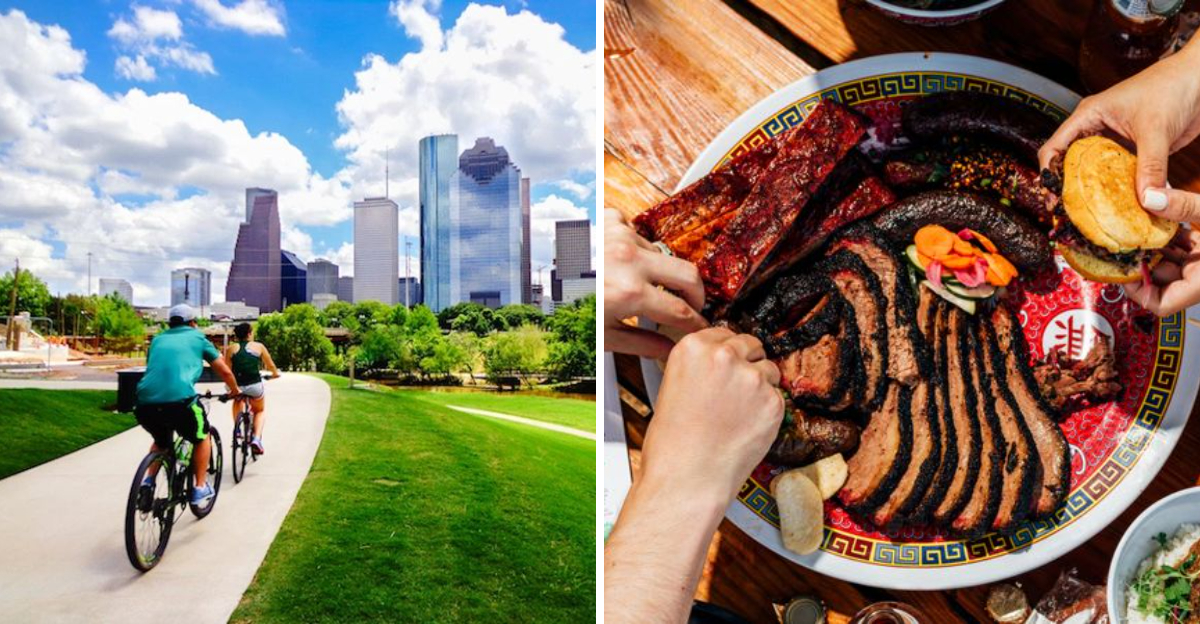
Texas is a big, bold state with a personality all its own. Visitors from around the world are drawn to its cowboy culture, wide-open spaces, and friendly locals. But even the most excited travelers often make a few common mistakes that can turn their dream trip into a frustrating experience.
Understanding what to expect before you arrive can make all the difference. From weather surprises to cultural misunderstandings, knowing the real Texas helps you enjoy everything this amazing state has to offer.
Get ready to discover the truth behind the Lone Star State and avoid the pitfalls that trip up so many first-time visitors.
1. Underestimating the Distances Between Cities
Many visitors look at a Texas map and think driving from Houston to El Paso will be like hopping between towns back home. Wrong. That drive takes about eleven hours without stops, crossing nearly 750 miles of varied terrain. Texas covers more than 268,000 square miles, making it larger than many entire countries.
Planning your route requires serious thought and realistic timing. What looks close on paper might mean half a day behind the wheel. Gas stations can be sparse in rural areas, so fill up when you see one.
Smart travelers break long journeys into manageable chunks with overnight stays. The landscapes change dramatically as you drive, from piney woods to deserts to rolling hills. Rushing through defeats the purpose of experiencing Texas properly.
Pack snacks, download podcasts, and give yourself extra time. The state rewards patient explorers who respect its massive scale and take breaks to enjoy roadside attractions along the way.
2. Expecting Cowboys and Tumbleweeds Everywhere
Hollywood has done Texas a disservice by painting every corner as dusty ranch land filled with cowboys. Reality check: Texas boasts some of the most modern, diverse cities in America. Houston alone is the fourth largest city in the nation, with world-class museums, restaurants representing every culture, and a thriving arts scene.
Austin pulses with live music and tech innovation. Dallas dazzles with sophisticated shopping and architecture. San Antonio blends rich history with contemporary energy. Yes, ranches exist, and real cowboys still work the land, but they represent just one slice of Texas life.
The state’s urban centers rival any major metropolitan area for culture and entertainment. You’ll find cutting-edge technology companies, internationally acclaimed chefs, and fashion-forward neighborhoods. Rural areas offer authentic ranch experiences, but expecting the entire state to match old Western movies sets you up for surprise.
Embrace the full spectrum of what Texas offers instead of chasing stereotypes.
3. Ignoring the Summer Heat Warnings
Tourists often dismiss locals’ warnings about Texas heat as exaggeration. Then August arrives and they discover temperatures regularly soaring past 100 degrees with humidity that makes breathing feel like work. This is not beach weather or pleasant outdoor strolling conditions. This is stay-hydrated-or-end-up-in-the-hospital serious.
Heat exhaustion sneaks up fast when you’re sightseeing. Symptoms include dizziness, nausea, and confusion. Visitors underestimate how quickly dehydration happens when you’re walking around theme parks or exploring downtown areas under relentless sun.
Smart planning means scheduling outdoor activities for early morning or evening. Midday belongs indoors where air conditioning runs constantly. Always carry water bottles and drink before you feel thirsty.
Wear lightweight, light-colored clothing and sunscreen rated SPF 30 or higher. Texans aren’t being dramatic about the heat. They’ve learned respect for weather that can genuinely harm unprepared visitors. Listen to their advice and adjust your expectations and schedule accordingly for a safer, more comfortable trip.
4. Thinking All Texas Food is Tex-Mex
Sure, Texas serves incredible Tex-Mex with melted cheese, sizzling fajitas, and fresh salsa. But limiting yourself to tacos and enchiladas means missing the state’s astonishing food diversity. Texas barbecue stands alone as a culinary art form, with brisket smoked low and slow until it melts on your tongue.
Houston claims the title of most diverse city in America, reflected beautifully in its restaurant scene. You’ll find authentic Vietnamese pho, Nigerian suya, Indian dosas, and Ethiopian injera all within blocks of each other. Czech and German immigrants left their mark too, blessing Texas with kolaches and sausages.
Chicken fried steak represents classic comfort food done Texas style. Gulf Coast cities serve fresh seafood that rivals anywhere. Food trucks offer everything from Korean tacos to gourmet grilled cheese.
Each region boasts specialties worth seeking out. San Antonio perfected puffy tacos. The Hill Country does German-style smoked meats. Limiting your Texas food experience to one cuisine cheats your taste buds of incredible adventures.
5. Packing the Wrong Clothes for the Weather
Weather in Texas changes faster than you can refresh your weather app. Morning might start at 45 degrees, climb to 75 by lunch, then drop again after sunset. Visitors packing only shorts or only sweaters find themselves uncomfortable and unprepared.
Winter in Texas confuses people most. One day feels like spring with temperatures in the 70s. The next, a cold front drops temperatures to freezing with biting wind. Layering becomes essential survival strategy rather than fashion choice.
Spring brings unpredictable storms and rapid temperature swings. Fall offers the most pleasant weather but still requires flexibility. Summer demands the lightest, most breathable fabrics you own plus sun protection.
Smart packing means bringing layers you can add or remove throughout the day. Include a light jacket even in summer since indoor air conditioning runs arctic cold. Comfortable walking shoes matter more than cute sandals when you’re covering ground.
Check the forecast daily and pack for variety rather than committing to one weather assumption that will probably prove wrong.
6. Assuming Everyone Rides Horses and Owns Ranches
Arriving in Texas expecting to see horses tied up outside grocery stores sets you up for disappointment. Most Texans live regular lives in regular neighborhoods, driving cars to regular jobs. Ranch ownership remains a luxury for the wealthy or those born into ranching families, not standard Texas living.
Urban and suburban Texans outnumber rural residents by huge margins. They work in offices, hospitals, schools, and shops just like people everywhere. Their daily routines involve traffic jams, coffee runs, and grocery shopping rather than cattle drives.
Yes, rodeos happen and working ranches operate across the state. Agricultural heritage runs deep in Texas identity and pride. But treating every Texan like a cowboy character insults the diversity and complexity of modern Texas life.
You might encounter actual ranchers in small towns or at livestock shows. Respect their expertise and real work rather than viewing them as tourist attractions. Most Texans you meet will be regular folks who appreciate being treated as individuals rather than walking stereotypes from old movies.
7. Forgetting to Check for Tornado Season
Spring in Texas brings wildflowers, pleasant temperatures, and tornadoes. Visitors focused on bluebonnets often forget that March through June marks peak tornado season across much of the state. Severe thunderstorms can spawn dangerous twisters with little warning, especially in North Texas and the Panhandle.
Locals take tornado watches and warnings seriously because they’ve seen the destruction these storms cause. Tourists sometimes treat severe weather alerts like background noise, continuing their plans without seeking shelter. This casual attitude can turn deadly fast.
Download weather alert apps before your trip and pay attention to warnings. Know the difference between a watch and a warning. Watches mean conditions are favorable for tornadoes. Warnings mean one has been spotted and you need to take cover immediately.
Hotels have shelter plans and staff trained to guide guests to safe areas. Never try to outrun a tornado in your car. If sirens sound, move to the lowest floor of a sturdy building away from windows. Respecting Texas weather keeps you safe to enjoy everything else.
8. Overlooking the Sales Tax on Purchases
Sticker prices in Texas stores seem reasonable until you reach the register and discover the final total jumped significantly. Unlike some countries where tax is included in displayed prices, American stores show pre-tax amounts. Texas state sales tax sits at 6.25%, but local jurisdictions add their own, pushing the total to 8.25% in many areas.
This system catches international visitors and Americans from sales-tax-free states off guard. That $100 purchase actually costs $108.25. Budget carefully and calculate the extra cost mentally while shopping to avoid surprise at checkout.
Restaurant bills add sales tax to your food total before you even consider tipping. Both expenses stack up, making dining out pricier than menu prices suggest. Groceries receive some tax exemptions, but prepared foods, sodas, and snacks usually get taxed.
Keep this math in mind when budgeting your trip. Bring extra funds beyond what you think you’ll spend on items themselves. Understanding how sales tax works prevents that awkward moment when your card declines because you calculated costs without including tax.
9. Missing Out on Small Town Charm
Tourists rush between major cities and completely bypass the small towns where Texas heart and soul truly live. Places like Fredericksburg, Marfa, and Jefferson offer experiences you cannot find in urban centers. Historic town squares, local artisans, and genuine community warmth create memories that generic chain hotels never could.
Small town Texas moves at a different pace. Folks actually stop to chat. Local diners serve recipes passed down through generations. Antique shops hide treasures you’d never find in malls.
These communities preserve Texas history in ways museums cannot replicate. Walking their streets connects you to the past while supporting present-day families who keep traditions alive. Many small towns host festivals celebrating everything from wildflowers to watermelons, offering authentic cultural experiences.
Taking backroads adds adventure to your journey. Stop when something catches your eye. Talk to locals who love sharing stories about their hometowns. Some of the best barbecue, pie, and hospitality exists in places with populations under 5,000. Skipping small towns means missing the real Texas many visitors never discover.
10. Believing Texas Has Only Desert Landscapes
Movies set Texas scenes in barren deserts with cacti and dust, creating false expectations. Reality offers stunning variety across different regions. East Texas grows thick pine forests that feel more like Louisiana than Arizona. The Gulf Coast stretches for hundreds of miles with sandy beaches and coastal marshes.
Hill Country rolls with limestone cliffs, clear spring-fed rivers, and oak-covered hills. Wildflowers paint roadsides every spring in explosions of color. The Panhandle shows vast plains where wheat grows and thunderstorms build on the horizon.
Yes, West Texas and parts of South Texas feature desert terrain with cacti and sparse vegetation. Big Bend National Park showcases this dramatic landscape beautifully. But treating this as representative of the whole state ignores incredible geographic diversity.
Piney Woods, prairies, swamps, canyons, and beaches all exist within Texas borders. Different regions support different plants, animals, and ecosystems. Planning your route to experience this variety makes your trip far more interesting than expecting endless desert. Texas geography surprises people who take time to explore beyond their preconceptions.
11. Skipping Proper Tipping at Restaurants
American tipping culture confuses many international visitors, and skipping this custom in Texas marks you as either ignorant or rude. Servers earn very low base wages, sometimes just $2.13 per hour, because tips are expected to make up their income. Leaving no tip or a tiny amount means that person worked for almost nothing.
Standard tipping runs 18-20% of your pre-tax bill for good service. Calculate this before you sit down so the final cost doesn’t shock you. Poor service might warrant 15%, while exceptional service deserves 20% or more.
This applies to sit-down restaurants where someone takes your order and brings food to your table. Fast-casual places where you order at a counter have tip jars but tipping is optional. Bartenders expect a dollar or two per drink or 15-20% of your tab.
Delivery drivers, valets, and hotel housekeeping also work for tips. Budget these costs into your trip expenses. If you cannot afford to tip appropriately, choose dining options that don’t require it. Stiffing service workers hurts real people trying to earn a living.
12. Not Respecting Private Property and Gun Culture
Property rights matter deeply in Texas culture and law. Those “No Trespassing” signs are not suggestions. Wandering onto private land without permission can result in confrontations with landowners who take boundaries seriously. Texas law allows property owners to defend their land, sometimes with force.
Many Texans own firearms legally and carry them for protection. Open carry and concealed carry permits are common. This reality startles visitors from places with stricter gun laws. Respect this cultural difference even if it makes you uncomfortable.
Never enter gated areas, climb fences, or ignore posted warnings just to take photos. Beautiful landscapes often belong to working ranches where livestock roam and equipment operates. Your Instagram shot is not worth trespassing charges or dangerous encounters.
Ask permission before entering private property. Most landowners will grant it if you’re polite and respectful. Public lands, state parks, and designated tourist areas offer plenty of access without crossing legal or safety lines.
Understanding and honoring Texas attitudes about property and self-defense keeps you safe and on the right side of local customs and laws.
Dear Reader: This page may contain affiliate links which may earn a commission if you click through and make a purchase. Our independent journalism is not influenced by any advertiser or commercial initiative unless it is clearly marked as sponsored content. As travel products change, please be sure to reconfirm all details and stay up to date with current events to ensure a safe and successful trip.
