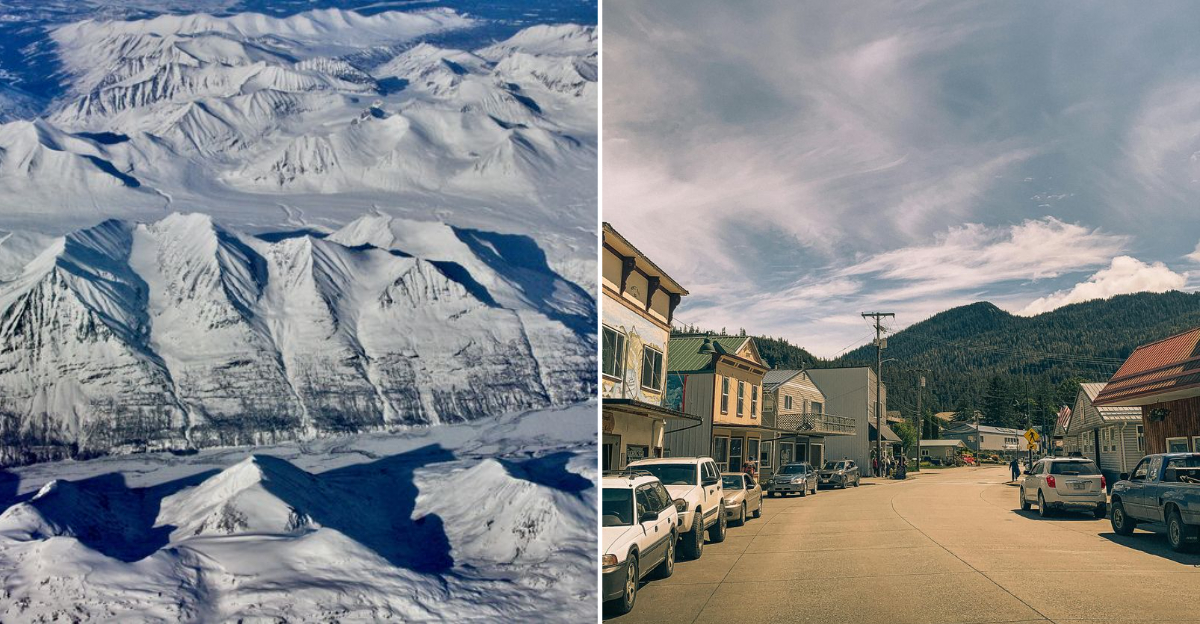
Have you ever thought about what makes Alaska so different from anywhere else? It’s not just the snow and glaciers.
It’s the mix of jaw-dropping beauty and a few challenges that come with the territory. I’ve had the chance to explore parts of Alaska, and it’s the kind of place that leaves you both amazed and humbled.
There are plenty of things you’ll adore: wildlife that feels larger than life, landscapes that look like they belong on a postcard, and small towns with a warmth that balances the cold.
But let’s be real, Alaska isn’t perfect. A few experiences can be tough, whether it’s the unpredictable weather or the long stretches of travel that test your patience.
That’s what makes planning ahead so important. Knowing what’s worth your time and what you might want to skip can turn a good trip into a great one.
So, let’s dig into the highlights and the hiccups of Alaska. You’ll walk away ready to enjoy the best parts without the stress.
1. Wilderness That Actually Feels Untouched
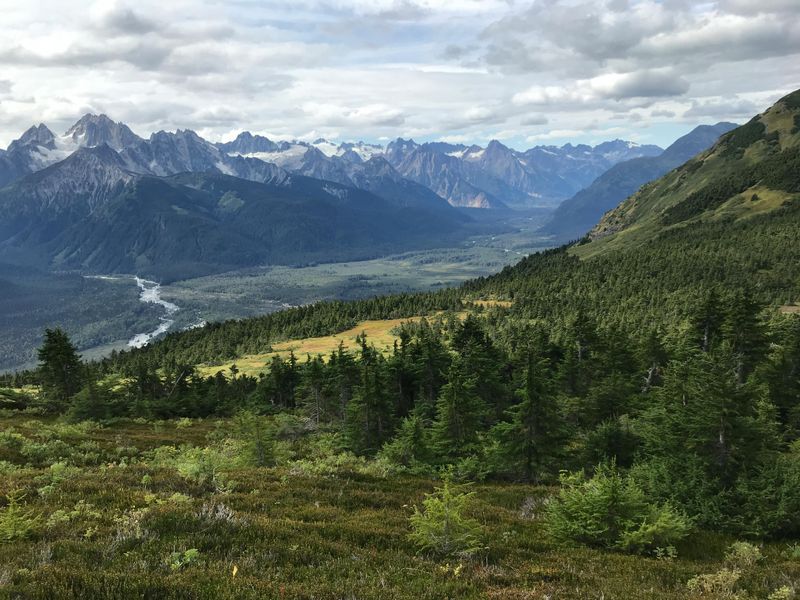
Here is where you stop and hear nothing but wind and water. Huge portions of Alaska feel like they never got the memo about pavement or tidy viewpoints.
You roll up, breathe in cold air, and the land just keeps going past where your eyes quit.
Head into Denali National Park and Preserve and you start to understand scale as a feeling, not a number.
The tundra sweeps out, caribou move like dots, and mountains lean in without a fence between you and them. It is quiet in a way that makes your shoulders drop.
Down near Wrangell St. Elias National Park and Preserve, the valleys look carved with a heavy hand. Trails can fade into brush, and you learn to scan the ground like a local.
If you want something curated, this is not that, and that is exactly why it sticks with you.
Out by the Arctic foothills, gravel roads turn to stories you will tell for years. You drive slower, not because you must, but because rushing feels wrong.
The sky keeps rearranging itself like a show no one scripted.
What I love most is how the land sets the terms. The weather calls the shots and you adapt.
When you finally pull the car over, step out, and just listen, you get that rare feeling that nature is firmly in charge.
2. Wildlife Encounters That Feel Unreal
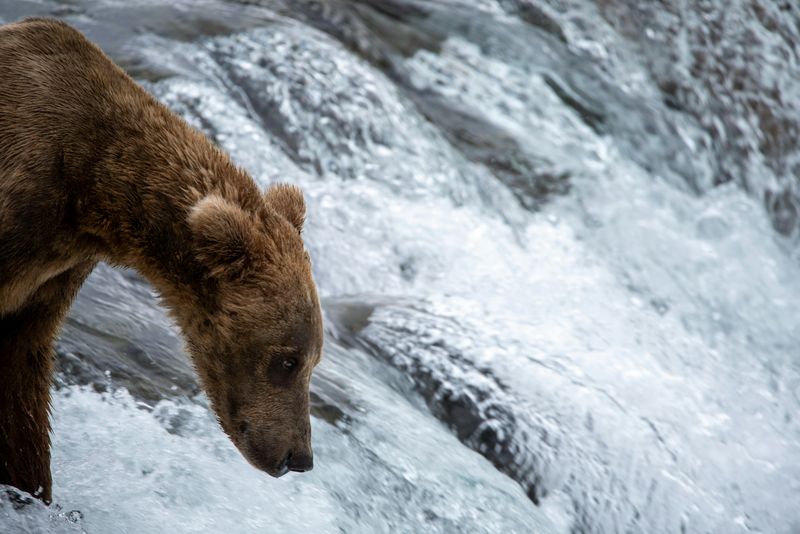
You think you are ready, then a moose steps out like it owns the place.
In this state, wildlife is not a side show. It is the show, and it wanders through your day like a casual neighbor.
Along the Turnagain Arm outside Anchorage, I have watched bald eagles flex over the mudflats.
Up in Denali National Park and Preserve, grizzlies shuffle across hillsides while tour buses go quiet.
On the water near Seward, humpbacks rise like moving islands and slide back without drama.
What makes it hit harder is the normalcy in my opinion. Locals glance, then keep chatting, because this is daily life in the state.
You learn to give space, read the room, and keep your phone down when it matters.
In the Kenai Peninsula, I have pulled over for porcupines like they owned the road. Out by Haines, brown bears work the river while people whisper and back up a step.
Nobody needs a zoo when the trail itself keeps producing.
If you like checklists, toss them out. Let the encounters choose you.
When an eagle snaps into a glide right above your head, you just stand there, small and grateful, and the day feels changed.
3. National Parks On A Massive Scale
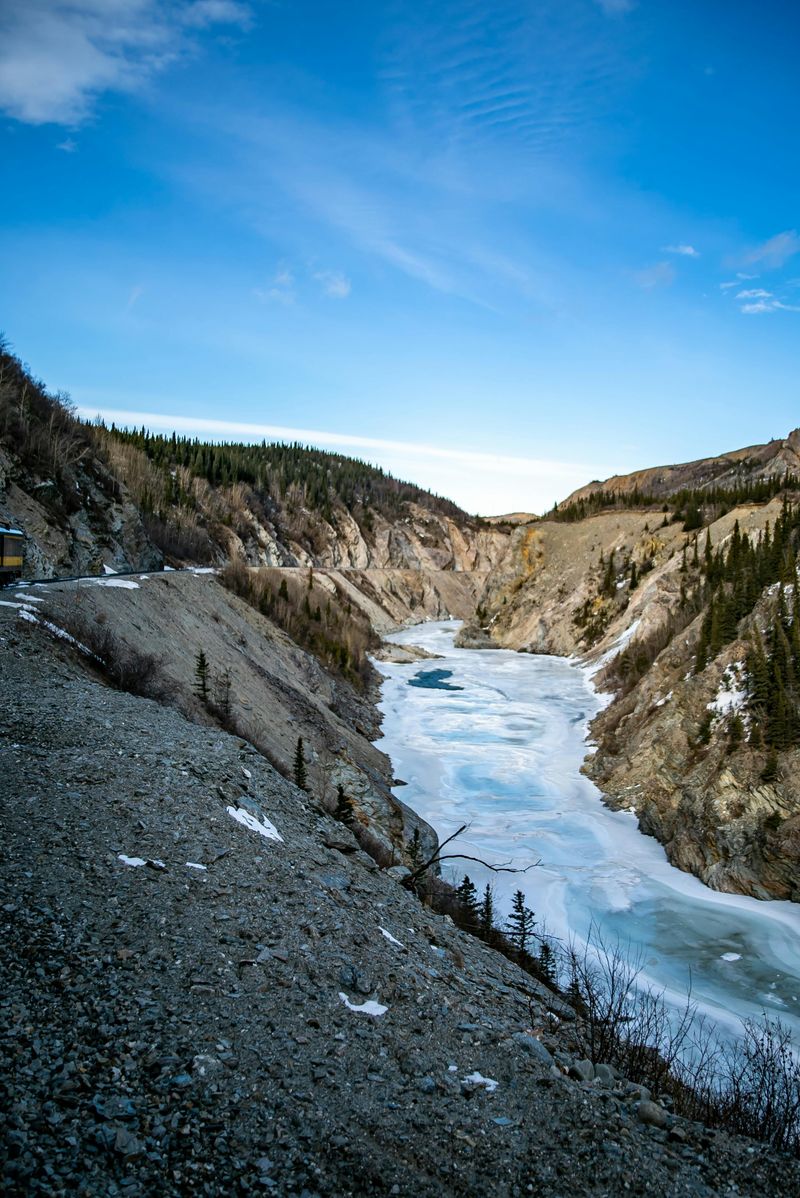
The first time Denali National Park comes into view, your brain stalls. The tundra spreads like a blanket and mountains stack until they blur.
It is not busy or staged, just huge and alive.
Ride the park road and watch the light slide across entire valleys.
If you are quiet, the place slowly lets you in, and that humility feels really good if you ask me.
Then there is Kenai Fjords National Park near Seward, where ice hangs like a slow breath. Deep fjords cut the map into long echoes.
Sea birds skim, and the water keeps a steady, patient rhythm.
Wrangell St. Elias National Park and Preserve turns the dial even further. Glaciers sprawl, and old mining roads feel like suggestions.
You respect distances here because the landscape insists on it.
These parks in Alaska do not perform for you. They just exist at their own pace, waiting for visitors to match it.
When you finally sync up, the size stops being scary and starts feeling like freedom.
4. Landscapes That Change By The Hour
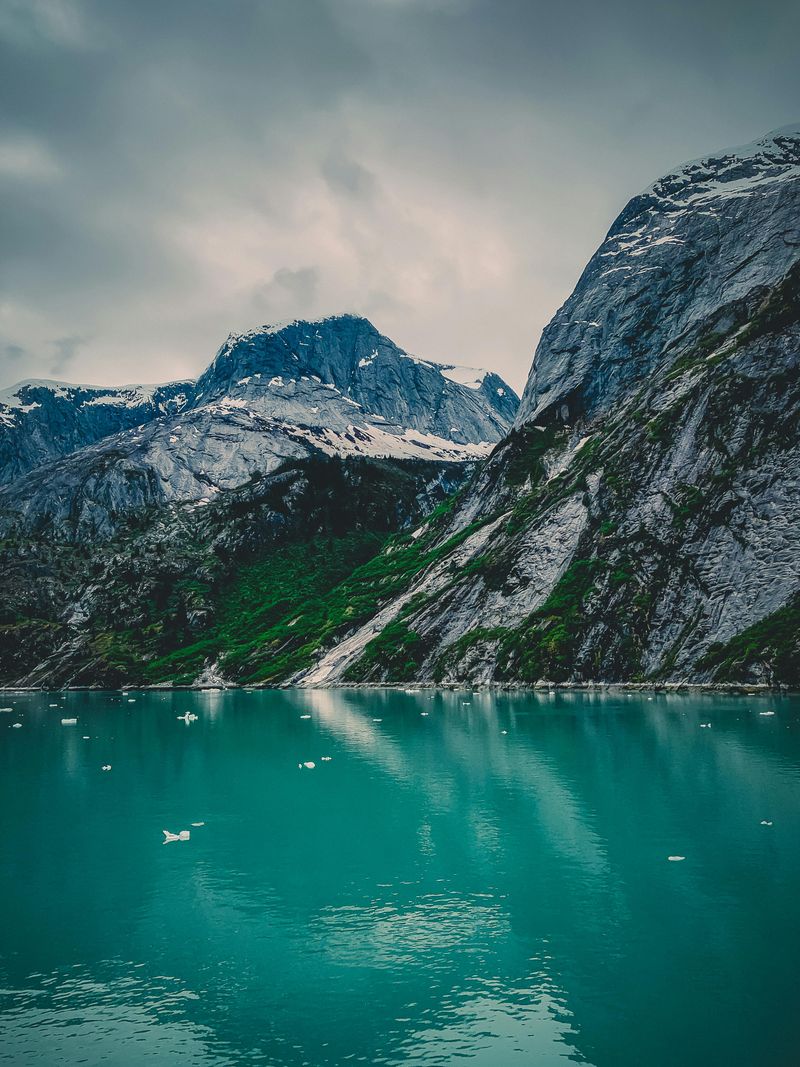
One hour you are tracing a fjord, next you are in a thick spruce forest. Alaska flips scenes like a quick edit and the shifts keep you awake in the best way.
On the road to Valdez, waterfalls spark off cliffs while clouds smear the peaks. Turn south and you are staring at Prince William Sound, calm one minute, steel the next.
Over near Homer, the spit stretches out and the light turns everything into silhouettes.
Glaciers are the moodiest neighbors. They groan, crack, and tint the water a pale blue that feels unreal.
Then the sun slides in and makes the ice glow like it swallowed the sky.
Forests change with weather that never sits still. Low fog threads the trees like smoke, then clears, then returns.
You learn to keep layers handy and plans loose.
The best trick is simple: drive slower, stop often, and watch the light crawl. In this state, every hour is a new version of the same place, and it never gets old.
5. Summer Light That Extends The Day
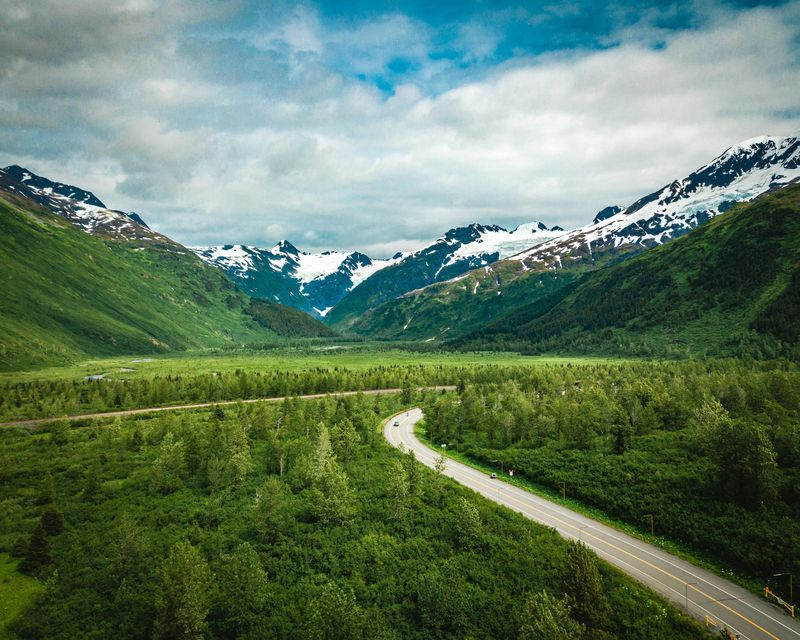
That summer light is wild. Evening shows up and then decides not to leave.
You look at your watch and laugh because it still feels like afternoon.
In Fairbanks, the sky just hangs open and invites another walk. Trails look friendly when shadows stay soft.
Even chores feel easier when the day stretches like warm taffy.
Anchorage gets that glow too, and people ride bikes long after dinner. Kids toss frisbees in parks while mountains hold a steady outline.
It is not rushed, just roomy.
Down on the Kenai Peninsula, campgrounds hum gently as people linger outside. Conversations last longer because no one is squinting into the dark.
You wrap a jacket tighter and keep talking.
I think the trick is to set a bedtime anyway. Otherwise you will blink and it is somehow morning again.
Alaska hands you extra hours, and you get to decide how to spend them.
6. Small Communities With Strong Identity
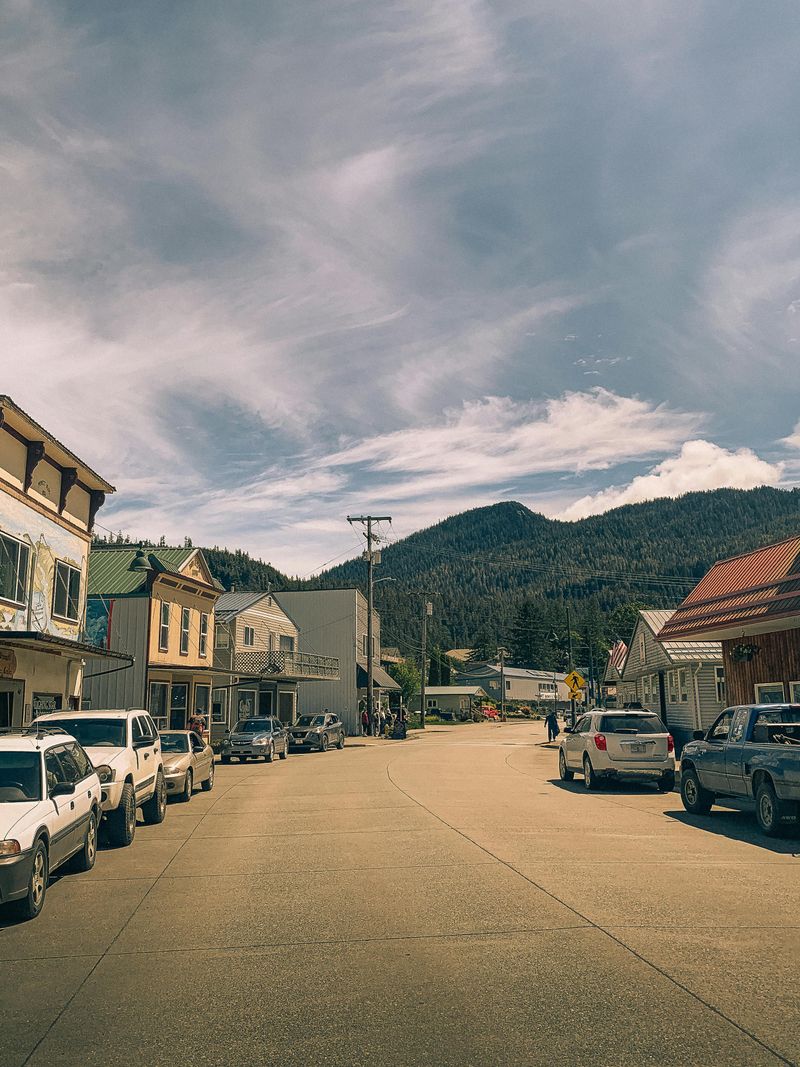
Small towns carry themselves with a kind of earned confidence. You feel it the minute you roll into places like Haines or Talkeetna.
Folks wave, doors creak, and conversations start fast, which I love.
In Talkeetna, murals shout color while planes buzz from the tiny airport. The main drag feels homemade in the best way.
Nothing tries too hard, and that is the charm.
Haines sits with mountains pressed right against the waterfront. People greet you like you might be sticking around.
Shops lean toward practicality, with a wink of art.
Then there is Sitka, where spruce meets sea and history lingers. Trails spill from town into quiet forest within minutes.
You can switch from chatter to solitude before your coffee cools.
Across the state, the pride is steady and obvious. People show up for each other because distance demands it.
As a visitor, you feel welcomed, not coddled, and that makes the whole trip land softer.
7. Seafood That Doesn’t Need Explaining
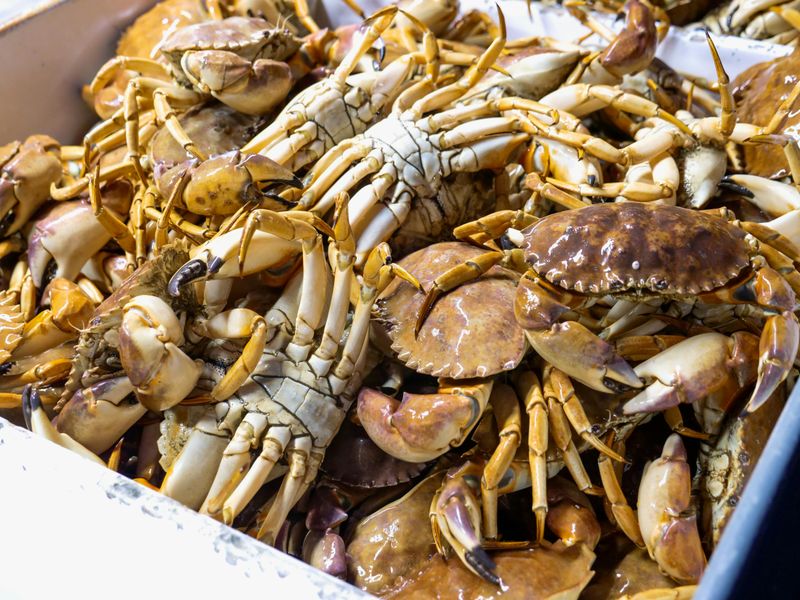
Coastal towns smell like tides and work. Boats sit in the harbor, lines neat, crews moving with easy rhythm.
You can tell the catch is close without anyone saying a word.
In Homer, the docks feel like a steady heartbeat. People swap stories while gulls argue overhead.
Everything points to the water, plain and honest, and I love that.
Kodiak carries that same energy, just rougher around the edges. The harbor is a gallery of practical gear and weathered paint.
It is a look that says the ocean decides.
Over in Juneau, the waterfront hums with a quieter confidence. Mountains stack behind the channel like a backdrop that never gets old.
You watch the tide slip out and think about tomorrow’s run.
This state does not need to explain this part. The environment writes the menu without fuss.
When the boats head out at first light, the whole town seems to inhale and wait.
8. A Sense Of Adventure Built Into Travel
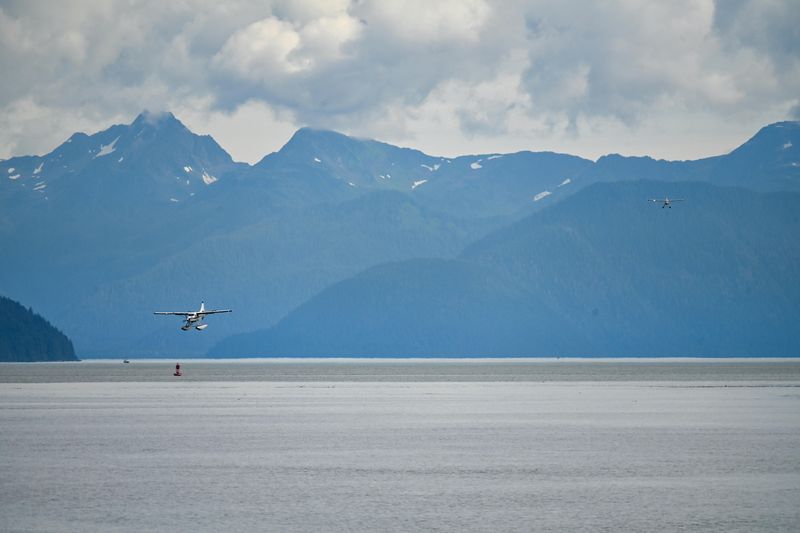
Even simple plans feel like a quest here. You book a ride and end up on a tiny plane staring at mountains from an angle that steals your breath.
It is regular life in Alaska, and it never gets old.
Ferries connect towns like moving front porches. People lean on rails, swap tips, and watch the shoreline peel past.
The rhythm is slow, steady, and oddly soothing.
Gravel roads tempt you with thin lines on the map. You check gas, throw in snacks, and go anyway.
I feel like that mix of caution and curiosity becomes a habit.
Guides help where the terrain has opinions. Pilots read weather like a language, and captains do the same with water.
You learn to trust folks who know their backyard.
By the time you circle back to your starting point, the miles feel earned. The state gives you scenery, but you bring the patience.
That trade makes every arrival feel like a small victory.
9. Avoid: High Costs That Add Up Quickly

Let’s talk money without getting grumpy. In Alaska, everything travels far and that shows up in your day.
You feel it most when you stack lodging, rides, and the little extras.
Remote logistics mean supplies move the long way around. Towns run lean, and that is part of the charm, but it nudges the wallet.
Planning turns into a real skill, not just a spreadsheet.
I pack smarter up here. Layers instead of souvenirs, reusable gear instead of single use stuff.
It keeps surprises from snowballing.
Flexibility helps too. When a plan shifts, you are not paying twice for the same idea.
You just reroute and keep the trip moving.
The state is worth it, absolutely. Just give yourself a buffer and breathe when things stack up.
A calm plan beats a stressed one every single time, trust me.
10. Avoid: Weather That Can Derail Plans Fast
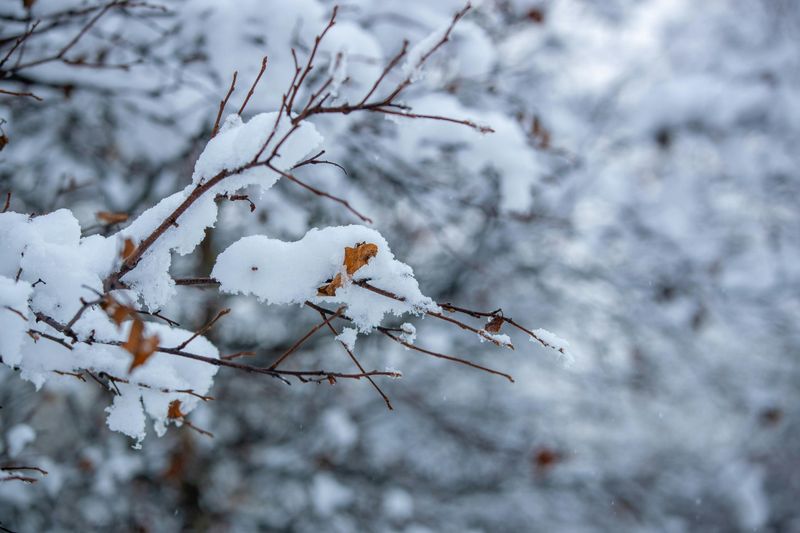
The weather here acts like a teammate with strong opinions. Fog rolls in, and suddenly flights stare at the ground.
You learn patience fast or you learn it the hard way.
Rain shifts trails from friendly to slick in minutes. Wind stacks whitecaps and shuts down crossings.
Snow can show up early and stay late, just because it can.
I build soft edges into the schedule: extra time, backup routes, and a willingness to sit with a book. It turns delays into pauses instead of problems.
Pilots and captains call the shots with safety first. Locals trust that, and you should too.
The place rewards flexibility more than stubbornness.
When the clouds lift, the reset feels sweet. Plans click back into gear and the day opens again.
In this state, patience is not optional, it is your best tool.
11. Avoid: Distances That Don’t Look Real On A Map
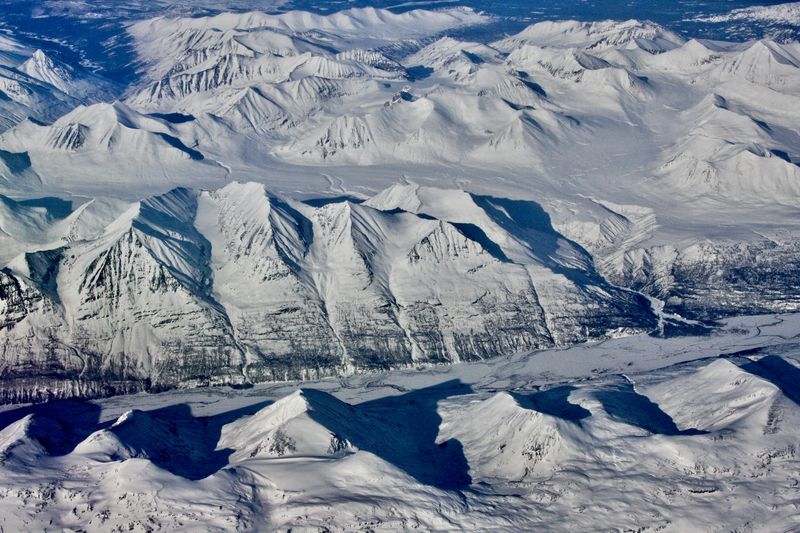
Maps play tricks up here. You eyeball two towns and think, easy.
Then the road stretches and the clock shrugs.
Highways run clean but not crowded. Construction, wildlife, and weather all ask for time.
You do not rush this state without paying for it later.
I keep fuel topped and snacks ready. I think audio books help, and so does a friend who can spot views before you blow past them.
Breaks become highlights, not delays.
Ferries and flights connect dots that roads ignore. Booking ahead helps, but I always leave breathing room.
Missed links happen, and stress does not make engines faster.
When you finally roll in, you feel the distance in your legs. The reward is that first long look at where you landed.
In Alaska, getting there is part of the point.
Dear Reader: This page may contain affiliate links which may earn a commission if you click through and make a purchase. Our independent journalism is not influenced by any advertiser or commercial initiative unless it is clearly marked as sponsored content. As travel products change, please be sure to reconfirm all details and stay up to date with current events to ensure a safe and successful trip.
