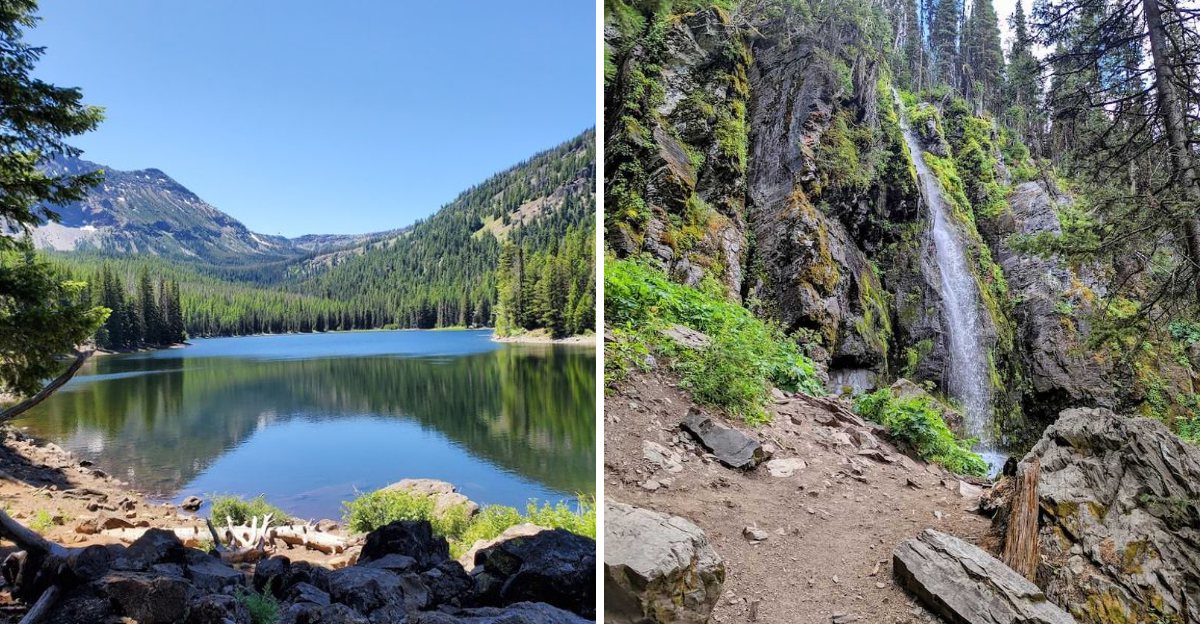
Oregon doesn’t really do “small” when it comes to nature. I arrive at this 1.7-million-acre outdoor escape and it immediately feels like the map keeps going no matter how far I look.
Camping spots pop up in the middle of nowhere, fishing holes feel endless, and hiking trails stretch out like they’re inviting you to get lost on purpose. Locals treat it like their backyard, while I’m still trying to wrap my head around how much space there actually is.
Every direction feels like a new adventure waiting to happen. Some parts are quiet and still, others full of movement and discovery, but nothing ever feels crowded.
And somehow, the bigger it gets, the more personal it feels. Like Oregon decided to leave an entire world open just for exploring.
Camping Under the Stars in Malheur National Forest
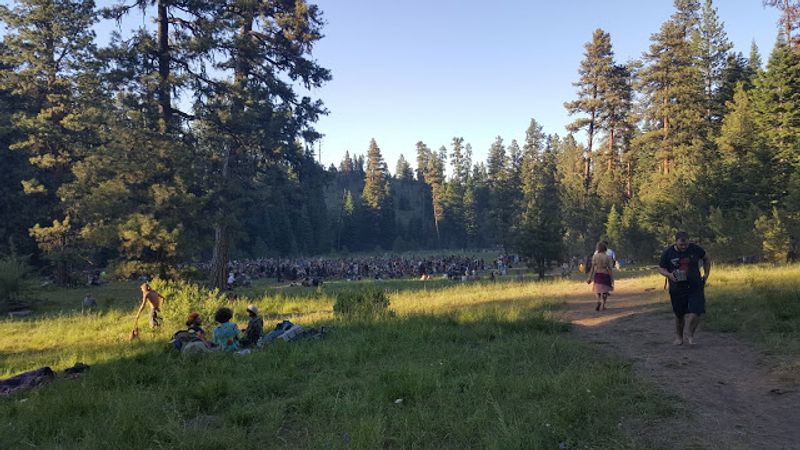
There is something deeply satisfying about waking up in a tent surrounded by ponderosa pines. Malheur National Forest has campgrounds scattered across its massive landscape.
Some are developed with basic amenities, while others are more primitive and secluded.
Stargazing here is genuinely impressive. Light pollution is nearly nonexistent this far into eastern Oregon.
On a clear night, the Milky Way stretches across the sky in full view.
Campgrounds like Yellowjacket, Parish Cabin, and Wickiup are popular spots. Each one sits near water or forest, giving campers a peaceful base.
Mornings here feel slow and fresh, with birdsong replacing alarm clocks.
Fires are allowed in designated areas during safe conditions. Always check current fire restrictions before your trip.
Planning ahead makes the experience much smoother and safer.
Camping here is genuinely accessible for beginners. You do not need fancy gear to enjoy it.
A good sleeping bag and a sense of adventure are the real essentials.
Fishing the Cold, Clear Streams and Lakes
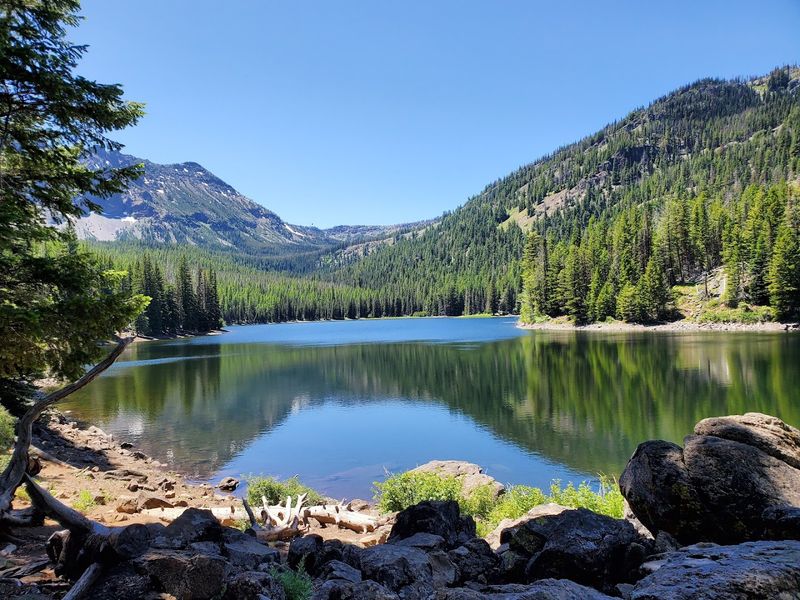
The streams and lakes inside Malheur National Forest have a reputation among fishing fans. Cold, clear water runs through many of the forest’s drainages.
That kind of water is exactly what trout love.
The Middle Fork of the John Day River is one of the most well-known fishing spots here. Bull trout and redband rainbow trout are native to these waters.
Catching one feels like a real reward.
Fly fishing works well in the narrower streams. The current moves just fast enough to make casting interesting.
Patience matters more than gear in spots like these.
Several alpine lakes dot the higher elevations of the forest. These quieter waters attract anglers looking for solitude.
Early mornings are the best time to try your luck.
Always check Oregon Department of Fish and Wildlife regulations before fishing. Some areas have special rules to protect native fish populations.
Respecting those rules helps keep these waters healthy for years to come.
Hiking Trails That Cover Every Skill Level
Malheur National Forest has trails that genuinely surprise you. Some meander gently through meadows and pine stands.
Others climb steeply toward ridgelines with sweeping views.
The forest covers such a wide range of terrain. One trail might take you through dense timber.
Another could open up into wide high-desert grassland.
Strawberry Mountain Wilderness is a highlight for serious hikers. Peaks here rise above 9,000 feet.
The views from the top stretch for miles in every direction.
Shorter trails work well for families or casual walkers. Many of these follow creek corridors or loop through quieter forest sections.
They take an hour or two and still deliver memorable scenery.
Trail conditions vary by season. Snow can linger at higher elevations well into June.
Checking trail reports before heading out saves a lot of frustration.
Good hiking boots make a noticeable difference on rocky sections. Bringing extra water is always smart in this dry climate.
The forest rewards those who come prepared.
The Rugged Beauty of Strawberry Mountain Wilderness
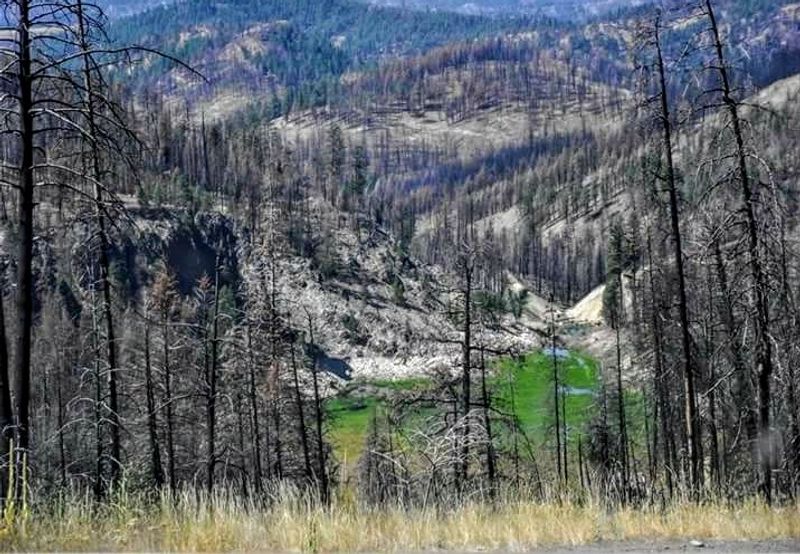
Strawberry Mountain Wilderness sits at the heart of Malheur National Forest. It covers over 68,000 acres of protected alpine terrain.
The landscape here feels ancient and untouched.
Strawberry Lake is one of the most photographed spots in the entire wilderness. It sits below Strawberry Mountain in a glacially carved basin.
The water reflects the ridgeline on calm mornings in a way that stops you mid-step.
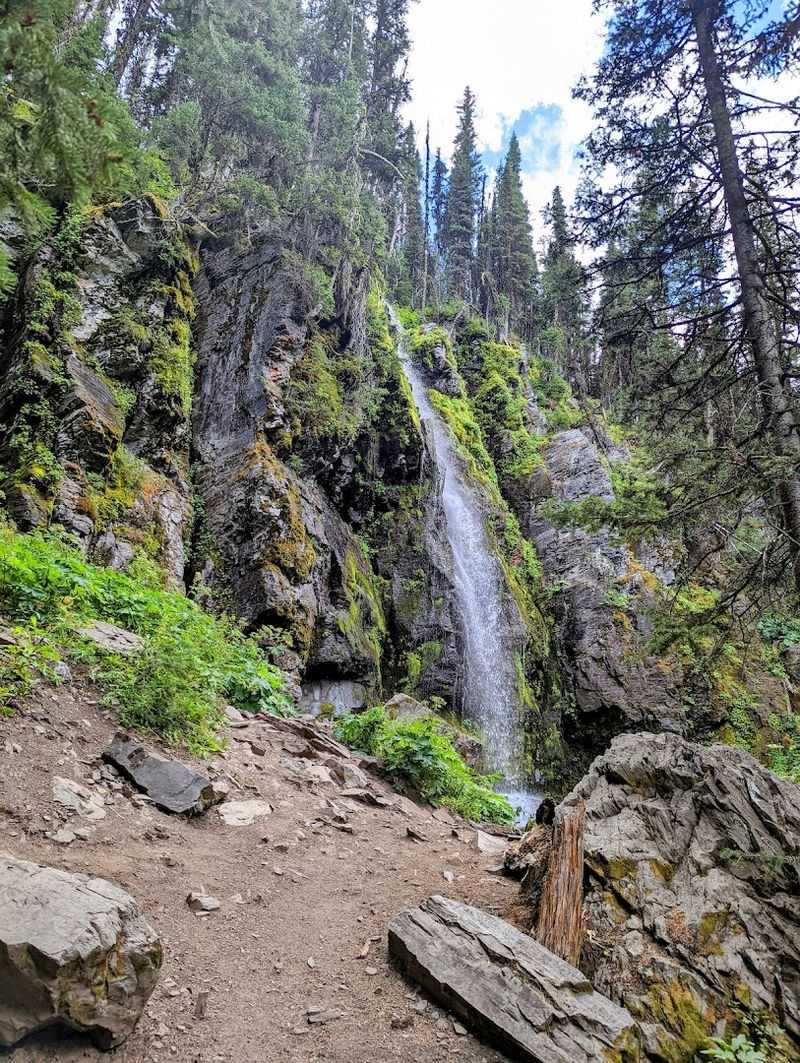
The trail to Strawberry Falls is a shorter option that still delivers. The waterfall drops into a mossy canyon surrounded by old-growth trees.
It is one of those spots that genuinely earns the hike.
Backpackers love this wilderness for multi-night trips. The trail network connects several lakes and high passes.
Solitude is easy to find once you get a few miles in.
Wildlife sightings are common in the wilderness area. Deer, elk, and various birds of prey are regular visitors.
Moving quietly through the landscape increases your chances of spotting something memorable.
Wildlife Watching Across a Diverse Landscape
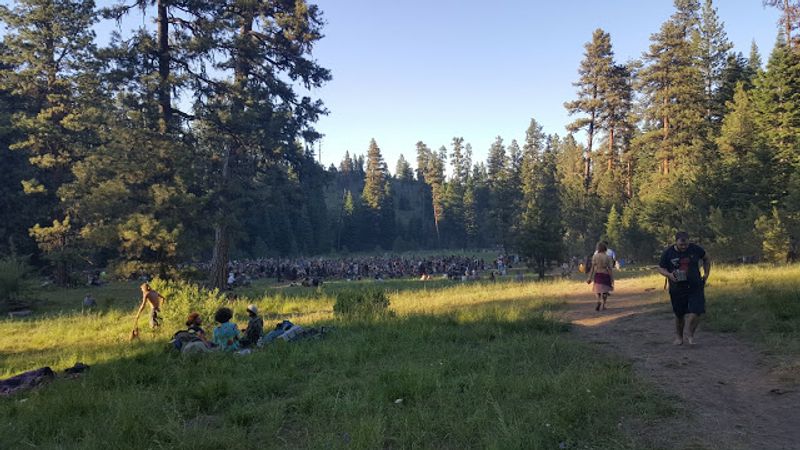
Malheur National Forest is home to an impressive variety of wildlife. Elk herds move through the meadows and forest edges throughout the year.
Spotting a bull elk in the early morning light is a memory that sticks.
Mule deer are a common sight along forest roads and trail edges. Black bears also live here, though they tend to stay out of sight.
Knowing they are out there adds a certain wildness to every hike.
Birdwatching is rewarding in this forest. Raptors like red-tailed hawks and golden eagles patrol the open areas.
Smaller birds fill the pine canopy with sound from dawn onward.
The transition zones between forest and grassland are especially rich in wildlife activity. Animals tend to gather near water sources at dawn and dusk.
Sitting quietly near a stream for twenty minutes can be surprisingly productive.
Bring binoculars if wildlife is a priority for your trip. A field guide to Pacific Northwest birds and mammals adds context.
The forest feels even more alive when you know what you are looking at.
Exploring Forest Roads and Scenic Drives
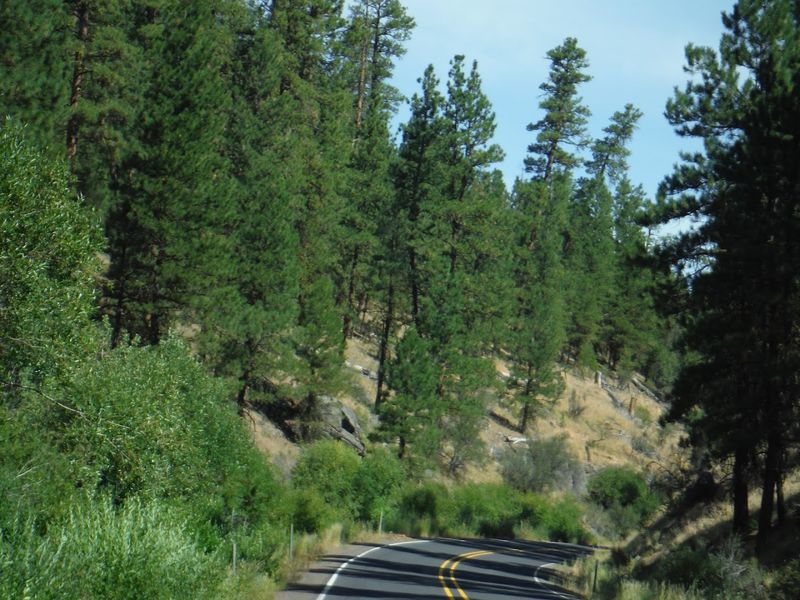
Not every adventure in Malheur requires hiking boots. The forest has an extensive network of forest roads open to vehicles.
Driving these routes is a relaxed way to cover a lot of ground.
Some roads climb to high ridges with panoramic views. Others dip into creek valleys lined with willows and cottonwoods.
The variety keeps even a long drive interesting.
A high-clearance vehicle helps on rougher roads. Many of the best viewpoints sit at the end of unpaved tracks.
Passenger cars can handle the smoother routes just fine.
Fall is a spectacular time for a scenic drive here. Aspen groves turn bright gold against the dark pine backdrop.
The contrast is striking and honestly worth the trip on its own.
Pulling over to explore a side trail or creek crossing is encouraged. Some of the best moments happen when you stop following a plan.
The forest has a way of rewarding spontaneous detours with unexpected beauty.
The High Desert Transition Zone
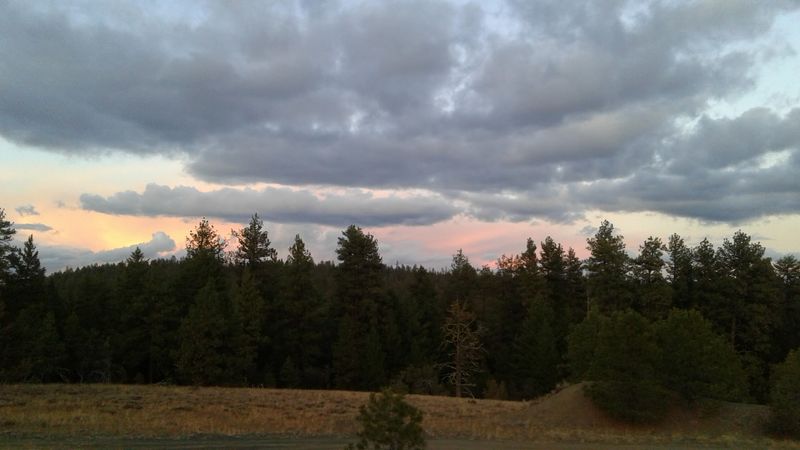
Eastern Oregon has a landscape that surprises most first-time visitors. Malheur National Forest sits in a zone where dense pine forest meets wide-open high desert.
That transition creates scenery unlike anywhere else in the Pacific Northwest.
Sagebrush flats stretch out below the forested slopes. The smell of sage after a rain shower is one of those sensory experiences that stays with you.
It is sharp, earthy, and completely specific to this part of Oregon.
The open terrain also means big sky views. Clouds build dramatically over the mountains in summer afternoons.
Watching a thunderstorm roll across the desert from a safe distance is genuinely spectacular.
This habitat supports unique plant and animal communities. Pronghorn antelope sometimes appear in the open grasslands below the forest.
Seeing one sprint across a dry flat is a real highlight.
The high desert also means temperature swings. Mornings can be cool even in July.
Layering your clothing helps you stay comfortable as the day warms up quickly.
Alpine Lakes That Reward the Climb
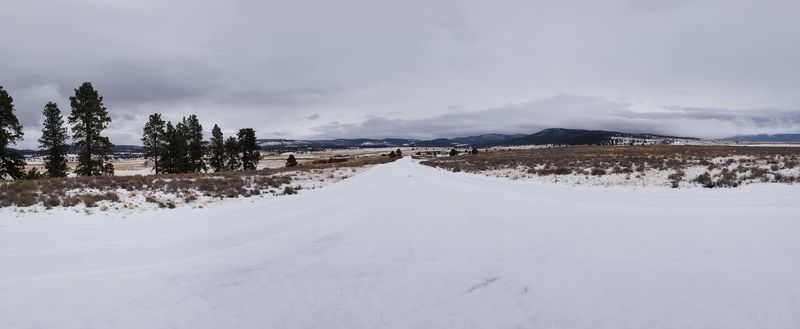
There are few rewards in hiking that match arriving at an alpine lake after a long climb. Malheur National Forest has several of these high-elevation gems tucked into its wilderness areas.
Each one feels like a discovery even when it appears on the map.
Strawberry Lake is the most visited, but others like High Lake and Slide Lake offer similar beauty with fewer people. The water in these lakes is cold even in August.
Swimming is possible but brief for most people.
The rocky basins surrounding these lakes hold wildflowers in summer. Indian paintbrush and lupine add color to the otherwise austere terrain.
Photographing these scenes does not require any special camera skills.
Fishing in alpine lakes is a quieter experience than stream fishing. The pace slows down naturally at high elevation.
Even non-anglers tend to sit and stare at the water for longer than expected.
Camping near alpine lakes requires Leave No Trace practices. Setting up at least 200 feet from the water protects the fragile shoreline ecosystem.
Treating the area gently keeps it beautiful for the next visitor.
Mushroom Hunting and Foraging Opportunities
Malheur National Forest has earned quiet fame among foragers. The forest floor here produces an impressive variety of wild mushrooms.
Porcini, chanterelle, and morel mushrooms all grow in these woods depending on the season.
Morel season typically runs in spring after snowmelt. Finding a cluster of morels under a pine is genuinely exciting.
They are also excellent to cook with, which makes the search feel doubly worthwhile.
The forest has even made headlines for hosting one of the largest known fungal organisms on Earth. A massive honey fungus colony discovered in the Blue Mountains region is estimated to cover thousands of acres.
It is a reminder that forests hold more than what is visible.
Foraging is allowed with a personal use permit in national forests. Limits apply to how much you can collect.
Always confirm current regulations with the local ranger district before heading out.
Identifying mushrooms correctly is essential. Bring a reliable field guide.
Never eat anything you cannot identify with complete confidence.
Planning Your Visit to Malheur National Forest
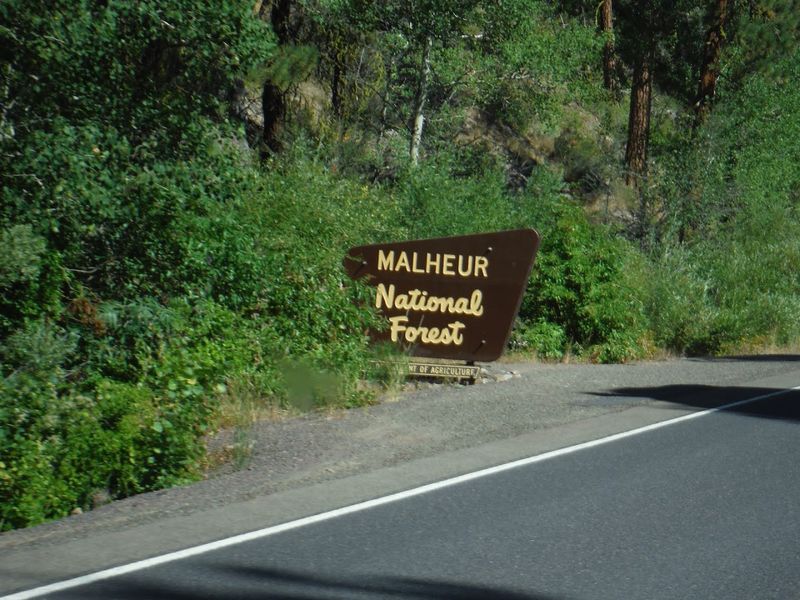
Getting to Malheur National Forest takes some planning but the effort pays off quickly. The forest is managed by the USDA Forest Service and has multiple ranger districts across eastern Oregon.
John Day is one of the closest towns and serves as a practical base for visitors.
The forest is open year-round, though access to higher elevations is limited in winter. Summer and early fall are the most popular seasons.
Late spring brings wildflowers and flowing streams that are worth timing your visit around.
Cell service is limited throughout much of the forest. Downloading offline maps before you go is a smart move.
A paper map from the ranger station is a solid backup.
The nearest ranger district office is a helpful first stop. Staff there can point you toward current trail conditions and any closures.
They also carry free printed maps of the forest road network.
Pack more water than you think you need. The dry climate here is deceptive.
Staying hydrated makes every activity more enjoyable and keeps you safe in the backcountry.
Dear Reader: This page may contain affiliate links which may earn a commission if you click through and make a purchase. Our independent journalism is not influenced by any advertiser or commercial initiative unless it is clearly marked as sponsored content. As travel products change, please be sure to reconfirm all details and stay up to date with current events to ensure a safe and successful trip.
