Tucked away in the small town of Linden, Indiana, stands a building that has witnessed more than a century of American railroad history.
The Linden Depot Museum at 520 N Main St isn’t just another historic building collecting dust.
It’s a living testament to the golden age of rail travel, packed with authentic artifacts, rare memorabilia, and stories that bring the past roaring back to life.
Built over a century ago, this charming depot has been lovingly restored by dedicated volunteers who pour their hearts into preserving railroad heritage.
Inside its walls, you’ll discover everything from original track foundations to full-size train cars you can actually climb aboard.
Whether you’re a hardcore train enthusiast or just looking for a unique family outing, this hidden gem offers something special for everyone.
The museum’s passionate guides share firsthand stories and fascinating details that textbooks simply can’t capture.
From the impressive model train layout to the circus paraphernalia collection, every corner reveals unexpected treasures.
This isn’t your typical stuffy museum experience; it’s an interactive journey through time that leaves visitors amazed at how much history fits inside one unassuming depot.
Authentic Railroad Artifacts Spanning Centuries of History
Walking through the museum feels like stepping into a time machine that transports you straight to the heyday of American railroads.
The collection here isn’t just impressive; it’s downright mind-blowing for anyone who appreciates history.
Visitors consistently mention being shocked at how much the museum packs into its three main rooms.
One of the most remarkable pieces in the collection is an original track foundation from near Baltimore, representing one of the first train tracks ever built in the world.
Holding such a tangible connection to railroad pioneering days makes history feel real in a way no photograph ever could.
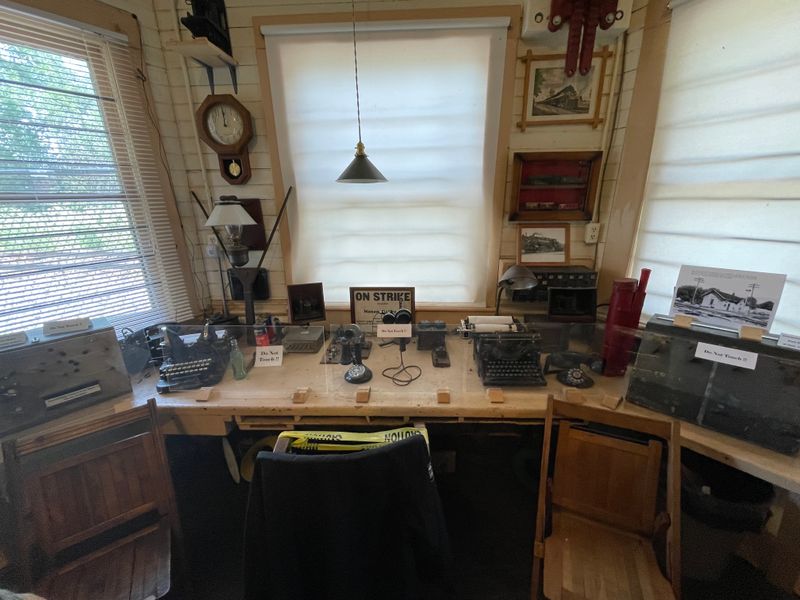
The museum also houses rare memorabilia that even seasoned railroad enthusiasts say they’ve never seen elsewhere, including a diamond; a track crossing component that other rail museums rarely display.
Every artifact has been carefully preserved and displayed with informative context that helps visitors understand its significance.
The knowledgeable volunteers and curators don’t just show you objects; they weave stories around each piece that bring the railroad era to vivid life.
Former railroaders themselves serve as guides, offering firsthand perspectives you simply can’t find in books.
The collection includes everything from vintage tools and equipment to uniforms, tickets, and communication devices that kept the trains running safely.
Children especially love seeing items they can relate to their modern world, helping them understand how much technology has changed.
Parents appreciate that the displays are arranged at heights where kids can actually see and engage with the exhibits.
Whether you’re a serious collector or just curious about local history, the sheer variety and quality of artifacts will keep you fascinated for hours.
The museum constantly rotates displays and adds new acquisitions, giving repeat visitors fresh discoveries with each trip.
Hands-On Train Car Experiences Kids Absolutely Love
Forget the “look but don’t touch” rules that make most museums boring for children.
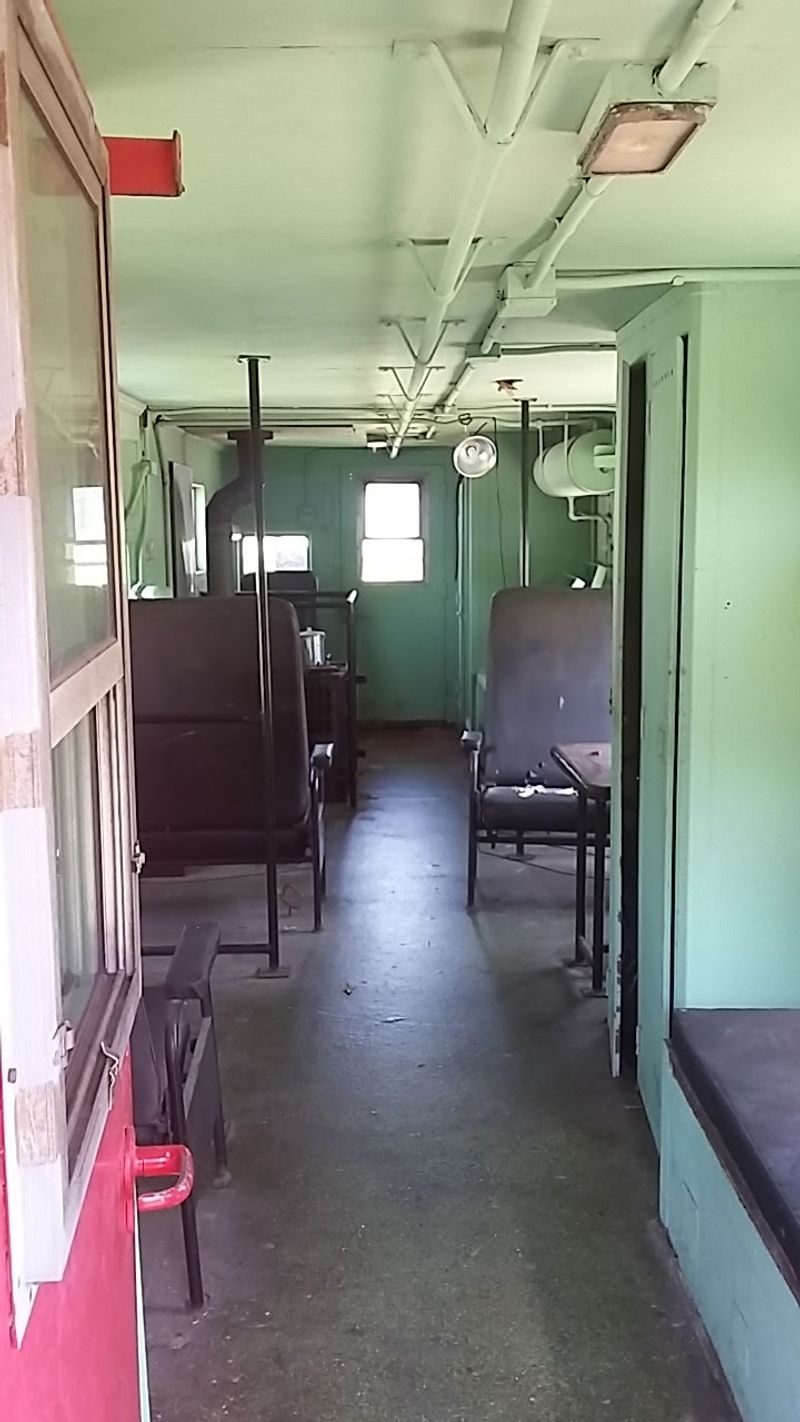
At Linden Depot Museum, kids can actually climb aboard real train cars and explore them with their own hands.
This interactive approach transforms what could be a dry history lesson into an adventure that children talk about for weeks afterward.
The museum features several authentic railroad cars on the property, including one that ran on the famous Monon railroad line.
During warmer months, families can step inside these vintage cars and imagine what travel was like when trains were America’s primary transportation method.
The tactile experience of touching worn wooden seats, opening compartment doors, and peering out the windows creates lasting memories that photos in a book never could.
Parents with young children especially appreciate this feature, as it gives energetic kids a chance to move around and discover rather than just standing still looking at displays.
One mother mentioned bringing her four-year-old son specifically because he could touch and explore with his hands, making the experience perfect for his learning style.
Autistic children have also found the museum particularly engaging because of these hands-on opportunities.
The volunteers supervising the train cars are wonderfully patient with children, answering endless questions with genuine enthusiasm rather than annoyance.
They understand that letting kids explore freely (within safe boundaries) creates future history lovers and railroad enthusiasts.
Many families purchase yearly memberships because their children request return visits so frequently.
Even teenagers who might initially grumble about visiting a museum find themselves intrigued once they step inside an actual train car.
The experience connects them to history in a personal way that feels relevant rather than ancient.
It’s one thing to see a train car in a picture; it’s entirely different to stand where passengers once stood over a century ago.
Impressive Model Train Layout That Amazes All Ages
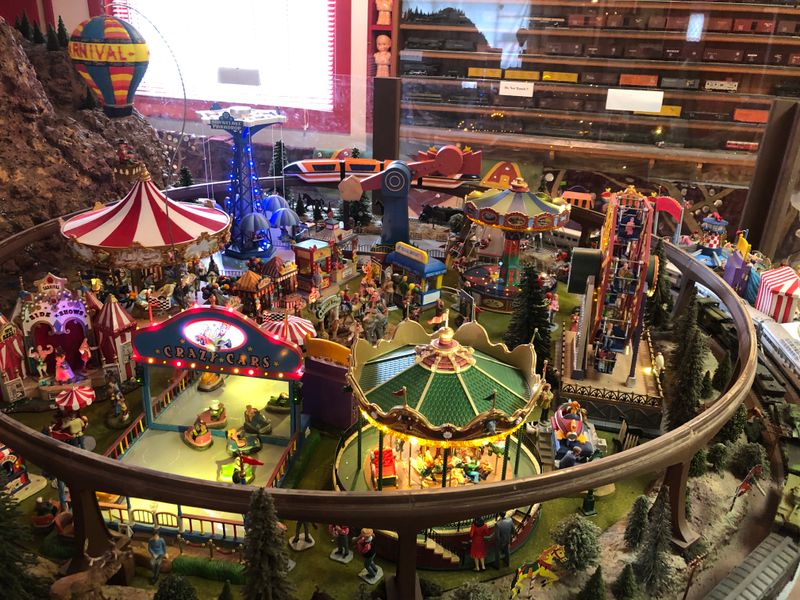
Prepare to have your breath taken away by one of the museum’s crown jewels; a massive, intricately detailed model train layout that visitors consistently describe as jaw-dropping.
Housed in a separate building on the property, this miniature world represents countless hours of careful construction and creative vision.
Even people who stumble upon the museum by accident find themselves mesmerized by this unexpected treasure.
The layout isn’t just big; it’s remarkably detailed, with tiny buildings, landscapes, tunnels, and tracks that wind through a miniature world that feels alive.
Multiple trains run simultaneously on different tracks, creating a dynamic display that keeps eyes darting from one section to another.
Children press their faces close to spot tiny details while adults marvel at the craftsmanship and planning required to create such an elaborate setup.
What makes this model particularly special is how it captures the spirit of railroad operations rather than just being a toy display.
The designers clearly understood real railroad logistics, incorporating realistic switching yards, stations, and infrastructure that mirror actual train systems.
Railroad enthusiasts appreciate the accuracy while casual visitors simply enjoy the whimsical charm of watching tiny trains chug through tunnels and past miniature towns.
Visitors from places like New York specifically mention that they don’t have anything comparable near their homes, making the Linden Depot Museum’s model layout a unique attraction worth traveling to see.
The museum staff takes obvious pride in maintaining and occasionally expanding the display, ensuring it remains impressive year after year.
During special events, they sometimes run additional trains or add seasonal decorations that give the layout fresh appeal.
Photography enthusiasts love capturing the model from different angles, and the museum welcomes picture-taking throughout the facility.
The lighting is arranged perfectly to showcase the layout without creating harsh shadows or glare, making it easy to snap memorable shots.
Passionate Volunteer Guides With Firsthand Railroad Knowledge
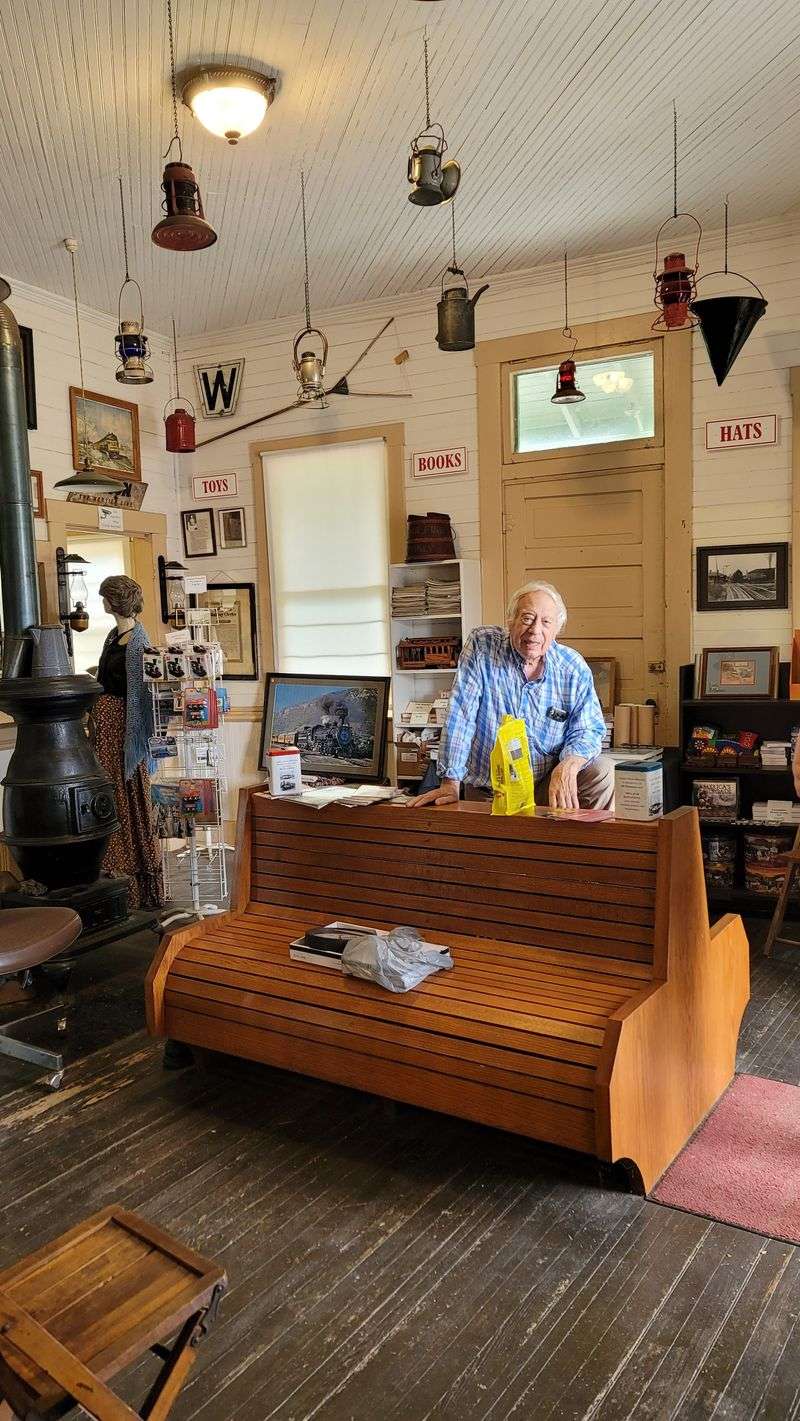
What truly sets Linden Depot Museum apart from larger, more impersonal institutions is the incredible dedication of its volunteer staff.
These aren’t just friendly folks reading from note cards; many are former railroaders themselves who lived the history they’re sharing.
Their passion transforms a simple museum visit into an engaging storytelling experience that leaves lasting impressions on visitors of all ages.
Guides like Gary, George, and Adam receive specific praise in visitor reviews for their entertaining presentation styles, extensive knowledge, and genuine warmth toward guests.
They don’t just recite facts; they share jokes, personal anecdotes, and behind-the-scenes railroad stories that bring the exhibits to life.
One couple from New York mentioned that even though they weren’t train enthusiasts, the guides made the experience so enjoyable they’d recommend it to anyone.
The volunteers’ willingness to go above and beyond standard tour times shows their commitment to visitor satisfaction.
One family arrived just an hour before closing and the elderly volunteers graciously stayed well past closing time, not wanting to rush the experience for a young child.
This kind of generosity and flexibility simply doesn’t happen at corporate-run attractions where employees watch the clock.
Because the museum operates entirely through volunteer efforts, every visitor interaction feels personal and genuine rather than transactional.
The guides genuinely care about sharing their love of railroad history and ensuring guests leave with new knowledge and appreciation.
They tailor their tours to audience interests, spending extra time on topics that spark curiosity while moving quickly past areas that might bore younger visitors.
Some volunteers have worked at the museum for years, developing deep expertise about specific aspects of the collection.
They can answer incredibly detailed questions about particular artifacts, railroad lines, or historical events.
Their accessibility and down-to-earth personalities make even complex railroad topics understandable and interesting to complete beginners.
Replica Norris 4-2-0 Steam Locomotive and Historic Train Cars
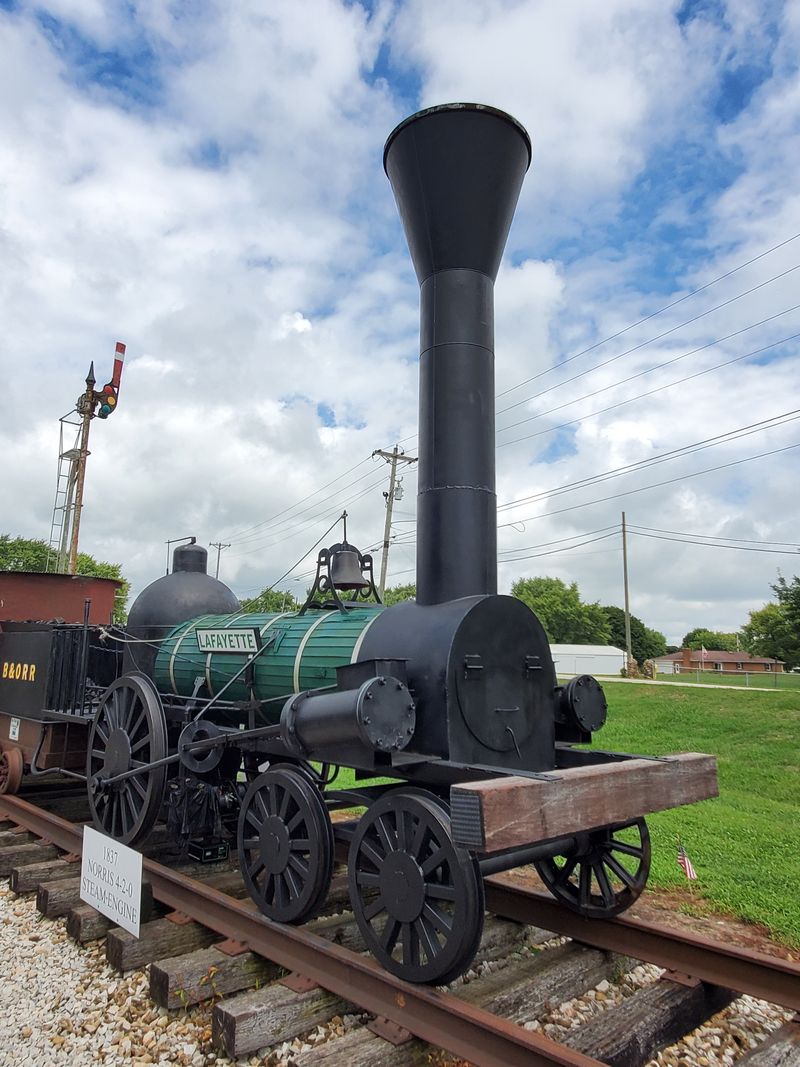
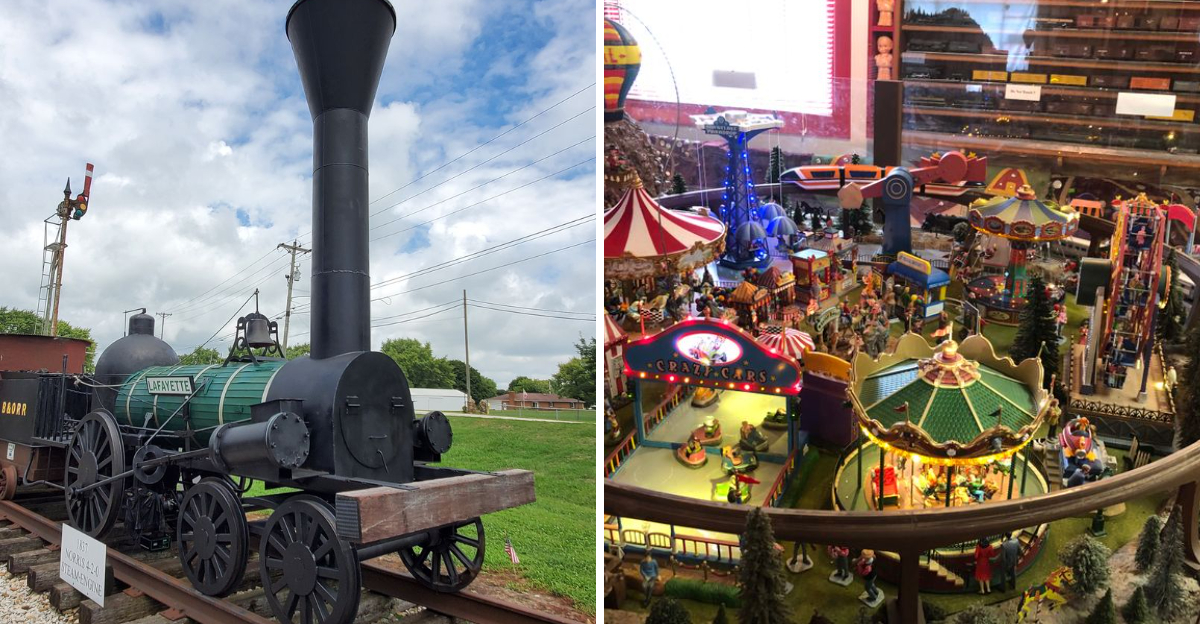
Among the museum’s outdoor collection stands a remarkable replica of the Norris 4-2-0 steam locomotive, one of the earliest and most successful steam engine designs in American history.
This isn’t just a static display piece; it represents a crucial chapter in how steam power revolutionized transportation and connected a growing nation.
The Norris design was so innovative and reliable that it was exported worldwide, making it a truly significant piece of railroad heritage.
The museum owner had this replica specially fabricated to give visitors a sense of what early locomotives looked like when steam power was cutting-edge technology.
Standing beside this massive machine helps people understand the engineering marvel these locomotives represented in their time.
The size alone impresses children and adults alike, making abstract history textbook descriptions suddenly concrete and real.
In addition to the Norris replica, the property features several authentic train cars that once rolled along actual railroad lines.
One car ran on the Monon, a famous Indiana railroad that connected the state’s communities for decades.
Being able to walk around and even inside these cars provides perspective on how people and goods traveled before modern highways and air travel dominated transportation.
During warmer months, these outdoor exhibits become popular spots for family photos and close-up exploration.
Children love climbing on the cars (where permitted) and pretending they’re conductors or passengers from long ago.
The museum staff maintains these outdoor pieces carefully, ensuring they remain safe for visitor interaction while preserving their historical authenticity as much as possible.
For serious railroad historians and enthusiasts, these train cars offer opportunities to study construction techniques, materials, and design features that characterized different eras of railroad development.
Photographers find the weathered authenticity of these pieces perfect for capturing the romantic nostalgia of America’s railroad heritage.
The outdoor setting also provides natural lighting that makes the trains look particularly striking against Indiana’s changing seasonal backdrops.
Dear Reader: This page may contain affiliate links which may earn a commission if you click through and make a purchase. Our independent journalism is not influenced by any advertiser or commercial initiative unless it is clearly marked as sponsored content. As travel products change, please be sure to reconfirm all details and stay up to date with current events to ensure a safe and successful trip.
