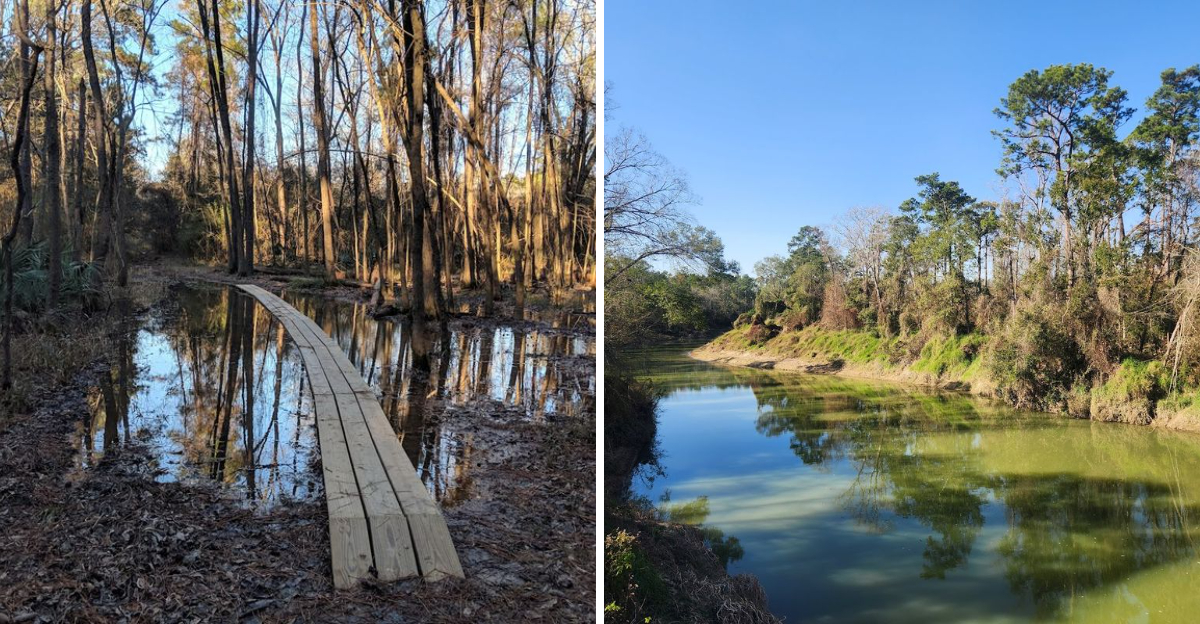
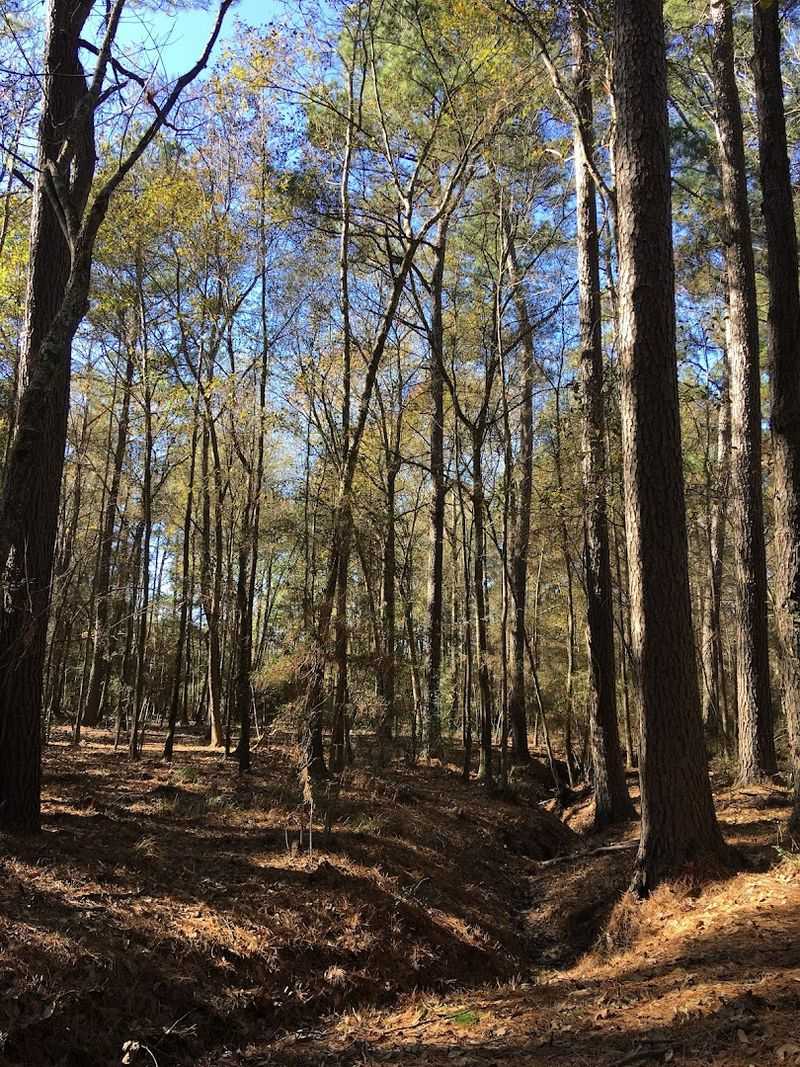
Right in the middle of suburban Texas, a quiet 12,000-acre forest feels like it’s been there for centuries. Trails wind through ancient cypress and magnolia trees, past quiet ponds where ducks raise their babies.
A soft canopy of leaves blocks out the sun and the noise of nearby roads, creating a peaceful escape that feels almost secret. The whole place has earned a nickname, “The Texas Narnia Trail,” because wandering those paths feels like stepping into another world.
Keep an eye out for great blue herons wading through the shallows, or maybe even a river otter playing along the creek. This is the kind of Texas spot where a person can forget about their phone and just listen to the quiet.
No tickets, no lines, just a magical forest waiting to be explored.
The 12000-Acre Urban Wilderness That Surprises Everyone
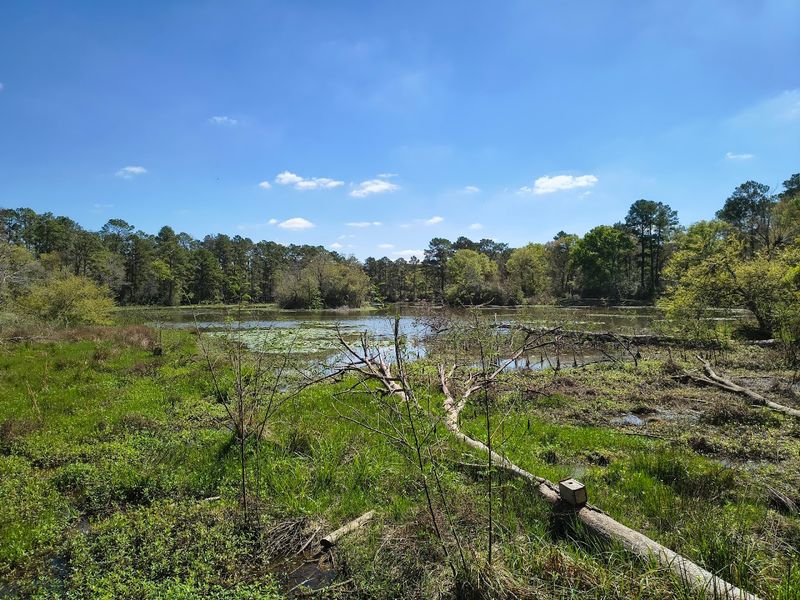
Most people expect a decent trail, maybe a picnic table, and some shade when they visit a county park. Spring Creek Greenway throws all of that out the window and replaces it with something far more extraordinary.
At 12,000 acres, this greenway holds the recognized title of the largest forested urban greenway in the United States, and it is not subtle about it.
The sheer scale of the place changes how you move through it. You stop checking your phone.
You start noticing things, like the way the light filters through old-growth canopy or how the trail curves unexpectedly toward a sandy creek bank. It feels less like recreation and more like genuine discovery.
Harris County and Montgomery County worked hard to make this possible. The greenway is one of only two in Harris County that has never been developed or channelized, meaning the land has stayed wild and connected in a way that is increasingly rare near major cities.
That history matters. It explains why the biodiversity here feels so rich and why every visit tends to uncover something new.
The Nature Center serves as the heart of the whole system. From here, visitors can access trails, exhibits, and preserved land stretching across more than 300 surrounding acres.
Whether you are a first-time visitor or a regular, the size of this place has a way of making you feel genuinely small, and that feeling is absolutely worth chasing.
Ancient Trees That Have Been Here Long Before the City
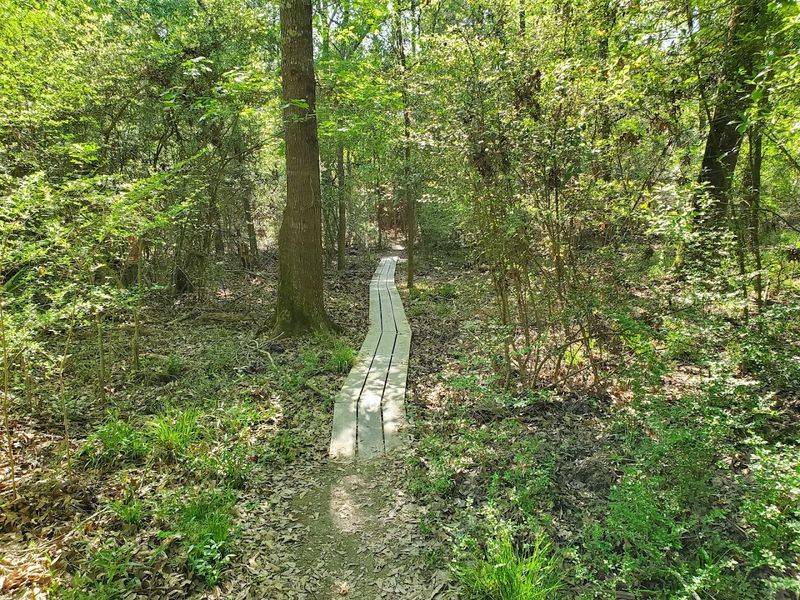
There is something humbling about standing next to a tree that was already old when your great-great-grandparents were born. Spring Creek Greenway is home to centuries-old palmettos, bald cypress, and sycamores that have quietly outlasted everything around them.
These are not decorative trees planted along a sidewalk. They are survivors.
The bald cypress trees along Spring Creek are especially striking. Their wide, fluted bases grip the water’s edge, and their feathery canopies create a cathedral-like ceiling over the creek.
Walking beneath them in the early morning, with mist still sitting on the water, is one of those experiences that feels completely out of place in suburban Texas, in the best possible way.
Palmettos add another layer of texture to the forest floor. These ancient fan palms grow in dense clusters, giving certain sections of the trail a genuinely prehistoric feel.
It is easy to understand why naturalists and conservationists have fought so hard to protect this land. Once you see it, the idea of losing it to development feels genuinely painful.
The sycamores bring their own drama, with peeling white bark and massive spreading branches that arch over the trail. Each species here plays a role in the larger ecosystem, providing shelter, food, and habitat for the remarkable variety of wildlife that calls this greenway home.
These trees are not just beautiful. They are the structural backbone of everything that makes this place special.
More Than 19 Miles of Trails Through Real Forest
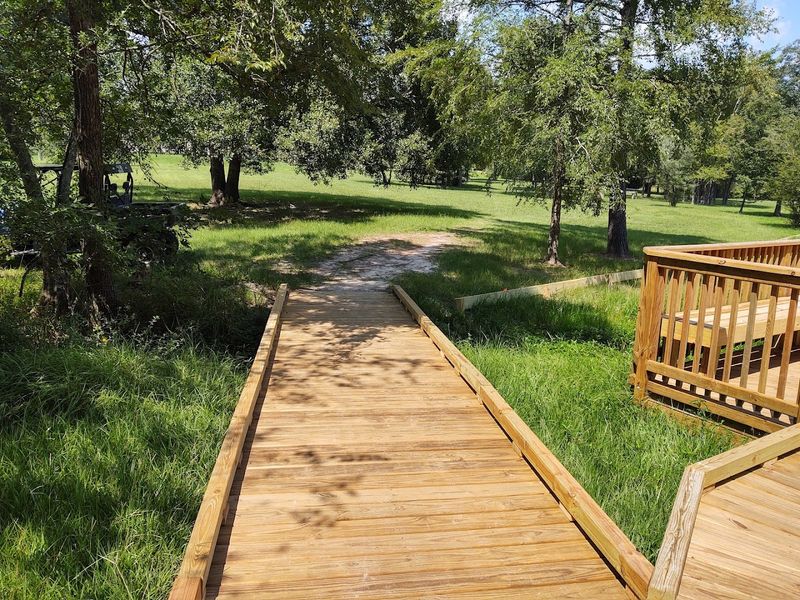
Nineteen miles of trails sounds like a lot until you are actually out there and realize you keep finding new sections you have never walked before.
The trail network at Spring Creek Greenway covers a serious amount of ground, ranging from paved paths suitable for bikes and strollers to rugged unpaved routes that push through genuine wilderness.
There is real variety here.
The unpaved nature trails are where the magic tends to happen. These paths wind through dense forest, dip toward the creek, and occasionally open up onto unexpected clearings or sandy beaches along the water.
The terrain shifts in ways that keep you engaged, never letting the walk feel repetitive or routine. Each section has its own personality.
Hikers, bikers, and equestrians all share this trail system, which gives the greenway a lively, multi-layered energy on weekends. Equestrian trails add a dimension you rarely find in urban parks, and seeing riders move through the old-growth forest adds a certain timeless quality to the experience.
It is the kind of scene that feels genuinely cinematic without trying to be.
The paved sections are well-maintained and connect key areas of the greenway efficiently. For families with young kids or visitors who prefer a more accessible experience, these paths offer a comfortable way to explore without sacrificing the sense of being surrounded by real nature.
However you choose to move through this place, nineteen miles means you are unlikely to run out of new ground to cover anytime soon.
Wildlife Encounters That Will Genuinely Catch You Off Guard
A gray fox trotting across the trail in broad daylight is not something you expect to see twenty minutes from a Houston suburb. But Spring Creek Greenway has a way of delivering exactly that kind of moment when you least expect it.
The wildlife here is not a background detail. It is a full-on presence.
The greenway shelters an impressive range of species. Bald eagles have been spotted soaring over the creek corridor, which is remarkable given the surrounding urban landscape.
Otters slip through the water with almost theatrical grace. Raccoons are everywhere, bold and completely unbothered by human visitors.
Salamanders hide under logs in the wetter sections of the trail, easy to miss if you are not paying attention.
Then there are the alligators. Yes, alligators.
Spring Creek Greenway is genuine Texas wilderness, and that means sharing the space with reptiles that have been around since the dinosaurs. Sightings are relatively common near the water, and while they are not aggressive toward careful visitors, they are a firm reminder that this is not a manicured park.
The biodiversity here reflects decades of conservation effort. Montgomery County Precinct 3 and the Bayou Land Conservancy have worked together to protect ten nature preserves within the greenway, ensuring that habitat stays connected and wildlife can move freely.
For anyone who loves observing animals in their natural environment, this place delivers a quality of experience that most urban parks simply cannot match.
Sandy Creek Beaches Hidden Deep in the Forest
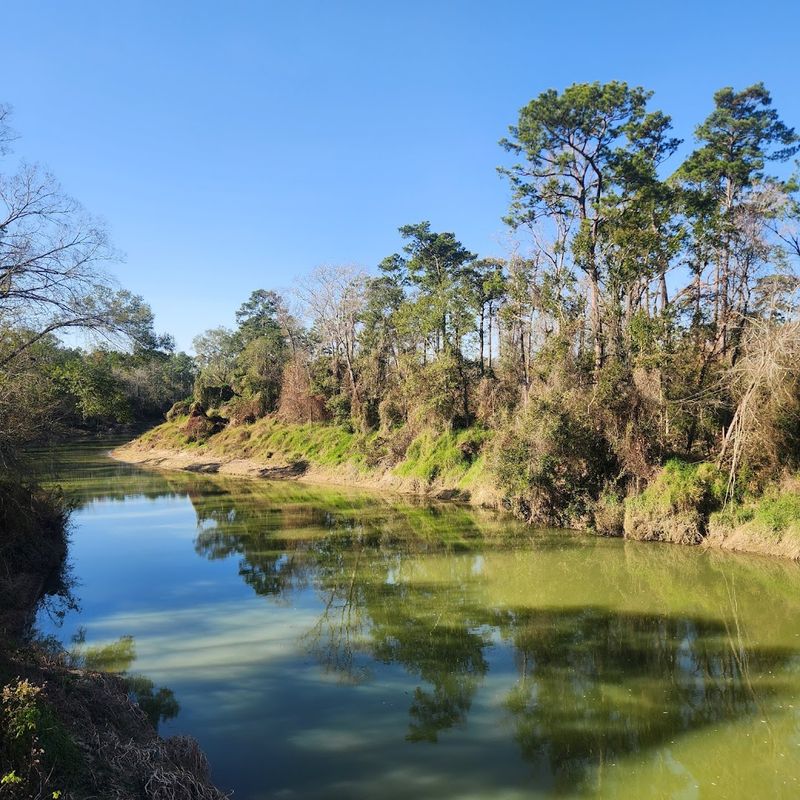
Nobody tells you about the beaches. That is the thing about Spring Creek Greenway that tends to genuinely surprise first-time visitors.
Hidden along the bends of Spring Creek, there are stretches of white sandy shoreline that look more like something from a nature documentary than a Harris County park. Finding one for the first time feels like a reward for showing up.
These sandy banks form naturally where the creek curves and slows, depositing fine sediment over time. The water is clear in the calmer sections, and the surrounding forest creates a sense of total seclusion that is hard to believe given how close you are to major roads and shopping centers.
The contrast between outside and inside this greenway is genuinely startling.
Sitting on one of these creek beaches for a few minutes resets something in your brain.
The sound of moving water, the filtered light through the canopy, the occasional splash of a fish or the slow drift of a heron across the opposite bank, all of it adds up to an experience that feels restorative in a way that is hard to explain but easy to feel.
It is the kind of quiet that you carry home with you.
Canoeing and kayaking are permitted on Spring Creek, which means these beaches are also accessible by water. Paddling through the forested corridor and pulling up onto a sandy bank for a rest is one of the most enjoyable ways to experience the greenway.
It is an activity that rewards slow movement and patient observation above everything else.
Canoeing and Kayaking Through the Forested Corridor
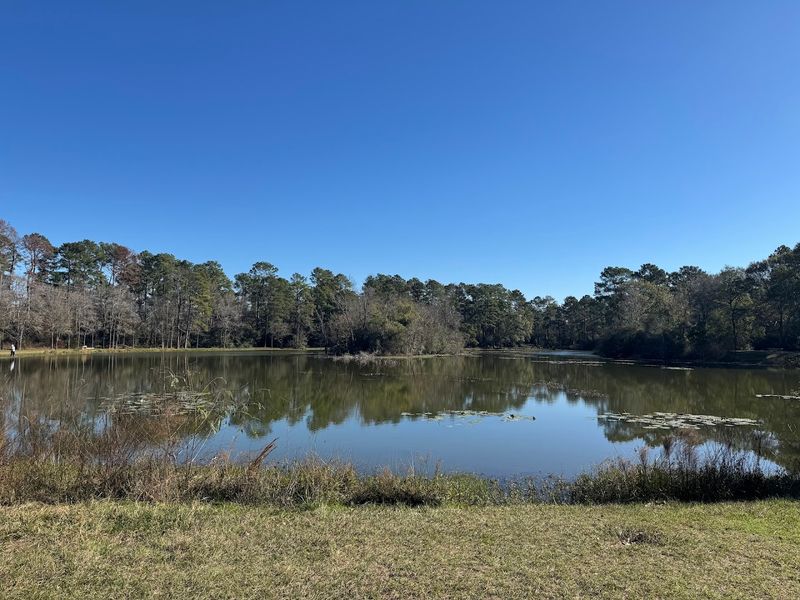
Paddling through Spring Creek feels like moving through a living painting. The trees press close on both sides, their roots reaching into the water, and the only sounds are the dip of a paddle and whatever bird happens to be calling overhead.
It is a completely different experience from hiking the trails, and in some ways it is even more immersive.
The creek offers a calm, mostly flat-water paddle that works well for beginners and experienced paddlers alike. The current is gentle enough to allow slow exploration without requiring technical skills, but the route is varied enough to stay interesting.
Around each bend, the landscape shifts, revealing new sections of forest, the occasional sandbar, or a particularly dramatic cluster of cypress roots jutting from the bank.
Wildlife encounters from the water tend to be more frequent and more intimate than on the trails. Turtles sun themselves on logs just feet from your kayak.
Herons stand motionless in the shallows until you get close, then lift off with an effortless wingspan that seems almost too large for the narrow creek corridor. Spotting an otter from a kayak is the kind of moment that makes you want to tell everyone you know.
The forested canopy provides welcome shade during warmer months, making paddling here comfortable even when temperatures climb. Bringing water, sunscreen for open sections, and a waterproof bag for your gear is always a good idea.
The experience rewards preparation, but even a spontaneous trip on the water here tends to deliver something genuinely memorable.
The Nature Center Itself and Its Live Animal Ambassadors
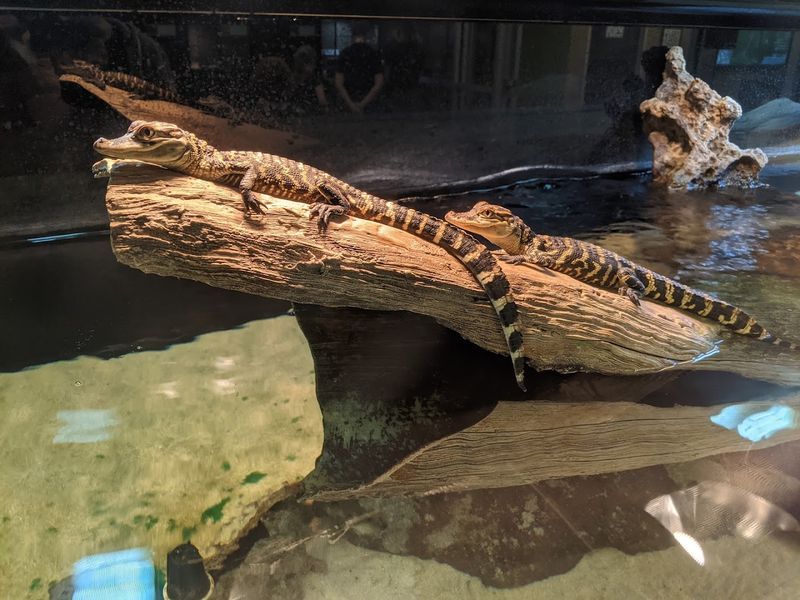
Before you even hit the trails, the Nature Center buildingis worth spending real time in. It is not a quick walk-through lobby situation.
The exhibits are genuinely engaging, built to teach visitors about the ecosystems, species, and conservation history of the greenway in ways that actually stick. It works for adults just as well as it works for kids.
The live animal ambassadors are the undeniable highlight. Snakes, owls, and alligators are kept on-site as educational residents, giving visitors a close-up look at species they might encounter on the trails.
Seeing a live owl in person, hearing the soft rustle of its feathers and watching those enormous eyes track movement, is the kind of thing that changes how you look at the forest afterward. You start scanning the canopy differently.
The interactive exhibits cover everything from local geology to the life cycles of creek-dependent species. There is enough depth here to satisfy curious adults while remaining accessible and visually engaging for younger visitors.
The staff and volunteers who run programs at the center clearly care deeply about the place, and that enthusiasm is contagious.
Educational programs are offered regularly, covering topics like native plant identification, wildlife tracking, and watershed conservation. These programs are a great way to build context before heading out on the trails, especially for first-time visitors who want to understand what they are looking at.
The Nature Center transforms a casual visit into something more intentional, and that shift in perspective makes the whole experience richer.
Archery and Outdoor Skills in a Forested Setting
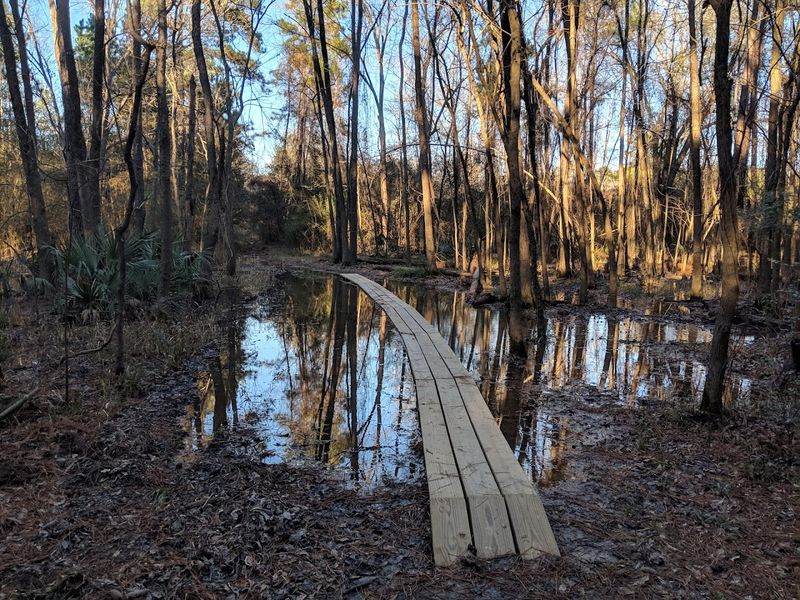
Not every park offers archery, and finding a dedicated range set within actual forest land is genuinely unusual. Spring Creek Greenway has one, and it adds a dimension to the park experience that goes well beyond the typical hike-and-picnic routine.
For visitors looking to do something active that also requires focus and skill, this is a compelling option.
The forested setting makes the archery experience feel more immersive than a standard range. Surrounded by trees, with the sounds of the greenway all around you, drawing a bow here has a quality that a suburban sports facility simply cannot replicate.
It is the kind of activity that makes you feel connected to the outdoors in a more active, intentional way than just walking a trail.
Archery is also a surprisingly accessible activity for a wide range of ages and fitness levels. It rewards patience and concentration more than raw physical strength, which means families with kids of different ages can all participate meaningfully.
The greenway setting adds a layer of atmosphere that makes even a beginner session feel like an adventure.
Pairing an archery session with a hike through the adjacent forest creates a genuinely full day out. The variety of activities available at Spring Creek Greenway is one of its greatest strengths.
Rather than offering one thing really well, it offers many things well, and they all benefit from being set within the same extraordinary natural landscape. That combination is rare and worth traveling for.
Conservation Partnerships That Keep the Land Alive
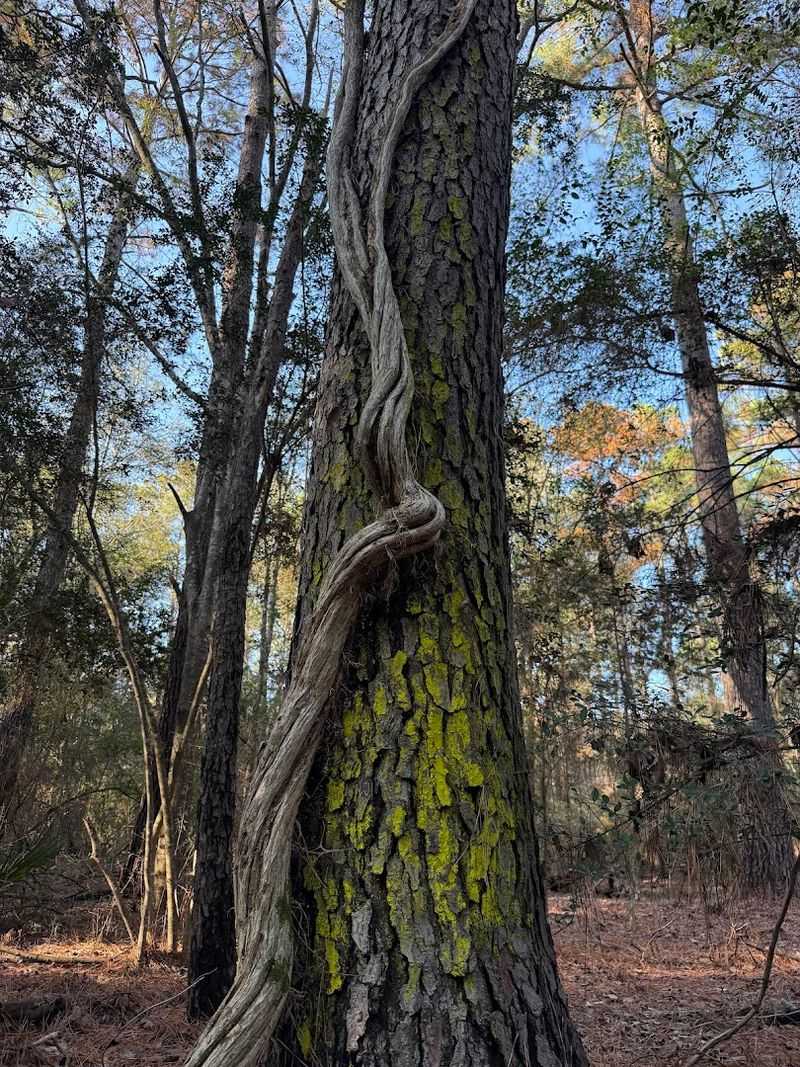
The reason Spring Creek Greenway exists in the form it does today comes down to sustained, deliberate conservation effort.
Montgomery County Precinct 3 and the Bayou Land Conservancy have been central to that work, collaborating to protect and maintain ten distinct nature preserves within the greenway system.
That kind of long-term partnership is not common, and its results are visible in every acre of intact forest.
The greenway is one of only two in Harris County that has never been developed or channelized. That distinction is significant.
Channelization, the process of straightening and hardening creek banks for flood control, destroys habitat and reduces biodiversity.
The fact that Spring Creek has been spared that fate means the ecosystem here functions the way it was meant to, with natural flood dynamics, healthy riparian vegetation, and connected wildlife corridors.
The Peckinpaugh Preserve and Spring Trails Preserve, both adjacent to the Nature Center, represent some of the most carefully protected land in the system. These preserves serve as buffer zones and habitat cores, ensuring that even as the surrounding suburbs grow, the forest interior remains undisturbed.
Visiting them feels like stepping into a different category of natural space entirely.
Understanding the conservation history behind this place adds real depth to a visit. It shifts the experience from passive recreation to something more appreciative and aware.
The trails you walk, the trees you stand beneath, and the wildlife you spot all exist because people made deliberate choices to protect them. That context makes the whole experience feel more meaningful and worth sharing.
Planning Your Visit to Spring Creek Greenway Nature Center
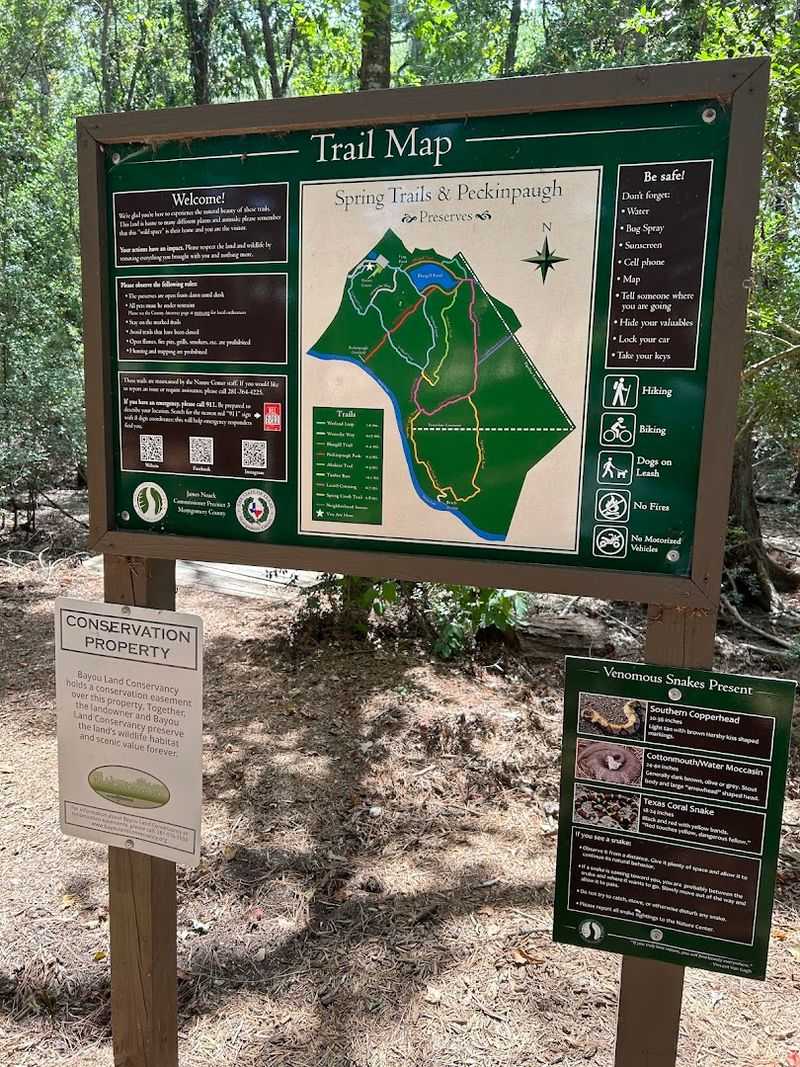
Getting the most out of a visit to Spring Creek Greenway starts with a little planning, though the place is forgiving enough to reward spontaneous trips too. The Nature Center at 1300 Riley Fuzzel Rd in Spring, TX is a logical starting point.
It gives you maps, context, and a chance to see the live animal exhibits before heading into the forest.
Morning visits are consistently the best option for wildlife spotting. The greenway comes alive in the early hours, with bird activity peaking just after sunrise and mammals more likely to be moving through open areas before the heat of the day sets in.
Bringing binoculars is not overkill here. It is genuinely useful, especially along the creek corridor where herons, eagles, and kingfishers are regularly seen.
Comfortable trail shoes, insect repellent, and plenty of water are the practical essentials. The trails range from easy paved paths to more rugged natural routes, so wearing footwear that handles both gives you flexibility.
The summer heat in this part of Texas is real, and staying hydrated matters more than most visitors initially expect.
Kayak and canoe access to Spring Creek adds a second layer to any visit worth planning around. Checking current water conditions and access points before heading out is always a smart move.
Whether you come for a two-hour nature walk or a full day of paddling, hiking, and archery, Spring Creek Greenway has the range to fill the time.
