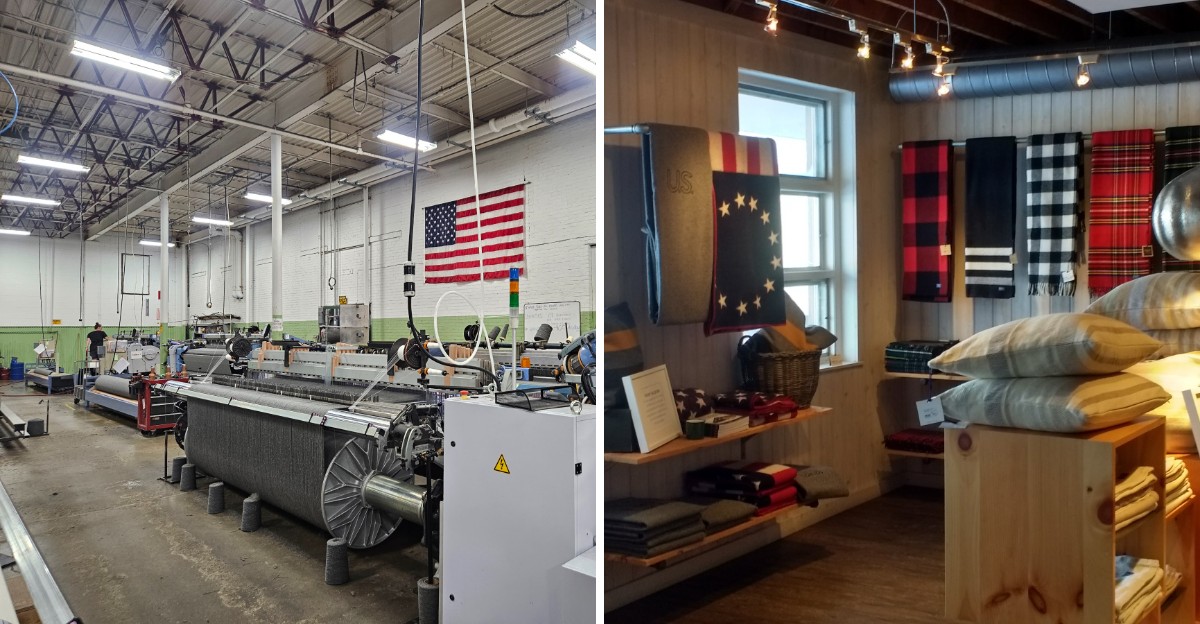
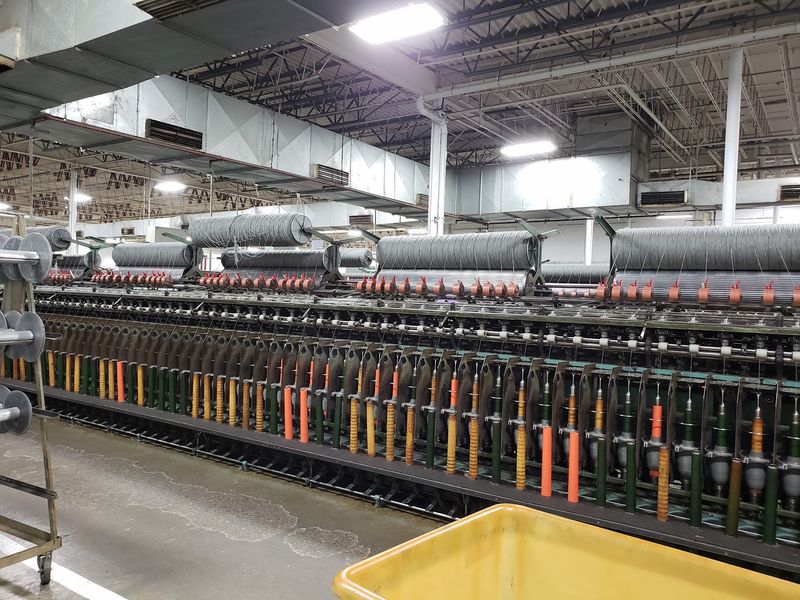
Machines built in 1904 still run daily here, more than a century after they first started turning wool into blankets.
Nothing about the process got modernized away either. Same equipment, same techniques, workers trained specifically to keep machines this old operational rather than replacing them with anything newer.
Wool arrives raw and leaves woven into blankets carrying the exact texture this mill has produced for generations.
Keeping century old machinery running takes serious dedication most factories abandoned decades ago in favor of efficiency. This one refused that shortcut, betting that authenticity mattered more than speed or modern convenience.
Few factories operate this close to their original methods anymore. This particular Minnesota mill keeps history running literally, one blanket and one century old machine at a time.
A Mill That Has Been Weaving Since 1865
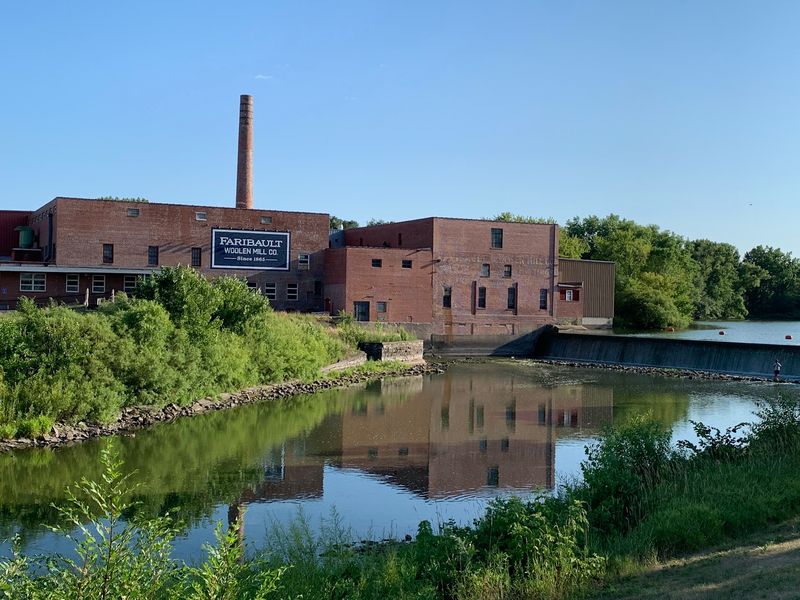
Few American factories can claim an unbroken thread back to the Civil War era, but this one traces its start to 1865, when wool was carded here for local farmers. The operation grew along the Cannon River, where water power and sheep country met in a convenient spot.
Generations of families in Faribault have worked the floor, and that continuity shows in small ways, like the worn wooden handrails and the way machines are referred to by nickname rather than model number.
The mill has not coasted the whole time. It closed in 2009 when the economy turned, sat quiet for roughly a year and a half, then reopened under new family ownership determined to rebuild around craft production rather than volume.
Seeing an old industrial building brought back to life rather than converted into condos feels genuinely rare in the Midwest. The looms run, the shipping dock is busy, and the place still smells faintly of lanolin.
History here is not behind glass. It clocks in every morning.
Machinery From 1904 That Refuses to Quit
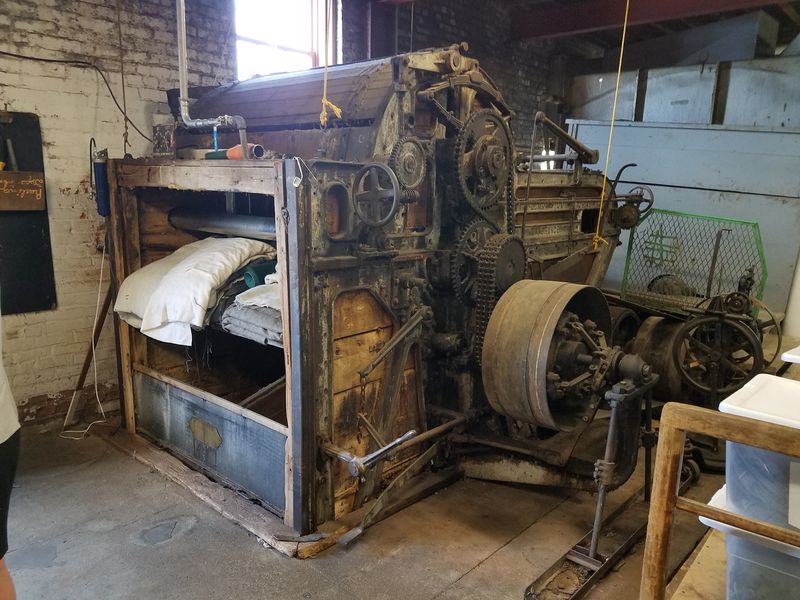
Some of the equipment on this floor predates airplanes. Cast iron frames, leather belts, and rollers stamped with early twentieth century dates still do daily work, and the reason is simple: nobody has built anything better for the job.
Older carding and napping machines treat wool gently, teasing fibers into alignment without shredding them. Newer high speed equipment can be rougher, which shows up later in how a blanket wears.
Maintenance is its own skill set. Parts are machined in house or scavenged, and the people who run them listen for changes in pitch the way a mechanic listens to an engine.
What surprised me most was how loud and alive it all is when production is running. Gears clatter, belts slap, and the floor has a faint vibration you feel through your shoes.
There is something stubborn and admirable about keeping century old machines useful. Not for show, not for nostalgia, but because they simply do good work.
Taking the Guided Factory Tour
Booking ahead matters here. Tours run on set days when production pauses, and reservations are required, so showing up unannounced usually means store only.
Guides walk visitors through the full sequence, from raw fiber bales to finished, folded blankets. The pacing is relaxed, questions are welcome, and the explanations stay understandable even for people who have never thought twice about textiles.
Because the machines are stopped during tours, guests can stand close to equipment that would otherwise be off limits. That access makes a real difference; you can see how a shuttle travels, how thread is threaded, how tension is set.
Wear closed shoes and expect concrete floors. Photos are generally fine in most areas.
An hour goes quickly. By the end, most people look at the blanket on their couch differently, because they have watched the twelve day journey it takes to make one from scratch.
From Raw Fleece to Finished Blanket Under One Roof
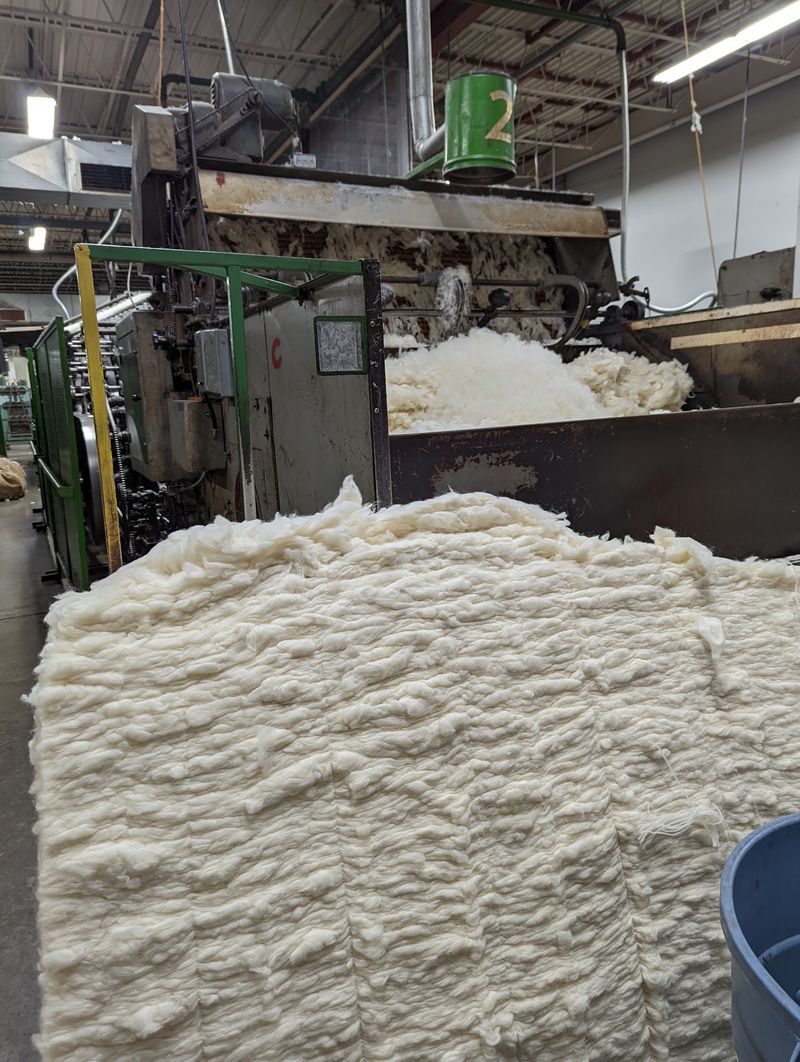
Most textile companies buy finished fabric and sew it. Here the whole chain happens in one building, which puts this mill in an extremely small club of vertically integrated American woolen manufacturers.
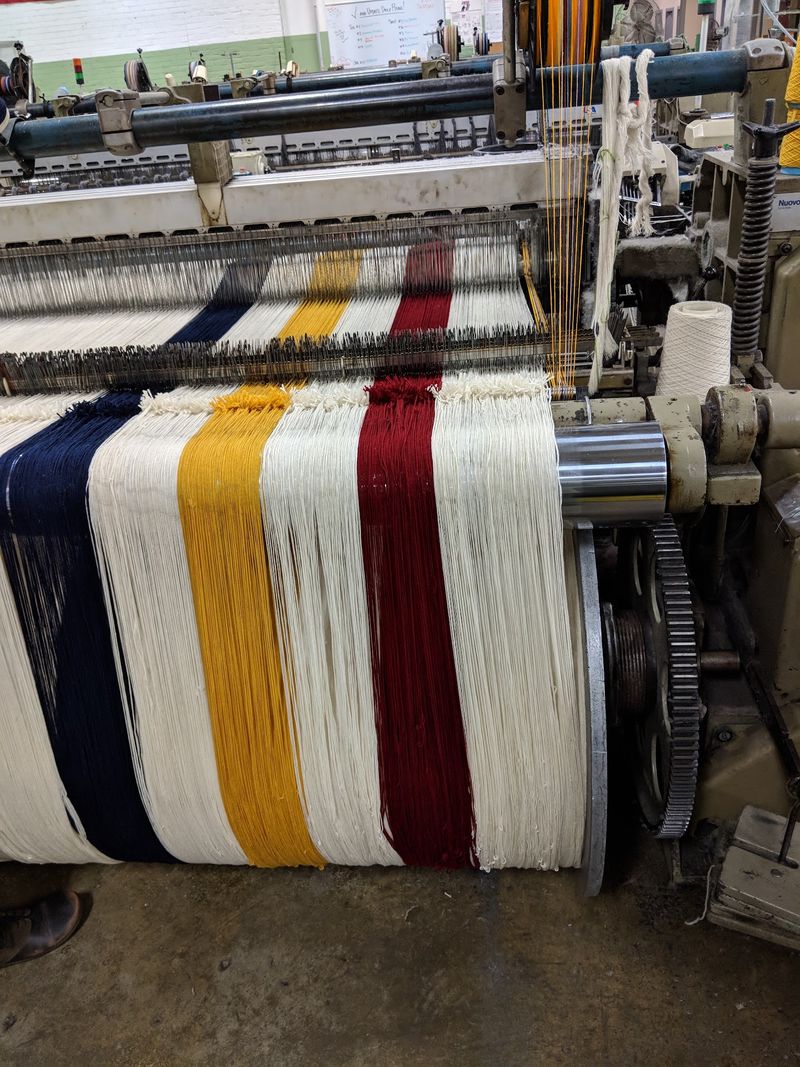
Wool arrives, gets sorted and dyed, then moves through carding machines that comb tangled fibers into soft ropes. Spinning turns those ropes into yarn, weaving turns yarn into cloth, and finishing washes, brushes, and shapes the cloth into something soft enough to sleep under.
A single blanket can take close to twelve days of combined effort. That number sounds absurd until you watch how many separate stages are involved. Nothing gets outsourced overseas and shipped back. The fiber that enters the loading dock leaves as a folded product with a label.
Watching the sequence laid out physically, room by room, makes the whole idea of manufacturing feel less abstract. It is one of the clearest lessons in how things are actually made that a traveler can find in Minnesota.
Blankets Made for the United States Military
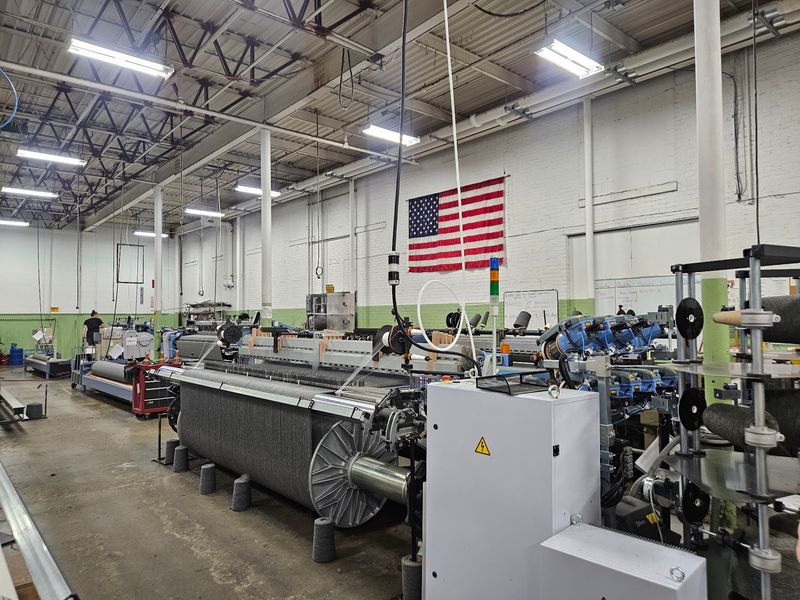
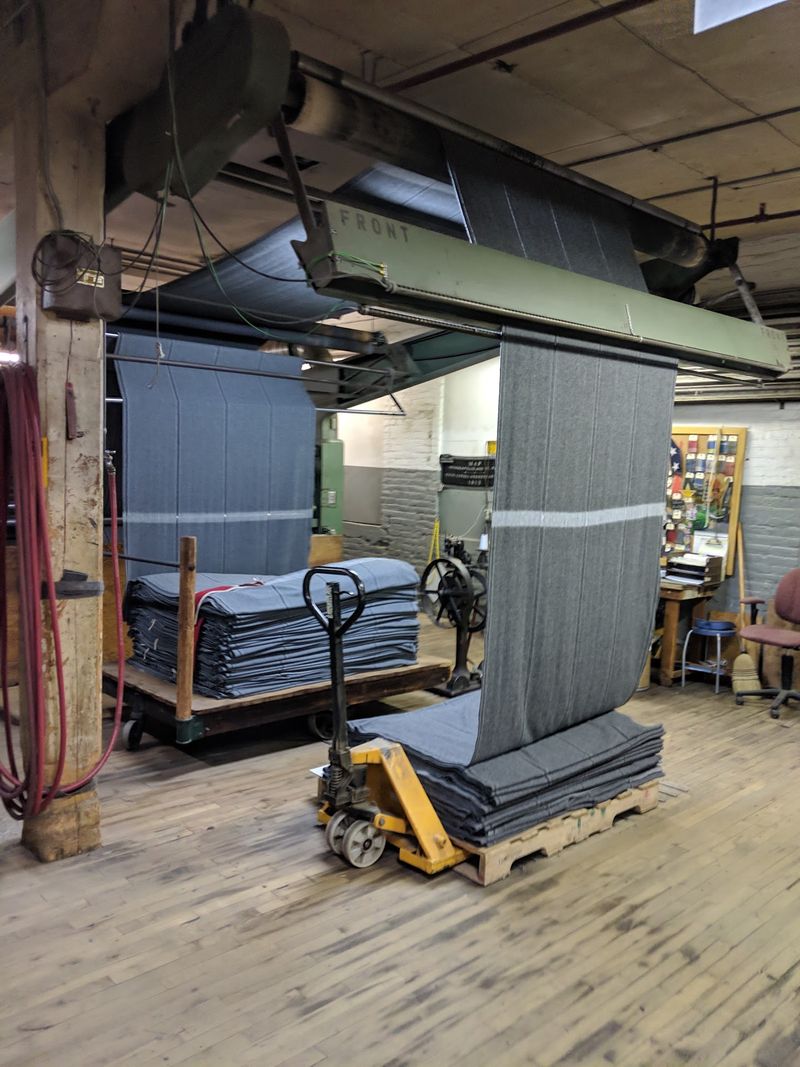
Plenty of visitors are surprised to learn that military contracts have shaped this mill for decades. Navy and army wool blankets have come off these looms, built to specifications that leave no room for decorative flourishes.
Those blankets are plain, heavy, and unglamorous, and that is exactly the point. Wool insulates even when damp, resists flame better than synthetics, and holds up through rough handling.
Standing near a stack of them, the difference from a fluffy retail throw is obvious. The weave is tighter, the hand is firmer, the weight is noticeably serious.
The same durability standards feed back into everything else the mill produces. Consumer blankets benefit from lessons learned filling government orders.
Military work also helped keep the place running during years when domestic textile production collapsed nearly everywhere else. Steady contracts meant steady employment in a small Minnesota town.
It is a quieter part of the story than the colorful throws, but arguably the backbone of the operation.
The Factory Store and Its Wall of Color
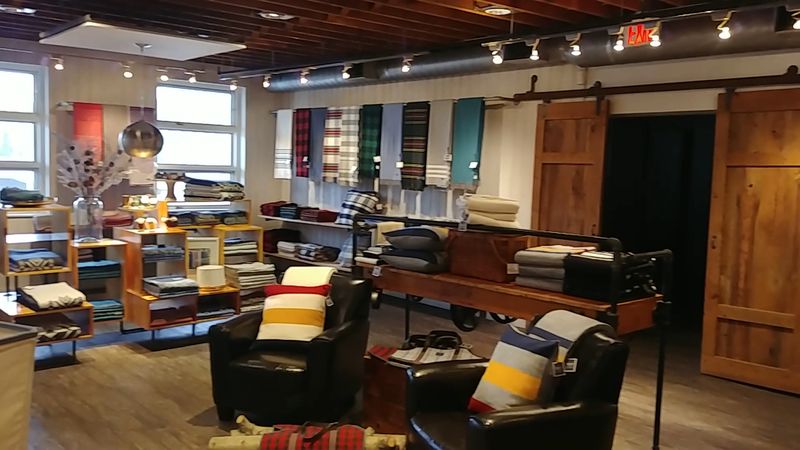
Shelves stacked floor to eye level with folded wool in dozens of colors greet anyone who walks through the retail entrance. Choosing becomes the hard part.
Beyond blankets and throws, the store carries scarves, gloves, pillows, bedding, and smaller accessories, so a visit works even for people who do not need a full size blanket.
Staff here tend to know the products deeply and will explain differences between weights, weaves, and wool blends without pushing anything. Ask about care instructions; the answers are practical.
A clearance and factory seconds section sits off to the side, holding pieces with minor flaws or discontinued patterns. Sharp shoppers head straight there.
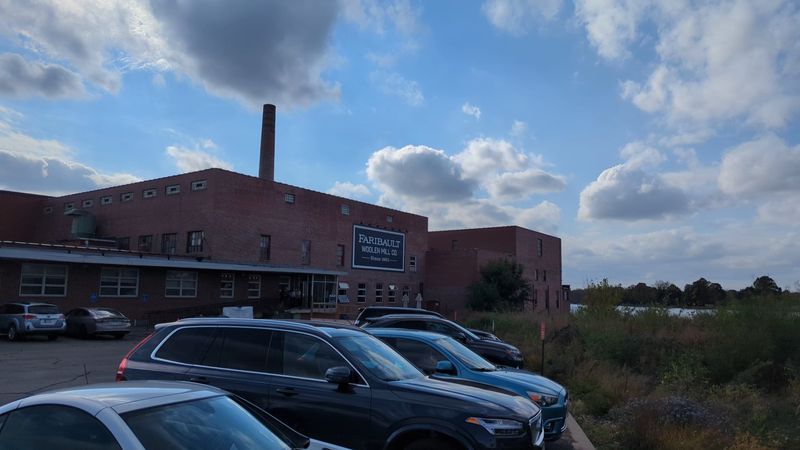
The building is clean, well organized, and easy to move through, with a large parking lot and a long ramp at the entrance for accessible access.
Doors open at 9 AM Monday through Saturday, closed Sundays. Give yourself more time than you think you need, because the color wall is genuinely distracting.
Minnesota Patterns Worth Bringing Home
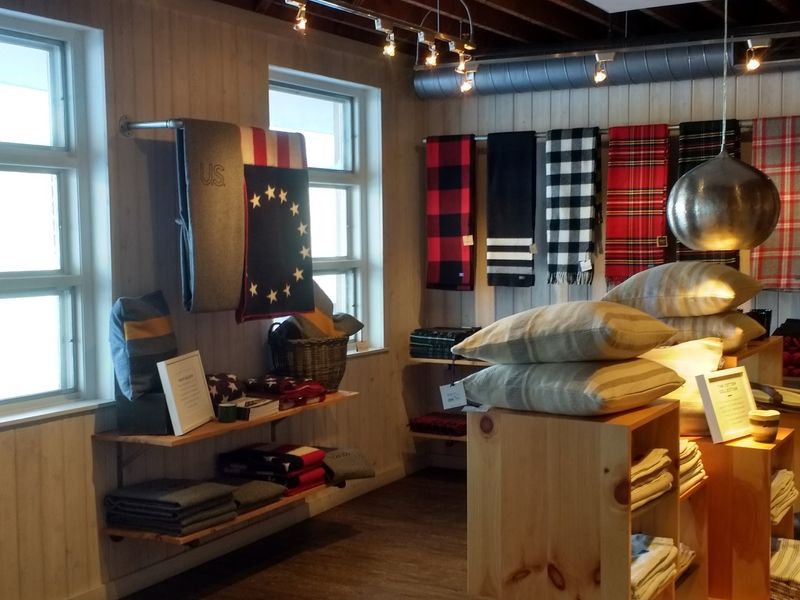
Design choices at this mill lean hard into a sense of place. Loon motifs, north woods themes, and throws honoring the Boundary Waters Canoe Area show up alongside classic stripes and plaids.
Regional patterns make excellent souvenirs precisely because they are useful. A blanket gets used every winter instead of sitting in a drawer like a magnet or keychain.
Custom and corporate orders happen too, with logos or special colorways woven in rather than printed on top. Those tend to become long term keepers for whoever receives them.
Color quality stands out in person. Dyes are saturated and the wool takes them evenly, which is not always true of cheaper imported goods.
My honest advice is to look at the patterns in daylight near the front windows before deciding, since store lighting can shift how a color reads. Pick something you will actually drape over a chair. The good ones get better with age and washing.
The Comeback Story After 2009
Shutdown came in 2009, and for about eighteen months the looms sat silent and the building looked like another casualty of American deindustrialization. Local people assumed it was finished.
Reopening happened when new owners bought the mill and rebuilt the business around quality rather than trying to compete on price with overseas factories. Equipment was restored, workers came back, and orders slowly returned.
That turnaround is one of the more encouraging manufacturing stories in the region. It also explains the mix of eras on the floor, where 1904 machines sit near modern weaving equipment used for certain products.
Employment history runs deep in this town. One longtime employee reportedly started in the 1950s and stayed for decades, which says something about the culture inside.
Revival did not mean turning the place into a museum. Production is the point, and the historical details are simply what survived because they still work. Worth knowing before you walk in.
How to Care for Wool So It Lasts Decades
Good wool rewards a little patience. Airing a blanket outdoors on a dry day does more for freshness than frequent washing, and it keeps fibers from breaking down.
When cleaning is needed, cool water and a wool safe detergent work best. Skip hot water and heavy agitation, which cause shrinking and felting that cannot be undone.
Lay pieces flat to dry rather than hanging them wet, since the weight of the water stretches the weave out of shape. Storage matters too. Clean the blanket first, then keep it somewhere dry with good air flow, and add cedar to discourage moths.
Pilling on a new blanket is normal during the first weeks and usually settles down with use. A gentle brush handles the rest.
Treated reasonably, a wool blanket from this mill can outlast the couch it sits on, the house it lives in, and possibly the person who bought it. That is the actual value proposition.
Planning the Drive and Making a Day of It
Faribault sits roughly an hour south of Minneapolis and Saint Paul along Interstate 35, which makes the mill an easy detour on a road trip rather than a whole expedition.
Morning visits work well. Doors open at 9 AM Monday through Saturday, and arriving early leaves room to browse before continuing south toward Owatonna or back toward the cities.
Pair the stop with a walk through the historic downtown district, where brick storefronts and older architecture make for a pleasant stretch of the legs.
If ordering something not in stock, understand that production can take time and shipping timelines sometimes stretch well past the original estimate. Buying in person from the shelves avoids that entirely.
Parking is plentiful and the entrance ramp makes access straightforward for strollers and wheelchairs.
Find it at Faribault Woolen Mill Co., 1500 2nd Ave NW, Faribault, MN 55021, and give yourself enough time to stand still and listen to the machines for a minute.
