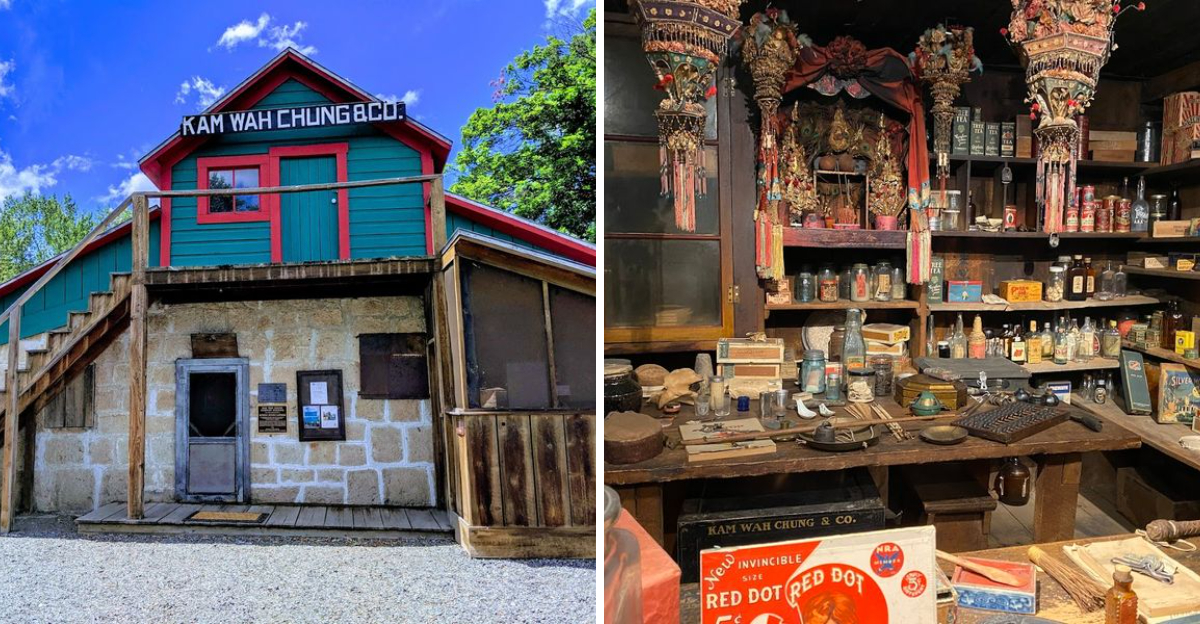
Stepping through the door feels like traveling back more than a century. The air smells old in the best possible way.
Oregon holds a remarkable piece of history that most people have never heard of. This Chinese apothecary from the 1800s sits perfectly preserved, almost as if the owners just stepped out for a moment.
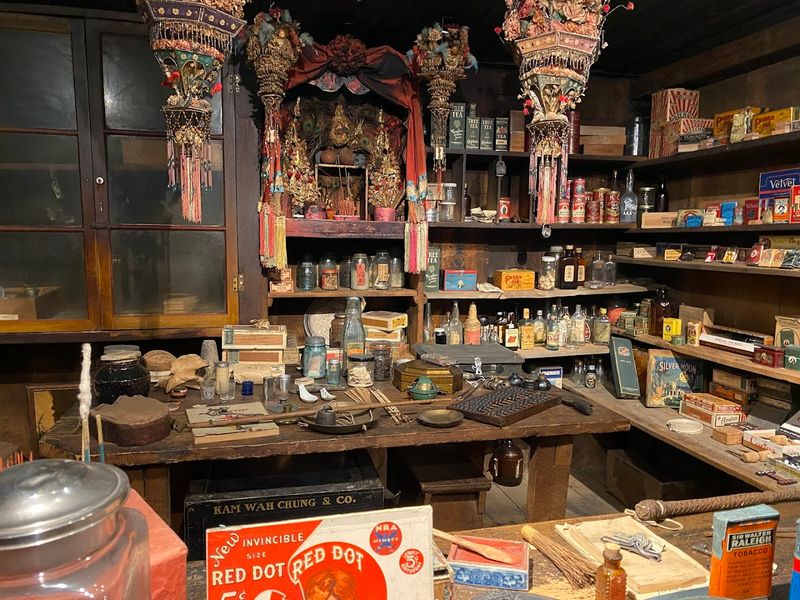
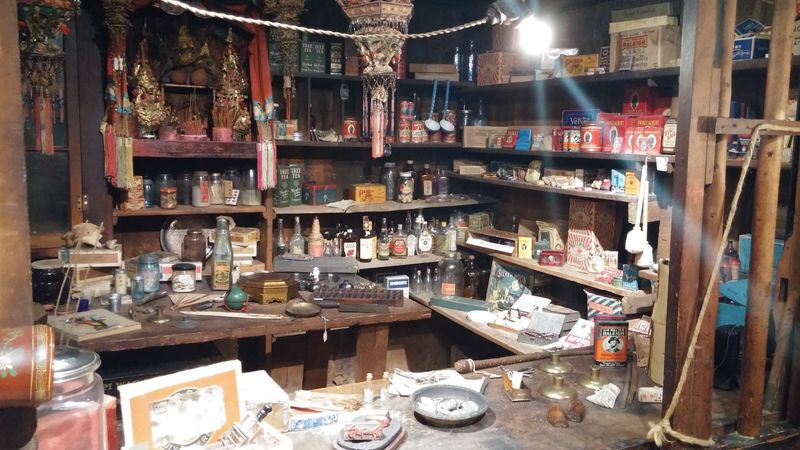
Glass jars still line the shelves holding dried herbs and mysterious remedies. Old ledgers sit open on the desk with handwritten notes in both English and Chinese.
The living quarters upstairs show exactly how people slept, ate, and lived in a remote frontier town. You will see medicine bottles, cooking tools, and personal items that tell a story no textbook can match.
No ropes or barriers keep you at a distance, just an honest look at real life from another era. History buffs will cry happy tears.
The Extraordinary History Behind Kam Wah Chung
Few buildings in the American West carry as much layered history as this one. Kam Wah Chung was built around 1866 as a trading post along the wagon road later known as The Dalles Military Road.
Gold had been discovered nearby, and the area was buzzing with miners, settlers, and opportunity.
Two Chinese immigrants from Guangdong, Ing Hay and Lung On, eventually took over the building. Ing Hay, widely known as Doc Hay, practiced traditional Chinese herbal medicine.
Lung On ran the mercantile side of the business, connecting the community to goods and services.
Together, they served the entire region for decades. Their work touched miners, ranchers, and Native Americans alike.
The building became a cultural hub during a time when Chinese immigrants faced enormous hostility across the West. Recognizing its significance, it was designated a National Historic Landmark.
Oregon State Parks now maintains it carefully. Walking inside, you feel the weight of real lives lived within those thick stone walls.
Doc Hay and Lung On: Two Men Who Built a Legacy
Not many people expect to find a story this compelling tucked into a small Oregon town. Ing Hay, known affectionately as Doc Hay, was a practitioner of Pulsological medicine, a traditional Chinese healing method.
He diagnosed illness through pulse reading and prescribed herbal remedies with remarkable precision.
Lung On had a different kind of brilliance. He was entrepreneurial, charming, and deeply connected to the wider community.
He wrote letters for Chinese laborers who could not speak English, arranged shipments of goods, and brokered deals across the region.
The two men lived and worked in the same building for most of their adult lives. Their partnership was built on complementary strengths and genuine trust.
Doc Hay passed away in 1952, and Lung On had died years before him. Remarkably, neither man ever fully cleared out the building.
Everything stayed. That choice, whether intentional or not, gave future generations an unfiltered look at frontier Chinese American life.
Inside the Apothecary: A Room Frozen in Time
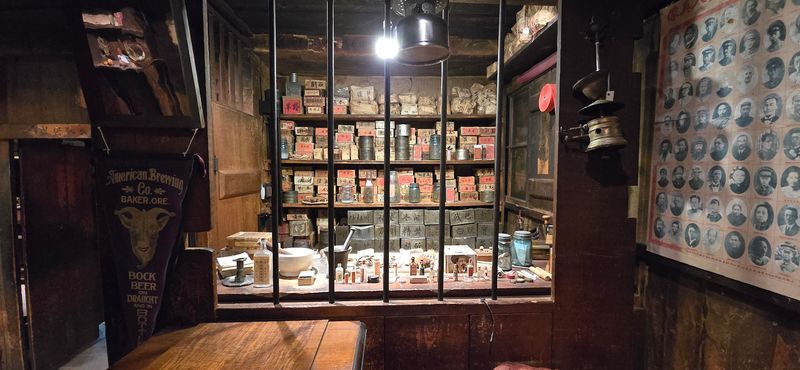
The apothecary room is the heart of Kam Wah Chung, and nothing quite prepares you for it. Hundreds of small tins, jars, and packets of dried herbs line the shelves in near-perfect order.
The labels are still legible. The smells are still faintly present.
It feels less like a museum and more like Doc Hay just stepped out for a moment.
Traditional Chinese medicine relied heavily on plant-based ingredients. Ginseng, licorice root, and dozens of other botanicals filled those shelves.
Doc Hay compounded remedies by hand and adjusted treatments based on each patient’s condition.
Patients traveled enormous distances to see him. His reputation spread far beyond the Chinese community.
Ranchers and miners who had no other access to medical care came to him for help. The apothecary room tells that story without needing a single word.
Every jar is a reminder that healing happened here, quietly and consistently, for over fifty years. It is genuinely one of the most moving rooms I have ever stood in.
The Stone Building Itself: Built to Last Centuries
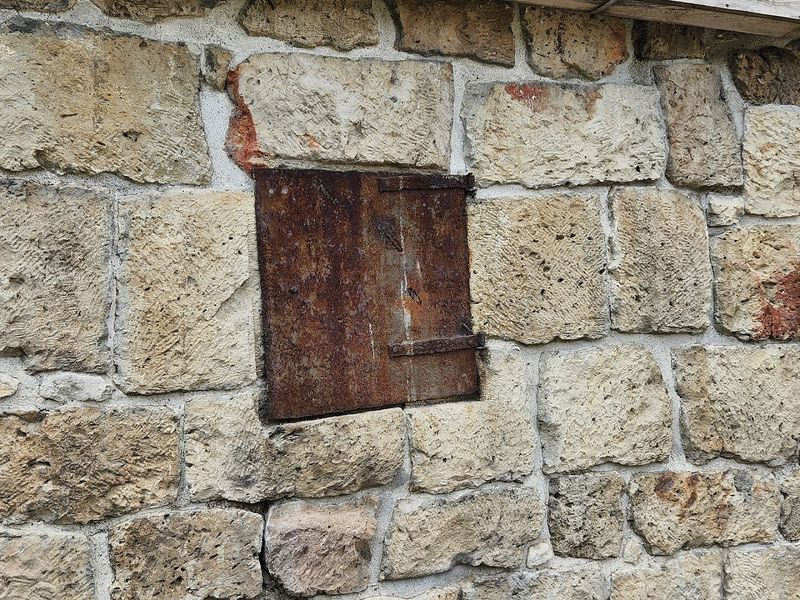
The building itself deserves its own moment of appreciation. Constructed from Rattlesnake Tuff, a local volcanic rock, it was built with an unusual level of care for a frontier structure.
The stones were hand-cut and shaped, and the tooling marks left by cold chisels are still visible on the exterior.
Those thick walls were not just aesthetically intentional. They offered real protection in a time when frontier violence was a genuine concern.
The building has withstood over 150 years of Oregon weather without significant structural failure. That speaks to both the quality of the construction and the durability of the materials.
Rangers on the tour point out specific details in the stonework that most visitors would miss entirely. The way the stones were fitted, the angles of the cuts, the reinforcement around the doorframes.
It is the kind of craftsmanship that takes time to fully appreciate. Standing next to those walls, you realize this building was never meant to be temporary.
It was built as a permanent anchor for a community.
The Free Guided Tours: Worth Every Minute
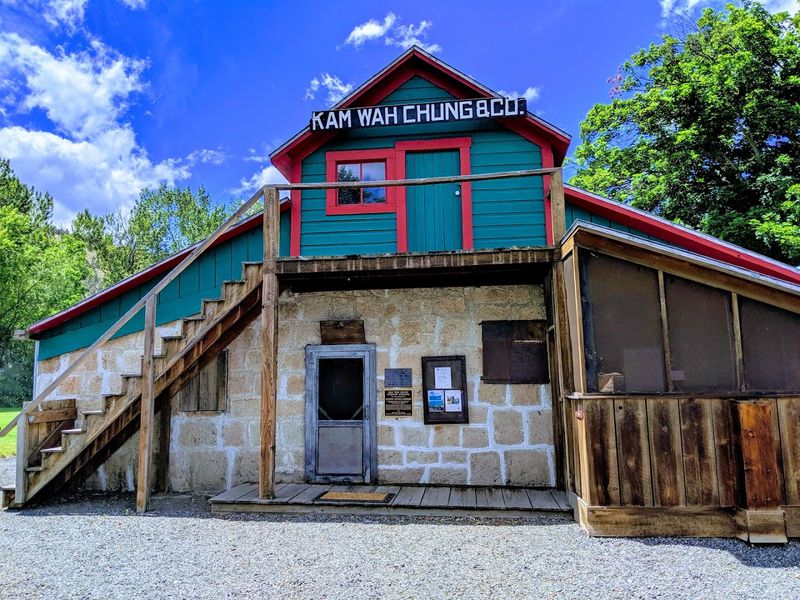
Tours at Kam Wah Chung are free, and they are genuinely some of the best I have experienced at any historic site. Groups are kept small, usually no more than eight people.
That intimacy makes a real difference. You can ask questions, linger over details, and actually absorb what you are seeing.
The park rangers and volunteers who lead these tours bring real passion to the experience. They know the history deeply and share it in a way that feels personal rather than scripted.
One ranger described the rooms with such enthusiasm that it felt like she was telling stories about people she actually knew.
Tours depart from the ranger station and involve a short two-block walk to the site. The one-hour presentation covers the building, its occupants, the broader Chinese immigrant experience in Oregon, and the gold rush context that brought everyone here.
No water or food is allowed inside the building. Signing up early is smart because spots fill quickly.
The Interpretive Center: Context That Deepens Everything
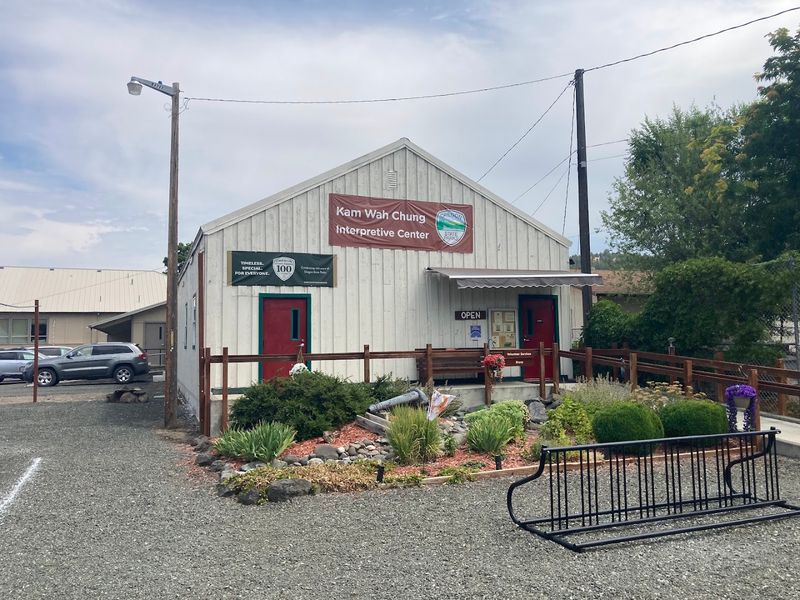
Just down the street from the main building, the interpretive center adds important layers to what you see at the site. It functions as both a starting point and a place to reflect after the tour.
The exhibits cover the broader history of Chinese immigration to Oregon, the gold rush economy, and the specific contributions of the John Day Chinese community.
Photographs, artifacts, and written accounts fill the space thoughtfully. The center contextualizes what might otherwise feel like a collection of old objects.
Once you understand the social and political climate these men navigated, every item in that apothecary takes on new meaning.
The ranger station is also housed nearby, which is where you sign up for tours and leave your water bottles before entering the main building. Staff there are approachable and happy to answer questions before and after the experience.
Spending time in both the interpretive center and the main site together creates a much fuller picture. Skipping one shortchanges the whole visit.
Plan for at least two hours total to do it right.
Chinese Culture in Eastern Oregon: A Surprising Story
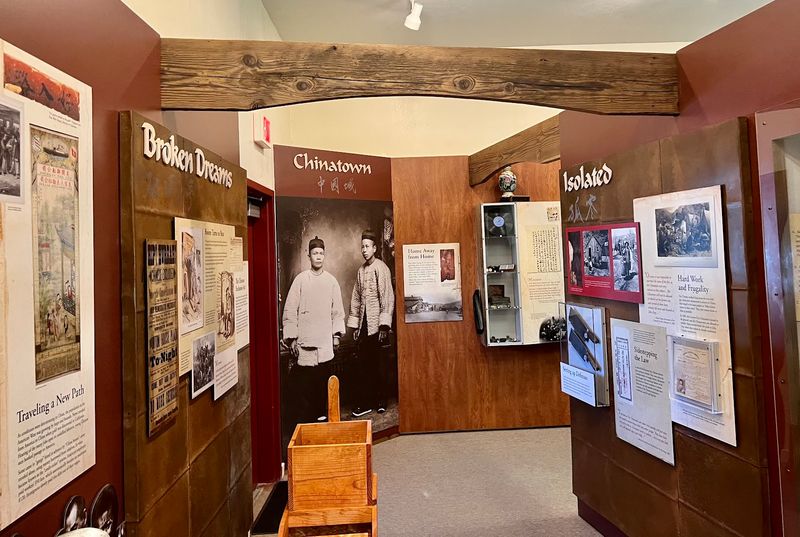
Most people do not immediately associate Eastern Oregon with Chinese cultural history. That surprise is part of what makes Kam Wah Chung so powerful.
During the 1860s and 1870s, thousands of Chinese laborers came to the Pacific Northwest to work the gold fields. Many settled in and around John Day.
They built communities, established businesses, and created networks of mutual support in a region that was often openly hostile to them. Kam Wah Chung sat at the center of that network.
It was a place where Chinese miners could get supplies, send letters home, receive medical care, and feel a connection to their culture.
That history is not widely taught, which makes places like this even more important. John Day holds a remarkable piece of Chinese American heritage that deserves far more attention than it typically receives.
The town itself, with a population of around two thousand, carries this legacy quietly but proudly.
What Remains: Artifacts Left Exactly as They Were
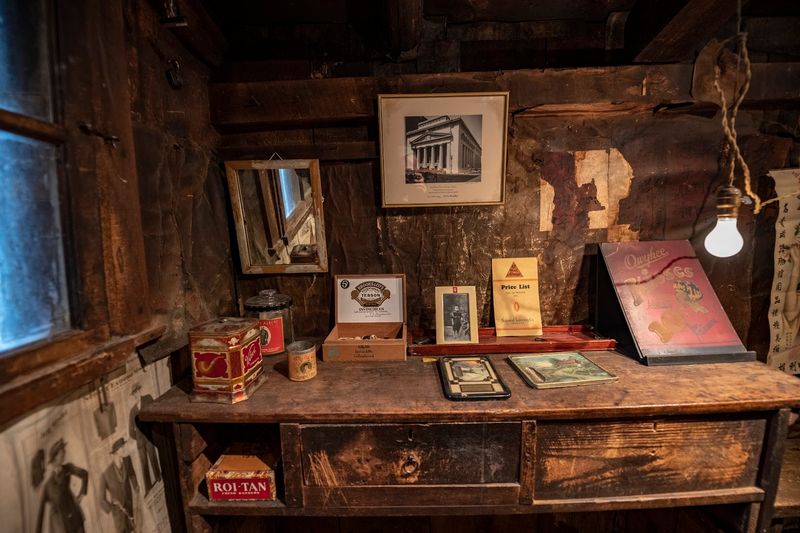
One of the most striking things about Kam Wah Chung is that virtually nothing was removed after Doc Hay died in 1952. The building was essentially locked up, and its contents stayed put for years until preservation efforts began.
That means the artifacts inside are not reproductions or curated recreations. They are the real things, in their original positions.
Personal items sit alongside commercial goods. Cooking utensils, religious objects, business ledgers, and medical supplies all share the same shelves and surfaces.
It creates a layered, almost overwhelming sense of presence. You are not looking at history through glass.
You are standing inside it.
Preservation of this kind is rare. Most historic sites have been cleaned up, reorganized, or partially reconstructed.
Kam Wah Chung resisted all of that. The dust, the arrangement, the sheer quantity of objects, all of it communicates something that a polished exhibit never could.
Rangers are careful to explain the significance of individual items during the tour.
Planning Your Visit: Practical Tips for First-Timers
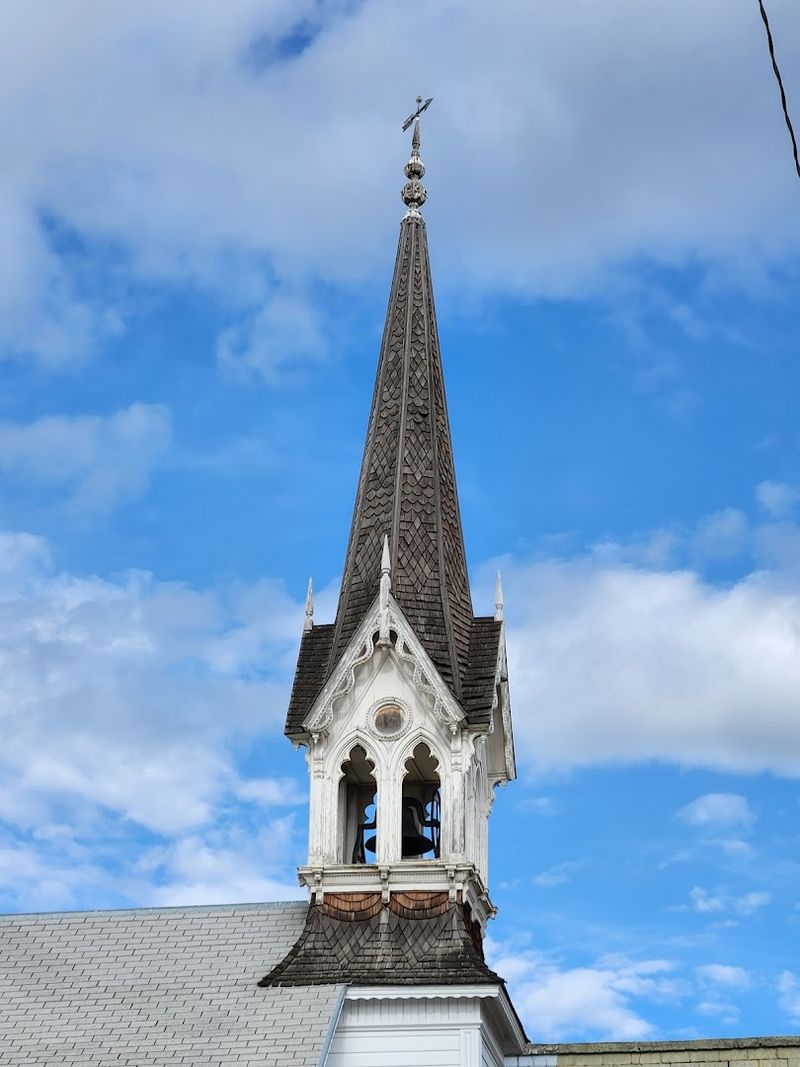
Getting to Kam Wah Chung takes some planning, but the effort is absolutely worthwhile. John Day sits in Grant County, roughly four hours from Portland and about two and a half hours from Bend.
The drive through Eastern Oregon is scenic and relatively straightforward on Highway 26.
The site is open daily from 9 AM to 4 PM. Tours are free but fill up fast, so arriving early and signing up at the ranger station right away is the smart move.
Groups are capped at eight people per tour, so flexibility with timing helps.
No food or water is allowed inside the main building, so leave drinks at the ranger station counter as instructed. Comfortable walking shoes are a good idea since the tour involves a short walk between buildings.
The area around John Day also offers access to the Painted Hills and other natural landmarks, making it an excellent base for a longer Eastern Oregon road trip. The phone number for the site is (541) 575-2800 if you want to confirm tour availability before arriving.
Why Kam Wah Chung Still Matters Today
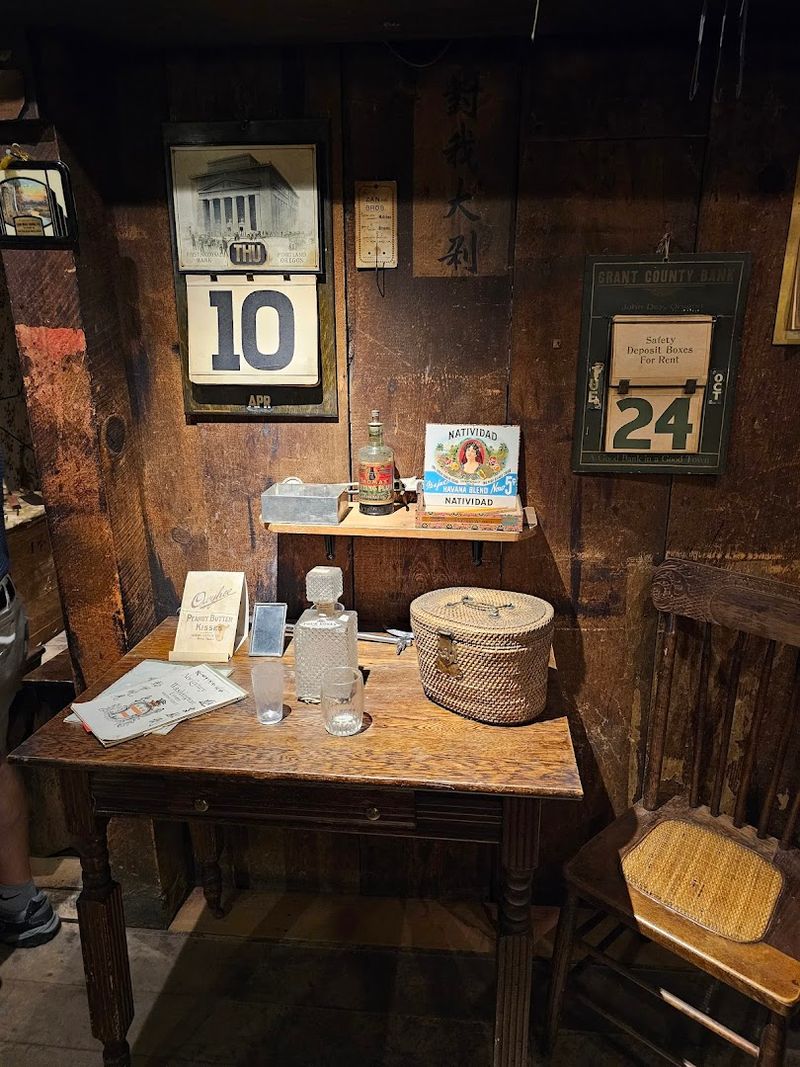
There is something quietly urgent about Kam Wah Chung. As access to historic sites becomes increasingly limited to protect fragile interiors, the window to experience a place like this may not stay open forever.
Several visitors have noted that the opportunity to walk through the actual building is rare and should not be taken for granted.
Beyond preservation concerns, the site matters because of what it represents. It is a record of resilience, community, and contribution.
Doc Hay and Lung On served people who had no one else to turn to. They did it with skill, generosity, and quiet dignity across decades of hardship.
Stories like theirs have often been left out of mainstream American history. Kam Wah Chung pushes back against that omission in the most direct way possible.
It does not argue or lecture. It just shows you the shelves, the herbs, the ledgers, and the life.
That honesty is what makes it unforgettable. Visiting is not just a pleasant afternoon outing.
