History doesn’t just sit quietly here, it lingers in every shadow and corner. In Virginia stands an 18th-century church wrapped in stories so unsettling that even Civil War soldiers were said to keep their distance.
Tales of a woman in white drifting through the grounds, whispers of wartime unrest, and centuries-old walls that seem to remember it all give this place an atmosphere unlike anywhere else in the state. It’s not just a historic landmark, it’s a site where legend and reality blur in ways that stay with you long after you leave.
Even those familiar with Virginia’s past may find themselves rethinking what they know.
A Colonial Masterpiece Built to Last
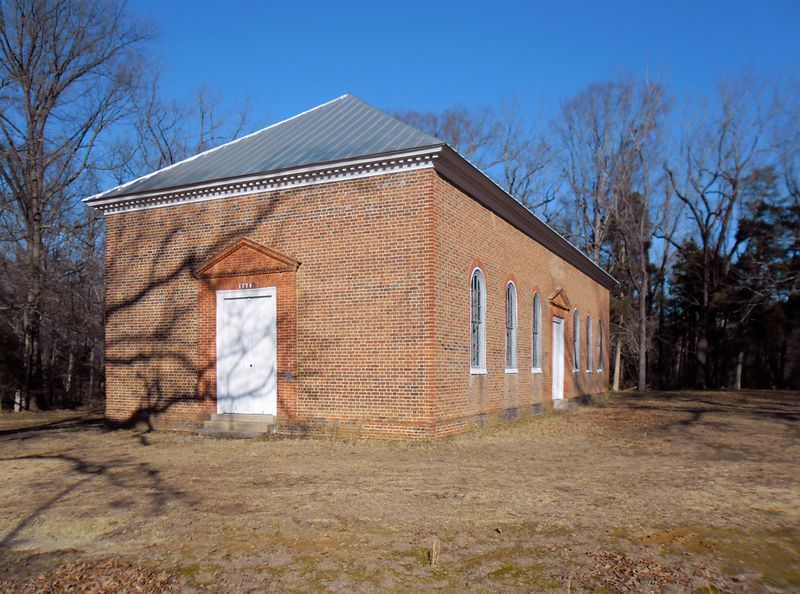
Few buildings in Virginia carry the quiet authority of a structure that has survived wars, neglect, and centuries of shifting seasons. Lamb’s Creek Church was constructed between 1769 and 1777, making it a genuine product of the colonial era, built when King George County was still finding its footing as part of a young Virginia landscape.
Colonial architect John Ariss is credited with the church’s design, a name well-known among students of Virginia’s architectural heritage. Ariss also worked on Payne’s Church in Fairfax County, giving both structures a recognizable elegance rooted in Georgian sensibility.
The brick walls, arched windows, and carefully proportioned facade speak to a craftsman’s pride that modern construction rarely replicates. Standing in front of this building feels like pressing your hand against living history.
Virginia has no shortage of colonial landmarks, but few feel as personally intimate as this one, tucked quietly along a rural road in King George County, almost daring you to slow down and notice it.
John Ariss and the Genius Behind the Walls
Not every old church comes with a celebrity architect attached to its story, but Lamb’s Creek Church does. John Ariss was one of colonial Virginia’s most respected builders, and his fingerprints are all over this structure in the most satisfying way possible.
Ariss had a reputation for blending formal Georgian proportion with practical colonial sensibility. His buildings were meant to impress without being showy, a balance that feels remarkably modern when you stand inside Lamb’s Creek Church and look around at what remains of the original design intent.
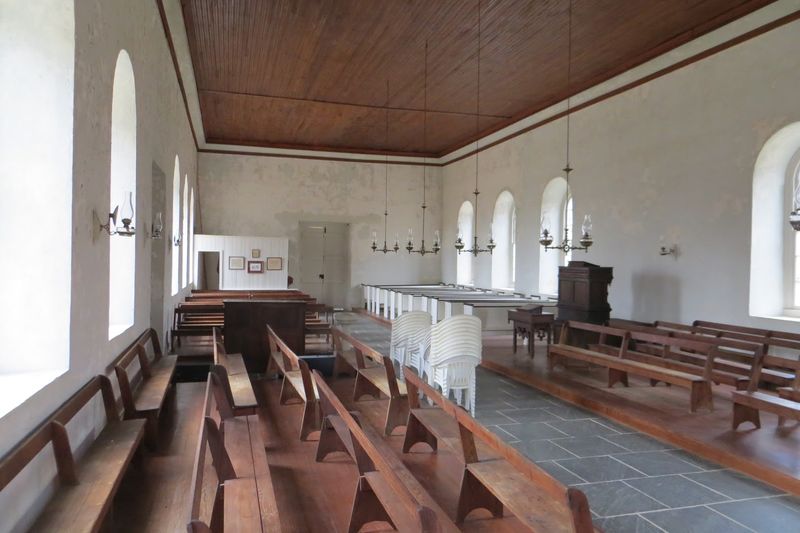
The church’s layout follows a classic rectangular plan with thoughtfully placed openings that flood the interior with natural light. Even stripped of much of its original woodwork, the bones of the building tell a sophisticated story.
Virginia has always produced remarkable architecture, and King George County holds one of its finest examples right here. Ariss understood that a church should feel both humbling and welcoming, and somehow, even after all these years, that feeling has not entirely left these walls.
When Union Soldiers Turned It Into a Stable
War has a brutal way of stripping things down to their bare essentials, and Lamb’s Creek Church learned that lesson the hard way during the Civil War. Union troops, in need of shelter for their horses, commandeered the church and converted it into a military stable.
The original woodwork, pews, and furnishings did not survive the occupation.
Imagine the scene: a space built for quiet reflection suddenly filled with the noise, smell, and chaos of a wartime encampment. The transformation must have been jarring for anyone who remembered the church in its intended form.
Virginia saw countless acts of wartime repurposing, but something about this particular church makes the story feel especially pointed.
What makes the Union occupation even more remarkable is what happened next. The church was eventually restored after the war, a testament to the stubbornness of the community that refused to let the building disappear entirely.
The scars of that period are still visible to a careful eye, and they add a layer of raw, unfiltered history that no museum exhibit could fully replicate.
The Ghost Story That Stopped Confederate Soldiers Cold
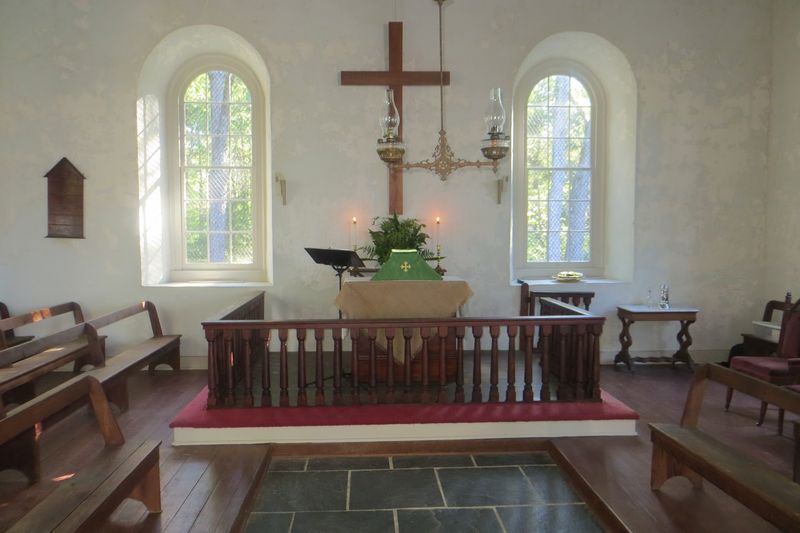
Here is where the story gets genuinely spine-tingling. Local legend holds that Confederate soldiers, typically not a group known for shying away from danger, refused to approach Lamb’s Creek Church because of what they reportedly saw inside.
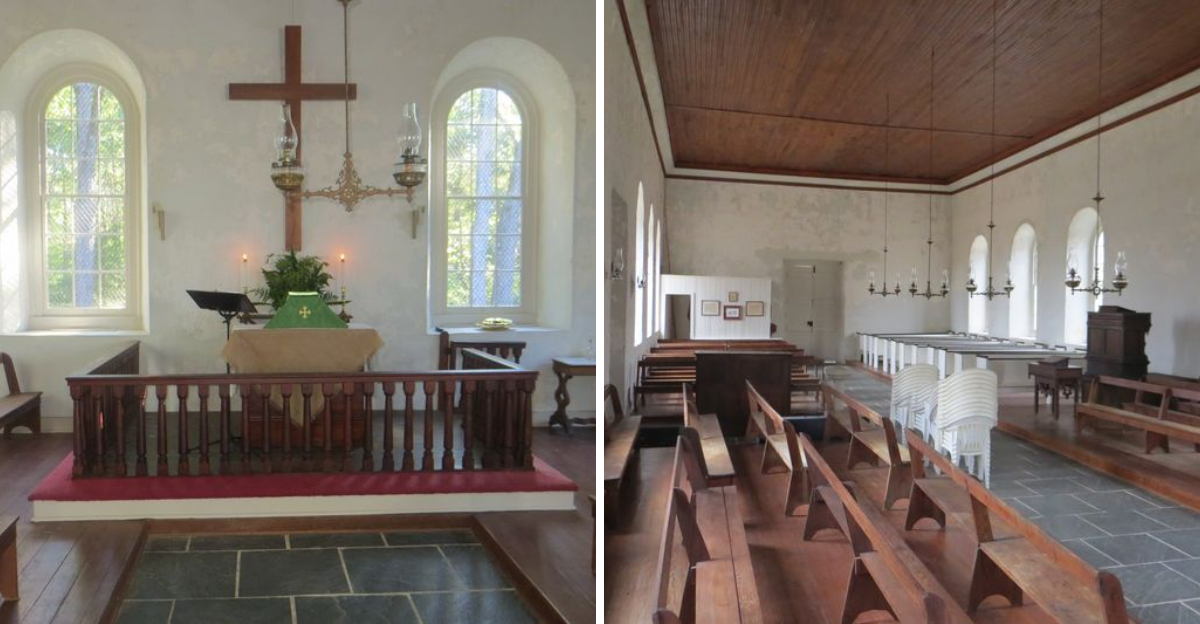
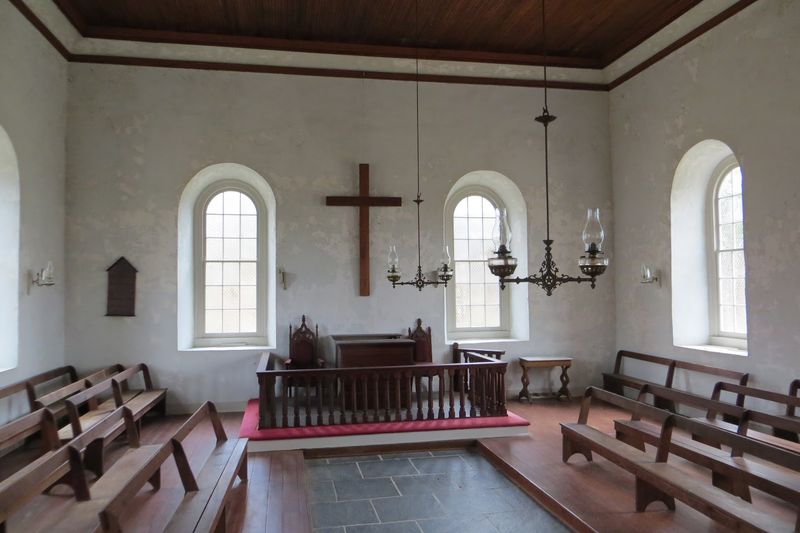
A ghostly woman dressed in white, kneeling silently at the chancel rail, became the stuff of campfire whispers across King George County.
The image is striking on its own terms: a pale figure in prayer, motionless, in a church that should have been empty. Soldiers who had marched through cannon fire reportedly turned back rather than enter the building.
That is a remarkable detail, whatever you personally believe about the paranormal.
Virginia has a long tradition of ghost lore tied to its oldest buildings, and Lamb’s Creek Church fits naturally into that tradition. The legend has never been formally verified, but it has also never quite gone away.
Stories with that kind of staying power tend to carry at least a kernel of something real, even if that something is simply the power of a very old, very atmospheric place to unsettle the human imagination.
The Woman in White: Virginia’s Most Persistent Specter
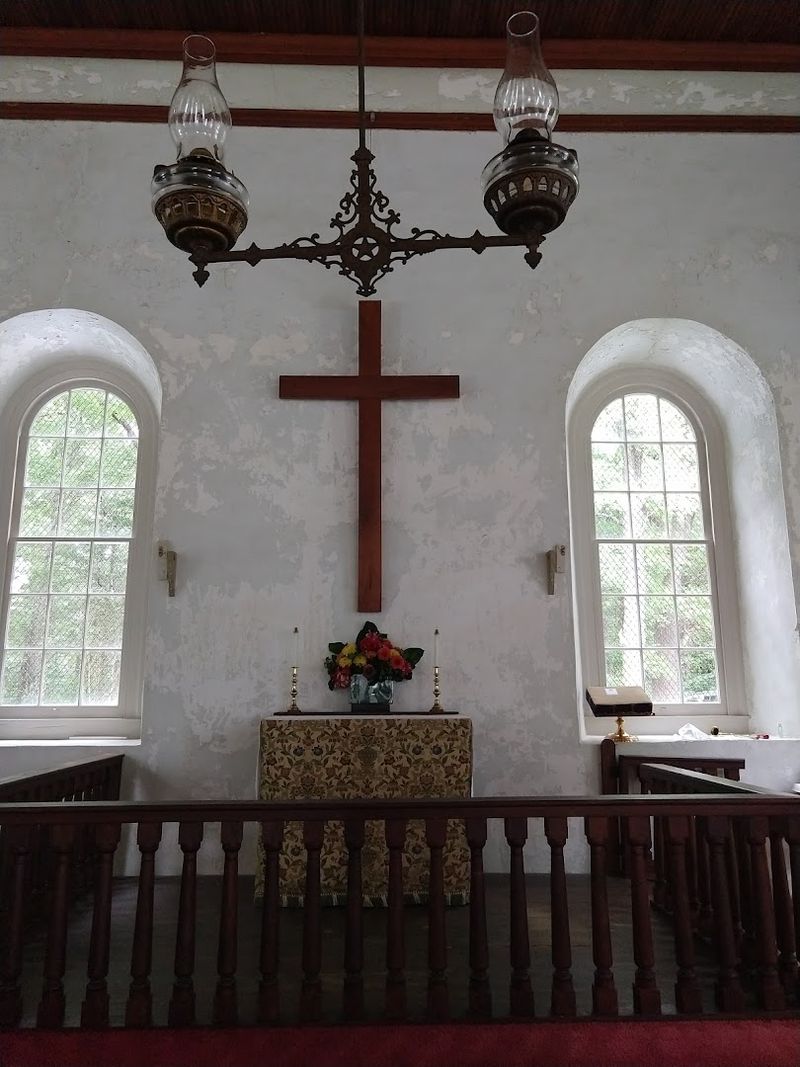
Ghost stories need a central figure to really stick, and the woman in white at Lamb’s Creek Church is one of Virginia’s most enduring. She is always described the same way: kneeling at the chancel rail, head bowed, completely still, and utterly silent.
Nobody seems to know who she is or what she is waiting for.
The consistency of the description across different accounts is what makes this particular legend so compelling. Eyewitness ghost stories usually shift and morph over time, picking up details and losing others.
The woman in white has stayed remarkably consistent, which either says something about the power of a good story or something else entirely.
King George County is not a place typically associated with supernatural tourism, but this particular legend has drawn curious souls for generations. The chancel rail itself, a simple architectural feature in any other context, takes on a completely different weight when you know the story attached to it.
Standing in that spot inside Lamb’s Creek Church, even the most committed skeptic tends to go a little quiet.
A Place of Stillness: The Church After the War
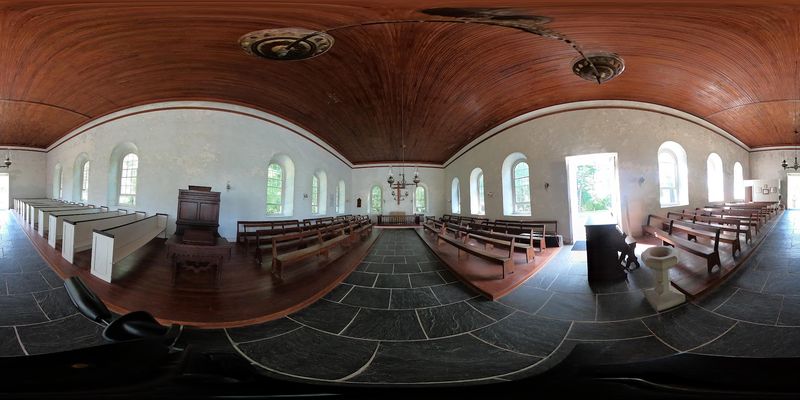
After the chaos of the Civil War finally settled, Lamb’s Creek Church entered a long, quiet chapter. Restoration work brought the building back from the edge of ruin, though the original furnishings that had been destroyed during the Union occupation were never fully replaced.
What remained was a structure of haunting simplicity.
Today the church is no longer used for regular Sunday services. It stands in a kind of respectful semi-retirement, opened for annual memorial services and special events that keep the connection between the building and the surrounding community alive.
There is something deeply moving about a place that exists primarily as a monument to continuity.
Virginia is full of historic churches that have found second lives as event spaces or museums, but Lamb’s Creek Church feels different. Its quietness is not abandonment.
The surrounding cemetery, with its weathered headstones and old shade trees, gives the whole property a contemplative atmosphere that feels intentional rather than accidental. Spending time here is less like visiting a tourist attraction and more like sitting down for a conversation with the past.
On the National Register: History Gets Official Recognition
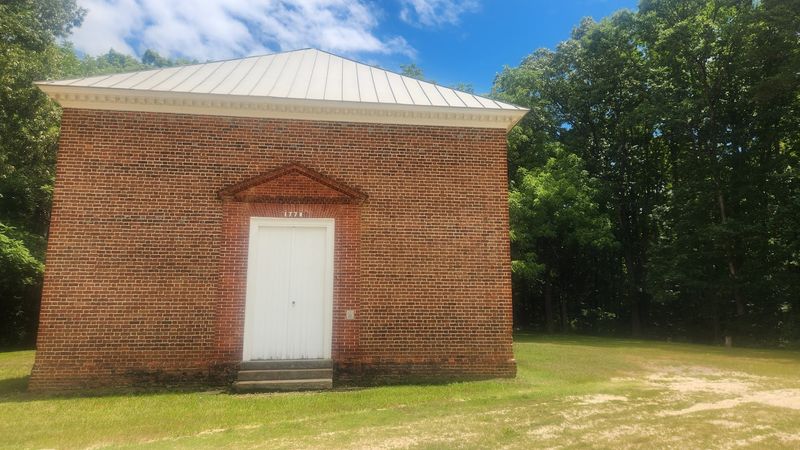
Getting listed on the National Register of Historic Places is not a casual honor. It requires documentation, review, and a demonstrated case that a property has genuine significance to the broader American story.
Lamb’s Creek Church earned that designation, and it is easy to understand why the case was persuasive.
The church ticks nearly every box: exceptional architectural pedigree, direct ties to the colonial period, documented Civil War history, and a cultural footprint in King George County that stretches across multiple centuries. The National Register listing helps ensure that the building receives attention and protection it might otherwise struggle to secure on its own.
For visitors, the designation also functions as a kind of quality stamp. Virginia is home to an impressive number of nationally registered historic properties, and Lamb’s Creek Church holds its own comfortably in that company.
The listing has also helped raise awareness of the church beyond King George County, drawing architecture enthusiasts, history buffs, and yes, ghost hunters from across the state and beyond.
The Architecture Up Close: Details Worth Slowing Down For
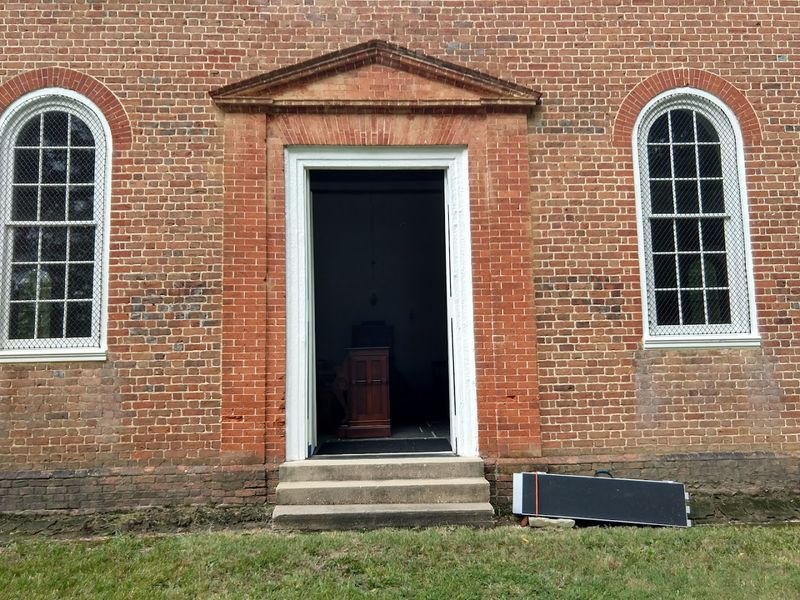
Most people drive past old buildings without really seeing them. Lamb’s Creek Church rewards the visitor who actually stops, steps back, and looks carefully at what is in front of them.
The brickwork alone tells a story of skilled hands and patient labor that no photograph fully captures.
The Georgian proportions of the building create a satisfying visual rhythm: windows spaced evenly, walls rising to a clean roofline, the whole composition balanced without feeling rigid. This is architecture designed to communicate permanence and dignity, and after more than two centuries, it still does exactly that.
Inside, even stripped of much of its original woodwork, the spatial quality of the church is impressive. The light entering through the windows has a particular quality in the late afternoon, warm and slightly diffuse, that makes the interior feel almost theatrical.
King George County contains some genuinely beautiful architecture, and this church sits at the top of that list. Virginia’s colonial builders knew what they were doing, and this building proves it conclusively.
Visiting King George County: More Than Just a Ghost Hunt
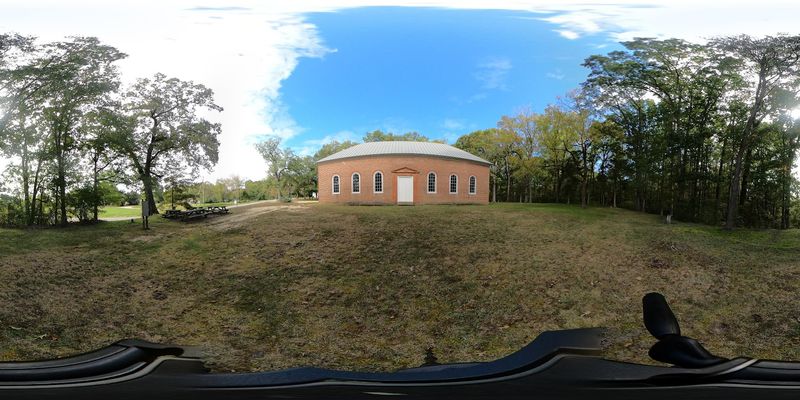
King George County does not always get the spotlight it deserves on Virginia’s tourism map, but a visit to this corner of the state reveals a region with real depth. The county sits along the Rappahannock River, offering scenic landscapes that shift beautifully with the seasons.
Autumn turns the surrounding trees into a riot of color that makes the drive out to the church feel like its own reward.
The area has a quiet, unhurried pace that feels genuinely restorative. There are no crowds jostling for the best photo angle, no ticket lines, no gift shops.
Just an old church, a country road, and the particular satisfaction of finding something extraordinary in an unexpected place.
Virginia’s rural counties often hold the state’s most authentic historical experiences, and King George County is a prime example of that truth. Planning a visit around the annual memorial services gives you the added bonus of seeing the church in active use, which adds a layer of living context to everything else you have already absorbed about its remarkable story.
Plan Your Visit to Lamb’s Creek Church
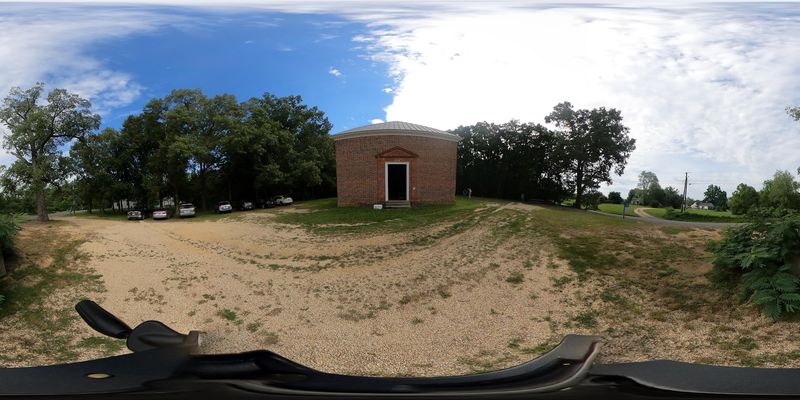
Lamb’s Creek Church sits at 4368 Blakley Drive in King George, Virginia, a quiet address that belies the remarkable history packed inside those old brick walls. Getting there requires a short drive through some genuinely pretty Virginia countryside, which is honestly part of the experience.
The church grounds are accessible for respectful visits, and the surrounding cemetery is worth a thoughtful walk. Headstones here span multiple centuries, each one a small, personal window into the community that has gathered around this place since the colonial era.
Bring a camera, bring comfortable shoes, and bring your curiosity.
For those interested in the paranormal side of the story, visiting at dusk gives the property an atmosphere that daylight simply cannot replicate. The old trees cast long shadows, the brick takes on a deeper color, and the silence becomes genuinely impressive.
Whether you believe in ghosts or not, Lamb’s Creek Church is the kind of place that stays with you long after you have driven back down that country road. Pack a jacket, charge your phone, and get yourself to King George County.
